
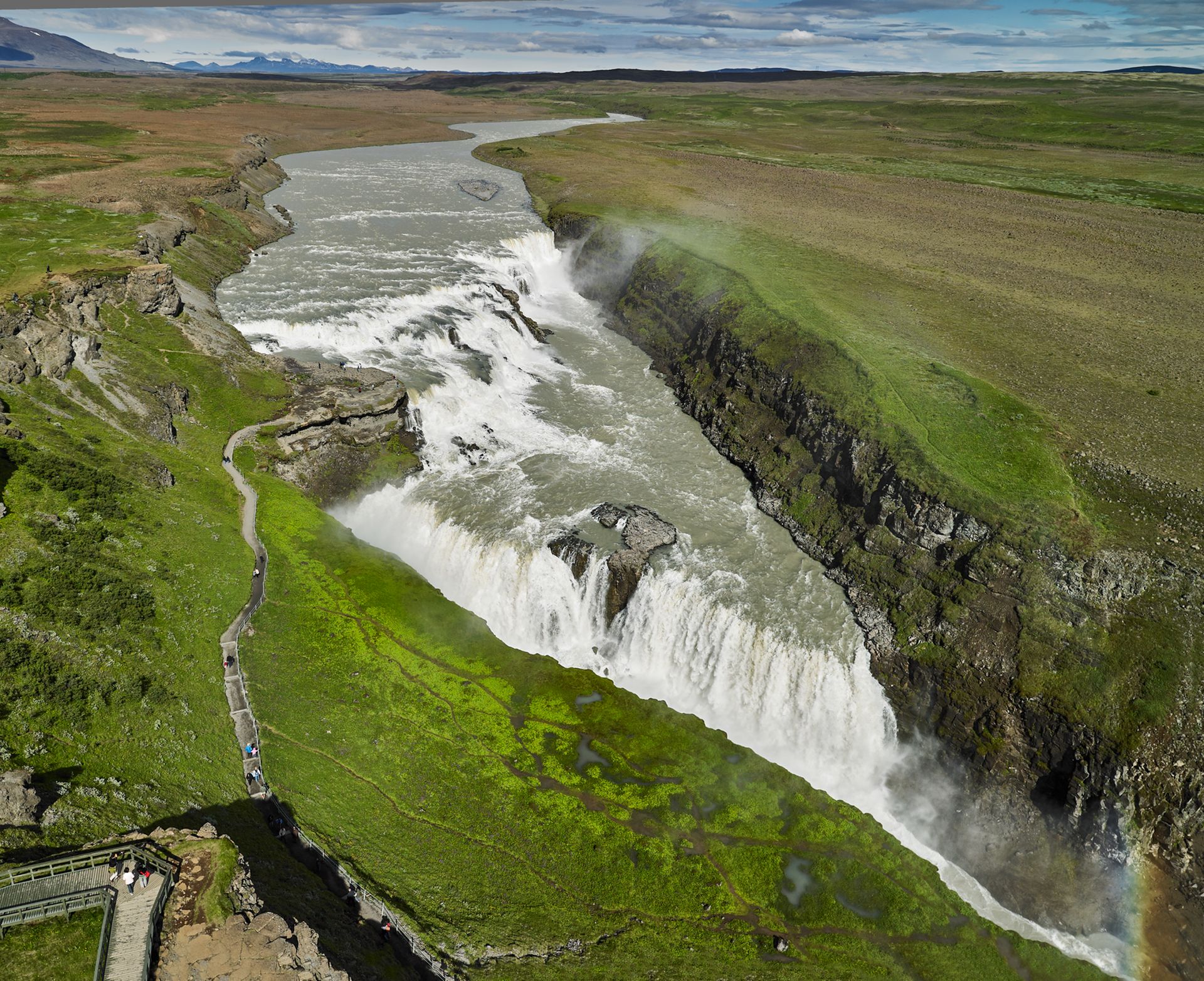
The Best Things to Do in Iceland to Make the Most of Your Visit
Iceland is home to a remarkable range of natural wonders, from its famous hot springs and massive glaciers to the vibrant Northern Lights. While the dramatic scenery is the main attraction, the island’s charming coastal towns and villages offer a welcoming atmosphere that keeps travelers returning year after year.
Here are the best things to do in Iceland, whether you’re a first-time explorer or a returning traveler.
1. Drive the Golden Circle
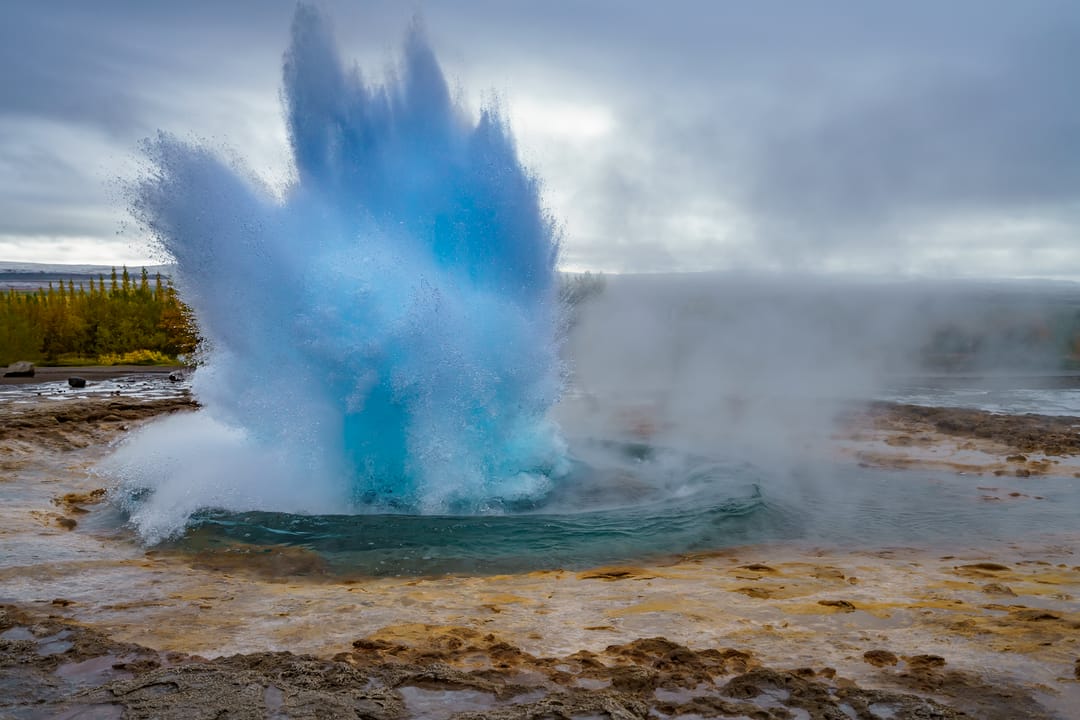
For the quintessential Icelandic road trip, the Golden Circle is a must. As the most popular of all Icelandic day tours, it serves as a microcosm of the country’s geological drama. This route packs three iconic attractions into a roughly 155-mile (250-kilometer) loop from the capital city.
Start at Þingvellir National Park, where you can walk through the massive rift between the North American and Eurasian tectonic plates. Next, visit the Geysir geothermal area to witness the Strokkur geyser hurl boiling water high into the air. The trio concludes at the mighty Gullfoss waterfall, where the Hvítá River plunges dramatically into a deep, rugged canyon.
2. Hunt for the Dancing Northern Lights
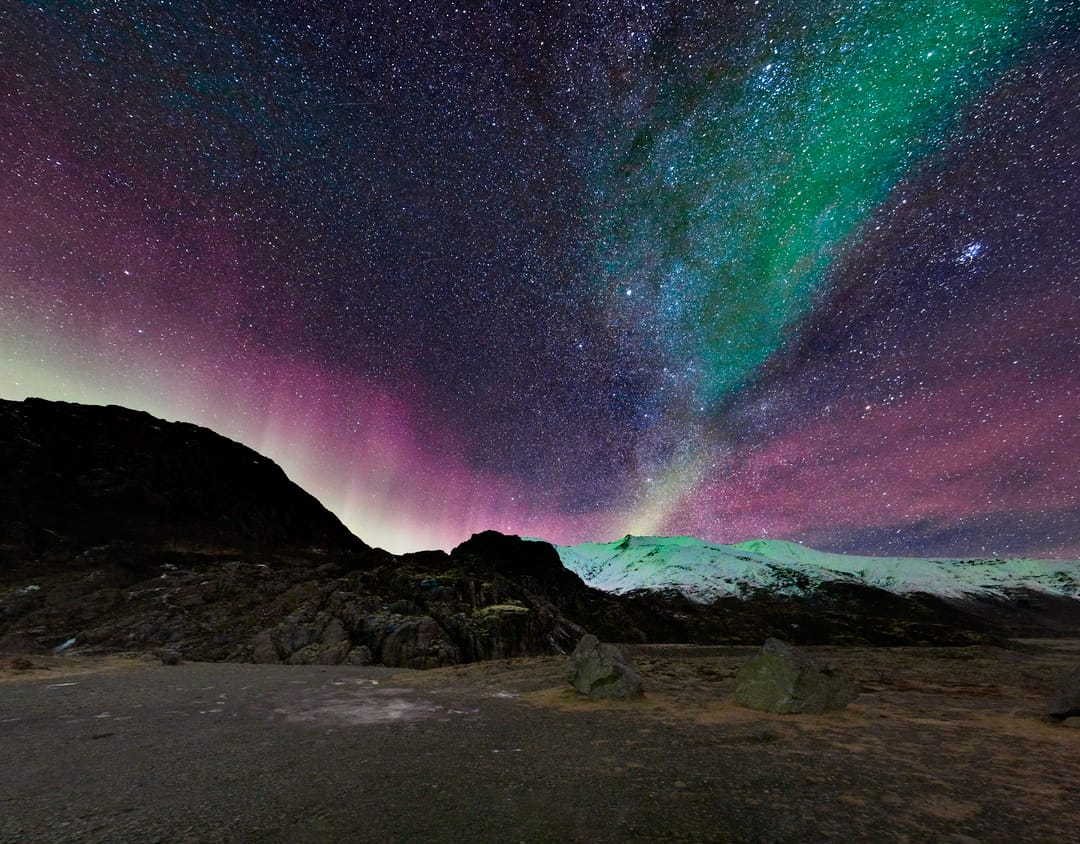
The aurora borealis remains a top-tier item on every traveler’s Iceland bucket list. From September through April, ribbons of green, purple, and pink light dance across the Arctic sky. To witness the northern lights, you’ll need dark, clear nights away from the city’s light pollution. Many visitors join guided tours that scout the best weather windows and solar forecasts. It requires patience and luck. But witnessing the lights shimmer over the landscape remains one of the top things to do in Iceland in winter.
If you’re visiting during the summer months, the midnight sun keeps the northern lights out of sight. To experience the magic during the off-season, visit Perlan’s Northern Lights show. This award-winning, 360° experience is housed in a state-of-the-art planetarium, combining science and art to bring the auroras to life.
3. Cross Between Two Continents
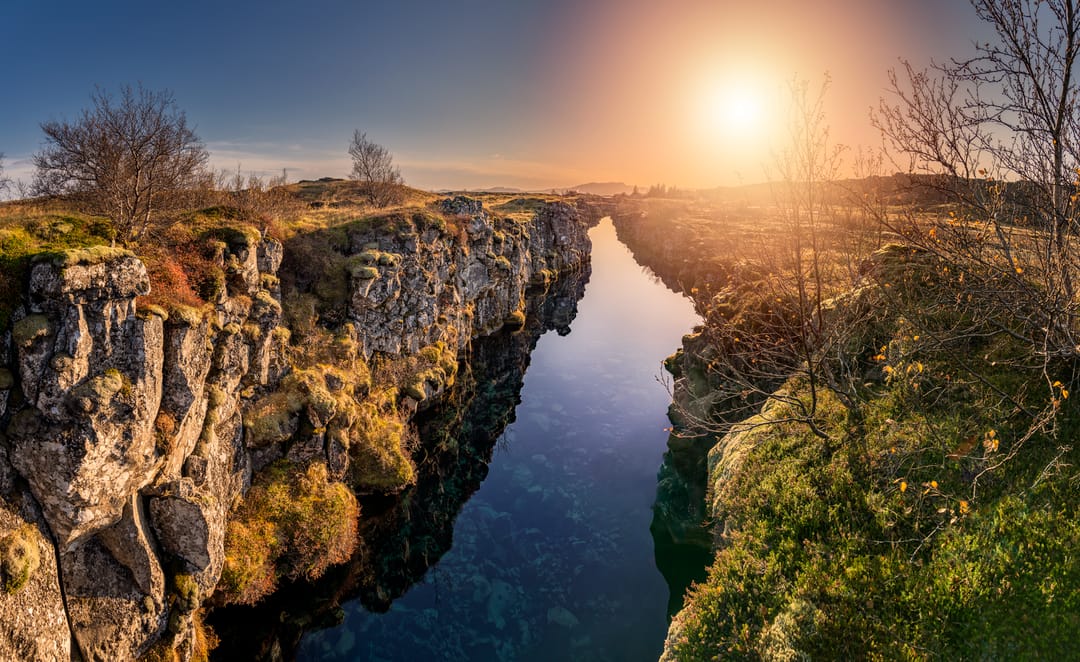
Iceland is one of the few places on Earth where you can stand upon the Mid-Atlantic Ridge above sea level. This geological scar marks the boundary between the North American and Eurasian tectonic plates. While it’s most famous at Þingvellir, you can also cross it on the Reykjanes Peninsula at the Bridge Between Continents. Here, a symbolic footbridge spans a sandy fissure, allowing you to walk from Europe to North America in seconds.
If you’re visiting Þingvellir, you can actually swim between the tectonic plates at the Silfra fissure. This crack in the earth is filled with glacial meltwater filtered through lava rock, resulting in world-class visibility of over 100 meters with a chilling 2°C water temperature. Most people join a guided snorkeling tour using insulated dry suits to float directly over where the North American and Eurasian continents are slowly pulling apart.
4. Chase the Mighty Waterfalls in Iceland
There are thousands of waterfalls in Iceland, each with its own character. Along the South Coast, Skógafoss impresses with its sheer power and frequent rainbows. Nearby, Seljalandsfoss offers a unique path that allows you to walk directly behind the falling curtain of water.
In the north, Goðafoss curves in a dramatic horseshoe, while Dettifoss is often called Europe’s most powerful cascade. From the frozen sculptures of winter to the thundering rush of summer, these falls are essential stops on any Icelandic journey.
5. Soak in Geothermal Pools
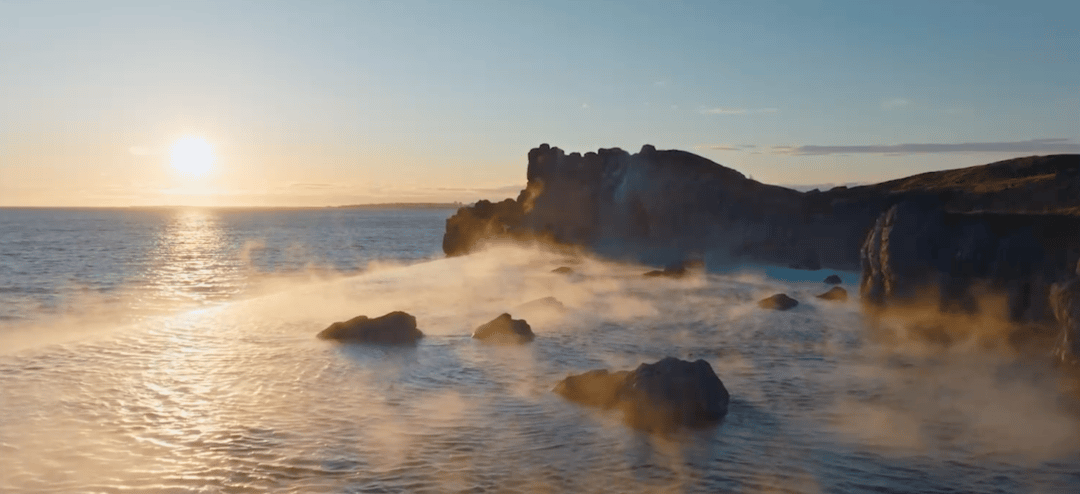
Bathing in naturally heated water is a cornerstone of Icelandic culture. The most famous destination is the Blue Lagoon, known for its mineral-rich, milky-blue waters and volcanic backdrop. A soak in this iconic spa is a must-try experience when looking for things to do in Iceland, regardless of season.
Beyond the Blue Lagoon, the island is dotted with local pools and modern spas like the Sky Lagoon or Myvatn Nature Baths. For a more rugged experience, you can hike to Reykjadalur Valley to soak in a warm thermal river. Alternatively, seek out the Secret Lagoon, the oldest swimming pool in the country. This time-honored Icelandic tradition is a soothing indulgence after a long day of sightseeing.
6. Marvel at Ancient Glaciers and Ice Caves
Glaciers cover about 11% of Iceland, and exploring them is a transformative experience. Start with a guided hike on an outlet like Sólheimajökull, where you can navigate deep blue crevasses and volcanic ash-streaked ridges.
For a more serene view, head further east to the Jökulsárlón Glacier Lagoon. Here, massive icebergs calve off the glacier and drift toward the sea. A boat tour allows you to weave through these sparkling, floating sculptures. Right across the lagoon is Diamond Beach, where sparkling icebergs lie on the black sand like scattered jewels.
During the winter months, ice caving becomes the main attraction. Natural crystal blue ice caves in the Vatnajökull glacier are a winter-only highlight. However, adventurous travelers can still find year-round options, such as the Katla Ice Cave near Vík. Thus, the ice cave experience remains among the top things to do in Iceland, no matter when you visit. Perlan’s indoor ice cave is another great way to experience this activity safely and comfortably.
7. Trek the Colorful Landscapes of the Highlands
The interior Highlands are Iceland’s last great wilderness, accessible only in the summer months with 4x4 vehicles. This vast, roadless interior is home to some of the most surreal landscapes on Earth.
Landmannalaugar: The region’s crown jewel, Landmannalaugar, is famous for its multi-colored rhyolite mountains glowing in orange, pink, and green hues. Hikers flock here to tackle the Laugavegur trail or to soak in natural hot springs surrounded by obsidian lava fields.
- Kerlingarfjöll: Located along the Kjölur route, the Kerlingarfjöll mountain range offers a striking contrast of fire and ice. The main attraction is Hveradalir (The Valley of Hot Springs), a steaming geothermal wonderland.
From remote trails to mountain oases, exploring the Highlands is among the most rewarding things to do in Iceland in summer.
8. Spot Atlantic Puffins and Whales
Wildlife enthusiasts often find Iceland to be a sanctuary for rare encounters. The country is an exceptional place to observe marine life and seabirds in their natural habitats. Whale watching tours from Reykjavík or Húsavík offer high success rates for spotting humpbacks, minke whales, and blue whales.
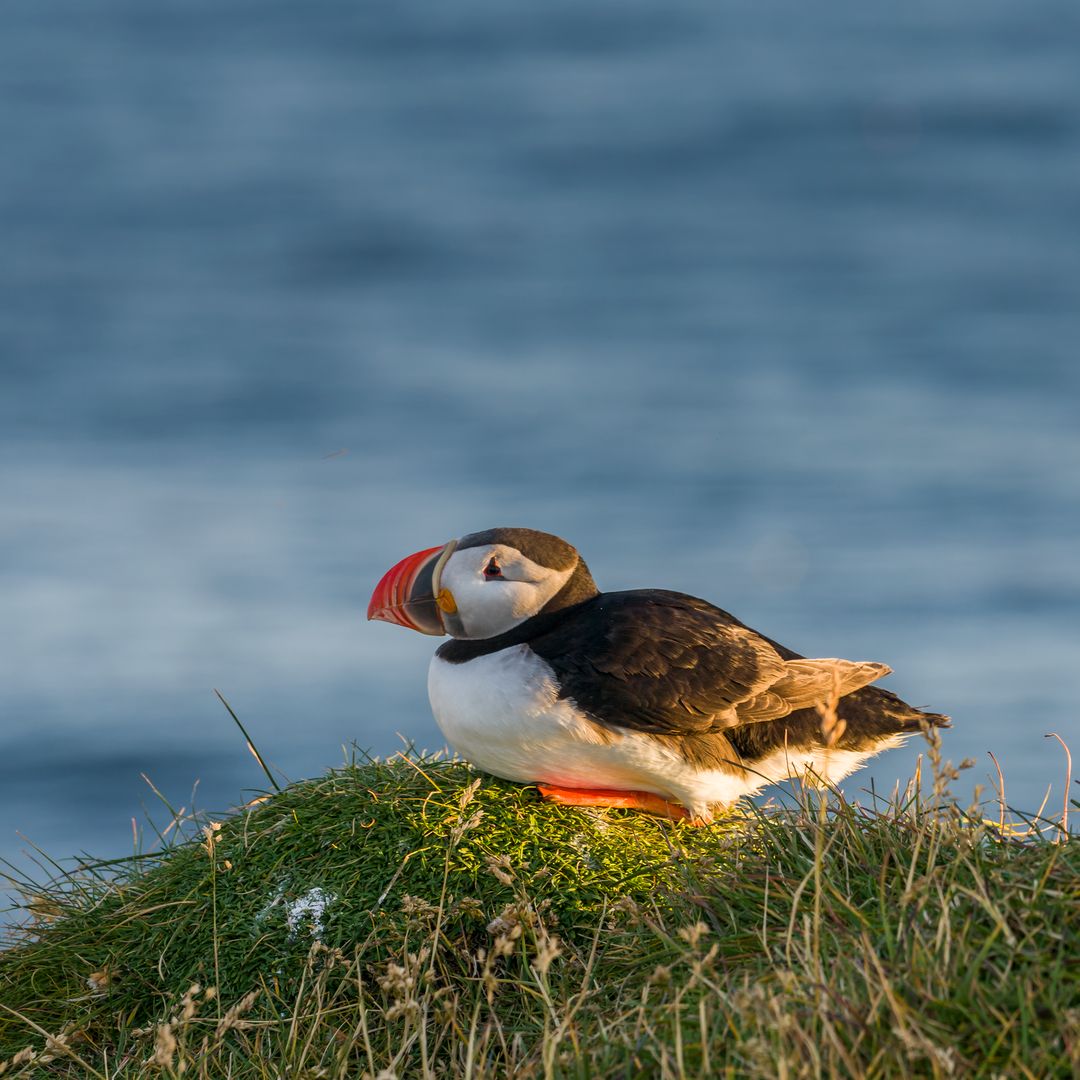
On land, the summer months bring millions of Atlantic puffins to the coastal cliffs. The Westman Islands and the Látrabjarg cliffs in the Westfjords are premier nesting grounds. As Europe’s largest seabird cliff, Látrabjarg provides a front-row seat to one of nature’s most bustling avian colonies.
For a closer look at these species year-round, visit Perlan’s Látrabjarg cliffs exhibition in Reykjavík. This realistic, multi-story reconstruction allows visitors to view life-sized bird colonies. It’s a good place to learn about their unique nesting behaviors in an indoor environment.
9. Ride Icelandic Horses
Isolated in the country for over 1,000 years, Icelandic horses are smaller, sturdier, and friendlier than almost any other breed. Though pony-sized, these powerful animals are world-famous for the tölt. This smooth four-beat gait allows riders to glide comfortably across uneven volcanic terrain without the bouncing of a traditional trot.
Horse riding tours are available all over the country, ranging from gentle hour-long beach strolls to multi-day mountain treks. Galloping across a shallow glacial river on one of these spirited animals provides a sweeping perspective of the Icelandic landscape. A list of unique things to do in Iceland isn’t complete without meeting this genial, historic breed.
10. Witness the Volcanic Power of Iceland
Iceland is a land forged by fire, and the evidence of its volcanic heart is everywhere. On the Reykjanes Peninsula, you can visit the site of recent Fagradalsfjall eruptions to see vast fields of still-steaming, black lava. In the north, the moon-like Námaskarð geothermal area features hissing fumaroles and bubbling mud pools that have a strong sulfur smell.
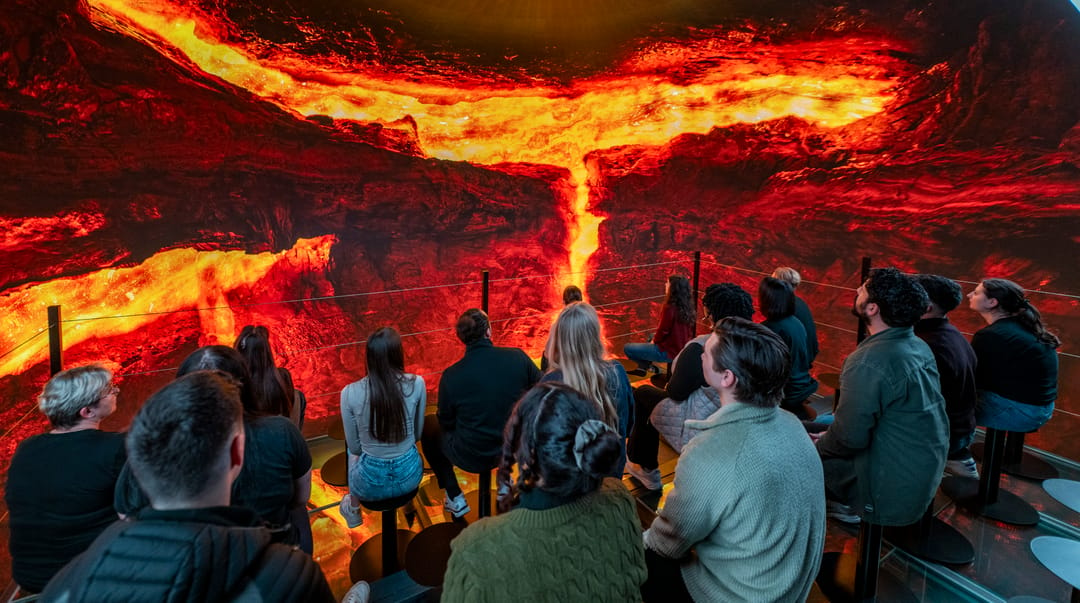
Exploring these sites gives you a front-row seat to the geological forces that continue to shape the island’s landmass. To dive deeper into this explosive history, the Volcano Show exhibition at Perlan is a must-see. The immersive display lets visitors experience the all-encompassing power of the Earth’s core while reliving recent Geldingadalir eruptions.
11. Experience the Midnight Sun
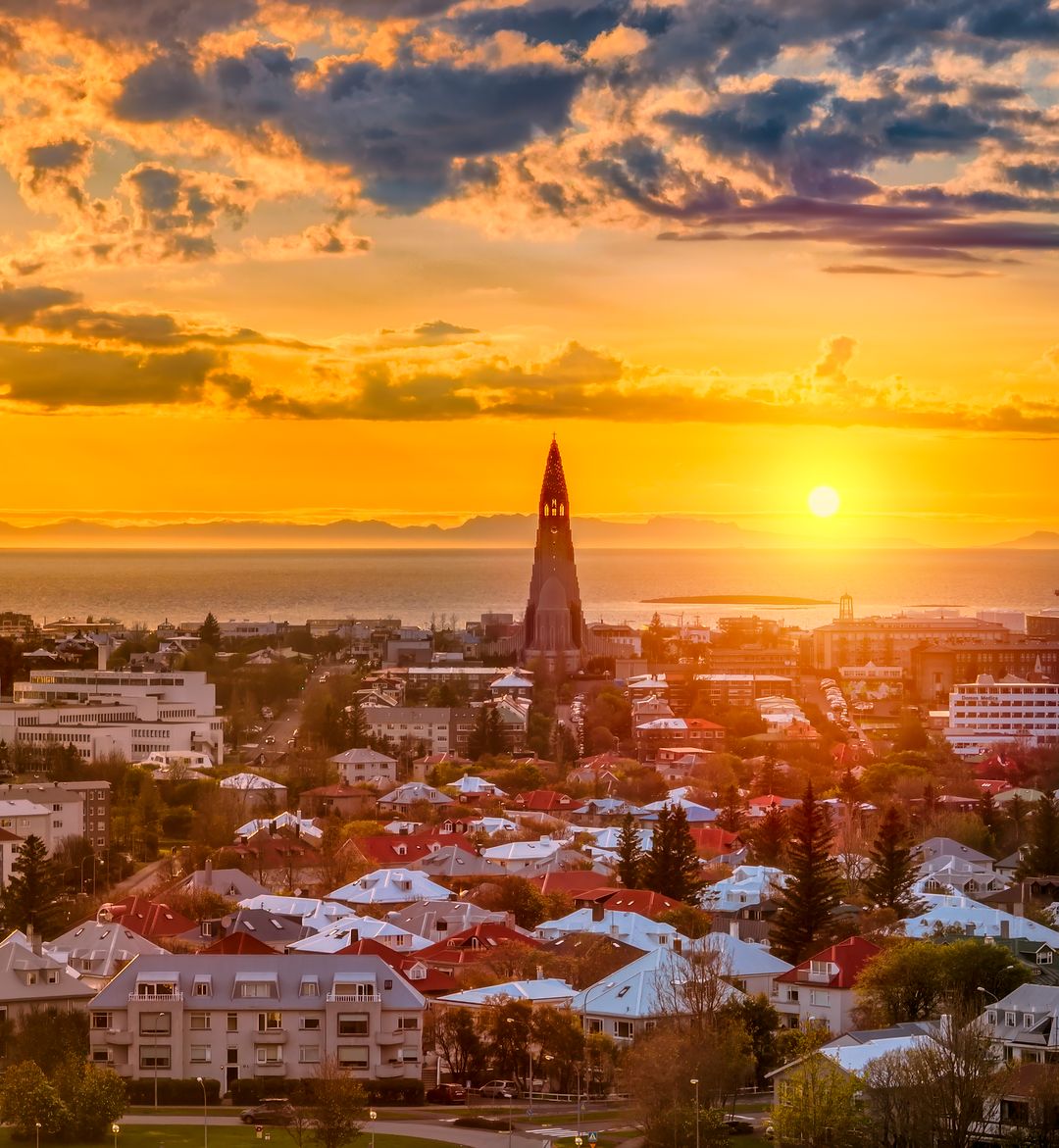
During the height of summer, Iceland undergoes a dramatic transformation as the sun barely dips below the horizon. Around the summer solstice in late June, you’ll find nearly 24 hours of daylight across the island.
This phenomenon grants travelers the freedom to explore more of Iceland without the constraints of darkness. In summer, you can hike highland trails at midnight or visit waterfalls at 2:00 a.m. for complete solitude. The “Golden Hour” stretches for hours, bathing the landscape in soft, honey-hued light. It’s one of the most surreal reasons to visit Iceland, turning the country into a sun-drenched playground that never sleeps.
12. Escape to the Remote Westfjords
If you want to leave the crowds behind, head to the Westfjords. This rugged, mountainous peninsula is often skipped by travelers on shorter trips, but it rewards adventurers with remote, breathtaking scenery.
Highlights include the multi-tiered Dynjandi waterfall, which fans out like a bridal veil, and the red sands of Rauðasandur beach. The region is home to deep fjords, steep mountains, and tiny fishing villages where local tradition reigns supreme. It is one of the best places in the country for birdwatching and spotting the elusive Arctic fox.
A 4x4 vehicle is recommended for a Westfjords journey, especially to visit Rauðasandur via its steep, winding gravel descent.
13. Road Trip the Full Ring Road
To truly grasp the scale of the island, you must drive the Ring Road (Route 1). This 828-mile (1,332-kilometer) highway circles the entire island, stitching together Iceland’s most distinct regions into one epic journey. Along the way, the scenery shifts: from the rolling farmland and purple lupine fields to jagged fjords and lunar, volcanic deserts.
While you can rush it in a week, 10 days allows for ample detours to hidden waterfalls and coastal towns. This road trip is the ultimate adventure, one of the most unforgettable things to do in Iceland.
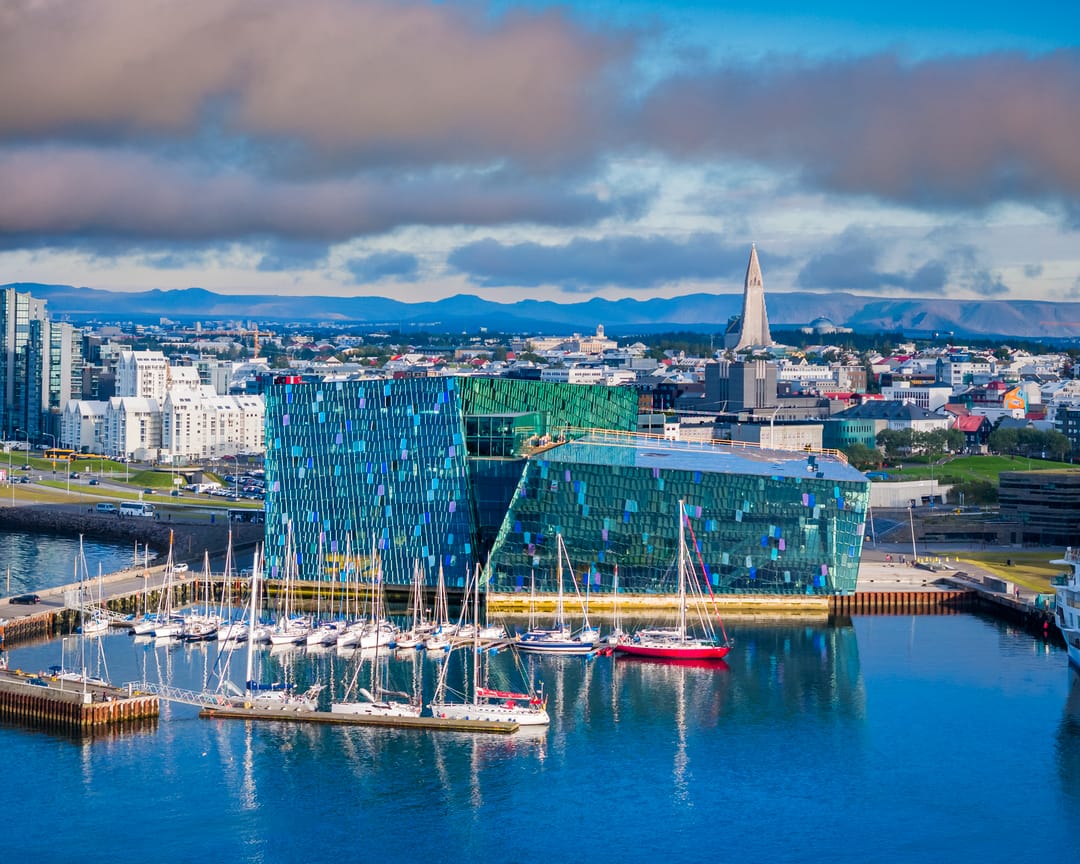
14. Explore the Capital City
Reykjavík is a small capital city with a big personality. As the cultural heart of Iceland, it’s home to iconic landmarks like Hallgrímskirkja church and Harpa Concert Hall. Here, you can spend the morning browsing the boutiques on Laugavegur street, then dive into the city’s world-class culinary scene.
Whether you’re enjoying museums or relaxing in a local pool, it’s the perfect balance of urban creativity and scenic beauty. Look forward to a walkable, welcoming base that serves as a great gateway to your Icelandic adventure.
15. Visit Perlan
Finally, after experiencing the coastlines and glaciers, a visit to Perlan is an excellent way to wind down in Reykjavík. Here, you can learn more about and contextualize the island’s natural wonders. This hilltop landmark offers an immersive, scientific deep-dive into the geology you’ve experienced firsthand.
Step inside a real indoor ice cave, witness a cinematic northern lights show, and marvel at the power of volcanoes. Before returning to the city center, visit the 360-degree observation deck for the best panoramic view of the capital and beyond. It remains one of the most engaging things to do in Iceland, an educational experience for travelers of all ages.
FAQs About the Best Things to Do in Iceland
What is a must-do in Iceland?
If you only have time for one experience, driving the Golden Circle is an essential Icelandic activity. It’s a dense introduction to the country’s geology, featuring Þingvellir National Park, the Strokkur geyser, and the Gullfoss waterfall.
What is the number one attraction in Iceland?
The Blue Lagoon remains the most visited attraction, a geothermal spa famous for its mineral-rich, milky-blue water. For those seeking a more natural wonder, Jökulsárlón Glacier Lagoon is a close second, offering unmatched views of drifting icebergs.
What is the best month to see Iceland?
It depends; for the midnight sun, hiking in the highlands, and puffin watching, July is peak season. For the northern lights and ice caving, deep winter months like February or March are ideal.
Is seven days in Iceland too long?
Not at all; seven days is generally considered enough time to explore Reykjavík, the Golden Circle, and the South Coast. However, if you plan to road trip the full Ring Road, you may find seven days a bit rushed.
What is Iceland most famous for?
Iceland is most famous for its dramatic landscapes of active volcanoes and massive glaciers. It’s also known for its Viking heritage, sustainable energy, and being one of the best places for the northern lights.
What is a must-buy in Iceland?
An iconic souvenir is a Lopapeysa, a traditional Icelandic wool sweater, which is hand-knitted from unspun sheep’s wool (lopi). Other popular items include skincare products made from Blue Lagoon minerals and artisanal sea salt from the Westfjords.
Popular articles
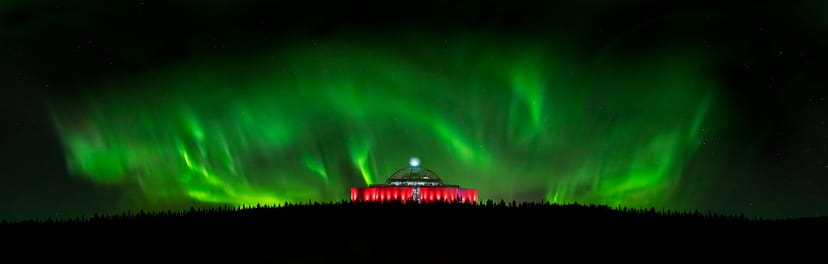
The Complete Guide to the Northern Lights in Iceland
Learn how the Northern Lights form, where to see them in Iceland, how to prepare, take photos, read the forecast, and improve your chances of a sighting.
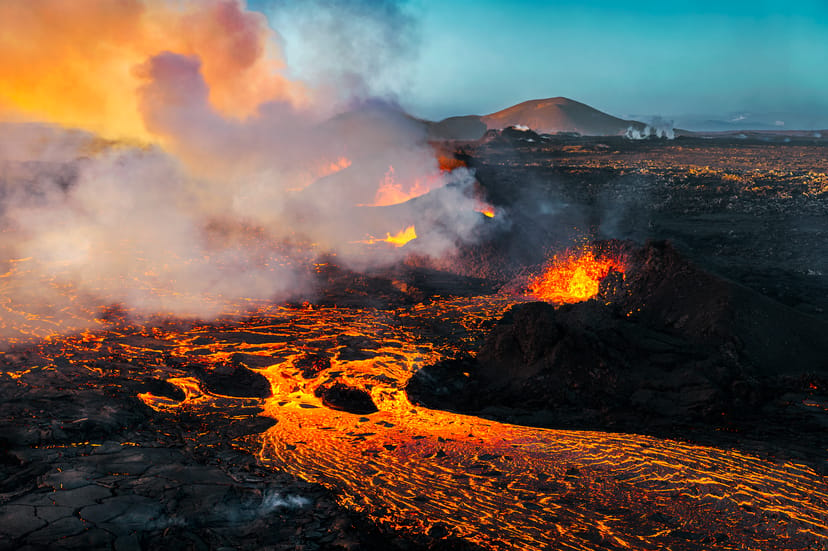
Let's Talk About the Volcano in Iceland About to Erupt
Is a volcano in Iceland about to erupt? Here’s what travelers should know about Svartsengi, Reykjanes activity, flights, safety, and the Blue Lagoon.
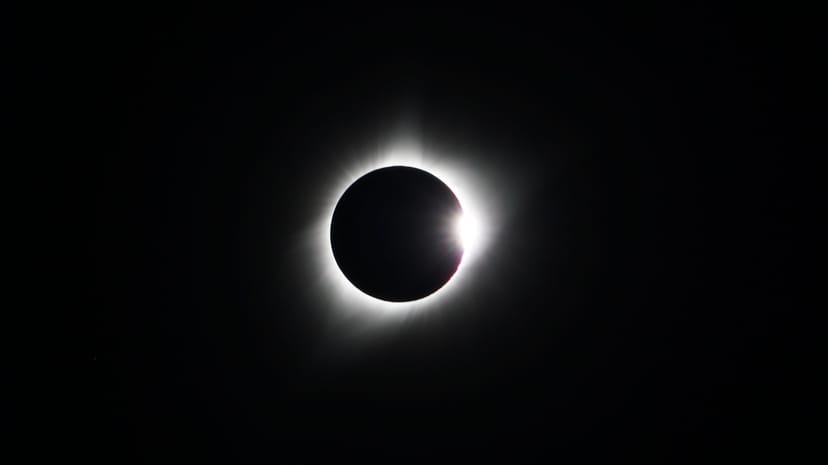
Solar Eclipse 2026 in Iceland | What Happened
Iceland experienced a total solar eclipse on August 12, 2026. Discover what happened in Reykjavík, eclipse times, totality locations and more.
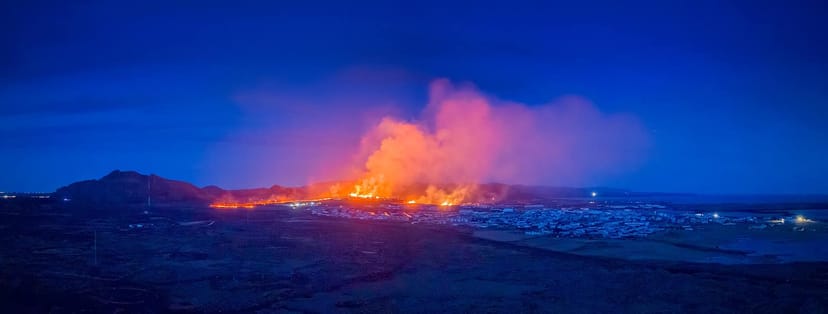
September 2026 updates on the Sundhnúkagígar Eruption in the Reykjanes Peninsula!
The current eruption in the Reykjanes Peninsula, is called Sundhnúkagígar Crater Row. See insights on the seismic activity and volcanic eruptions in the area!
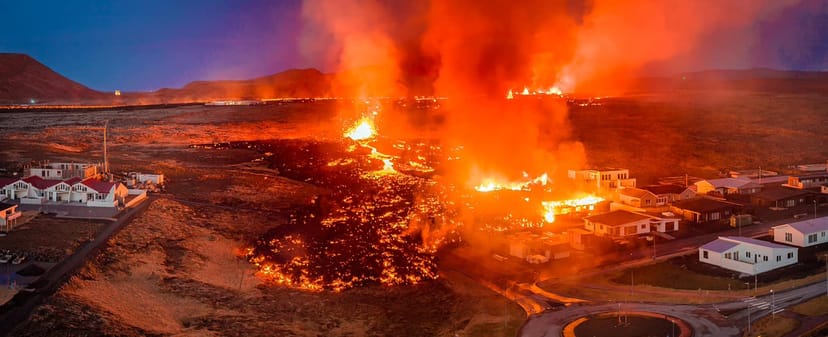
Active Volcanoes in Iceland 2026
Active volcanoes aren't the same thing as active eruptions. A volcano can be considered active even when it is not ejecting ash, rock, gases and magma, so which are active in Iceland in 2026?
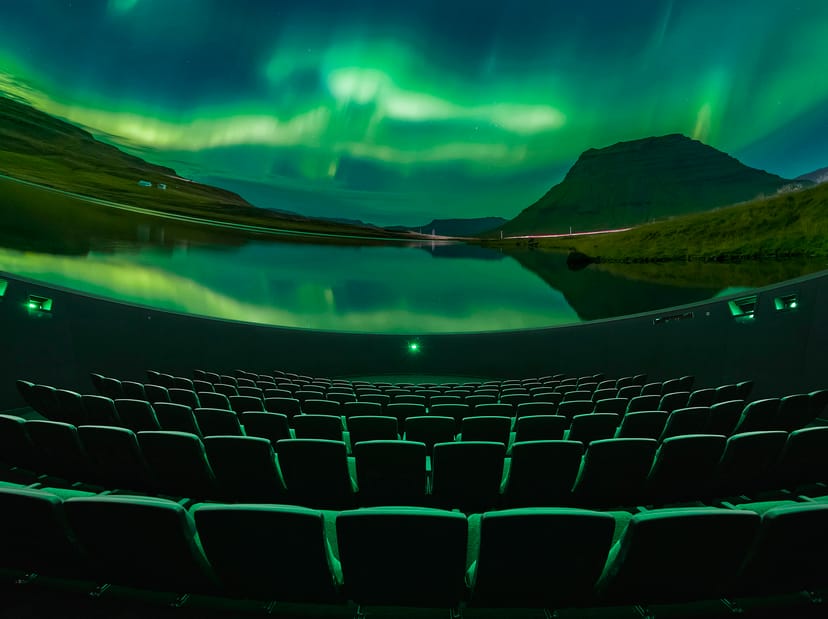
Top 10 Places To See the Northern Lights in Iceland
Discover the best places to see the Northern Lights in Iceland, from Jökulsárlón and Kirkjufell to Reykjavík, Þingvellir and North Iceland.
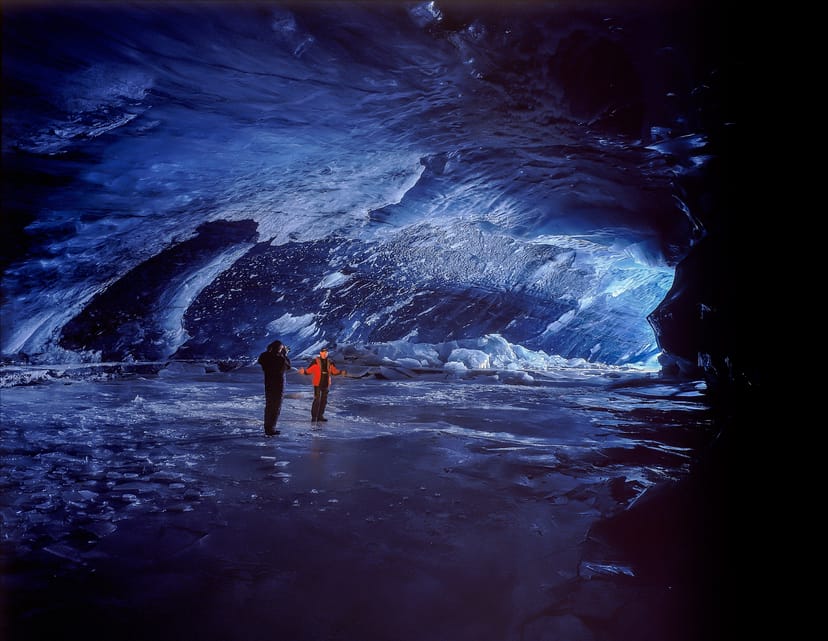
Ice Caves From Reykjavik
Planning an ice cave trip from Reykjavik? Compare Katla, Langjökull and Vatnajökull, travel times, seasons and Perlan’s ice cave in the city.