
Blue Whales in Iceland
Iceland, a country shaped by volcanoes and glaciers, offers a unique opportunity. Here, in its cool northern waters, you might spot the magnificent blue whale. This truly is the largest animal on the planet. Its immense size makes even the biggest dinosaurs seem small.
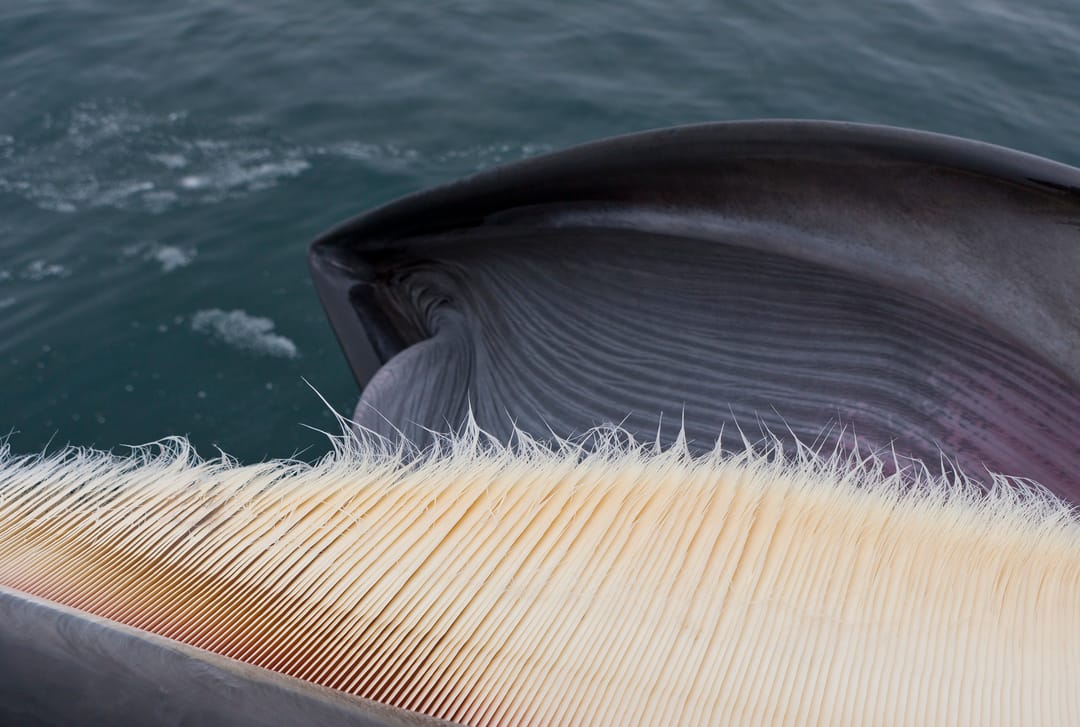
These gentle giants are baleen whales. They filter feed on tiny crustaceans. Tons of krill make up their daily diet. Blue whales can be found in oceans except the Arctic. They undertake vast migrations, sometimes travelling over 1,000 miles.
Best Places and Times to See Blue Whales
Can you see blue whales in Iceland? Yes, but sightings are rare. They are not as common as other whale species. Húsavík, a town in North Iceland, is known as the whale-watching capital. It is often cited as the best place to see whales in Iceland.
Skjálfandi Bay, off Húsavík's coast, is a prime feeding ground. Melting snow and rivers bring nutrients. These create a rich ecosystem. This attracts many baleen whales.
The best time to see whales in Iceland is during the summer months. Blue whale season in Iceland typically runs from April to June. This is when they migrate to these rich feeding areas. The longer daylight hours also improve visibility.
Whale watching tours operate from various locations. Húsavík and Akureyri in the North are excellent choices. Reykjavík also offers tours, though blue whale sightings there are less frequent.
A Closer Look at the Blue Whale
The blue whale, or Balaenoptera musculus, is a marine mammal. It can reach lengths of up to 30 meters. Its tongue alone can weigh as much as an elephant. Despite its enormous size, it feeds on tiny organisms. These whales are also among the loudest animals. They produce powerful low-frequency sounds. These can travel for hundreds of miles underwater.
Observing these majestic creatures in their natural habitat is unforgettable. Whale watching tours adhere to strict guidelines. This ensures the well-being of the whales. Operators keep a safe distance. They minimise disturbance.
Blue Whale Behaviour in Icelandic Waters
Blue whales in Icelandic waters display fascinating yet elusive behaviour. Despite their massive size, they are known to be gentle, shy, and solitary creatures. Most sightings involve a single whale or, at most, a pair travelling together.
When feeding, blue whales dive deep, sometimes staying underwater for up to 15 minutes before surfacing for air. As they rise, you can often see their smooth, curved back followed by a tall column of mist from their blowhole, which can reach 9 meters high.
Blue whales also produce some of the lowest and loudest sounds in the animal kingdom.
These deep-frequency calls travel across hundreds of miles underwater and are believed to help with long-distance communication and navigation during migration. Their mysterious songs contribute to the magic of encountering them in Iceland’s northern seas.
Blue Whale Facts and Fascinating Details
The blue whale holds countless records in the animal world. Here are some incredible facts that highlight just how extraordinary these marine mammals are:
- Scientific name: Balaenoptera musculus
- Length: Up to 30 meters (100 feet) — longer than two city buses.
- Weight: Up to 200 tons, with the heart alone weighing as much as a small car.
- Diet: Feeds on krill and small crustaceans, consuming up to 16 tons of krill per day.
- Lifespan: Can live up to 80–90 years.
- Diving pattern: Surfaces every 10–20 minutes to breathe, then dives deep for feeding.
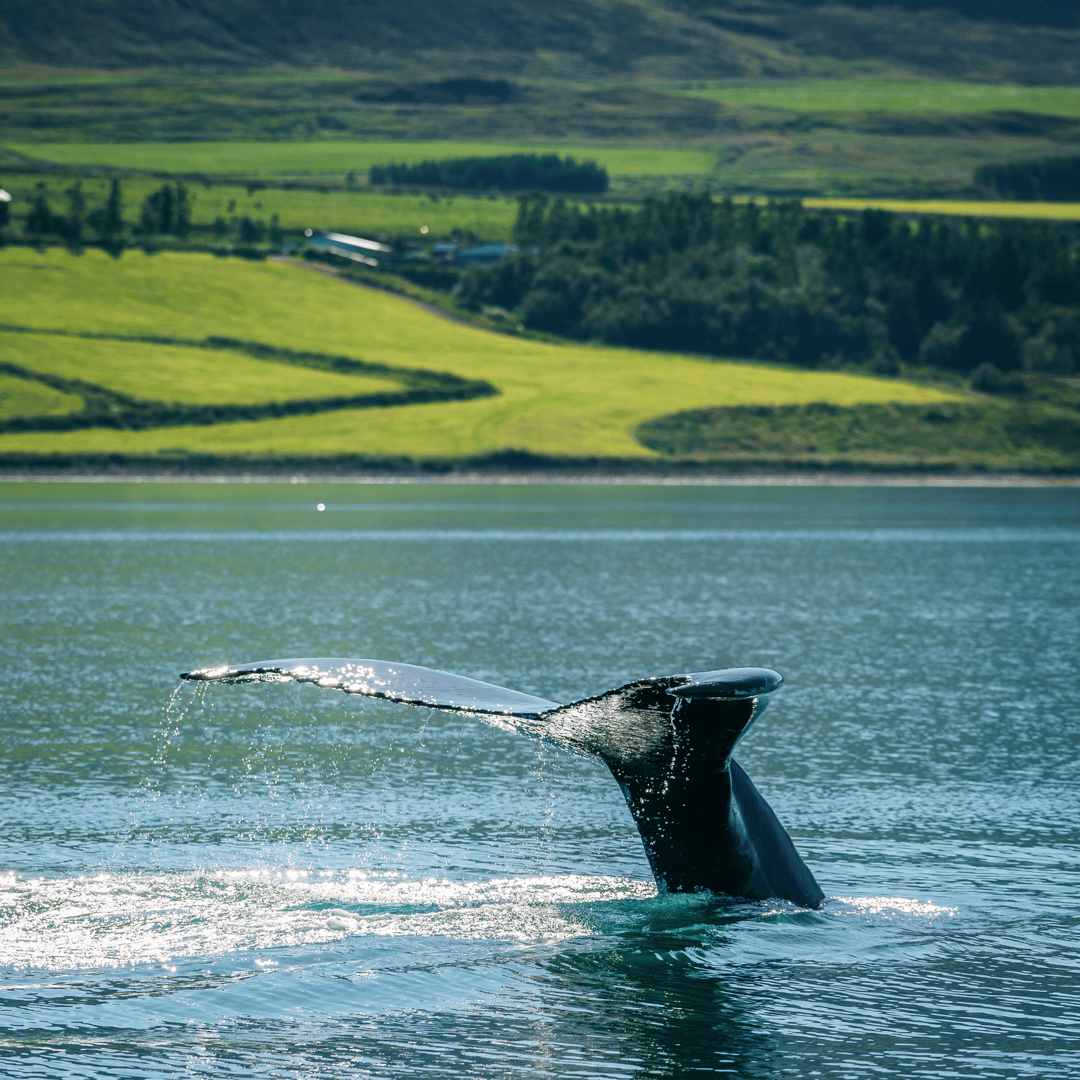
- Fluke span: Around 5 meters, helping them glide powerfully through the sea.
- Flippers: Long and narrow.
These awe-inspiring features make blue whales not only the largest animals on the planet, but also some of the most efficient swimmers and travelers in the ocean.
To learn more about other whales in further detail, read this ultimate guide to whales in Iceland.
Icelandic Whaling History and Conservation Efforts
Does Iceland hunt blue whales? The commercial whaling of blue whales is banned globally. This ban was set by the International Whaling Commission (IWC). Historically, blue whales faced severe threats. More than 340,000 were killed in the early 20th century.
This devastated their population. Iceland has a complex history with whaling. It has objected to the IWC's moratorium on commercial whaling. However, blue whales are internationally protected. Iceland has not hunted blue whales in recent decades. The focus has shifted towards whale watching tourism. This brings economic benefits without harming these incredible animals.
Despite protection, blue whales still face threats. Ship strikes and ocean noise are major concerns. Climate change also impacts their feeding grounds. Conservation efforts are vital for their survival.
Experience the Wonders of the Ocean at Perlan
For those eager to learn more about these fascinating creatures, Perlan in Reykjavík offers a unique experience. Perlan is a world-class nature exploratorium. It provides an immersive journey into Iceland's natural wonders.
Discover "The Ocean" exhibition at Perlan. This exhibition offers an interactive underwater experience. You can delve into the marine world without getting wet. Learn about the diverse whale species found in Icelandic waters. Understand their biology and behaviours. This includes the massive blue whale.
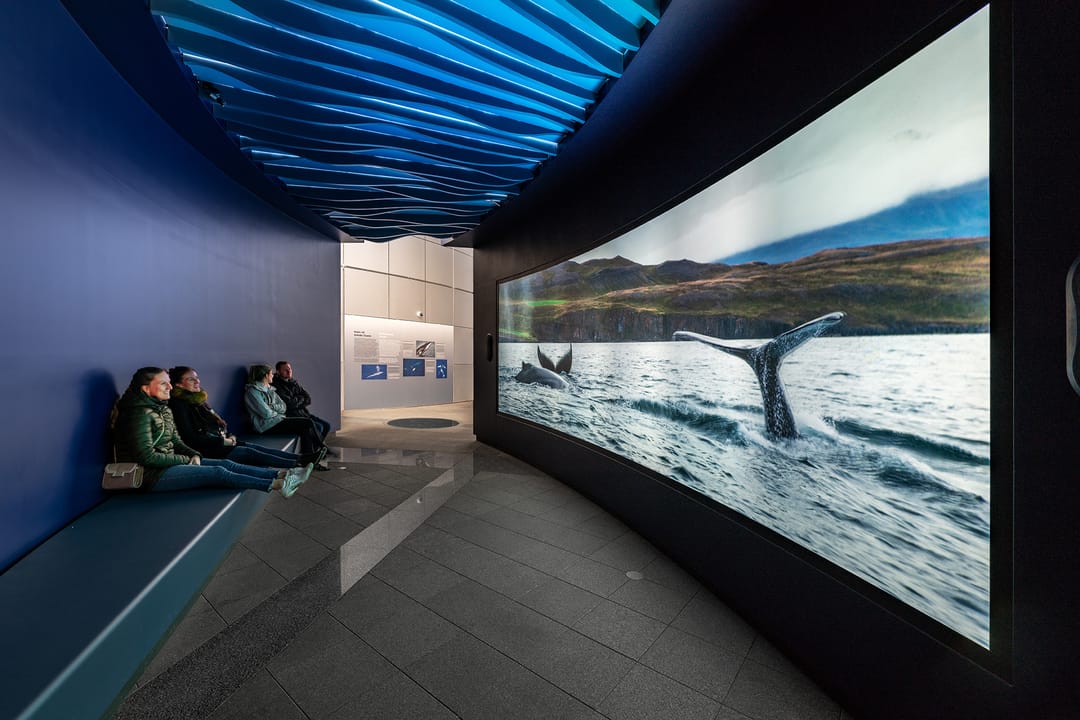
Perlan also features "Blue," the sky-sailing whale. Blue glides freely through Perlan’s glass-domed skies. This stunning representation captures the grace of these giants. It reminds us of their incredible presence. Perlan brings the grandeur of the oceans to you. It highlights the importance of marine conservation. A visit to Perlan complements any whale watching trip. It deepens your appreciation for these magnificent animals.
Perlan is more than just a museum. It is a place of learning and inspiration. It stands as a testament to Iceland's commitment to nature. From its observation deck, enjoy panoramic views of Reykjavík. Reflect on the vastness of the ocean. Imagine the marine mammal life beneath its surface. Learn about the northern hemisphere connections for many migrating whales. Perlan truly connects visitors to Iceland’s extraordinary natural world.
FAQs On Blue Whales in Iceland
Can I See Blue Whales in Iceland?
Yes, it is possible to see blue whales in Iceland, but they are considered a rare and special sighting. Húsavík, located in North Iceland, is widely regarded as the best place to increase your chances of spotting these majestic creatures.
What Time of Year Is Best to See a Blue Whale?
The optimal time to see blue whales in Iceland is during the early summer months. Specifically, April to June offers the highest likelihood of sightings.
What Kind of Whales Are in Iceland?
Icelandic waters are incredibly diverse, hosting a variety of whale species. The most commonly sighted whales include humpback whales, known for their acrobatic displays, and minke whales, which are smaller but often curious. You can also frequently see white-beaked dolphins and harbour porpoises.
Is It Worth Going Whale Watching in Iceland?
Whale watching in Iceland is highly recommended and offers a truly remarkable experience. Even if a blue whale sighting isn't guaranteed, the opportunity to witness other magnificent whale species in their natural habitat is incredibly rewarding.
Why Do Blue Whales Visit Iceland’s Waters?
Blue whales visit Iceland each summer to feed in its nutrient-rich northern waters. Glacial melt and river runoff create blooms of plankton and krill, their primary food source. The mix of cold Arctic currents and the warm Gulf Stream makes areas like Skjálfandi Bay and Eyjafjörður ideal feeding grounds. When autumn arrives, and food becomes scarce, the whales migrate south to warmer tropical seas before returning the following year.
Popular articles
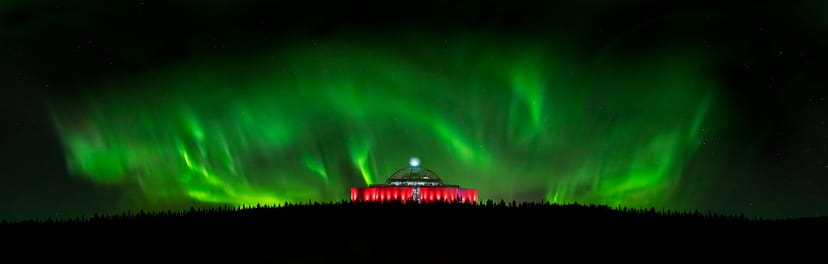
The Complete Guide to the Northern Lights in Iceland
Learn how the Northern Lights form, where to see them in Iceland, how to prepare, take photos, read the forecast, and improve your chances of a sighting.
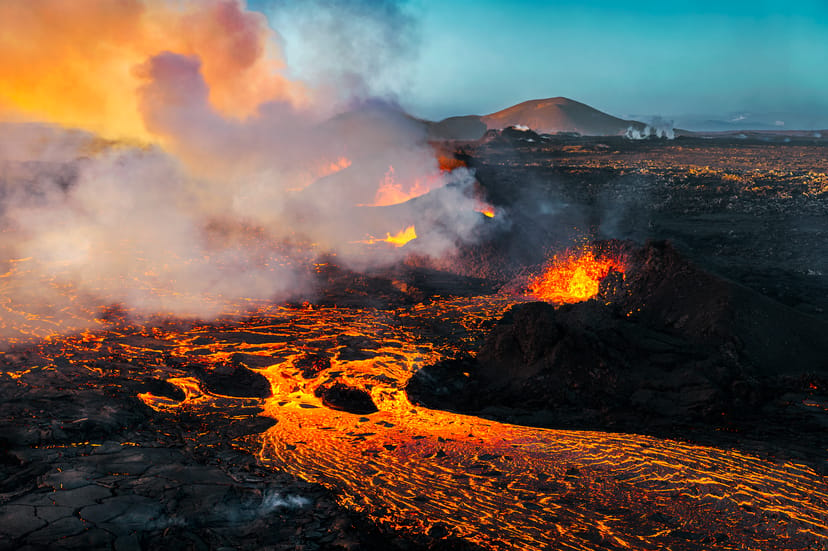
Let's Talk About the Volcano in Iceland About to Erupt
Is a volcano in Iceland about to erupt? Here’s what travelers should know about Svartsengi, Reykjanes activity, flights, safety, and the Blue Lagoon.

Solar Eclipse 2026 in Iceland | What Happened
Iceland experienced a total solar eclipse on August 12, 2026. Discover what happened in Reykjavík, eclipse times, totality locations and more.
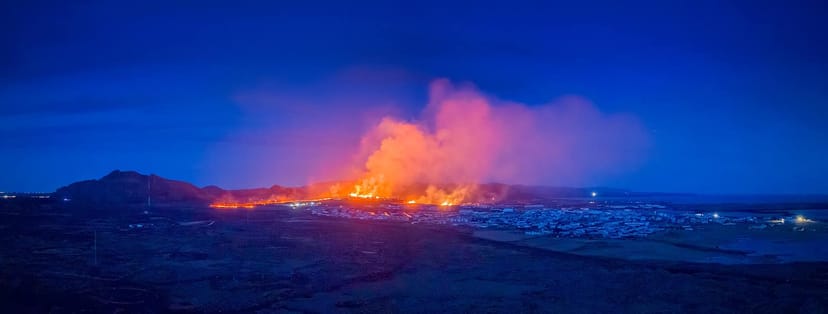
September 2026 updates on the Sundhnúkagígar Eruption in the Reykjanes Peninsula!
The current eruption in the Reykjanes Peninsula, is called Sundhnúkagígar Crater Row. See insights on the seismic activity and volcanic eruptions in the area!
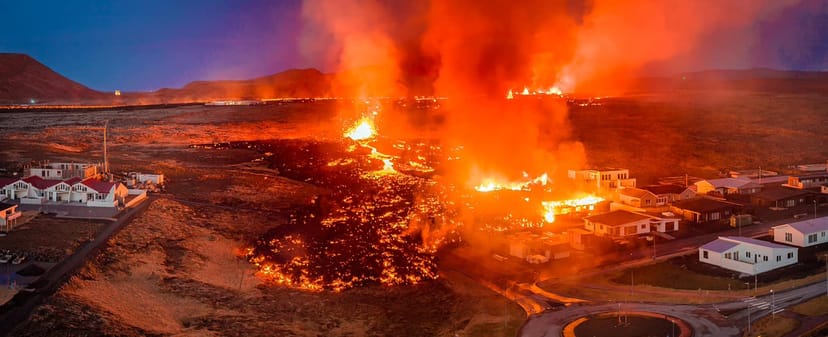
Active Volcanoes in Iceland 2026
Active volcanoes aren't the same thing as active eruptions. A volcano can be considered active even when it is not ejecting ash, rock, gases and magma, so which are active in Iceland in 2026?
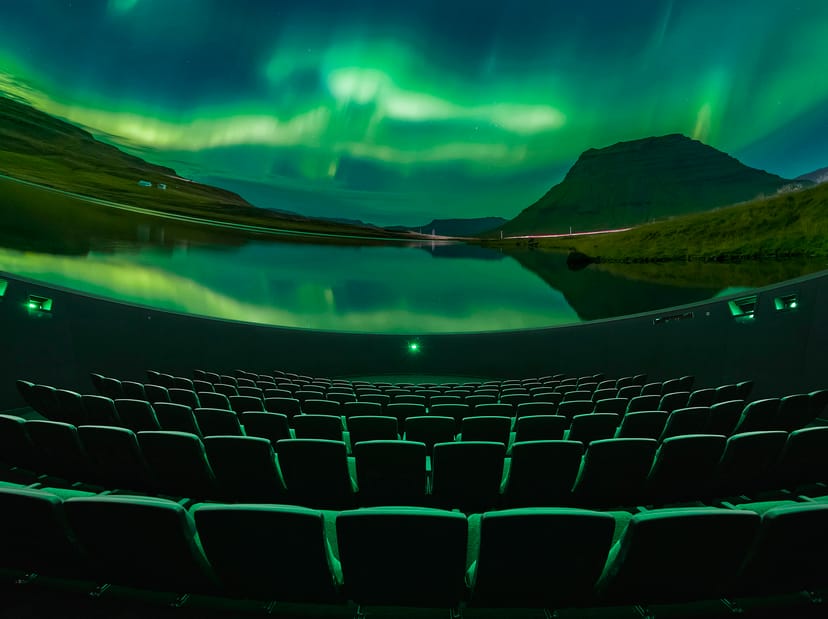
Top 10 Places To See the Northern Lights in Iceland
Discover the best places to see the Northern Lights in Iceland, from Jökulsárlón and Kirkjufell to Reykjavík, Þingvellir and North Iceland.
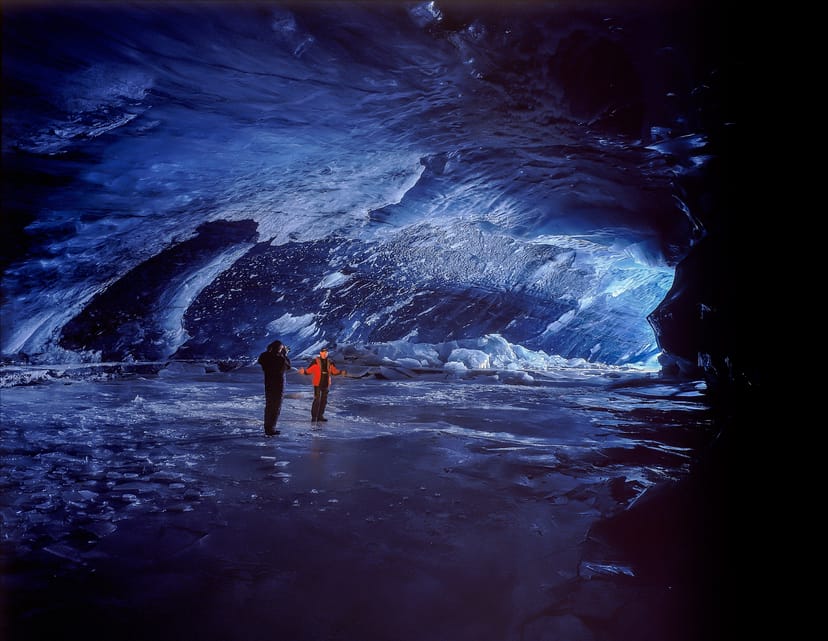
Ice Caves From Reykjavik
Planning an ice cave trip from Reykjavik? Compare Katla, Langjökull and Vatnajökull, travel times, seasons and Perlan’s ice cave in the city.