
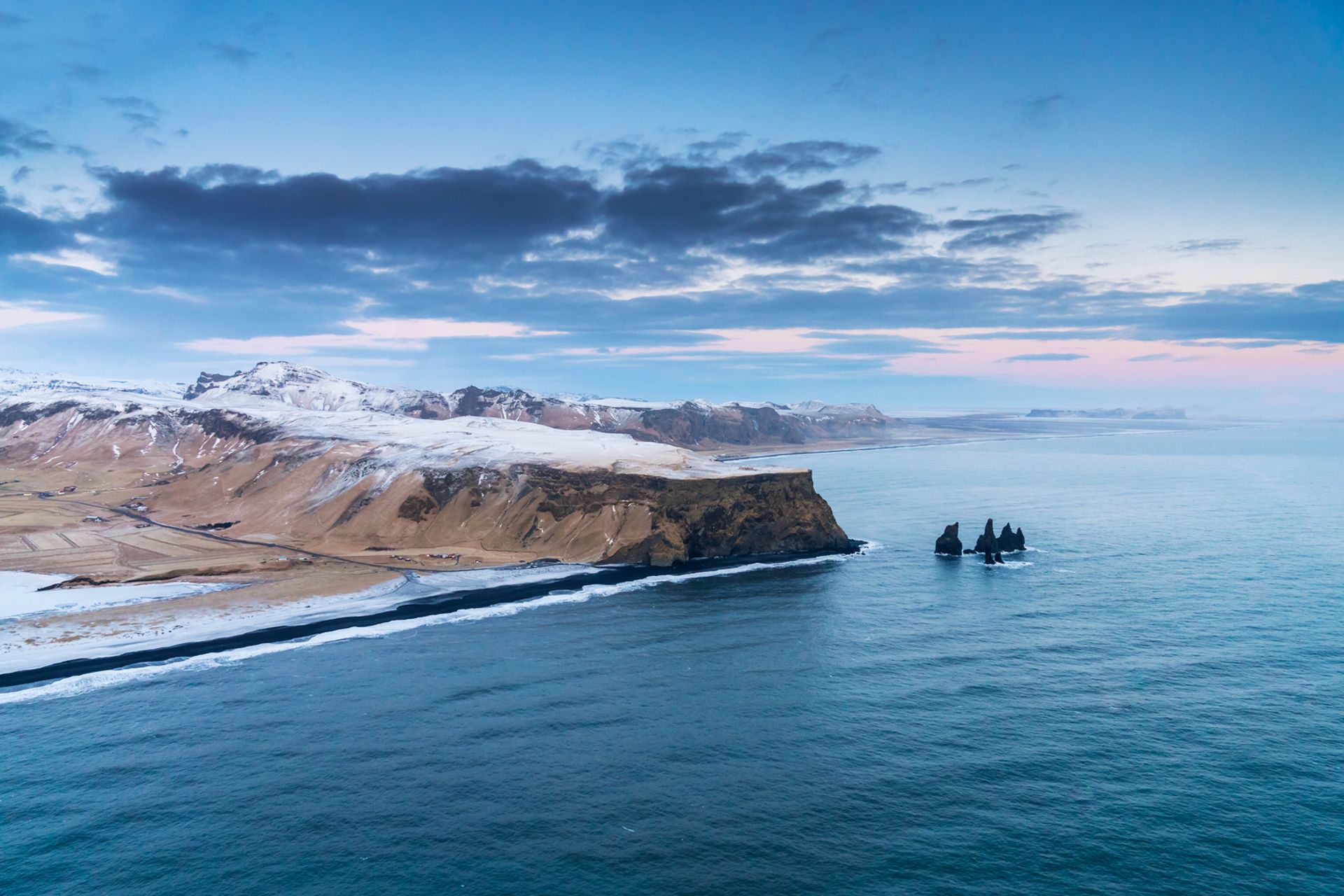
A Complete Guide to South Coast Iceland
There is a reason many travellers head south in search of stunning Icelandic scenery. South Coast Iceland is one of the easiest places to experience the country’s raw natural forces. In a compact region, the landscape shifts from waterfalls and sea cliffs to volcanic plains, black-sand beaches, and glacial lagoons. Many main sights are connected by Route 1 (Ring Road), making the region rewarding for day trips and longer journeys.
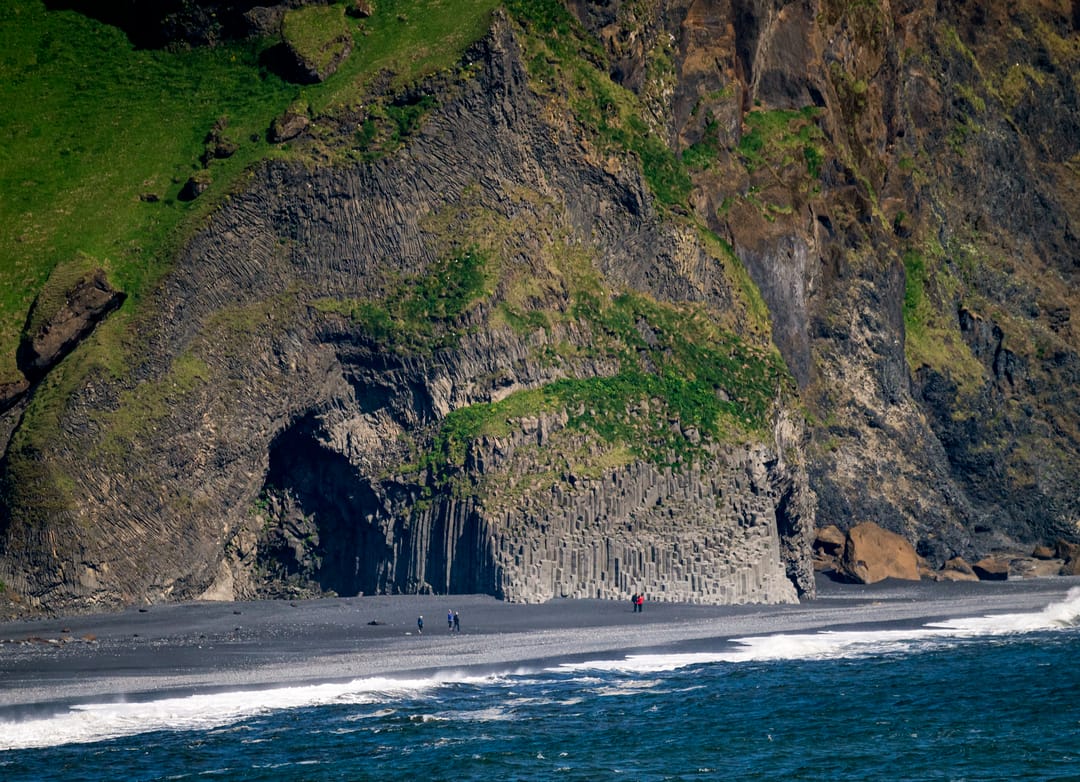
While the Golden Circle is shorter and closer to Reykjavík, the South Coast is longer, wilder, and distinctly more coastal. Here, roaring Atlantic waves meet volcanic shorelines, glacier-fed rivers carve through canyons, and ice from Vatnajökull drifts toward the sea. This guide explains what makes South Coast Iceland so special and how to explore it at a realistic, enjoyable pace.
Where Is South Coast Iceland?
South Coast Iceland stretches east from the capital region along the country’s southern shoreline. Many travellers who visit the South Coast begin the journey from Reykjavík or Keflavík before joining the Ring Road. From there, the route continues toward Vík, Skaftafell, Jökulsárlón Glacier Lagoon, and Diamond Beach. As many major sights sit close to the main road, the region is relatively easy to explore.
Best of all, the scenic landscape changes constantly as you drive east. Inland, volcanoes, glaciers, and glacier-fed rivers descend from the edge of the Highlands. On the seaward side, the North Atlantic shapes black sand beaches, sea cliffs, and coastal plains. Beyond Vík, Iceland, the scenery opens into moss-covered lava fields and broad views toward Vatnajökull, the largest glacier in Iceland. Its outlet glaciers spill down toward the lowlands, creating some of the South Coast’s most memorable views.
Why Visit the South Coast of Iceland?
It comes as no surprise that this region often ranks as a top priority for travellers visiting Iceland. For starters, the South Coast offers an unusually rich mix of landscapes in a relatively accessible area. Thus, the route is one of the easiest ways to experience the country’s natural variety in a limited timeframe. Whether it's a day trip from Reykjavík or a longer exploration, the route adapts to different travel styles.
Additionally, the sheer density of contrasts is unmatched. In a single journey, you can witness waterfalls, black sand beaches, sea cliffs, and glacial ice. This variety makes the South Coast especially rewarding for a first Iceland itinerary. When you explore the South Coast, you get a taste of the country’s wild landscapes without journeying into the remote interior.
Top Attractions Along Iceland’s South Coast
The stretch between Selfoss and Höfn includes many of the best-known attractions on the Ring Road. Dive into short detours to waterfalls, sea cliffs, black sand beaches, canyons, and glacier views. Here are some of the top places to prioritise when exploring South Coast Iceland. Don't miss out on these natural attractions on the Ring Road in Iceland, many of which sit just minutes from Route 1.
Seljalandsfoss Waterfall
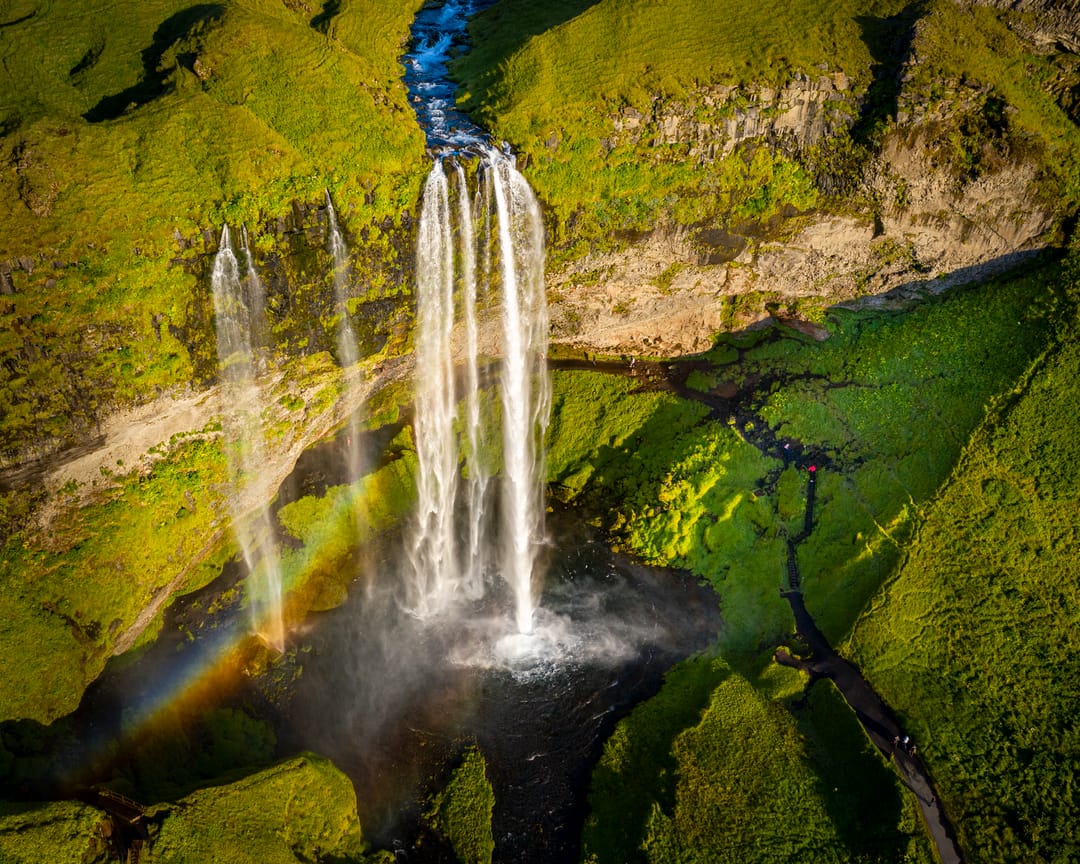
Visible from Route 1, Seljalandsfoss is famous for the path that leads behind its falling curtain of water. From the cave-like alcove, visitors can see the waterfall from a rare angle, with views back toward the surrounding lowlands. The path can be wet, uneven, and slippery, so waterproof clothing and sturdy shoes are highly recommended.
Skógafoss Waterfall
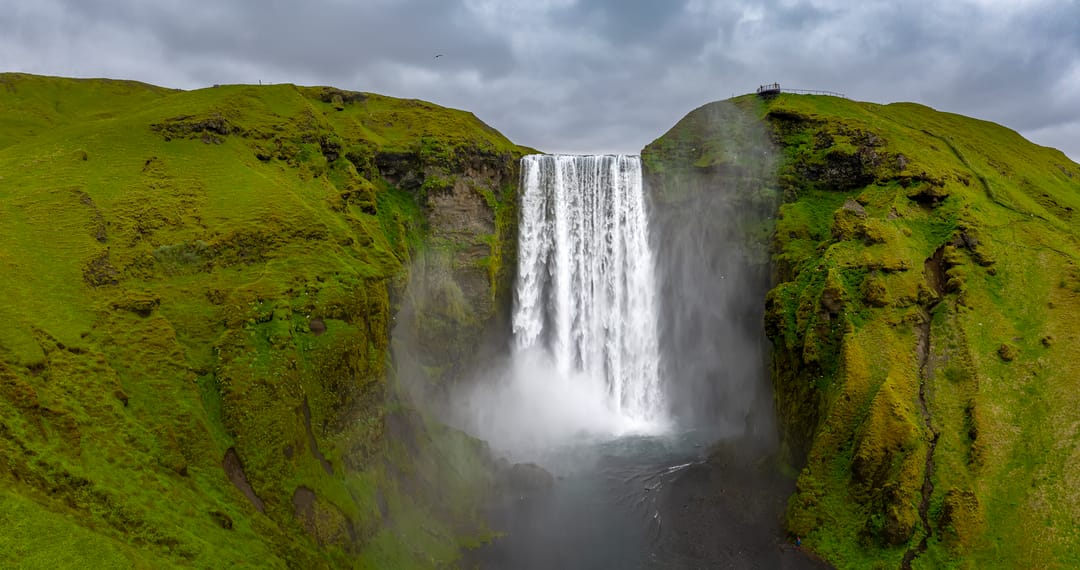
A short drive farther east, Skógafoss Waterfall in Iceland drops about 60 meters (197 feet) from former sea cliffs with impressive force. The cascade produces heavy spray, often creating rainbows on sunny days. Visitors can walk close to the flat, rocky base to experience the water’s power. Alternatively, climb the steep staircase beside the waterfall for a wider view of the surrounding coastline and lowlands.
Dyrhólaey Cliffs
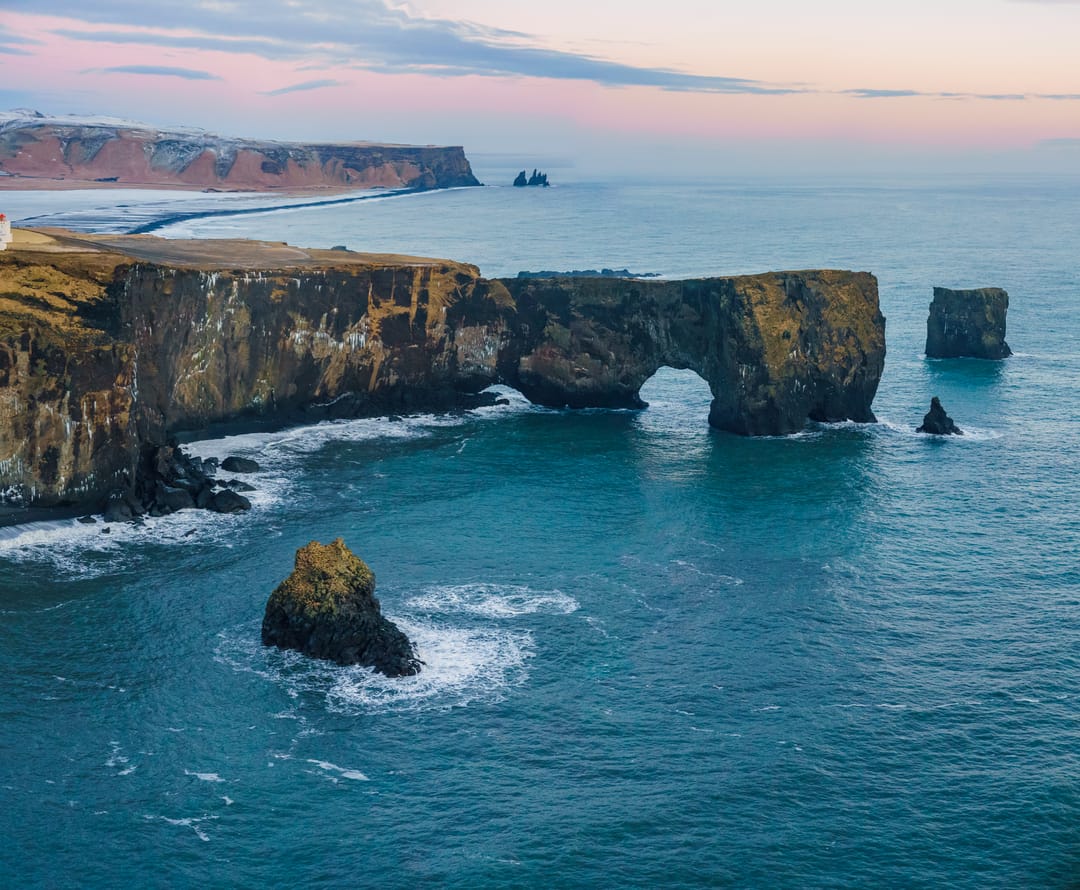
Dyrhólaey is a prominent promontory known for its massive black lava arch extending into the Atlantic Ocean. It’s one of the south’s best coastal viewpoints. Travellers can pull over and enjoy views of black sand beaches, sea stacks, and open water. In summer, the cliffs provide nesting habitat for seabirds, including Atlantic puffins. However, access may be restricted at times to protect nesting birds.
Reynisfjara Black Sand Beach
Reynisfjara is one of the best-known black sand beaches on the South Coast of Iceland. The beach is framed by geometric basalt columns, sea caves, and the jagged Reynisdrangar sea stacks rising from the Atlantic surf. Although the scenery is striking, visitors need to be extremely cautious. Powerful sneaker waves can surge much farther up the shore than expected. Always stay well back from the water and follow posted safety warnings.
Fjaðrárgljúfur Canyon
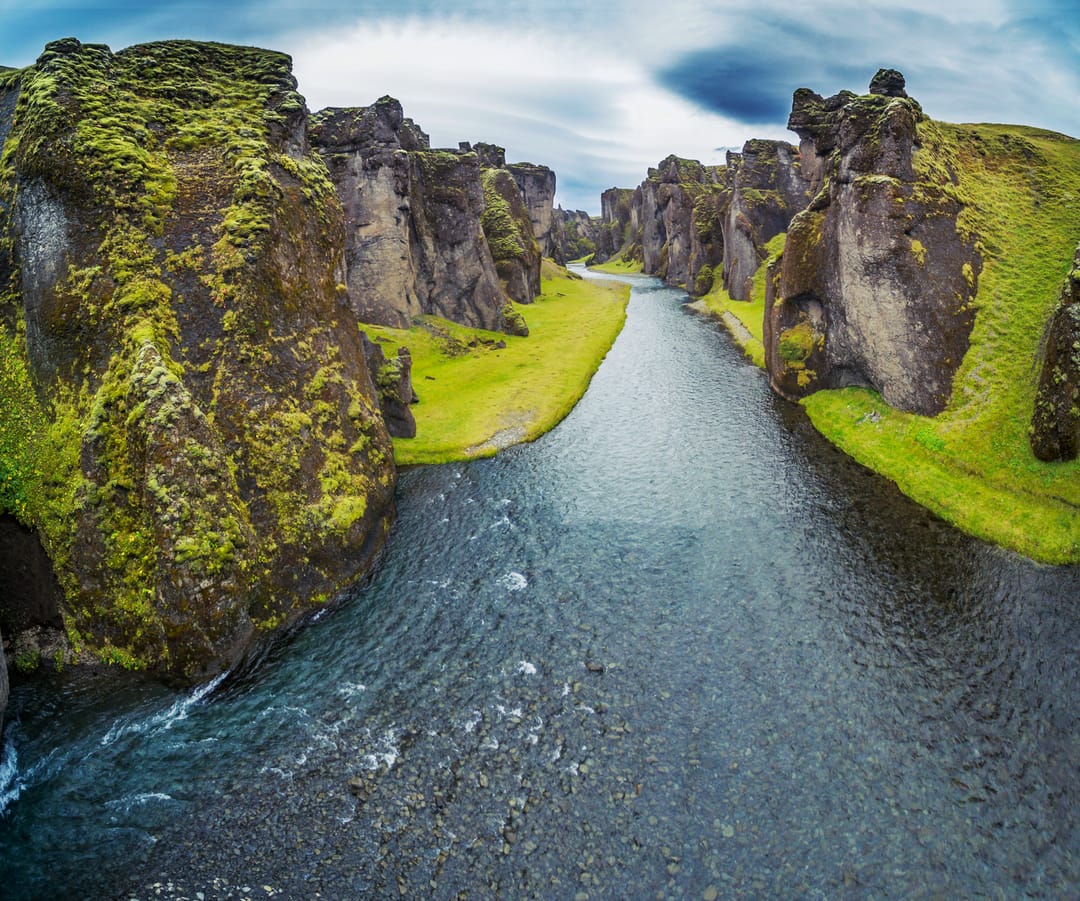
Fjaðrárgljúfur is a breathtakingly beautiful canyon with winding walls that drop more than 100 meters (328 feet) to the river below. The area is highly sensitive to foot traffic and weather, especially where moss-covered slopes are exposed. Visitors should stay on designated paths and viewing platforms to help protect the fragile vegetation and avoid unsafe cliff edges.
Múlagljúfur Canyon
Tucked away farther east, Múlagljúfur Canyon is a striking, less-developed stop compared with many of the South Coast’s better-known sights. Reaching the canyon requires driving a gravel road followed by a moderate hike to the upper viewpoints. Múlagljúfur is best suited to travellers with extra time, sturdy footwear, and a flexible schedule.
Jökulsárlón Glacier Lagoon
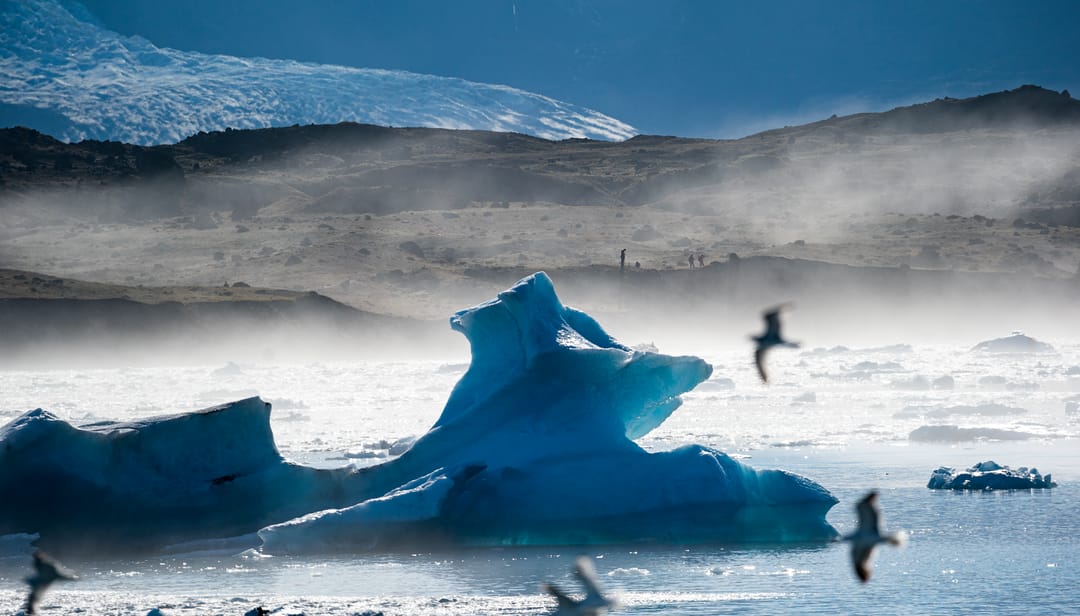
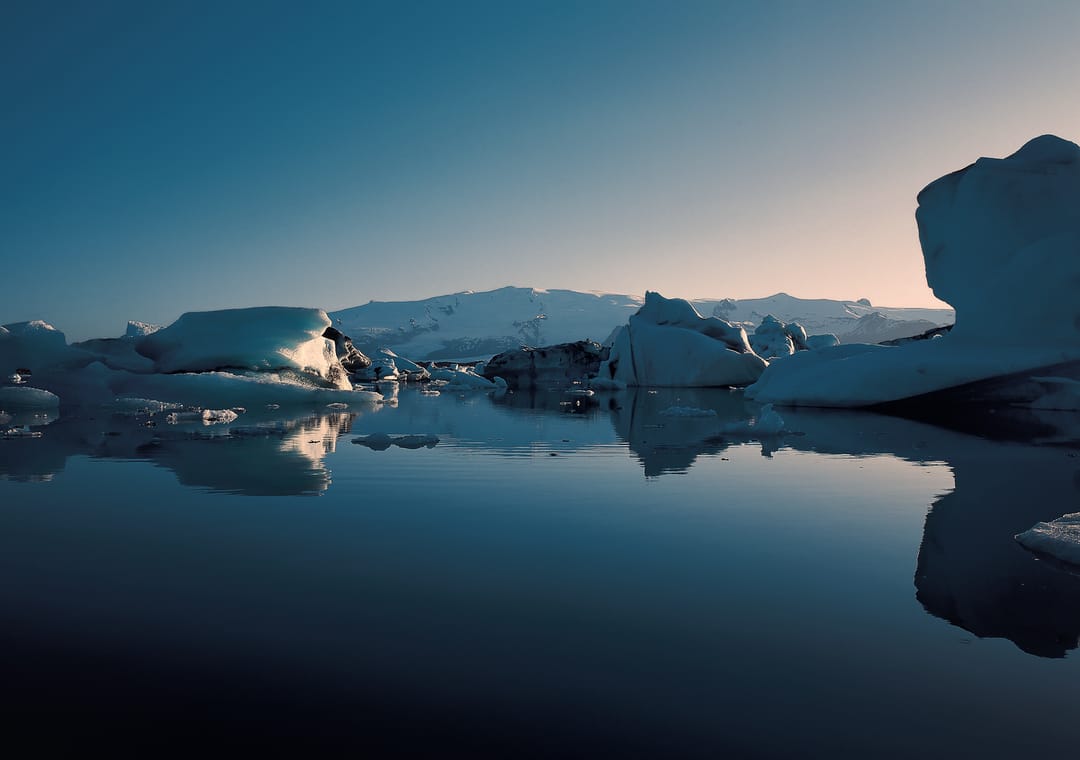
Located within Vatnajökull National Park and near the eastern edge of the main South Coast route sits Jökulsárlón Glacier Lagoon. The lagoon is filled with blue-white icebergs that break from Breiðamerkurjökull, one of Vatnajökull’s outlet glaciers. Huge blocks of ice drift across the lagoon before eventually reaching the sea. In summer, visitors can join guided boat tours for a closer look at the floating ice and surrounding glacier landscape.
Diamond Beach
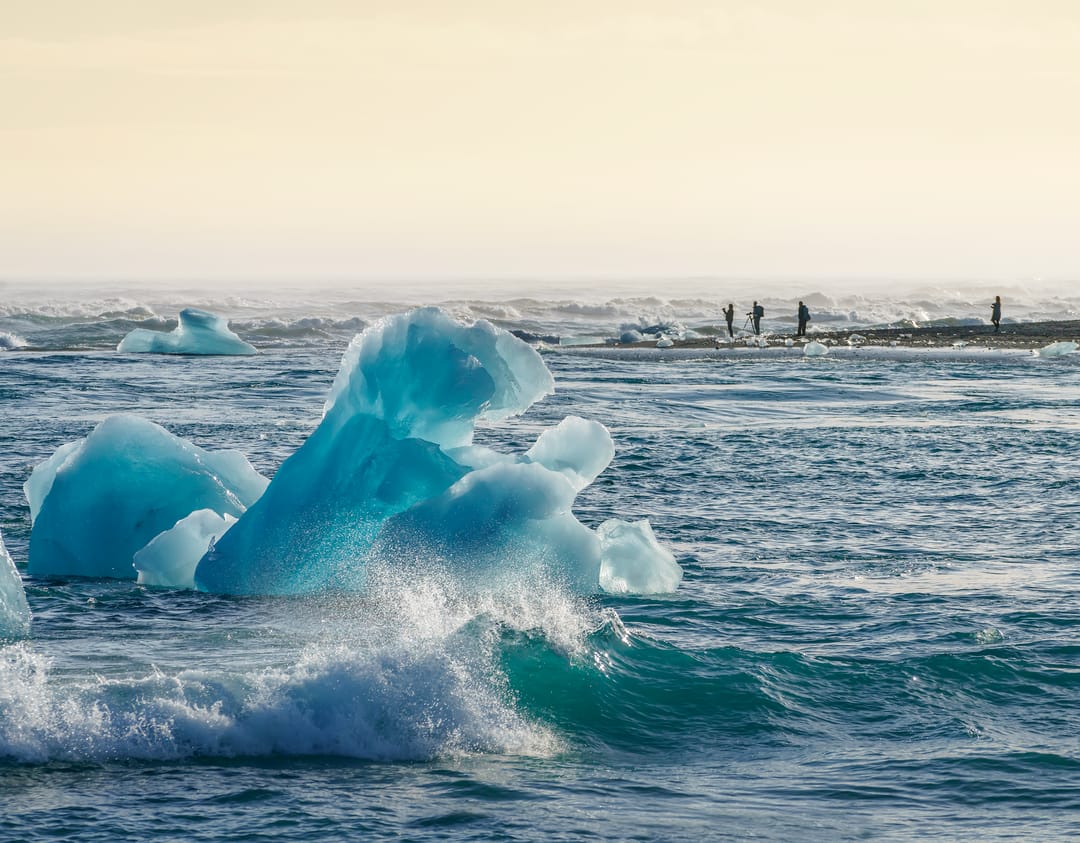
Across the road from Jökulsárlón, ice fragments drift through the lagoon’s outlet channel and wash onto the black sand shoreline. The contrast between clear, blue-white ice and dark volcanic sand creates an ever-changing scene shaped by waves, tides, and weather. Diamond Beach is usually visited together with Jökulsárlón Glacier Lagoon.
Best Things to Do on the South Coast
Beyond its famous viewpoints, the South Coast offers many ways to experience Iceland’s landscapes more closely.
Take a South Coast Road Trip
A self-drive road trip offers the most flexibility for exploring South Coast Iceland. You can set your own pace, stop safely at designated viewpoints, and spend more time at the places that interest you most. An overnight stay near Vík or farther east also helps break up the driving. It ultimately gives you more time for short walks and photography, even as the weather changes.
Join a Glacier or Ice Cave Tour
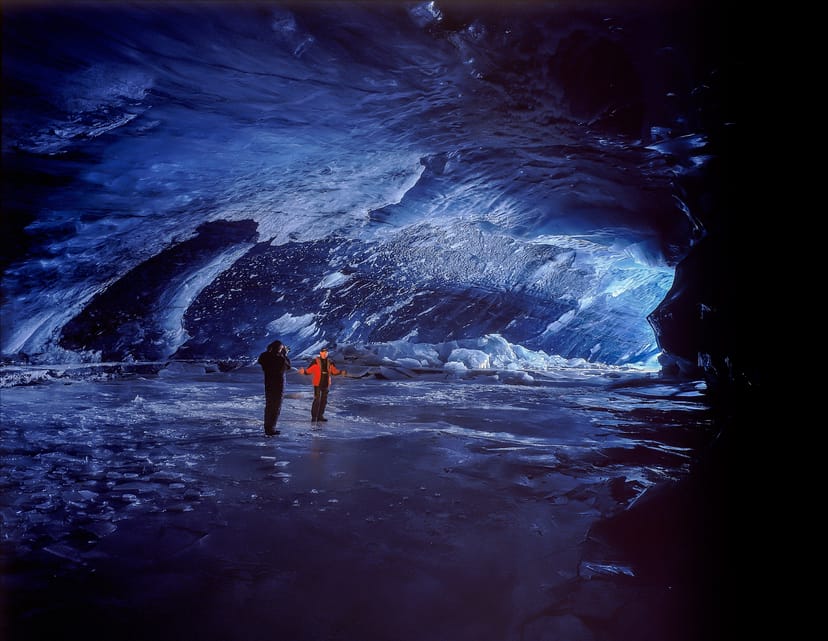
To experience Iceland’s glacier landscapes up close, visitors should book a guided tour with a professional operator. Guided glacier hikes are available on outlets such as Sólheimajökull and in the Skaftafell area. Near Vík, travellers can also visit the Katla Ice Cave. This striking ice formation is known for clear blue ice layered with dark volcanic ash. Access depends on conditions, so tours should always be booked with qualified guides.
Visit Canyons and Coastal Viewpoints
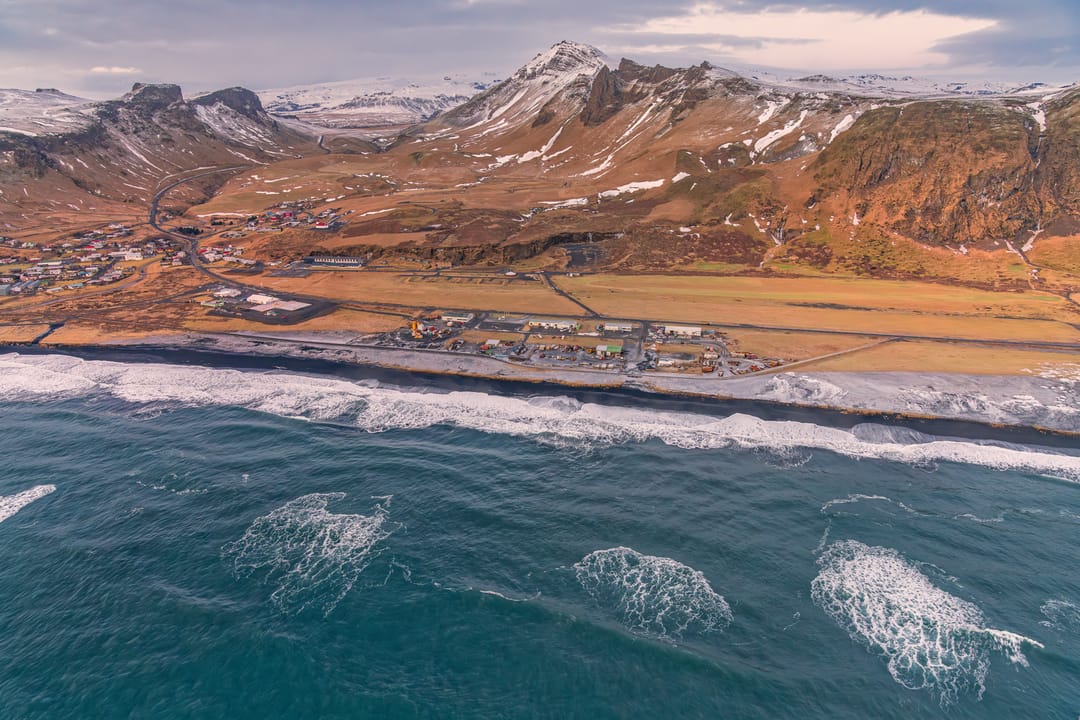
For visitors who enjoy walking and hiking, canyon rims and clifftop viewpoints offer a different perspective on the South Coast. Places like Fjaðrárgljúfur, Múlagljúfur, and Dyrhólaey reveal how rivers, glaciers, ocean waves, and volcanic activity shaped the region over time. From higher ground, you can enjoy wide views over black sand plains, sea cliffs, braided rivers, and the open Atlantic.
Learn About Volcanoes, Glaciers and Coastal Geology
The dramatic landscapes along the South Coast are shaped by the interaction of volcanoes, glaciers, rivers, ocean waves, and weather. To better understand the science behind the black sand beaches, rock formations, glacial lagoons, and shifting coastlines, consider visiting Perlan in Reykjavík. Exhibits such as Forces of Nature help explain the natural processes that continue to shape South Coast Iceland today.
How to Get to the South Coast
Getting to the South Coast is relatively straightforward because many major sights sit on or near the Ring Road.
- From Reykjavík: Most trips begin by heading east from the capital on Route 1. The road crosses the Hellisheiði mountain pass before descending toward the southern lowlands. Here, towns such as Hveragerði and Selfoss serve as common gateways to the region.
- From Keflavík International Airport: Travellers picking up a rental car on arrival can drive through the capital area to join Route 1. Alternatively, take a longer coastal route across the Reykjanes Peninsula, depending on your itinerary and road conditions.
Self-Drive vs. Guided Tours
Renting a vehicle gives travellers the most flexibility, especially for photography stops, short walks, and overnight stays, and it's easier to adapt if the weather changes. A guided day tour or multi-day tour can also be a practical choice for visitors who prefer not to drive. Guided tours are also ideal for travellers who have limited time or are travelling in winter, when conditions are more challenging. If your goals include Jökulsárlón and Diamond Beach, an overnight stay in the area is highly recommended.
Best Time to Visit South Coast Iceland
The South Coast is a year-round destination, but the experience changes significantly depending on the season you choose to travel.
- Summer: Long daylight hours make summer one of the easiest times to explore South Coast Iceland. Driving conditions are generally more favourable, hiking paths are more accessible, and puffins may be seen nesting around Dyrhólaey. The main trade-off is that this is also the busiest time of year.
- Winter: Winter brings shorter days, darker skies, and the possibility of seeing the northern lights on clear nights. It is also the main season for many natural ice cave tours. However, daylight can be limited, and high winds, icy roads, and blowing snow may make driving more challenging.
- Spring and Autumn: The shoulder seasons can be rewarding for travellers who want fewer crowds and a quieter atmosphere. Weather is highly variable, but these months can bring softer light, changing colours, and a more flexible feel than peak summer.
FAQs
Yes, the South Coast is one of the best regions for first-time visitors. The region combines waterfalls, glaciers, beaches, cliffs, and lagoons along one accessible route.
Yes, you can experience a memorable day in Iceland if you travel as far as Vík or Reynisfjara. However, reaching Jökulsárlón Glacier Lagoon and Diamond Beach from Reykjavík is much more comfortable with an overnight stay.
One long day is enough for highlights near Vík, including waterfalls, coastal viewpoints, and Reynisfjara. Two to three days gives you more time for glacier lagoons, canyons, short hikes, and slower sightseeing.
Yes, many major South Coast sights sit close to Route 1. It makes the region one of the most popular stretches for travelers exploring Iceland by car.
Usually not for the main Ring Road attractions in normal conditions. However, winter weather can change driving conditions quickly, and some detours, gravel roads, or rural routes may require extra care.
Popular articles
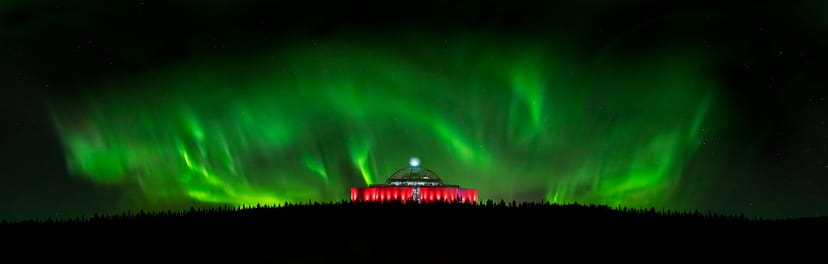
The Complete Guide to the Northern Lights in Iceland
Learn how the Northern Lights form, where to see them in Iceland, how to prepare, take photos, read the forecast, and improve your chances of a sighting.
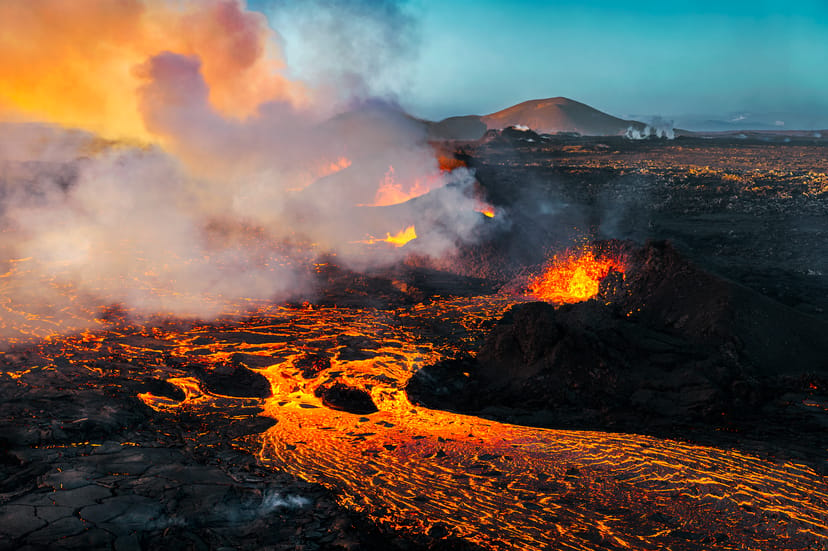
Let's Talk About the Volcano in Iceland About to Erupt
Is a volcano in Iceland about to erupt? Here’s what travelers should know about Svartsengi, Reykjanes activity, flights, safety, and the Blue Lagoon.
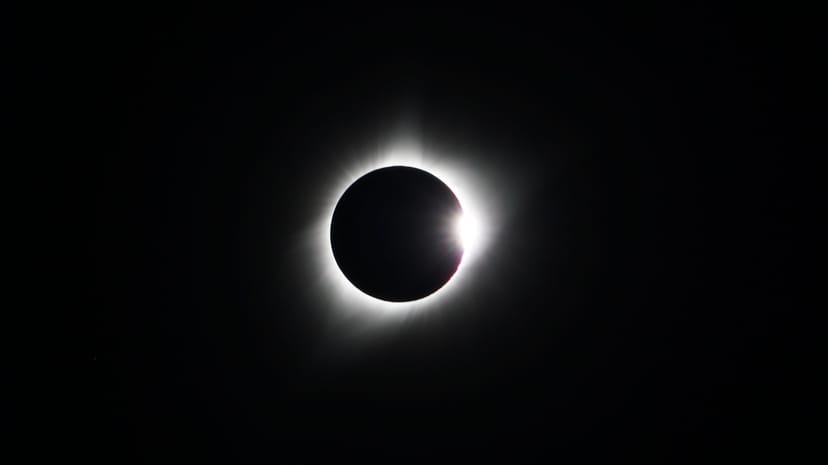
Solar Eclipse 2026 in Iceland | What Happened
Iceland experienced a total solar eclipse on August 12, 2026. Discover what happened in Reykjavík, eclipse times, totality locations and more.
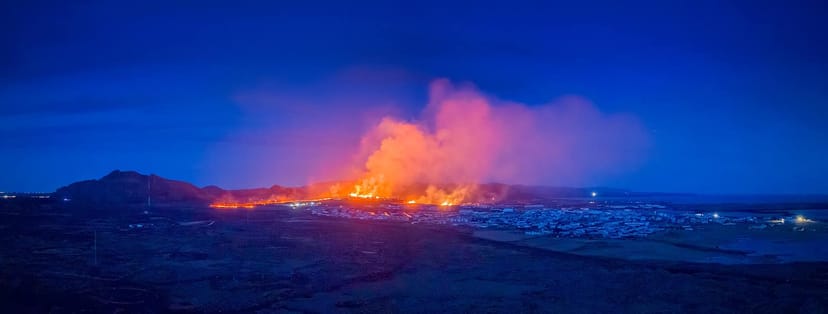
September 2026 updates on the Sundhnúkagígar Eruption in the Reykjanes Peninsula!
The current eruption in the Reykjanes Peninsula, is called Sundhnúkagígar Crater Row. See insights on the seismic activity and volcanic eruptions in the area!
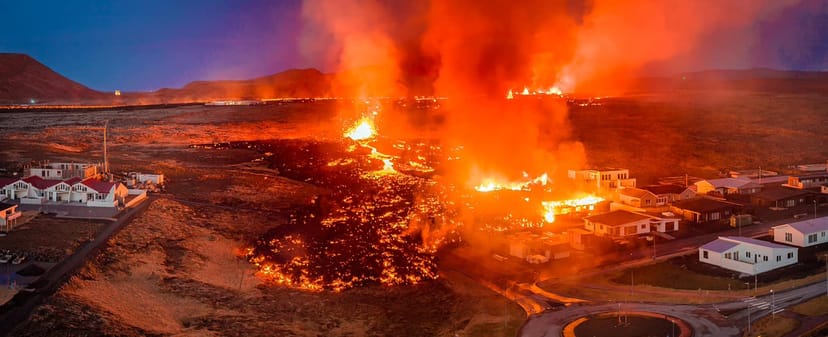
Active Volcanoes in Iceland 2026
Active volcanoes aren't the same thing as active eruptions. A volcano can be considered active even when it is not ejecting ash, rock, gases and magma, so which are active in Iceland in 2026?
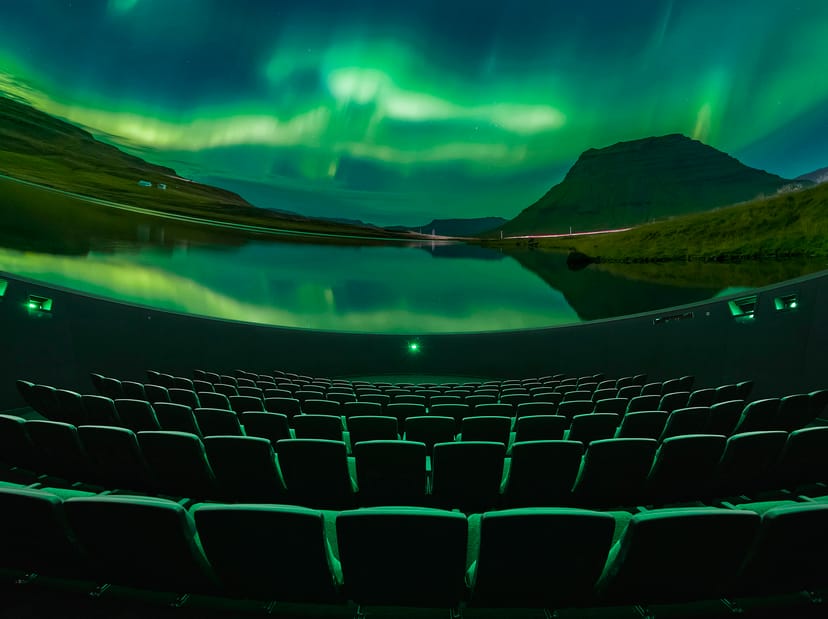
Top 10 Places To See the Northern Lights in Iceland
Discover the best places to see the Northern Lights in Iceland, from Jökulsárlón and Kirkjufell to Reykjavík, Þingvellir and North Iceland.
Ice Caves From Reykjavik
Planning an ice cave trip from Reykjavik? Compare Katla, Langjökull and Vatnajökull, travel times, seasons and Perlan’s ice cave in the city.