
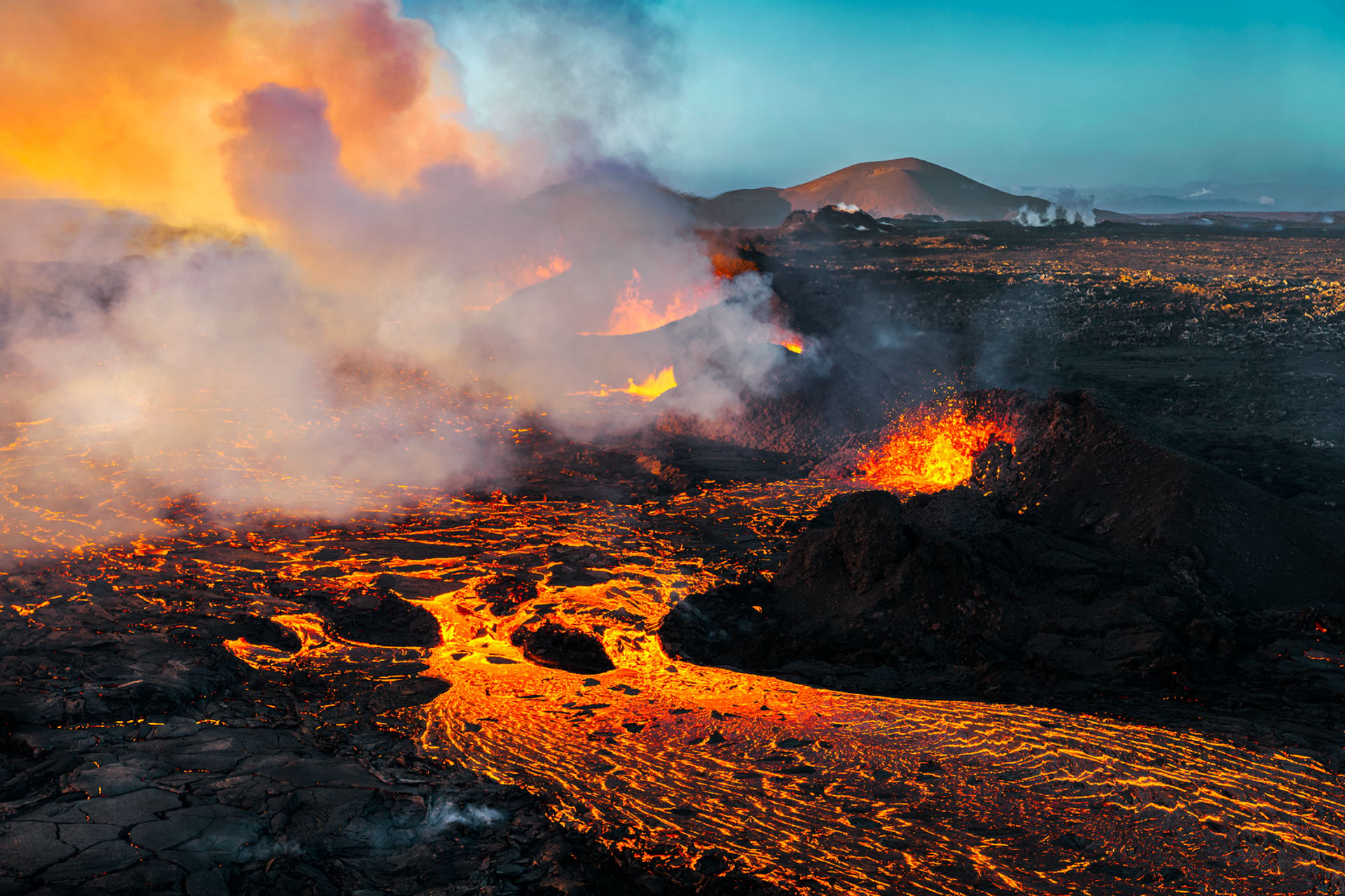
Let's Talk About the Volcano in Iceland About to Erupt
If you’ve spotted headlines about a possible volcanic eruption in Iceland, you might be wondering what that means for your upcoming trip. Here's what we know about the volcano in Iceland that is about to erupt, where it is, and what travellers should know.
What Exactly Is Happening?
To understand what is actually going on, look past the dramatic global news alerts. Local experts at the Icelandic Meteorological Office are closely monitoring magma movement beneath Svartsengi on the Reykjanes Peninsula.
Specifically, the ground around this area has been steadily rising, meaning that magma is accumulating beneath the surface. As pressure builds, magma is likely to keep accumulating beneath the surface. In turn, this will lead to a new underground crack known as a dike intrusion or even to an eruption. If magma reaches the surface, a volcanic eruption will start.
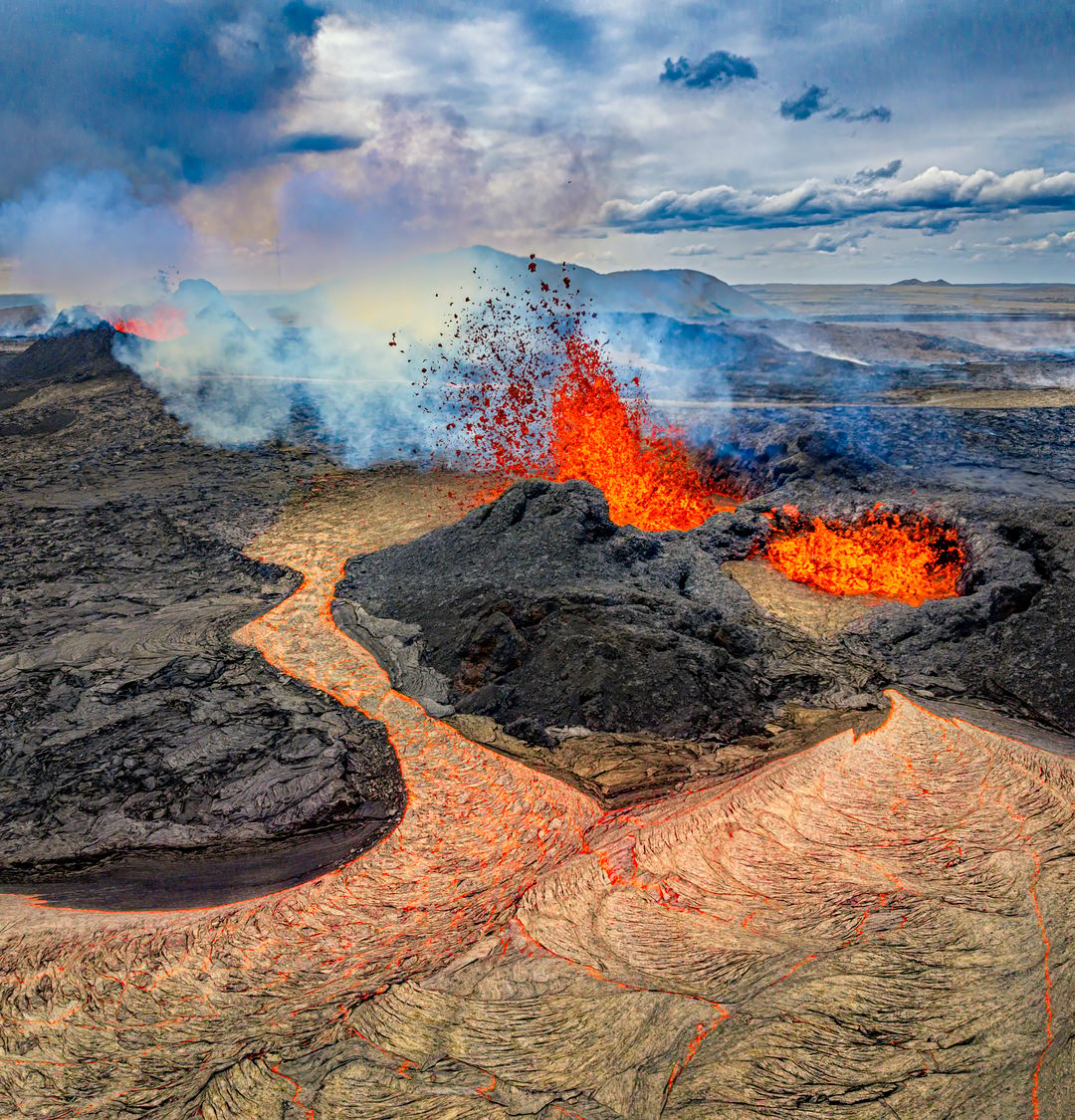
That may sound intense, but in geologically active Iceland, this kind of shifting landscape is part of life. The key point for visitors is that this activity is being closely monitored. For more updates and history, check our Sundhnúkagígar volcano updates. For safety and travel tips surrounding the volcano, check safetravel.is.
Where Is the Possible Eruption?
Many visitors use the term Reykjanes volcano, but the activity involves several interconnected volcanic systems across the peninsula. The area currently under watch is around Svartsengi and the Sundhnúkur crater row, where repeated fissure eruptions have occurred in recent years. (This location is different from the Fagradalsfjall volcano Iceland eruptions that drew global tourist crowds just a few years ago.)
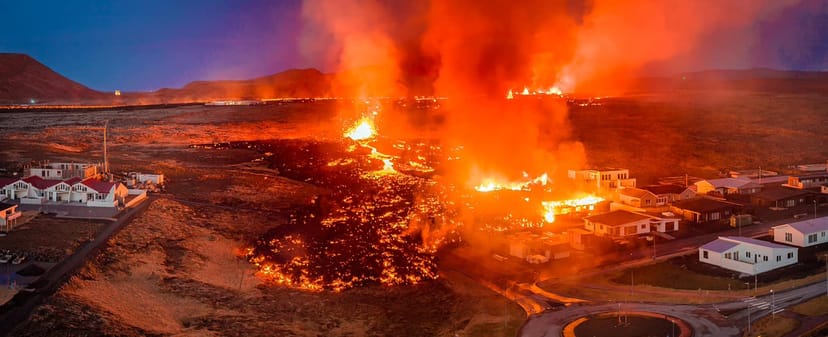
Eruptions here do not usually look like classic volcanic eruptions in Iceland. Visitors probably won’t see a cone–shaped volcano violently bursting from the top. Instead, eruptions in this area open cracks in the ground, producing localised lava flows across the surrounding landscape.
Why Scientists Think an Eruption Could Happen Soon
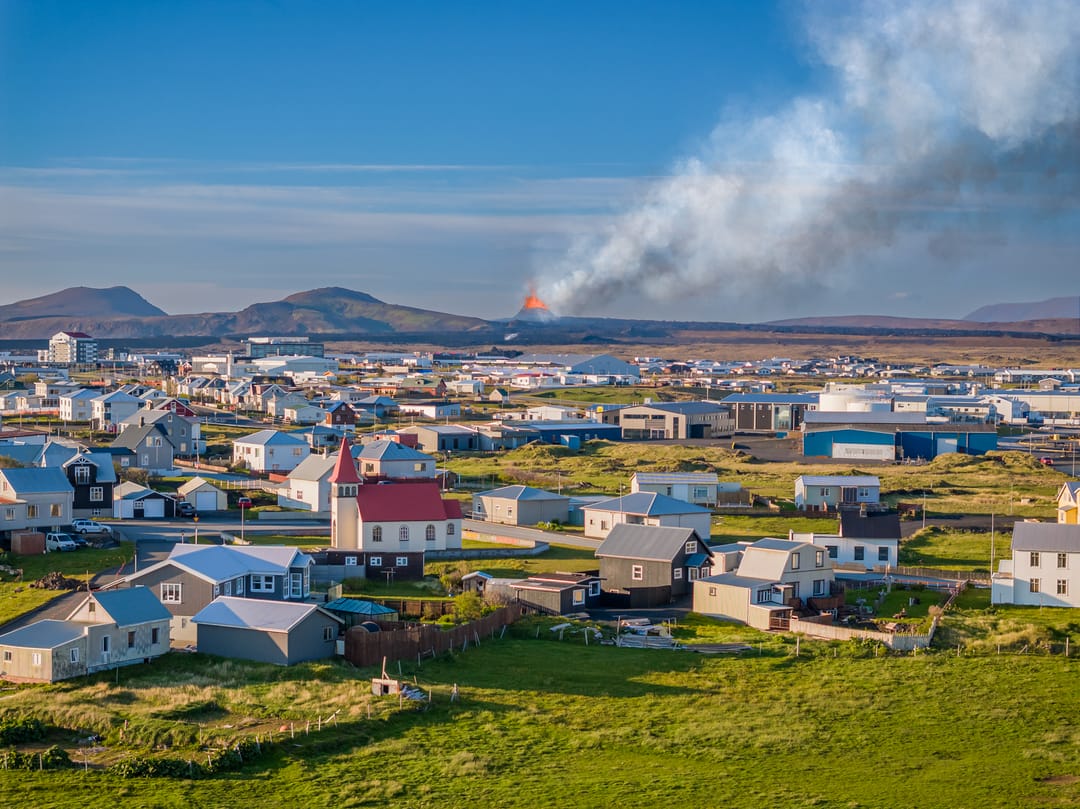
So why are people talking about a possible eruption now? The short answer is continuous underground pressure. Magma continues to gather beneath Svartsengi, and the ground above it has been rising. In fact, official monitoring updates note that ground uplift beneath Svartsengi is continuing at a steady, measurable rate.
Basically, magma is still building up underground. If the pressure becomes strong enough, it can force open a new crack beneath the surface. Sometimes that movement stays underground. Other times, magma reaches the surface, and an eruption begins. In this part of Iceland, that would most likely mean a fissure eruption: a crack opening in the ground with lava flowing out.
Does This Affect Travel Plans in Iceland?
For many visitors, volcanic eruptions in Iceland are not necessarily a reason to cancel travel plans. Keflavík International Airport and the capital city of Reykjavík are outside the immediate eruption hazard zones. Official government guidance has emphasised that the impacts are typically confined to localised areas near the actual eruption sites.
Unlike the massive, explosive ash clouds many travellers remember from past eruptions, the recent activity here has been effusive. This means lava flows from the ground rather than blasting high into the atmosphere as a major ash plume. According to current travel guidance, the international airport has continued to operate normally during recent Reykjanes volcanic activity.
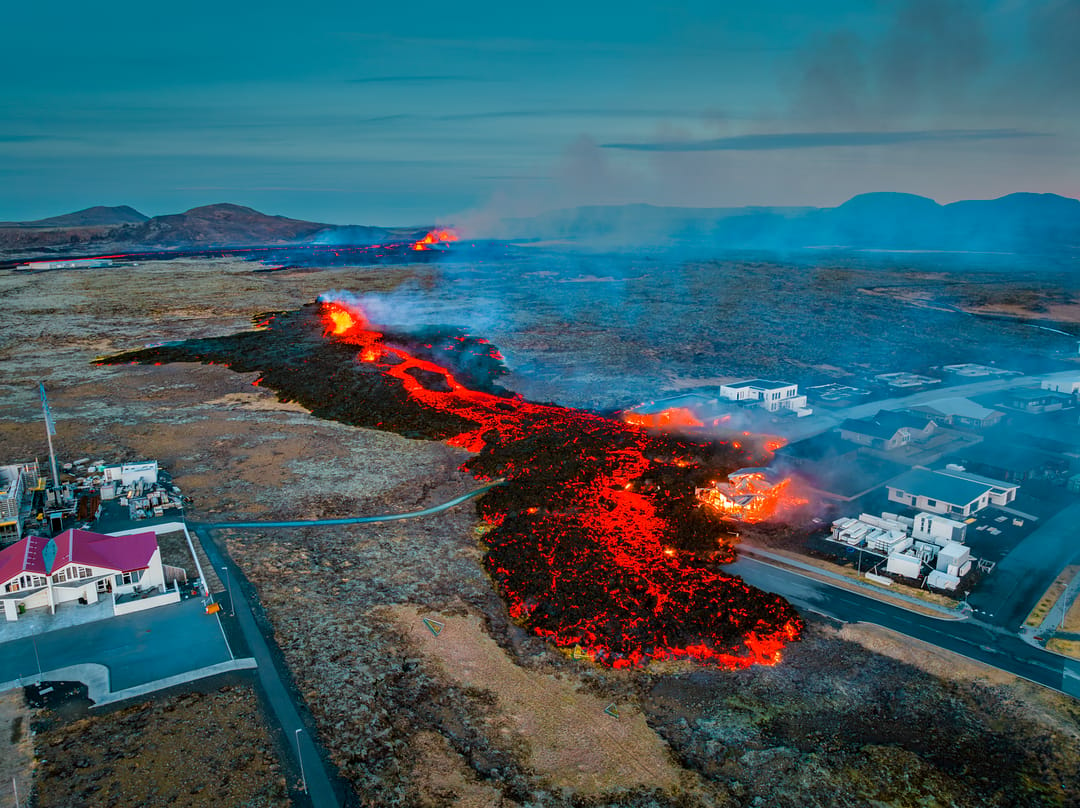
That said, local access around Grindavík and Blue Lagoon can change quickly depending on gas levels or wind. Travellers planning to visit the Blue Lagoon Iceland power plant area should always check the latest operational status.
Can't make it to the peninsula? You can still witness the raw power of the Reykjanes eruptions safely. Experience the cinematic drone footage and earth-shaking audio of recent fissure eruptions at Perlan’s Volcano Show right in Reykjavík.
Tips If You Are Visiting When a Volcano in Iceland Is About to Erupt
The best advice is simple: explore with confidence, but treat active eruption sites and restricted areas seriously. Conditions can shift quickly, and local closures are enforced for your protection. Keep these practical safety tips in mind:
- Monitor Official Alerts: Always follow updates from the Icelandic Meteorological Office and SafeTravel for current alerts, maps, and safety guidance.
- Respect Closures: Never enter closed roads, marked hazard zones, or fresh lava fields. Barriers are there to protect lives, and crossing them can also put rescue teams at risk.
- Stay Off the Lava: Never walk onto any recent lava flow, even if it looks solid, dark, and cool on the surface. Fresh lava can remain dangerously hot beneath a thin crust.
- Be Mindful of Gas: Watch for volcanic gas warnings, especially if you have pre-existing respiratory conditions. Toxic gases such as sulfur dioxide are often invisible and can collect in low-lying areas.
- Keep Plans Flexible: If you are staying on or exploring the Reykjanes Peninsula, keep a backup route or alternative itinerary ready. It’s not rare to experience local road closures due to volcanic activity, small eruptions, or localized seismic activity.
- Use Virtual Viewpoints: Use official webcams or designated long-distance viewpoints to watch the landscape change safely from a distance.
Why Does Iceland Have So Many Eruptions?
To understand why this happens, it helps to look at Iceland’s geographic position. The island sits above the Mid-Atlantic Ridge, where the North American and Eurasian tectonic plates are slowly pulling apart. Magma rises into the space created by this movement, which is one reason there are so many active volcanoes in Iceland.
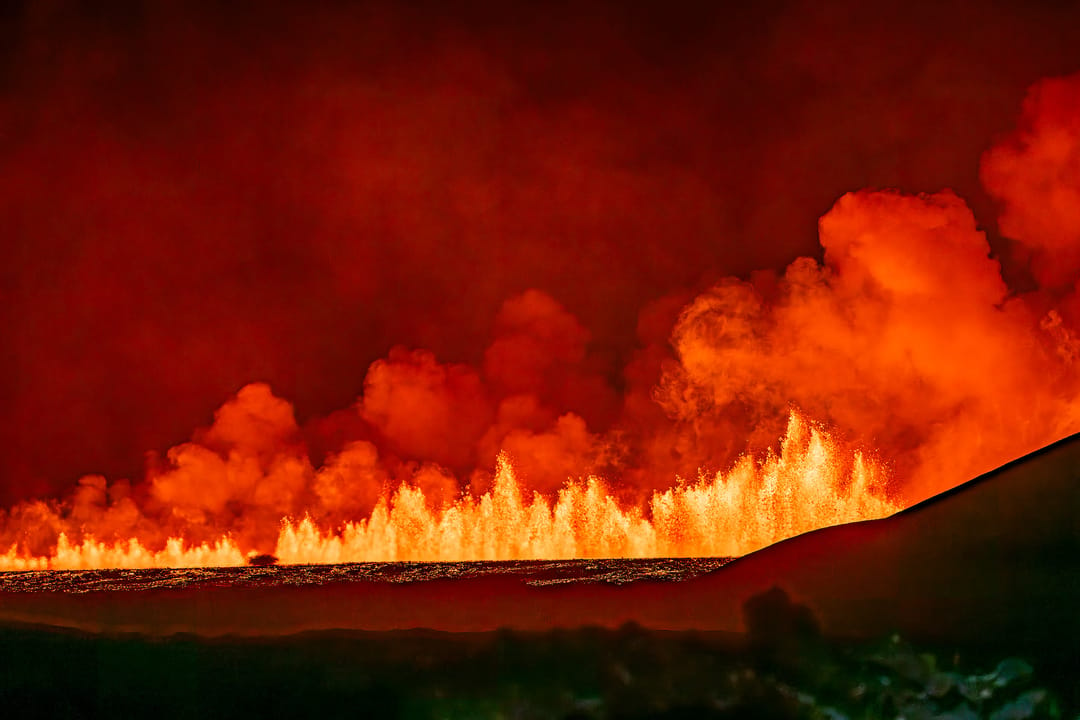
In simple terms, Iceland is still being built. Volcanic eruptions in Iceland are part of how the island grows and changes over time. That does not mean every eruption is harmless. However, it does help explain why volcanic activity is treated as a monitored natural process rather than a rare surprise.
FAQ
Yes, another eruption is considered possible in the Svartsengi–Sundhnúkur area. The Icelandic Met Office says continued slow magma accumulation is likely, which could lead to a new dike intrusion and possibly an eruption.
The monitored area is on the Reykjanes Peninsula, especially around Svartsengi and the Sundhnúkur crater row near Grindavík.
Reykjavík is not in the immediate eruption area. Recent Reykjanes eruptions have been localized, though travelers should still follow official updates before and during their trip.
Yes, Keflavík International Airport has continued to operate normally during the recent Reykjanes volcanic activity. Travellers should still check their airline and airport updates before departure.
Only if authorities officially open safe access. Otherwise, avoid eruption sites, fresh lava, closed roads, and gas-affected areas.
Popular articles
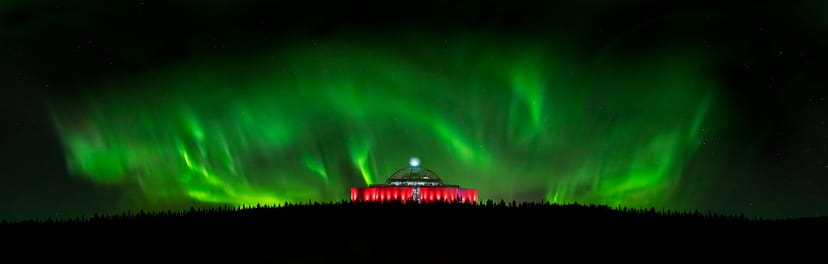
The Complete Guide to the Northern Lights in Iceland
Learn how the Northern Lights form, where to see them in Iceland, how to prepare, take photos, read the forecast, and improve your chances of a sighting.
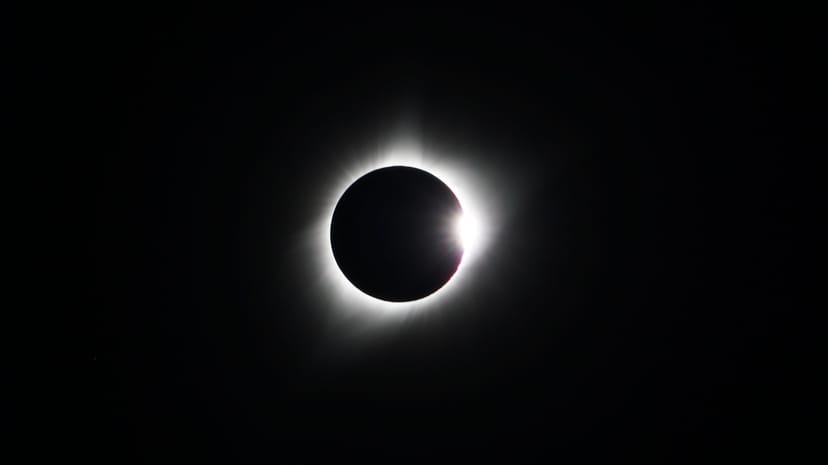
Solar Eclipse 2026 in Iceland | What Happened
Iceland experienced a total solar eclipse on August 12, 2026. Discover what happened in Reykjavík, eclipse times, totality locations and more.
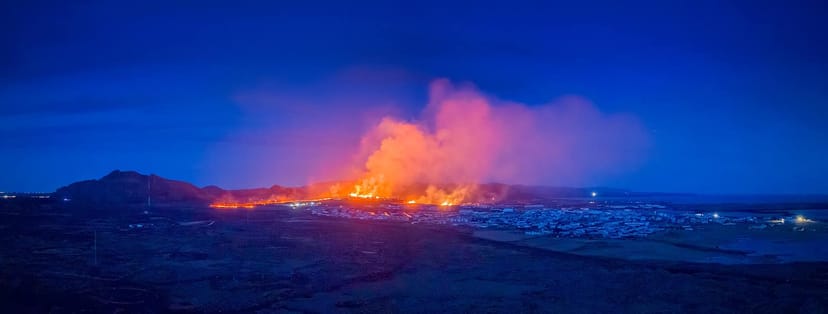
September 2026 updates on the Sundhnúkagígar Eruption in the Reykjanes Peninsula!
The current eruption in the Reykjanes Peninsula, is called Sundhnúkagígar Crater Row. See insights on the seismic activity and volcanic eruptions in the area!
Active Volcanoes in Iceland 2026
Active volcanoes aren't the same thing as active eruptions. A volcano can be considered active even when it is not ejecting ash, rock, gases and magma, so which are active in Iceland in 2026?
Top 10 Places To See the Northern Lights in Iceland
Discover the best places to see the Northern Lights in Iceland, from Jökulsárlón and Kirkjufell to Reykjavík, Þingvellir and North Iceland.
Ice Caves From Reykjavik
Planning an ice cave trip from Reykjavik? Compare Katla, Langjökull and Vatnajökull, travel times, seasons and Perlan’s ice cave in the city.