Icelandic Salmon
Learn about Icelandic salmon, including where to fish, the best season, its Atlantic life cycle, and how it is served in restaurants.
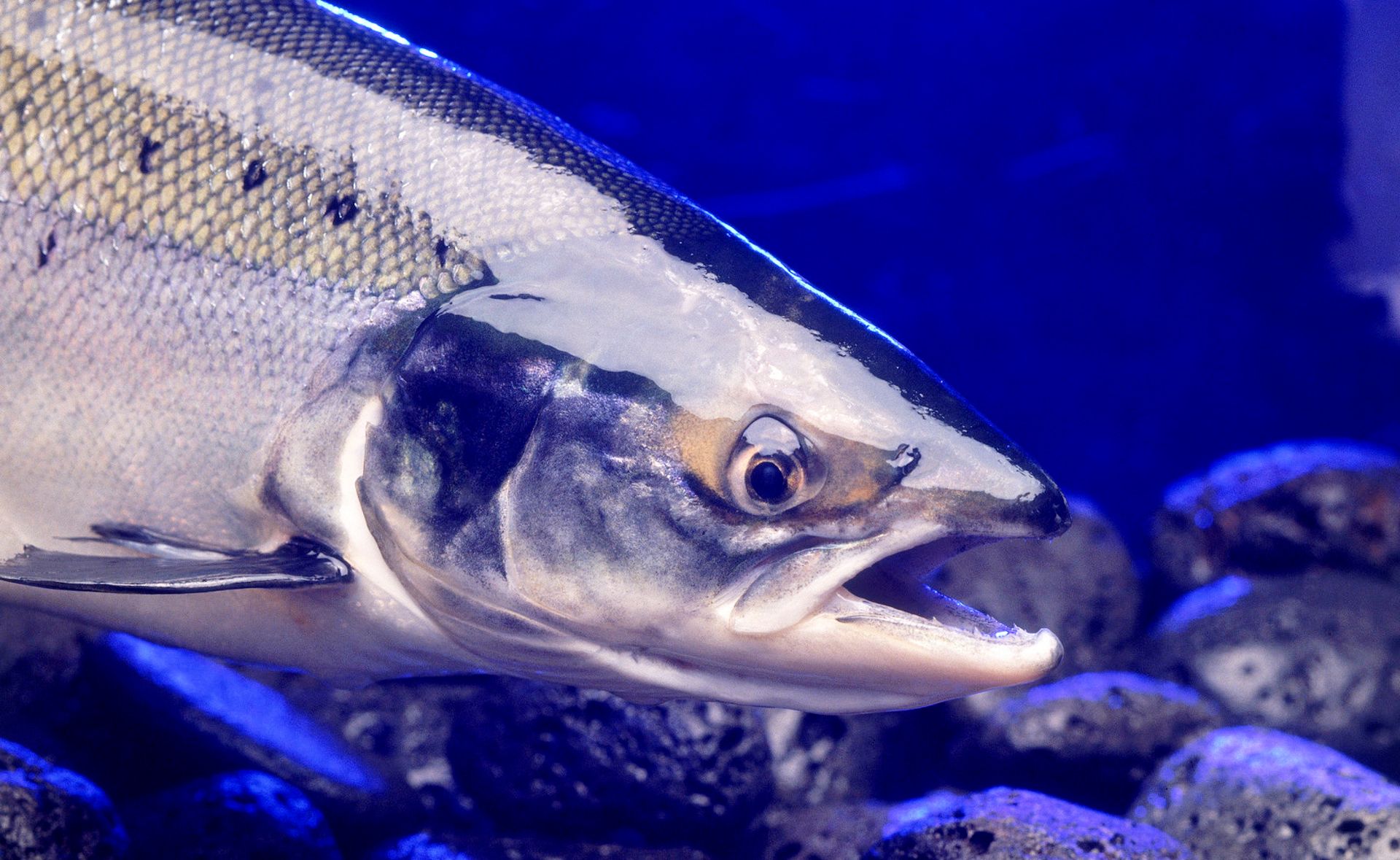
Known for its cold, clean rivers and rich North Atlantic feeding grounds, Iceland is home to thriving populations of wild Atlantic salmon. These remarkable fish begin life in freshwater streams before migrating to the open ocean, where they grow and mature. They later return to their natal rivers to spawn, completing a life cycle that connects Iceland’s freshwater and marine ecosystems. Icelandic salmon hold an important place in Iceland’s sport-fishing traditions.
What Is Icelandic Salmon?
Salmon in Iceland are Atlantic salmon. The life cycle of the Atlantic salmon depends on a close connection between freshwater rivers and the North Atlantic Ocean:
- Freshwater birth: Eggs hatch in gravel beds, where juvenile salmon may remain for several years.
- Smoltification: Young salmon undergo physiological changes that prepare them to leave freshwater and enter the sea as smolts.
- Ocean feeding: Salmon spend one or more winters feeding and growing in the sub-Arctic waters of the North Atlantic.
- Spawning run: Mature adults navigate back towards their natal rivers to reproduce, swimming against strong currents and passing natural obstacles along the way.
Iceland’s cool, oxygen-rich rivers provide suitable habitats for eggs and juvenile fish. Meanwhile, the surrounding marine environment offers productive feeding grounds for a wide variety of Icelandic fish. Unlike Icelandic cod, which spend their entire lives in saltwater environments, salmon depend on the connection between freshwater and the ocean.
Where to See and Catch Salmon in Iceland
Salmon fishing in Iceland is strictly regulated, with fishing rights generally held by local landowners or angling associations. Visitors must therefore obtain a permit in advance. Access to many well-known salmon rivers is arranged through fishing lodges, guided packages, or reserved stretches known as beats.
West Iceland
West Iceland is one of the country’s best-known fishing regions for Icelandic salmon. It is also relatively easy to reach from Reykjavík. Rivers such as the Norðurá, Langá and Hítará flow through scenic volcanic landscapes and are known for clear waters and angling traditions.
North and Northeast Iceland
North and Northeast Iceland are home to celebrated salmon rivers such as the Miðfjarðará, Vatnsdalsá, Laxá í Aðaldal, Hofsá and Selá. These waterways pass through remote valleys and peaceful farmland, creating a scenic setting for anglers. Elsewhere in the region, visitors can also explore the countryside on Icelandic horses.
Salmon Fishing Near Reykjavík
Visitors do not need to travel far from Reykjavík to encounter Icelandic salmon. The Elliðaár river system flows through the capital, creating an unusual urban salmon habitat surrounded by public parkland. At certain times during the salmon season, visitors may even spot fish moving upstream.
When Is the Salmon Fishing Season?
Individual rivers set their own opening dates, daily fishing periods and catch rules. In Iceland, a river’s salmon-fishing season may last for up to 105 days between 20 May and 30 September. Most well-known rivers open in June and close during September, although exact dates vary.
- June: Early-season runs may include larger multi-sea-winter salmon, which have spent two or more winters at sea.
- July and August: These are the main fishing months on many rivers, although the timing and strength of salmon runs vary each year.
- September: Fishing continues on some rivers as mature Icelandic salmon prepare to spawn.
Catch-and-release fishing is widely practised to help protect wild salmon stocks. Anglers should always check the current regulations for their chosen river before booking.
Conservation of Salmon in Iceland
As Icelandic salmon depend on pristine environments, human obstacles, temperature shifts, and marine changes impact their populations. Fisheries organisations monitor juvenile abundance, returning adults and angling catches to inform conservation measures and fishing regulations. Hatcheries and smolt-release programmes have also been used in some river systems.
Salmon rivers support a wider range of wildlife. Ducks in Iceland inhabit many freshwater and wetland environments. Meanwhile, seals in Iceland may gather around estuaries where rivers meet the sea. These connected habitats illustrate how the salmon’s life cycle forms part of a much broader ecosystem.
Salmon depend on healthy freshwater and ocean environments throughout their lives. At Perlan’s Ocean exhibition, visitors can explore marine ecosystems and learn more about Icelandic species, currents, and underwater landscapes.
Eating Icelandic Salmon
In Icelandic restaurants, salmon may be served cured (gravlax), smoked, fried, boiled, grilled, or baked. Most salmon sold commercially comes from aquaculture, including sea-cage and land-based farms, rather than wild river catches.
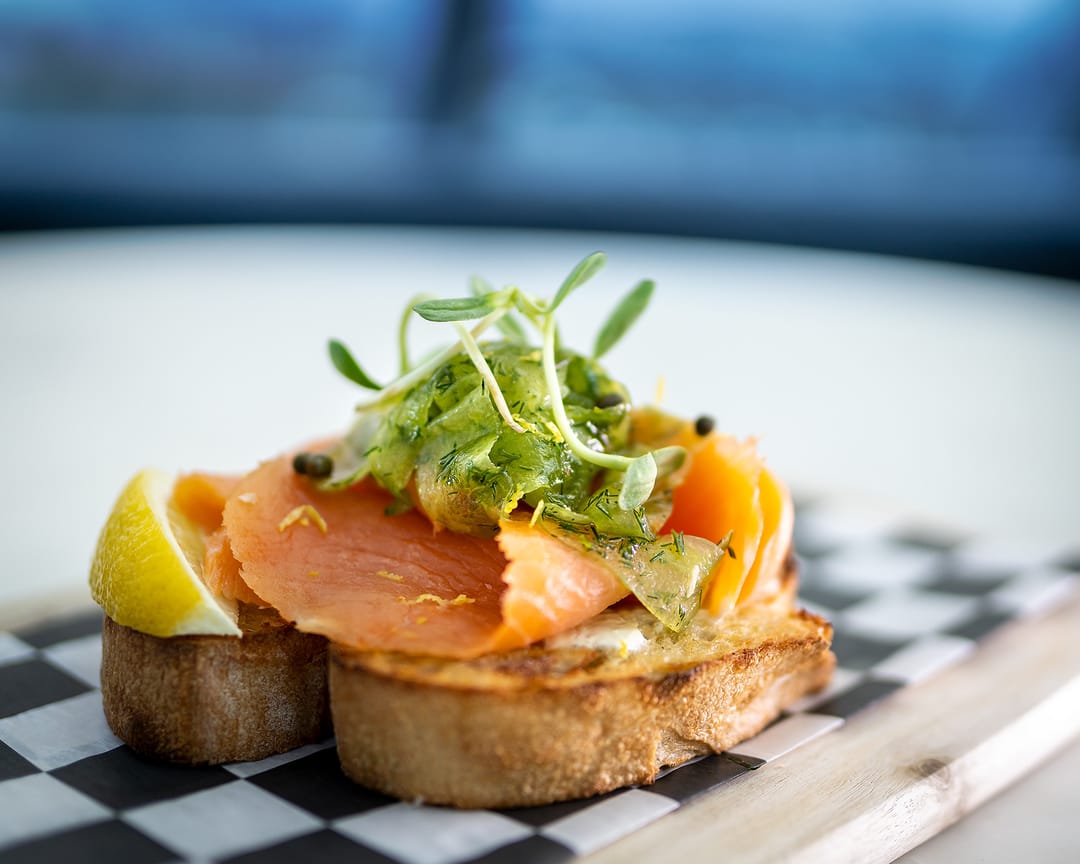
Wild Atlantic salmon is highly valued as a sport fish in Iceland. Marine species such as Icelandic cod and haddock have historically played a greater role in the country’s everyday diet and fishing industry.
FAQs
Yes. Atlantic salmon (Salmo salar) are native to Iceland and reproduce naturally in suitable freshwater rivers before migrating to the North Atlantic.
Most salmon fishing takes place from June to September. Individual rivers set their own dates within the permitted period between 20 May and 30 September, and conditions vary throughout the season.
Yes. Anglers must obtain permission for the specific river or fishing beat, usually through the landowner, angling association, lodge, or authorised operator.
Salmon caught by anglers in natural rivers may be wild or, in some places, hatchery-reared. On the other hand, salmon sold in supermarkets and served in restaurants is generally farmed.
Cod and haddock have traditionally been among Iceland’s most important food fish. Arctic char and farmed salmon are also widely served in restaurants.
Popular articles
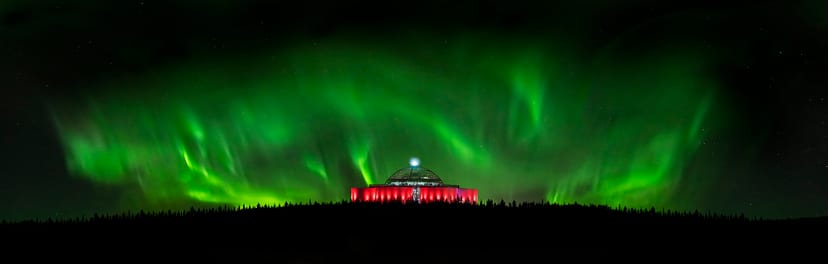
The Complete Guide to the Northern Lights in Iceland
Learn how the Northern Lights form, where to see them in Iceland, how to prepare, take photos, read the forecast, and improve your chances of a sighting.
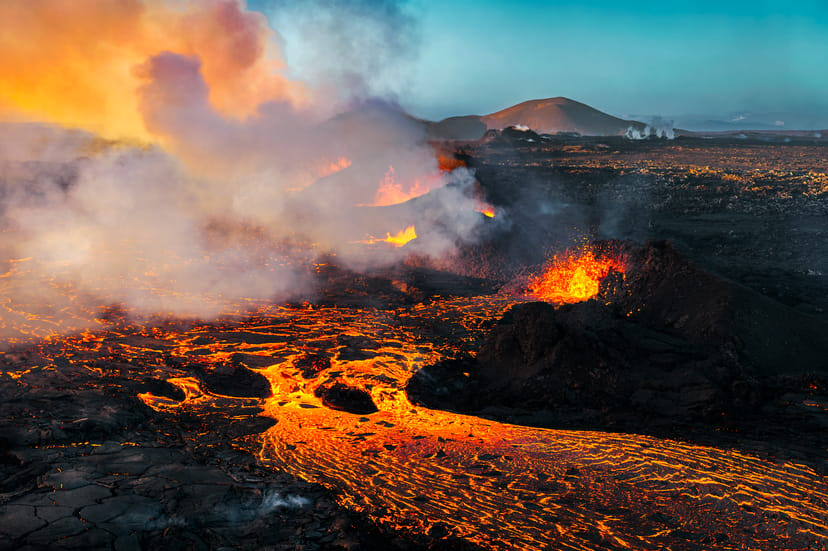
Let's Talk About the Volcano in Iceland About to Erupt
Is a volcano in Iceland about to erupt? Here’s what travelers should know about Svartsengi, Reykjanes activity, flights, safety, and the Blue Lagoon.
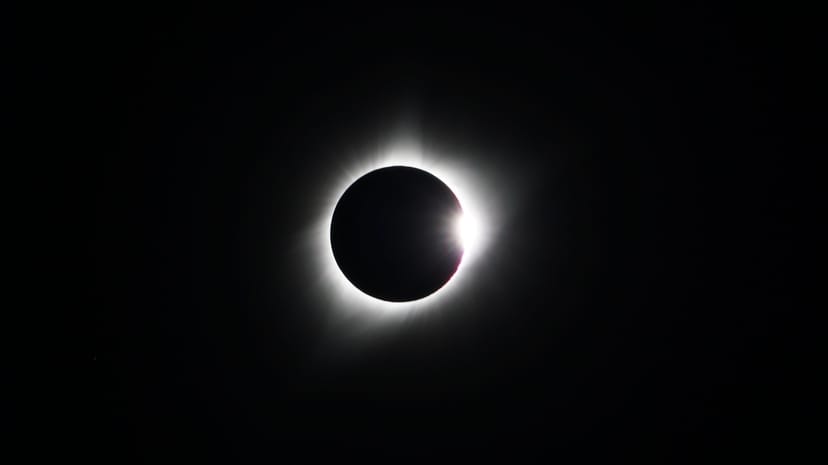
Solar Eclipse 2026 in Iceland | What Happened
Iceland experienced a total solar eclipse on August 12, 2026. Discover what happened in Reykjavík, eclipse times, totality locations and more.
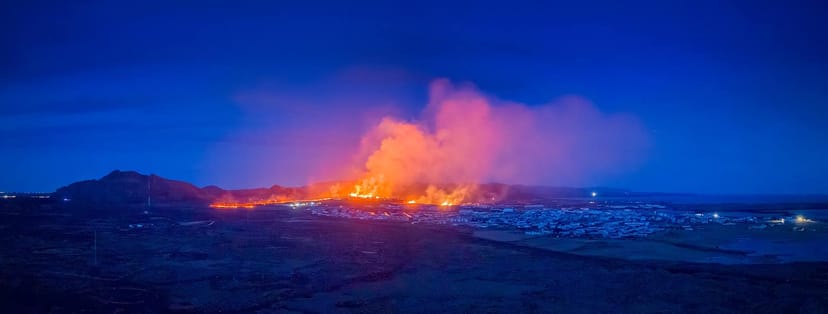
September 2026 updates on the Sundhnúkagígar Eruption in the Reykjanes Peninsula!
The current eruption in the Reykjanes Peninsula, is called Sundhnúkagígar Crater Row. See insights on the seismic activity and volcanic eruptions in the area!
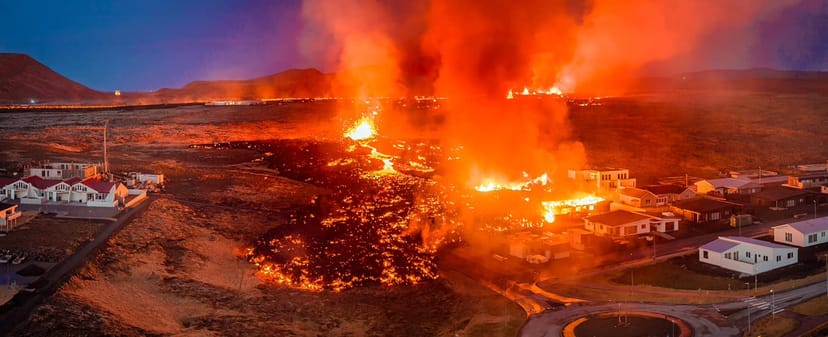
Active Volcanoes in Iceland 2026
Active volcanoes aren't the same thing as active eruptions. A volcano can be considered active even when it is not ejecting ash, rock, gases and magma, so which are active in Iceland in 2026?
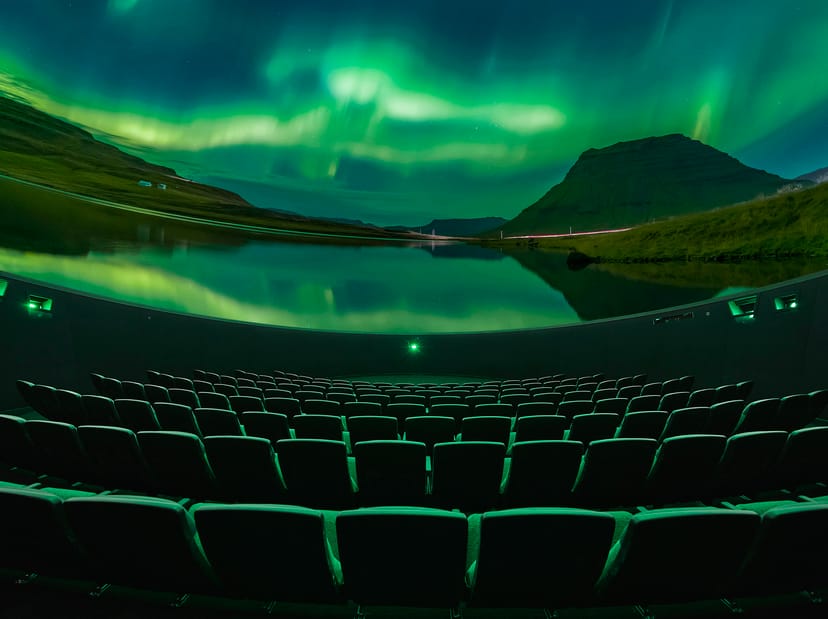
Top 10 Places To See the Northern Lights in Iceland
Discover the best places to see the Northern Lights in Iceland, from Jökulsárlón and Kirkjufell to Reykjavík, Þingvellir and North Iceland.
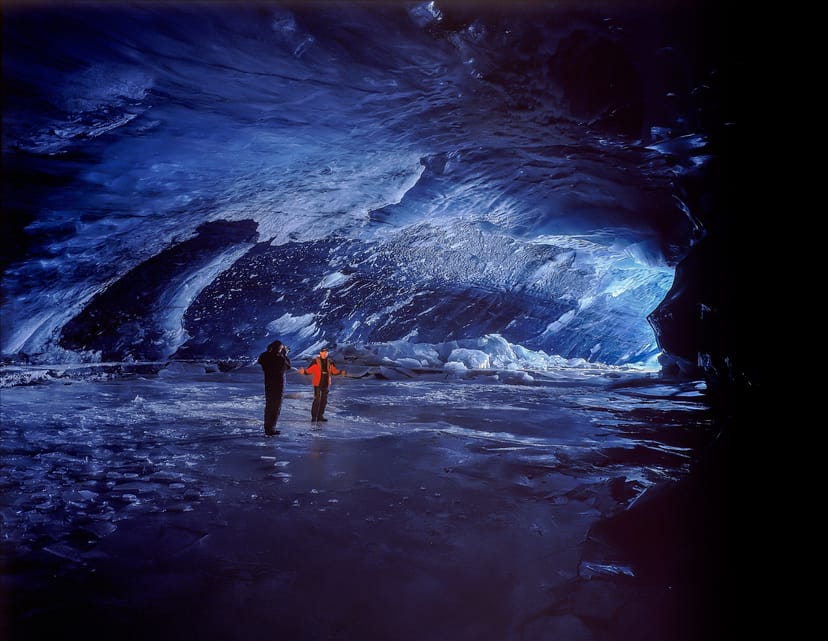
Ice Caves From Reykjavik
Planning an ice cave trip from Reykjavik? Compare Katla, Langjökull and Vatnajökull, travel times, seasons and Perlan’s ice cave in the city.