
A Guide to Ducks in Iceland
Find out which ducks live in Iceland, from Barrow’s goldeneyes to common eider ducks, plus the best places and seasons to observe them.
Iceland may be better known for its whales, puffins, horses and seals, but its ducks are also worth a closer look. Found on lakes and rivers, in wetlands and along the coast, they are part of Iceland’s birdlife. Some stay year-round, while others arrive for the breeding season, so there is something different to look for throughout the year.
Why Do Ducks Thrive in Iceland?
Numerous duck species breed in Iceland, while others pass through during migration or remain throughout winter. Dabbling ducks feed in shallow water and diving ducks forage below the surface. Some sea ducks have adapted to coastal environments, while others, especially those that eat fish, live out on the sea during the winter.
Iceland provides these birds with an excellent variety of habitats, including lakes, clear rivers, marshy wetlands and nutrient-rich coastal waters. These environments support abundant aquatic plants, insects, other invertebrates and Icelandic fish, such as the three-spined stickleback and salmonids, giving ducks an ideal food supply. Internationally important areas like Lake Mývatn and the River Laxá are particularly valuable breeding, feeding and resting habitats for ducks and waterbirds.
Types of Ducks You Will Encounter in Iceland
Sixteen duck species regularly breed in Iceland, while several others occur as migrants or occasional visitors. The following four species are among the most distinctive.
Common Eider
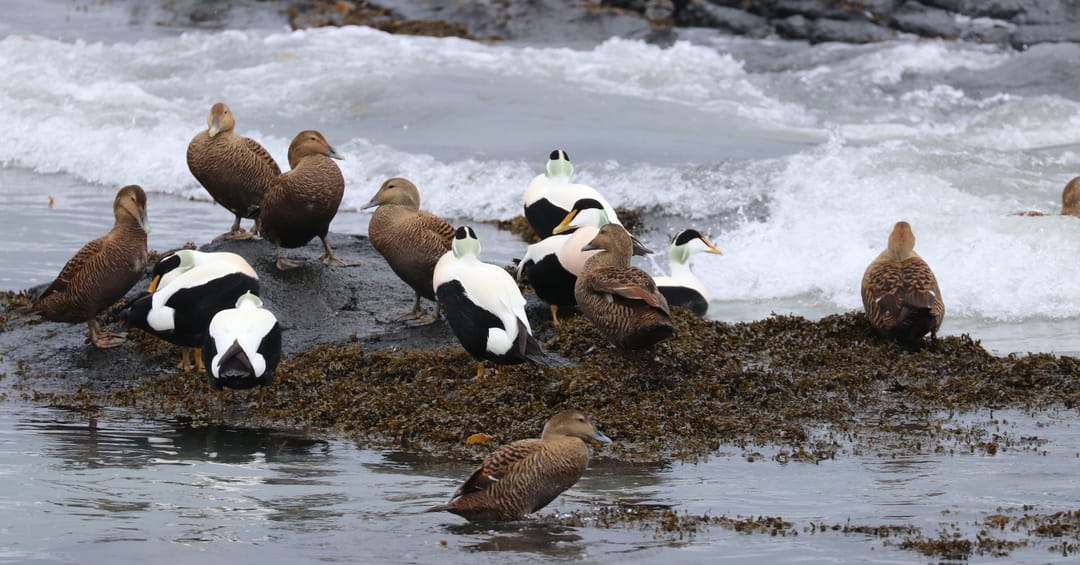
The common eider duck is Iceland’s most abundant and recognisable duck. This large sea duck is commonly found in and around sheltered fjords, rocky coastlines and working harbours. Males have striking black-and-white plumage with a pale green nape, while females are warm brown with intricate mottled markings. Iceland also has a centuries-old tradition of collecting naturally shed eiderdown from wild nesting colonies. Farmers protect the birds and their nesting sites throughout the breeding season.
Harlequin Duck
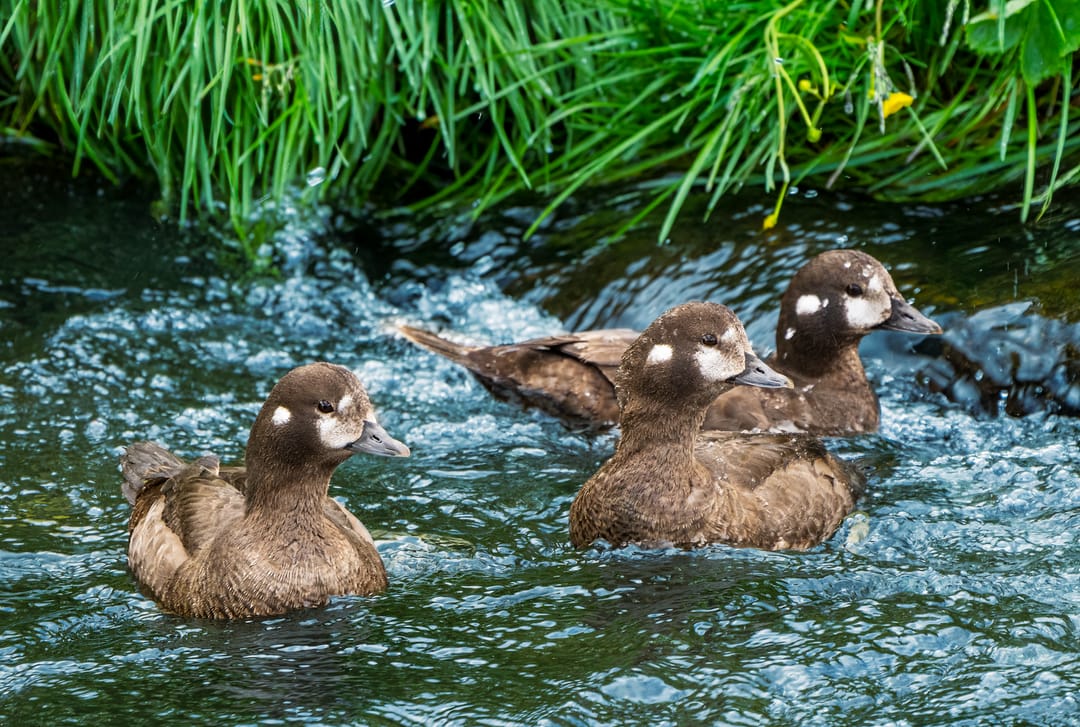
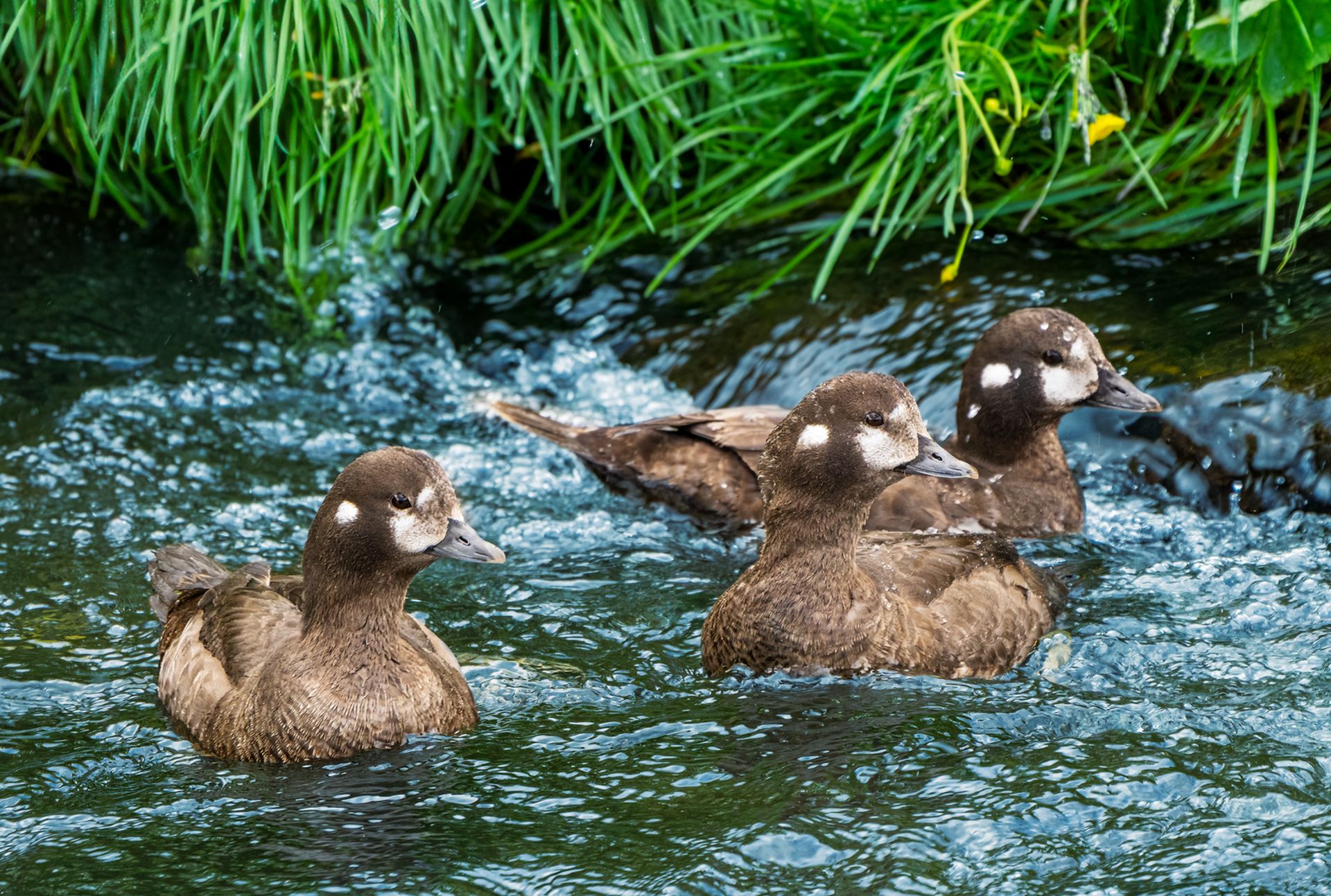
With its intricate slate-blue, white and chestnut plumage, the male harlequin duck is one of the most striking ducks in Iceland. Females are more understated, with mottled brown-grey plumage and distinctive white patches around the face. This energetic species favours fast-flowing rivers, white-water rapids and rocky coastal surf, such as the River Laxá. The species is of North American origin, as is the Barrow´s Goldeneye, and they are not found in other European countries. Other duck species found in Iceland are all of European/ Asian origin.
Barrow’s Goldeneye
The male of this diving duck, the Barrow’s goldeneye, has a glossy dark head, a crescent-shaped white facial patch and yellow eyes. Females have a brown head, grey body and a mostly dark bill marked with yellow or orange near the tip. Iceland supports Europe’s only regular breeding population, most of which is concentrated around Lake Mývatn and the River Laxá.
Long-Tailed Duck
The long-tailed duck is another species well adapted to northern climates. Males are recognisable by their elongated central tail feathers and seasonal plumage, while females have subtler brown and grey markings. These ducks breed around inland freshwater lakes during summer before moving to coastal waters and the open sea for winter.
Other notable ducks in Iceland include the tufted duck, Eurasian wigeon, and Eurasian teal.
Where to See Ducks in Iceland
Several locations stand out for observing Icelandic waterfowl:
- Lake Mývatn: Iceland’s premier duck-watching destination, supporting around 15 breeding species. The lake and the nearby River Laxá are especially important for Barrow’s goldeneyes, harlequin ducks and other diving ducks.
- Tjörnin in Reykjavík: This accessible city-centre pond attracts ducks, geese, swans and other waterbirds, making it an easy wildlife stop near Reykjavík City Hall.
- Coastlines and Harbours: Sheltered bays and working harbours are excellent places to spot common eiders and other sea ducks. Reykjavík’s Old Harbour, Breiðafjörður and the Stokkseyri–Eyrarbakki coastline are particularly worthwhile areas to explore. Coastal excursions may also offer opportunities to see seals in Iceland.
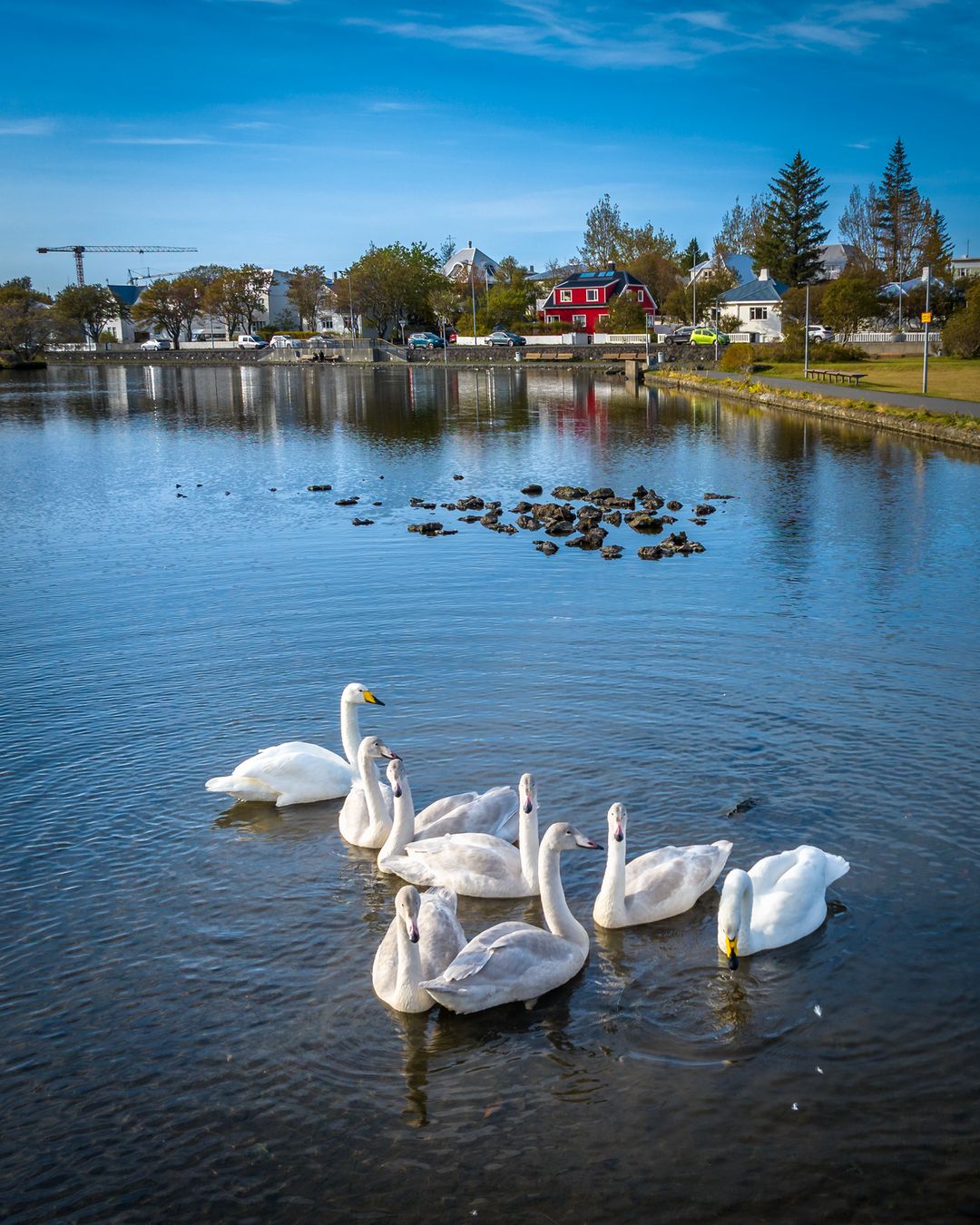
Iceland’s birdlife extends far beyond its lakes and wetlands. At Perlan’s Látrabjarg Cliff exhibition, visitors can experience a life-sized recreation of one of Iceland’s greatest seabird colonies. Here, learn about the birds that inhabit the country’s dramatic coastal cliffs.
Best Time to See Ducks in Iceland
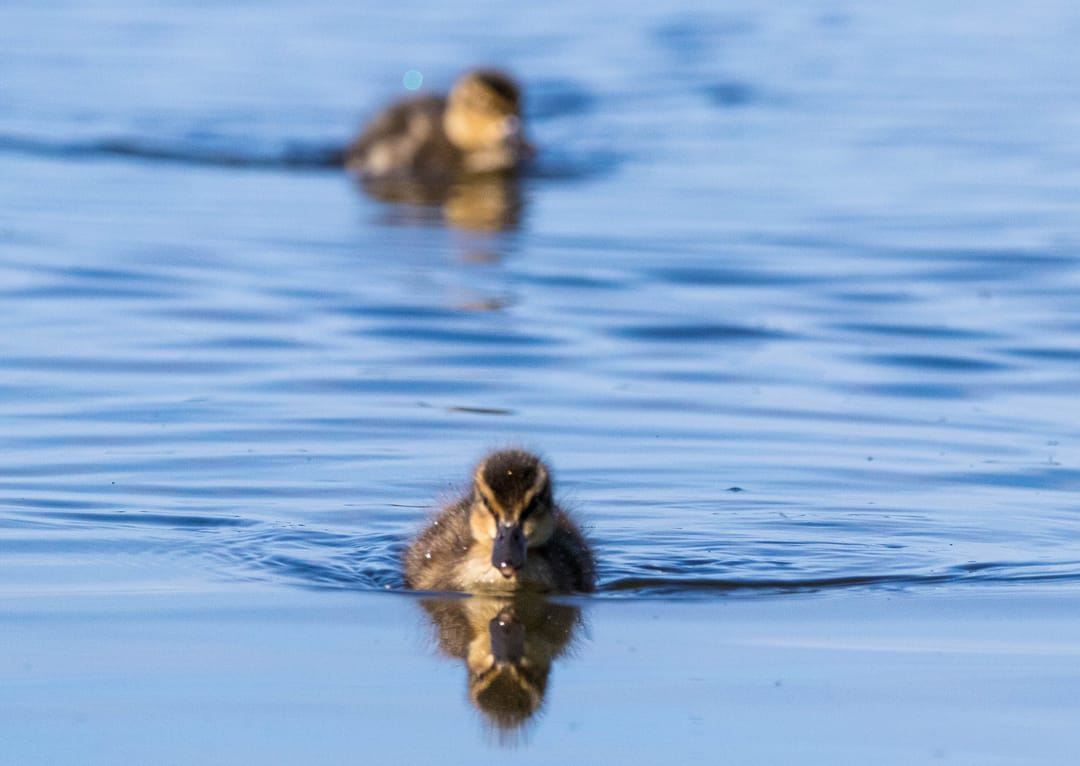
Late spring and summer are generally the best seasons for observing ducks in Iceland. During the breeding season, visitors may see males in their brightest plumage, courtship displays and newly hatched ducklings around lakes and wetlands. Spring and autumn bring migrating waterbirds, often seen along the seaside during low tide, while common eiders and other sea ducks remain visible along Iceland’s ice-free coastline throughout winter.
When observing ducks, use binoculars, remain on designated paths and keep a respectful distance from nests and young birds.
FAQs
Around 15 species regularly breed in Iceland, including the common eider, harlequin duck, Barrow’s goldeneye, long-tailed duck, mallard, Eurasian wigeon, tufted duck and more. Other species may appear as migrants or occasional visitors.
The common eider is Iceland’s most abundant duck. It is particularly widespread around sheltered coastlines, bays and harbours.
Lake Mývatn in North Iceland is widely considered the country’s leading duck-watching destination. Together with the River Laxá, it provides internationally important breeding, feeding and resting habitats for numerous waterbird species.
Yes, Tjörnin, the city-centre pond beside Reykjavík City Hall, is an accessible place to observe mallards, tufted ducks and other waterbirds. Also, ponds close to the Nordic House. The capital’s coastline and harbour also attract common eiders and other sea ducks.
Yes, although many breeding species migrate south after summer. Common eiders and several other sea ducks remain around Iceland’s ice-free coastal waters throughout winter.
Popular articles
The Complete Guide to the Northern Lights in Iceland
Learn how the Northern Lights form, where to see them in Iceland, how to prepare, take photos, read the forecast, and improve your chances of a sighting.
Let's Talk About the Volcano in Iceland About to Erupt
Is a volcano in Iceland about to erupt? Here’s what travelers should know about Svartsengi, Reykjanes activity, flights, safety, and the Blue Lagoon.

Solar Eclipse 2026 in Iceland | What Happened
Iceland experienced a total solar eclipse on August 12, 2026. Discover what happened in Reykjavík, eclipse times, totality locations and more.
September 2026 updates on the Sundhnúkagígar Eruption in the Reykjanes Peninsula!
The current eruption in the Reykjanes Peninsula, is called Sundhnúkagígar Crater Row. See insights on the seismic activity and volcanic eruptions in the area!
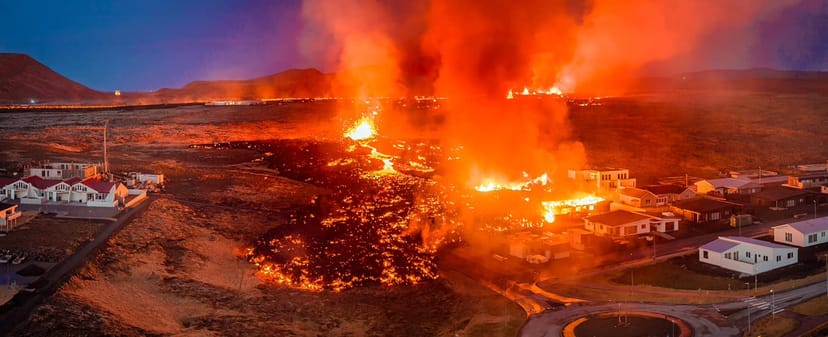
Active Volcanoes in Iceland 2026
Active volcanoes aren't the same thing as active eruptions. A volcano can be considered active even when it is not ejecting ash, rock, gases and magma, so which are active in Iceland in 2026?
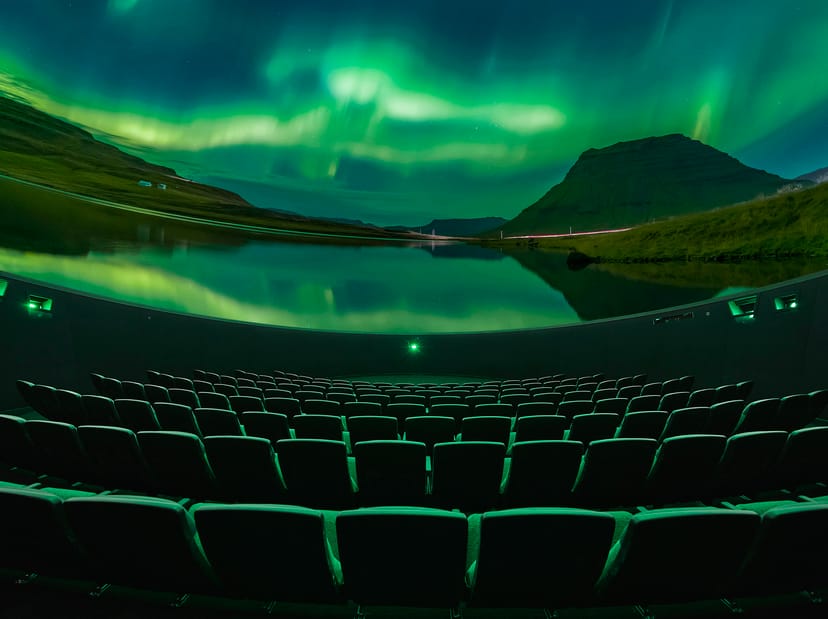
Top 10 Places To See the Northern Lights in Iceland
Discover the best places to see the Northern Lights in Iceland, from Jökulsárlón and Kirkjufell to Reykjavík, Þingvellir and North Iceland.
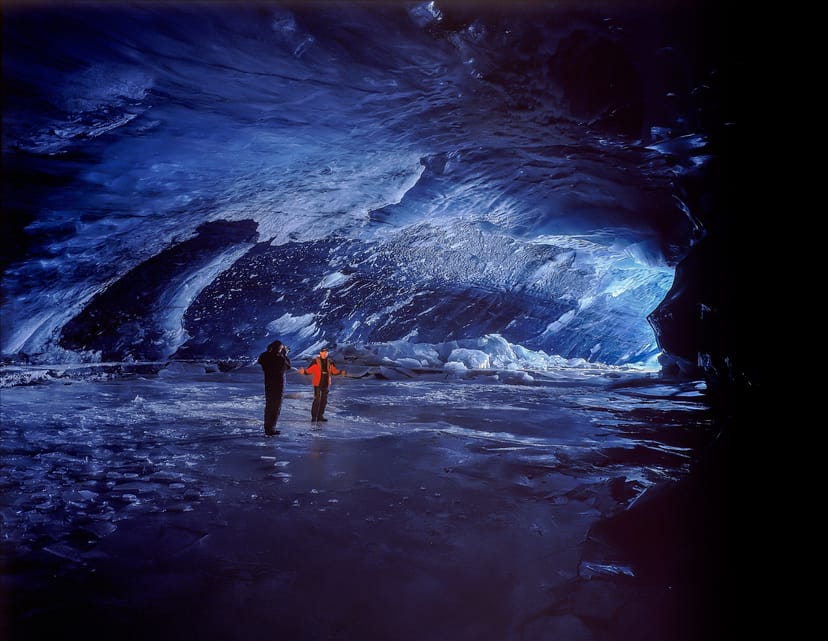
Ice Caves From Reykjavik
Planning an ice cave trip from Reykjavik? Compare Katla, Langjökull and Vatnajökull, travel times, seasons and Perlan’s ice cave in the city.