
Seals in Iceland
Discover the seals in Iceland, including resident species, top seal-watching locations, the best time to visit, and responsible viewing tips.
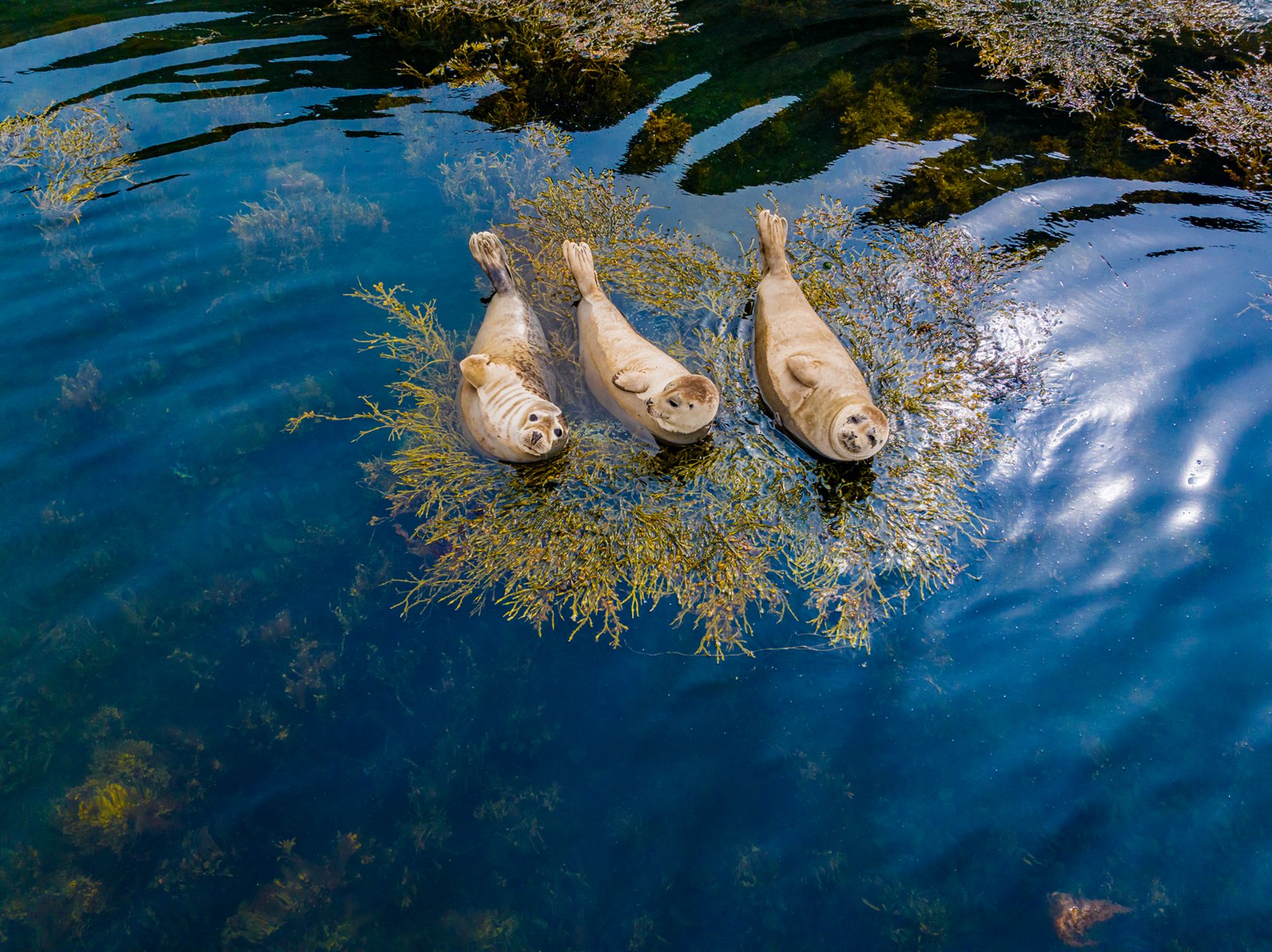
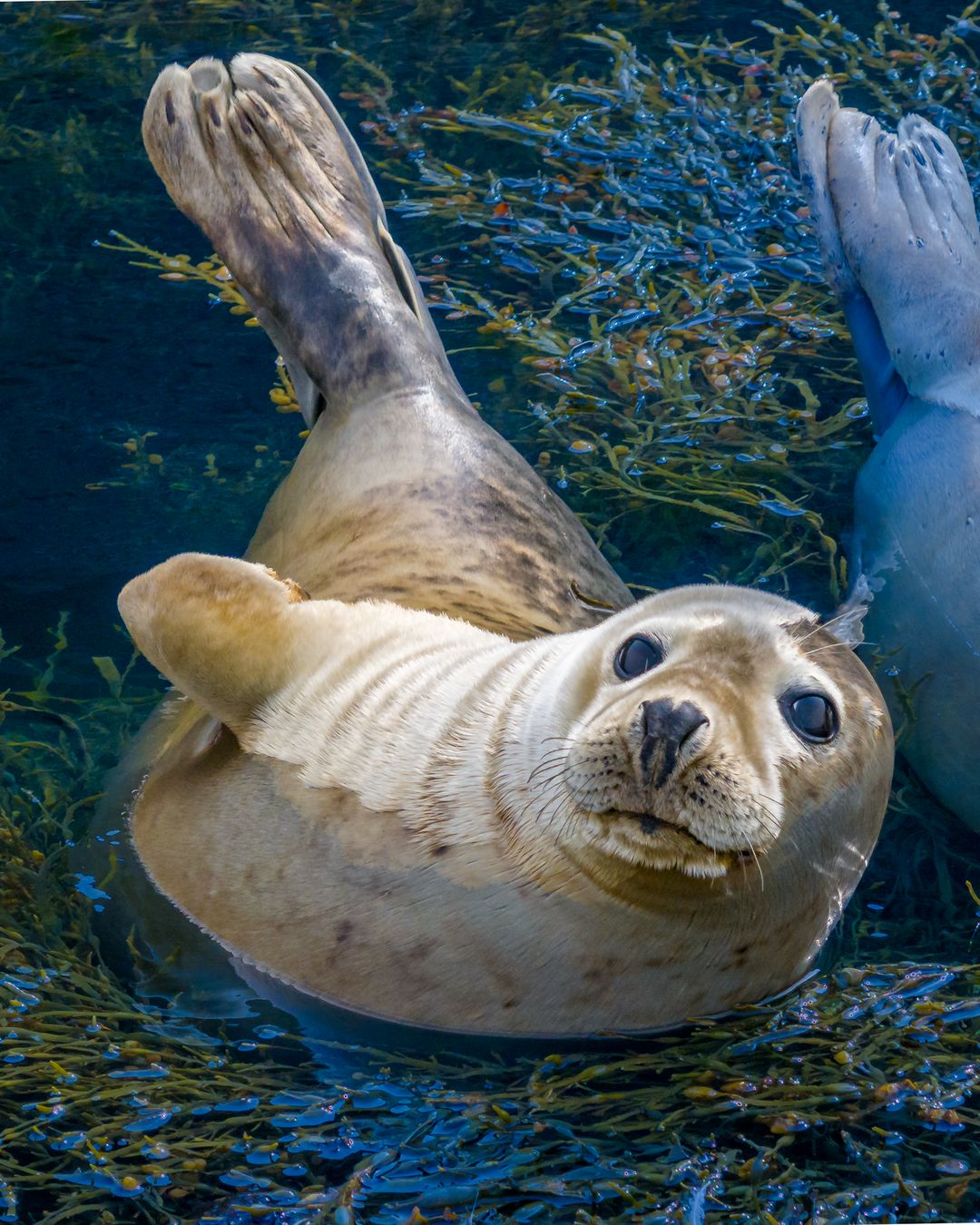
Iceland’s coastline provides suitable habitats for many marine animals, including seals. Seals in Iceland can often be seen resting on skerries and sandbanks or swimming in fjords, bays, and glacial lagoons. There are several places around the country where visitors have a good chance of spotting them in the wild.
Why Is Iceland a Good Habitat for Seals?
Iceland’s coastline is home to bays, small islands, rocky shores, sandbanks, and tidal estuaries. The nutrient-rich waters (especially around the west coast and in the eastern parts) surrounding the island support a thriving marine ecosystem with abundant fish and other animals.
However, seal colonies are not found on every part of the coast. Instead, seals gather in particular locations with favourable feeding, resting, and breeding conditions.
Types of Seals in Iceland
Two seal species breed and raise their young in Iceland, and both can be spotted in the wild:
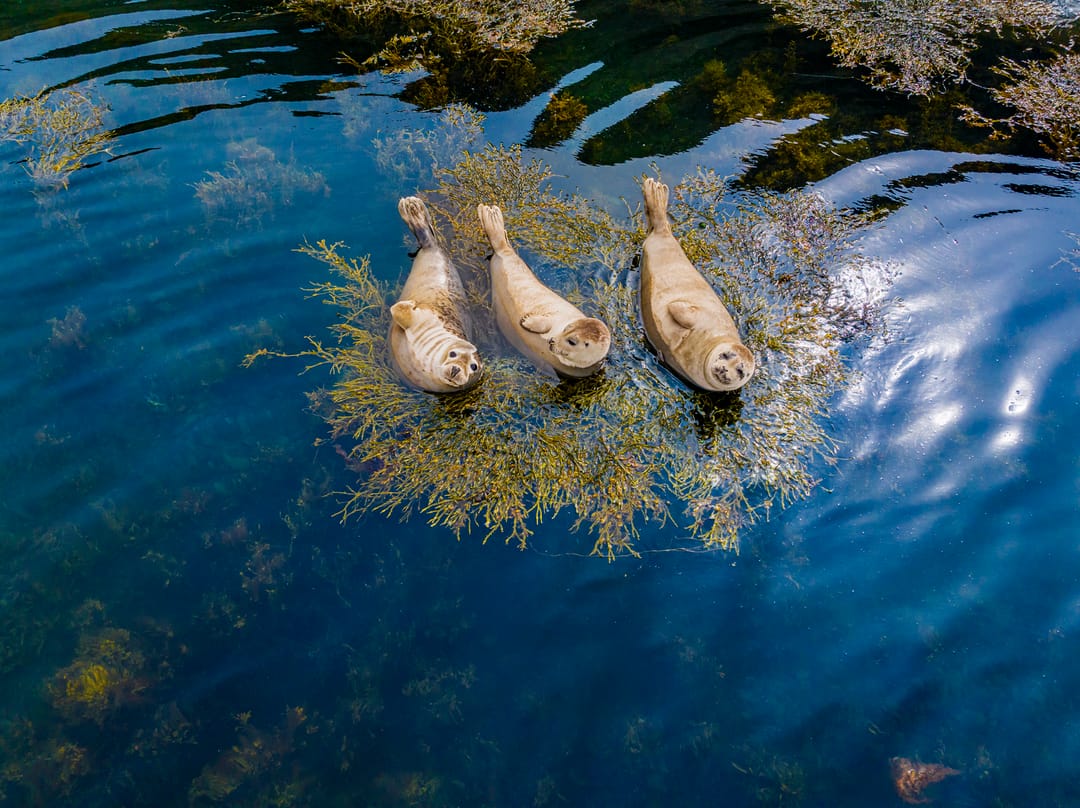
- Harbour seals (Phoca vitulina): Also known as the common seal, this is the more widespread of Iceland’s two resident breeding species.
- Grey seals (Halichoerus grypus): Larger than the harbour seal, it is distinguished by its longer head and more pronounced muzzle.
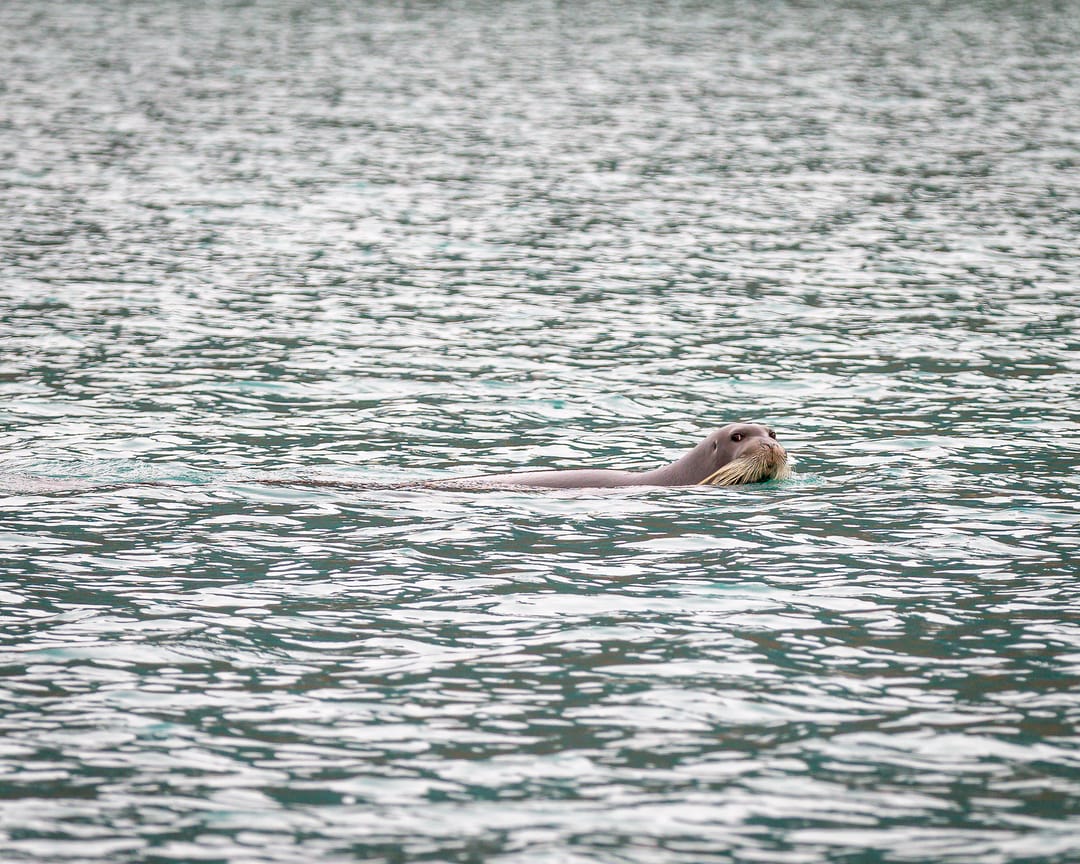
Several Arctic species also visit Icelandic waters. These include ringed seals (Pusa hispida), harp seals (Pagophilus groenlandicus), hooded seals (Cystophora cristata) and bearded seals (Erignathus barbatus). Unlike harbour seals and grey seals, these visiting species do not breed around Iceland.
Walruses (Odobenus rosmarus) are also occasionally recorded near Iceland, although sightings are extremely rare. These animals are generally considered vagrants arriving from other parts of the Arctic.
Best Places for Spotting Seals in Iceland
For the best opportunities to go seal watching in Iceland, visit these established viewing locations.
Vatnsnes Peninsula
The Vatnsnes Peninsula in North Iceland is the leading destination for viewing seals in Iceland. Illugastaðir and Hvítserkur are reliable places to see seals, which often haul out on exposed rocks, small islands, and sandbanks at low tide. While exploring the peninsula, visit the Icelandic Seal Center in Hvammstangi to learn more about seal biology, conservation, and local research. Combining a tour of Vatnsnes with a ride on Icelandic horses makes for a memorable North Iceland wildlife experience.
Ytri Tunga Beach
Located on the southern coast of the Snæfellsnes Peninsula, Ytri Tunga Beach is one of Iceland’s most accessible seal-watching locations. Unlike the country’s better-known black-sand beaches, it features beautiful golden sand. Harbour seals and occasional grey seals can often be seen resting on rocks just offshore. Sightings are possible year-round, although summer generally offers the best viewing conditions.
Jökulsárlón Glacier Lagoon and Diamond Beach
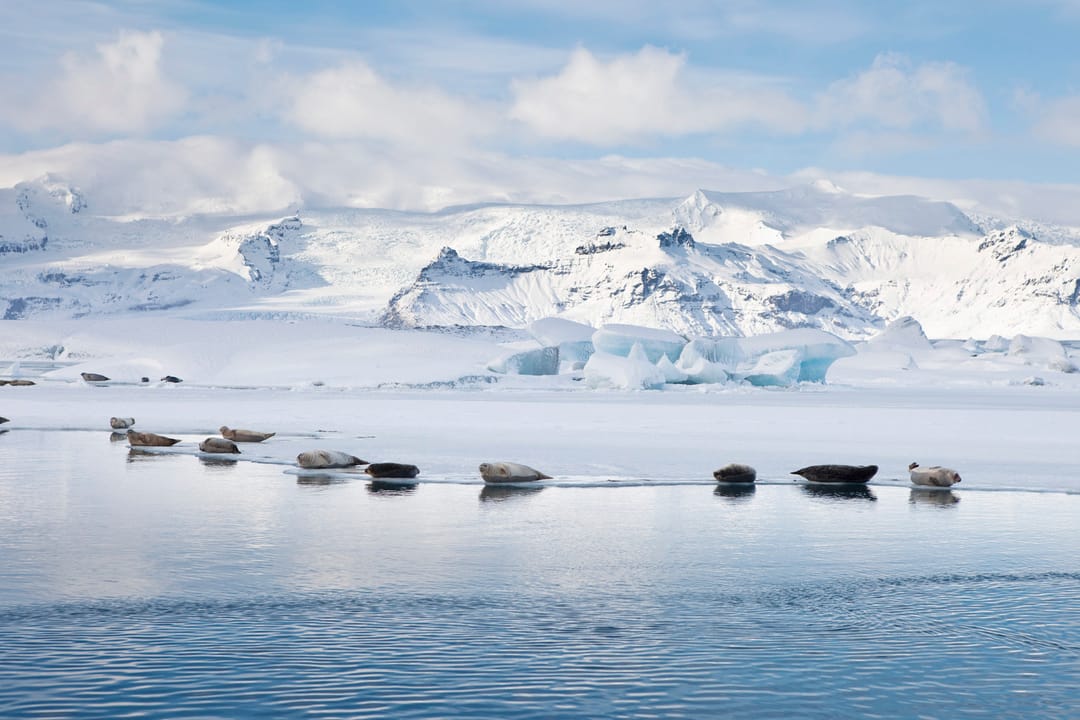
At Jökulsárlón Glacier Lagoon, on the southeast shore in Vatnajökull National Park, harbour seals can often be seen surfacing between floating icebergs or hunting for fish. Just across the road, Diamond Beach is worth visiting for the chunks of glacial ice scattered across its black sand. However, seals are much more commonly spotted swimming within the lagoon itself.
Rauðasandur and the Westfjords
In the southwestern part of the Westfjords, the golden sands of Rauðasandur stretch beside broad tidal flats where seals can often be seen resting. The wider region is also a rewarding destination for birdwatchers.
Close by is Látrabjarg, one of Europe’s largest seabird cliffs.
Continue exploring the Westfjords’ wildlife at Perlan’s Látrabjarg Cliff exhibit.
Best Time to See Seals in Iceland
Seals in Iceland can be seen year-round, but summer, from mid- May to August, offers longer daylight, milder weather, and easier road access. Tides often influence sightings more than the season. At low tide, exposed rocks, reefs, and sandbanks provide places for seals to haul out and rest.
Harbour seals give birth in late spring and early summer, while grey seals generally pup in autumn. Visitors may occasionally see mothers and young during these periods. That makes it especially important to remain at a safe distance and avoid disturbing breeding colonies. Iceland’s national grey seal surveys are typically carried out during the October pupping season.
Seals in Icelandic Folklore and Culture
Seals hold a prominent place in Icelandic folklore, particularly in stories about the selshamur, or seal skin. Similar to selkie legends, these tales describe seals shedding their skins and taking human form on land, often gathering to dance or celebrate. A recurring motif involves a person stealing or hiding a seal skin, preventing its owner from returning to the sea. These stories often explore themes of longing, freedom, and the divide between the human and natural worlds.
Seals were also important to coastal communities in practical ways. Their meat, oil and skins provided valuable resources, especially in remote areas where survival depended closely on the sea. As a result, seals in Iceland became both familiar animals and powerful figures in storytelling.
Tips for Watching Seals Responsibly
- Remain quiet and keep at least 50 metres (164 feet) away, or farther if required by local signs.
- Use binoculars or a telephoto lens rather than approaching for a closer view.
- Never touch, feed, or surround a seal.
- Leave a clear route between the seals and the sea.
- Do not fly drones near seals, as the noise and movement may frighten them.
- Move back slowly if seals raise their heads, become restless or begin moving towards the water.
FAQs
Yes. Harbour seals and grey seals are resident species that live, breed and feed around the Icelandic coastline throughout the year.
Some of the most reliable places include the Vatnsnes Peninsula, Ytri Tunga Beach, Jökulsárlón Glacier Lagoon, and Rauðasandur. Illugastaðir and Hvítserkur on Vatnsnes are particularly well-known for year-round seal watching.
Harbour seals and grey seals are the only two species that regularly breed and raise their young in Iceland. Ringed, harp, hooded, and bearded seals also visit Icelandic waters, while walrus sightings are extremely rare.
Seals are wild animals with powerful jaws and sharp teeth. Although they are generally cautious around people, they may bite if they feel threatened, cornered, or approached too closely.
Low tide is generally the best time for shore-based seal watching. As the water recedes, it exposes the rocks, sandbanks, and skerries where seals haul out to rest.
Popular articles
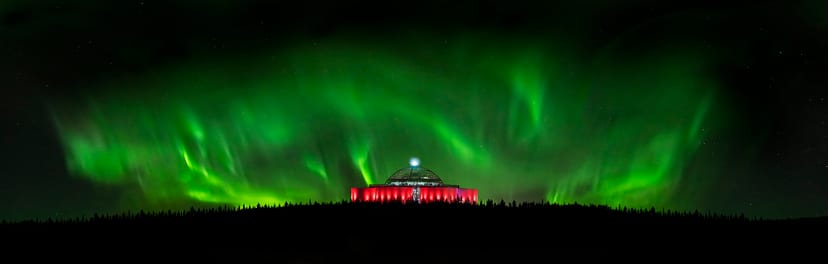
The Complete Guide to the Northern Lights in Iceland
Learn how the Northern Lights form, where to see them in Iceland, how to prepare, take photos, read the forecast, and improve your chances of a sighting.
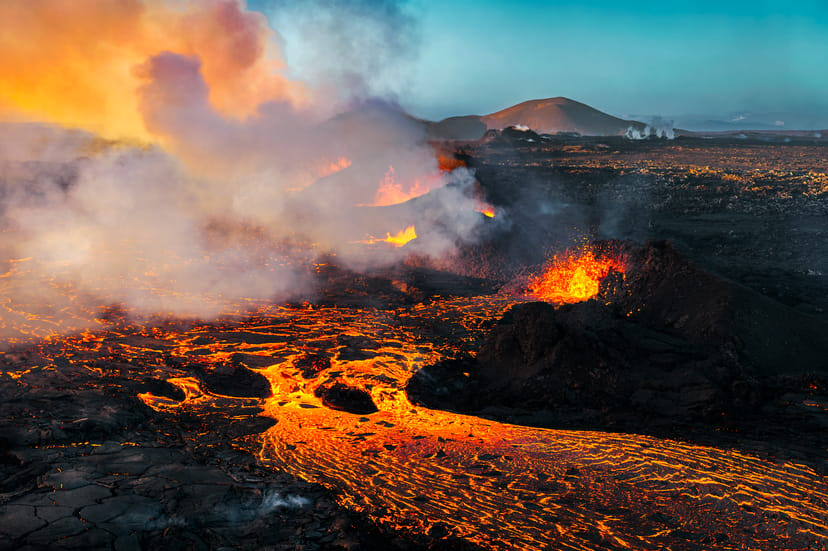
Let's Talk About the Volcano in Iceland About to Erupt
Is a volcano in Iceland about to erupt? Here’s what travelers should know about Svartsengi, Reykjanes activity, flights, safety, and the Blue Lagoon.
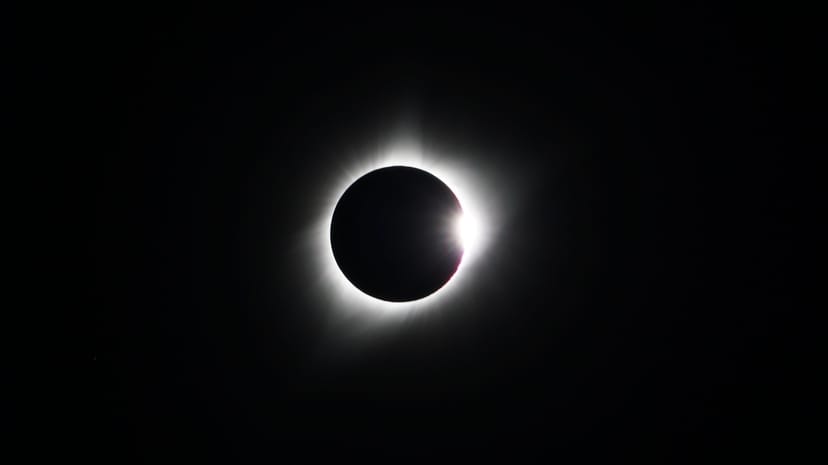
Solar Eclipse 2026 in Iceland | What Happened
Iceland experienced a total solar eclipse on August 12, 2026. Discover what happened in Reykjavík, eclipse times, totality locations and more.
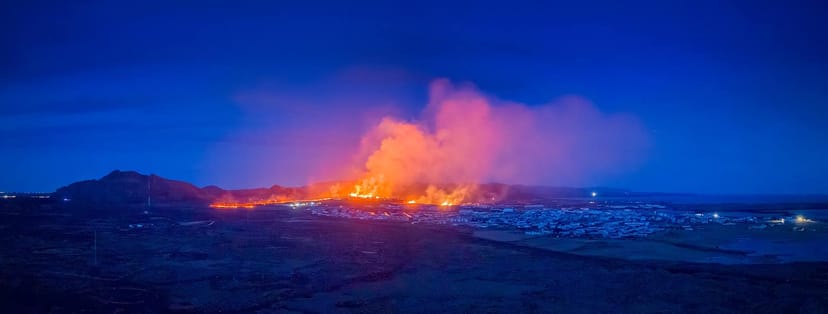
September 2026 updates on the Sundhnúkagígar Eruption in the Reykjanes Peninsula!
The current eruption in the Reykjanes Peninsula, is called Sundhnúkagígar Crater Row. See insights on the seismic activity and volcanic eruptions in the area!
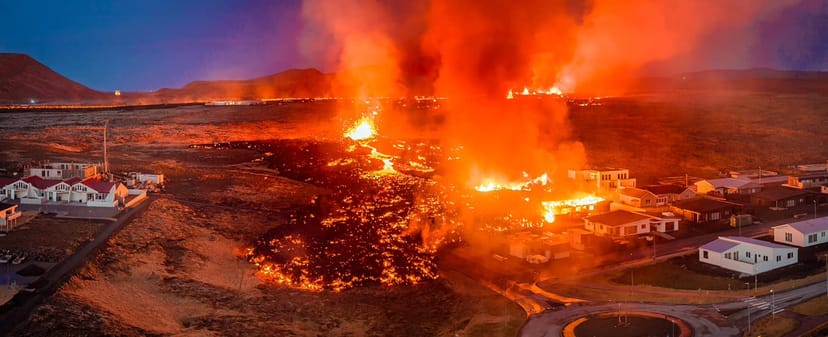
Active Volcanoes in Iceland 2026
Active volcanoes aren't the same thing as active eruptions. A volcano can be considered active even when it is not ejecting ash, rock, gases and magma, so which are active in Iceland in 2026?
Top 10 Places To See the Northern Lights in Iceland
Discover the best places to see the Northern Lights in Iceland, from Jökulsárlón and Kirkjufell to Reykjavík, Þingvellir and North Iceland.
Ice Caves From Reykjavik
Planning an ice cave trip from Reykjavik? Compare Katla, Langjökull and Vatnajökull, travel times, seasons and Perlan’s ice cave in the city.