
Icelandic Cod: A Guide to Iceland’s Most Famous Fish
Explore the biology, habitat and history of Icelandic cod, plus year-round fishing, traditional dishes and where to learn about marine life in Iceland.
From drying racks along shorelines to restaurants in Reykjavík, Icelandic cod is woven into the fabric of life in Iceland. For centuries, this valuable fish helped sustain communities through harsh northern winters and shape the country’s trading economy. Today, cod remains an important part of the North Atlantic marine ecosystem and a cornerstone of cuisine in Iceland.
What Is Icelandic Cod?
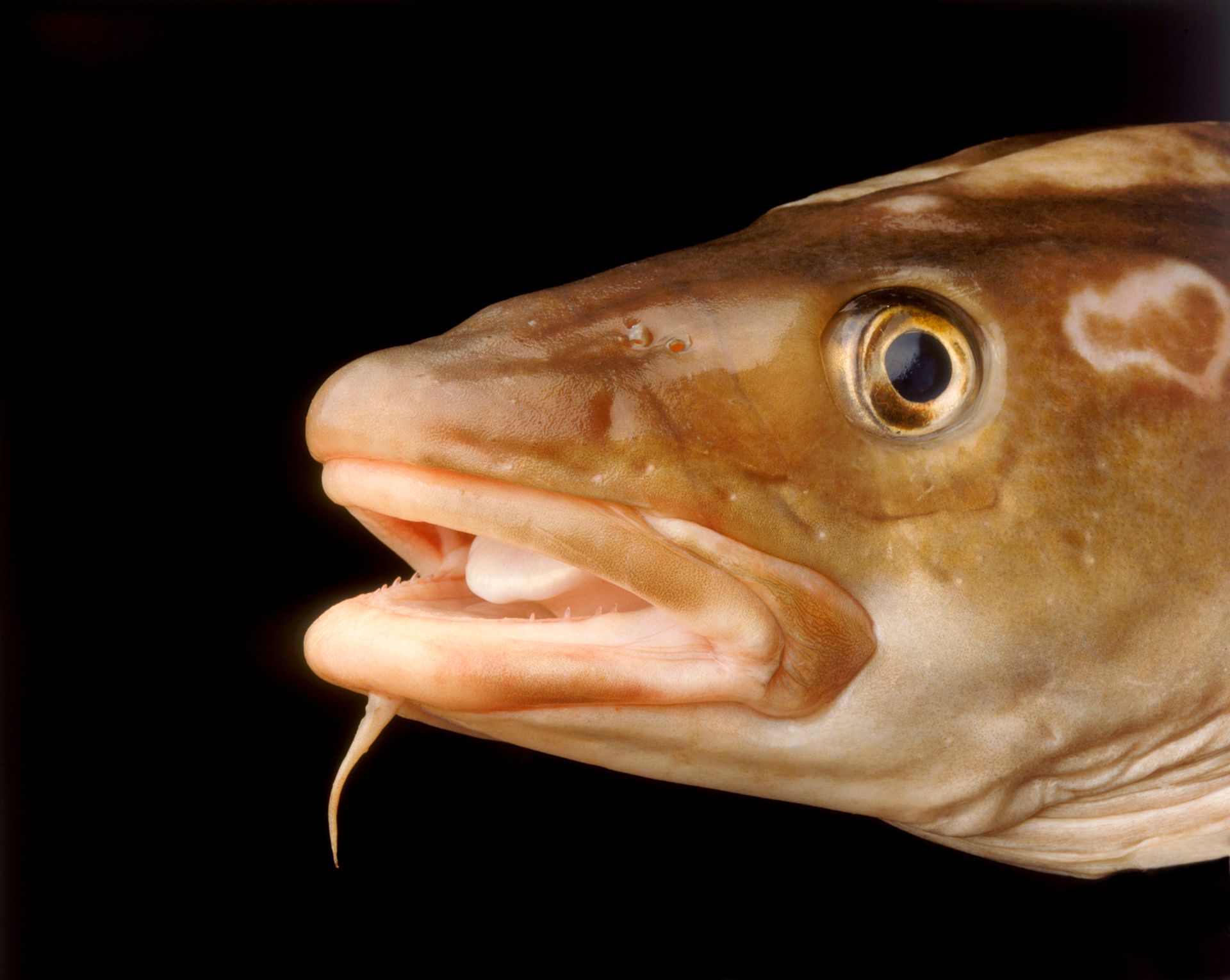
The term Icelandic cod does not describe a distinct biological species. Instead, it refers to Atlantic cod (Gadus morhua) that live, feed and reproduce in the cold, nutrient-rich waters surrounding Iceland.
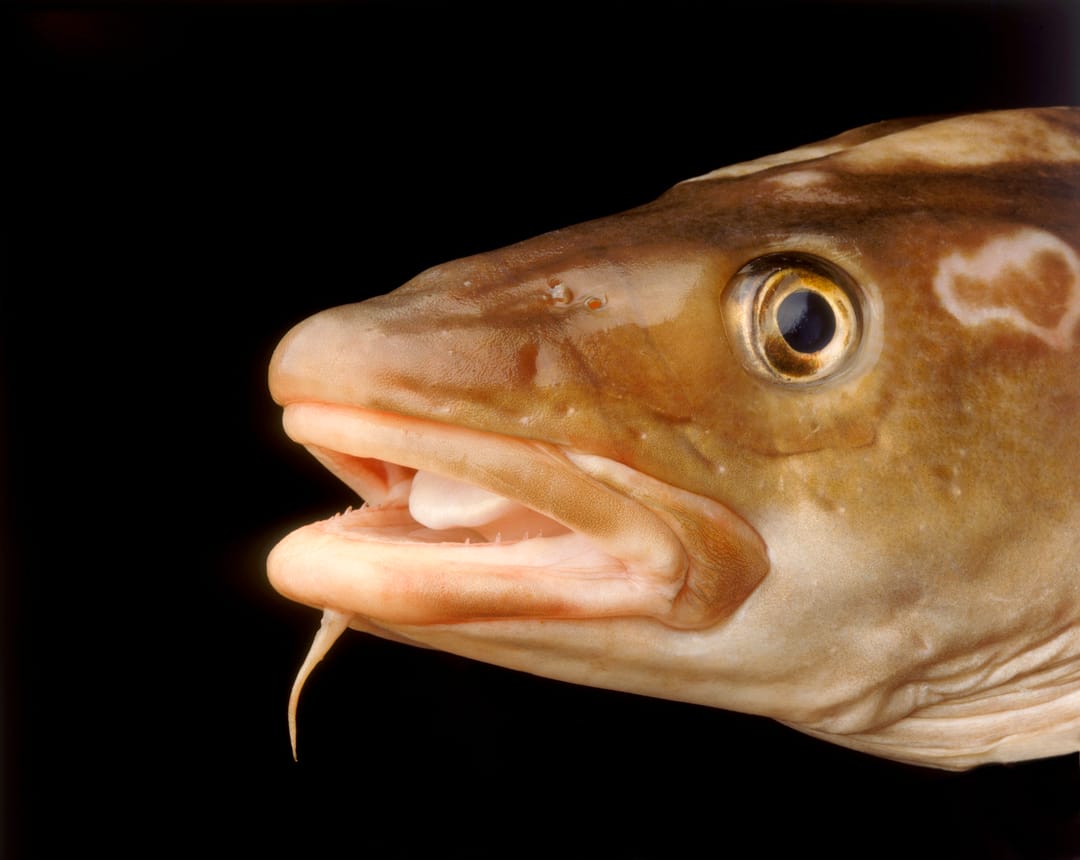
Cod are demersal fish, meaning they live and feed primarily near the seabed. They have long, muscular bodies with mottled greenish-brown or grey colouring that helps them blend into their surroundings. Beneath the lower jaw is a small, sensitive barbel, a whisker-like organ that helps locate prey on or near the seabed. Adult cod are apex (top) predators and well adapted to feed on variable availability of prey such as capelin, herring and crustaceans being the most important ones. In turn, their juveniles form part of the diet of other marine predators.
Atlantic cod are among Iceland’s most iconic marine animals. Adults commonly measure between 50 and 100 centimetres (20–39 inches). Exceptional individuals can even exceed 1.5 metres (5 feet) in length and weigh more than 40 kilograms (88 pounds).
Why Is Cod Important to Iceland?
It is difficult to overstate the role of cod in shaping Icelandic culture and commerce. From the settlement period until well into the 20th century, survival on the island depended on farming and seasonal fishing. Alongside livestock such as sheep, cows and horses, coastal communities relied on cod for food and as a valuable commodity for trade.
Historically, Icelandic cod was preserved by wind-drying it on wooden frames known as hjallar or by salting it. These methods allowed the fish to be stored for long periods and exported as stockfish or saltfish (saltfiskur). Fishing seasons broadly followed the movement of cod towards their spawning grounds. Historically, much of this activity took place during late winter and spring.
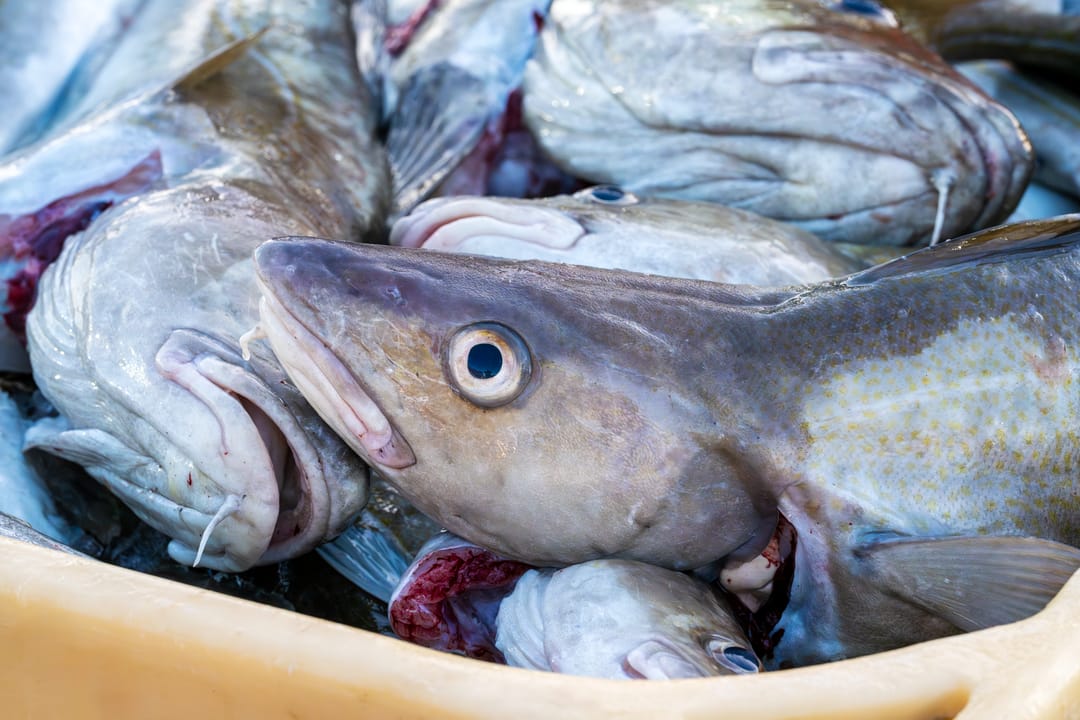
Nowadays, Iceland’s waters support an interconnected community of fish, marine mammals, various marine invertebrates as well as seabirds. Within the marine ecosystem, cod remain major predators as well as one of Iceland’s most important commercial fish. Scientific stock assessments, catch limits and long-term management plans are essential to maintaining healthy, sustainable populations for future generations.
Where Do Icelandic Cod Live?
Rather than gathering at fixed locations, Icelandic cod range widely across the continental shelf surrounding the island. They inhabit both coastal and offshore waters, commonly found in temperatures between 2°C and 7°C (35°F and 45°F). Adult cod are frequently found at depths of around 100 to 250 metres (328 to 820 feet). However, they can occupy much shallower or deeper waters depending on age, season and availability of food.
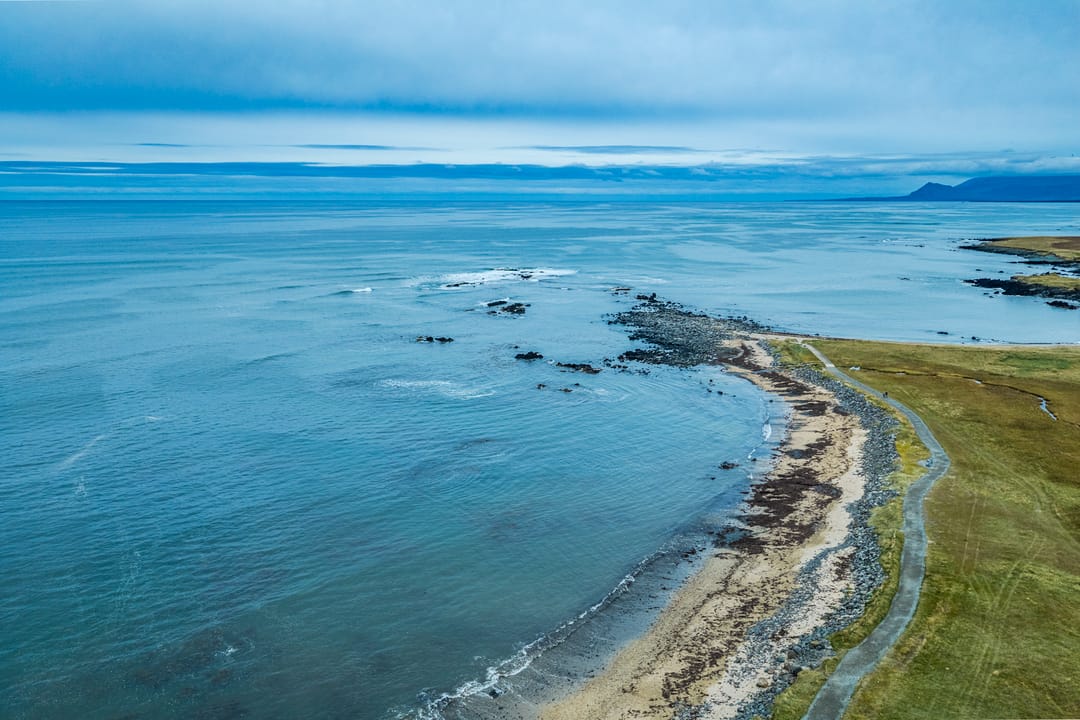
Different groups of cod move between feeding and spawning grounds throughout the year. The main spawning areas lie off Iceland’s southern, southwestern and western coasts, where relatively warm Atlantic waters influence the environment. Spawning takes place mainly in March and April, although smaller regional groups reproduce in other areas around the country.
Explore the wildlife beneath Iceland’s waves at Perlan’s Ocean exhibit. This cinematic underwater journey introduces visitors to the fish, whales, algae and currents of the North Atlantic.
When Is Icelandic Cod Fishing Season?
Commercial fishing for Icelandic cod now takes place throughout the year rather than during one fixed season. However, fishing locations and catch volumes vary according to weather, cod movements and the availability of quota.
Late winter and spring form the main spawning season. Temporary closures are introduced in certain areas to protect spawning cod, with restrictions sometimes applying to particular fishing methods or vessels. Overall catch limits are based on scientific stock assessments and advice from the Marine and Freshwater Research Institute.
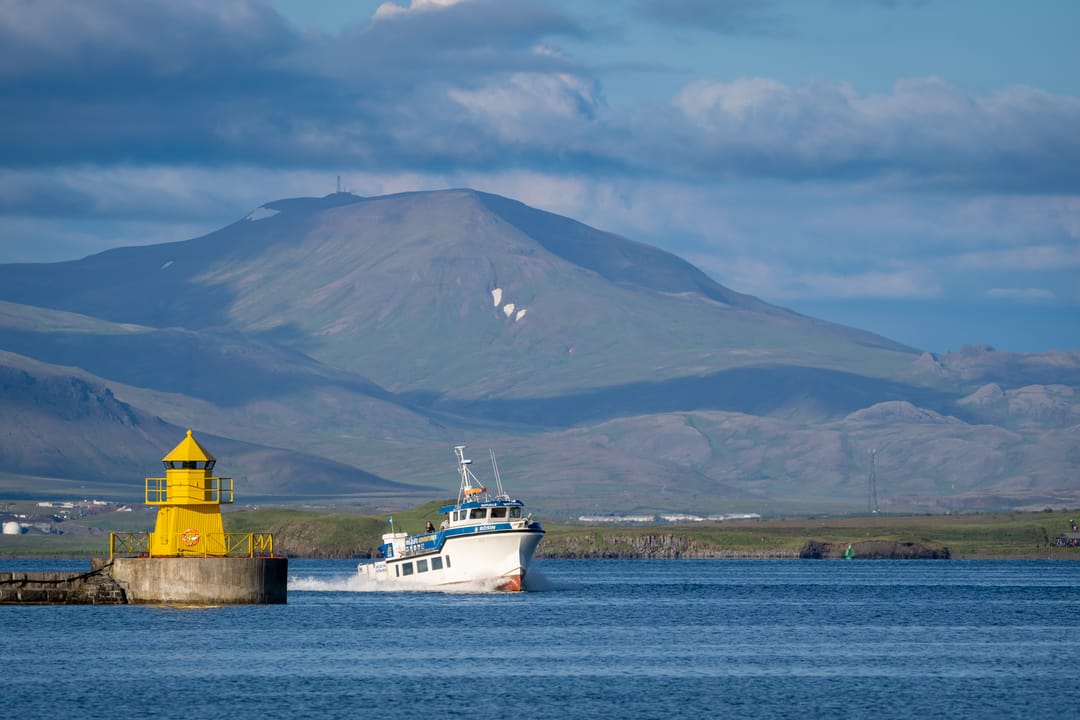
Visitors can join seasonal sea-angling tours from Reykjavík and several other coastal communities. Cod are commonly caught on these excursions, but success depends on sea conditions, location and movements of the fish.
Eating Icelandic Cod
Fresh Icelandic cod is celebrated for its mild, slightly sweet flavour and firm, flaky white flesh. Its versatility makes it suitable for everything from simple pan-frying to traditional stews and preserved foods.
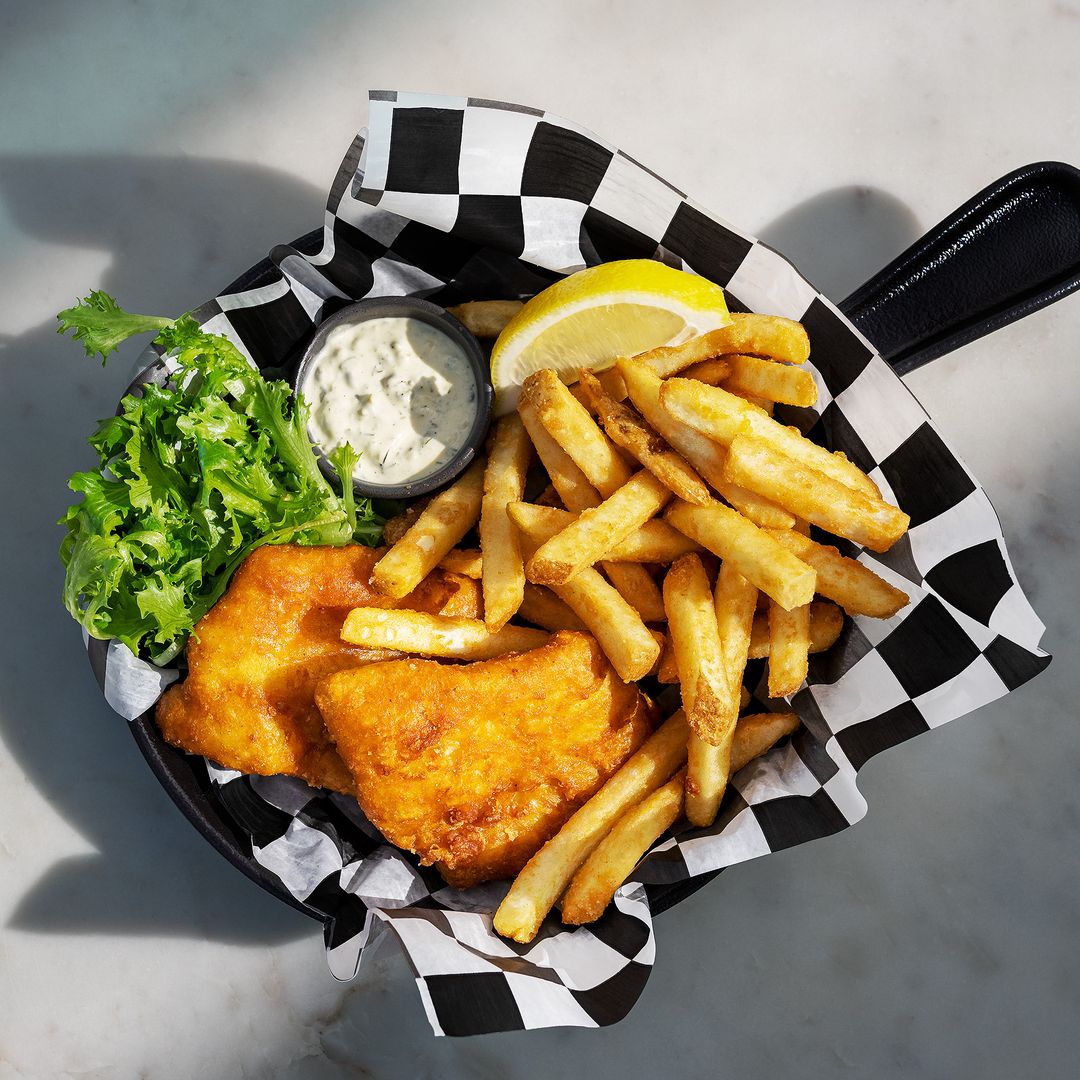
Popular ways to enjoy cod in Iceland include:
- Pan-fried cod: Often served with butter, potatoes and roasted root vegetables.
- Plokkfiskur: A traditional Icelandic fish stew or mash made with flaked whitefish, potatoes, and onions.
- Harðfiskur: Air-dried fish, often cod or haddock, eaten as a protein-rich snack and commonly spread with Smjör (Icelandic butter).
- Cod specialities: Cheeks (kinnar) and the fleshy muscles (“cod tongues”) known as gellur are often pan-fried or prepared in other simple ways.
- Salted cod: Salted and dried cod (“saltfiskur”, “bacalao”) is usually soaked and boiled and eaten with boiled potatoes and butter or used in making fish stew.
Diners looking for responsibly sourced seafood can check menus, packaging or supplier information for details about origin, traceability and third-party certification.
FAQs
Yes, Icelandic cod are Atlantic cod (Gadus morhua) that live in or are harvested from the waters surrounding Iceland. They are not a separate biological species.
Pacific cod (Gadus macrocephalus) inhabit the North Pacific, while Atlantic cod (Gadus morhua) occur in the North Atlantic. Both have mild white flesh, although their flavour and texture can differ slightly.
Wild cod inhabit coastal and offshore waters and are not reliably visible from land. Visitors can learn about their underwater habitat at Perlan or join a sea-angling excursion to catch Icelandic cod.
Icelandic cod has a mild, clean and slightly sweet flavour. Its firm white flesh separates into large flakes when cooked, making it suitable for frying, baking, grilling and stewing.
No, black cod, also known as sablefish, is a different species found in the North Pacific. It has rich, oily flesh and is not closely related to Atlantic cod.
Cod are lean, white-fleshed marine fish that usually live near the seabed. Icelandic salmon have pinkish, oil-rich flesh and migrate between freshwater rivers and the ocean before returning to freshwater to spawn.
Popular articles
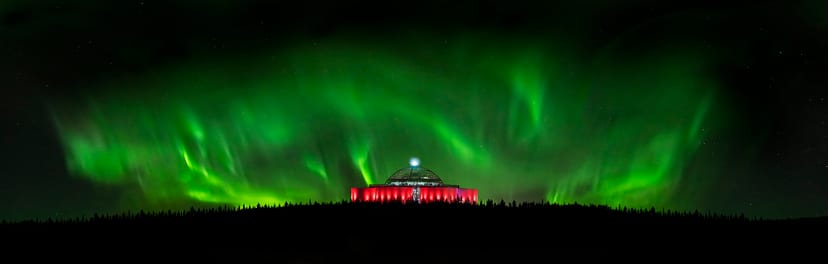
The Complete Guide to the Northern Lights in Iceland
Learn how the Northern Lights form, where to see them in Iceland, how to prepare, take photos, read the forecast, and improve your chances of a sighting.
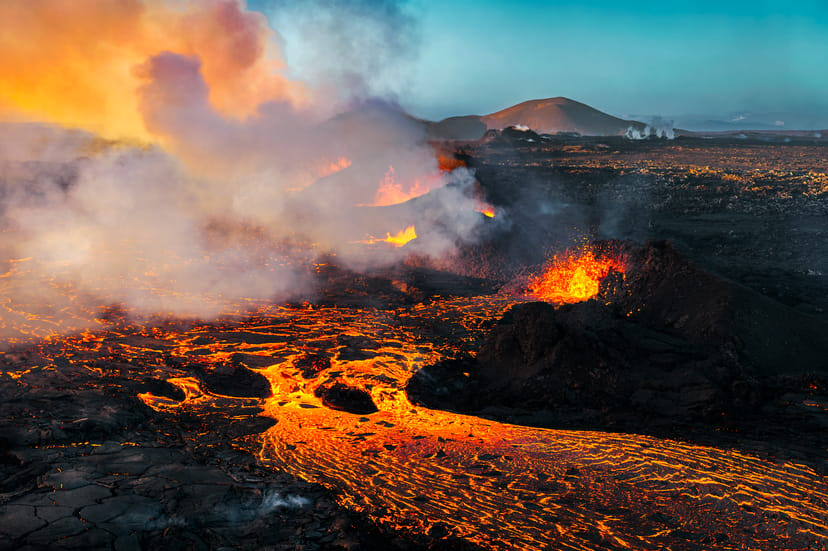
Let's Talk About the Volcano in Iceland About to Erupt
Is a volcano in Iceland about to erupt? Here’s what travelers should know about Svartsengi, Reykjanes activity, flights, safety, and the Blue Lagoon.
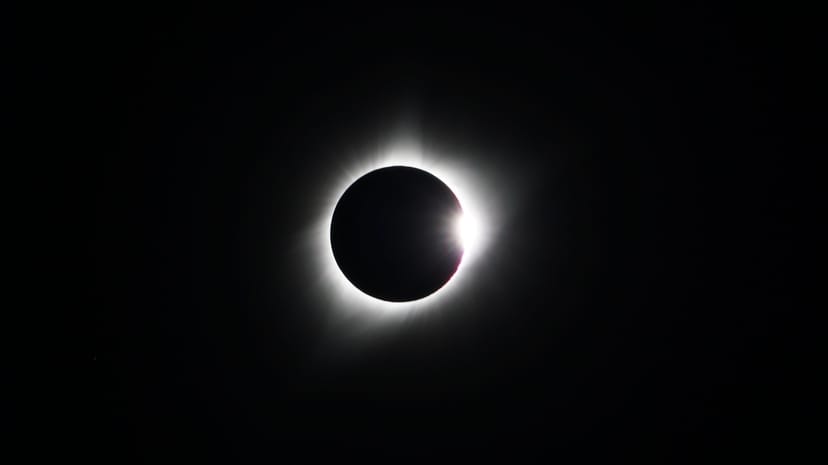
Solar Eclipse 2026 in Iceland | What Happened
Iceland experienced a total solar eclipse on August 12, 2026. Discover what happened in Reykjavík, eclipse times, totality locations and more.
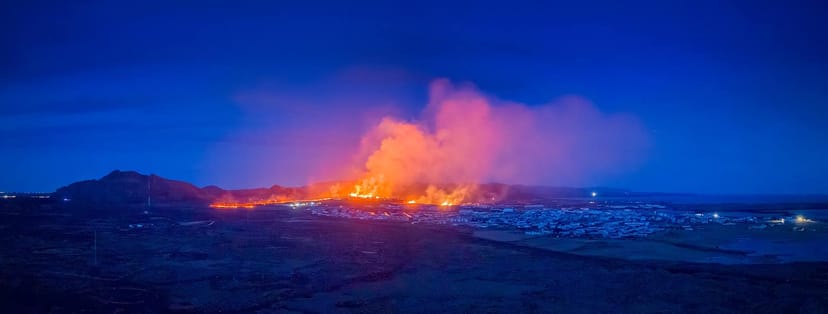
September 2026 updates on the Sundhnúkagígar Eruption in the Reykjanes Peninsula!
The current eruption in the Reykjanes Peninsula, is called Sundhnúkagígar Crater Row. See insights on the seismic activity and volcanic eruptions in the area!
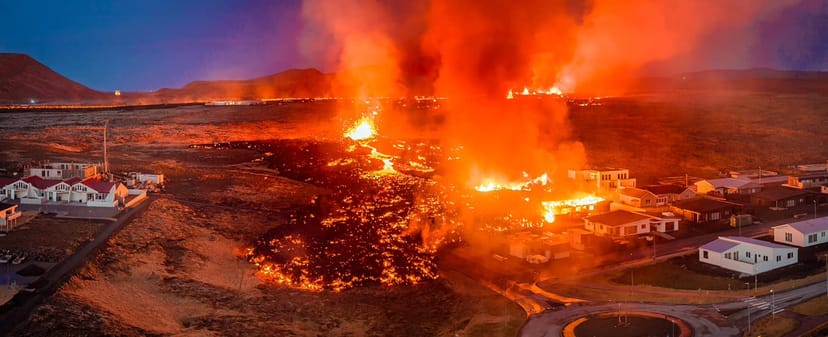
Active Volcanoes in Iceland 2026
Active volcanoes aren't the same thing as active eruptions. A volcano can be considered active even when it is not ejecting ash, rock, gases and magma, so which are active in Iceland in 2026?
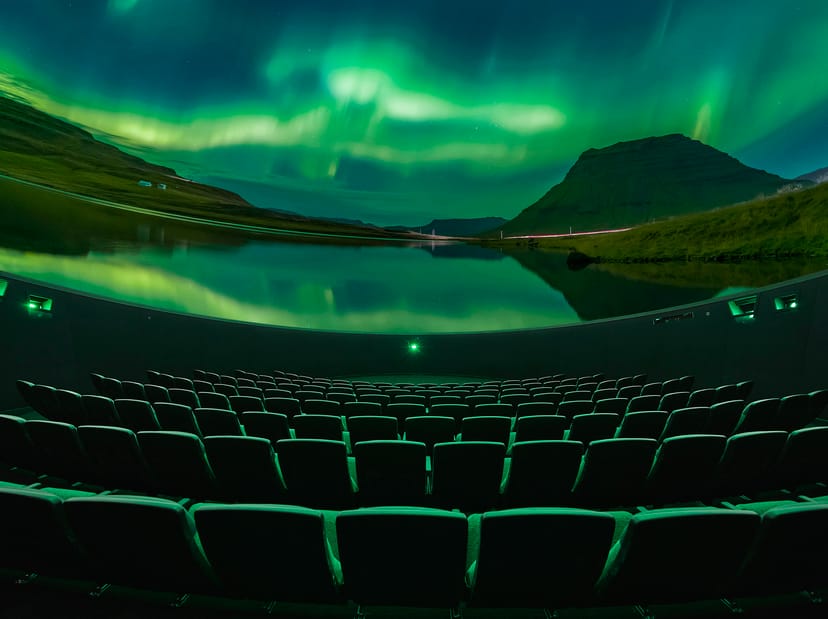
Top 10 Places To See the Northern Lights in Iceland
Discover the best places to see the Northern Lights in Iceland, from Jökulsárlón and Kirkjufell to Reykjavík, Þingvellir and North Iceland.
Ice Caves From Reykjavik
Planning an ice cave trip from Reykjavik? Compare Katla, Langjökull and Vatnajökull, travel times, seasons and Perlan’s ice cave in the city.