A Guide to Icelandic Horses
Learn about Icelandic horses, from their Viking-age origins and five distinctive gaits to the best places and seasons for riding them in Iceland.
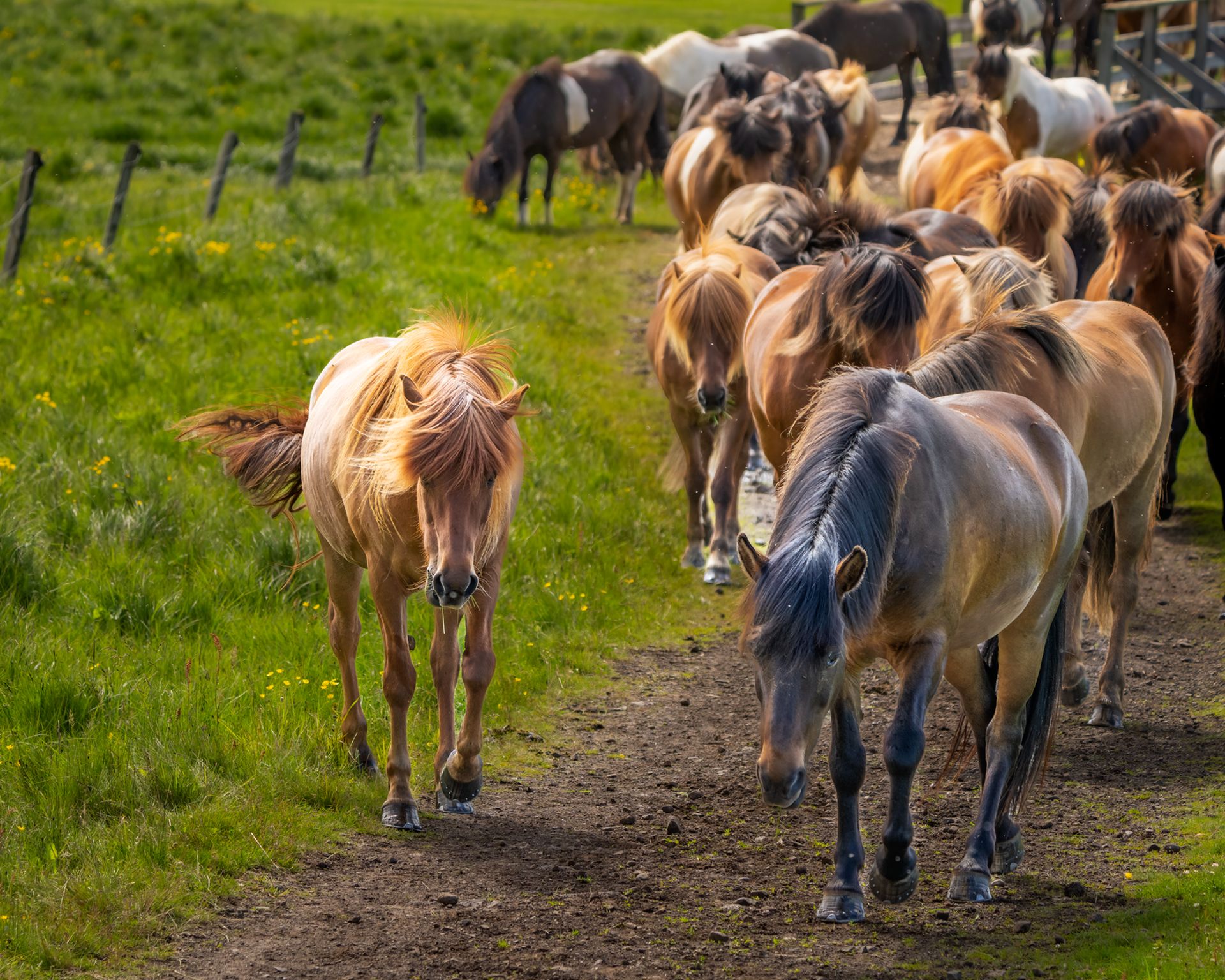
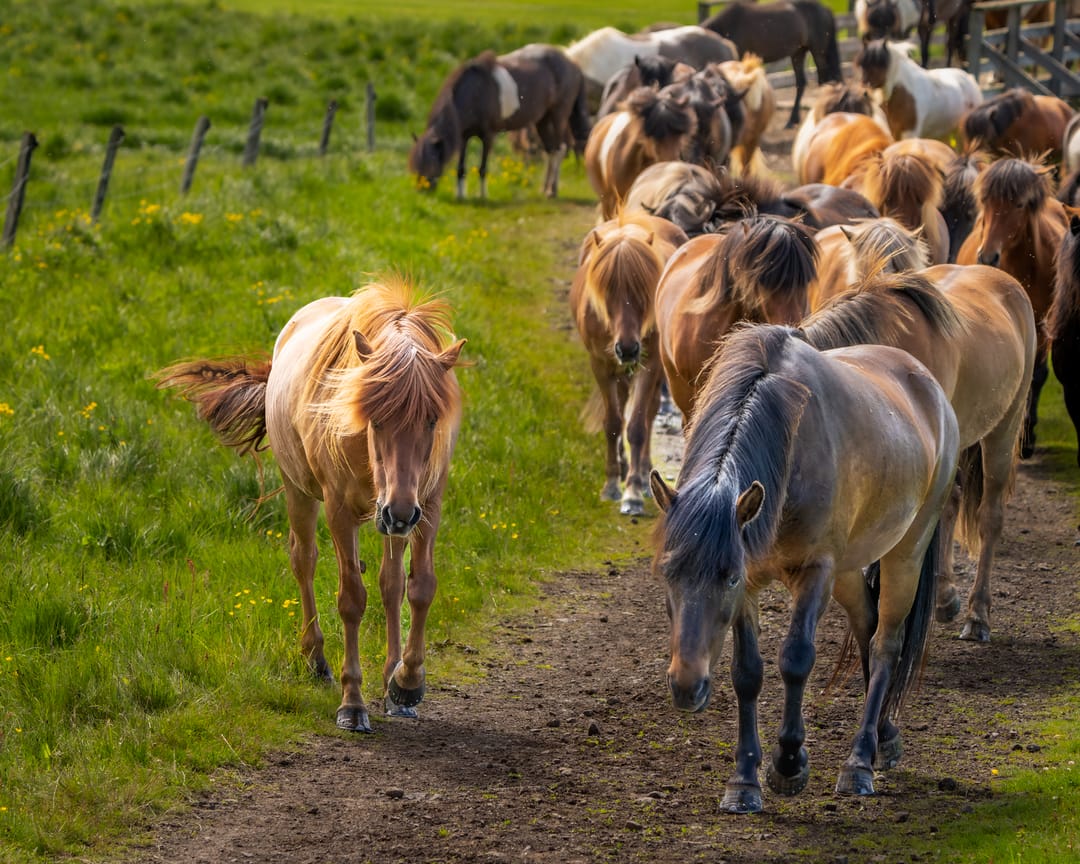
The Icelandic horse is one of Iceland’s most recognisable animals, with a long history and strong cultural significance. Their compact build, thick manes and generally friendly nature make Icelandic horses easy to recognise. They graze in open pastures, on moors and mountain valleys in summer and autumn, and some are even fed and kept outside all year.
Nevertheless, these horses are domesticated animals rather than untamed wildlife in Iceland. For travellers planning to visit Iceland, learning about the breed and its cultural importance adds another layer of interest to the journey.
Are Horses Native to Iceland?
Horses are not biologically native to Iceland. They were brought to the island by Norse settlers during the settlement period in the ninth and tenth centuries. The horses adapted to the harsh environment in the following centuries, isolated from other breeds. Today we see the result of this thousand-year evolution - the Icelandic horse.
For centuries, Icelandic horses played an essential role in everyday life. In a country with few roads, they provided transport, assisted with farm work and enabled communication across difficult terrain and large rivers. The horses carried people and goods between coastal communities and inland farms, including food, wool and other essentials, such as dried Icelandic cod.
Horses also hold a prominent place in the Icelandic sagas. These historic tales frequently refer to horse ownership, breeding, racing and riding skill. All of these could reflect a person’s wealth, reputation and social standing.
To understand the volatile environments these resilient horses had to tolerate and cross, a visit to Perlan’s Forces of Nature exhibition is recommended. It offers an immersive look at the volcanoes, earthquakes, and geothermal energy that shaped Iceland’s landscape.
What Makes Icelandic Horses Special?
This remarkable horse breed is well adapted to the country’s subarctic climate, changeable weather, and rugged terrain. Due to the long isolation, several characteristics have evolved through natural selection and human influence that set it apart from other breeds in the world.
A Distinct and Carefully Protected Breed
The Icelandic horse population has evolved in isolation, with hardly any genetic input from other breeds, for more than a thousand years. Consequently, they are regarded as one of the purest horse breeds in the world. Their defining characteristics include:
- Compact build: A small yet sturdy frame, strong bone structure and low centre of gravity help them travel across uneven terrain.
- Winter coat: A thick, double-layered coat provides insulation against cold temperatures, wind and winter weather.
- Temperament: Icelandic horses are generally intelligent, cooperative, curious and comfortable around people.
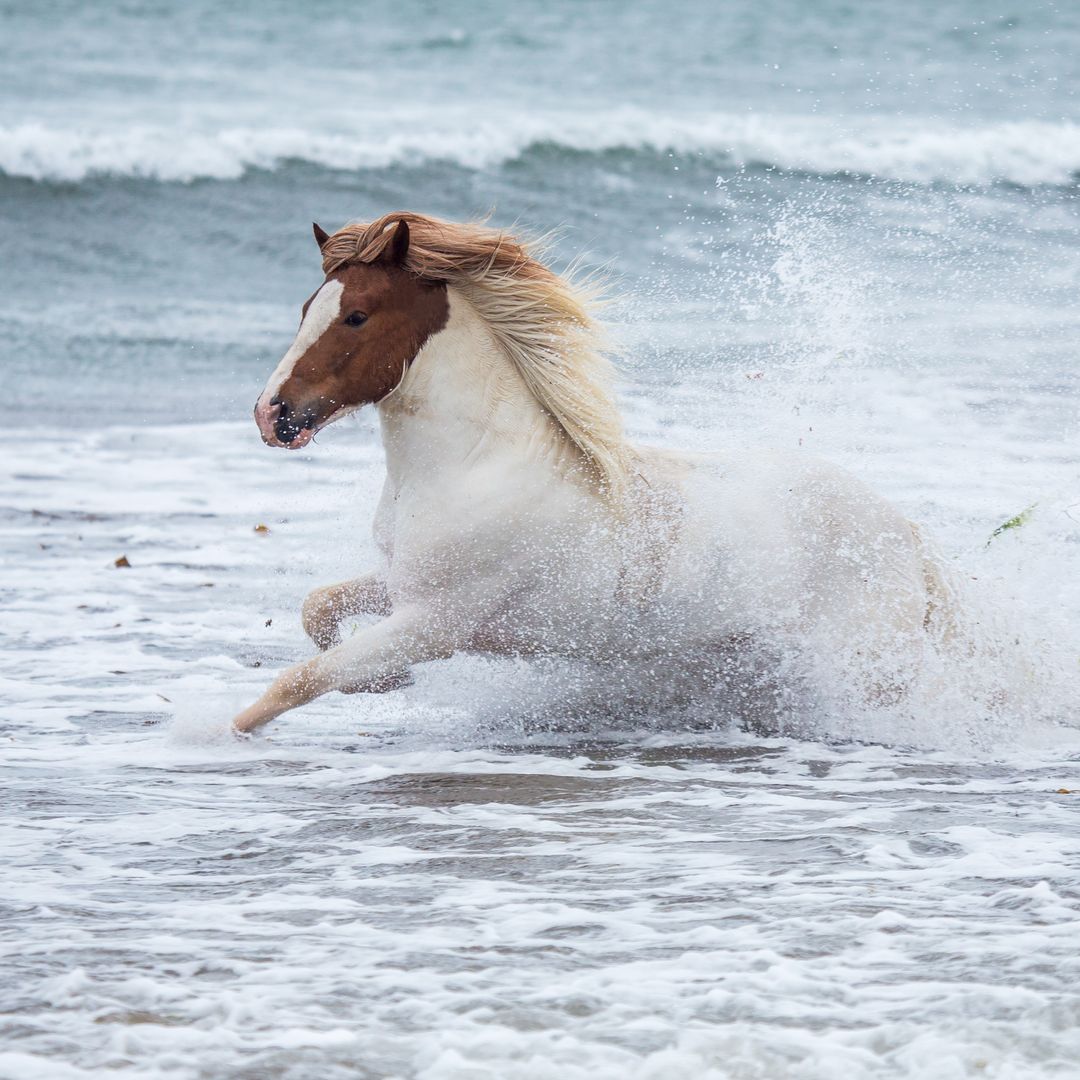
- Colour variety: The breed displays more than 40 recognised coat colours and up to 100 colour variations.
Strict regulations help maintain this long-standing isolation and protect the health of Iceland’s horse population. Under Icelandic law, horses cannot be imported. Any horse exported overseas is therefore unable to return, including horses that leave to participate in international competitions.
These restrictions prevent contact with foreign horse populations and reduce the risk of introducing infectious diseases. Selective breeding and detailed pedigree records have shaped the breed as well as centuries of adaptation to Iceland’s climate.
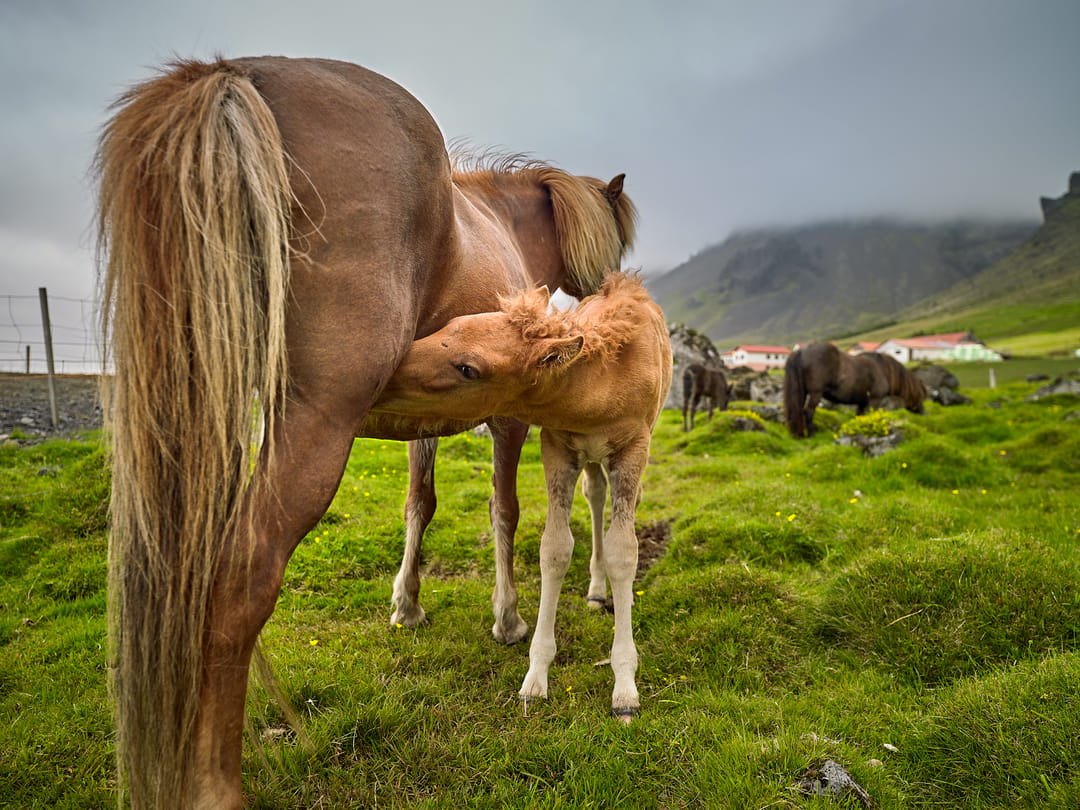
The Five Gaits of the Icelandic Horse
Like other horses, Icelandic horses naturally perform the walk, trot, and canter or gallop. However, many can also perform two additional gaits that make the breed particularly distinctive (tölt and pace). Some other breeds also have the ability to show these two gaits, but to our knowledge it is not a general practice to train other breeds to use all 5 gaits in any other country.
The best known is the tölt, a four-beat gait with one or more hooves in contact with the ground at all times. Because there is no moment of suspension between strides, it provides a remarkably comfortable ride, even across uneven terrain. The second specialised gait is the flying pace, a two-beat lateral gait with legs on each side moving almost simultaneously. Some horses often show pace and like to go fast. It is generally performed over short distances and in competitions it is very popular to watch.
Not every Icelandic horse performs all five gaits equally well. Four-gaited horses perform walk, trot, canter and tölt, while five-gaited horses can also perform pace. Many horses show a mixture of tölt and pace, a comfortable gait but not as smooth as the best tölt.
Where to See and Ride Icelandic Horses
Travellers can see Icelandic horses grazing in fields across much of the country. However, several regions offer particularly convenient opportunities to meet or ride them:
- Near Reykjavík and the Golden Circle: Numerous operators provide short, beginner-friendly riding tours that fit easily into a day trip from the capital.
- South Iceland: Horse farms offer guided rides through farmland, river valleys and volcanic landscapes, sometimes including views of black-sand coastlines.
- North Iceland (especially Skagafjörður): This region is closely associated with horse breeding, training and long-standing equestrian traditions.
Joining a guided tour is the safest and most rewarding way to ride Icelandic horses and experience the smooth tölt. Tour operators can match riders with suitable horses and routes according to their confidence and experience. Remember to always wear helmets and preferably safety vests.
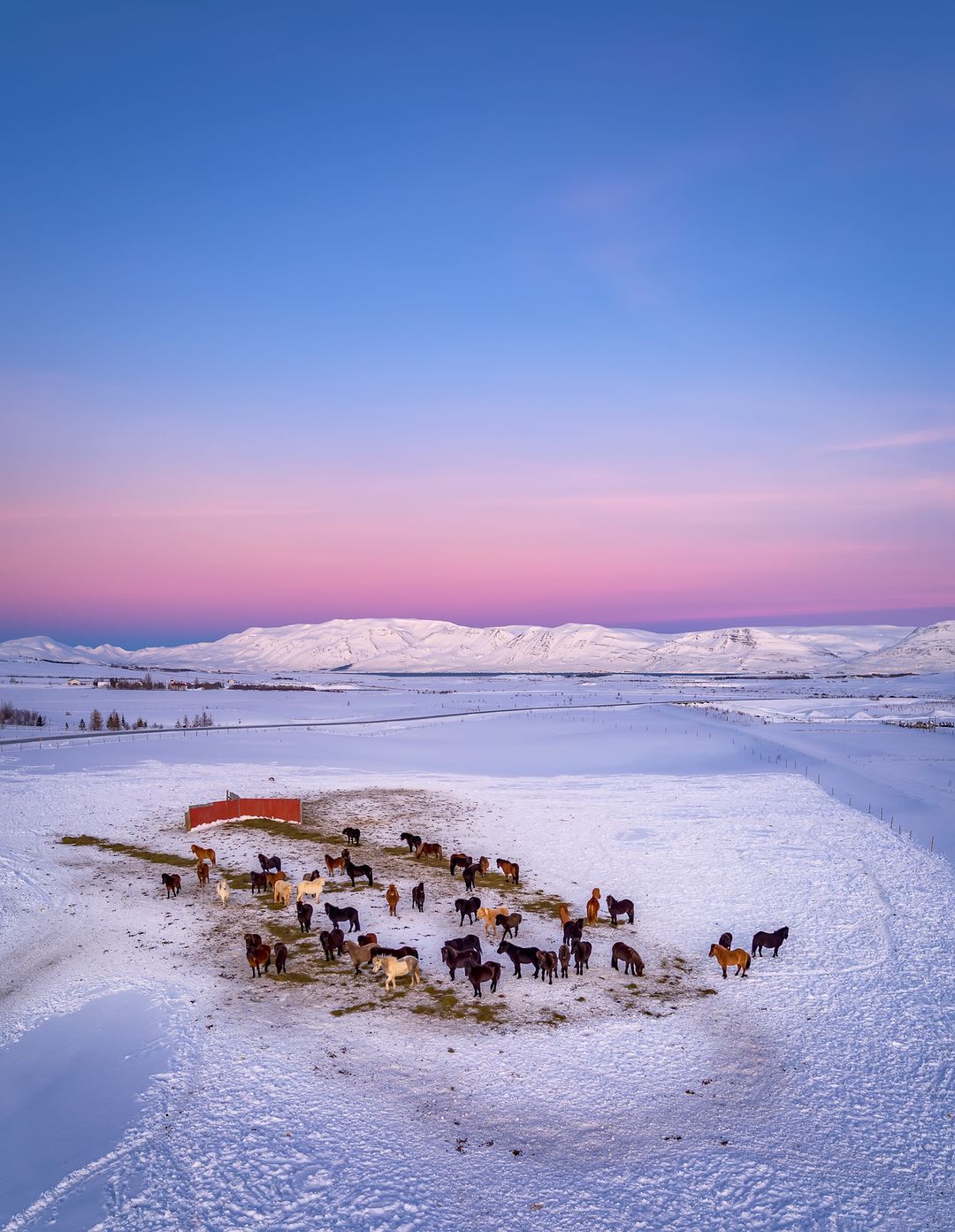
What Is the Best Time to Experience Icelandic Horses?
Travellers can see and ride these hardy animals throughout the year, although conditions and tour availability vary by season:
- Summer (June-August): Mild weather, green landscapes and the Midnight Sun make this the most popular period for riding. Visitors will also find the widest selection of multi-day trail rides and countryside excursions. It’s also a great time for other coastal wildlife experiences, such as spotting seabirds and seals in Iceland.
- Spring and autumn (April–May and September–October): Quieter trails, fewer visitors and changing seasonal colours create a peaceful riding experience. However, rain, wind and occasional snow can affect tour schedules.
- Winter (November–March): Snow-covered landscapes and the horses’ thick winter coats make this an atmospheric time to visit. Riding routes are generally shorter and more dependent on weather conditions.
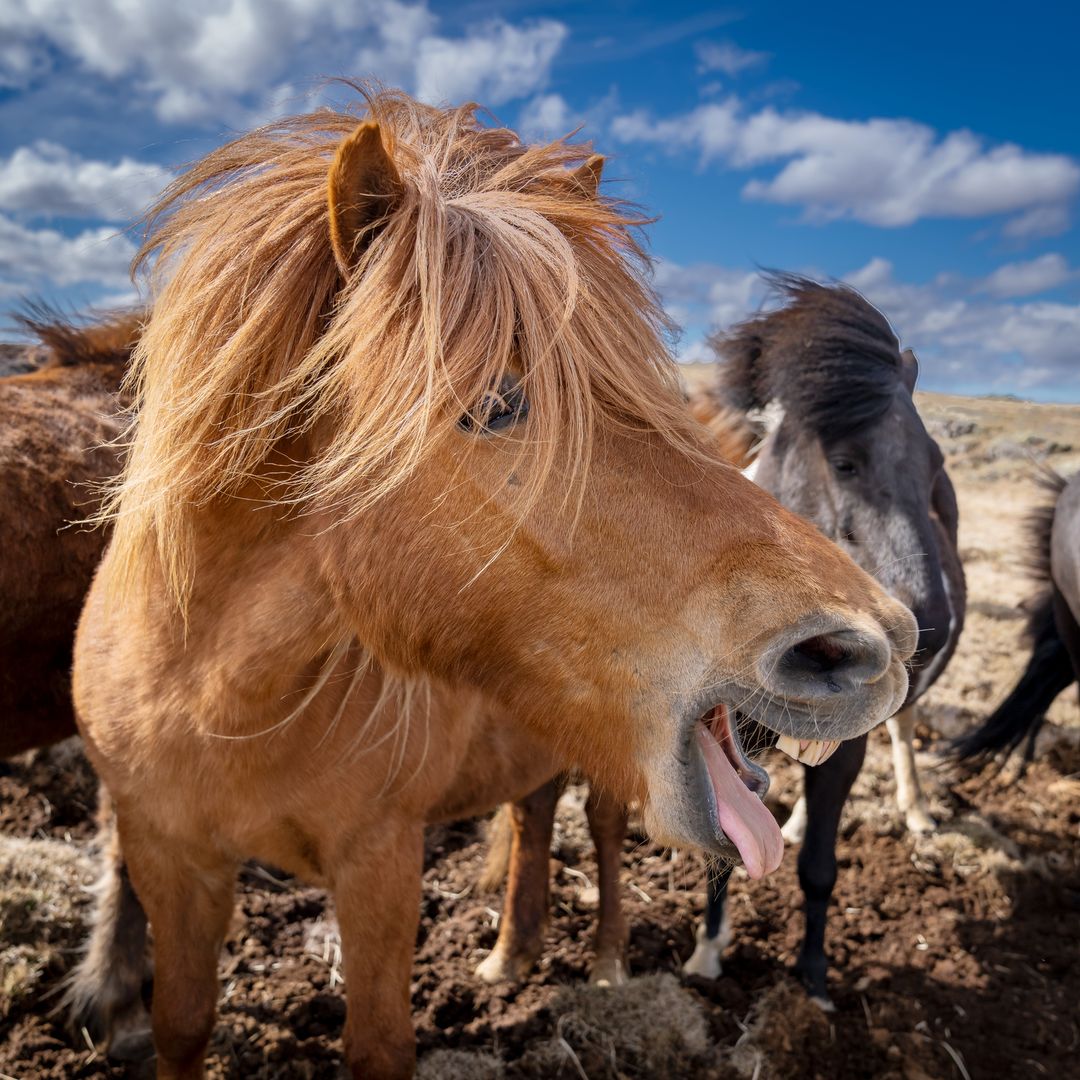
Responsible Horse-Watching Tips
- Respect private property: Never enter gated pastures or fields without explicit owner permission.
- Drive safely: Do not stop abruptly on narrow roadsides to take photos. Use designated lay-bys.
- Do not feed them: Bread, human snacks and unfamiliar foods may upset their digestive systems. Only offer food with the owner’s permission.
- Approach calmly: Avoid touching their faces, pulling their manes or crowding them. Move slowly and allow the horse to approach you.
- Keep dogs under control: Dogs can frighten horses and cause them to bolt, kick or injure themselves.
- Follow your guide: Listen carefully to safety briefings and instructions before and during riding tours.
- Follow biosecurity rules: Used saddles, bridles, riding gloves and similar equipment cannot be brought into Iceland. Previously worn riding clothes, helmets and boots must be thoroughly cleaned and disinfected before arrival.
FAQs
No. Despite their compact stature, they are traditionally classified and recognised as horses. Their riding capabilities and willingness are at the same level as horses, not ponies. Accordingly, the Icelandic language has no separate word for “pony.”
Icelandic horses are found throughout Iceland and have also developed a substantial international following. Registered populations live across Europe, North America, and other regions. Their total numbers are probably around 200 thousand (adults).
Their defining characteristics include a compact and hardy-built body, short legs, long mane, and thick seasonal coat. In addition to walking, many can also perform tölt and/or flying pace. They generally have a friendly nature, are intelligent and relatively easy to handle. They are kept in mixed social groups most of the year and traditionally not trained until 4years old.
Yes, many riding centres provide calm, well-trained horses and beginner-friendly tours. However, suitability depends on the individual horse, so guides match riders according to their ability, confidence and experience.
No, Icelandic horses are domesticated and privately owned. Many are allowed to roam freely across large open pastures and valleys in the summertime in groups of foals and mares, sub-adults and geldings. Stallions (one with each herd) are usually kept in large pastures with mares and foals.
Popular articles
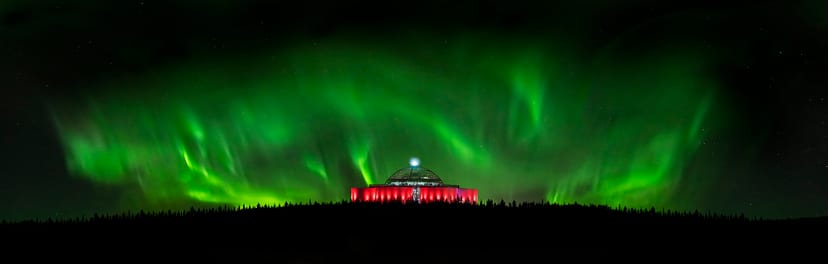
The Complete Guide to the Northern Lights in Iceland
Learn how the Northern Lights form, where to see them in Iceland, how to prepare, take photos, read the forecast, and improve your chances of a sighting.
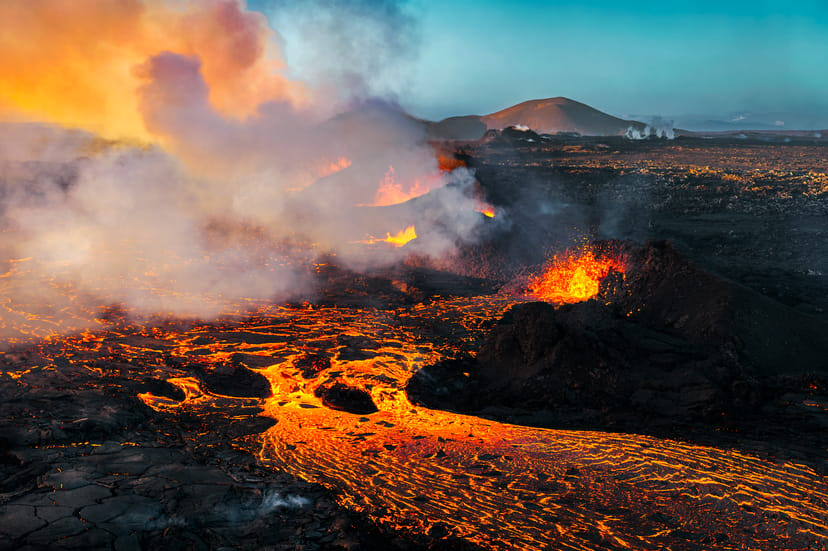
Let's Talk About the Volcano in Iceland About to Erupt
Is a volcano in Iceland about to erupt? Here’s what travelers should know about Svartsengi, Reykjanes activity, flights, safety, and the Blue Lagoon.
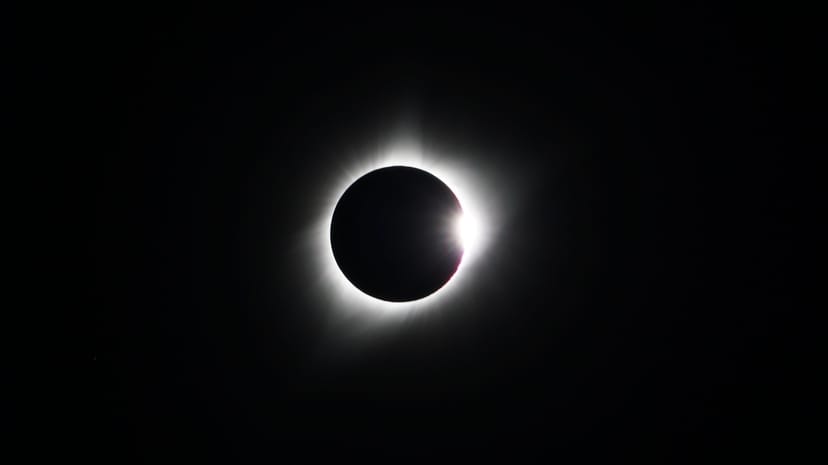
Solar Eclipse 2026 in Iceland | What Happened
Iceland experienced a total solar eclipse on August 12, 2026. Discover what happened in Reykjavík, eclipse times, totality locations and more.
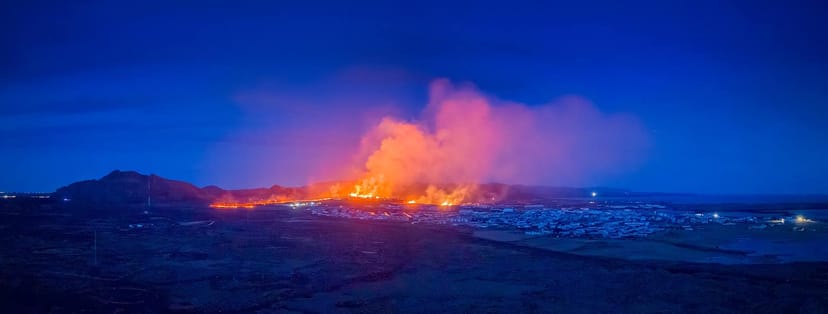
September 2026 updates on the Sundhnúkagígar Eruption in the Reykjanes Peninsula!
The current eruption in the Reykjanes Peninsula, is called Sundhnúkagígar Crater Row. See insights on the seismic activity and volcanic eruptions in the area!
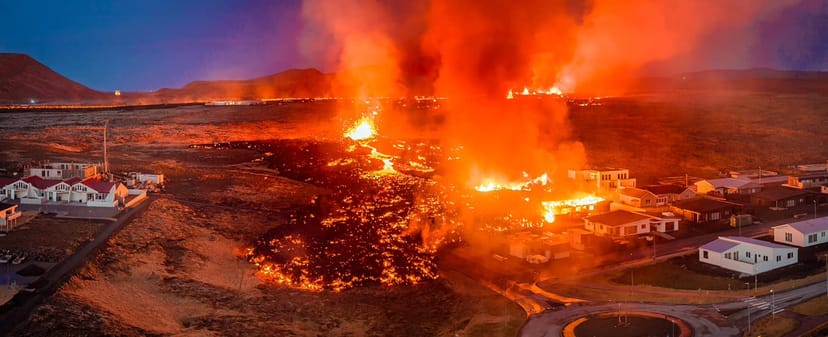
Active Volcanoes in Iceland 2026
Active volcanoes aren't the same thing as active eruptions. A volcano can be considered active even when it is not ejecting ash, rock, gases and magma, so which are active in Iceland in 2026?
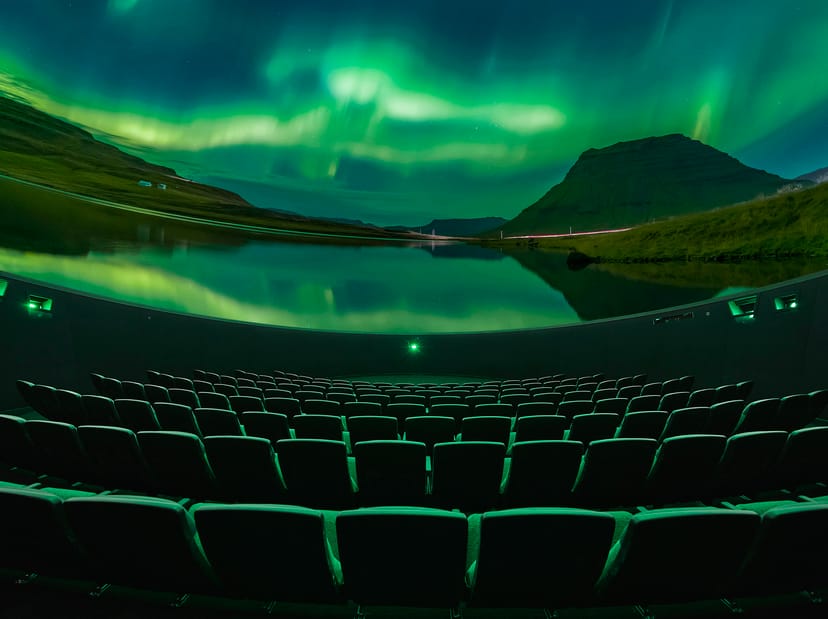
Top 10 Places To See the Northern Lights in Iceland
Discover the best places to see the Northern Lights in Iceland, from Jökulsárlón and Kirkjufell to Reykjavík, Þingvellir and North Iceland.
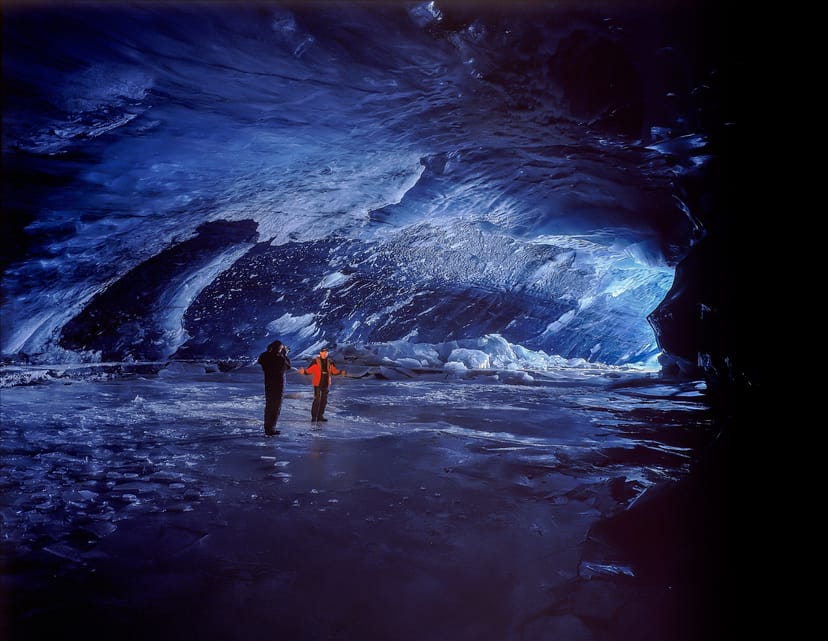
Ice Caves From Reykjavik
Planning an ice cave trip from Reykjavik? Compare Katla, Langjökull and Vatnajökull, travel times, seasons and Perlan’s ice cave in the city.