
Best Beaches in Iceland
Beaches in Iceland may look different from seascapes in other parts of the world. While many destinations are known for warm water and golden shores, Iceland challenges ideas of what a beach can be. Here, the coastline is shaped by volcanic rock, glaciers, strong tides, and the cold North Atlantic. Many Icelandic beaches feature black sand, basalt columns, glacial ice, dramatic sea stacks, and powerful waves. There is plenty of variety, too, from world-famous black sand beaches to quieter stretches of red, gold, or pale sand.
Does Iceland Have Beaches?
Yes, although not the kind most people picture. When people think of a beach, they usually imagine palm trees, sun loungers, and warm seas. Icelandic beaches are different: places for scenery, photography, wildlife watching, and geology rather than casual swimming.
Volcanic and Black Sand Shorelines
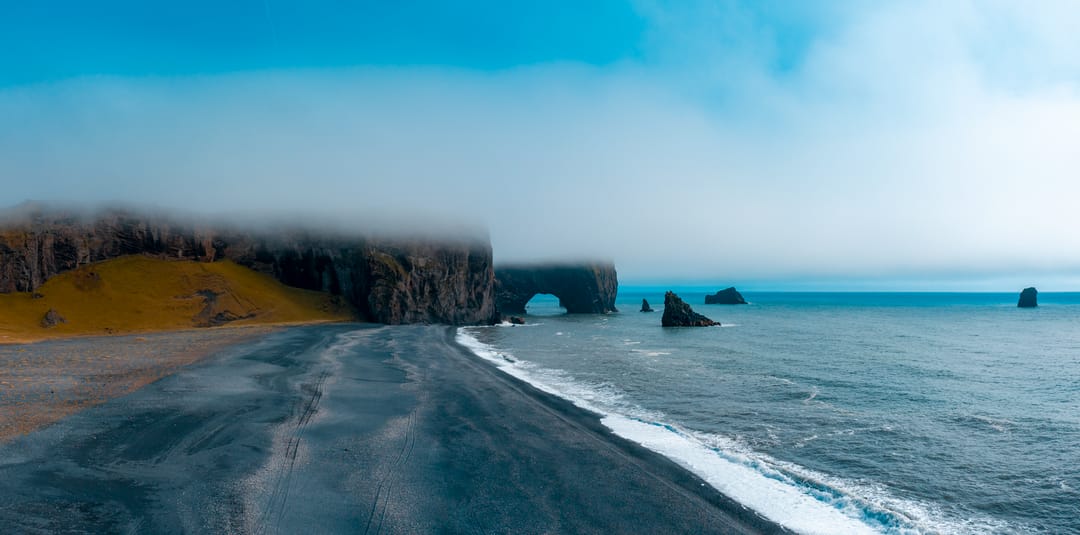
Many famous beaches in Iceland are black-sand beaches, formed as volcanic rock breaks down into dark grains over time. Waves, rivers, glaciers, and weather gradually wear down lava, basalt, ash, and other volcanic materials. Along parts of the coast, this process creates deep charcoal or jet-black shorelines.
Glacial and Iceberg Beaches
In southeast Iceland, some beaches reveal the close relationship between glaciers, rivers, lagoons, and the sea. These coastal areas often combine black volcanic sand, cold water, and pieces of glacial ice.
Red and Golden Sand Beaches
Although dark volcanic sand appears along many parts of the Icelandic coast, Iceland is not only black sand. In some places, crushed shells and local minerals create surprising shades of color.
Geothermal and Recreational Beaches
In some places, Icelandic beaches are adapted for swimming, sea dipping, and relaxation rather than just wild sightseeing. These areas may include sandy shorelines, warm bathing pools, and changing facilities.
Pebble, Cliff, and Rock Beaches
Not every Icelandic beach is sandy. Along many coastal areas, visitors find pebble shores, lava formations, sea stacks, cliffs, and smooth volcanic rock shaped by heavy surf.
Beaches in Iceland to Visit
Iceland’s diverse coastal environments offer very different landscapes depending on the region you explore. Below are some of the most notable beaches to add to your itinerary.
Reynisfjara Beach
Best for: Black sand, basalt columns, sea stacks, and dramatic South Coast scenery
Location: Near Vík, South Iceland
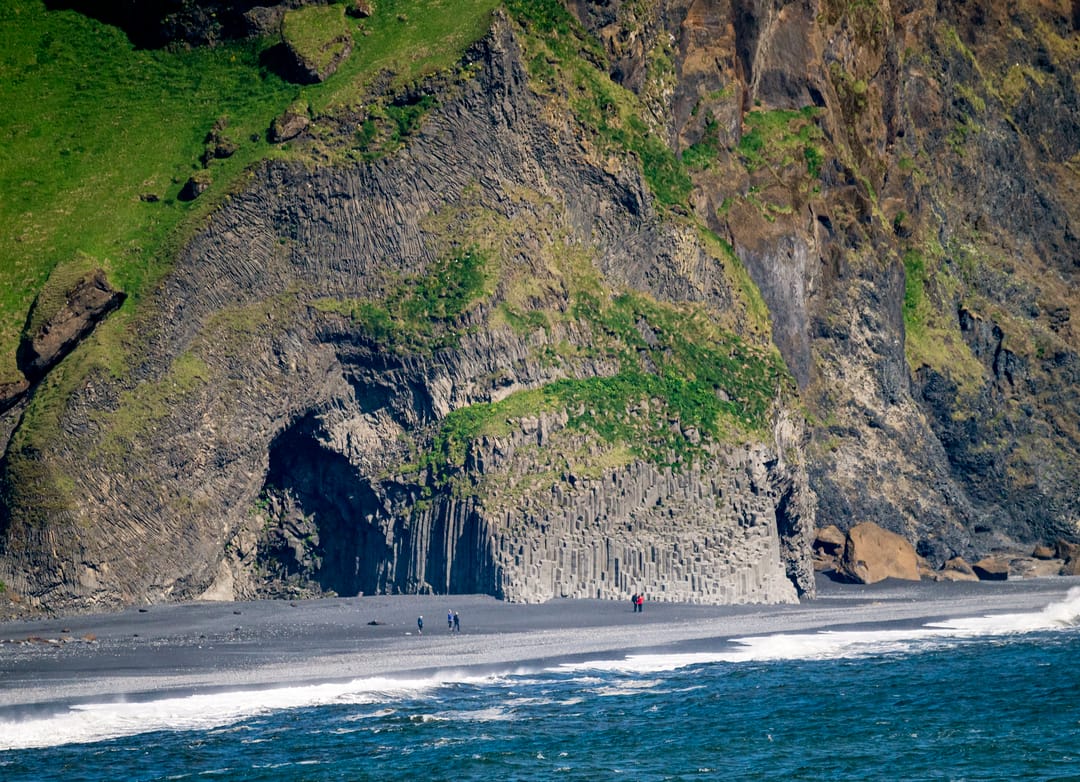
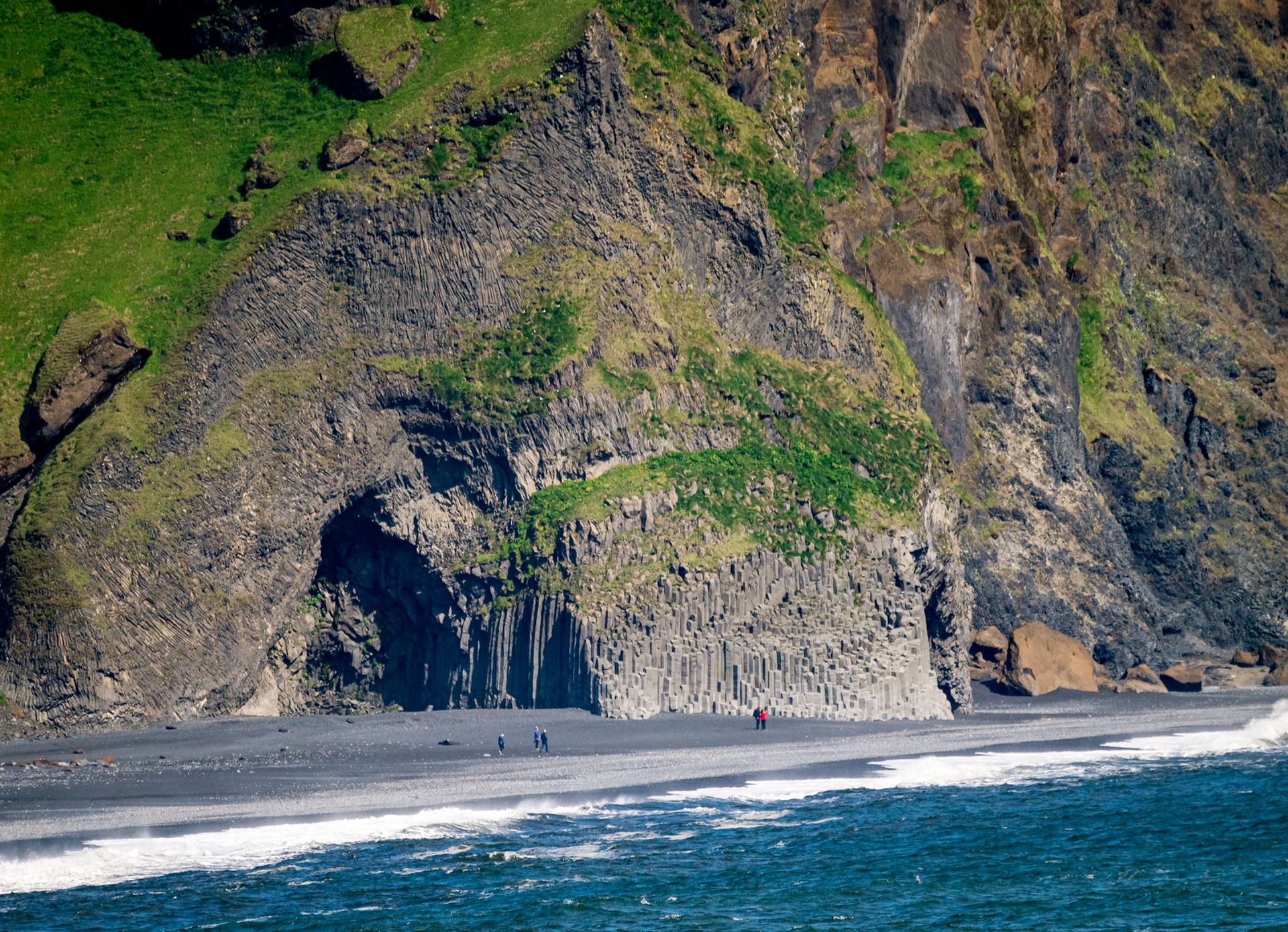
Reynisfjara Beach is one of the most famous beaches in Iceland. It is celebrated for its jet-black sand, towering basalt columns, and the Reynisdrangar sea stacks rising just offshore. However, it is also highly hazardous. Sudden, powerful sneaker waves can surge far up the shore without warning, dragging visitors into the treacherous cold water.
In 2026, Reynisfjara black sand beach experienced major coastal erosion, changing parts of the shoreline and affecting access in some areas. Travelers can still visit, but they should follow all warning signs, respect closures, and never turn their back on the ocean.
Diamond Beach
Best for: Glacial ice, photography, black sand, and South Coast road trips
Location: Beside Jökulsárlón Glacier Lagoon, Southeast Iceland
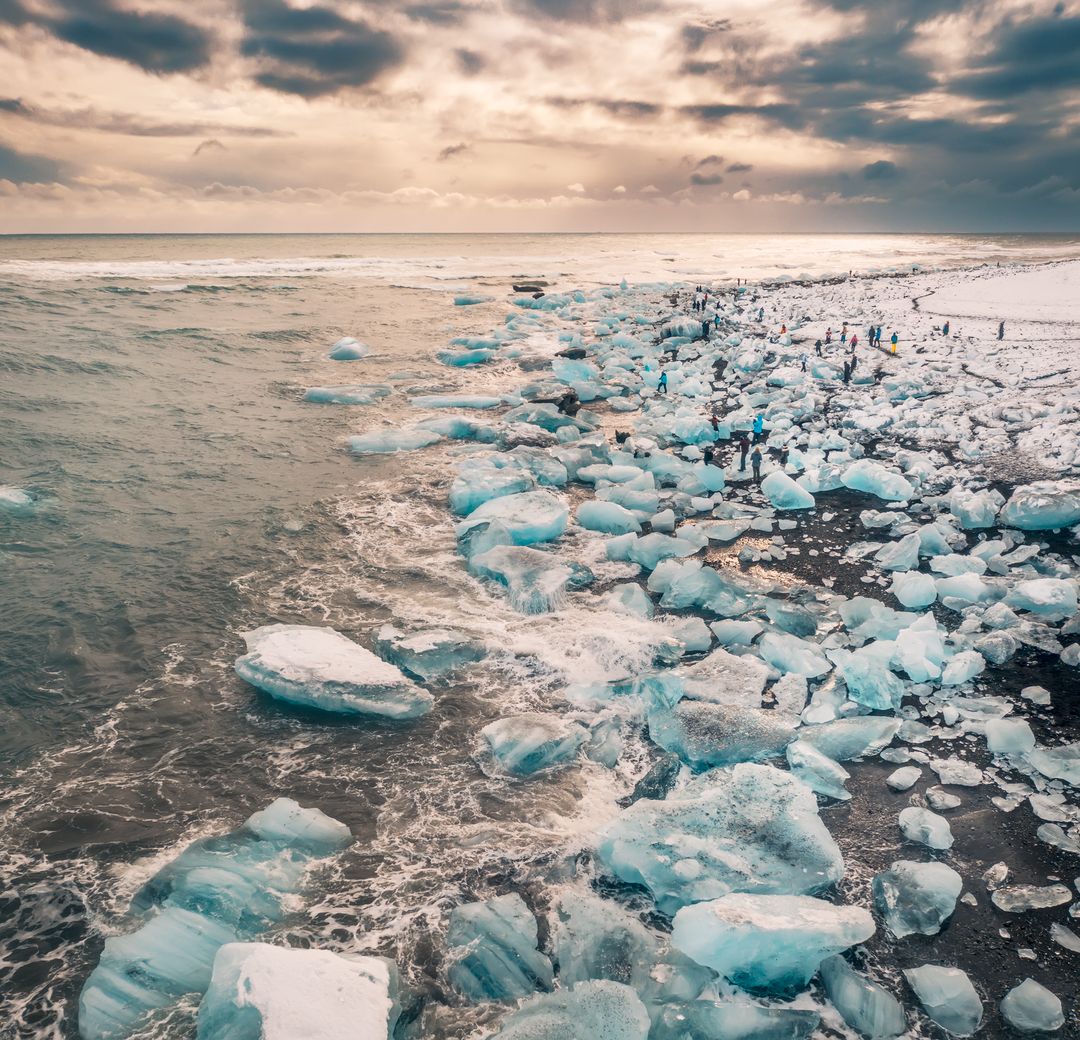
Diamond Beach is one of the most visually striking beaches in Iceland. Icebergs break away from Breiðamerkurjökull glacier, drift through Jökulsárlón Glacier Lagoon, and eventually reach the Atlantic. Some pieces wash onto the nearby black volcanic sand, where clear, blue, and white ice sparkles like diamonds under sunlight.
For travelers interested in how water shapes Iceland’s landscapes, the Water in Icelandic Nature exhibition adds useful context. It explores freshwater in many forms, aquatic life, and the role of water in shaping the land from glacier to sea.
Rauðasandur Beach
Best for: Red-gold sand, solitude, and Westfjords scenery
Location: Southern Westfjords
Featuring shifting shades of pink, orange, red, and gold, Rauðasandur proves that not all beaches in Iceland are dark. This remote beach in the southern Westfjords stretches for about 10 kilometers (6.2 miles). Depending on the tides, weather, and road conditions, the broad coastal flats can look completely different with every visit.
Langisandur Beach
Best for: Local beach culture, sea swimming, and easy access
Location: Akranes, West Iceland
Langisandur is an accessible golden sandy beach in the town of Akranes. Unlike wilder coastal sites, it has a welcoming local atmosphere and is popular for sea swimming and community recreation. After a cold swim, visitors can warm up at Guðlaug Baths, a set of hot pools nestled in the rock garden.
Nauthólsvík Geothermal Beach
Best for: Reykjavík beach experience, geothermal bathing, and families
Location: Reykjavík
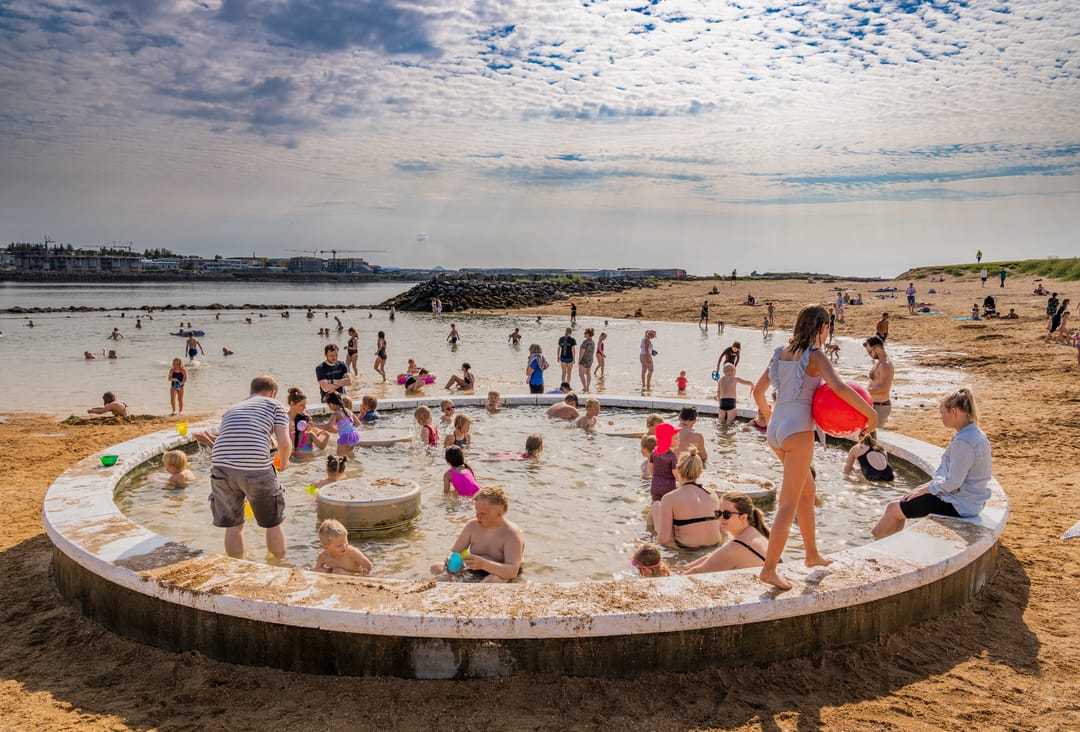
Nauthólsvík geothermal beach is an unusual destination because it combines a sheltered sandy beach with geothermal bathing facilities. Hot water is pumped into the man-made lagoon, creating warmer swimming conditions. The area also has hot tubs, steam baths, showers, and changing facilities, making it a rare family-friendly seaside stop. However, the open sea outside the sheltered area remains cold.
Djúpalónssandur Beach
Best for: Lava formations, pebbles, and Snæfellsnes scenery
Location: Snæfellsnes Peninsula
Djúpalónssandur is a black pebble beach on the Snæfellsnes Peninsula, flanked by jagged volcanic rock formations. Instead of a smooth sandy beach, the shore is covered with dark stones known as the "Pearls of Djúpalón." The area features striking seaside cliffs and nearby sea stacks. Historic lifting stones here were once used by fishermen to test their strength.
Stokksnes Beach
Best for: Mountain reflections, black sand dunes, and photography
Location: Southeast Iceland, near Höfn
Stokksnes is an exceptional destination for landscape photography and one of the most beautiful black sand beaches in Iceland. The area features dark volcanic dunes anchored by hardy dune grass, all set against the jagged peaks of Vestrahorn mountain. At times, shallow water on the sand can create mirror-like reflections of the mountain.
Dyrhólaey and Kirkjufjara Area
Best for: Coastal viewpoints, sea arches, birdlife, and South Coast scenery
Location: Near Vík, South Iceland
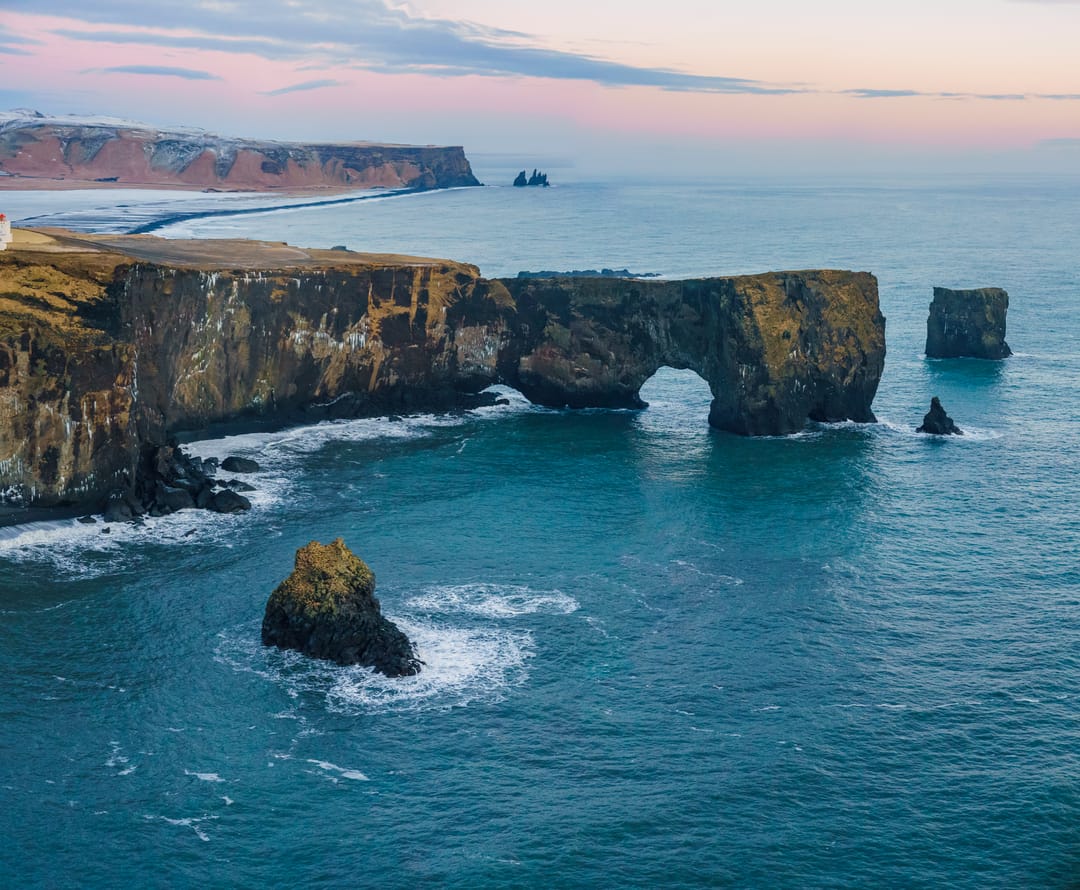
The Dyrhólaey Peninsula offers sweeping views over black sand coastlines, nesting cliffs, the open Atlantic, and the area’s famous sea arch. From marked viewpoints, visitors can also look toward Reynisfjara Beach and the Reynisdrangar sea stacks. Nearby Kirkjufjara is closed to visitors because of erosion, rockfall risk, unstable cliffs, and dangerous sneaker waves.
Westman Islands Beaches and Sea Cliffs
Best for: Volcanic coast, puffins, sea cliffs, and unusual formations
Location: Heimaey, Vestmannaeyjar
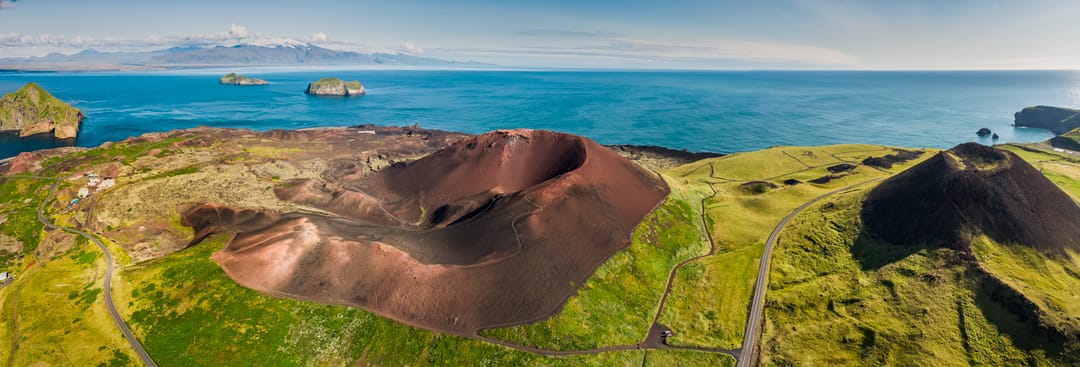
The Westman Islands feature a jagged volcanic coastline and a remarkable marine environment. On Heimaey, visitors can see sheer sea cliffs, rough lava fields, and seasonal puffin colonies. The island’s coastal trails and boat tours reveal a landscape shaped by eruptions, ocean erosion, and constant exposure to the North Atlantic. Here, you can also see rock formations like Elephant Rock Iceland, which resembles a giant elephant drinking from the sea.
Breiðavík Beach
Best for: Remote golden sand, Látrabjarg access, and Westfjords road trips
Location: Westfjords
Breiðavík is an expansive, pale sandy beach in the Westfjords, near the Látrabjarg bird cliffs. Far from the Ring Road, this peaceful shore features golden sands bordered by green slopes, rocky hillsides, and a small regional church. It is a rewarding stop for travelers exploring the remote western edge of Iceland.
Why Are Many Icelandic Beaches Black?
Many beautiful black sand beaches in Iceland owe their color to volcanic basalt rock. Iceland sits on the Mid-Atlantic Ridge, where the North American and Eurasian tectonic plates are moving apart. This unusual geology gives the island its frequent volcanic activity, geothermal areas, lava fields, and dark coastal sediments.
The great majority of Iceland’s volcanic materials is basalt. When it is broken down by waves, rivers, glaciers, and weather, it can form black sand and dark pebbles. In some places, glacial rivers carry basaltic sediment from the highlands toward the coast. In others, Atlantic waves gradually grind down basaltic cliffs, lava fields, and coastal rock formations. Over time, these processes help create the black shorelines seen in most parts of Iceland, especially along the South Coast.
Similar volcanic processes also create striking basalt columns in Iceland. When thick lava flows cool slowly and solidify, they shrink and crack into geometric shapes, often forming tall columns with hexagonal patterns. Because basalt is naturally dark and rich in minerals such as iron and magnesium, it gives many Icelandic beaches their moody color.
Tips for Visiting Beaches in Iceland
Visiting the shores of Iceland requires a different mindset than visiting typical holiday coastlines. To ensure a safe and sustainable trip, keep the following guidance in mind:
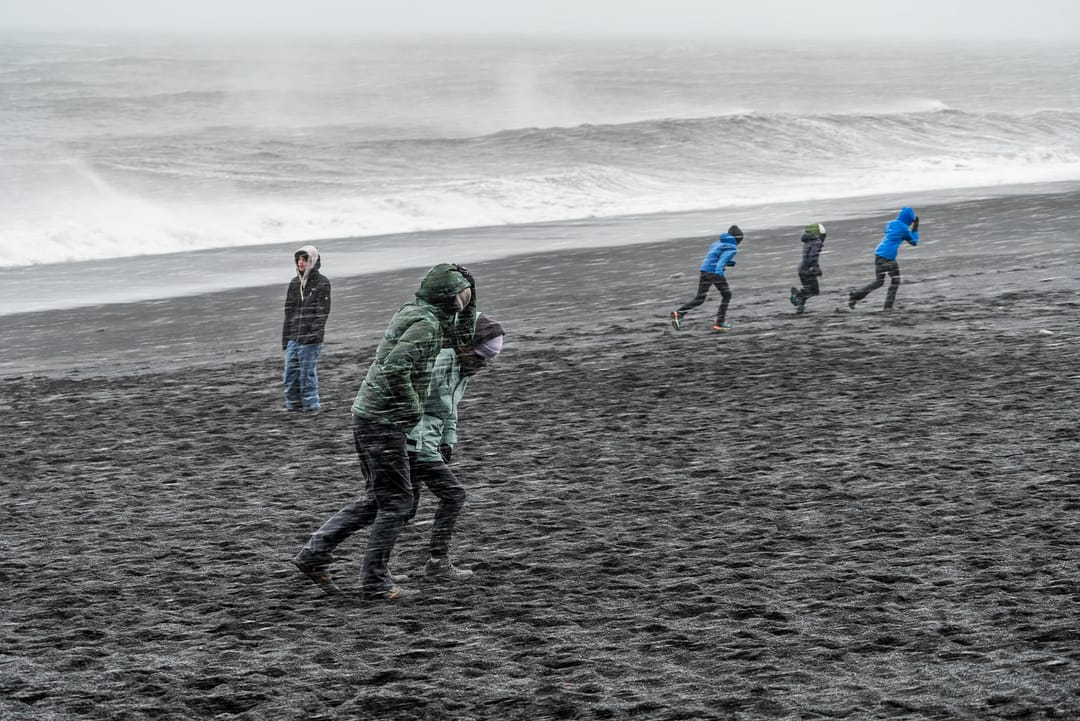
- Respect Sneaker Waves: A sneaker wave can rush much farther up the shore than previous waves, especially on exposed black sand beaches. Never turn your back on the ocean, and do not stand close to the waterline for photos.
- Do Not Swim Unless the Beach Is Designed for It: The ocean around Iceland is cold, powerful, and often unsafe for swimming. Unless you are at a managed bathing area like Nauthólsvík, treat Iceland’s beaches as scenic stops rather than swimming beaches.
- Wear Proper Footwear: Sturdy, waterproof shoes or hiking boots with good grip are strongly recommended. Coarse black sand, shifting volcanic pebbles, wet rocks, and slippery paths can make coastal areas difficult to navigate.
- Check Conditions: Coastal weather can change quickly. Always check SafeTravel, the Icelandic Meteorological Office, and local road conditions before heading out, especially in the Westfjords or other remote areas.
- Keep Distance From Cliffs and Basalt Columns: Falling rocks are a real risk at some coastal cliffs, including Reynisfjara Beach. Avoid standing, sitting, or taking photos directly beneath overhanging rock formations.
- Protect Wildlife and Nesting Birds: Give coastal animals plenty of space. Keep a respectful distance from seals. Additionally, follow seasonal path closures that protect nesting birds around places like the Dyrhólaey Peninsula, Breiðavík, and the Westman Islands.
FAQs
Yes. There are many beaches in Iceland, including black sand beaches, red and golden sand beaches, pebble beaches, geothermal beaches, and glacial beaches.
Reynisfjara Beach near Vík is probably the most famous beach in Iceland. It is known for its black sand, basalt columns, sea stacks, powerful waves, and dramatic South Coast setting.
Usually, no, as most beaches in Iceland are too cold, rough, or dangerous for casual swimming. Nauthólsvík Geothermal Beach in Reykjavík is one of the best-known exceptions.
Yes, Diamond Beach is worth visiting if you are traveling along the South Coast or visiting Jökulsárlón Glacier Lagoon. Ice pieces often wash onto the black sand, creating one of Iceland’s most unusual coastal scenes.
Yes; Reynisfjara is beautiful but dangerous because of sneaker waves, strong surf, falling rocks, and changing conditions. Visitors should follow warning signs, stay far from the water, and never turn their back on the ocean.
Nauthólsvík Geothermal Beach is the best-known beach in Reykjavík. It offers a sandy beach area and geothermal bathing facilities, making it more recreational than most Icelandic beaches.
Popular articles
The Complete Guide to the Northern Lights in Iceland
Learn how the Northern Lights form, where to see them in Iceland, how to prepare, take photos, read the forecast, and improve your chances of a sighting.
Let's Talk About the Volcano in Iceland About to Erupt
Is a volcano in Iceland about to erupt? Here’s what travelers should know about Svartsengi, Reykjanes activity, flights, safety, and the Blue Lagoon.
Solar Eclipse 2026 in Iceland | What Happened
Iceland experienced a total solar eclipse on August 12, 2026. Discover what happened in Reykjavík, eclipse times, totality locations and more.
September 2026 updates on the Sundhnúkagígar Eruption in the Reykjanes Peninsula!
The current eruption in the Reykjanes Peninsula, is called Sundhnúkagígar Crater Row. See insights on the seismic activity and volcanic eruptions in the area!
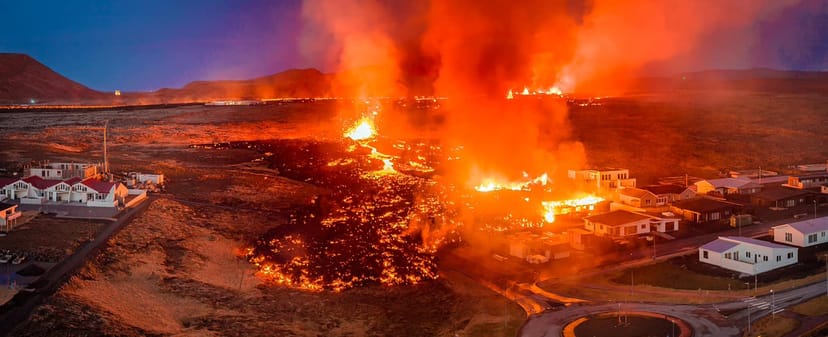
Active Volcanoes in Iceland 2026
Active volcanoes aren't the same thing as active eruptions. A volcano can be considered active even when it is not ejecting ash, rock, gases and magma, so which are active in Iceland in 2026?
Top 10 Places To See the Northern Lights in Iceland
Discover the best places to see the Northern Lights in Iceland, from Jökulsárlón and Kirkjufell to Reykjavík, Þingvellir and North Iceland.
Ice Caves From Reykjavik
Planning an ice cave trip from Reykjavik? Compare Katla, Langjökull and Vatnajökull, travel times, seasons and Perlan’s ice cave in the city.