
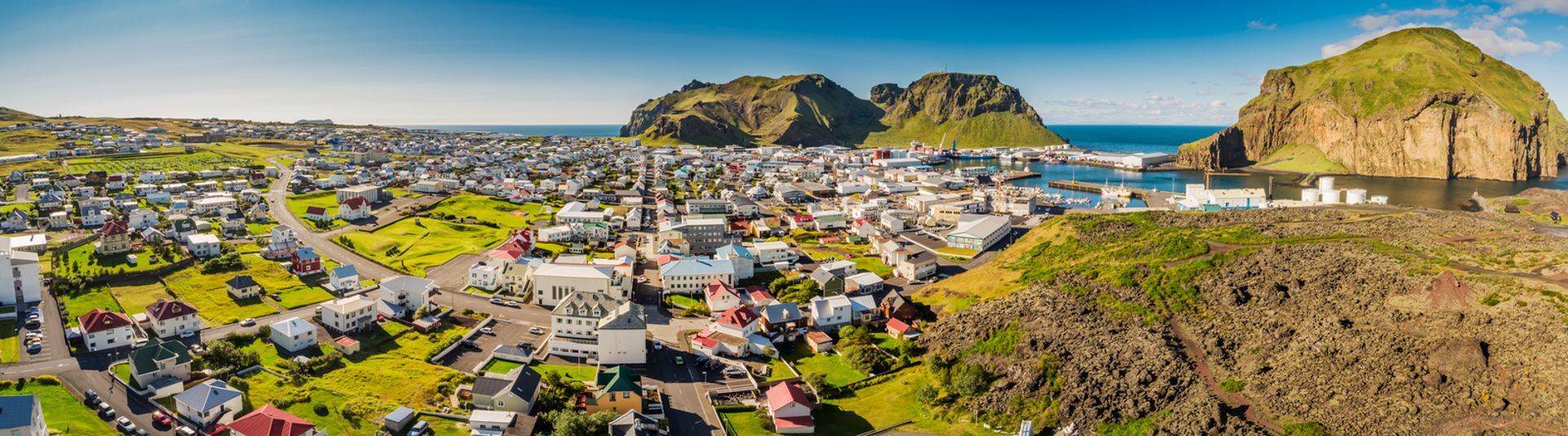
What to See in the Westman Islands (Vestmannaeyjar)
Just off the south coast of Iceland lies the Westman Islands, known in Icelandic as Vestmannaeyjar. This volcanic island rises from the North Atlantic, offering explorers a wilder, more secluded experience of Iceland's natural wonders. Shaped by fire, sea, and wind, these islands are famous for jagged rocky stacks, deep-sea caves, and the Eldfell Volcano. Boat tours weave through the archipelago, showcasing striking geological features and diverse wildlife that call these waters home.
Where Are the Westman Islands?
Located off the country’s southern coast, the Westman Islands are visible from mainland Iceland on a clear day. The archipelago consists of 15 islands and around 30 sea stacks and skerries scattered across the surrounding waters. Heimaey is the only inhabited island, making it the main hub for services, accommodations, restaurants, and tourism activities within Vestmannaeyjar.
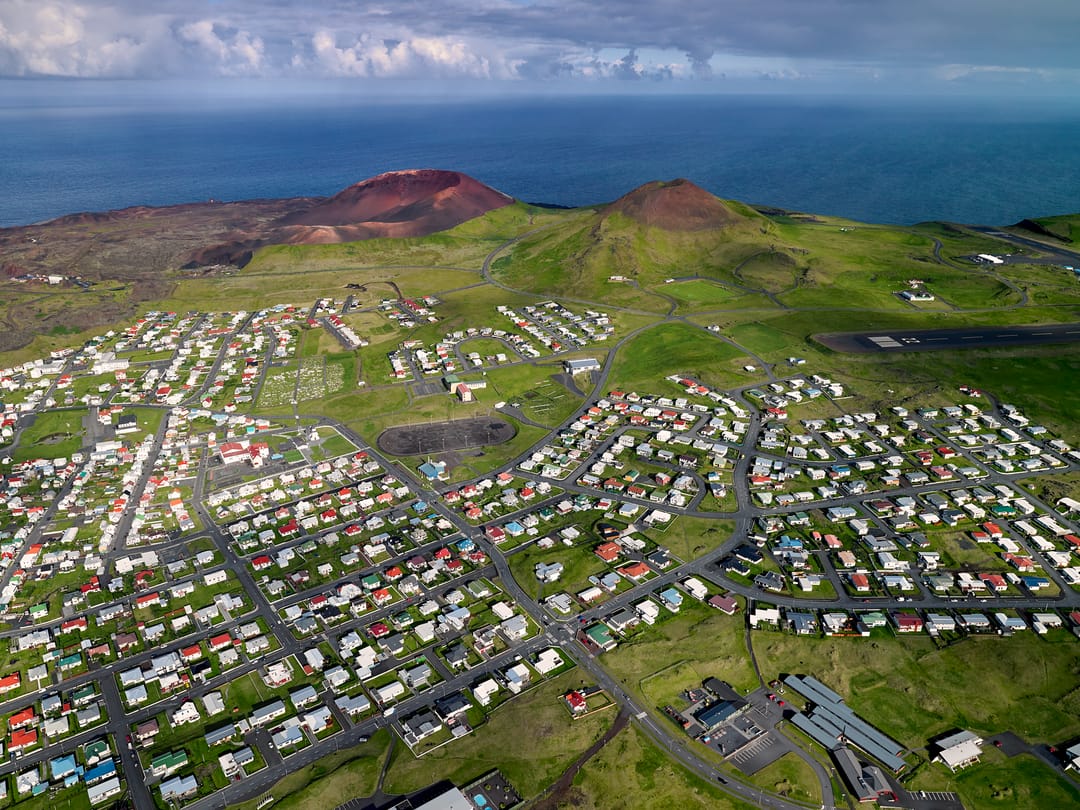
Because Heimaey is compact, many travelers visit the archipelago as a day trip from the South Coast. However, staying overnight gives visitors more time to experience the quiet charm of the town after the day-trippers depart.
Why Are the Westman Islands Famous?
The fame of Vestmannaeyjar comes from its powerful natural history and remarkable wildlife. The islands are known for dramatic volcanic landscapes, especially those shaped by the 1973 eruption of Eldfell on Heimaey. Beyond geology, the island is one of Iceland’s most important wildlife areas. The Westman Islands are especially famous for Atlantic puffins, with huge numbers nesting in the high sea cliffs during summer.
These sheer cliffs, sea caves, and rock stacks also create a breathtaking setting for boat tours. The jagged basalt columns found here rival those at Reynisfjar Beach in Iceland, making it a paradise for photographers. Among the most famous formations is Elephant Rock, a natural basalt structure resembling a giant elephant dipping its trunk into the sea.
The 1973 Eruption of Eldfell Volcano
The natural history of the Westman Islands changed forever in the early hours of January 23, 1973. With little warning, a mile-long fissure opened just outside the town of Heimaey, marking the sudden eruption of Eldfell volcano. The sky turned red as fountains of glowing magma rose into the air, beginning one of the defining events in modern Icelandic history.
The rapid evacuation of more than 5,000 residents was completed within a few hours. In a fortunate twist, bad weather the previous day had kept much of the local fishing fleet in the harbor. Those boats were then used to carry Heimaey islanders safely to mainland Iceland.
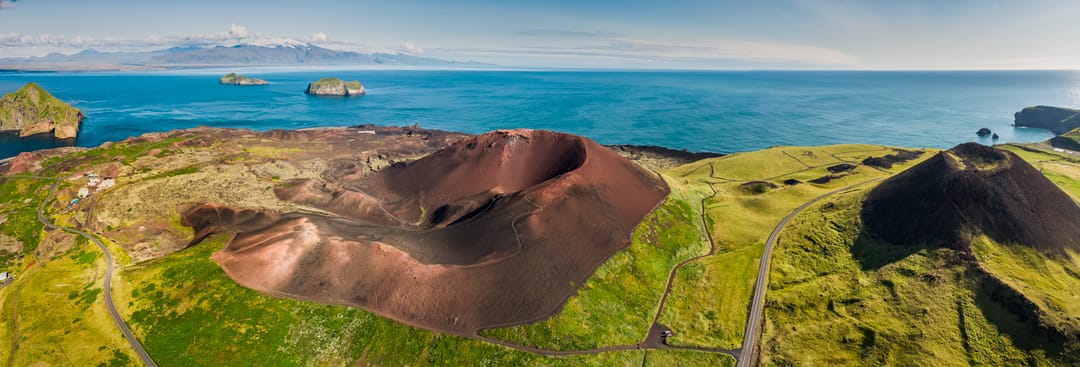
The volcanic eruption continued for months, sending lava and ash across parts of the island. As the lava advanced toward the harbor, islanders and emergency workers fought to save Heimaey’s most important lifeline. By pumping millions of tons of cold seawater onto the flow, the people helped slow and redirect the lava. It protected the harbor from being closed off. Even so, the eruption destroyed or buried more than 400 homes beneath volcanic ash and lava.
The Eldfell eruption is a vivid example of how magma can transform a landscape once it reaches the surface. To better understand what is lava and the forces behind eruptions, Perlan’s Volcano Show explores Iceland’s volcanic systems. Here, visitors can learn about the tectonic activity that continues to shape the country today.
How to Get to the Westman Islands
Planning your journey to this remote volcanic enclave is relatively straightforward, as the archipelago is well-connected to mainland transport networks.
By Ferry from Landeyjahöfn
The most popular route to Vestmannaeyjar is the Herjólfur ferry from Landeyjahöfn harbor on Iceland’s south coast. The ferry sails regularly to Heimaey, with the crossing usually taking about 40 minutes. Passengers arrive close to the town center, making it easy to begin exploring soon after reaching the island.
By Flight
For travelers looking to save time, a short flight from Reykjavík to Vestmannaeyjar may be available. However, flight schedules and availability can be limited and may change by season or operator.
Should You Bring a Rental Car?
Whether you should bring a rental car on the ferry depends on your travel style and itinerary. Many central sights, restaurants, and museums in Heimaey town are close together and easy to reach on foot. However, when exploring the outer edges of the island or moving at your own pace, a rental car provides more flexibility. For day trips, many travelers leave their car at Landeyjahöfn and use local taxis, walking routes, or guided excursions on Heimaey.
Best Things to See and Do in Vestmannaeyjar
Vestmannaeyjar offers a rewarding mix of volcanic landscapes, wildlife, local history, and coastal scenery. A day trip is enough to experience several highlights on Heimaey. Alternatively, an overnight stay gives you time for longer walks, boat tours, puffin watching, and a slower look at island life.
Hike Eldfell Volcano
Hiking Eldfell volcano is a highlight for anyone interested in geology and Icelandic history. The volcanic cone was formed during the Eldfell eruption in 1973. As you explore the scarred terrain, you can see how a volcanic dike breaches the surface. Over time, this activity helped build the mountain.
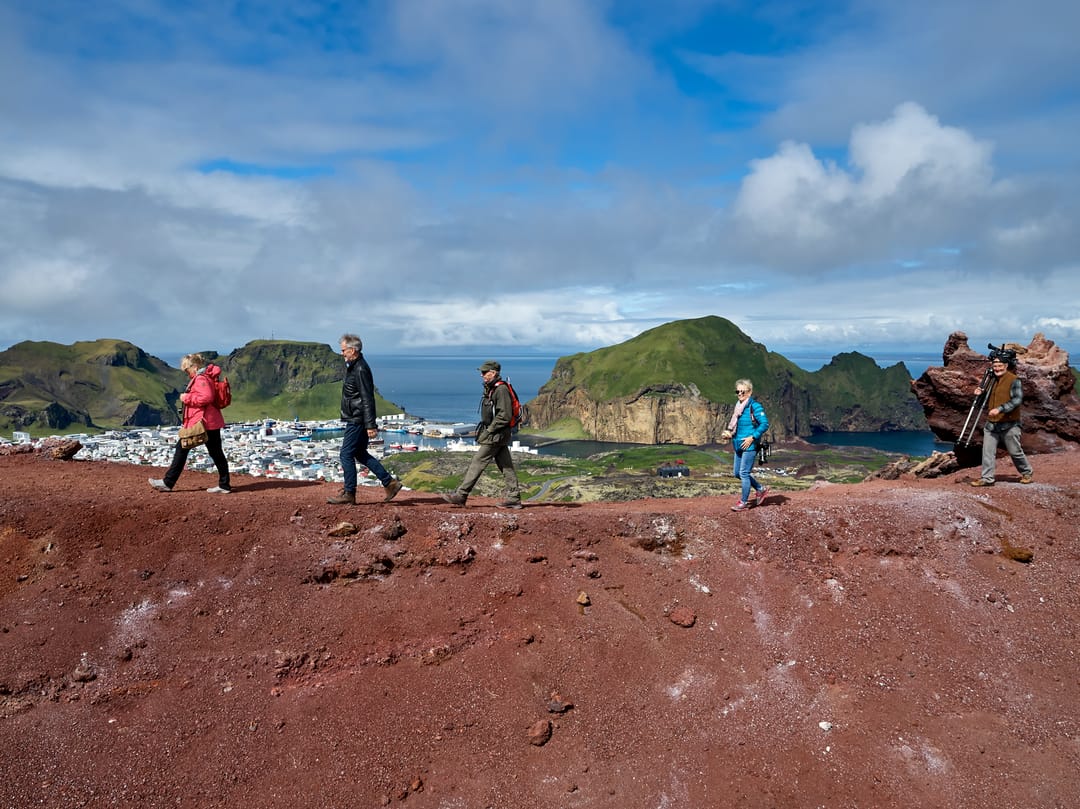
In certain places, visitors can still feel the geothermal warmth from beneath the surface. From the summit, there are sweeping views over the lava fields, Heimaey town, the harbor, and distant mountains.
Visit Eldheimar Museum
If you encounter bad weather, Eldheimar Museum provides a fascinating indoor experience. Exhibitions and preserved excavation sites offer an emotional, detailed look at life on Heimaey before, during, and after the 1973 eruption.
See Puffins at Stórhöfði
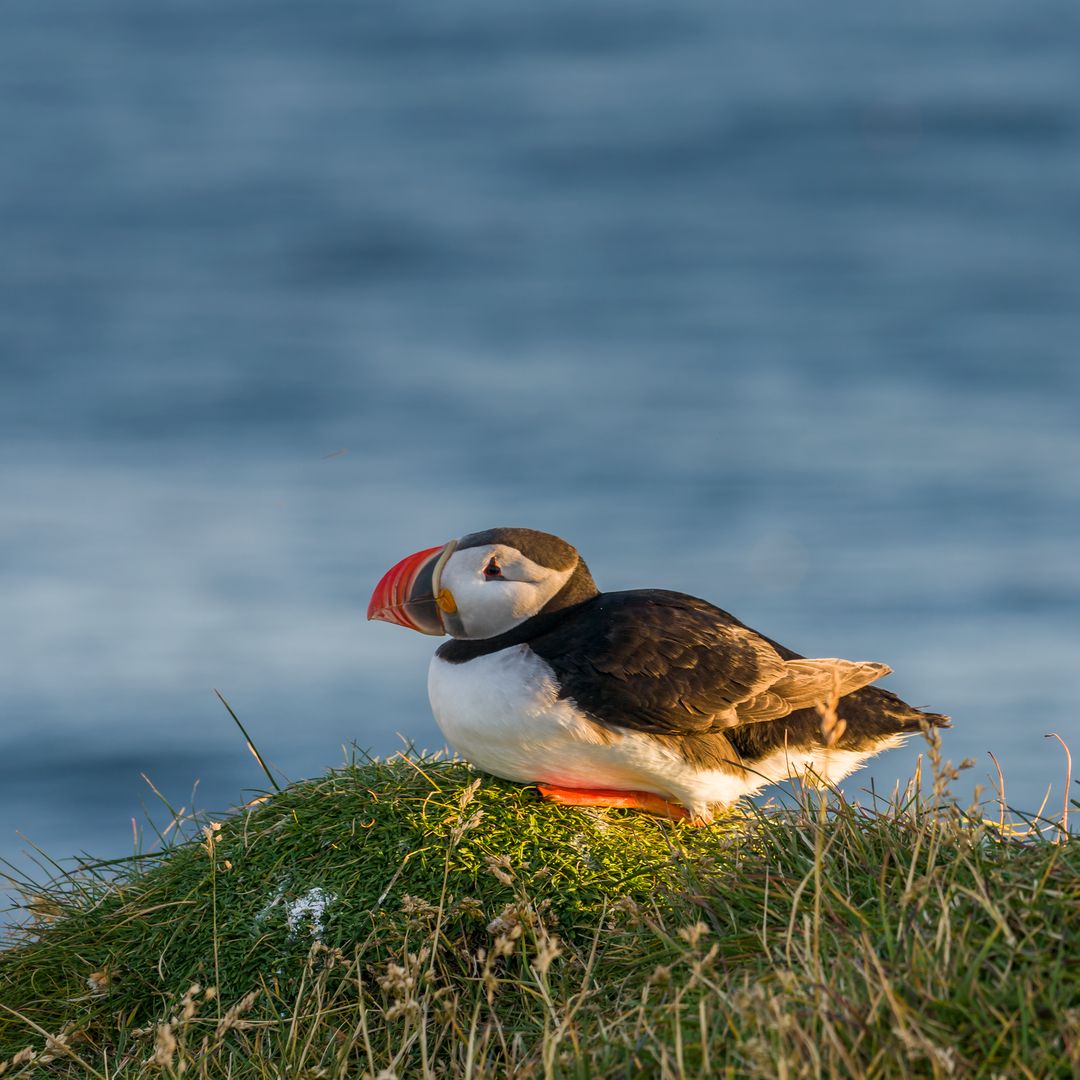
Stórhöfði, on the southern peninsula of Heimaey, is often described as one of the windiest places in Europe. It is also one of the island’s best places to see puffins. Between May and August, the cliffs come alive with nesting birds. Follow responsible travel practices by keeping a respectful distance, staying on marked paths, and minimizing noise.
Take a Boat Tour Around the Islands
To appreciate the dramatic coastline of Vestmannaeyjar, book one of the local boat tours. From the water, you can see towering sea caves, jagged rock stacks, seabird cliffs, and the famous Elephant Rock Iceland. There are no elephants in the country, but this natural basalt formation bears an uncanny resemblance.
Explore Heimaey Town and Harbor
The colorful town center is filled with charming cafes, fresh seafood restaurants, and local shops. Around the harbor, visitors can watch fishing boats come and go or pause for a meal. Those staying overnight will find several accommodations in town, including Hotel Vestmannaeyjar.
Visit Herjólfsdalur Valley
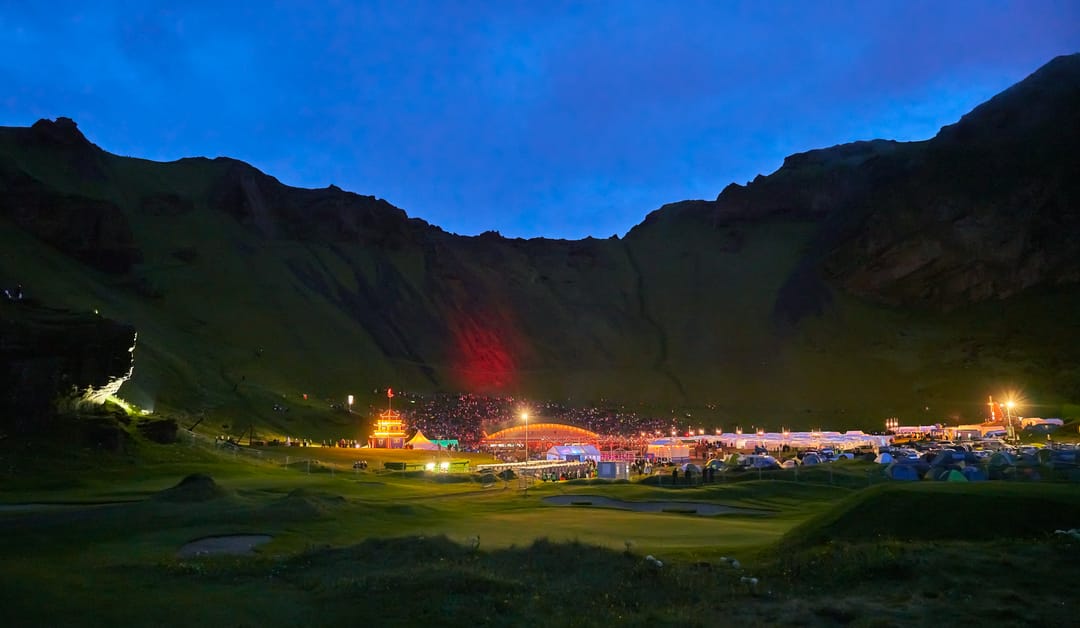
Herjólfsdalur is an amphitheater-like valley surrounded by steep green volcanic cliffs. It is a peaceful place for a walk, with views of Heimaey’s rugged landscape and a reconstructed Viking-era farmstead nearby. Every summer, the valley also hosts Þjóðhátíð, the Westman Islands’ famous outdoor festival.
Best Time to Visit the Westman Islands
The weather in Vestmannaeyjar plays a huge role in shaping your travel experience.
- Summer (June–August): This is widely considered the best time to travel to the Westman Islands. Long daylight hours, milder temperatures, active puffin colonies, and more frequent tour departures make summer ideal for a visit.
- Spring and Fall (April–May, September–October): These transitional months offer a quieter experience, with fewer visitors on the trails and around town. However, some services may be limited, and transportation schedules can be more weather-dependent.
- Winter (November–March): Winter visits are possible, but conditions can be unpredictable. Bad weather may cause ferry cancellations or schedule changes, so a flexible itinerary is essential during this season.
Much like other coastal destinations and beaches in Iceland, the Westman Islands possess a captivating beauty in any season. However, proper planning is a must.
FAQs
Yes. Vestmannaeyjar offers a mix of volcanic landscapes, wildlife, local history, and ocean scenery close to mainland Iceland.
Vestmannaeyjar is the Icelandic name for the Westman Islands, an archipelago off the south coast of Iceland.
Heimaey is the main island and the only inhabited island in the Westman Islands. It is where most visitor services, accommodations, restaurants, museums, and tours are based.
The ferry from Landeyjahöfn to Heimaey usually takes about 40 minutes. In travel planning, it is often described as a 35- to 45-minute crossing.
Yes, you can visit the Westman Islands as a day trip, especially from the South Coast. However, an overnight stay gives you more time for boat tours, puffin watching, hiking, museums, and weather flexibility.
Popular articles
The Complete Guide to the Northern Lights in Iceland
Learn how the Northern Lights form, where to see them in Iceland, how to prepare, take photos, read the forecast, and improve your chances of a sighting.
Let's Talk About the Volcano in Iceland About to Erupt
Is a volcano in Iceland about to erupt? Here’s what travelers should know about Svartsengi, Reykjanes activity, flights, safety, and the Blue Lagoon.

Solar Eclipse 2026 in Iceland | What Happened
Iceland experienced a total solar eclipse on August 12, 2026. Discover what happened in Reykjavík, eclipse times, totality locations and more.
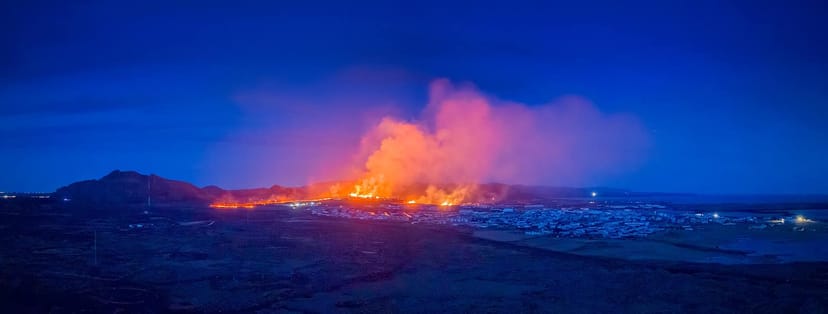
September 2026 updates on the Sundhnúkagígar Eruption in the Reykjanes Peninsula!
The current eruption in the Reykjanes Peninsula, is called Sundhnúkagígar Crater Row. See insights on the seismic activity and volcanic eruptions in the area!
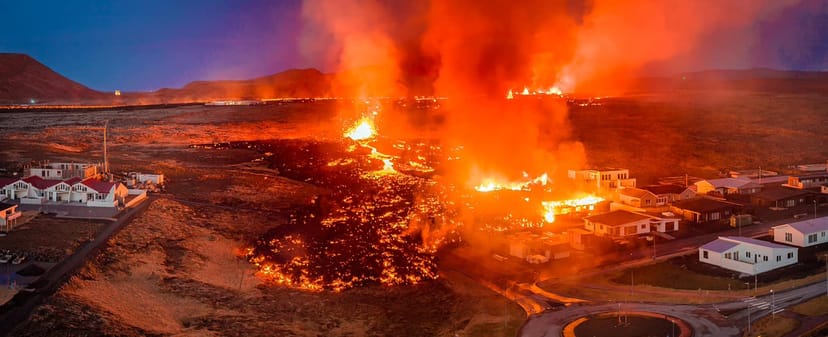
Active Volcanoes in Iceland 2026
Active volcanoes aren't the same thing as active eruptions. A volcano can be considered active even when it is not ejecting ash, rock, gases and magma, so which are active in Iceland in 2026?
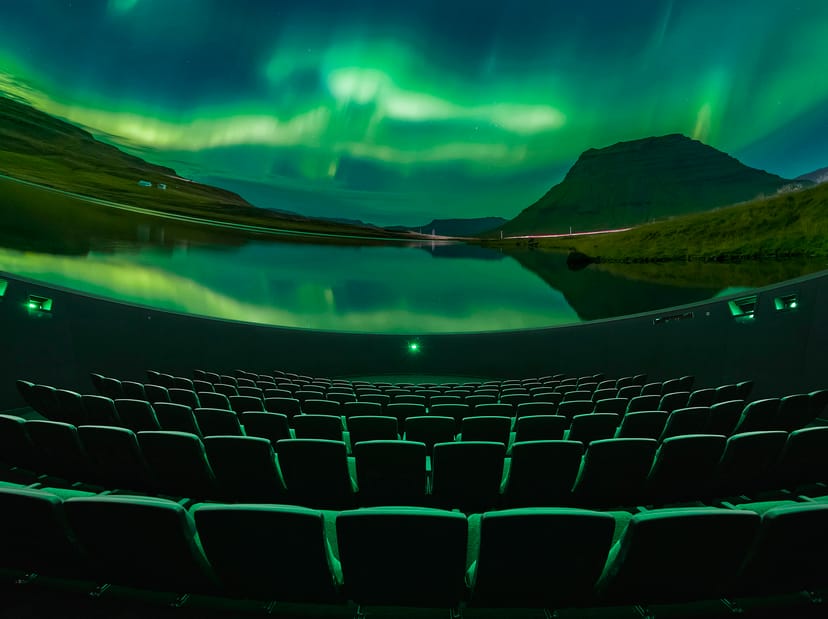
Top 10 Places To See the Northern Lights in Iceland
Discover the best places to see the Northern Lights in Iceland, from Jökulsárlón and Kirkjufell to Reykjavík, Þingvellir and North Iceland.
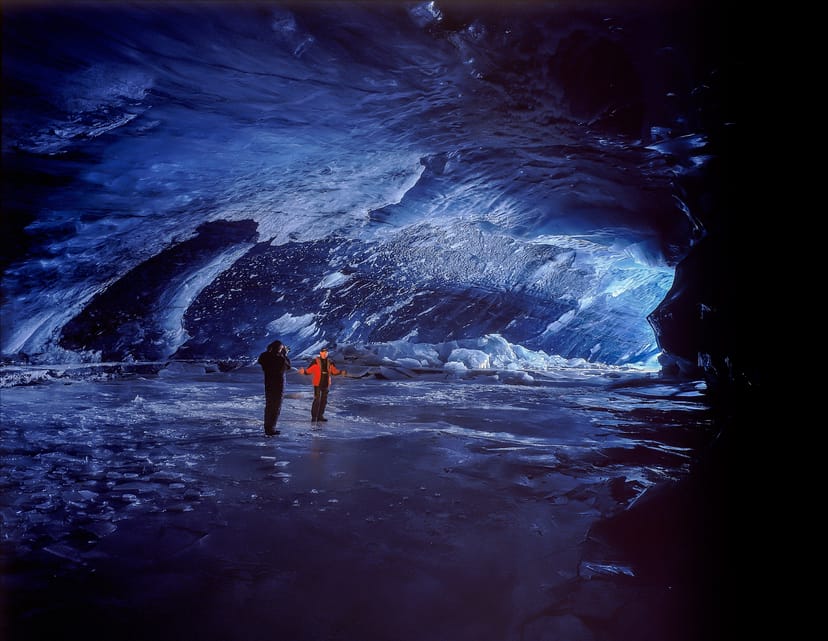
Ice Caves From Reykjavik
Planning an ice cave trip from Reykjavik? Compare Katla, Langjökull and Vatnajökull, travel times, seasons and Perlan’s ice cave in the city.