
What Happened to Iceland’s Black Sand Beach?
When exploring the South Coast, the famous Reynisfjara black sand beach almost always tops tourist itineraries. Known for striking basalt columns and endless stretches of ink-black shore, it has long been a staple of the south.
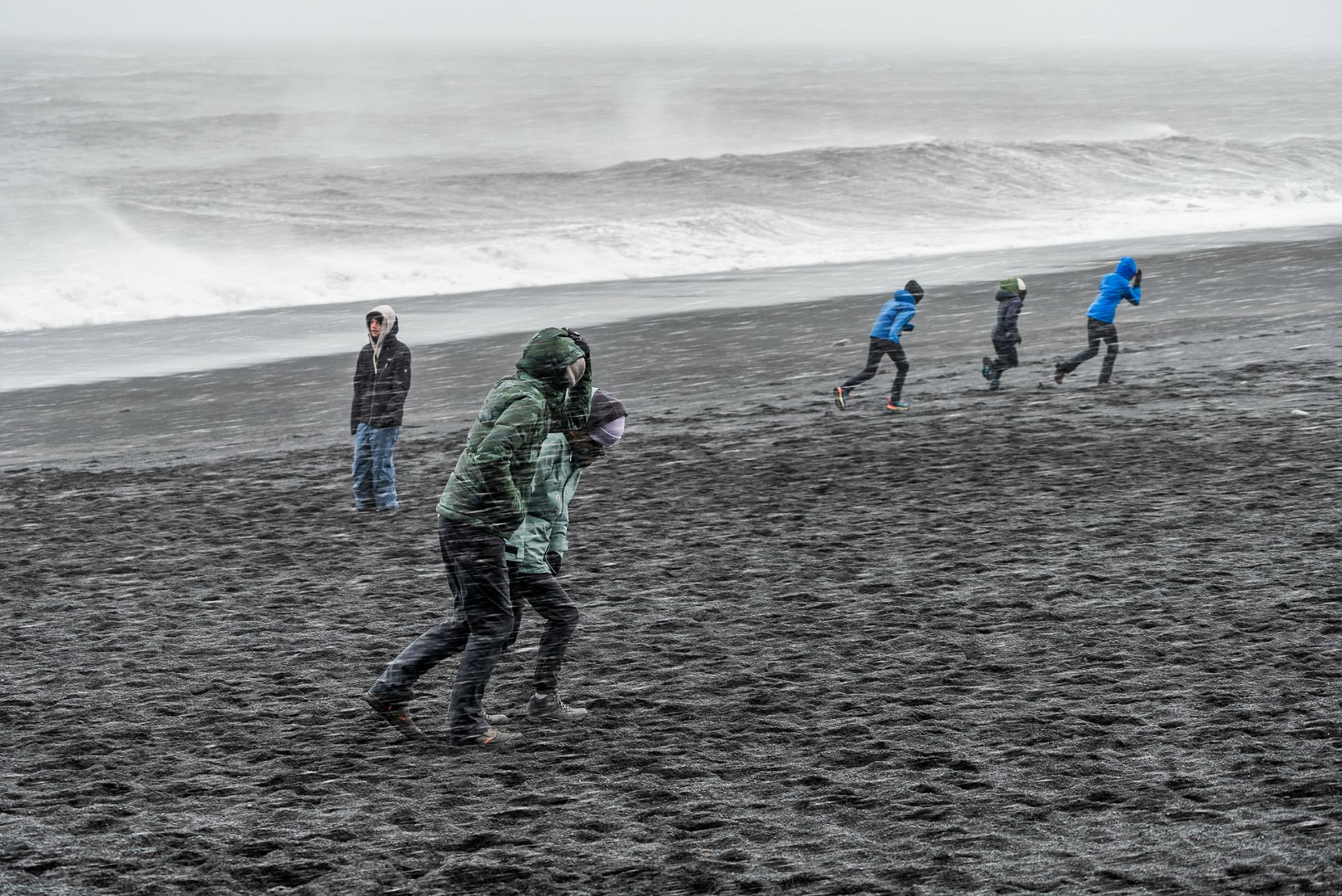
However, as of early 2026, travellers are arriving to find this Icelandic landmark completely changed. Following a winter of coastal erosion and other events, the vast, flat expanse of charcoal-colored sand has seemingly vanished. Iconic features like the basalt columns and Hálsanefshellir Cave are now frequently cut off by the tide or entirely submerged.
So, why is this iconic Iceland black sand beach disappearing before our eyes? From shifting winds to sneaker waves, the science behind the land deformation is fascinating and formidable. Keep reading to find out what happened, how to visit safely, and where else you can witness Iceland’s volcanic coast.
Note: This article has been reviewed by an Icelandic Geology Expert.
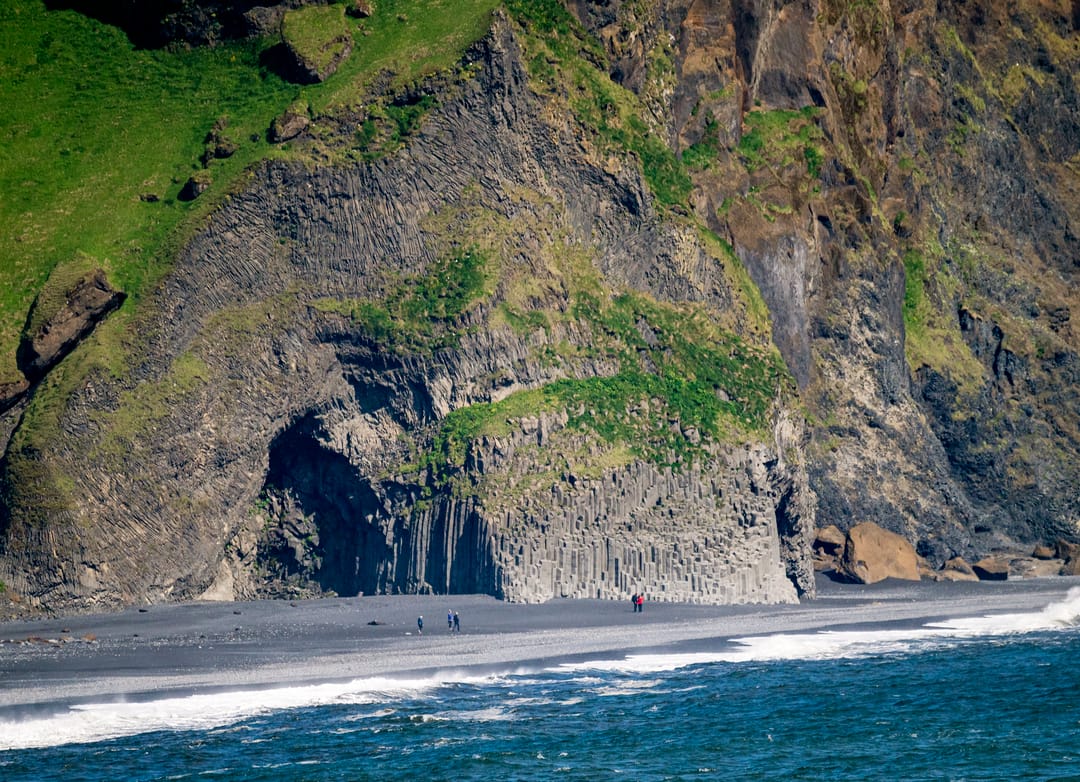
Geology of Reynisfjara
To understand why this Iceland black sand beach is transforming, it’s important to look at what it’s actually made of. Unlike the tropical white beaches of the Caribbean, which are composed of crushed shells and coral, Reynisfjara is purely volcanic.
This dramatic shoreline is a product of the nearby Katla volcano. The volcano is located below the Mýrdalsjökull glacier and covered by thick ice. During major eruptions, 1100°C hot and molten basaltic magma melts the frozen ice, causing a tremendous explosive eruption. This violent meeting of ice and fire results in huge glacial flash floods in which millions of cubic meters of meltwater, saturated with ash and sand, flow to the sea during the eruption. In the sea, the relentless Atlantic waves carry the sand along the shoreline, creating the long black sand beaches that Reynisfjara is a part of.
Reynisfjara Beach: Why Is It Vanishing?
Think of this Iceland black sand beach as a bank account that requires regular deposits of sand to stay healthy. Geologists call this a sediment budget. Usually, glacial rivers and volcanic activity deposit new basalt sand onto the shore, while the ocean withdraws it through waves.
For over a century, the balance at Reynisfjara black sand beach remained relatively stable. However, in early 2026, the budget fell into a deep, visible deficit. The deposits halted, and the withdrawals became more aggressive. Here are four scientific factors that led to the Reynisfjara beach collapse.
1. Strong Eastern Winds
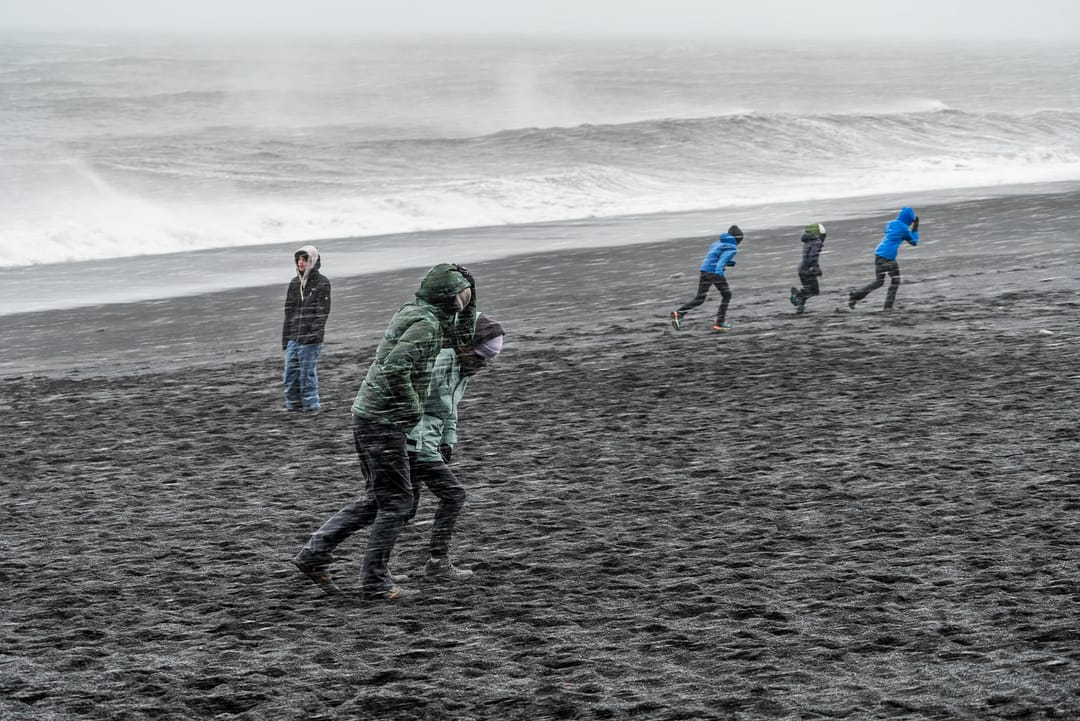
Typically, southwesterly winds push sand eastward to replenish the Reynisfjara black sand beach. However, in early 2026, winter weather took a sharp turn. Persistent and powerful easterly winds took over for weeks at a time. Instead of sand being delivered to Reynisfjara, it was swept away in the opposite direction toward Dyrhólaey.
Additionally, Mt. Reynisfjall blocks the beach from receiving sand from its other side. Because the mountain’s massive cliffs extend deep into the surf, they act as a giant stone wall. Essentially, the mountain blocked any new sand from the east from migrating to replace it.
Essentially, Reynisfjara is being hollowed out by ocean “withdrawals” of sand, with no refills coming in from either side.
2. Storm Surge
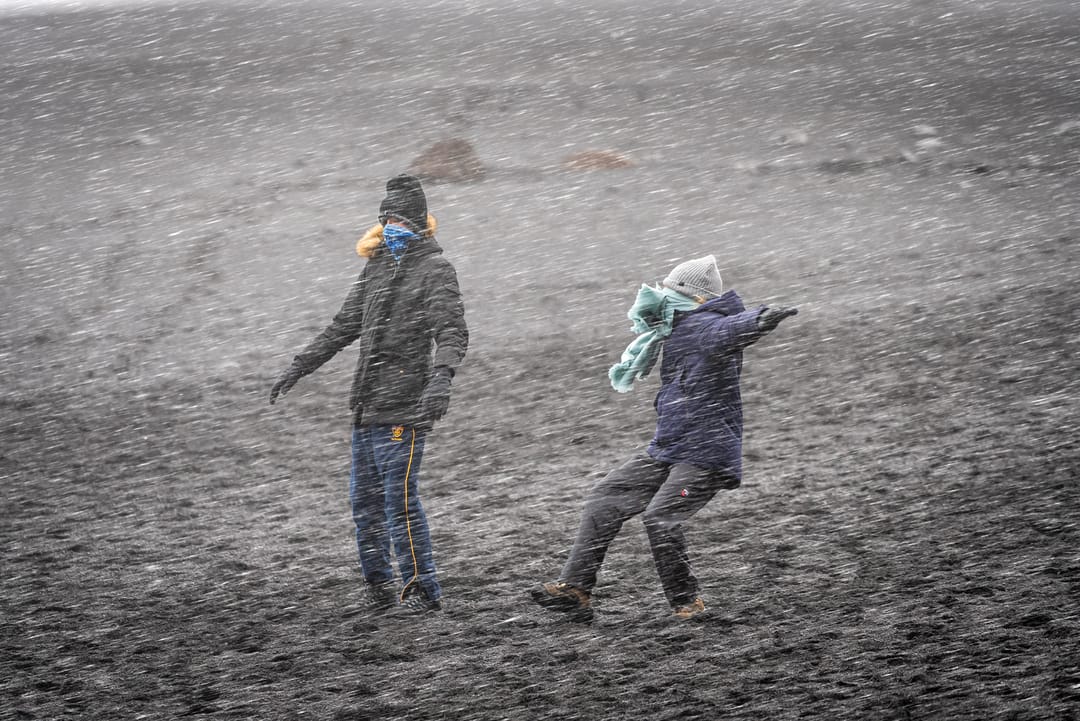
In the first two weeks of February 2026, a series of intense low-pressure systems generated sustained, high-energy swells. These conditions created a storm surge, a physical rise in sea level caused by extreme winds and low atmospheric pressure. The storm surge allowed massive Atlantic waves to reach much higher up the usual shoreline, scouring the beach’s soft upper banks.
During these storms, the backwash was so strong that it pulled the sand into deep underwater trenches far beyond the shoreline. At these depths, the normal tide lacks the energy to lift the sediment back onto the shore. It’s a major factor in the Reynisfjara beach erosion, combined with the lack of new sediment deposits.
The results are staggering: the beach level has dropped by over two meters (6.5 feet) in several spots. Visitors are seeing Iceland's black sand beach before and after the transformation with ancient boulders exposed for the first time in decades.
3. The Reynisfjall Landslide
Even beyond the shoreline, geological events contributed to the Reynisfjara beach erosion. In early February 2026, a major landslide occurred on the southern slopes of Reynisfjall, the mountain towering over the beach. Heavy winter rains and the pounding of Atlantic waves destabilised the slope, sending a cascade of rock and debris tumbling onto the sand.
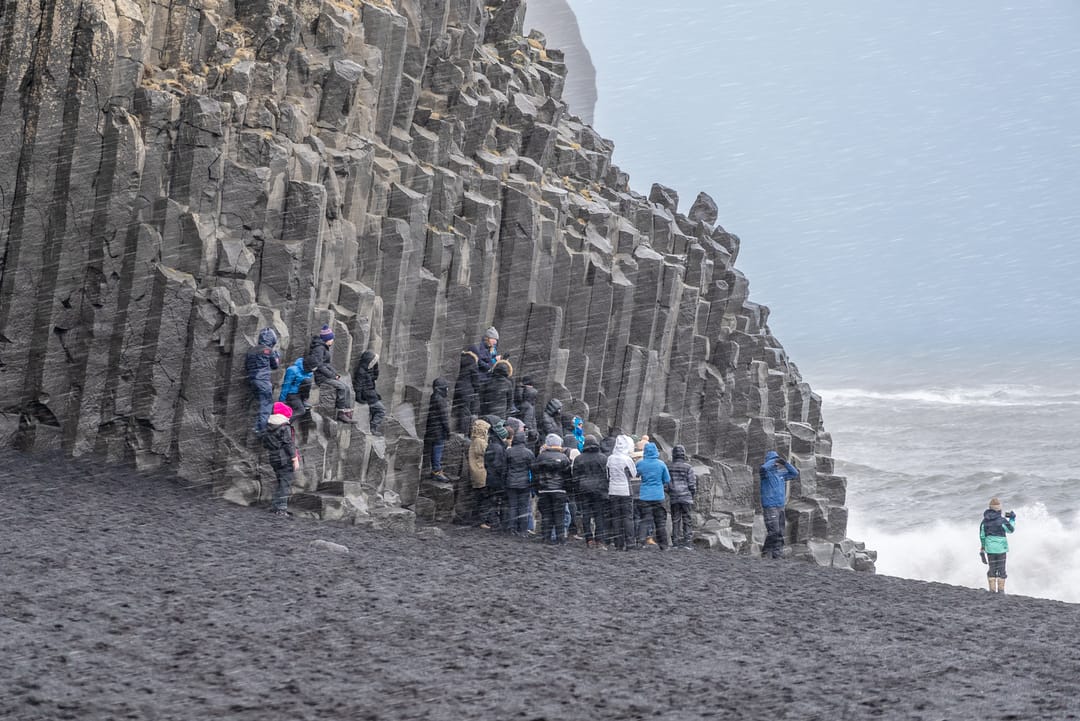
Basalt boulders weighing over two tons now litter the shore, burying the paths tourists once used to reach the cave. This jagged terrain makes the beach more dangerous, with boulders acting as obstacles for visitors trying to retreat from sneaker waves.
While the landslide primarily blocked visitor access, it also contributed to Reynisfjara’s beach erosion. The ocean used the fallen rocks as “ammunition,” creating a grinding effect that scoured away the remaining sand even faster.
4. The Dormant Volcano
As already described, Katla Volcano has regularly, during its eruptions, contributed to the sand deposits along the shore. Now the volcano has been dormant for an unusually long time, or over a century. Hopefully, we don’t have to wait for the next eruption to see the recovery of the Reynisfjara beach - but we never know.
The Future of the Black Sand
Is the Iceland black sand beach gone for good? The good news is that Reynisfjara isn’t disappearing; it is evolving. Because the beach operates on a sediment budget, the sand can return if the deposits start outbalancing the withdrawals again. Some locals say that the Reynisfjara black sand beach is already beginning to return to normal.
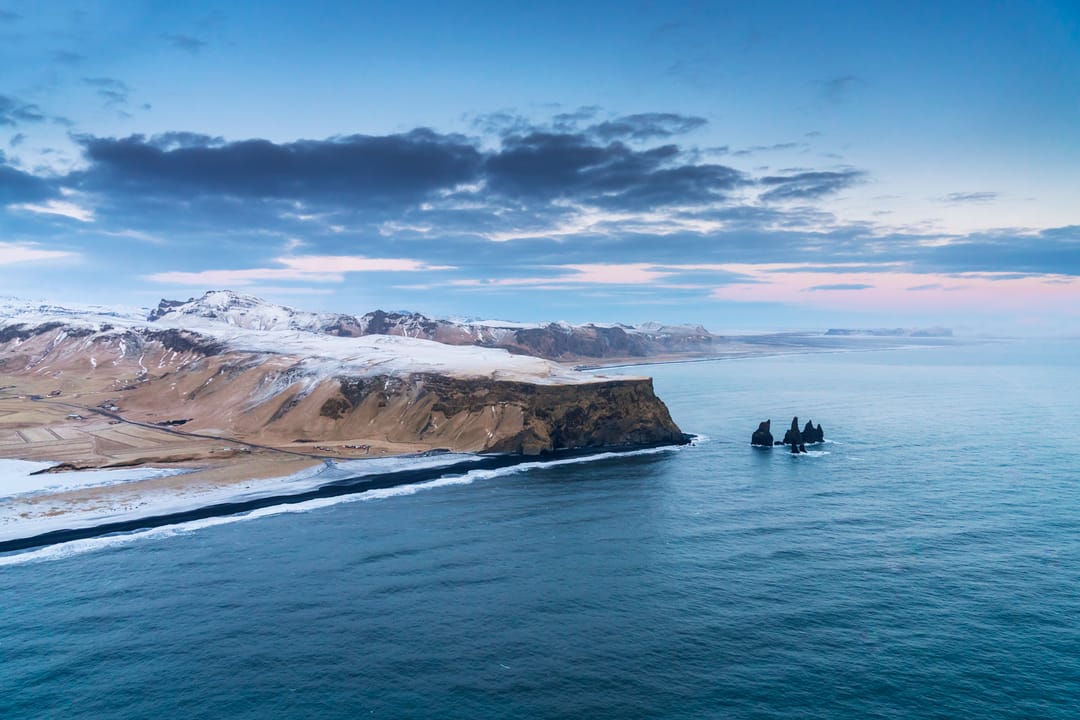
Experts believe the key lies in the wind. For the sand to return, Iceland needs a sustained return of southwesterly winds. If the weather patterns shift back to their historical norms, we could see the black sands begin to rebuild the shoreline over the next few seasons.
Learn About Icelandic Nature and Geology at Perlan
The collapse and transformation of Iceland’s black sand beach serve as a reminder of the country’s ever-changing landscape. To better understand the “why” behind these events and other natural phenomena, visit Perlan in Reykjavik.
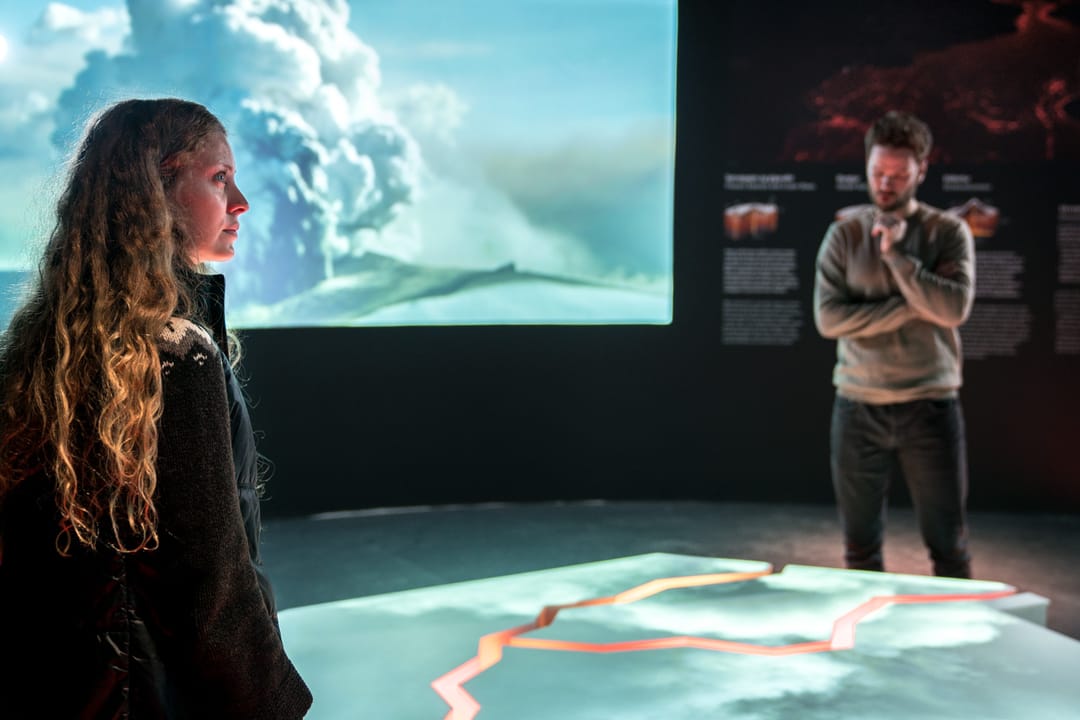
Inside, you can dive deep into the phenomena discussed in this article. The Forces of Nature exhibit brings the power of volcanoes, plate tectonics, and geothermal energy to life through immersive displays. Meanwhile, the Glacier and Ice Cave exhibition explores the frozen giants that feed our coastal rivers. It’s the perfect way to connect with Iceland’s geology after seeing its wonders in person.
FAQs: Reynisfjara, Iceland Black Sand Beach
What happened to the black sand beach in Iceland?
The Reynisfjara erosion was caused by persistent easterly winds and intense Atlantic surges that swept away the sand. This shifted the shoreline dramatically inland, lowering the beach level by over two meters and exposing the rocky bedrock beneath.
What does Reynisfjara look like now?
Reynisfjara currently looks rugged and skeletal, with boulders and jagged rocks visible where there used to be a wide, sandy shore. The famous basalt columns now sit much closer to the surf.
Is Reynisfjara black sand beach still safe to visit?
Yes, but you must strictly follow the traffic light system located at the beach entrance. Yellow light means staying far back from the shoreline, while red means staying off the beach due to the lack of escape space from waves.
Is it safe to swim at Iceland's black beaches?
No, swimming is extremely dangerous due to freezing water temperatures and powerful sneaker waves that can pull you out to sea. Even in calm weather, the undertow and shifting currents make these beaches strictly for viewing, not swimming.
Is the black sand beach in Iceland free?
Walking on the beach is free, but parking fees apply. These fees fund the safety infrastructure required to monitor the changing shoreline.
Popular articles
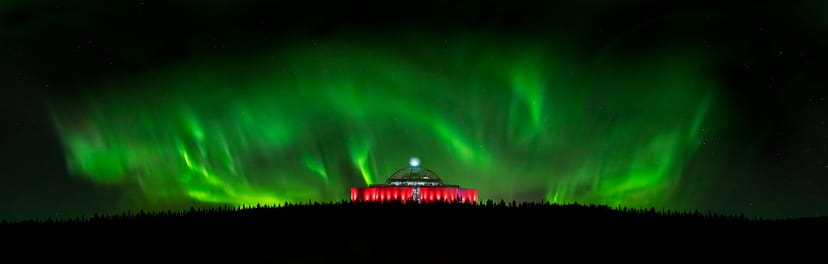
The Complete Guide to the Northern Lights in Iceland
Learn how the Northern Lights form, where to see them in Iceland, how to prepare, take photos, read the forecast, and improve your chances of a sighting.
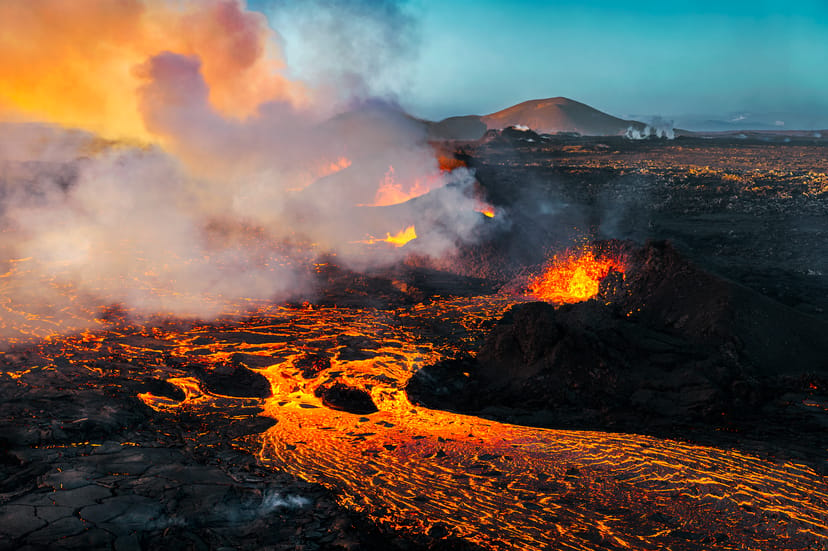
Let's Talk About the Volcano in Iceland About to Erupt
Is a volcano in Iceland about to erupt? Here’s what travelers should know about Svartsengi, Reykjanes activity, flights, safety, and the Blue Lagoon.
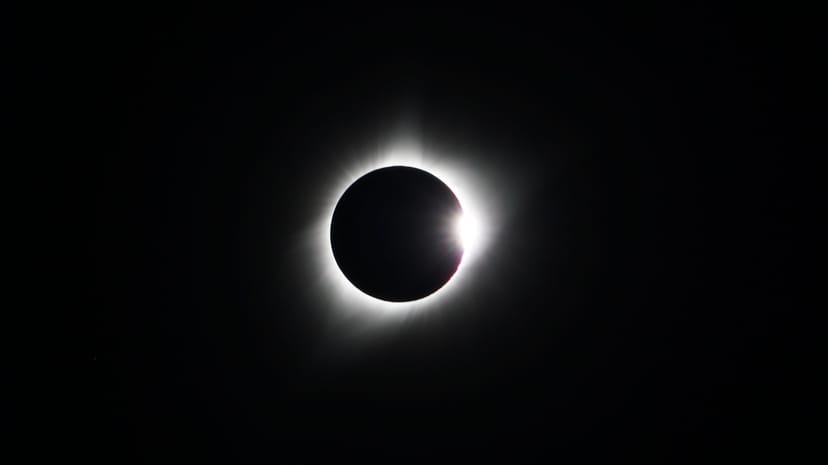
Solar Eclipse 2026 in Iceland | What Happened
Iceland experienced a total solar eclipse on August 12, 2026. Discover what happened in Reykjavík, eclipse times, totality locations and more.
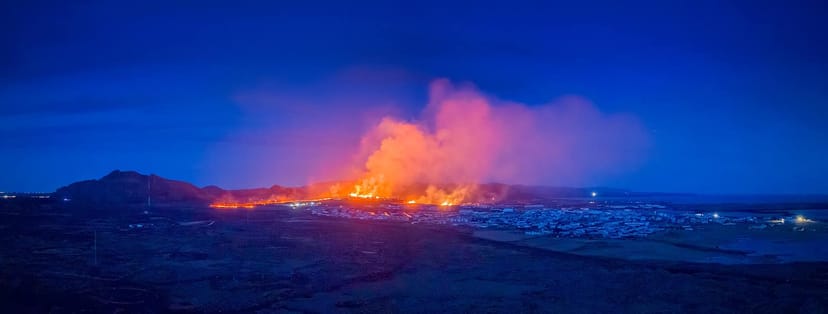
September 2026 updates on the Sundhnúkagígar Eruption in the Reykjanes Peninsula!
The current eruption in the Reykjanes Peninsula, is called Sundhnúkagígar Crater Row. See insights on the seismic activity and volcanic eruptions in the area!
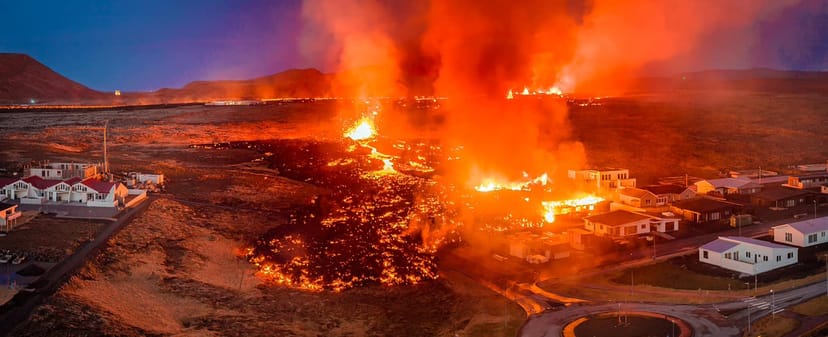
Active Volcanoes in Iceland 2026
Active volcanoes aren't the same thing as active eruptions. A volcano can be considered active even when it is not ejecting ash, rock, gases and magma, so which are active in Iceland in 2026?
Top 10 Places To See the Northern Lights in Iceland
Discover the best places to see the Northern Lights in Iceland, from Jökulsárlón and Kirkjufell to Reykjavík, Þingvellir and North Iceland.
Ice Caves From Reykjavik
Planning an ice cave trip from Reykjavik? Compare Katla, Langjökull and Vatnajökull, travel times, seasons and Perlan’s ice cave in the city.