
Nootka Lupine Iceland: The Island’s Purple Blooms
Every summer, Iceland puts on a colorful show as vibrant yet fleeting flowers blossom across the country. And one of the most recognizable? Nootka lupine, a striking purple flower that may be more than what meets the eye.
Seeing the lupine Iceland is famous for is a breathtaking backdrop for travelers. But the story of how this American native arrived on Icelandic shores is a complex tale. Discover more about its beauty and environmental impact below.
What Is Nootka Lupine?
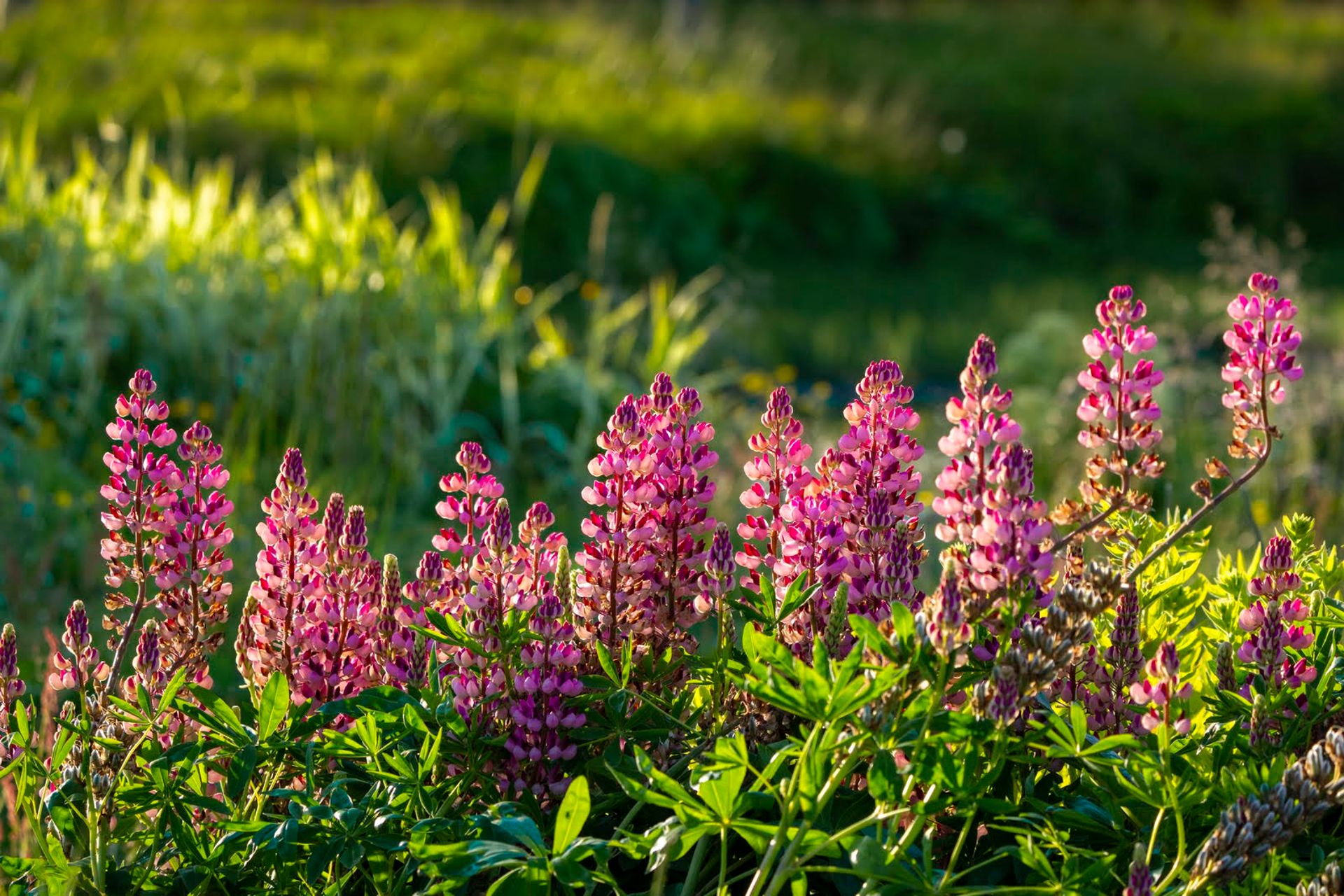
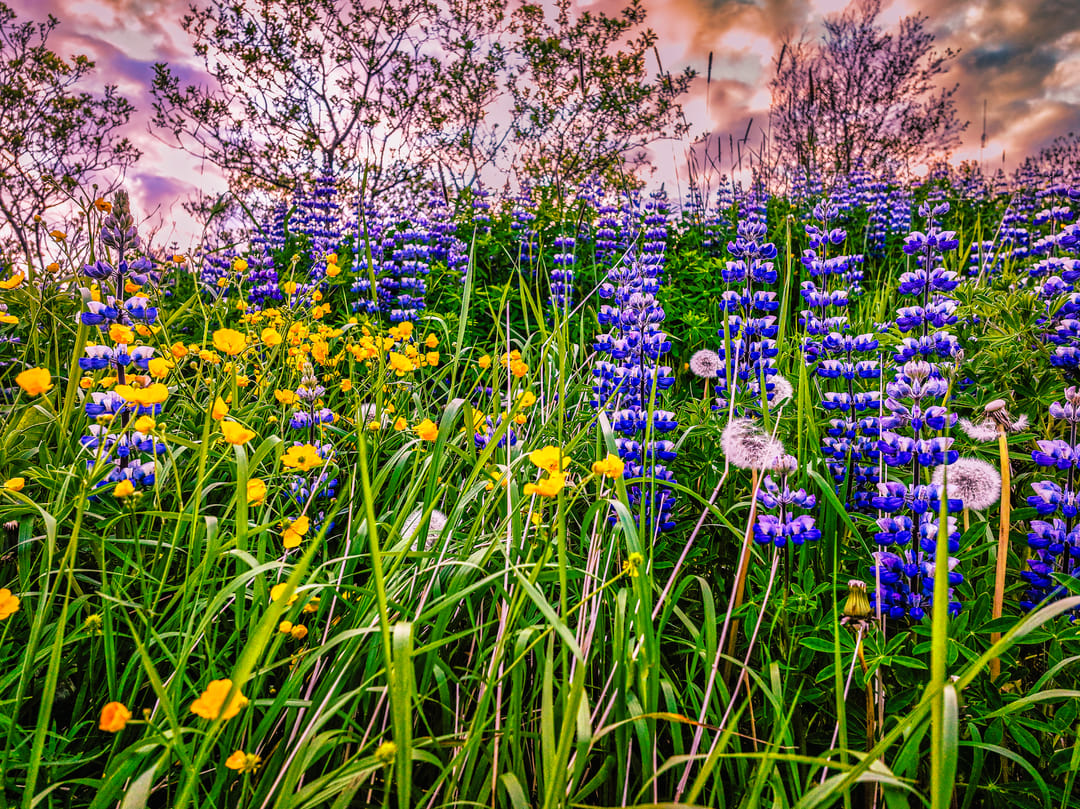
Nootka lupine (Lupinus nootkatensis) is a perennial herb you can recognize by its tall spikes of vibrant purple flowers. While it has become a notable feature of the Icelandic summer, this plant isn’t one of the island’s native plants. It hails from the coastal regions of North America, such as Alaska and British Columbia.
The plant is incredibly resilient, able to thrive in cold, harsh climates. In Iceland, it has even been used to help restore degraded land. One of its key characteristics is its ability to fix nitrogen in the soil through symbiotic bacteria in its root system. This allows lupine to thrive in nutrient-poor environments where other plants struggle to survive.
Why Lupines Are Famous in Iceland
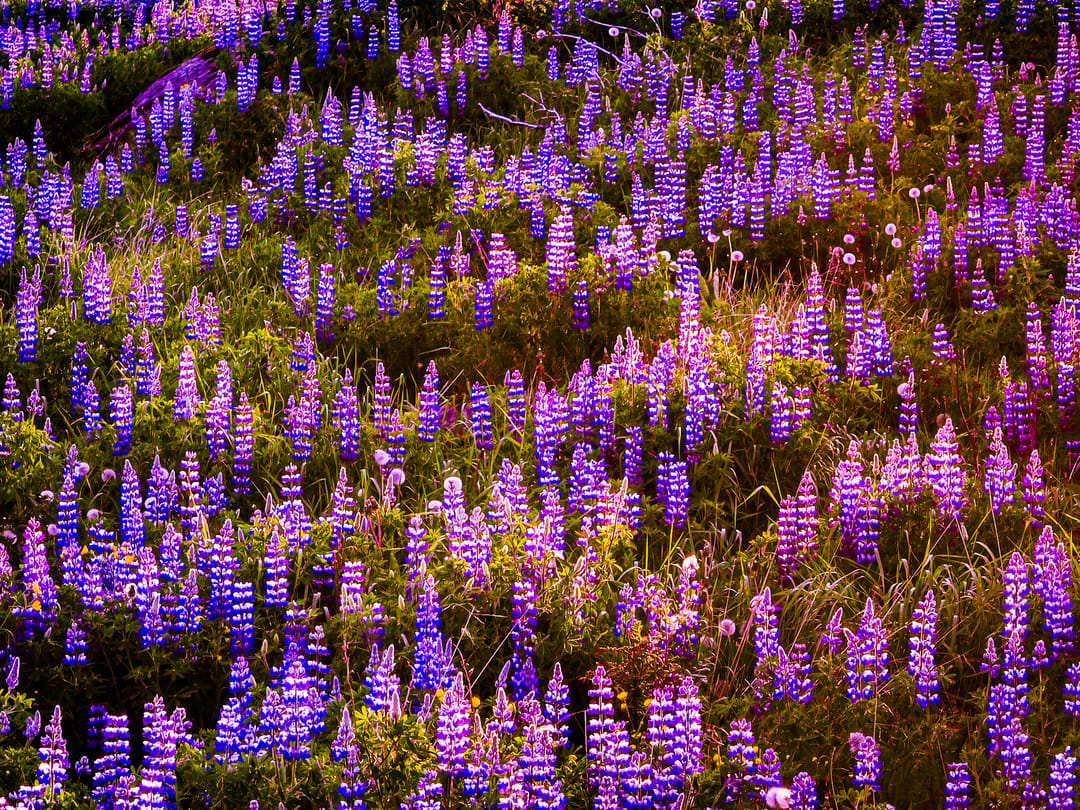
The lupine Iceland sees today has become a primary draw for photographers and nature lovers. Its fame stems largely from the dramatic bursts of color it brings. For a few weeks every summer, vast stretches of volcanic sands and rugged hillsides are blanketed in a sea of violet. And even beyond its beauty, Nootka lupine is famous for its role in the country’s ecological history.
The History of Lupine in Iceland
The story of the Nootka lupine in Iceland began with a specific goal: to save the soil.
Following centuries of overgrazing and harsh volcanic activity, much of Iceland’s fertile topsoil had been lost to erosion. In 1945, Hákon Bjarnason was the director of the Icelandic Forest Service. He took a trip to Alaska to find a plant hardy enough to survive the subarctic climate and stabilize the land. The result? Bjarnason returned with seeds of Lupinus nootkatensis, now known as Nootka lupine.
For decades, the plant was deliberately sown across the country, particularly near the coast and in volcanic plains. It worked—and almost too well. By the 1980s, lupine-covered fields had spread far beyond their original designated areas, expanding across the landscape at an unexpected pace.
The Controversy Surrounding Lupine in Iceland
Today, the lupine Iceland is known for remaining the subject of an ongoing environmental debate. On one side, it’s valued as a “pioneer species” that helps restore degraded land by enriching the soil with nutrients. In some areas, the Alaskan lupine played a significant role in restoring vegetation in formerly barren landscapes.
However, critics and conservationists point out that it is an invasive species that poses a threat to Iceland’s biodiversity. As it grows so densely and tall, it can overshadow and choke out Iceland´s flowers and wild blooms, like slow-growing mosses and low-lying shrubs. This can alter entire ecosystems, including the habitats of ground-nesting birds.
What’s Being Done to Manage Lupine Growth?
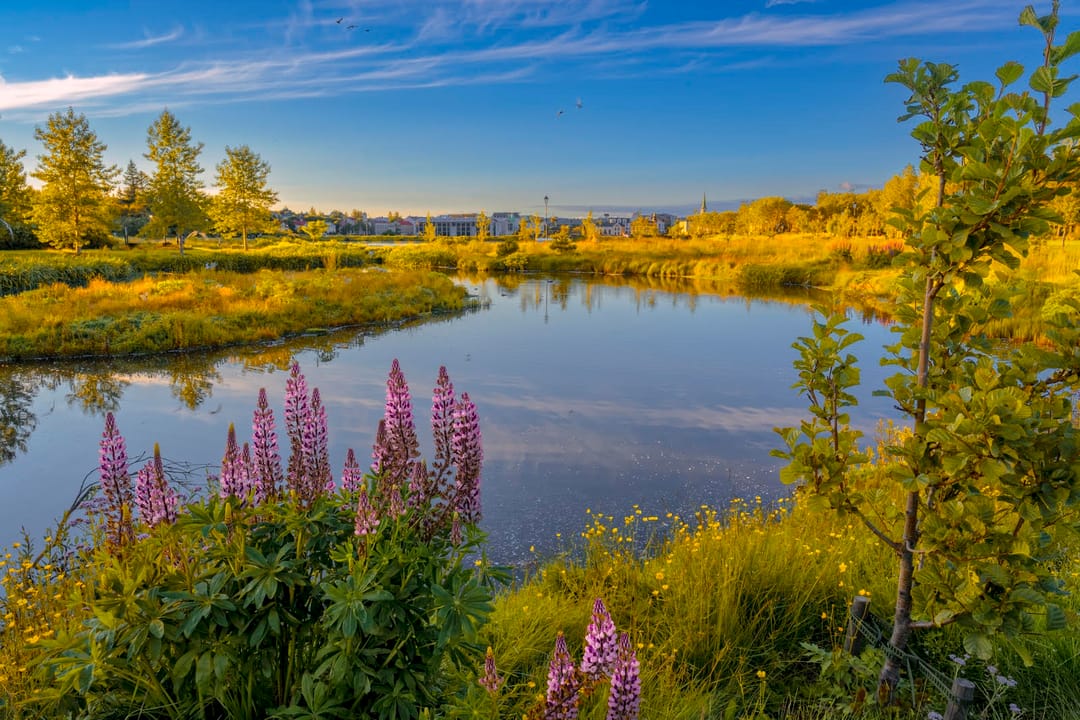
Rather than pursuing complete eradication, efforts in Iceland now focus on careful management. The Icelandic Forest Service and environmental organizations work to contain lupine growth to areas where soil restoration is still needed.
In sensitive regions like national parks and regions with rare native plants, lupine is actively controlled through mowing, grazing, or hand-pulling. The goal is to allow the lupine to do its job of fixing the soil in wasteland areas. At the same time, it should be prevented from encroaching on the pristine, Icelandic moss-covered lava fields.
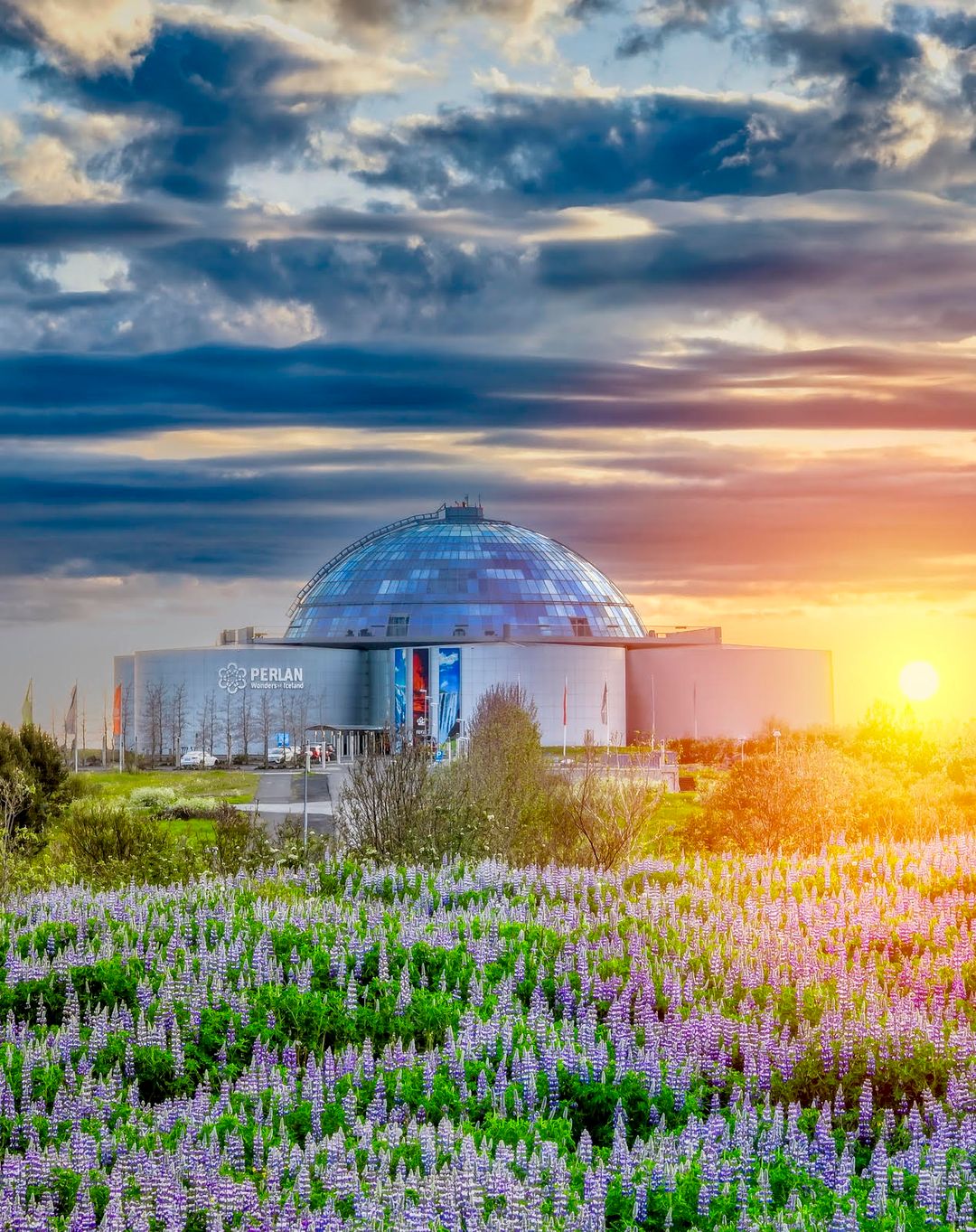
To learn more about Iceland’s unique landscapes, explore the various natural history displays at Perlan in Reykjavík. Visit the immersive exhibitions to dive deeper into the island’s complex ecology and environmental heritage.
Best Places to See Nootka Lupine in Iceland
During the summer, lupine flowers bloom along many stretches of Ring Road, transforming parts of Iceland into vivid shades of purple. While they can be seen across the country, some locations offer especially striking views. Here are some of the best spots to experience lupine-covered scenery in Iceland.
- Vík í Mýrdal: One of the most iconic views is the hilltop Víkurkirkja church, often surrounded by a dense sea of purple lupines. From this vantage point, you can see the flowers contrasting beautifully with the black sands of Reynisfjara beach below.
- Skógafoss Waterfall: Near one of Iceland’s largest waterfalls, lupines frequently bloom across the surrounding fields, adding vibrant color to the dramatic landscape. Whether you stay at the base or climb the stairs to the top, enjoy sprawling views of the purple-tinted valley.
- Snæfellsnes Peninsula: Often called “Iceland in Miniature,” this region offers a variety of scenic backdrops. Lupines can be found blooming near the famous Kirkjufell mountain and around landmarks like Ingjaldshóll church.
- Skaftafell (Vatnajökull National Park): In this protected area, lupines appear in more limited patches, sometimes framed by glaciers and rugged landscapes. Their presence here offers a unique contrast between colorful plant life and Iceland’s icy environments.
- Hvalfjörður (Whale Fjord): Just a short drive from Reykjavík, this fjord is known for its peaceful atmosphere and scenic valleys. Here, lupine flowers often blanket the hillsides in purple during peak season.
When Is the Best Time to See Lupines in Iceland
To see the lupine Iceland is famous for at its peak, timing is essential. The blooming season usually begins in late May, but the most spectacular displays occur from mid-June to mid-July. During these weeks, the purple flowers are at their fullest, blanketing the countryside in a brilliant sea of violet.
By late July, the colors begin to fade as the plants go to seed. Visiting during the height of the midnight sun also grants you extended daylight hours. That means you get more time to experience and photograph Iceland’s landscapes at their most colorful.
FAQs
They were introduced in 1945 to combat severe soil erosion and stabilize the landscape. Because they are incredibly resilient and spread rapidly, they quickly colonized vast areas across the country.
The primary disadvantage is their tendency to form dense monocultures that choke out delicate native plants like mosses and lichens. This reduces biodiversity and can significantly alter the island’s unique natural ecosystems.
While the purple flowers of the lupine are the most famous visual, the mountain avens is the official national flower. It is a hardy white bloom that has thrived in the rocky tundra since the last Ice Age.
Yes, lupine is widely considered an invasive species because it spreads aggressively into areas where it wasn't intended to grow. Its ability to outcompete local flora makes it a major concern for conservationists.
No, they are not a protected species; in fact, they are actively managed or removed in national parks and sensitive areas. Conservation efforts often focus on protecting the original native plants from being overwhelmed by lupine growth.
Lupines typically begin to bloom in late May, with peak flowering occurring from mid-June to mid-July, depending on weather and location.
Popular articles
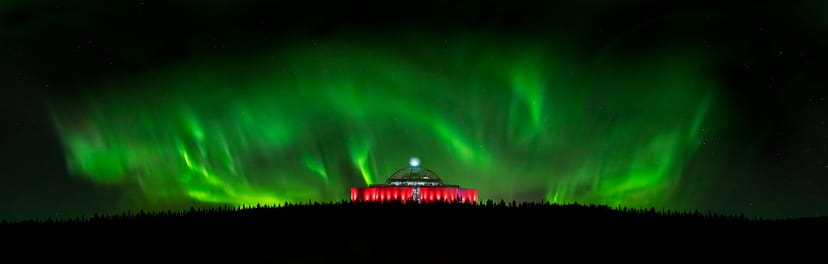
The Complete Guide to the Northern Lights in Iceland
Learn how the Northern Lights form, where to see them in Iceland, how to prepare, take photos, read the forecast, and improve your chances of a sighting.
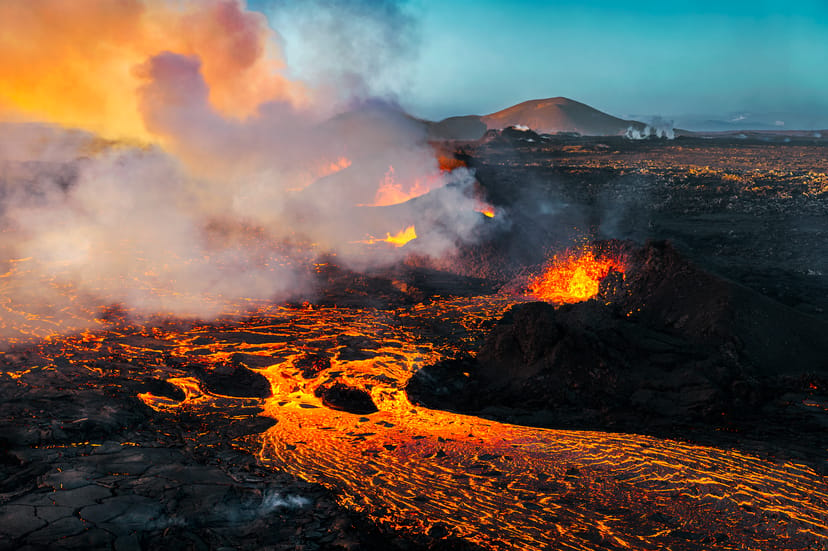
Let's Talk About the Volcano in Iceland About to Erupt
Is a volcano in Iceland about to erupt? Here’s what travelers should know about Svartsengi, Reykjanes activity, flights, safety, and the Blue Lagoon.

Solar Eclipse 2026 in Iceland | What Happened
Iceland experienced a total solar eclipse on August 12, 2026. Discover what happened in Reykjavík, eclipse times, totality locations and more.
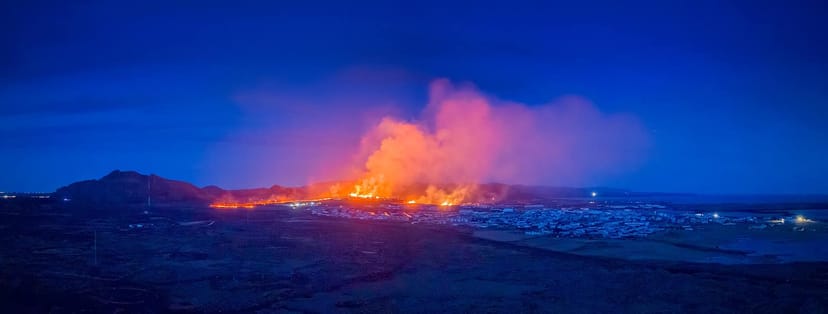
September 2026 updates on the Sundhnúkagígar Eruption in the Reykjanes Peninsula!
The current eruption in the Reykjanes Peninsula, is called Sundhnúkagígar Crater Row. See insights on the seismic activity and volcanic eruptions in the area!
Active Volcanoes in Iceland 2026
Active volcanoes aren't the same thing as active eruptions. A volcano can be considered active even when it is not ejecting ash, rock, gases and magma, so which are active in Iceland in 2026?

Top 10 Places To See the Northern Lights in Iceland
Discover the best places to see the Northern Lights in Iceland, from Jökulsárlón and Kirkjufell to Reykjavík, Þingvellir and North Iceland.
Ice Caves From Reykjavik
Planning an ice cave trip from Reykjavik? Compare Katla, Langjökull and Vatnajökull, travel times, seasons and Perlan’s ice cave in the city.