
Iceland Moss: What It Is and Why It’s Important
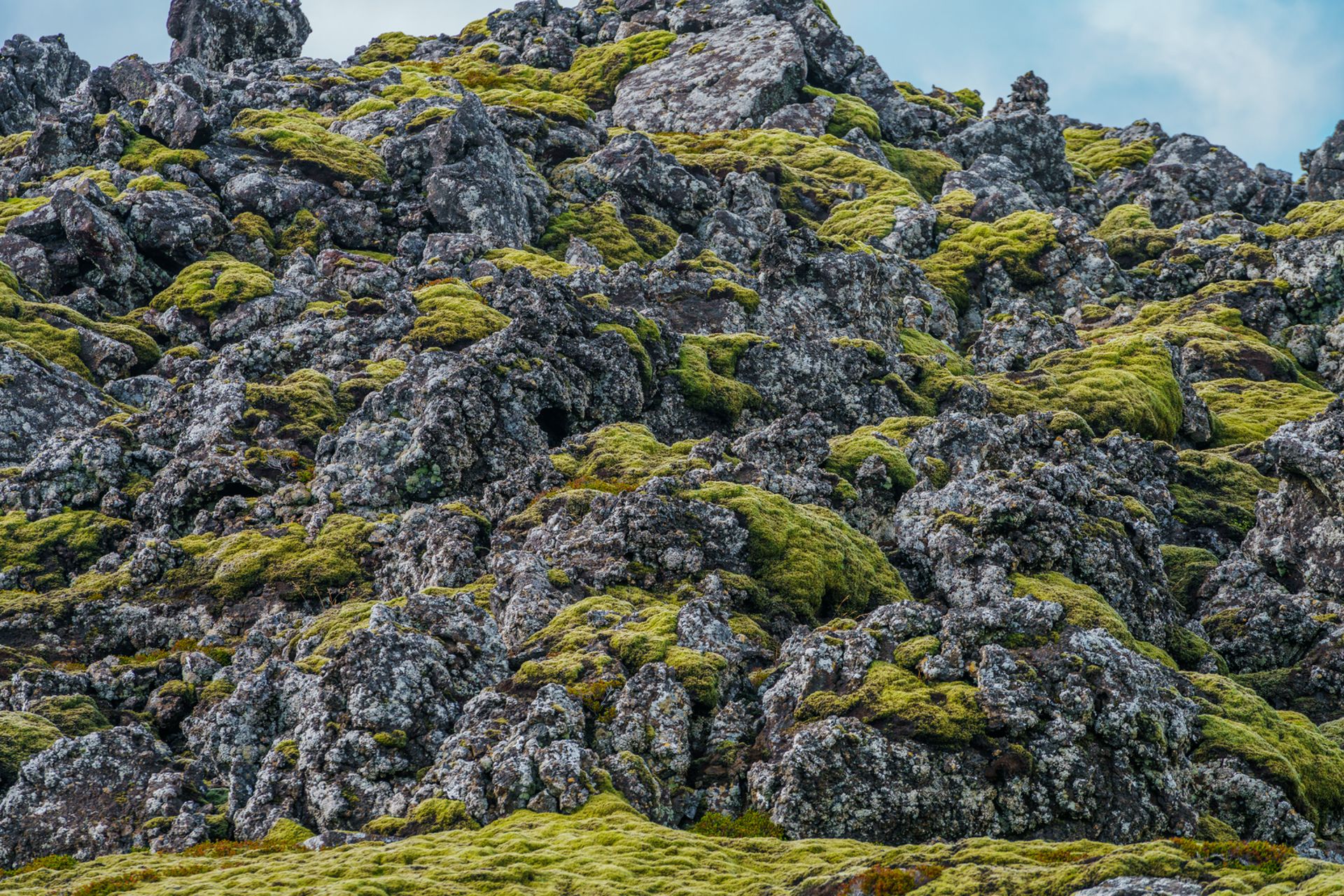
When you visit one of Iceland’s striking lava fields, you’ll notice a grayish-green organism blanketing the volcanic rocks. This is Iceland moss, a lichen that is a distinct feature of the country’s wilderness. While it’s easy to overlook, this remarkable species is one of the most significant and culturally beloved elements of Icelandic nature.
For centuries, it has been used as nourishment and medicine in northern communities. Today, it remains a vital part of the local ecosystem. In this guide, we explore Iceland moss and how you can help protect it during your travels.
What Is Iceland Moss?
In the vast, open stretches of Icelandic countryside, Iceland moss appears as a leathery carpet covering the ground. Scientifically known as Cetraria islandica, it is a hardy organism that thrives in the island's cool, subarctic climate.
You will usually see it growing across lava slopes and plains, where it clings to volcanic rock and wind-swept soil. Up close, its appearance is distinctive; instead of soft filaments, it consists of flattened lobes that fork out like miniature antlers. Iceland moss blends into its surroundings, ranging from a deep olive-brown when damp to pale gray when dry. As it lacks a traditional root system, it pulls nutrients and moisture from the air and rainfall.
Is Iceland Moss Really a Moss?
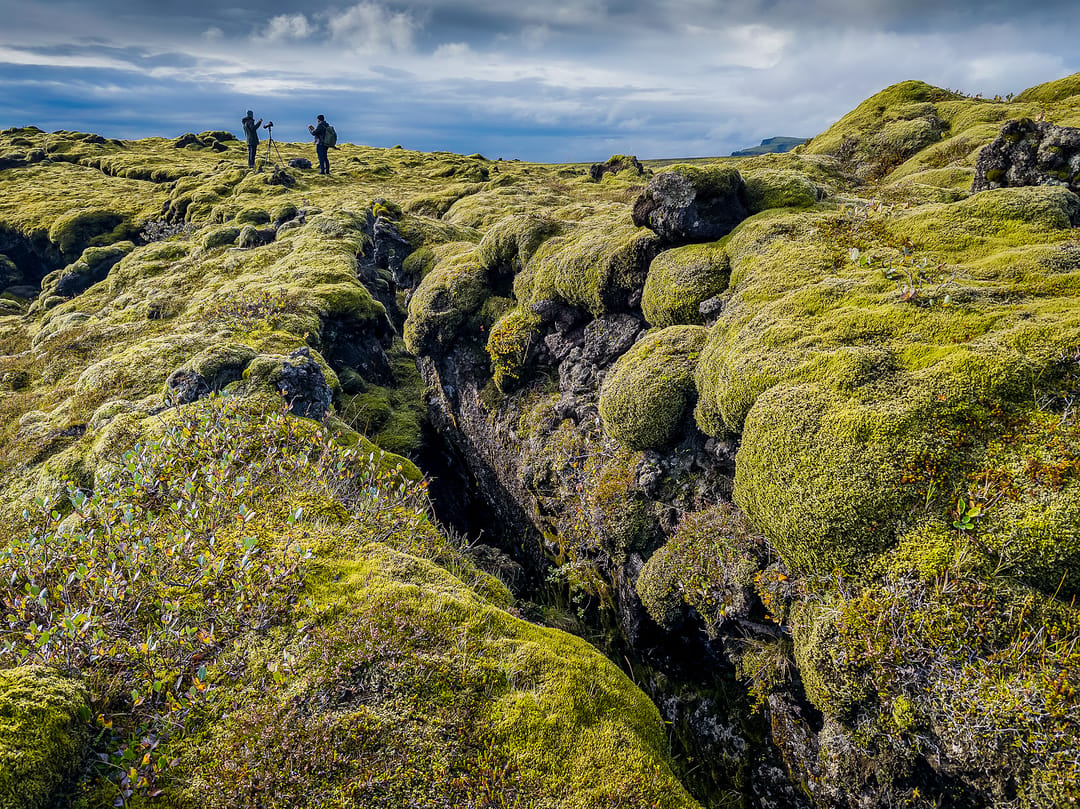
Despite its name, Iceland moss is not a true moss at all but a lichen. There is a difference: while the former is a plant, the latter is not. Instead, lichens are a fascinating partnership between two different organisms: fungi and algae. The fungus provides structure and protection, while the alga produces sugars through photosynthesis, supplying energy for both partners.
This partnership makes Cetraria islandica remarkably resilient. It allows the lichen to survive in extreme environments where most plants cannot.
A History: Cultural and Health Benefits
For generations, Icelanders have turned to this resilient lichen for both sustenance and healing. Historically, Iceland moss was an important food source during times of scarcity, especially when grain was limited. Sometimes called a “famine food,” it was gathered, dried, and soaked to remove bitterness before being ground into flour. This powder was used to thicken porridges, baked into bread, or cooked with milk to create simple, filling meals.
Beyond the kitchen, Iceland moss has also long been used in traditional medicine. It is valued for its high mucilage content, a gel-like substance that helps soothe irritated tissues. Locals often turn to it to ease coughs and sore throats, as well as digestive issues. Even today, Iceland moss remains a familiar ingredient in herbal teas and natural throat lozenges found across the country.
Why Iceland Moss Is Vital to the Ecosystem
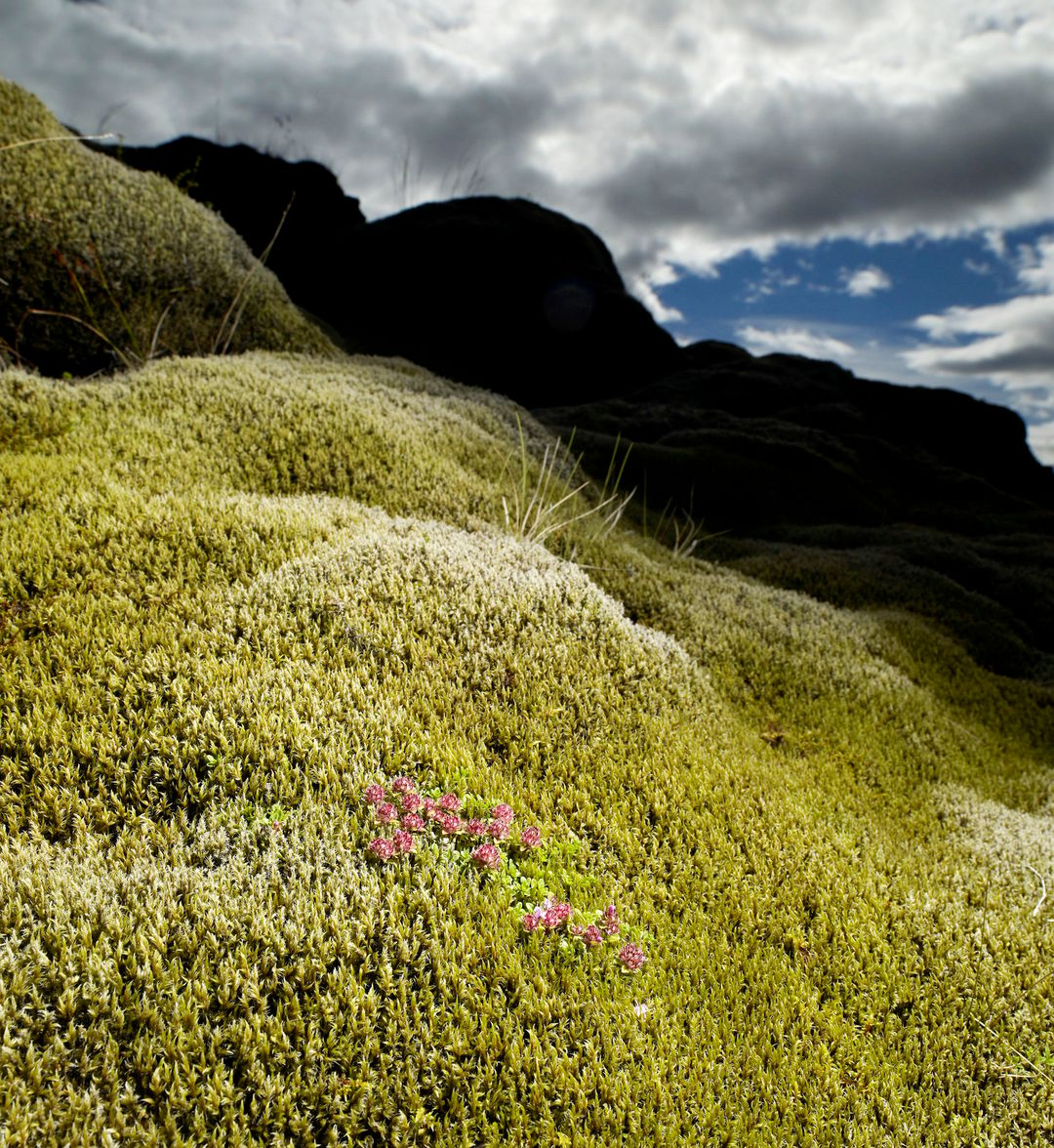
Beyond its appearance, Iceland moss plays a significant role in protecting and shaping the landscape. It helps stabilize loose volcanic soil on lava fields and plains, reducing erosion caused by wind and rain. As a pioneer species, it contributes to soil formation, making it easier for other plants to grow over time.
Iceland moss is also an important food source for reindeer, especially during winter when other vegetation is scarce. In addition, it retains moisture from rain and mist, which supports small insects and microorganisms in the local ecosystem.
Where Does Iceland Moss Grow?
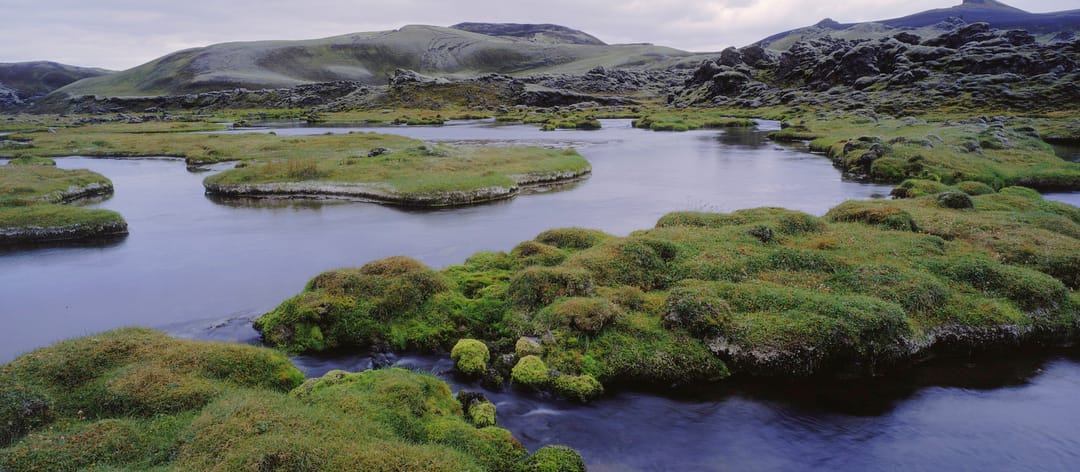
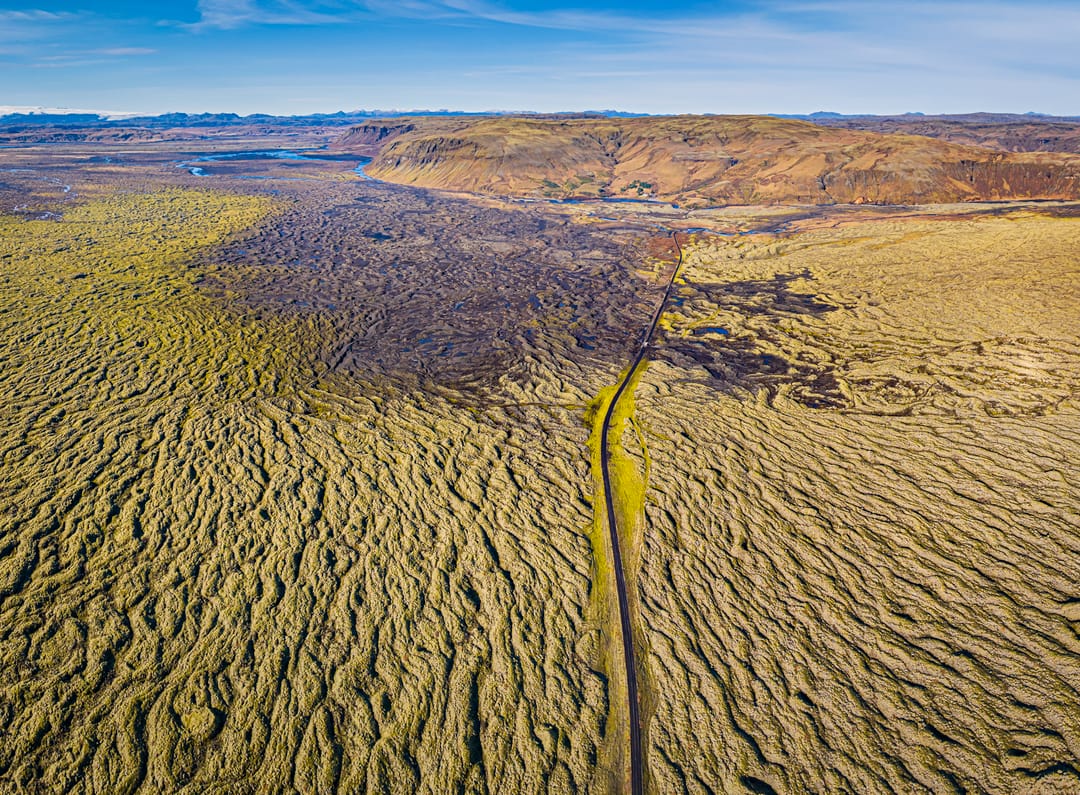
While Iceland moss can be found across the country, it thrives in environments where other greenery struggles to take hold. It is often among the first organisms to colonize newly formed landscapes after volcanic eruptions. The lichen grows directly on porous basaltic rock and thin, wind-swept soils, making lava fields ideal habitats.
Iceland moss benefits from clean air and regular moisture from rain and mist. At the same time, it can tolerate periods of dryness, allowing it to survive in exposed conditions.
If you are traveling around the island, you are likely to encounter sprawling carpets of Cetraria islandica in volcanic regions. Expect to see plenty in the Iceland Highlands, the Snæfellsnes Peninsula, and along the South Coast. When visiting Perlan in Reykjavík, take the lift to the observation deck for views of the moss-covered slopes of Öskjuhlíð Hill.
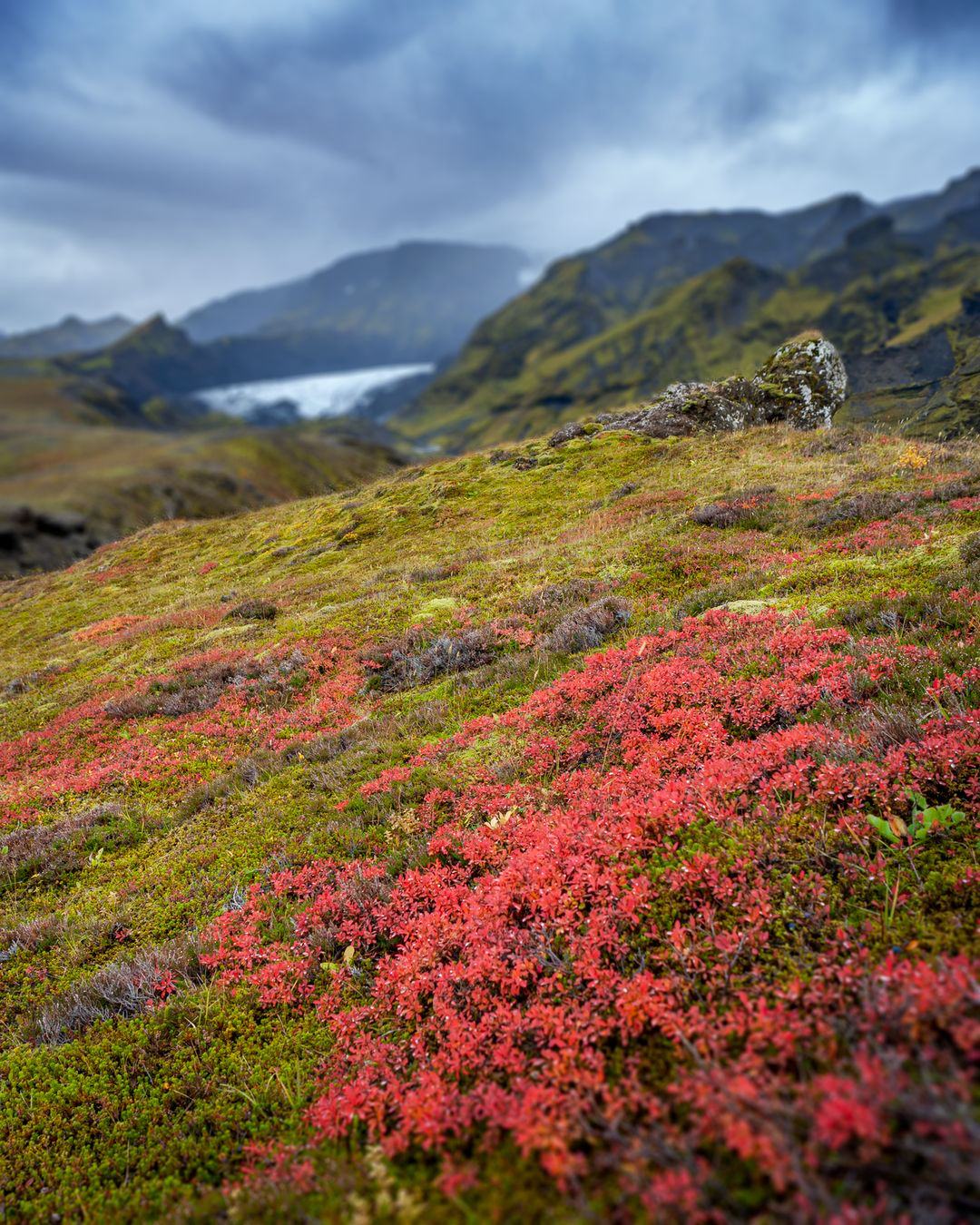
The Golden Rule: Protecting Iceland Moss in Nature
Although it is a survivor, Iceland moss is also very vulnerable to physical damage. For one, it grows at an agonizingly slow rate, often only a few millimeters per year. Any damage can take decades, or even a century, to recover. In dry conditions, the lichen becomes brittle and loses flexibility, making it easy to break into small fragments underfoot.
To help protect this important part of Iceland’s ecosystem, there is one golden rule for every traveler: never walk on Iceland moss.
- Stick to Marked Trails: Even if a path is muddy or narrow, stay within its boundaries. The ground surrounding the trails is often home to delicate ecosystems that cannot withstand human weight.
- Do Not Disturb the Lichen: It can be tempting to pick up a piece for a closer look or a photograph. However, once removed from its surface, it rarely survives.
- Avoid “Moss Art”: Rearranging, pulling up, or marking the lichen to create patterns or letters can leave scars on the landscape for years.
To learn more about Iceland’s unique ecosystem, the immersive exhibits at Perlan are an excellent place to start. There, you can explore the delicate relationship between the land and the life that depends on it. By understanding the volcanic origins of these landscapes, you can gain a deeper appreciation for the importance of preserving Iceland moss.
FAQs
The plant commonly referred to as Iceland moss is scientifically known as Cetraria islandica. Despite its name, it is not a true moss but a lichen.
Historically used as a food source during lean times, it is now primarily valued for its soothing medicinal properties. It’s a common ingredient in natural remedies for throat irritation, digestive support, and skincare.
Yes, Iceland moss can be eaten, but it must be properly processed to remove bitter compounds. Today, it is more commonly consumed in teas or herbal products rather than as a staple food.
This lichen acts as a protective layer that stabilizes volcanic soil and prevents erosion from harsh winds and rain. It also serves as a vital food source for wildlife and is a pioneer species that helps create the foundation for future plant life.
In many areas of Iceland, walking on moss is strongly discouraged and may be restricted, especially in protected sites. Even where it is not strictly illegal, visitors are expected to follow guidelines and stay on marked paths.
Popular articles
The Complete Guide to the Northern Lights in Iceland
Learn how the Northern Lights form, where to see them in Iceland, how to prepare, take photos, read the forecast, and improve your chances of a sighting.
Let's Talk About the Volcano in Iceland About to Erupt
Is a volcano in Iceland about to erupt? Here’s what travelers should know about Svartsengi, Reykjanes activity, flights, safety, and the Blue Lagoon.

Solar Eclipse 2026 in Iceland | What Happened
Iceland experienced a total solar eclipse on August 12, 2026. Discover what happened in Reykjavík, eclipse times, totality locations and more.
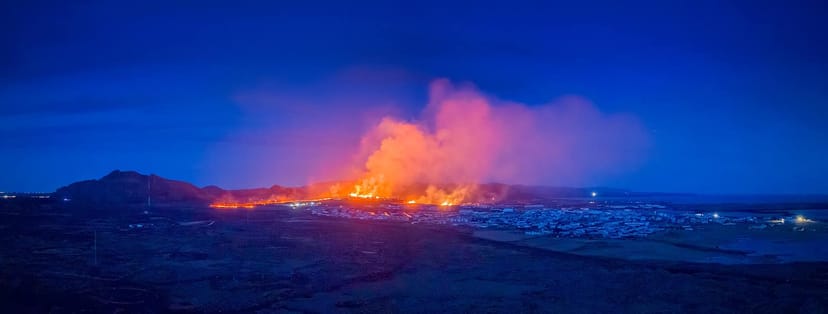
September 2026 updates on the Sundhnúkagígar Eruption in the Reykjanes Peninsula!
The current eruption in the Reykjanes Peninsula, is called Sundhnúkagígar Crater Row. See insights on the seismic activity and volcanic eruptions in the area!
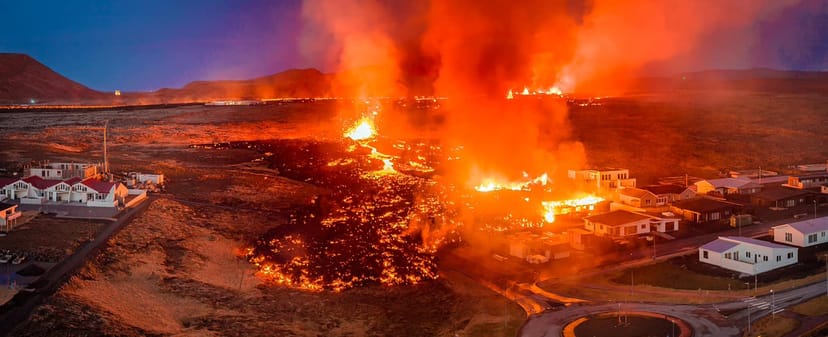
Active Volcanoes in Iceland 2026
Active volcanoes aren't the same thing as active eruptions. A volcano can be considered active even when it is not ejecting ash, rock, gases and magma, so which are active in Iceland in 2026?
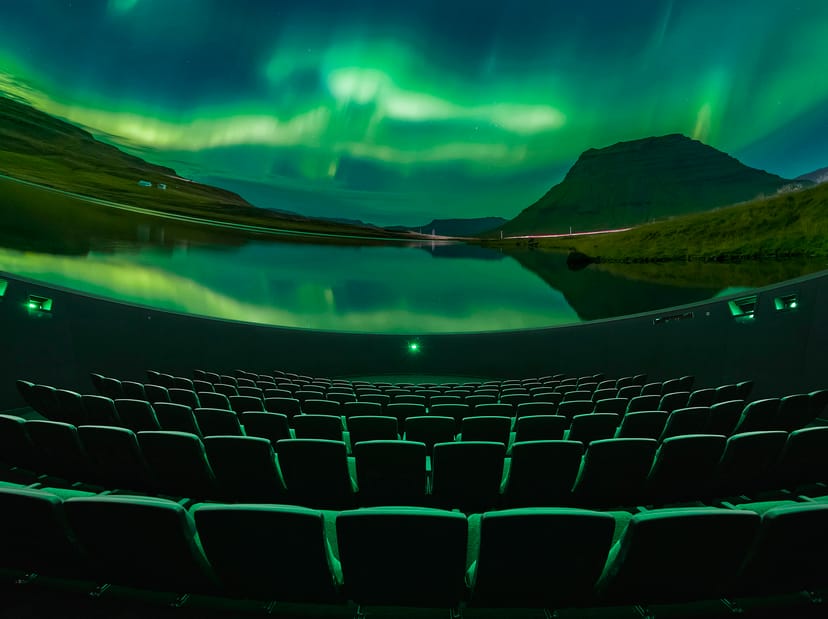
Top 10 Places To See the Northern Lights in Iceland
Discover the best places to see the Northern Lights in Iceland, from Jökulsárlón and Kirkjufell to Reykjavík, Þingvellir and North Iceland.
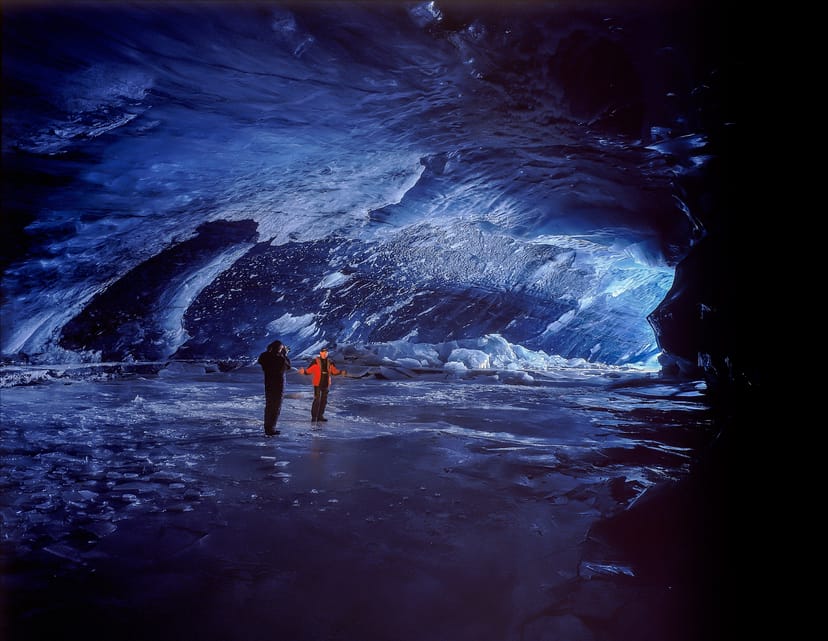
Ice Caves From Reykjavik
Planning an ice cave trip from Reykjavik? Compare Katla, Langjökull and Vatnajökull, travel times, seasons and Perlan’s ice cave in the city.