
The Best Places to Learn About Volcanoes and Eruptions in Iceland
In Iceland, the raw power of the Earth is on full display. This island nation, straddling the boundary of two tectonic plates, is a landscape sculpted by both fire and ice. It is a living classroom where glaciers, lava fields, and geysers rumble with the planet’s restless energy. Nowhere are Earth’s forces more visible than in (and around) its volcanoes.
While dramatic eruptions may grab the headlines, Iceland offers safe, year-round ways to explore and understand its volcanic heritage. From interactive volcano museums in Iceland to guided hikes across recent eruption sites, Iceland invites travellers to witness geology in action. Few places on Earth offer such a close look into the forces that continue to shape our planet.
Why Learn About Iceland’s Volcanoes?
Iceland offers a rare and powerful education that you can't get anywhere else. It's the ultimate living laboratory because you can see Earth's forces in action firsthand.
The island sits over the Mid-Atlantic Ridge, the seam between the North American and Eurasian tectonic plates. This unique location fuels 32 active volcanic systems. Learning about them means you get to understand the active forces that shape continents and affect the world.
More importantly, studying these active systems provides crucial insights into global issues. Lessons learned in Iceland, from harnessing geothermal energy to mitigating the risk of volcanic hazards, have international relevance.
Top Places to Explore Iceland’s Volcanic Wonders
Ready to experience the heat? The country is home to a dynamic spectrum of attractions, from high-tech volcano visitor centres in Iceland to rugged eruption sites. Whether you choose immersive museum experiences or join expert-led Iceland volcano tours, these are the essential venues to visit.
1. LAVA Centre – The Pulse of Iceland’s Volcanic Activity
Located in Hvolsvöllur, the LAVA Centre is a state-of-the-art hub for understanding seismic activity, including recent volcanic eruptions, in Iceland. It is a great stop for geological discovery, making scientific processes accessible for kids and adults alike.
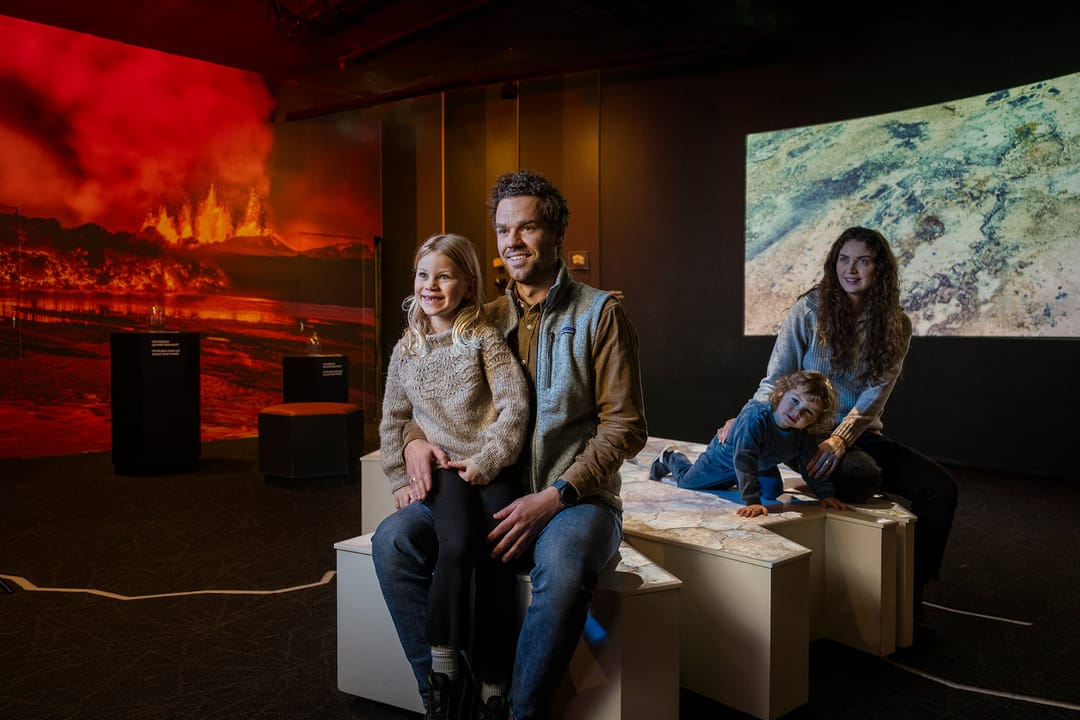
Inside, informative exhibits, interactive displays, and earthquake simulators uncover how volcanoes, earthquakes, and tectonic plates are interconnected. A real-time monitoring display showcases current volcanic and seismic activity in Iceland. Meanwhile, the panoramic cinema plays films that dive into the country’s rich, dynamic volcanic history.
2. Perlan’s Wonders of Iceland – Reykjavík’s Window Into the Earth
Sitting in Reykjavík’s iconic glass-domed landmark on Öskjuhlíð hill is Perlan. A compelling introduction to the forces that shaped the country, this interactive science museum delivers one of the best Iceland geology experiences.
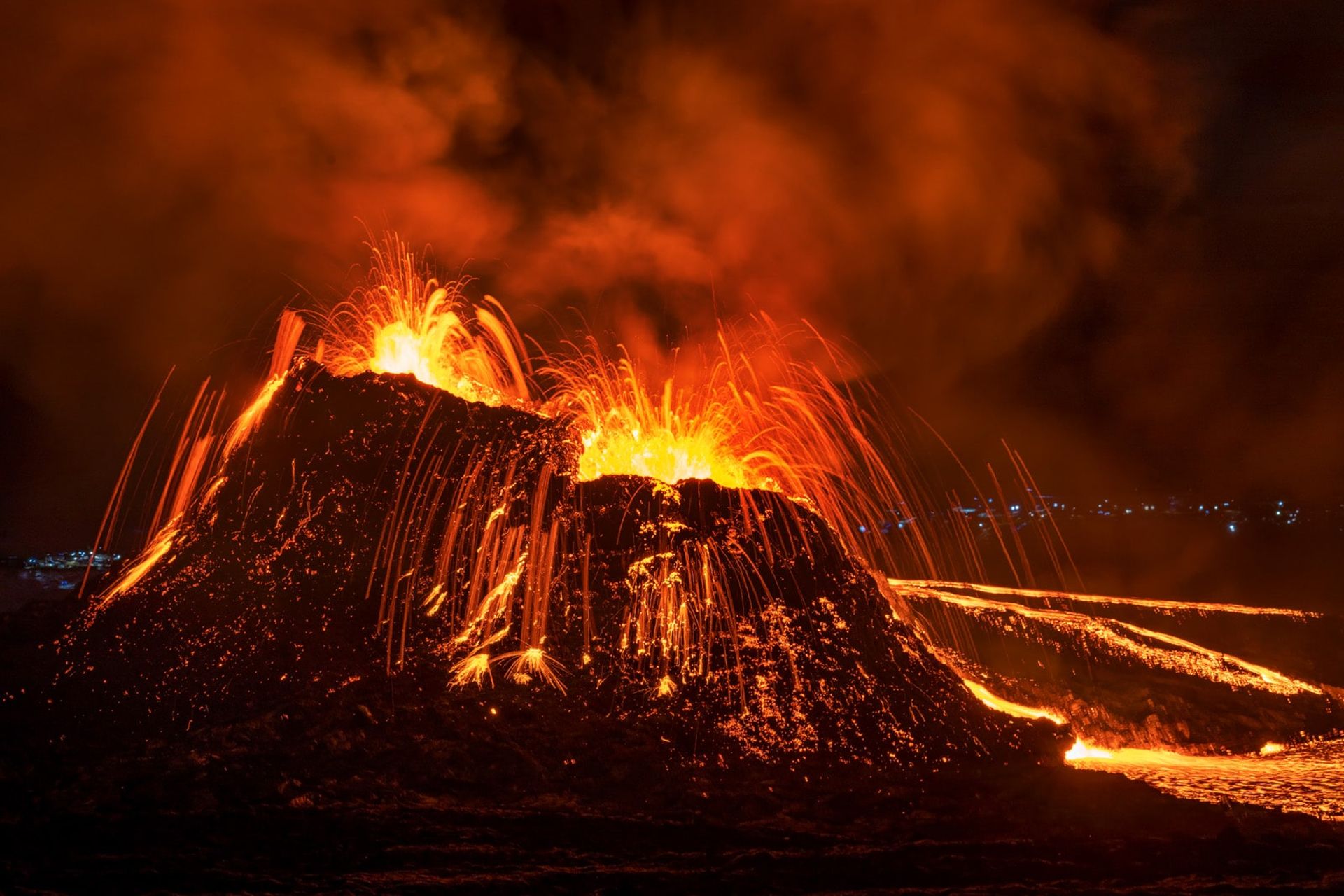
Perlan serves as a major venue for volcano exhibitions in Reykjavík, exploring the country’s seismic activity, geothermal energy, and tectonic plate dynamics. The highlight is the cinematic Volcano Show. It takes viewers into the heart of the recent Reykjanes eruptions (including the Fagradalsfjall event) using high-definition footage and sound.
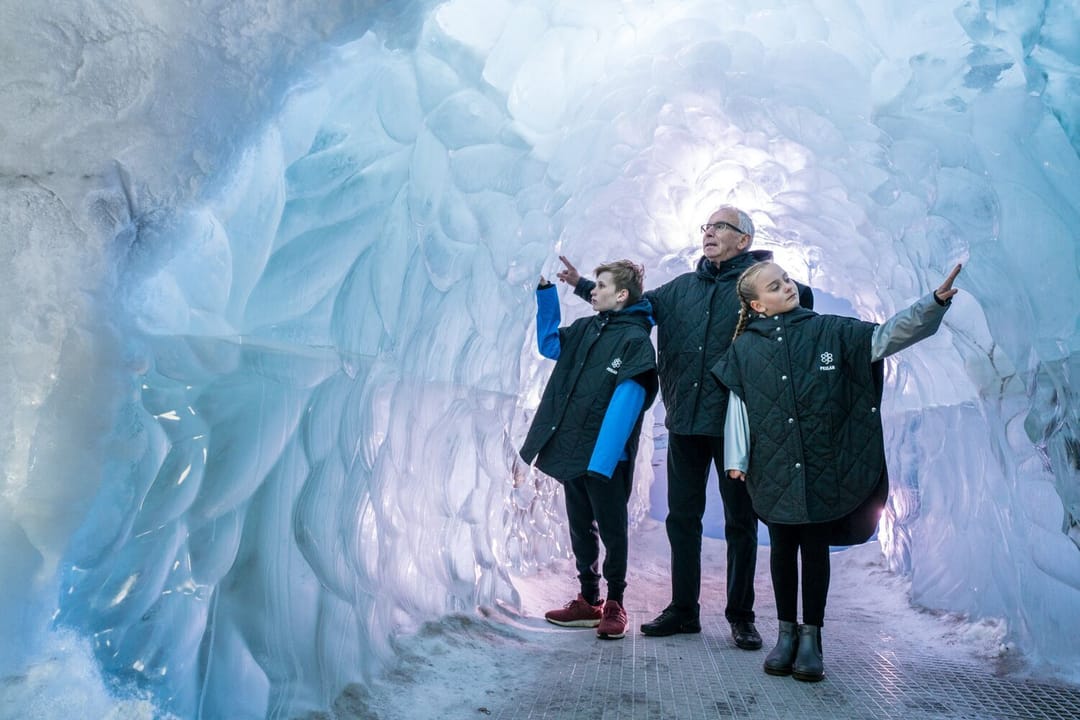
Beyond the fire lies the ice. Perlan’s indoor Ice Cave is built from over 350 tonnes of snow and ice, recreating the frozen beauty of Iceland’s glaciers. Visitors can also access the 360° observation deck beneath the dome, offering sweeping views of Reykjavík. On clear days, distant volcanic peaks are even visible, a timeless reminder of the island’s fiery might.
3. Eldheimar Museum – Life and Loss on Heimaey Island
On the remote but captivating Westman Islands, the Eldheimar Museum is often called the “Pompeii of the North.” Built around the remains of homes buried during the sudden 1973 Eldfell eruption, the exhibition is a moving tribute to resilience. Walk through preserved ruins, listen to survivor accounts, and gain a better understanding and respect for volcanic hazards in Iceland.
This museum is both powerful and personal, a poignant reminder that Iceland’s wild geology has a deep, human history.
4. Þríhnúkagígur Volcano – Inside the Magma Chamber
Few Iceland geology experiences compare to descending into the heart of a volcano. Þríhnúkagígur, located just outside Reykjavík, is the only place on Earth where visitors can safely explore an intact magma chamber. This geological marvel is one of Iceland's most unique iceland eruption sites. It’s open and accessible because, after its last eruption about 4,500 years ago, the magma simply drained away instead of hardening.
Guided tours use an open elevator to lower you 120 metres (400 feet) into the colossal, bottle-shaped vault. Inside, the walls are a kaleidoscope of colours created by ancient mineral deposits.
5. Snæfellsjökull and Vatnajökull National Parks
For travellers seeking to experience Iceland’s volcanoes in their raw, natural context, these parks provide the perfect field trip. Ranger-led walks and visitor centres offer insights into eruptions, glaciers, and plate tectonics. These areas perfectly combine hands-on adventure with deep geological insight, making them excellent alternatives to traditional volcano museums in Iceland.
- Snæfellsjökull National Park: This park is crowned by the magnificent, glacier-topped stratovolcano immortalised in Jules Verne’s Journey to the Center of the Earth. Here, you can explore ancient lava caves and craters. It's a good spot for exploring older Icelandic eruption sites safely.
- Vatnajökull National Park: A UNESCO World Heritage site, this park is defined by the colossal Vatnajökull ice cap, which covers some of the country’s most active volcanic systems. Its visitor centres and hiking trails directly demonstrate plate tectonics, glacial forces, and the resulting jökulhlaups (glacial outburst floods).
6. Reykjanes Peninsula
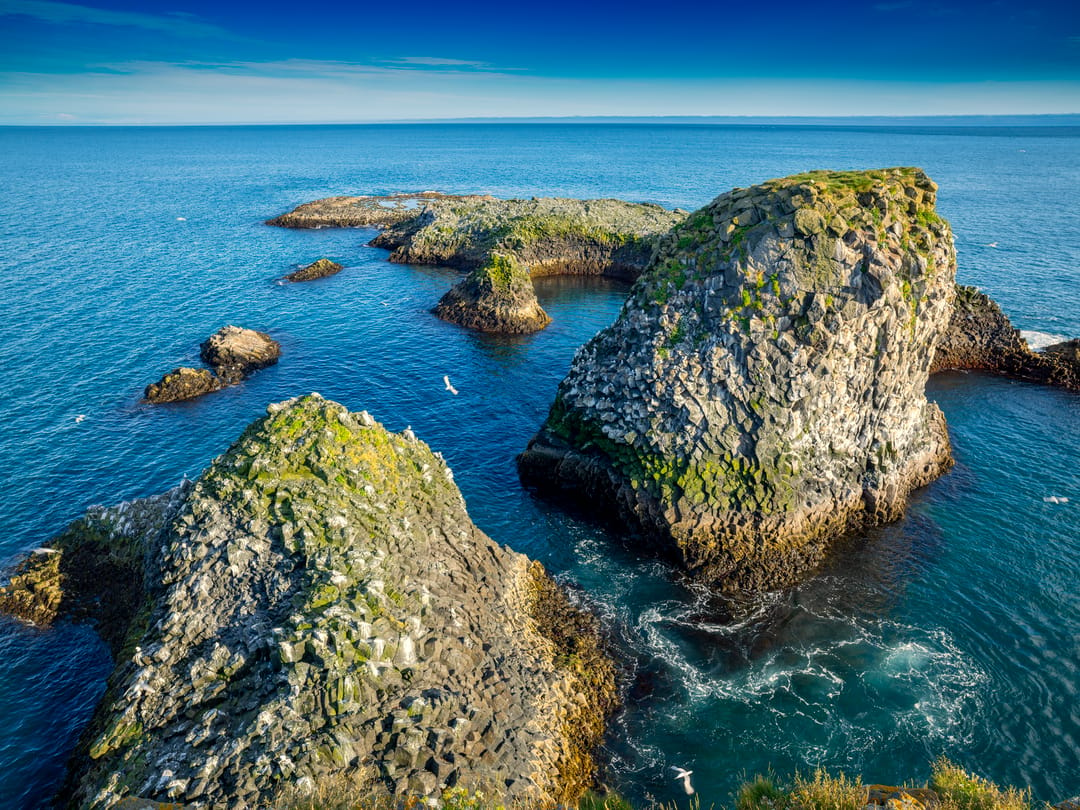
Because it lies along the Mid-Atlantic Ridge, the Reykjanes Peninsula is among Iceland's most active and dynamic regions. Since 2021, this peninsula has been the stage for a series of transformative eruptions, most recently at the Sundhnúkagígar crater row. This makes it a fascinating destination for witnessing the state of Iceland’s volcanic activity in 2025.
Expert-led Iceland volcano tours are the safest and best way to experience this powerful geological shift. Local guides provide safety briefings and navigate visitors along routes where they can walk on cooled, newly formed lava fields.
Plan Your Journey into Iceland’s Fire and Earth
From curated exhibits of volcano museums in Iceland to volcano tours winding through rugged paths, the country’s fiery power is enlightening. Every experience deepens your connection to this island’s extraordinary, active geology.
To ensure a smooth and rewarding trip, plan ahead:
- Book Early: Iceland's popularity means that the best Iceland volcano tours, famous volcano museums, and popular attractions book up weeks or even months in advance. Secure your spots early.
- Time Your Visit Well: While the main attractions are open year-round, summer (June to August) offers the mildest weather and extra-long hours of daylight. Thus, summer is ideal for hiking to Iceland's eruption sites. Shoulder seasons offer fewer crowds, while winter offers the best chance to see the Northern Lights glow above the landscape.
- Start in Reykjavík: Begin your geological education in the capital. For the best immersive experience, book your tickets for Perlan’s Wonders of Iceland online to ensure your entry and easily access the Volcano Show.
With exhibitions running year-round, it is easier than ever to witness and learn about Iceland's volcanoes and how these incredible forces shape the country.
Experience Iceland’s Volcanic Story
Don’t wait for the next eruption to discover Iceland’s volcanic wonders. Iceland is the ultimate living laboratory. Wherever you go, you’ll leave with a new appreciation for the restless energy beneath your feet.
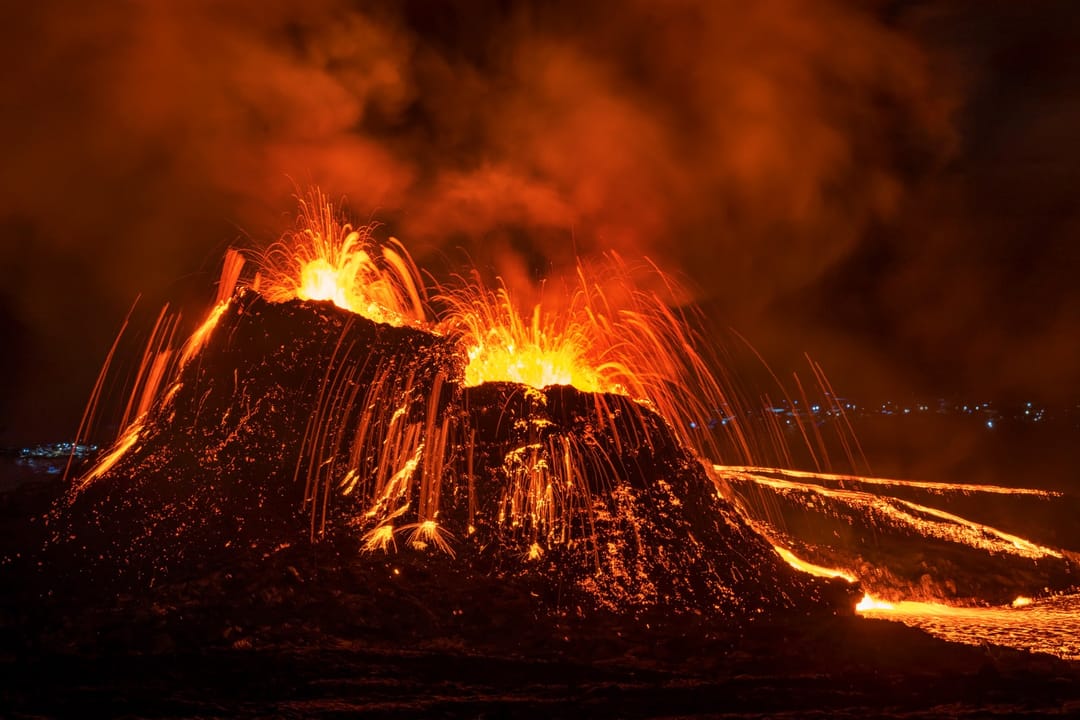
Popular articles
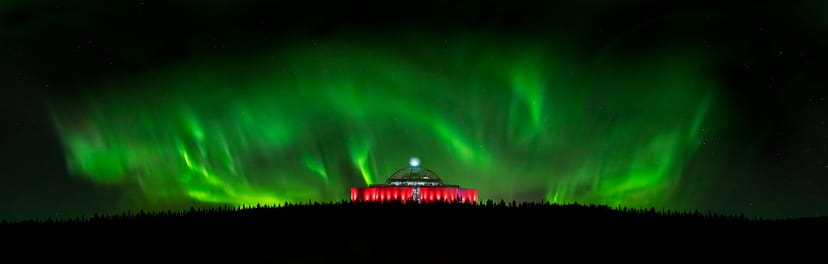
The Complete Guide to the Northern Lights in Iceland
Learn how the Northern Lights form, where to see them in Iceland, how to prepare, take photos, read the forecast, and improve your chances of a sighting.
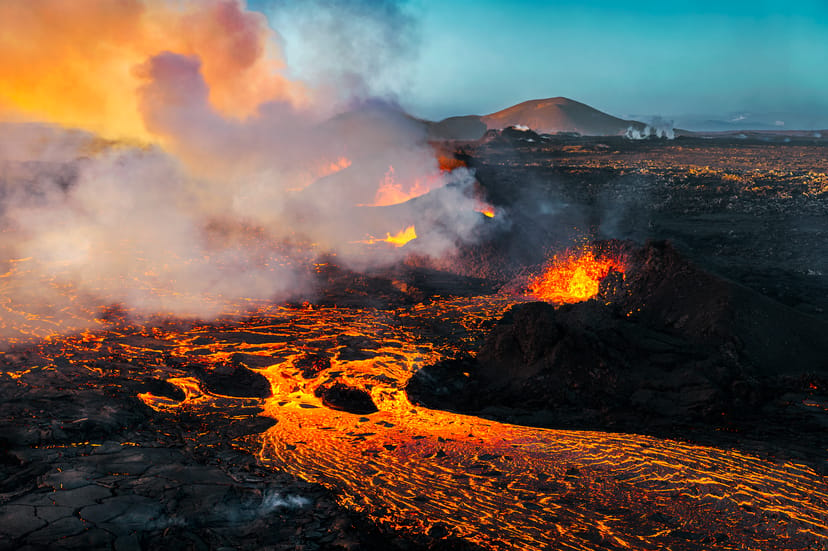
Let's Talk About the Volcano in Iceland About to Erupt
Is a volcano in Iceland about to erupt? Here’s what travelers should know about Svartsengi, Reykjanes activity, flights, safety, and the Blue Lagoon.
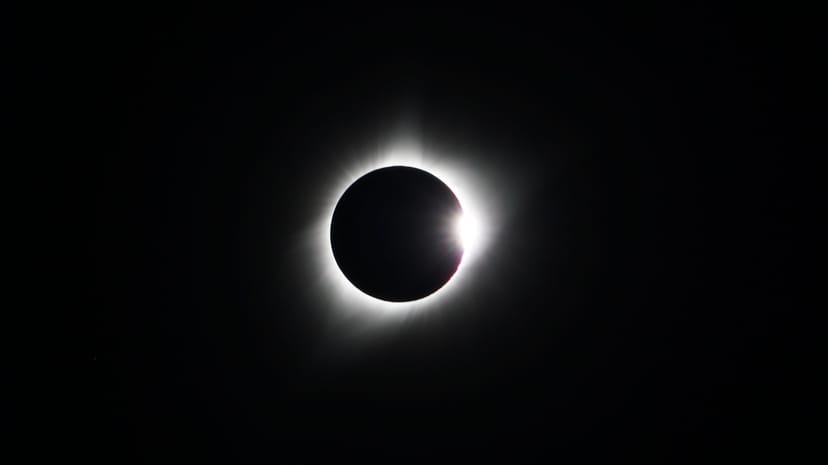
Solar Eclipse 2026 in Iceland | What Happened
Iceland experienced a total solar eclipse on August 12, 2026. Discover what happened in Reykjavík, eclipse times, totality locations and more.
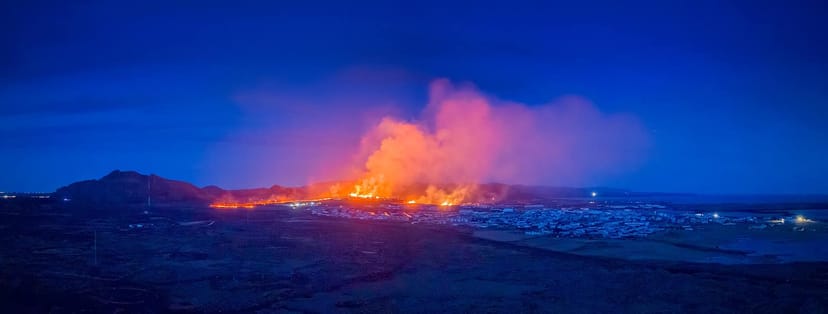
September 2026 updates on the Sundhnúkagígar Eruption in the Reykjanes Peninsula!
The current eruption in the Reykjanes Peninsula, is called Sundhnúkagígar Crater Row. See insights on the seismic activity and volcanic eruptions in the area!
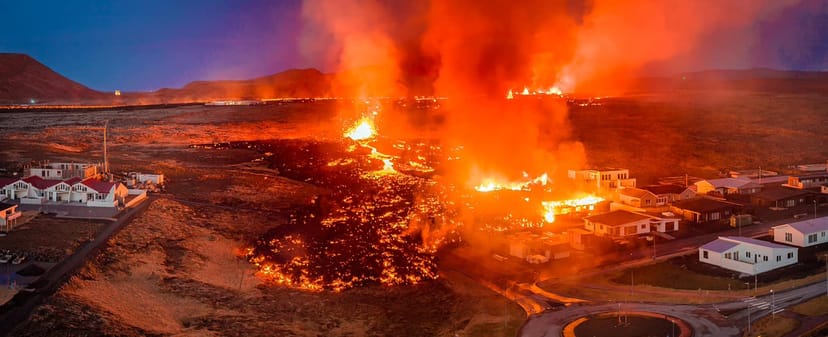
Active Volcanoes in Iceland 2026
Active volcanoes aren't the same thing as active eruptions. A volcano can be considered active even when it is not ejecting ash, rock, gases and magma, so which are active in Iceland in 2026?
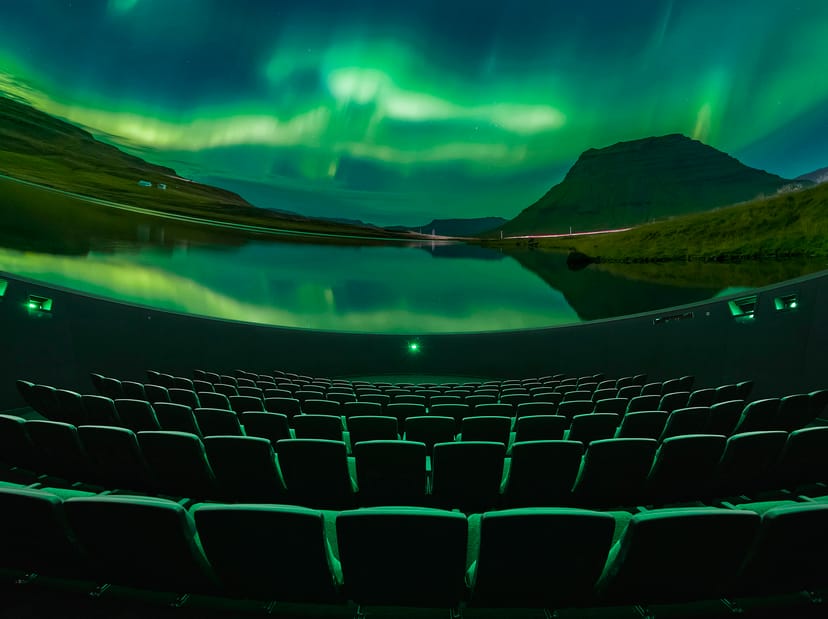
Top 10 Places To See the Northern Lights in Iceland
Discover the best places to see the Northern Lights in Iceland, from Jökulsárlón and Kirkjufell to Reykjavík, Þingvellir and North Iceland.
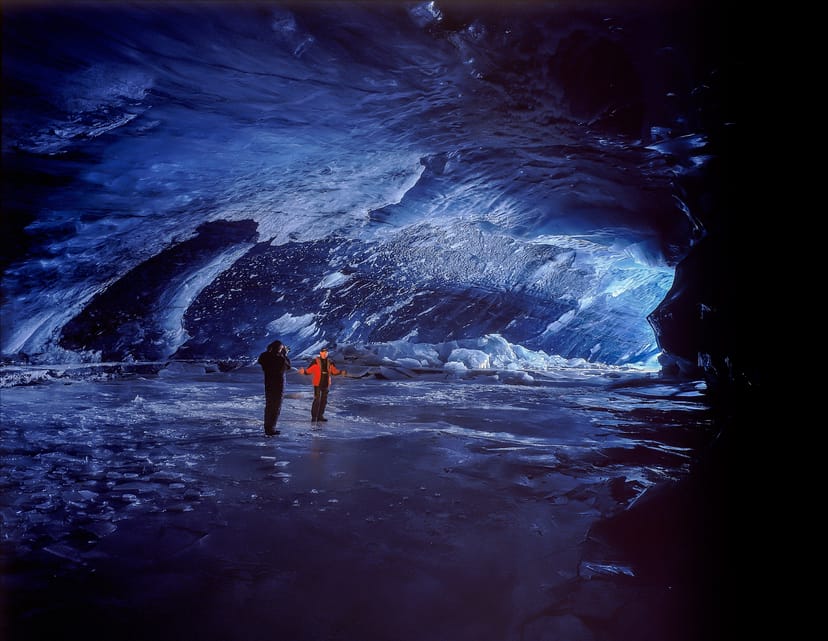
Ice Caves From Reykjavik
Planning an ice cave trip from Reykjavik? Compare Katla, Langjökull and Vatnajökull, travel times, seasons and Perlan’s ice cave in the city.