
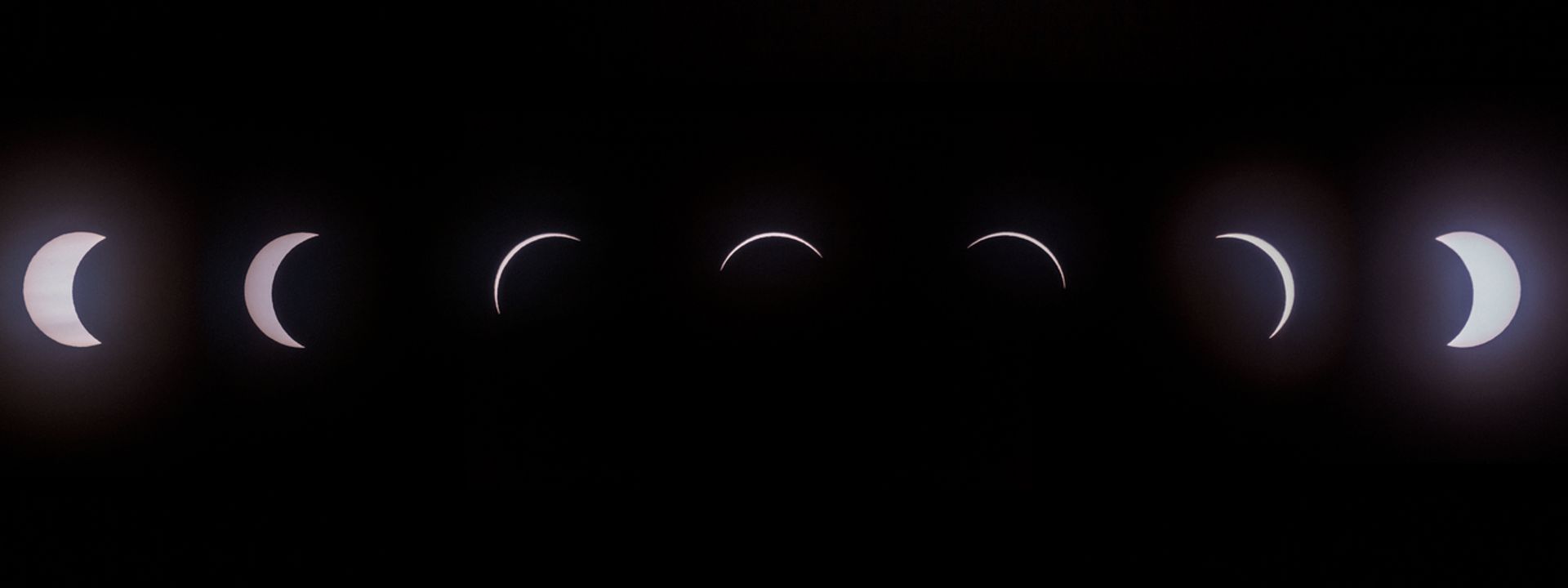
A Partial Solar Eclipse in Iceland
On March 29, 2025, a partial solar eclipse was visible across Iceland. In Reykjavík, the eclipse began at 10:05, reached its maximum at around 11:05, and ended at 12:07. At maximum eclipse, the Moon covered roughly two-thirds of the Sun, creating a distinct crescent shape in the sky.
What is a Solar Eclipse?
A solar eclipse occurs when the Moon moves between the Earth and the Sun, blocking some or all of the Sun’s light. It happens only during a new moon when the three celestial bodies align perfectly.
Different types of solar eclipses can be seen depending on the moon’s position and the observer’s location.
Types of Solar Eclipses
Curious about the different ways the moon can block the sun? Read our full guide on the types of solar eclipses.
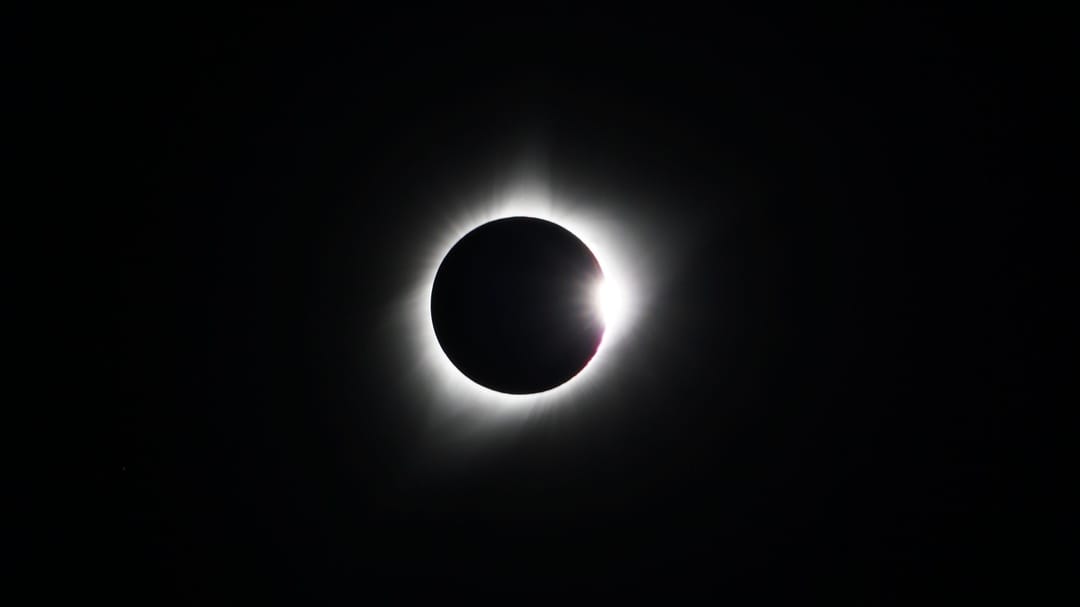
Total Solar Eclipse
The Moon completely covers the Sun, causing the sky to darken dramatically for a short period. A total solar eclipse crossed western Iceland on August 12, 2026, including Reykjavík and other locations within the path of totality.
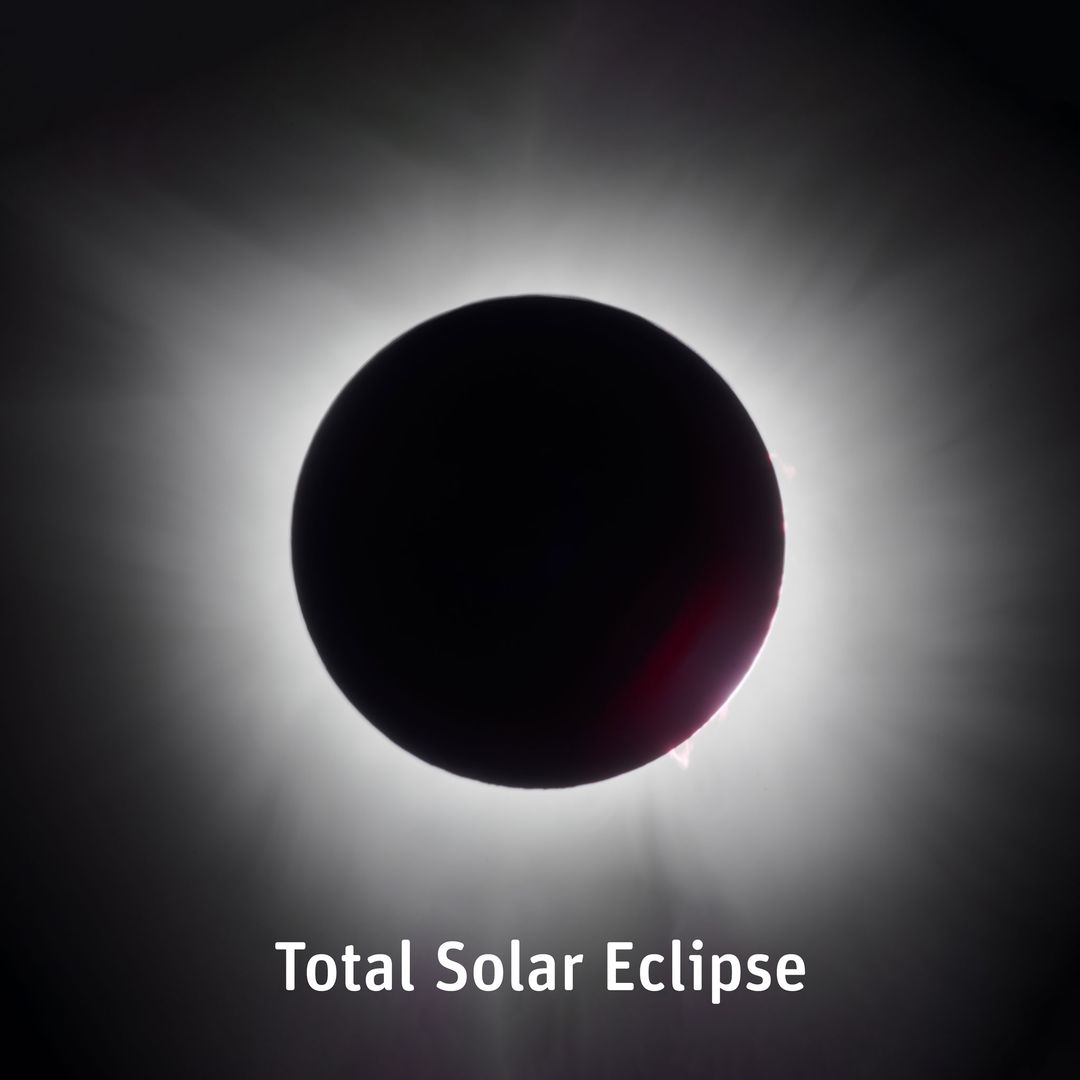
Partial Solar Eclipse (March 29, 2025 in Iceland)
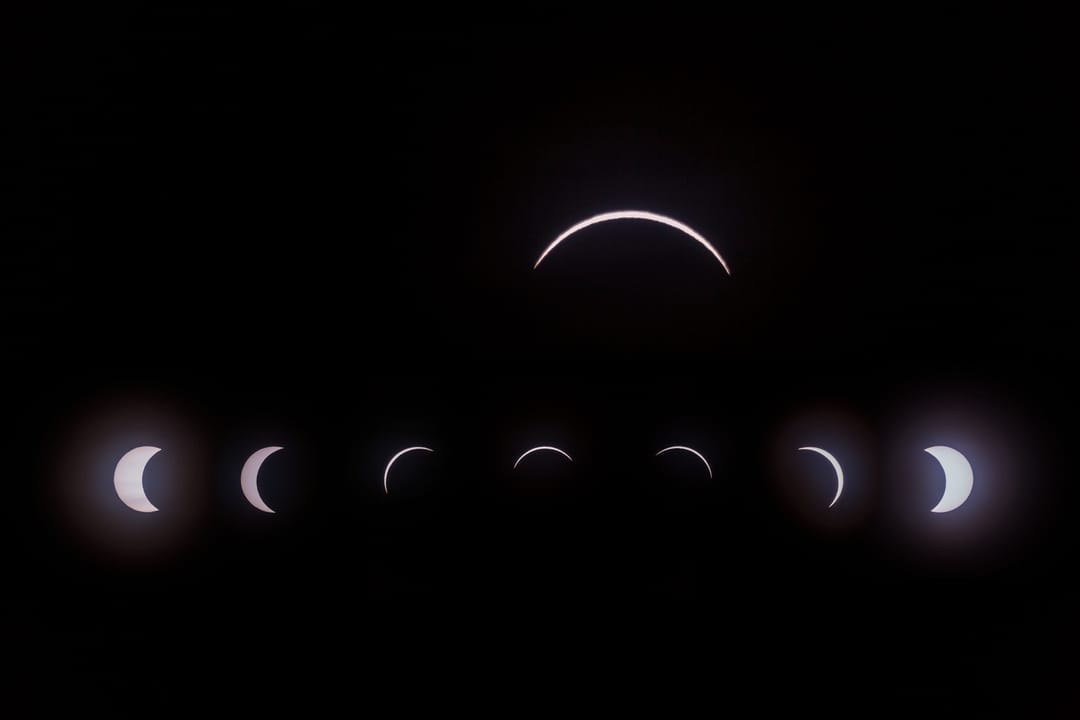
During the March 29, 2025 eclipse, the Moon covered part of the Sun, creating a crescent shape. In Reykjavík, around 67% of the Sun was covered at maximum eclipse. Safe viewing of a partial solar eclipse always requires suitable solar eclipse glasses or solar filters.
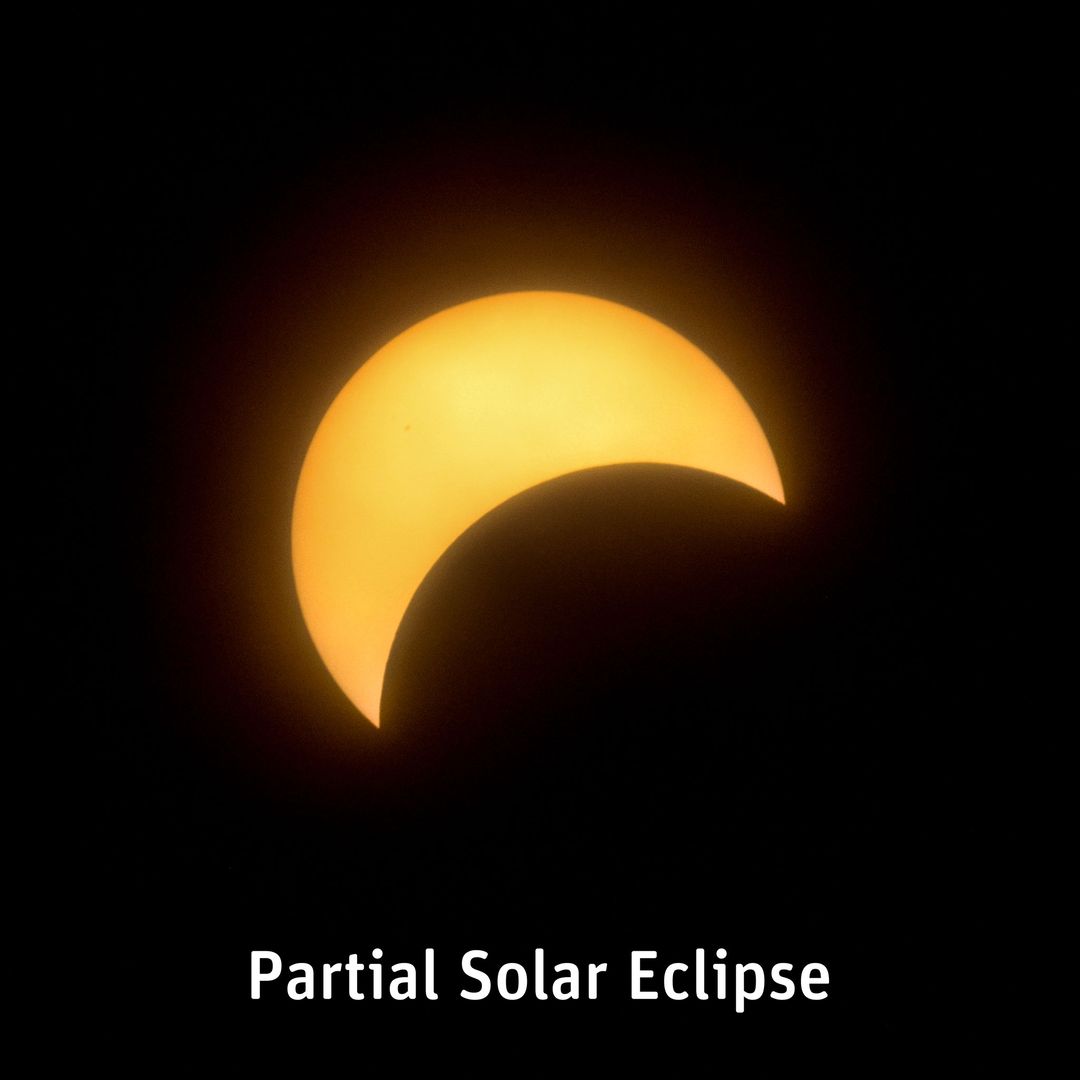
Annular Solar Eclipse
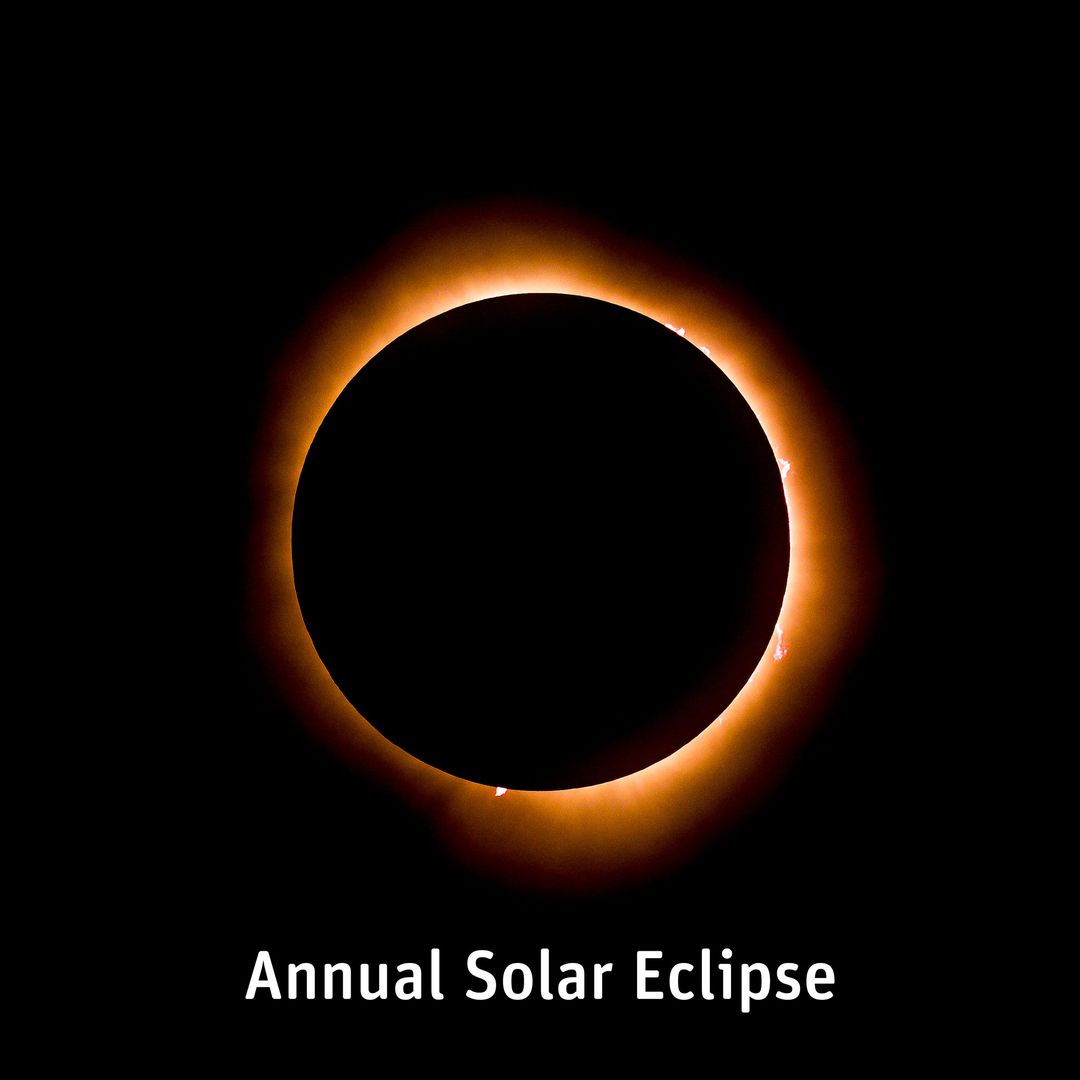
The moon is too far from the Earth to fully cover the sun, leaving a ring of fire around its edges. It occurs when the moon is at its apogee (the farthest point from Earth). The next annular eclipse visible from Iceland will be on June 11, 2048.
Hybrid Solar Eclipse
It is a rare eclipse that shifts between total and annular depending on the viewer's location.
Why Do Solar Eclipses Occur?
Solar eclipses happen because of the precise alignment of the sun, moon, and earth. Since the moon’s orbit is tilted, an eclipse doesn’t occur every month—only when the moon crosses the ecliptic plane during a new moon.
The Earth’s shadow does not play a role in solar eclipses (unlike lunar eclipses). Instead, the moon’s shadow creates regions where the eclipse is total, partial, or annular.
Solar Eclipse vs. Lunar Eclipse
Solar and lunar eclipses are related but occur in opposite ways:
Differences
Solar Eclipse | Lunar Eclipse |
|---|---|
Occurs when the moon blocks the sun | Occurs when the Earth blocks sunlight to the moon |
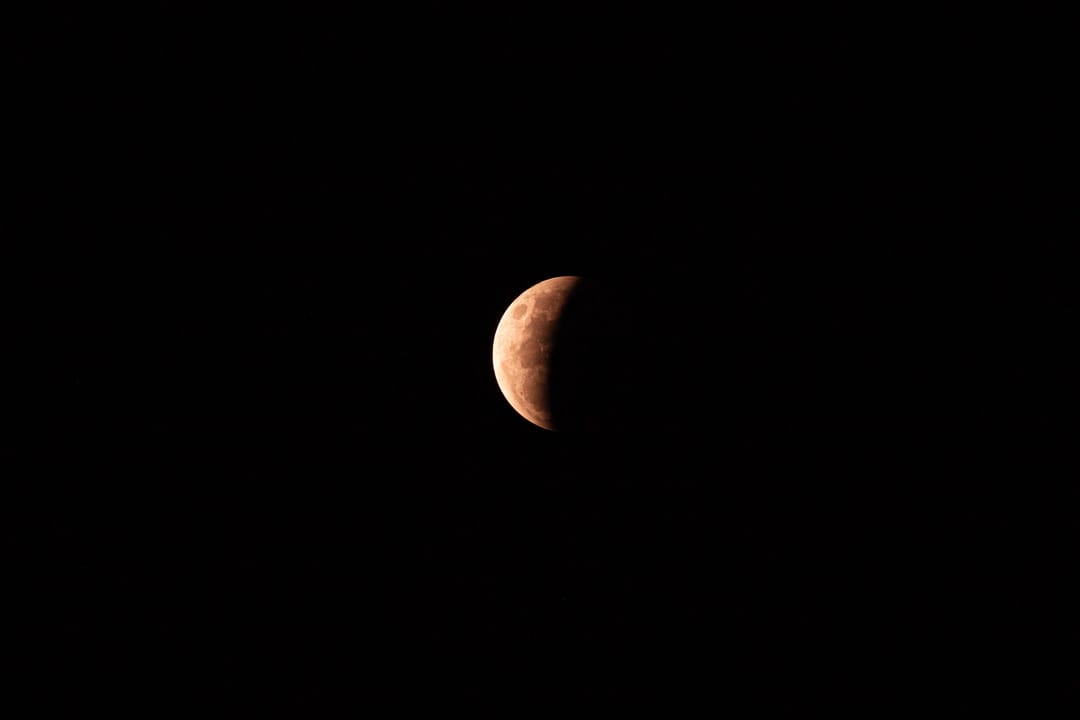
Happens during a new moon | Happens during a full moon |
Visible from a small region on earth | Visible from anywhere with a nighttime sky |
Safe to view: ONLY with protective glasses and NEVER look directly at it | Safe to view: Safe to view with the naked eye |
For a more in-depth comparison, check out our article on solar eclipse vs lunar eclipse to learn their key differences.
When is the Next Solar Eclipse?
After the March 29, 2025, eclipse, the next visible solar eclipse will be a total solar eclipse on August 12, 2026 in Iceland. Iceland will witness a nearly total eclipse, with some areas experiencing totality. This is the only total eclipse Icelanders can experience until 2196!
Watch a Solar Eclipse from Perlan
If you want the best view of the partial solar eclipse in Reykjavík, Perlan is an ideal spot. Perlan has many advantages:
- 360-degree observation deck for an unobstructed view of the sky.
- State-of-the-art planetarium to learn about solar eclipses before witnessing one.
- Away from city glare, making it an excellent spot for eclipse photography.
- Whether you're a local or visiting Iceland, Perlan offers an educational and exciting way to experience this celestial event.
Looking Back at the March 2025 Eclipse
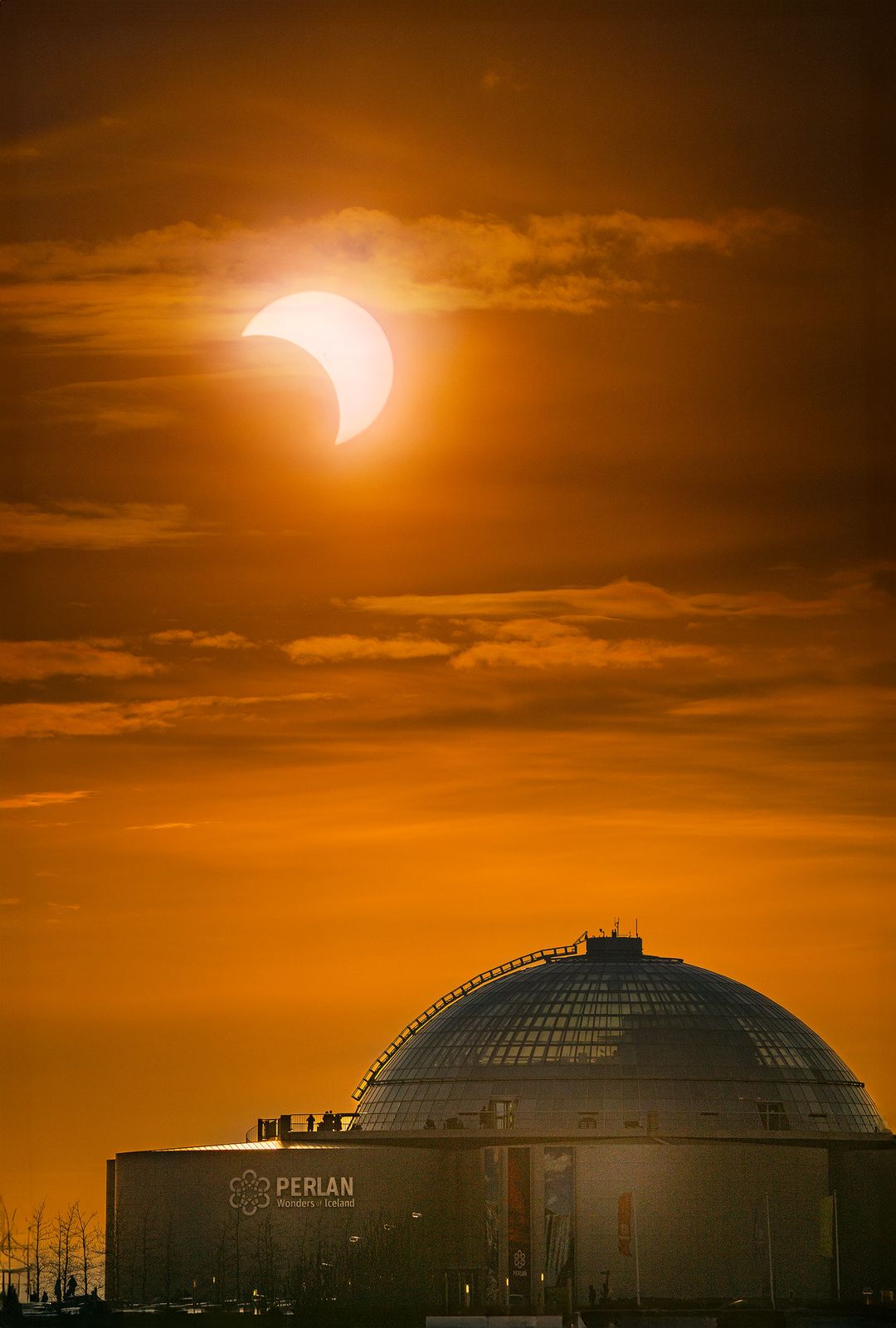
The March 29, 2025 partial solar eclipse gave people across Iceland the opportunity to see the Moon pass across the Sun. Conditions in western Iceland allowed observers to see and photograph the eclipse, including its crescent shape around maximum coverage.
FAQ
During a total solar eclipse, the sky darkens, stars become visible, and the sun appears as a black disk with a glowing corona. The sun resembles a crescent in a partial eclipse, as the moon covers part of it.
Never look directly at the sun without solar eclipse glasses or a solar filter on your telescope or camera. Regular sunglasses are NOT safe for viewing. Always use certified solar eclipse glasses to protect your eyes while viewing the eclipse.
Exact times vary by location, but Reykjavík will see the eclipse in the late morning to early afternoon.
March 29, 2025, the eclipse will be partial in Iceland. The next total eclipse visible in Iceland will be on August 12, 2026.
You must use a solar filter to protect your camera sensor. A tripod and a zoom lens will help capture the best shots. Check out our solar eclipse photography tips for the best camera settings and safety measures.
Perlan is one of the best spots due to its high elevation and unobstructed views of the sky. Plus, you can visit the planetarium to learn more about solar eclipses.
Solar eclipses occur 2-5 times per year somewhere on Earth, but total eclipses at the exact location are much rarer, happening roughly once every 375 years.
Want to know some amazing trivia about solar eclipses? Check out these solar eclipse fun facts.
Popular articles
The Complete Guide to the Northern Lights in Iceland
Learn how the Northern Lights form, where to see them in Iceland, how to prepare, take photos, read the forecast, and improve your chances of a sighting.
Let's Talk About the Volcano in Iceland About to Erupt
Is a volcano in Iceland about to erupt? Here’s what travelers should know about Svartsengi, Reykjanes activity, flights, safety, and the Blue Lagoon.
Solar Eclipse 2026 in Iceland | What Happened
Iceland experienced a total solar eclipse on August 12, 2026. Discover what happened in Reykjavík, eclipse times, totality locations and more.
September 2026 updates on the Sundhnúkagígar Eruption in the Reykjanes Peninsula!
The current eruption in the Reykjanes Peninsula, is called Sundhnúkagígar Crater Row. See insights on the seismic activity and volcanic eruptions in the area!
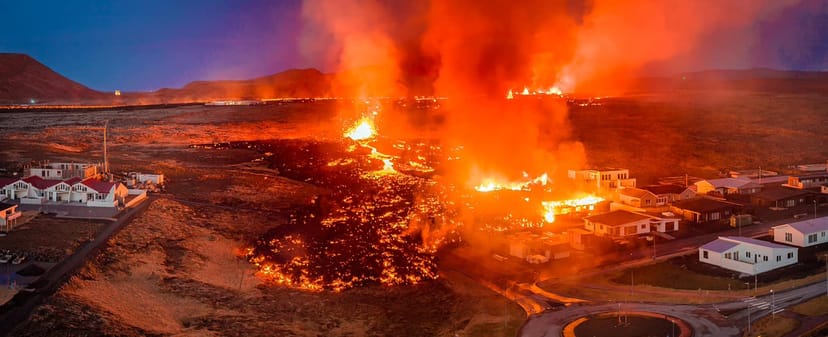
Active Volcanoes in Iceland 2026
Active volcanoes aren't the same thing as active eruptions. A volcano can be considered active even when it is not ejecting ash, rock, gases and magma, so which are active in Iceland in 2026?
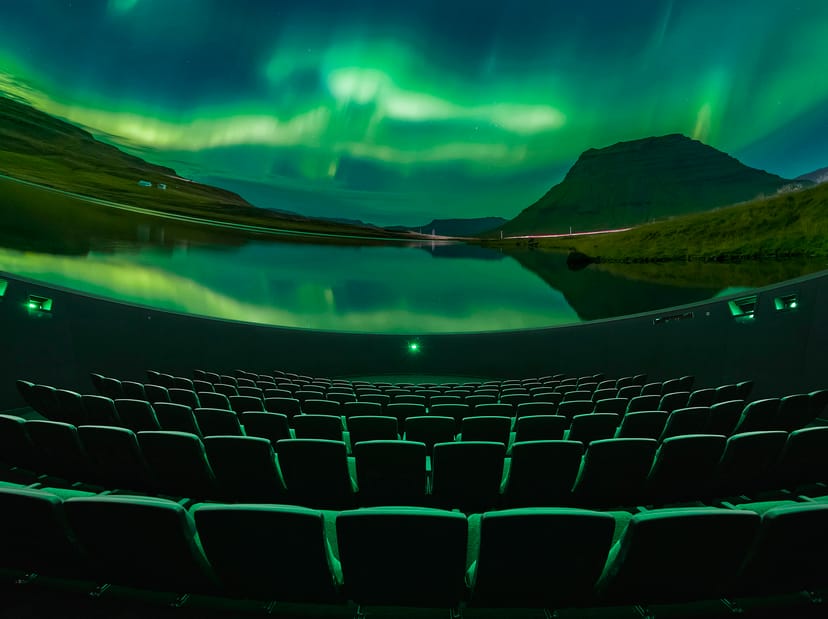
Top 10 Places To See the Northern Lights in Iceland
Discover the best places to see the Northern Lights in Iceland, from Jökulsárlón and Kirkjufell to Reykjavík, Þingvellir and North Iceland.
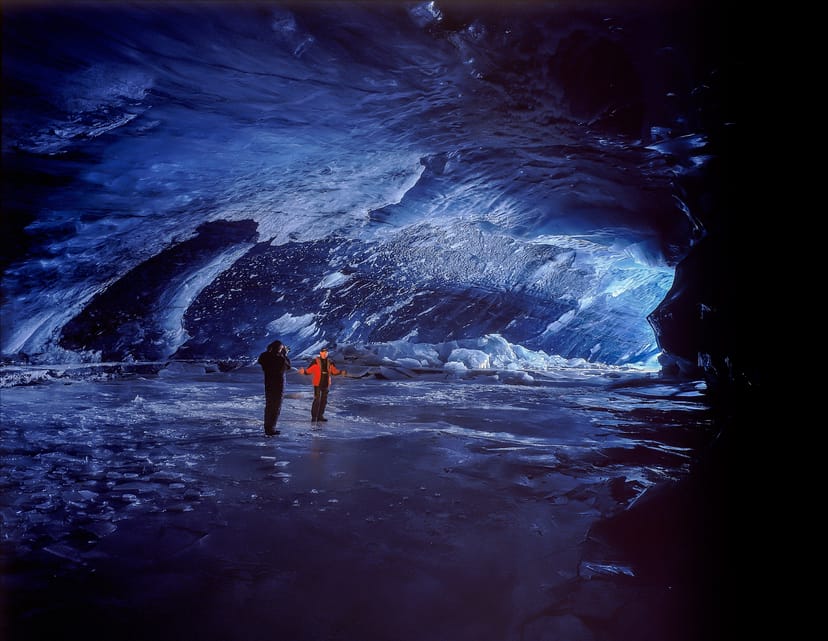
Ice Caves From Reykjavik
Planning an ice cave trip from Reykjavik? Compare Katla, Langjökull and Vatnajökull, travel times, seasons and Perlan’s ice cave in the city.