
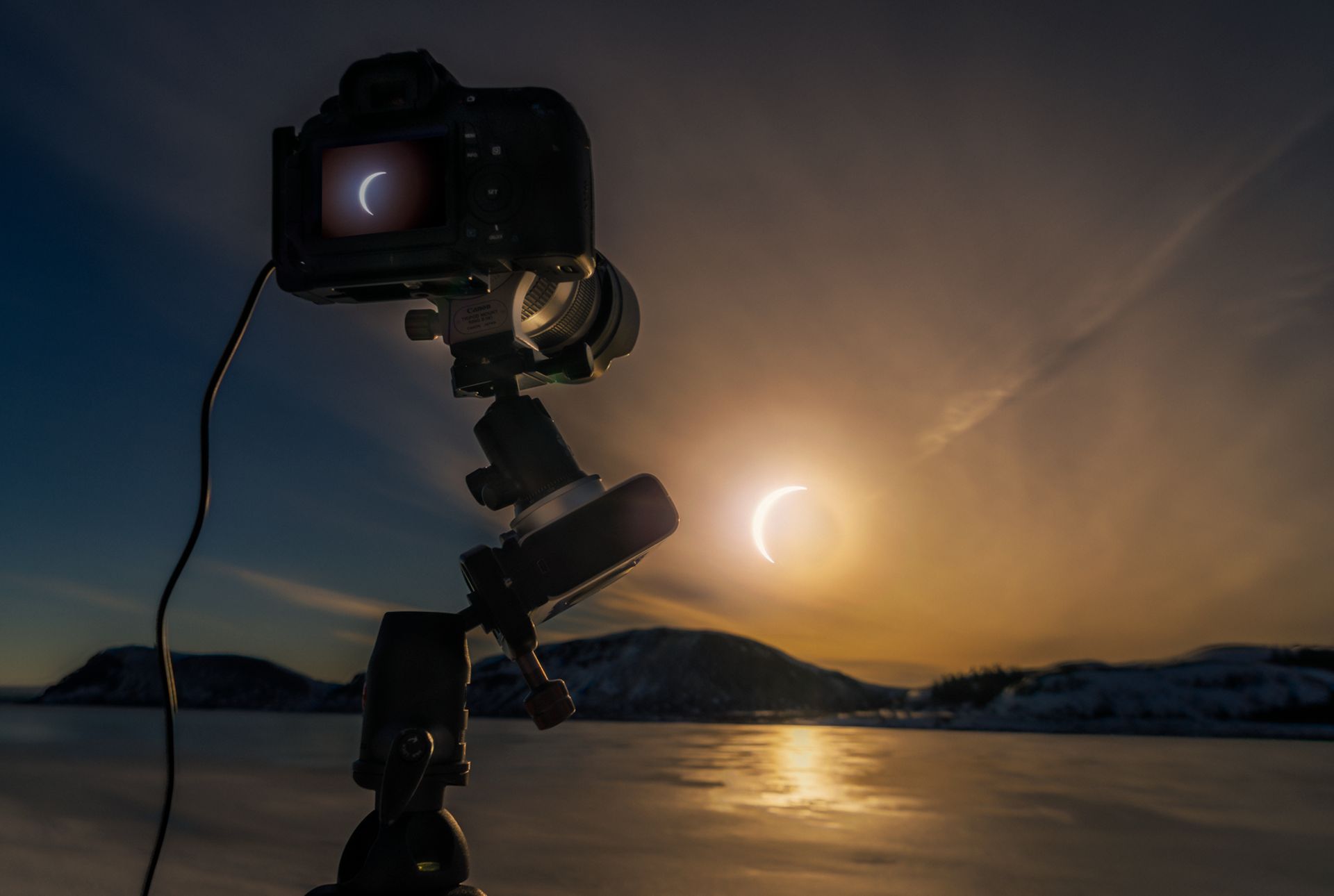
Solar Eclipse Fun Facts
For centuries, solar eclipses have fascinated people around the world. These rare astronomical events have inspired myths, helped scientists test important theories, and given us a dramatic view of how the Sun, Moon and Earth interact.
Here are nine interesting solar eclipse facts, from why eclipses don’t happen every month to how astronomers can predict them years in advance.
1. Solar Eclipses Don’t Happen Every Month
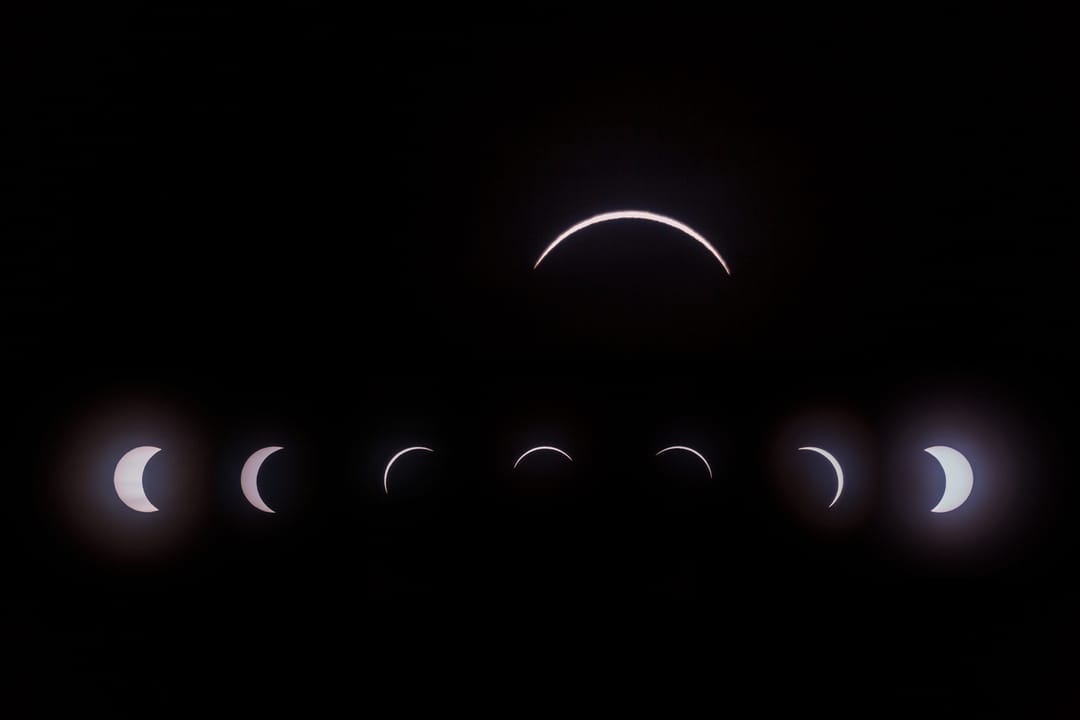
Despite the moon orbiting the Earth about once a month, solar eclipses don’t occur every lunar cycle. This is because the moon’s orbit is tilted about 5 degrees relative to the Earth’s orbit around the sun. The moon usually passes above or below the sun during the new moon phase. A solar eclipse only happens when the moon’s orbit intersects the Earth’s orbital plane at just the right angle, causing the moon to block the sun’s light. See more what causes a solar eclipse.
2. Total Solar Eclipses Are Rare
While partial solar eclipses occur more frequently, a total solar eclipse happens somewhere on Earth roughly every 18 months. Experiencing totality from one specific location, however, is much rarer.
On August 12, 2026, the path of totality crossed western Iceland, including the Westfjords, Snæfellsnes, Reykjavík and parts of the Reykjanes Peninsula. Reykjavík experienced around one minute of complete darkness, although thick cloud cover prevented a clear view of the Sun and Moon.
Always use proper solar eclipse glasses during the partial phases of an eclipse.
3. The Moon’s Shadow Isn’t the Same Everywhere
During a solar eclipse, the Moon casts two shadows on the Earth: the umbra and the penumbra. The umbra is the darker, inner shadow where the sun is completely blocked, and this is where the total eclipse occurs. The penumbra is the lighter outer shadow, where the sun is only partially obscured. If you’re in the path of the umbra, you’ll experience totality but see a partial eclipse outside this path. Not all eclipses are the same; there are different types of solar eclipses, including total, partial, and annular eclipses.
4. The Moon Is Slowly Moving Away from Earth
One of the more surprising facts about the moon is that it’s slowly drifting away from Earth at a rate of about 3.8 cm per year. As the moon moves farther from Earth, total solar eclipses will eventually become less frequent, and in about 600 million years, they’ll no longer be possible. Enjoy them while you can!
5. Ancient Civilisations Feared Eclipses
For thousands of years, ancient cultures around the world regarded solar eclipses with a mixture of awe and fear. Many believed that an eclipse was a sign of disaster or that it represented the anger of the gods. In ancient China, people thought a dragon was devouring the sun, and they would bang drums and make loud noises to scare it away. Similarly, in Norse mythology, the sun was believed to be eaten by a giant wolf during an eclipse.
6. Total Solar Eclipses Only Last a Few Minutes
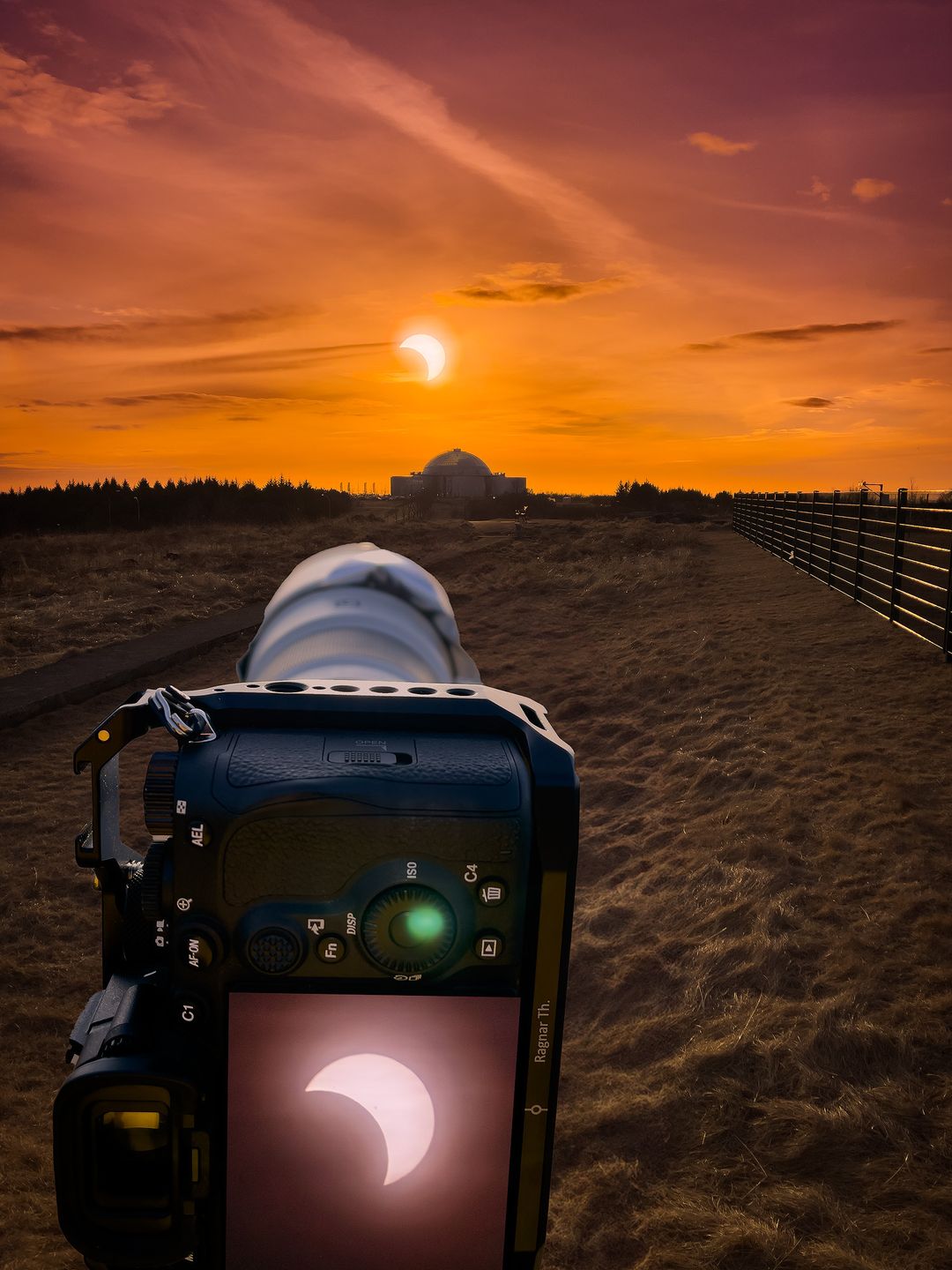
The longest total solar eclipse can last just over 7 minutes, but most total eclipses are much shorter, usually lasting between 2 and 3 minutes. This brief period of darkness, called totality, is the most spectacular part of a solar eclipse when the sky turns dark and the sun’s outer atmosphere, the corona, becomes visible. Capturing the eclipse requires the right equipment and techniques; explore tips for solar eclipse photography to get stunning shots of the celestial event.
7. Eclipses Helped Prove Einstein’s Theory of Relativity
One of the most important scientific discoveries related to solar eclipses occurred during the 1919 total solar eclipse. British astronomer Sir Arthur Eddington led an expedition to observe the bending of starlight around the Sun during the eclipse, a key prediction of Albert Einstein’s General Theory of Relativity. The observations confirmed Einstein’s theory, revolutionising our understanding of gravity and the universe.
8. Western Iceland Experienced Totality in 2026
Western Iceland lay within the path of totality during the August 12, 2026 solar eclipse. Locations including Reykjavík, Snæfellsnes, the Westfjords and parts of the Reykjanes Peninsula experienced a total eclipse, with the duration of totality varying by location.
In Reykjavík, cloud cover obscured the Sun, but the effects of totality were still clearly visible as the afternoon sky darkened and the city became completely dark for around one minute.
9. Solar Eclipses Are Predictable
Astronomers can accurately predict solar eclipses by calculating the orbits of Earth and the Moon. This allows them to determine when an eclipse will occur, where it will be visible and where the path of totality will cross Earth.
Because eclipses can be predicted far in advance, scientists, photographers and travellers have plenty of time to prepare for future events.
FAQs
What is unique about a solar eclipse?
A solar eclipse occurs when the moon passes between the Earth and the sun, blocking the sun’s light and casting a shadow on Earth. The unique aspect of a total solar eclipse is the brief moment of totality when the sky darkens, and the sun’s corona is visible.
What is a solar eclipse?
A solar eclipse occurs when the moon passes between the Earth and the sun, blocking the sun’s light either partially or completely for a short period
Popular articles
The Complete Guide to the Northern Lights in Iceland
Learn how the Northern Lights form, where to see them in Iceland, how to prepare, take photos, read the forecast, and improve your chances of a sighting.
Let's Talk About the Volcano in Iceland About to Erupt
Is a volcano in Iceland about to erupt? Here’s what travelers should know about Svartsengi, Reykjanes activity, flights, safety, and the Blue Lagoon.
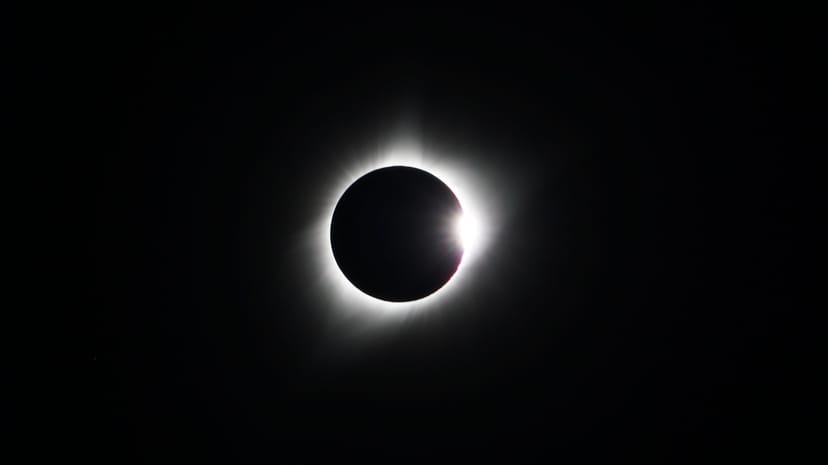
Solar Eclipse 2026 in Iceland | What Happened
Iceland experienced a total solar eclipse on August 12, 2026. Discover what happened in Reykjavík, eclipse times, totality locations and more.
September 2026 updates on the Sundhnúkagígar Eruption in the Reykjanes Peninsula!
The current eruption in the Reykjanes Peninsula, is called Sundhnúkagígar Crater Row. See insights on the seismic activity and volcanic eruptions in the area!
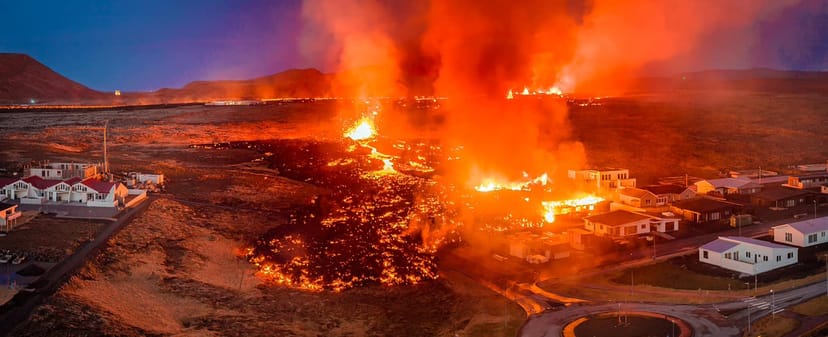
Active Volcanoes in Iceland 2026
Active volcanoes aren't the same thing as active eruptions. A volcano can be considered active even when it is not ejecting ash, rock, gases and magma, so which are active in Iceland in 2026?
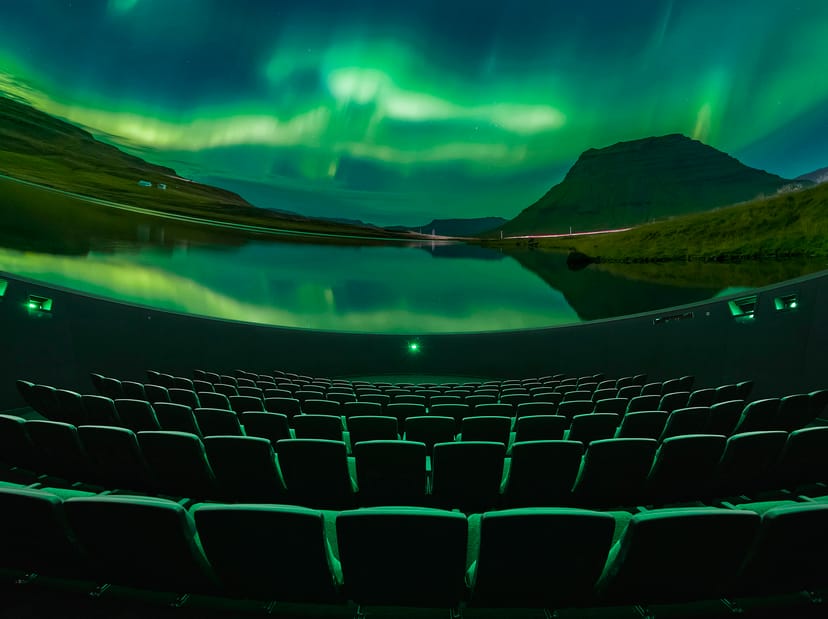
Top 10 Places To See the Northern Lights in Iceland
Discover the best places to see the Northern Lights in Iceland, from Jökulsárlón and Kirkjufell to Reykjavík, Þingvellir and North Iceland.
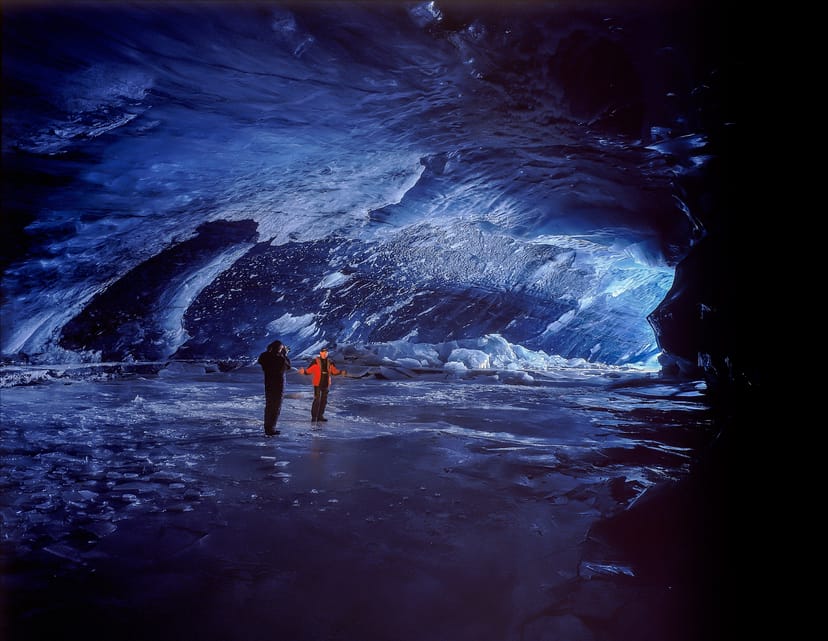
Ice Caves From Reykjavik
Planning an ice cave trip from Reykjavik? Compare Katla, Langjökull and Vatnajökull, travel times, seasons and Perlan’s ice cave in the city.