
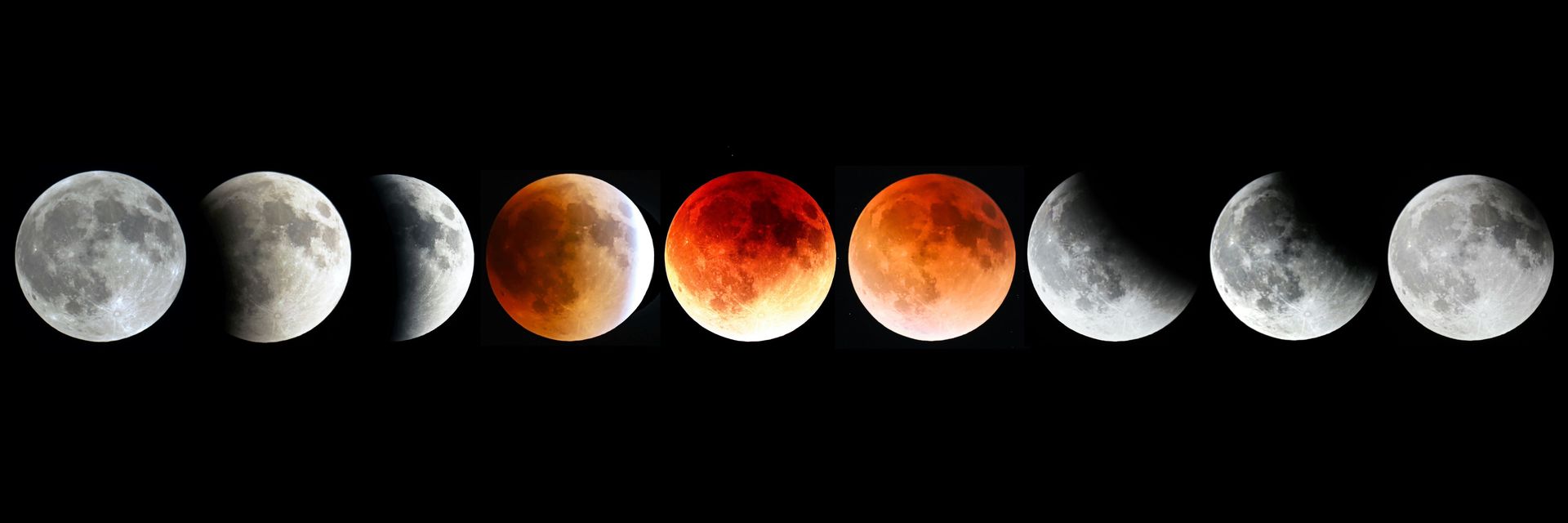
What Is a Lunar Eclipse?
A lunar eclipse occurs when Earth passes between the Moon and the Sun, causing Earth’s shadow to fall across the Moon. This natural phenomenon can only happen during a full moon and, depending on the type of eclipse, can cause the Moon to dim or appear red.
Unlike a solar eclipse, which requires protective eyewear to view safely, a lunar eclipse is completely safe to watch with the naked eye. Lunar eclipses can be seen from anywhere on the night side of Earth where the Moon is above the horizon, although visibility can be affected by weather conditions.
What Causes a Lunar Eclipse?
A lunar eclipse happens when the Earth blocks sunlight from reaching the Moon. This occurs only during a full moon when:
- The Sun, Earth, and Moon align in a straight line.
- The Earth’s shadow is cast on the Moon.
- The moon passes through the umbra (total or partial eclipse) or the penumbra (penumbral eclipse).
How Often Do Lunar Eclipses Occur?
Lunar eclipses occur regularly, but they are not visible from every location each time. Because a lunar eclipse can be seen from much of the night side of Earth, people in a particular location generally have more opportunities to see lunar eclipses than total solar eclipses.
The exact type and visibility of each lunar eclipse depend on the alignment of the Sun, Earth and Moon.
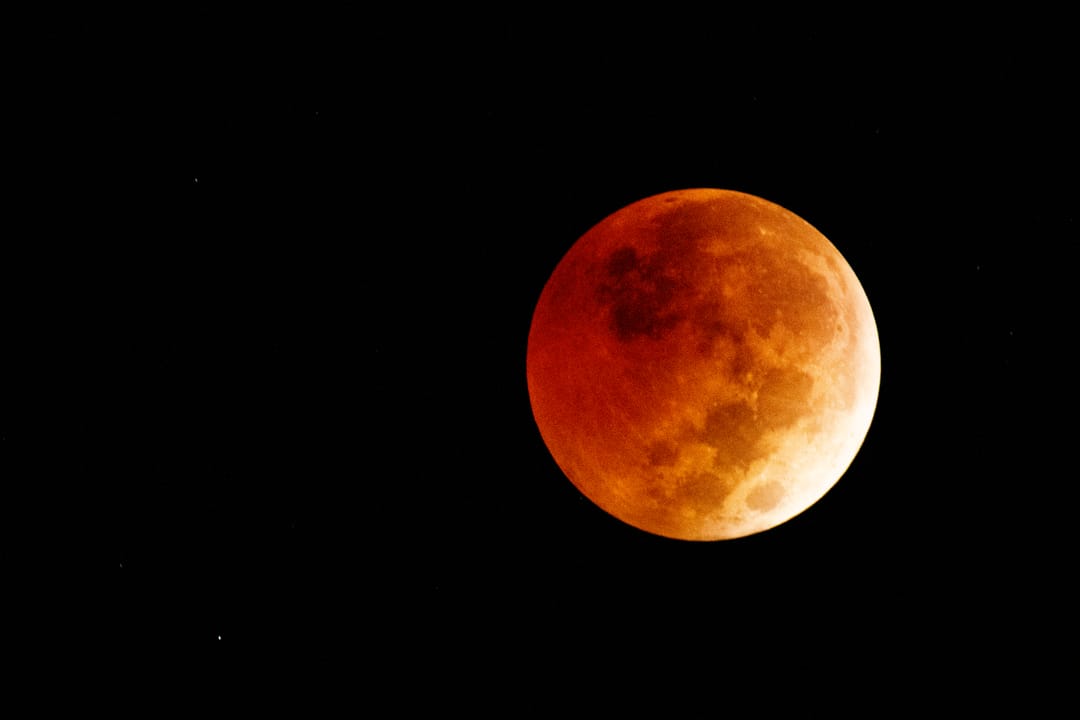
A Total Lunar Eclipse in Iceland in 2025
Iceland experienced a total lunar eclipse on March 14, 2025. In Reykjavík, the eclipse began with the penumbral phase at 03:57, totality began at 06:26, and maximum eclipse occurred at 06:58.
The Moon was low in the western sky during totality, making an unobstructed view toward the west important for observers in Reykjavík.
The March 2025 eclipse provides a useful example of the different stages of a total lunar eclipse, from the subtle penumbral phase to the Moon entering Earth’s darker umbral shadow.
Viewing a Lunar Eclipse in Iceland
A lunar eclipse does not require dark skies in the same way as the northern lights or other faint astronomical phenomena. The Moon is bright enough to be viewed from cities as well as rural areas.
For the best experience, find a location with a clear view of the Moon and check the weather forecast beforehand. Binoculars or a telescope are not required, although they can provide a closer look at changes across the lunar surface.
Perlan’s elevated location on Öskjuhlíð offers panoramic views across Reykjavík and the surrounding sky, while its exhibitions and planetarium provide opportunities to learn more about astronomy and Icelandic nature.
The eclipsed moon combined with dimming near horizon might make the Moon very hard or impossible to see.
Solar vs. Lunar Eclipse
Lunar and solar eclipses are both celestial events, but they happen in different ways:
A lunar eclipse occurs when the Earth’s shadow falls on the moon. It’s safe to view with the naked eye. Meanwhile, a solar eclipse happens when the moon blocks the sun. You need special eclipse glasses to watch it safely.
Types of Lunar Eclipses
Lunar eclipses are classified into three types based on how much of the moon enters the Earth’s shadow:
Total Lunar Eclipse
The entire moon passes through the earth’s umbra (the darkest part of the shadow).
The moon appears red or copper-coloured—this is often called a Blood Moon.
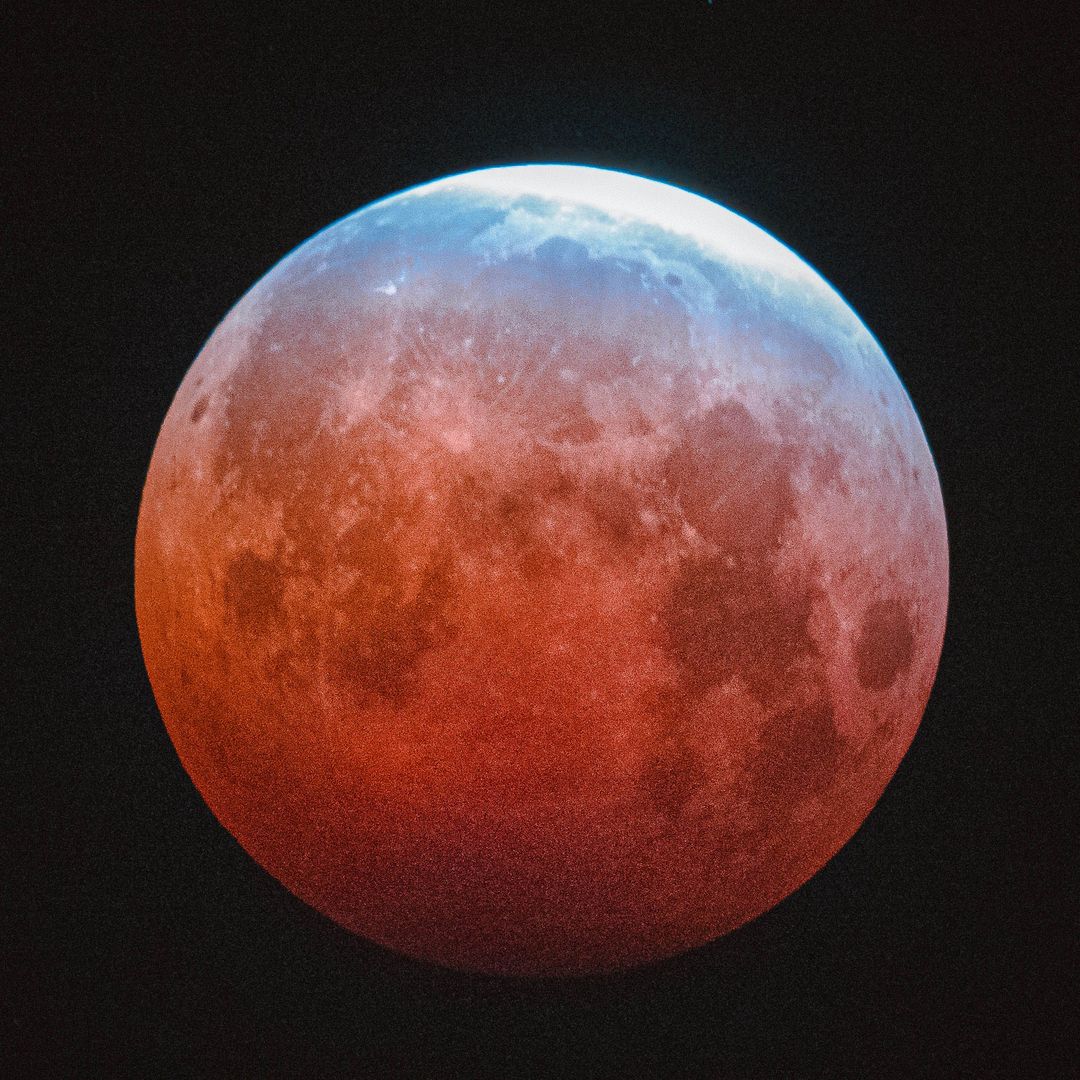
Partial Lunar Eclipse
Only part of the moon moves into the umbra, creating a partial dark shadow.
A section of the moon appears darker while the rest remains bright.
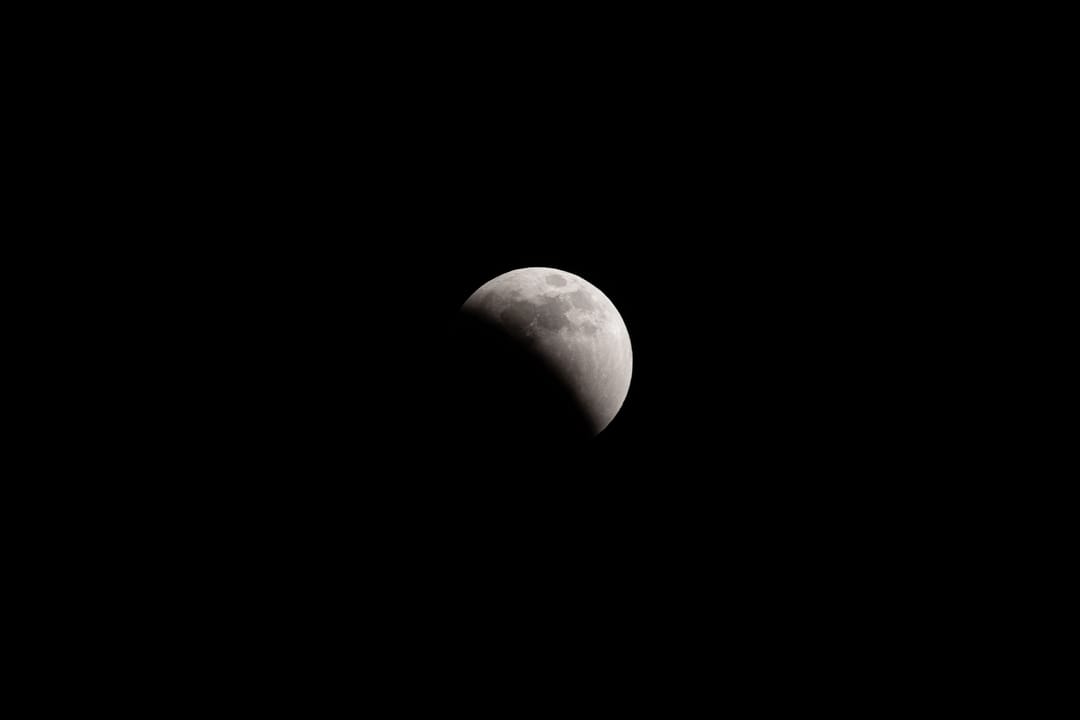
Penumbral Lunar Eclipse
The moon moves into the penumbra (the earth’s lighter outer shadow). The moon may appear slightly dimmed but does not turn red.
Iceland has excellent conditions for viewing lunar eclipses, especially away from city lights where the sky is darker.
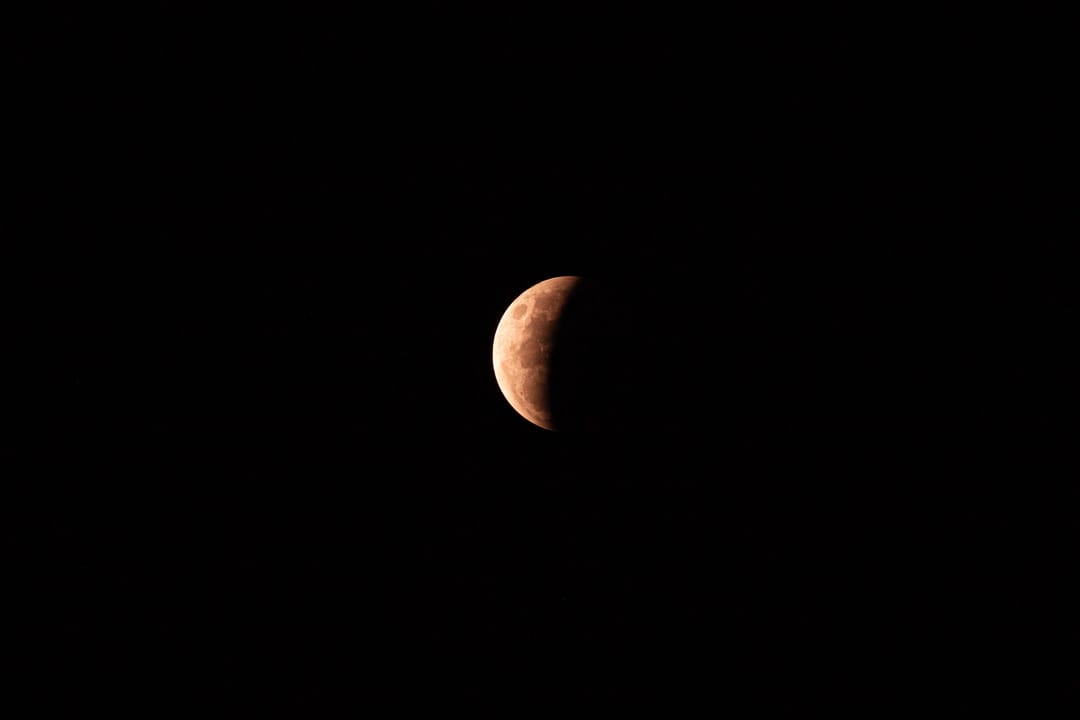
Just as there are three types of lunar eclipses, there are different types of solar eclipses, including total, partial, and annular eclipses.
FAQ
Yes, when a lunar eclipse is visible from Iceland and the Moon is above the horizon. Clear weather and an unobstructed view of the Moon are more important than being far from city lights.
Yes. Reykjavík experienced a total lunar eclipse on March 14, 2025. Totality began at 06:26, maximum eclipse occurred at 06:58, and totality ended at 07:31. The Moon set shortly afterward.
No. Lunar eclipses are safe to view with the naked eye. You can also use binoculars, a telescope or a camera without the solar filters required for viewing a solar eclipse.
Popular articles
The Complete Guide to the Northern Lights in Iceland
Learn how the Northern Lights form, where to see them in Iceland, how to prepare, take photos, read the forecast, and improve your chances of a sighting.
Let's Talk About the Volcano in Iceland About to Erupt
Is a volcano in Iceland about to erupt? Here’s what travelers should know about Svartsengi, Reykjanes activity, flights, safety, and the Blue Lagoon.
Solar Eclipse 2026 in Iceland | What Happened
Iceland experienced a total solar eclipse on August 12, 2026. Discover what happened in Reykjavík, eclipse times, totality locations and more.
September 2026 updates on the Sundhnúkagígar Eruption in the Reykjanes Peninsula!
The current eruption in the Reykjanes Peninsula, is called Sundhnúkagígar Crater Row. See insights on the seismic activity and volcanic eruptions in the area!
Active Volcanoes in Iceland 2026
Active volcanoes aren't the same thing as active eruptions. A volcano can be considered active even when it is not ejecting ash, rock, gases and magma, so which are active in Iceland in 2026?
Top 10 Places To See the Northern Lights in Iceland
Discover the best places to see the Northern Lights in Iceland, from Jökulsárlón and Kirkjufell to Reykjavík, Þingvellir and North Iceland.
Ice Caves From Reykjavik
Planning an ice cave trip from Reykjavik? Compare Katla, Langjökull and Vatnajökull, travel times, seasons and Perlan’s ice cave in the city.