
How to Prepare for a Solar Eclipse
A solar eclipse can be an unforgettable experience, but proper preparation is essential for viewing it safely. Before eclipse day, check whether your location is within the eclipse path, confirm the timing of each phase, prepare certified eye protection, and monitor the weather forecast. This guide covers the essential gear, safety precautions and practical steps you should take before watching a solar eclipse.
Understanding a Solar Eclipse
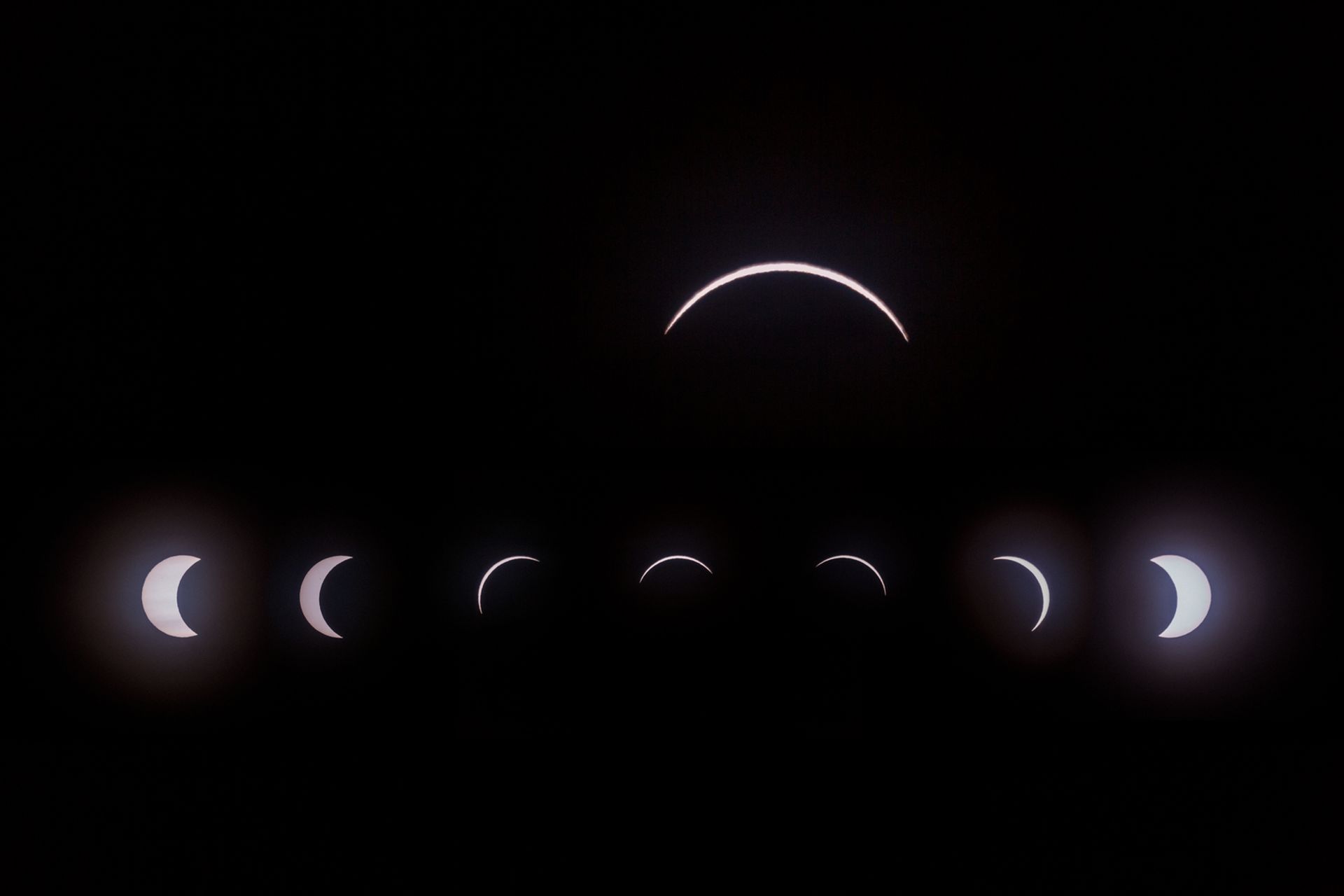
A solar eclipse occurs when the Moon passes between Earth and the Sun, blocking some or all of the Sun’s light. Depending on the alignment, an eclipse may be partial, annular or total.
Before preparing for an eclipse, check whether your location falls within the eclipse path. Totality is only visible from a relatively narrow area, while surrounding regions may experience a partial eclipse. The exact timing and path can be calculated years in advance, giving viewers plenty of time to plan.
Learn more about how solar eclipses are predicted.

Essential Gear for the Solar Eclipse
When preparing for the solar eclipse, having the right gear is crucial for both safety and enjoyment. Here’s a handy list of what you’ll need:
Solar Eclipse Glasses
The most crucial piece of equipment for watching a solar eclipse is a pair of certified solar eclipse glasses. These glasses are specially designed to protect your eyes from the sun’s harmful ultraviolet (UV) and infrared (IR) rays. Regular sunglasses do not provide adequate protection. Without proper eye protection, looking directly at the sun—even during an eclipse—can cause severe damage to your retinas, leading to permanent vision loss.
Camera and Solar Filters
If you plan on capturing eclipse photos, ensure you have a camera equipped with a solar filter. These filters protect your camera’s sensor from damage caused by the sun’s intense light. Just as you need solar glasses to protect your eyes, your camera needs a solar filter to capture eclipse images safely.
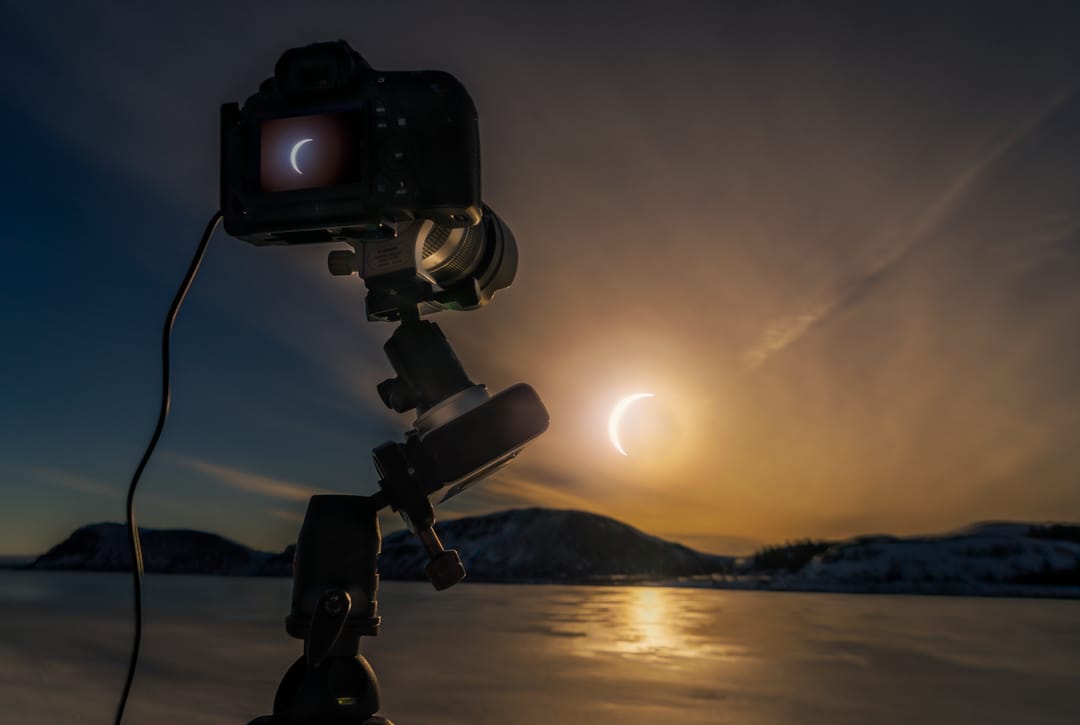
Consider using a tripod to stabilise your camera and a remote shutter release to avoid camera shake. A telephoto lens (at least 400mm) is ideal for photographing the eclipse in detail, allowing you to zoom in on the sun’s corona during totality.
If you’re not using a professional camera, you can also photograph the eclipse with your smartphone. Attach a solar filter to your phone’s camera lens and use a tripod to keep it stable. There are also photography apps that can help you time your shots perfectly during the different phases of the eclipse. For capturing the best images, consider these tips for solar eclipse photography to ensure your shots are memorable.
Sturdy Tripod and Remote Shutter
A tripod is essential for both photographers and observers. During an eclipse, even the slightest movement can blur your images or make it difficult to observe the event steadily. Pair your tripod with a remote shutter release or your camera’s timer function to eliminate any shake caused by pressing the shutter.
Comfortable Clothing and Gear for Iceland’s Weather
If you are viewing a solar eclipse in Iceland, prepare for changing weather conditions regardless of the season. Bring warm layers and waterproof outerwear, and check the local forecast before travelling to your viewing location. If you expect to remain outside for an extended period, a hat and gloves can also be useful.
Safety Tips for Watching the Solar Eclipse
Viewing a solar eclipse is an extraordinary experience, but it also requires caution to avoid serious eye damage. Here are some key safety tips to keep in mind:
Always Wear Solar Eclipse Glasses
Never look directly at the Sun without certified solar eclipse glasses during the partial phases of an eclipse. If you are within the path of totality, eclipse glasses may only be removed when the Sun is completely covered by the Moon.
As soon as any part of the bright Sun begins to reappear, put your eclipse glasses back on immediately.
Avoid Looking at the Eclipse Through a Camera or Phone
Never look at the eclipse through your camera, telescope, binoculars, or even your smartphone unless they are equipped with solar filters. The lenses can concentrate the sun’s rays and cause severe eye damage. Always use proper solar filters for any optical devices.
Be Mindful of Your Surroundings
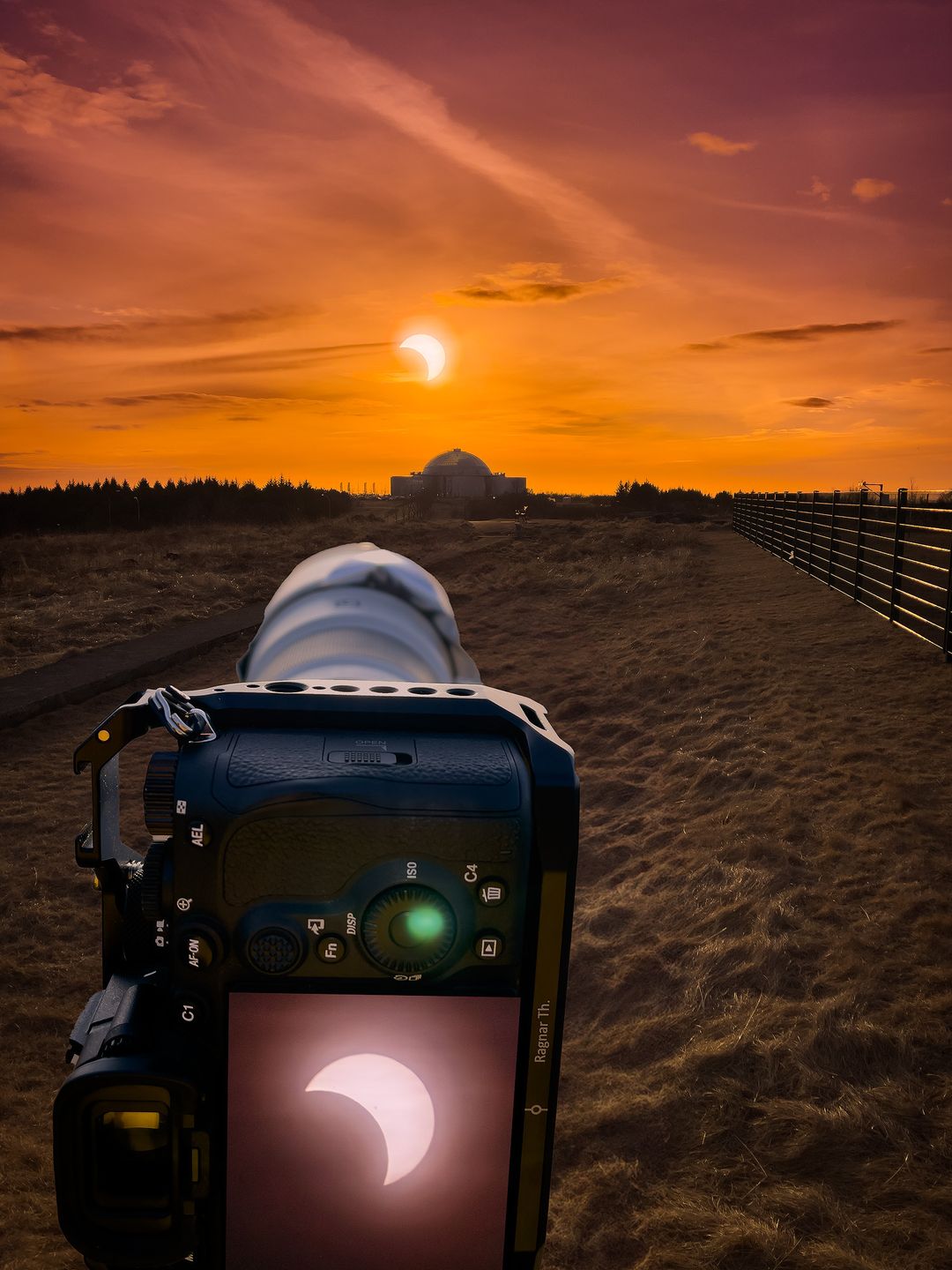
During the eclipse, getting caught up in the excitement and losing track of your surroundings is easy. If you’re in a crowded area like Perlan, be aware of other people, especially if you’re using a tripod or large camera gear. Also, watch your step if you’re moving around in low light during totality.
Stay Updated on Weather Conditions
Check the weather forecast regularly in the days and hours before the eclipse. Cloud cover can completely block your view of the Sun, so having an alternative viewing location may improve your chances if conditions are poor.
Allow extra travel time if you plan to move locations, as roads and popular viewing areas can become busy during major eclipse events.
The 2026 Solar Eclipse at Perlan
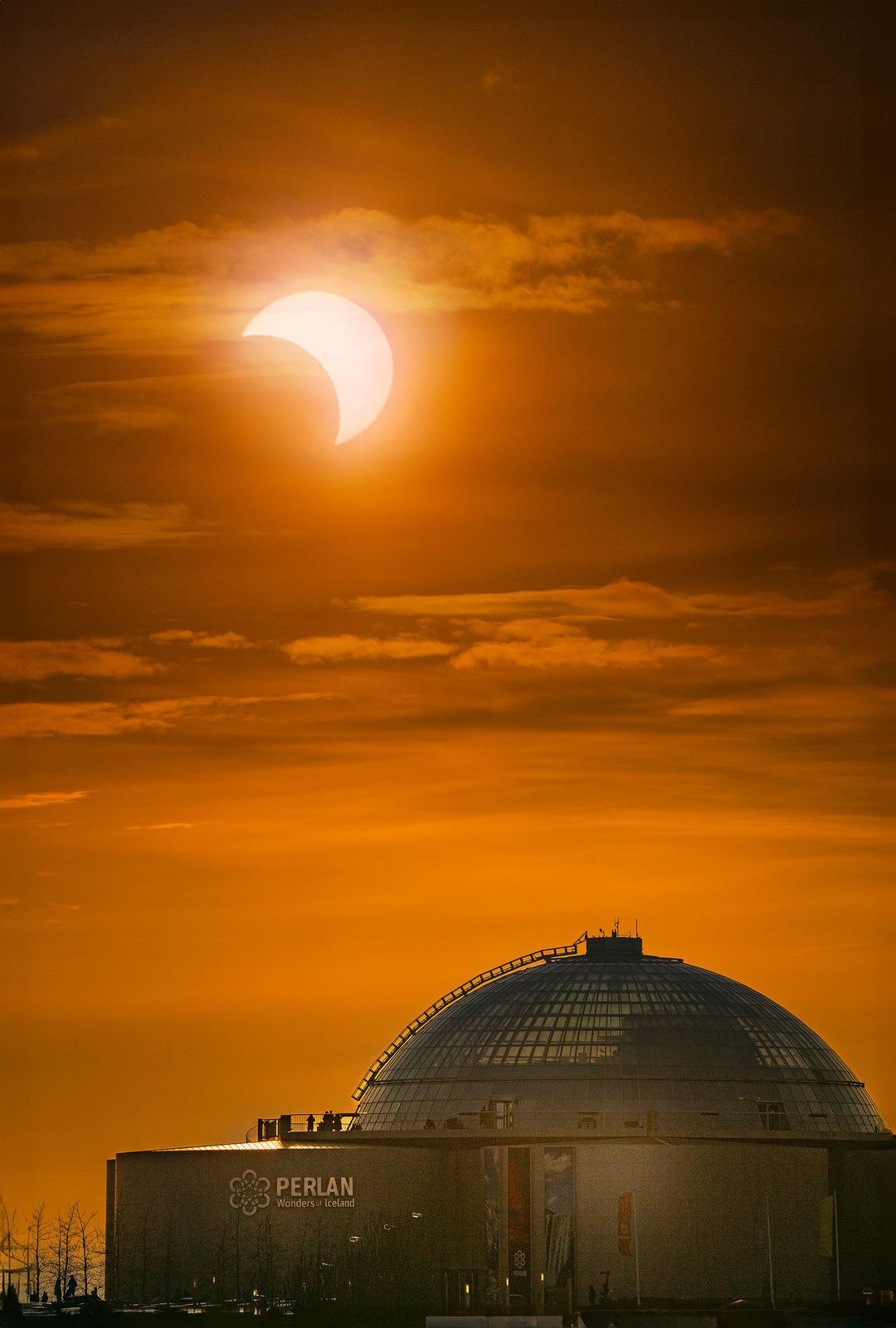
On August 12, 2026, Reykjavík was within the path of totality during a total solar eclipse. Perlan’s elevated location on Öskjuhlíð became a gathering place for people experiencing the event.
Thick cloud cover prevented a clear view of the Sun and Moon, but the effects of totality were still dramatic. The afternoon sky gradually darkened before Reykjavík became completely dark for around one minute, after which daylight quickly returned.
Read more about what happened during the 2026 total solar eclipse in Iceland.
FAQs
For most people, a solar eclipse has no physical effects, but it can create a feeling of awe and wonder. However, looking directly at the sun without proper protection can cause permanent eye damage, so always wear solar eclipse glasses.
Never look at the sun without certified solar eclipse glasses, even briefly. Do not use cameras, binoculars, or telescopes without solar filters, and avoid looking at the eclipse through your smartphone unless you’re using proper filters.
Solar eclipses are classified into partial, annular, and total eclipses, depending on how much of the sun is obscured. Learn more about the types of solar eclipses to understand the differences and their unique characteristics.
Wear solar eclipse glasses when the sun is visible at all times, use solar filters for any cameras or optical devices, and only look directly at the eclipse during totality if you’re in the path of totality. Be mindful of your surroundings, especially in crowded viewing locations.
Popular articles
The Complete Guide to the Northern Lights in Iceland
Learn how the Northern Lights form, where to see them in Iceland, how to prepare, take photos, read the forecast, and improve your chances of a sighting.
Let's Talk About the Volcano in Iceland About to Erupt
Is a volcano in Iceland about to erupt? Here’s what travelers should know about Svartsengi, Reykjanes activity, flights, safety, and the Blue Lagoon.
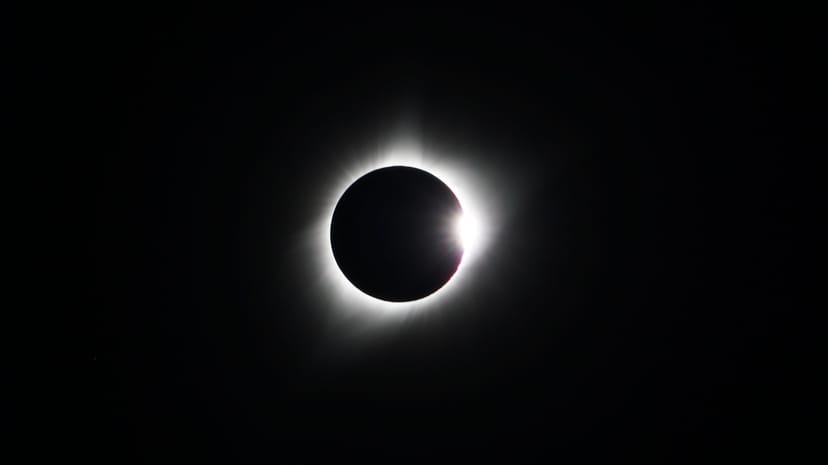
Solar Eclipse 2026 in Iceland | What Happened
Iceland experienced a total solar eclipse on August 12, 2026. Discover what happened in Reykjavík, eclipse times, totality locations and more.
September 2026 updates on the Sundhnúkagígar Eruption in the Reykjanes Peninsula!
The current eruption in the Reykjanes Peninsula, is called Sundhnúkagígar Crater Row. See insights on the seismic activity and volcanic eruptions in the area!
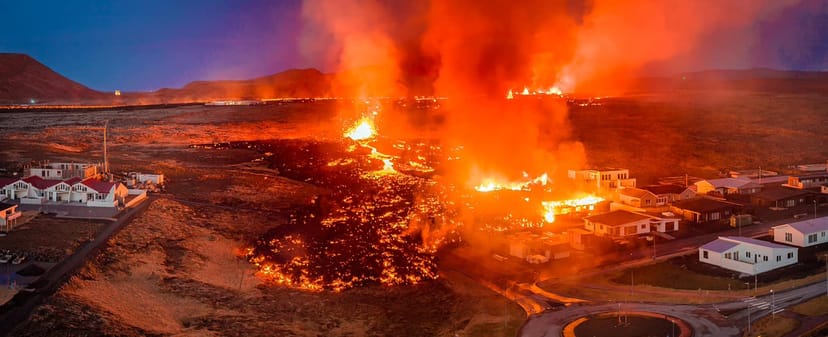
Active Volcanoes in Iceland 2026
Active volcanoes aren't the same thing as active eruptions. A volcano can be considered active even when it is not ejecting ash, rock, gases and magma, so which are active in Iceland in 2026?
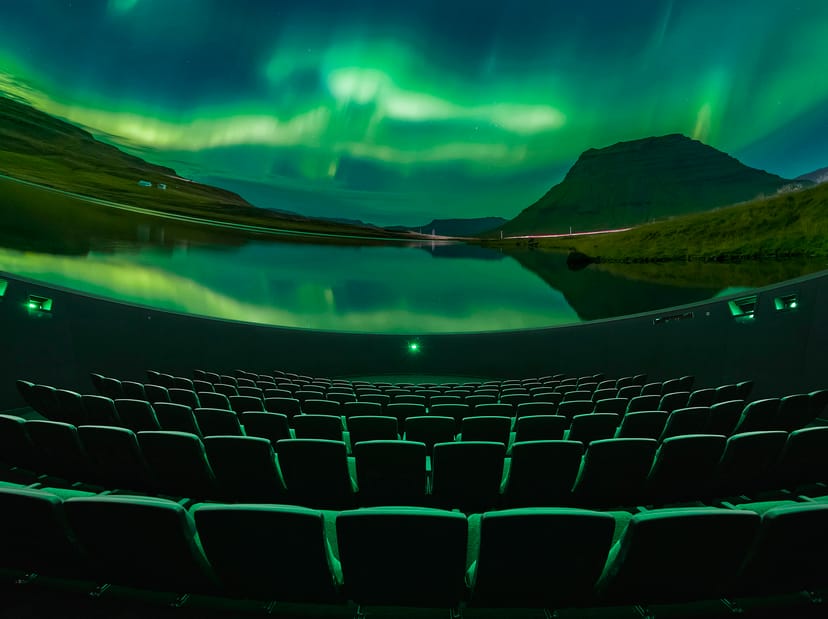
Top 10 Places To See the Northern Lights in Iceland
Discover the best places to see the Northern Lights in Iceland, from Jökulsárlón and Kirkjufell to Reykjavík, Þingvellir and North Iceland.
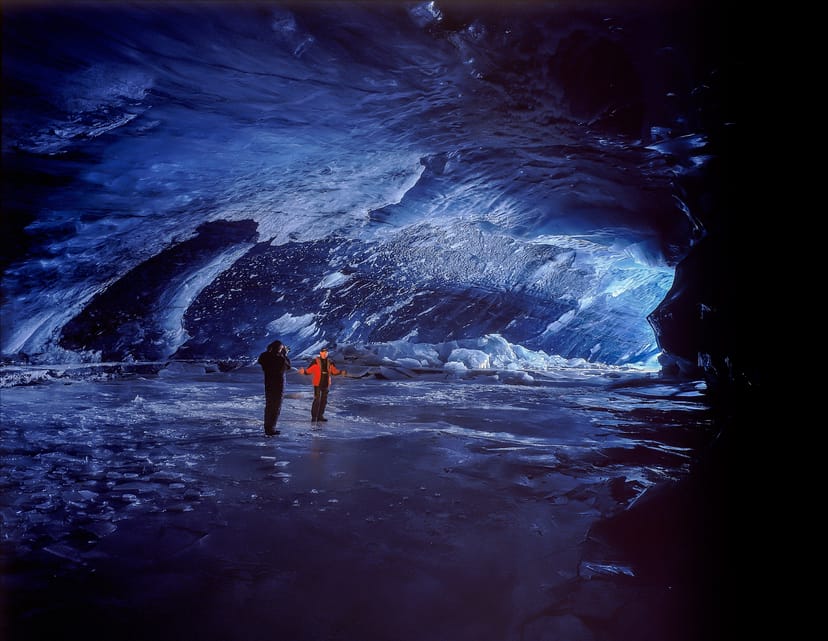
Ice Caves From Reykjavik
Planning an ice cave trip from Reykjavik? Compare Katla, Langjökull and Vatnajökull, travel times, seasons and Perlan’s ice cave in the city.