
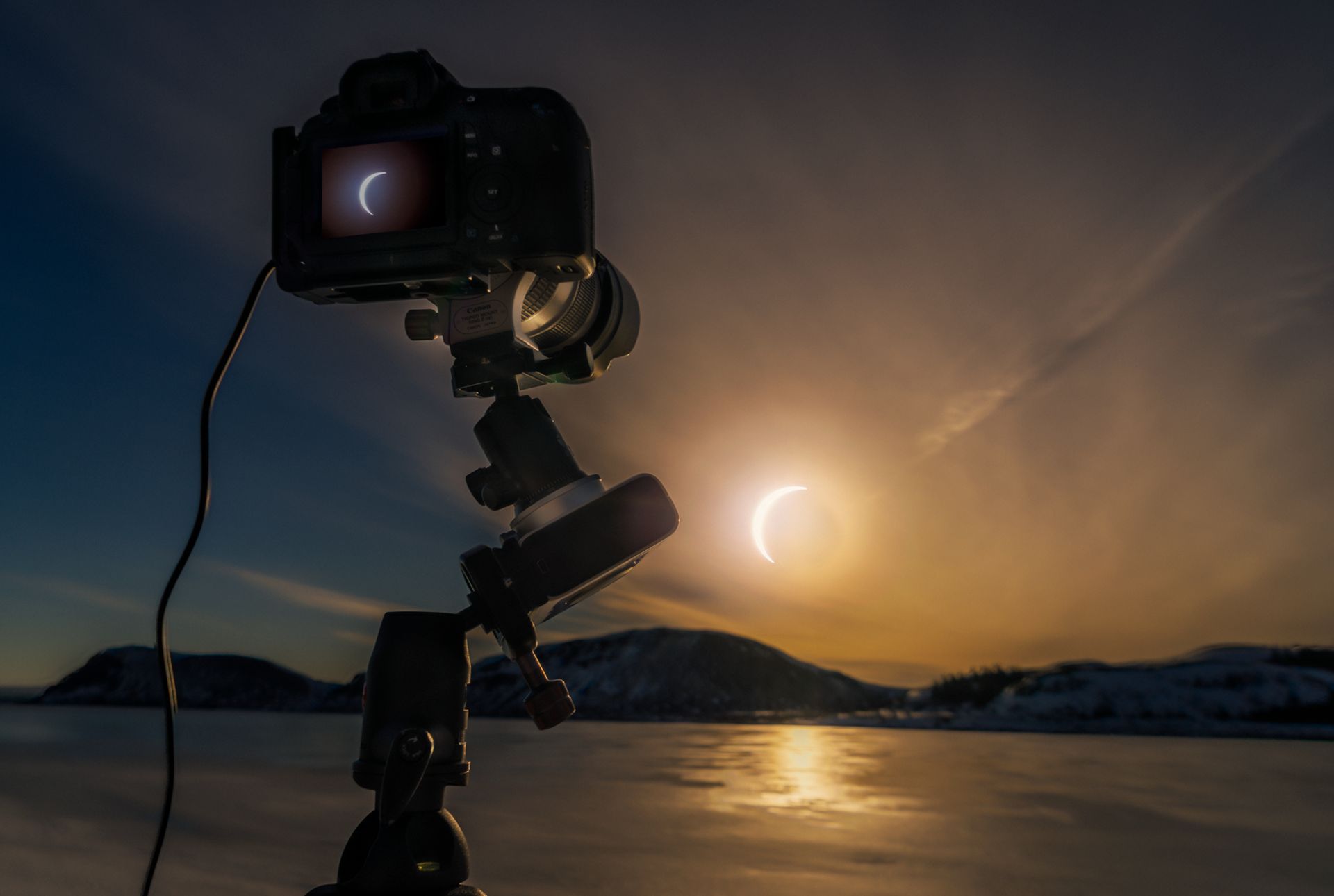
Solar Eclipse Glasses Guide
Solar eclipse glasses are essential for safely viewing the Sun during a solar eclipse. Regular sunglasses do not provide enough protection, and looking directly at the Sun without proper eye protection can cause serious and permanent eye damage.
In this guide, we explain how solar eclipse glasses work, what safety standards to look for, how to check your glasses before use, and when they should be worn during a solar eclipse.
What Are Solar Eclipse Glasses?
Solar eclipse glasses are designed to protect your eyes from the sun’s harmful ultraviolet (UV) and infrared (IR) radiation. Unlike regular sunglasses, which do not provide adequate protection, solar eclipse glasses are made from special materials that filter out 100% of the harmful rays, allowing only a tiny fraction of light through. This makes it safe to look directly at the sun during an eclipse.
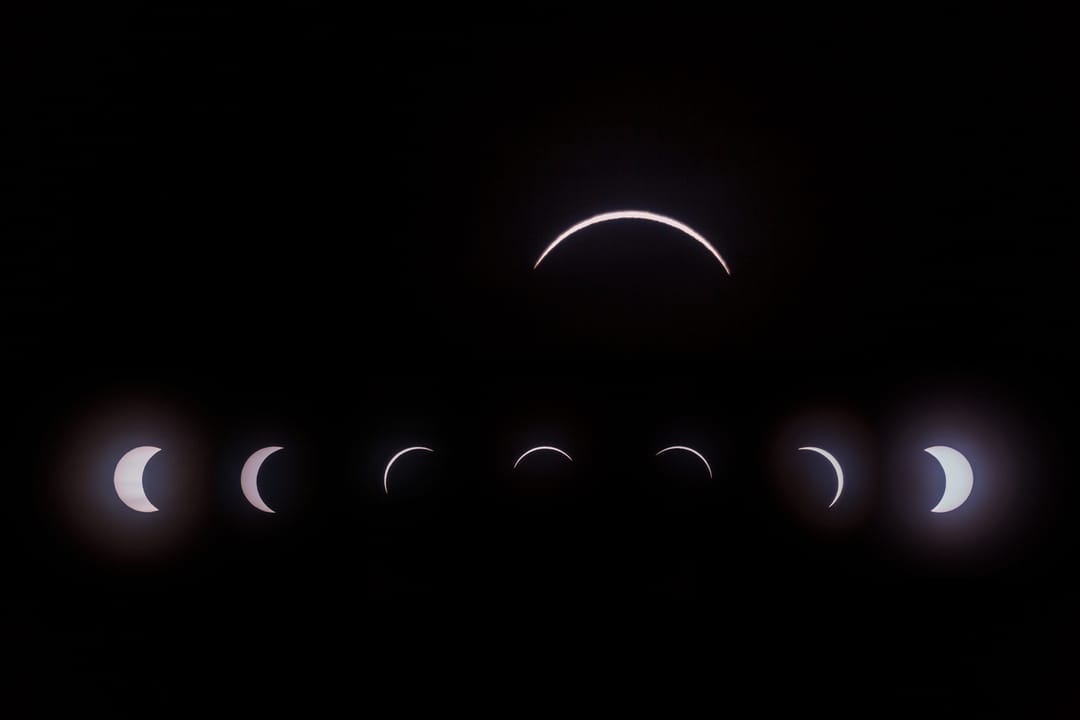
Solar eclipse glasses meet international safety standards, ensuring they filter out harmful radiation and prevent retinal damage. These glasses are made with optical filters that significantly reduce the intensity of sunlight, allowing you to view the eclipse without discomfort or risk. There are different types of solar eclipses, including total, partial, and annular eclipses, each offering a unique viewing experience.
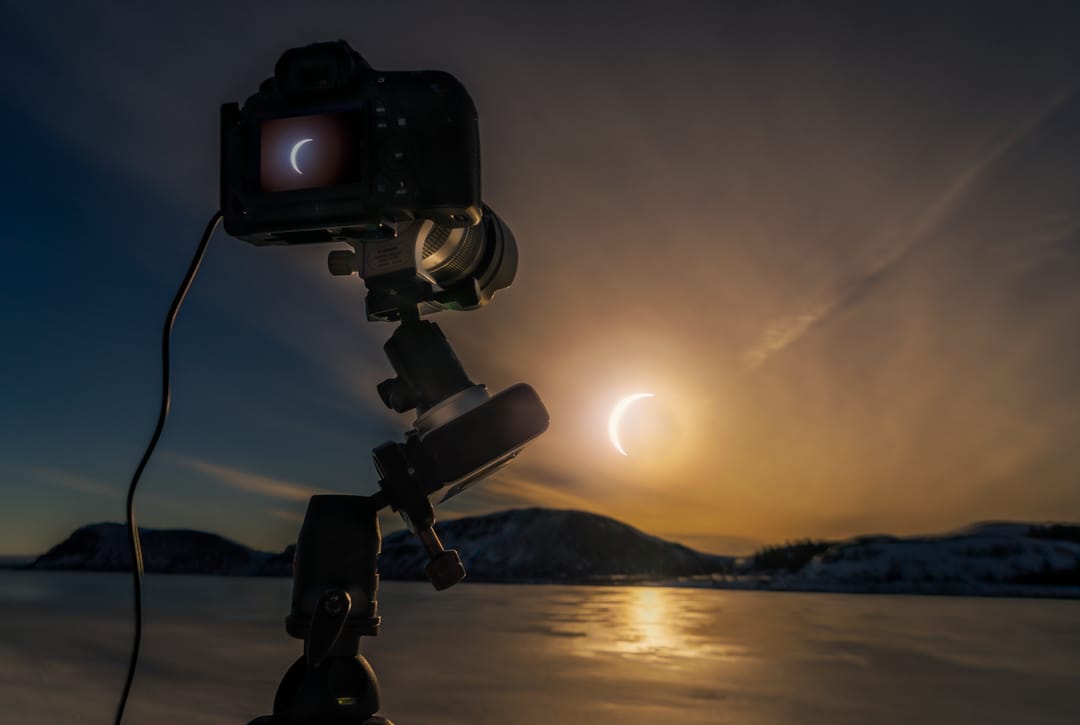
Why Are Solar Eclipse Glasses Important?
Looking directly at the sun, even during a solar eclipse, can cause severe damage to your eyes. The sun emits harmful rays that can permanently damage the retina, the light-sensitive part of your eye. This condition, known as solar retinopathy, occurs when the sun’s UV rays burn the retina, causing irreversible damage. The effects may not be immediately noticeable but can result in permanent vision impairment or even blindness.
During a solar eclipse, it may feel safer to look at the sun because part of its light is obscured, but the danger remains. Even when the moon partially blocks the sun, the remaining visible sunlight is still intense enough to cause severe eye damage. That’s why certified solar eclipse glasses are the only safe way to view the event.
Eclipses are not random events; they are calculated years in advance. Learn how solar eclipses are predicted and why astronomers can pinpoint them so accurately. To fully appreciate the eclipse, it’s important to understand what causes a solar eclipse and how the alignment of celestial bodies creates this rare spectacle
What Kind of Glasses Do You Need?
When purchasing solar eclipse glasses, make sure they meet the following criteria:
ISO Certification
The glasses should be marked with the ISO 12312-2 international safety standard. This certification guarantees that the glasses filter out harmful UV and IR radiation and 99.9% of visible light, making it safe to look directly at the sun.
No Scratches or Damage
Always check your glasses before use. If they are scratched, damaged, or older than three years, it’s best to replace them to ensure full protection.
Don’t Use Regular Sunglasses
Ordinary sunglasses, no matter how dark, do not provide adequate protection against the intense radiation from the sun. Only specially designed eclipse glasses can safely filter the sun’s rays.
Where to Buy Solar Eclipse Glasses
Buy solar eclipse glasses from reputable manufacturers or authorised retailers that provide products designed to comply with the ISO 12312-2 standard. For major eclipses, it is worth buying them well in advance, as availability may become limited as the event approaches.
Some museums, astronomy organisations, schools and public viewing events may also distribute eclipse glasses. Always check the product before use and confirm that it comes from a reliable source.
Special Eclipse Viewing Events
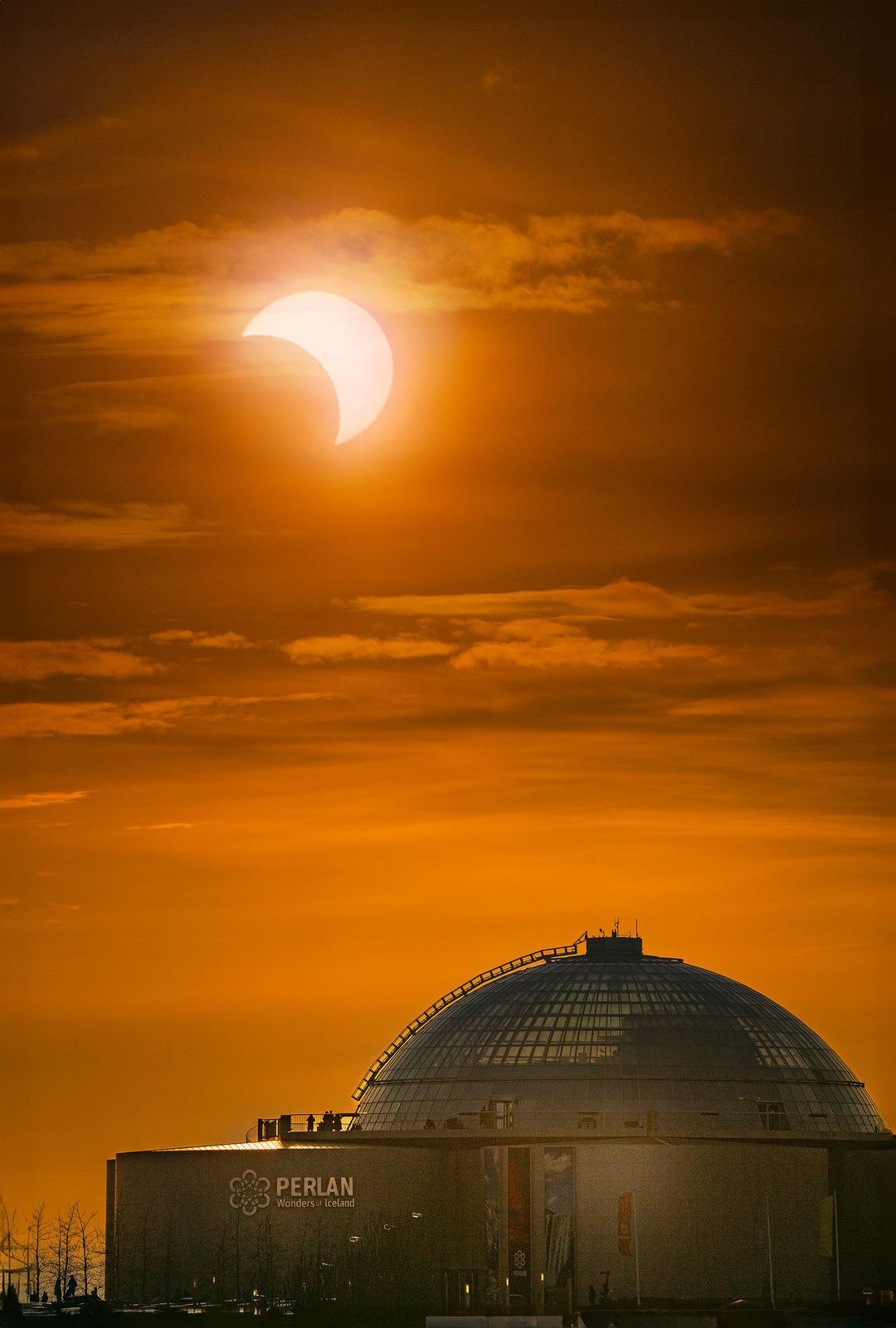
Many eclipse viewing events, including those hosted at places like Perlan, may provide solar eclipse glasses to attendees. Always confirm in advance to ensure they will be available, as supplies may be limited.
Why It’s Important to Use Solar Eclipse Glasses
Viewing a solar eclipse without proper eye protection can lead to serious, irreversible eye damage. While the temptation to glance at the sun during the event is strong, it’s essential to resist unless you’re equipped with certified eclipse glasses. Here’s why:
Solar Retinopathy
The most significant risk of viewing an eclipse without glasses is solar retinopathy. The intense light can burn your retinas, causing permanent vision loss. This damage can occur in seconds and may not be immediately noticeable, making it even more dangerous.
Preventing Temporary Blindness
Even glancing at the sun without protection can result in temporary blindness or vision disturbances. Solar eclipse glasses protect your eyes, allowing you to enjoy the event without discomfort or injury.
Safe and Enjoyable Experience
Certified eclipse glasses ensure you can watch the eclipse safely and thoroughly appreciate its beauty. You’ll be able to focus on the experience rather than worrying about your eye health.
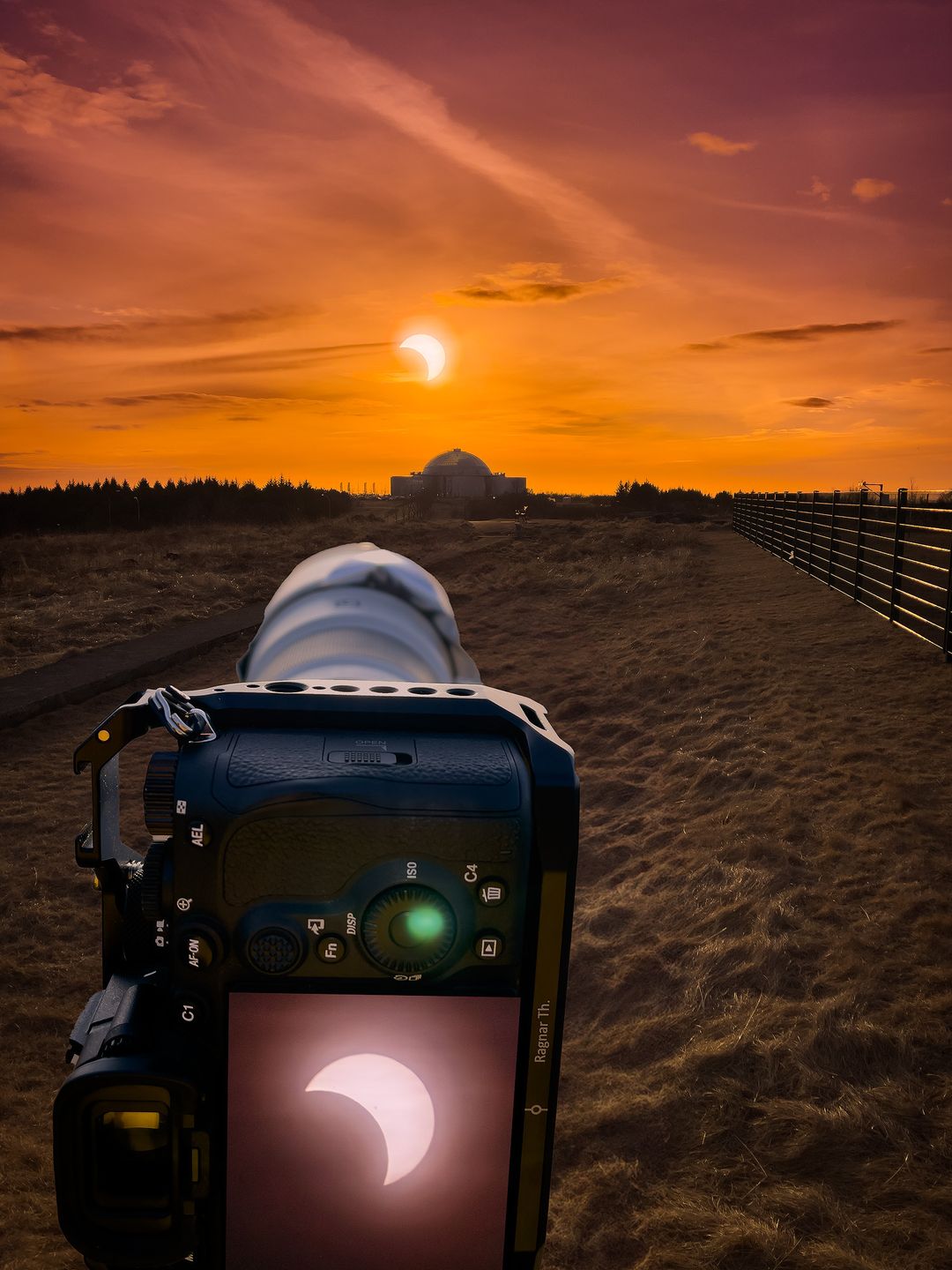
Can You Look at the Sun During Totality?
During a total solar eclipse, eclipse glasses must be worn throughout the partial phases before and after totality.
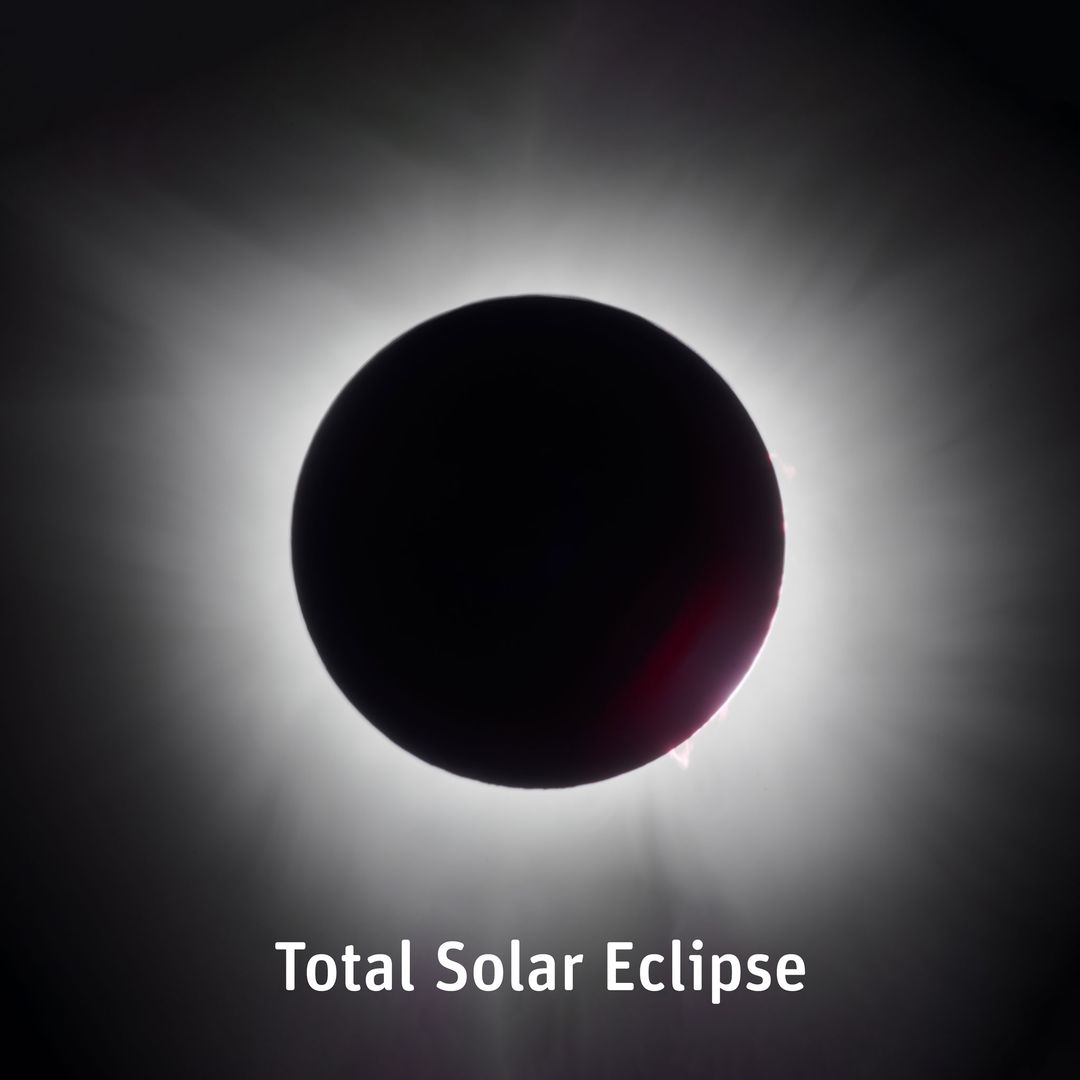
If you are inside the path of totality, you may look directly at the eclipse without glasses only while the Moon completely covers the Sun's bright surface. As soon as any part of the bright Sun begins to reappear, put your eclipse glasses back on immediately.
If you are outside the path of totality, there is no point during the eclipse when it is safe to look directly at the Sun without proper solar eye protection.
Popular articles
The Complete Guide to the Northern Lights in Iceland
Learn how the Northern Lights form, where to see them in Iceland, how to prepare, take photos, read the forecast, and improve your chances of a sighting.

Let's Talk About the Volcano in Iceland About to Erupt
Is a volcano in Iceland about to erupt? Here’s what travelers should know about Svartsengi, Reykjanes activity, flights, safety, and the Blue Lagoon.
Solar Eclipse 2026 in Iceland | What Happened
Iceland experienced a total solar eclipse on August 12, 2026. Discover what happened in Reykjavík, eclipse times, totality locations and more.
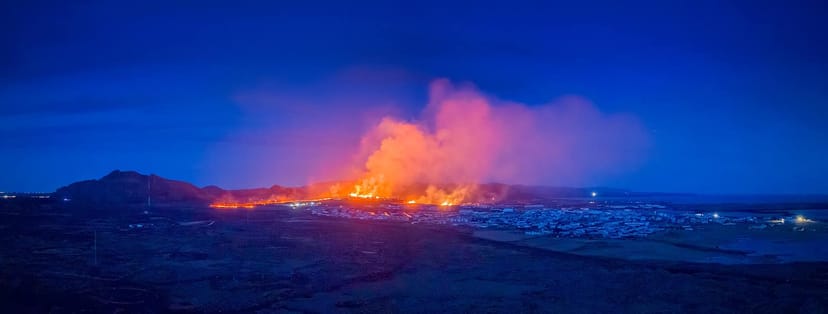
September 2026 updates on the Sundhnúkagígar Eruption in the Reykjanes Peninsula!
The current eruption in the Reykjanes Peninsula, is called Sundhnúkagígar Crater Row. See insights on the seismic activity and volcanic eruptions in the area!

Active Volcanoes in Iceland 2026
Active volcanoes aren't the same thing as active eruptions. A volcano can be considered active even when it is not ejecting ash, rock, gases and magma, so which are active in Iceland in 2026?
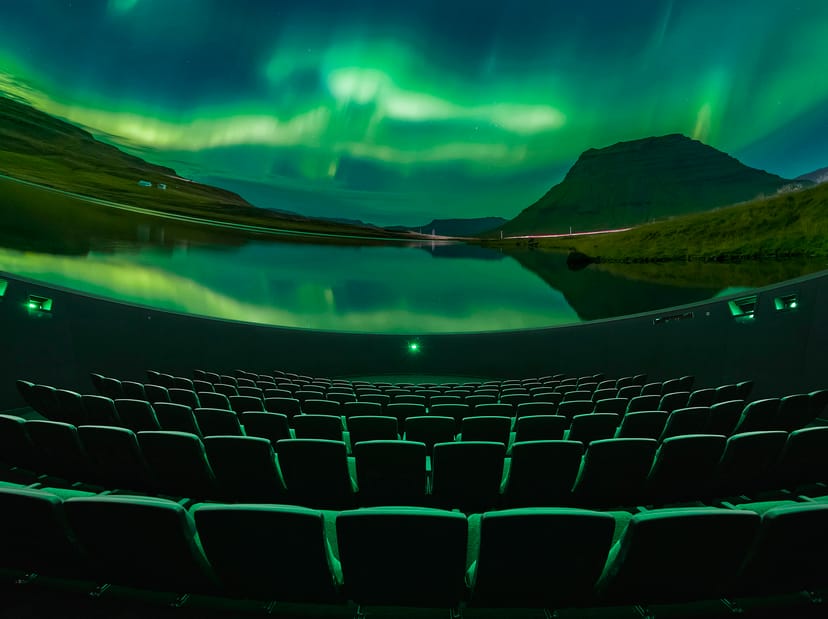
Top 10 Places To See the Northern Lights in Iceland
Discover the best places to see the Northern Lights in Iceland, from Jökulsárlón and Kirkjufell to Reykjavík, Þingvellir and North Iceland.
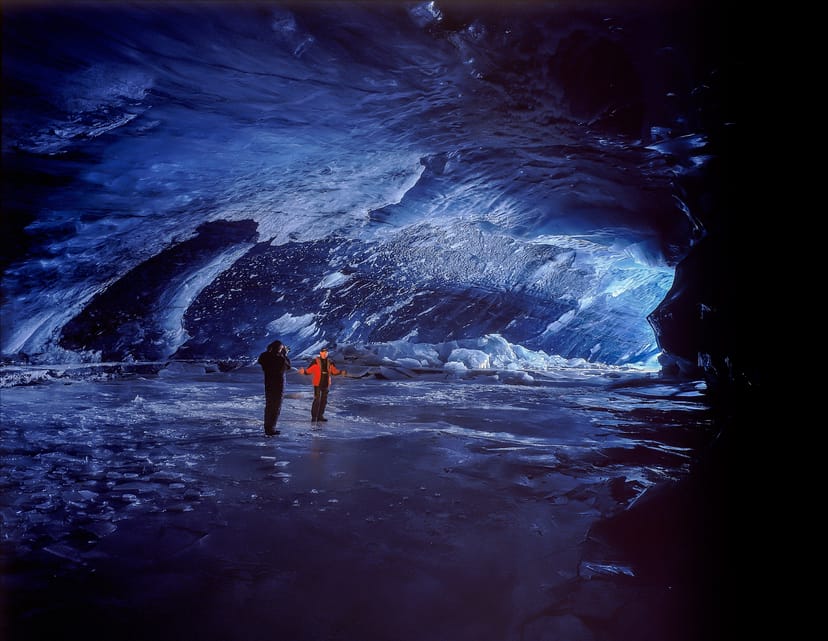
Ice Caves From Reykjavik
Planning an ice cave trip from Reykjavik? Compare Katla, Langjökull and Vatnajökull, travel times, seasons and Perlan’s ice cave in the city.