
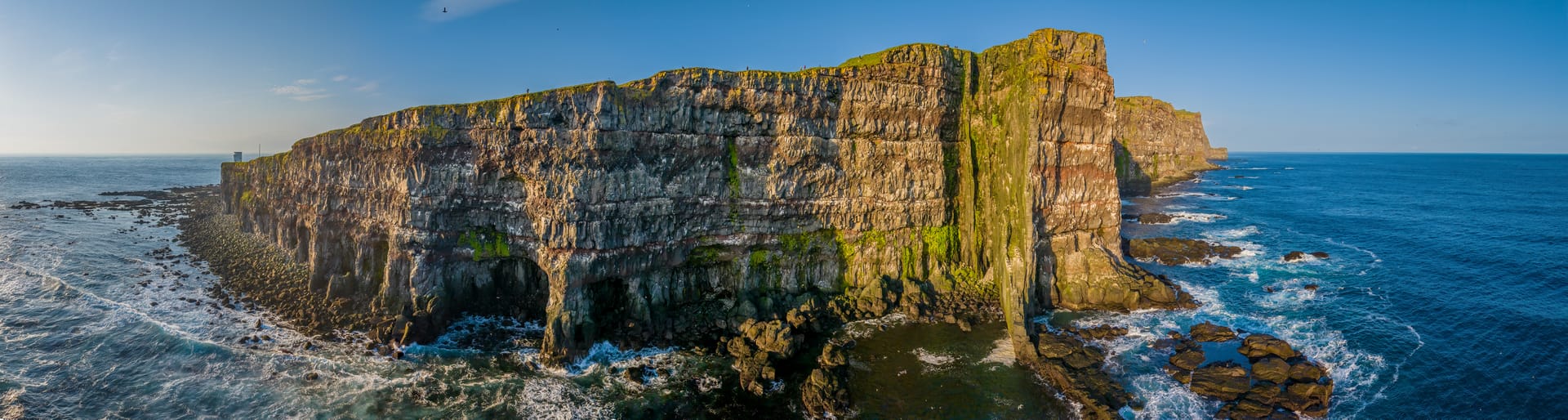
Discover Iceland’s Birdlife and Coastal Cliffs
From the dramatic Látrabjarg cliffs to the puffin colonies near Reykjavík, Iceland is a paradise for bird lovers. It’s also one of the best places to explore Iceland birdlife exhibits that explain how seabirds and coastal ecosystems thrive. Birdwatching hotspots and guided tours bring you close to puffins, guillemots, and kittiwakes in their natural habitat.
To gain a deeper understanding of this vibrant ecosystem, you can complement your trip with educational visits. Educational hubs feature exhibits and valuable experiences exploring Iceland's seabirds, coastal culture, and the environment.
Whether you’re a birdwatching enthusiast or simply curious about Iceland’s wildlife, this guide unlocks the best ways to experience local birdlife.
Birdwatching in Iceland: Látrabjarg Cliffs, Puffin Tours, and More
Iceland’s seabird populations thrive thanks to nutrient-rich ocean currents and volcanic coastal cliffs that create ideal nesting ledges. These cliffs formed through repeated lava flows, erosion, and glacial activity. Because of this geology, Iceland supports millions of puffins, guillemots, and kittiwakes. This scientific context helps explain why Iceland birdlife exhibits are so popular among visitors.
Viðey Island – Bird Watching Near Reykjavík
Just a short, scenic ferry ride from Reykjavík’s Old Harbour lies the historic Viðey Island. This tranquil haven is one of the capital area's best spots for accessible bird watching. Visitors can explore walking trails and viewing points that provide excellent opportunities for observing seabirds in their natural habitat.
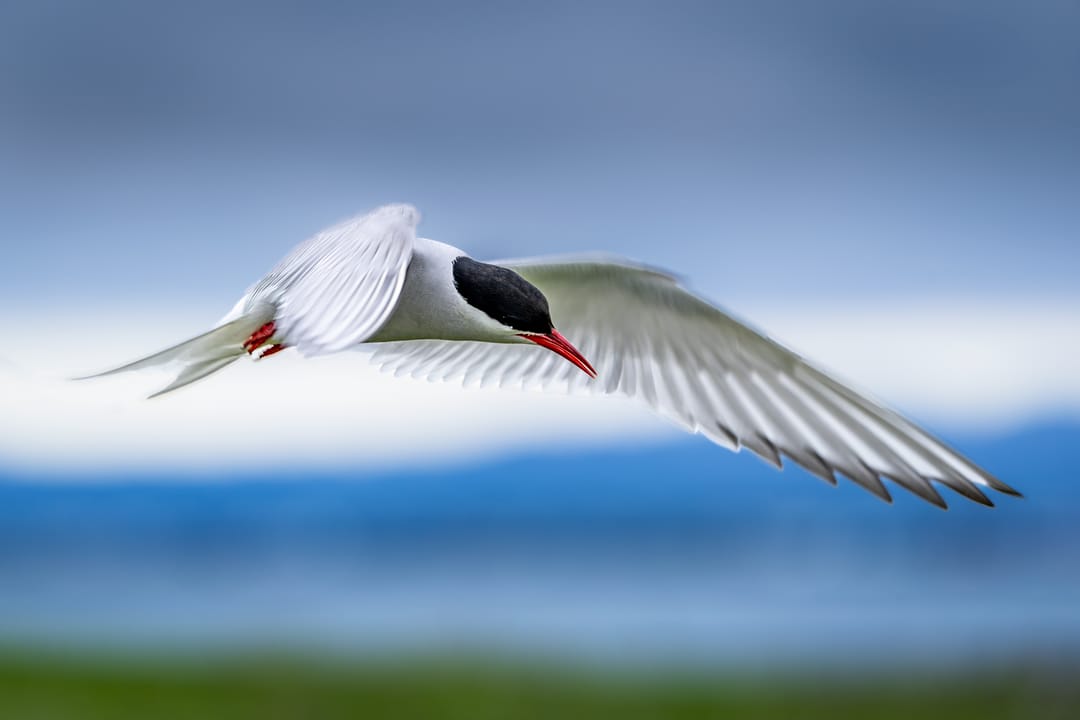
The island is home to many nesting species, including a thriving common eider colony, Arctic terns, and even puffins during summer.
Látrabjarg Cliffs – Europe’s Largest Bird Haven
If your trip allows for only one birdwatching destination in Iceland, the Látrabjarg Cliffs should be it. Located in the remote, windswept landscapes of the Westfjords, these towering cliffs stand as the largest bird cliffs in Europe.
During the nesting season, the Látrabjarg cliffs transform into an immense, lively colony. Thousands of Atlantic puffins make these cliffs their summer home, giving travelers an unparalleled chance to observe them up close. They’re joined by vast numbers of razorbills, gannets, guillemots, and many others, creating a spectacular experience with Icelandic wildlife.
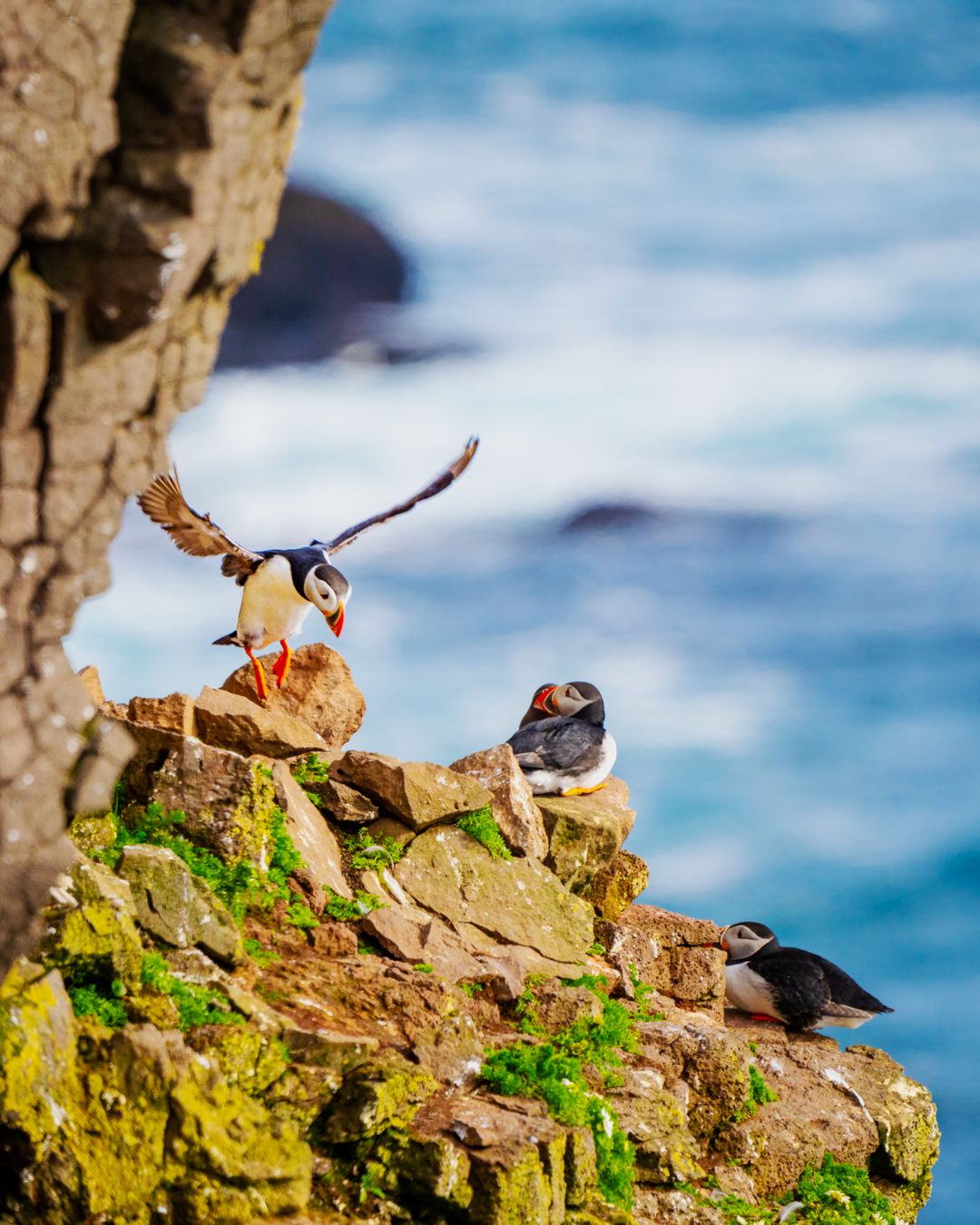
Látrabjarg’s relative isolation and lack of ground predators make the birds here unusually tolerant of visitors. For birdwatchers, it’s a bucket-list destination, one of the finest places in Europe to encounter seabirds in a truly wild setting.
Dyrhólaey – Puffins in the South Coast
Along Iceland’s picturesque South Coast, the Dyrhólaey peninsula provides another spectacular location for birdwatching. This famous landmark, characterized by its massive arch and black sand beaches, serves as a nesting site for puffins in Iceland.
In Dyrhólaey, puffins come to nest during the summer months. The peninsula is one of the most accessible places in Southern Iceland to observe these iconic little birds up close. They share the cliffs with other species, including fulmars, guillemots, Arctic terns, great skuas, and gulls.
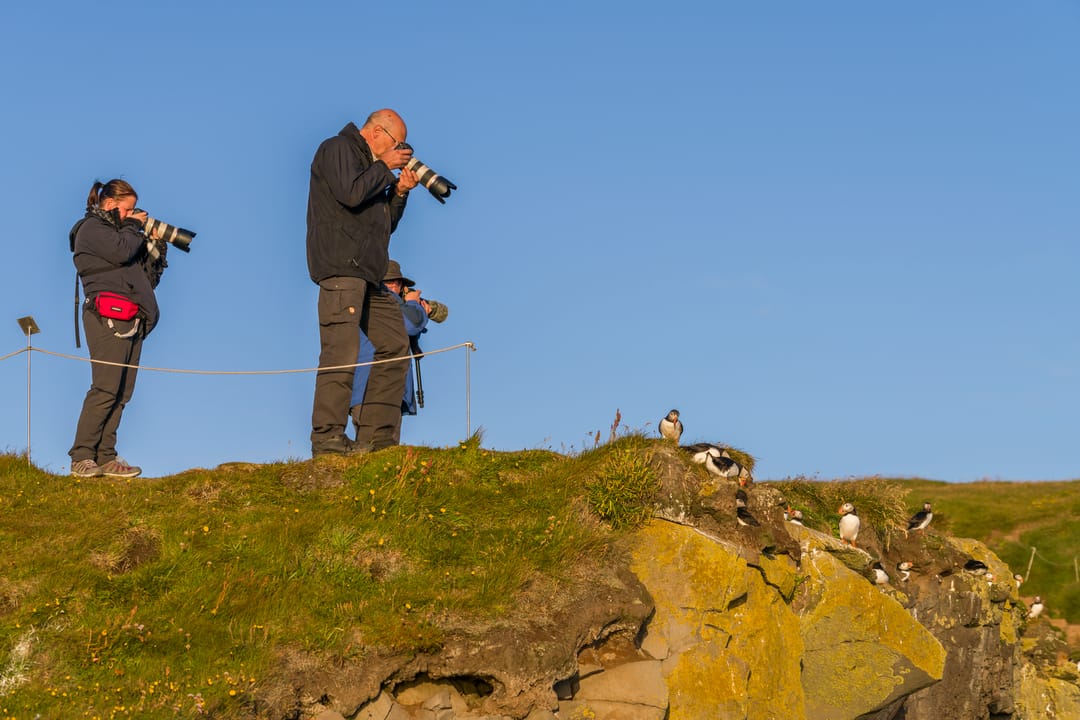
As a protected reserve, Dyrhólaey features educational initiatives and marked paths to guide visitors while ensuring minimal disturbance to nesting birds.
Westman Islands – Iceland’s Puffin Capital
The Westman Islands (Vestmannaeyjar) are world-renowned for their abundance of seabirds and coastal ecosystems. Often hailed as the country’s puffin capital, they host the single largest puffin colony in Iceland. The sheer scale of the colony is staggering: one-fifth of the world’s total Atlantic puffin population nests here every year.
For birdwatchers, the best destination for wild avian encounters on this island group is Heimaey. Here, puffins live close enough to humans that kids even sometimes rescue lost pufflings that stray into town streets at night. The islands sit along productive ocean currents, creating ideal feeding grounds for puffins and other Iceland seabirds.
Puffin and Seabird Tours from Reykjavík Harbour
Puffin tours from Reykjavík Harbour are the most convenient option for travelers based in the capital. Departing frequently from the Old Harbour during puffin season (typically May to mid-August), boats ferry visitors out to nearby islands in Faxaflói Bay, such as Akurey and Lundey.
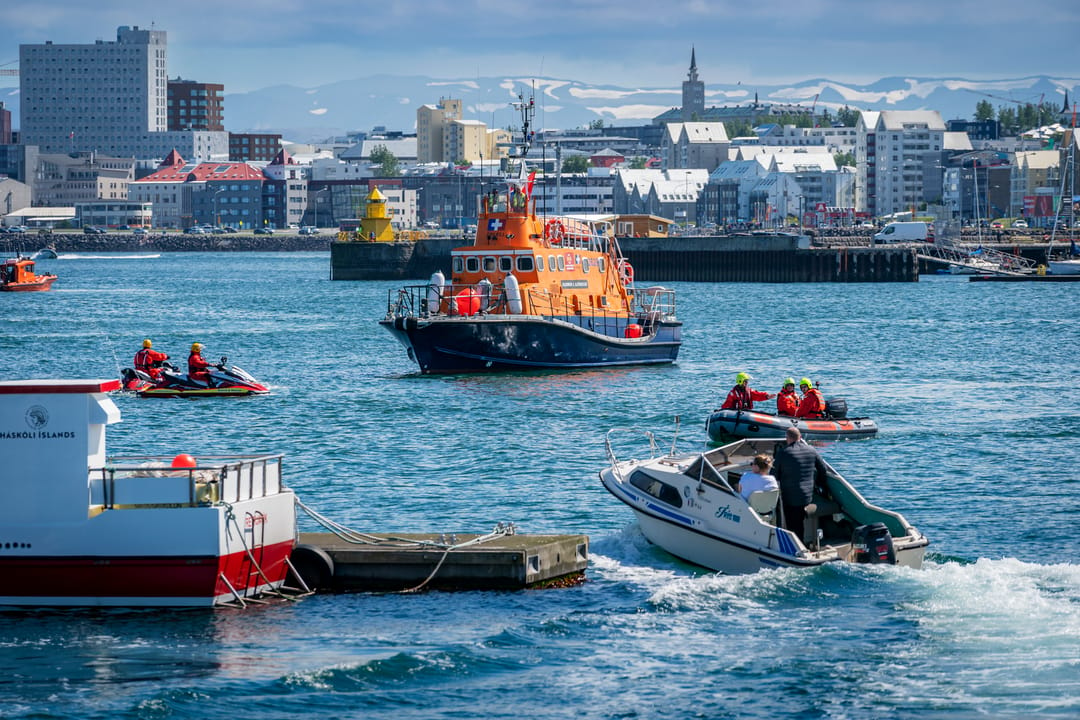
These tours are short and efficient, usually lasting only an hour. They’re generally the most affordable way to enjoy a close-up look at Iceland’s most beloved seabird. For those short on time, puffin tours from Reykjavik are perfect for combining a city stay with a wildlife encounter.
Iceland Birdlife Exhibits and Where to Find Them
Sigurgeir's Bird Museum – Lake Mývatn's Specialist Collection
Located on the western shores of Lake Mývatn, Sigurgeir's Bird Museum is a captivating destination for bird enthusiasts. It houses Iceland’s largest private bird collection: approximately 330 taxidermied birds and around 500 eggs. These highly specialized displays count among the finest Iceland birdlife exhibits available.
Visitors can use the lakeside viewing hides and telescopes for birdwatching in this Iceland avian hotspot. Lake Mývatn, after all, is an area renowned for its rich waterfowl and duck populations.
Perlan Wonders of Iceland – Látrabjarg's Puffin Cliff in Reykjavík
The Perlan – Wonders of Iceland exploratorium hosts the most spectacular of the puffin exhibits in Reykjavík. This centerpiece is a massive, 10-meter-high replica of the famous Látrabjarg cliffs. It allows visitors to get up close to life-like Atlantic puffins and other seabirds year-round, even outside of nesting season.
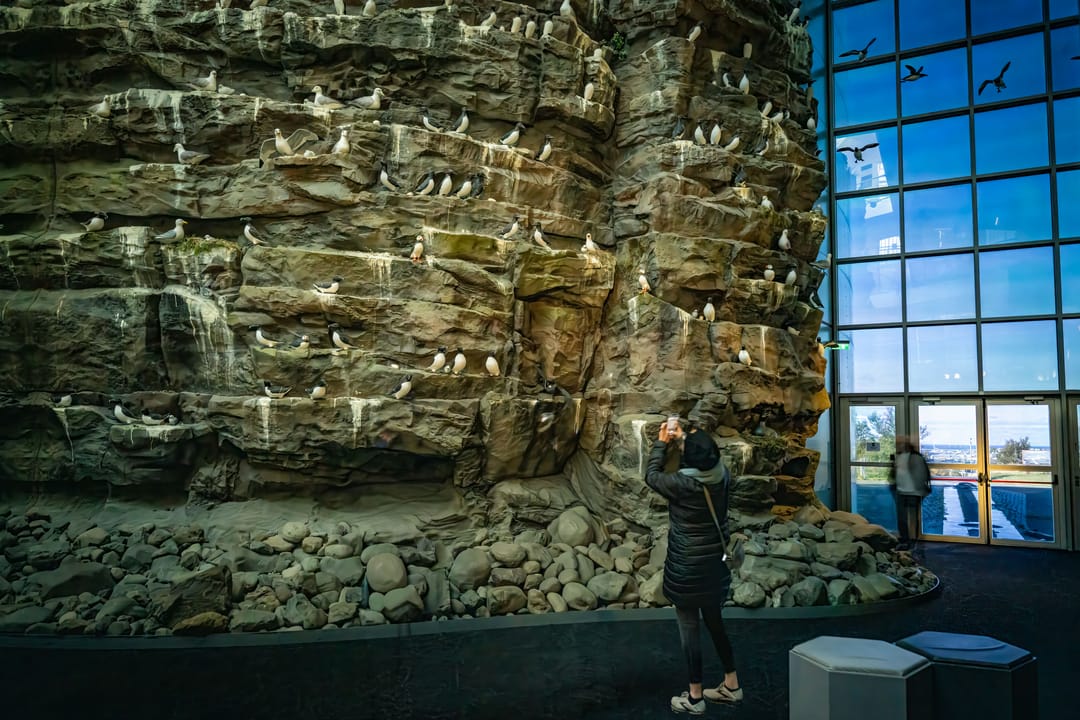
This exhibit is presented in collaboration with the Icelandic Museum of Natural History. providing authoritative insight into the birds and their vital marine ecosystem. It’s an ideal way to appreciate the scale of Iceland’s famed bird cliffs before or after a trip into the wild.
Reykjavík Maritime Museum – Ocean Life and Coastal Culture
To explore a different side of Iceland’s natural world, visit one of Reykjavik’s most prominent museums. While the primary focus is Iceland’s seafaring history, the Reykjavík Maritime Museum provides valuable context for understanding life along Iceland’s coasts. Its permanent exhibition, Fish & Folk, traces the evolution of Icelandic fishing and demonstrates how marine resources shaped national identity.
Plan Your Visit
Whether you seek thrilling outdoor encounters or valuable scientific context, Iceland offers a complete journey through its spectacular natural history.
Start your adventure on the Látrabjarg cliffs or witness thousands of Dyrhólaey puffins in their natural environment. Complement this with an educational visit to the capital. In partnership with the Icelandic Museum of Natural History, Perlan hosts one of the best puffin exhibits in Reykjavík year-round. Meanwhile, the Reykjavík Maritime Museum provides essential context on the ocean life and coastal culture that sustains Iceland.
This combination of exploration and world-class Icelandic birdlife exhibits ensures a truly memorable trip.
FAQs
Where is the best place to see puffins in Iceland?
The Westman Islands host Iceland’s largest puffin colony. For dramatic coastal scenery and easy clifftop viewing, the Látrabjarg cliffs in the Westfjords are outstanding. For South Coast visitors, Dyrhólaey is one of the most accessible puffin-watching spots.
When is puffin season in the Látrabjarg cliffs?
The best time to see Atlantic puffins at the Látrabjarg cliffs is generally from mid-May to mid-August, when the birds are nesting.
When is the best time of day to see Dyrhólaey puffins?
Dyrhólaey puffins are most reliably seen in the late afternoon and evening, when they return from feeding at sea.
Is there a place to see puffins year-round?
Yes. Perlan hosts one of the best puffin exhibits in Reykjavík: a massive model of the Látrabjarg cliffs, with realistic puffin models.
What is the best time for birdwatching in Iceland?
Late May through July offers the richest birdwatching, with most migratory species nesting and active across the country.
What museum in Reykjavík has the best puffin exhibit?
Perlan hosts the most detailed puffin exhibit in Reykjavík, featuring a 10-meter model of the Látrabjarg cliffs and lifelike seabird displays.
Where can I learn about Iceland’s coastal ecosystems?
Perlan and Sigurgeir’s Bird Museum both offer exhibits that explain Iceland’s seabird habitats, volcanic cliffs, and marine environment.
Why does Iceland have so many seabirds?
Cold, nutrient-rich ocean currents create ideal feeding grounds, while volcanic cliffs offer safe nesting ledges. This combination supports millions of seabirds each summer.
Popular articles
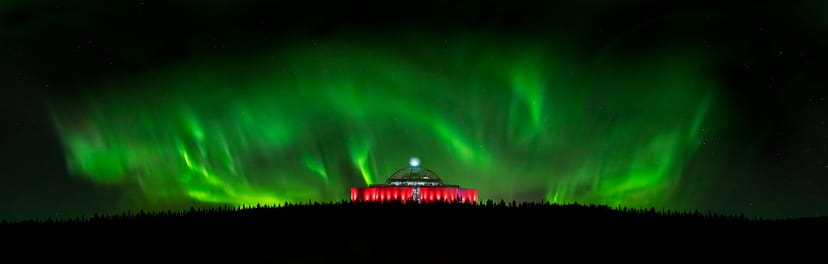
The Complete Guide to the Northern Lights in Iceland
Learn how the Northern Lights form, where to see them in Iceland, how to prepare, take photos, read the forecast, and improve your chances of a sighting.
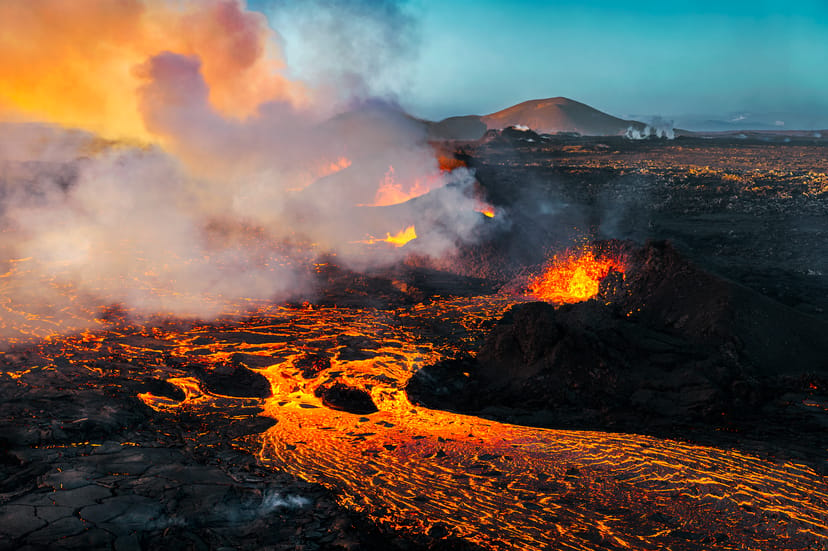
Let's Talk About the Volcano in Iceland About to Erupt
Is a volcano in Iceland about to erupt? Here’s what travelers should know about Svartsengi, Reykjanes activity, flights, safety, and the Blue Lagoon.

Solar Eclipse 2026 in Iceland | What Happened
Iceland experienced a total solar eclipse on August 12, 2026. Discover what happened in Reykjavík, eclipse times, totality locations and more.
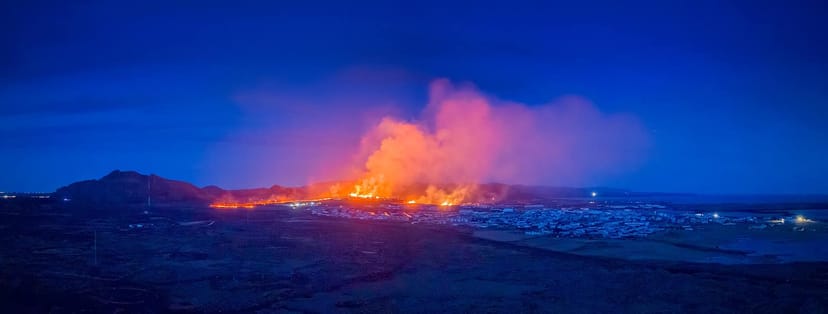
September 2026 updates on the Sundhnúkagígar Eruption in the Reykjanes Peninsula!
The current eruption in the Reykjanes Peninsula, is called Sundhnúkagígar Crater Row. See insights on the seismic activity and volcanic eruptions in the area!
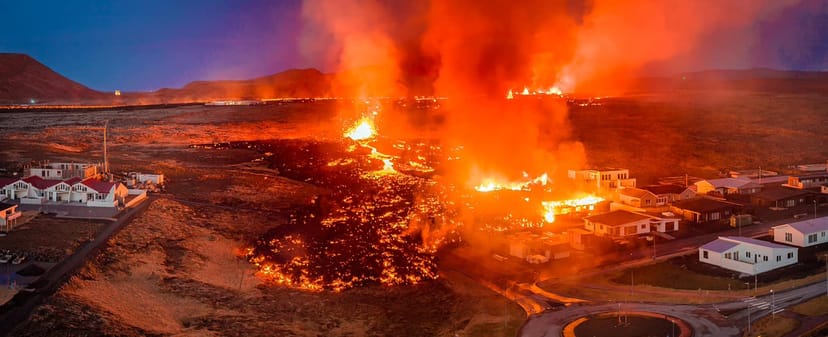
Active Volcanoes in Iceland 2026
Active volcanoes aren't the same thing as active eruptions. A volcano can be considered active even when it is not ejecting ash, rock, gases and magma, so which are active in Iceland in 2026?
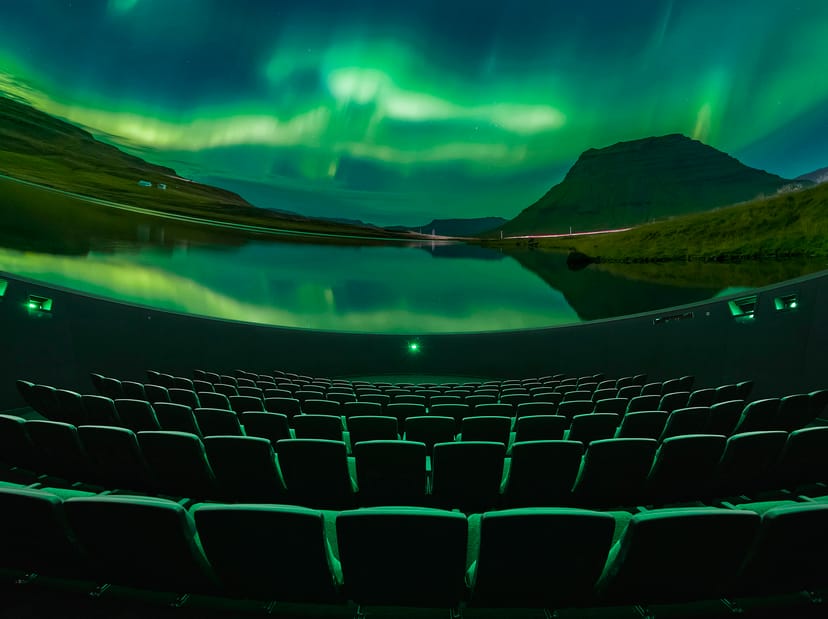
Top 10 Places To See the Northern Lights in Iceland
Discover the best places to see the Northern Lights in Iceland, from Jökulsárlón and Kirkjufell to Reykjavík, Þingvellir and North Iceland.
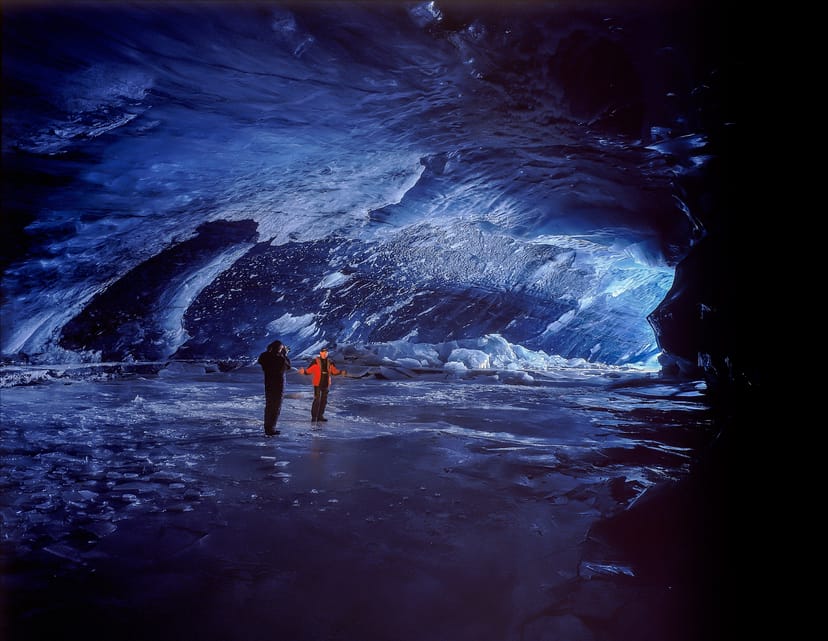
Ice Caves From Reykjavik
Planning an ice cave trip from Reykjavik? Compare Katla, Langjökull and Vatnajökull, travel times, seasons and Perlan’s ice cave in the city.