
Planning a Family Vacation in Iceland
Plan your Iceland family vacation with tips on when to visit, where to stay, transport, a flexible five-day itinerary, and family travel essentials.
Travelling through Iceland with children is an adventure, with landscapes that look straight out of a picture book. Across the island, families can discover waterfalls, steaming geothermal areas, volcanic landscapes, and vast glaciers. For parents, it’s an opportunity to turn lessons about nature and science into real-world experiences. However, planning an Iceland family vacation requires careful consideration of the weather, travel distances, and children’s needs.
The key to a successful family holiday is balancing outdoor activities, city sightseeing, and plenty of time for rest. This guide will help you with the logistics, so you can plan a trip that works for the entire family.
Is Iceland a Good Destination for Families?
Yes, Iceland is an excellent place for a family holiday. The country is generally safe, clean, and welcoming to young visitors. Accessible nature trails, unique wildlife encounters, and interactive educational venues make exploring Iceland especially rewarding for children.
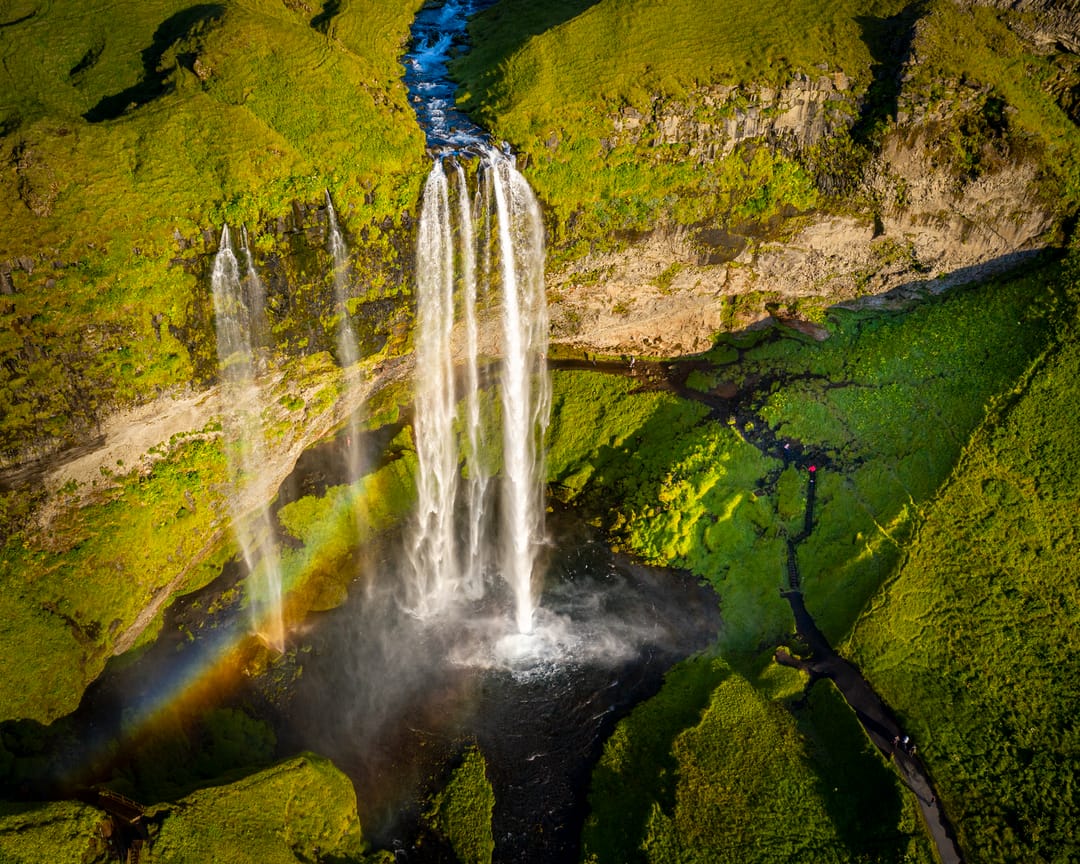
However, it's important to consider children's needs when planning a trip. Weather can change rapidly, driving distances between attractions can be long, and the terrain around many natural sites can be rugged. Fortunately, families can enjoy many of the best family activities in Iceland in and around Reykjavík. It is definitely possible to plan a memorable holiday without travelling too far from the capital.
Best Time for a Family Holiday in Iceland
Iceland offers rewarding experiences throughout the year, but each season brings different conditions. The best time to visit Iceland depends on your children's ages, your family's preferred activities and how comfortable everyone is with changing weather.
Summer (June–August)
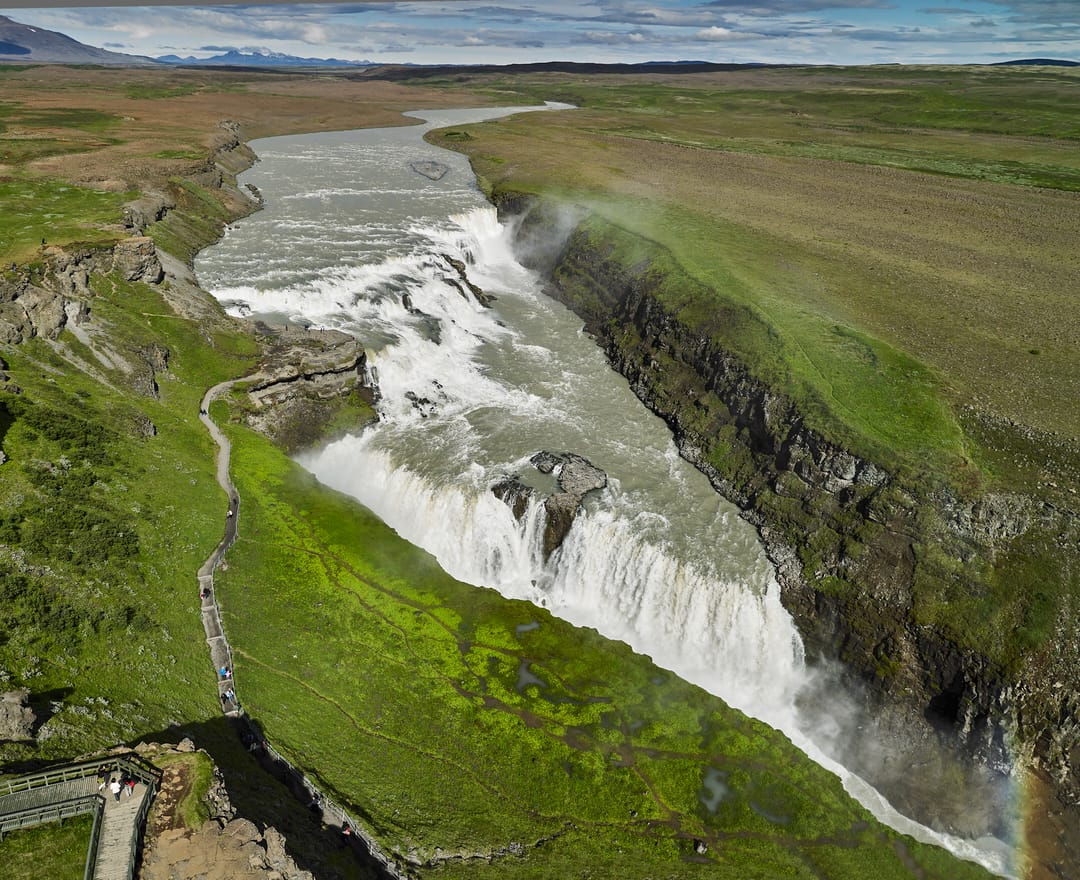
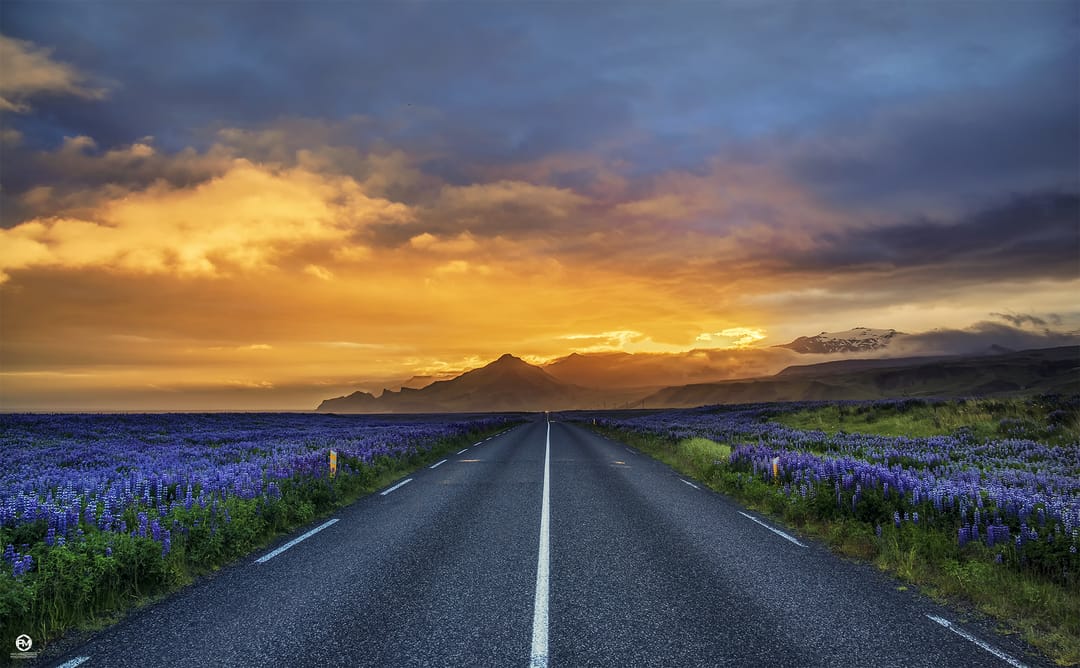
Summer is often the easiest season for families visiting Iceland for the first time. Long daylight hours, milder temperatures and generally better road conditions make outdoor sightseeing more manageable. Families can enjoy nature walks, picnics and opportunities to spot puffins along the coast. However, summer also brings higher accommodation prices, busier attractions and the challenge of maintaining children's bedtimes with noticeable daylight.
Spring and Autumn (March–May, September–October)
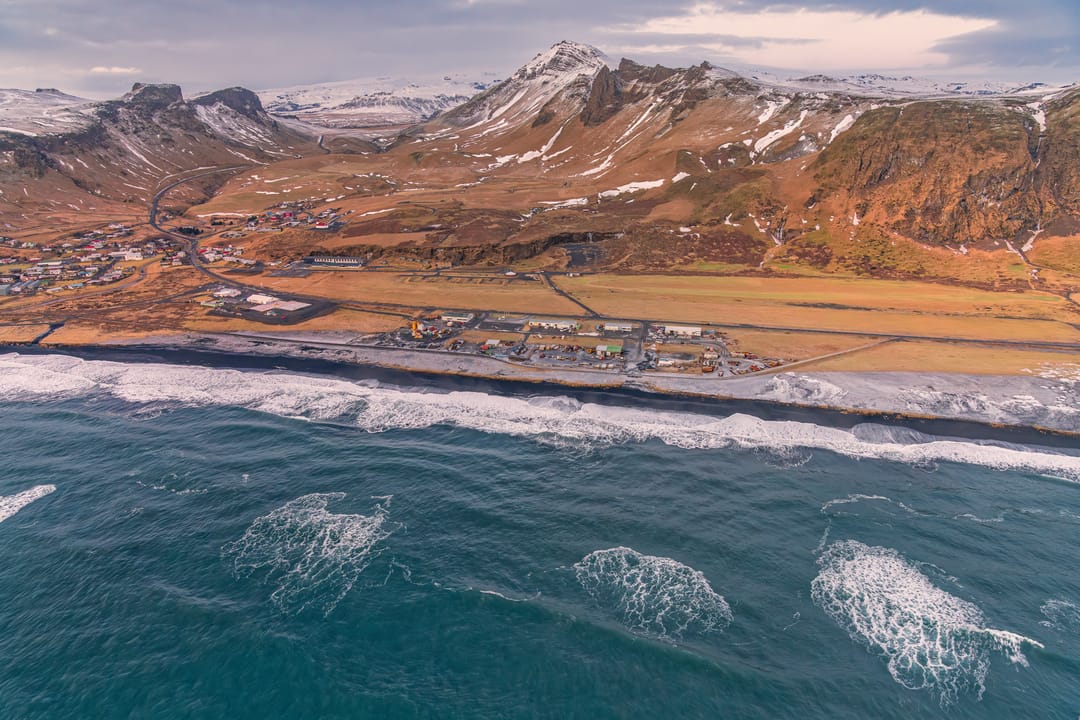
Spring and autumn usually offer fewer crowds and lower travel costs than peak summer. Daylight hours vary considerably, with longer days in late spring and shorter sightseeing windows as autumn progresses. However, these transitional seasons bring unpredictable weather, including rain, strong winds and occasional snowfall. Flexible itineraries are recommended, and families should be prepared for changing road conditions.
Winter (November–February)
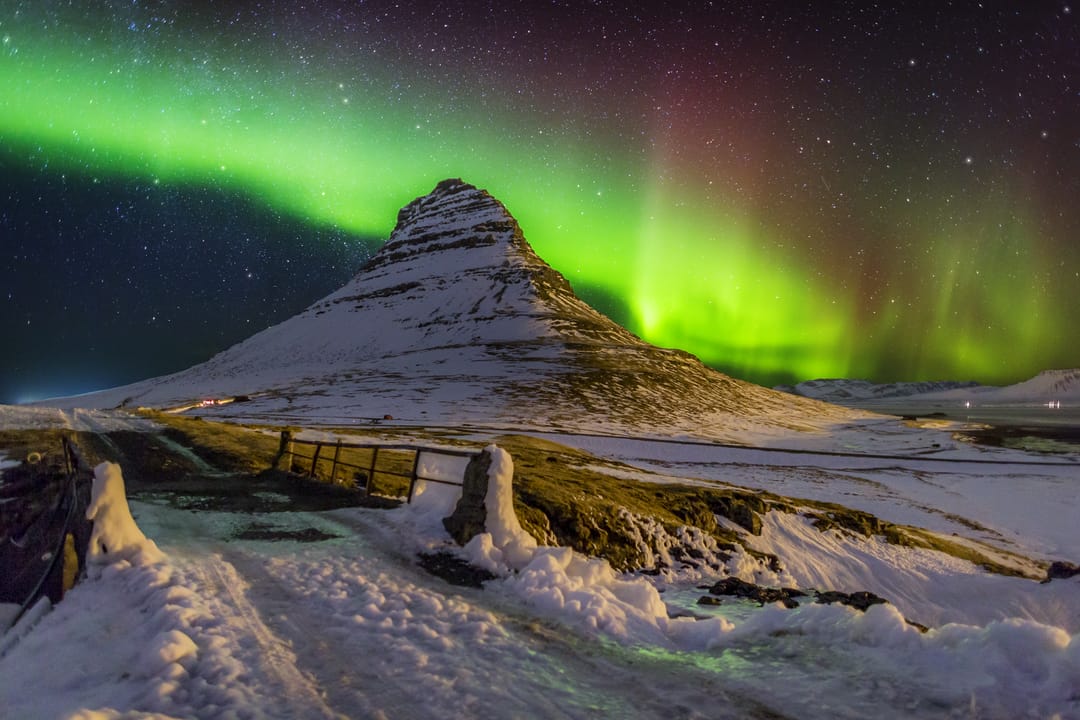
Winter offers families opportunities to see the northern lights, explore snowy landscapes and join age-appropriate ice cave tours. However, daylight can be as short as four hours in midwinter, and icy roads and severe weather may disrupt travel plans. Families hoping to see the northern lights with kids should remember that guided excursions often involve late nights, which may not suit younger children.
Where to Stay and Explore in Iceland With Kids
Choosing your base is an important part of planning an Iceland family vacation. The best option depends on the length of your stay and how comfortable your children are with longer journeys.
Reykjavík: An Easy Base for Families
For first-time visitors or families spending less than a week in Iceland, Reykjavík is often the most convenient base. The capital offers a wide range of family-friendly accommodation, supermarkets, restaurants and essential services, making everyday logistics much easier.
From Reykjavík, families can take guided day trips to the Golden Circle and other nearby destinations without changing hotels. There are also plenty of fun things to do in Reykjavík with kids, from interactive museums to geothermal swimming pools.
Exploring Beyond the Capital
If you prefer exploring beyond Reykjavík, resist the temptation to cover too much ground. The Golden Circle is manageable as a day trip, while exploring the South Coast may be more comfortable with an overnight stay. Spending several hours in a car each day can also be tiring for younger children.
For longer road trips, consider spending at least two nights at each accommodation base to reduce travel fatigue. Iceland's Ring Road stretches approximately 1,322 kilometres (820 miles), making the entire circuit better suited to longer family holidays.
Getting Around Iceland With Children
When travelling with younger children, keeping transport arrangements simple can make a big difference. Hiring a car and joining guided tours are both great ways to explore Iceland, with pros and cons that suit different travellers.
- Rental Car: Hiring a car offers greater flexibility. You can stop for naps, take toilet breaks when needed and spend more time at attractions the children enjoy. However, navigating unfamiliar roads and keeping up with Iceland's changing weather and road conditions can be challenging.
- Guided Tours: Coach or minibus tours take the pressure off driving and navigation. They work well for families staying in Reykjavík or planning day trips. However, fixed departure times, lengthy journeys and minimum age requirements for certain activities may not suit every family.
Choosing Family-Friendly Accommodation
When booking accommodation, prioritise practicality and convenience over luxury:
- Layout: Look for self-catering apartments, family suites or adjoining rooms that give everyone space to unwind.
- Meals: Kitchen facilities make it easier to accommodate fussy eaters, prepare early breakfasts and manage food expenses.
- Amenities: Access to laundry facilities is useful for washing muddy or wet clothing. Convenient parking makes loading luggage and securing child seats easier.
How to Plan a Flexible Family Itinerary
Planning an Iceland family vacation doesn't mean scheduling every hour of the day. With children, a flexible itinerary that allows for changing weather, rest breaks and unexpected delays often works best. A few simple principles can help you create a manageable and enjoyable trip for everyone.
Plan One Main Activity Each Day
A useful rule of thumb is to plan one main activity per day, leaving room for meals, rest and spontaneous stops. You can structure your days around a simple framework:
- Morning: Plan your main excursion when everyone is well-rested, ideally during daylight hours for outdoor activities.
- Midday: Allow time for a relaxed lunch and a break from sightseeing.
- Afternoon: Keep a shorter, optional activity in reserve, such as visiting a local geothermal swimming pool or neighbourhood playground.
- Nighttime: Take it easy in the evening. Enjoy a relaxed dinner and some downtime at your accommodation before bedtime.
When planning excursions outside Reykjavík, consider driving times carefully. Make sure to account for sightseeing stops and potential delays caused by changing road conditions.
Keep an Indoor Alternative Ready
Icelandic weather can change rapidly. Sudden downpours or strong winds can disrupt an afternoon of outdoor sightseeing. Having a planned indoor activity in mind helps families make the most of their day, regardless of the weather. Fortunately, there are plenty of indoor things to do in Iceland with kids, including interactive museums, educational exhibitions and geothermal pools.
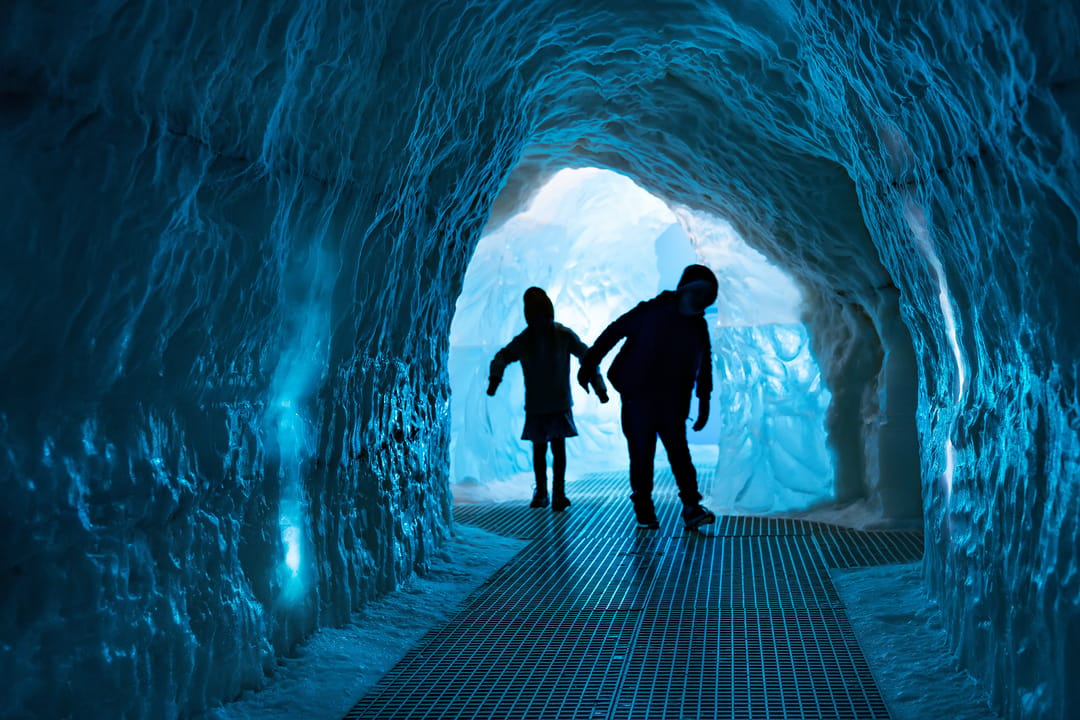
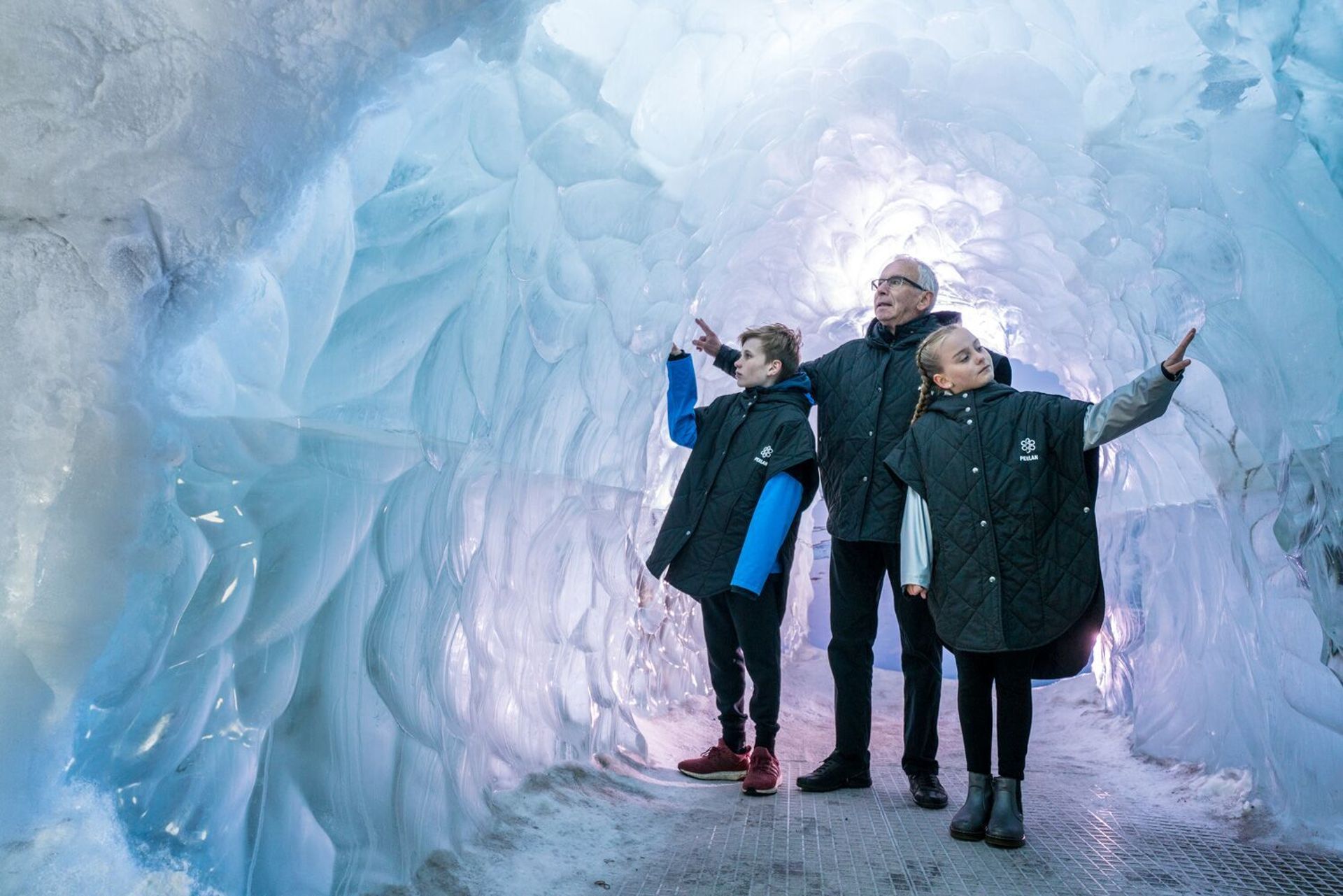
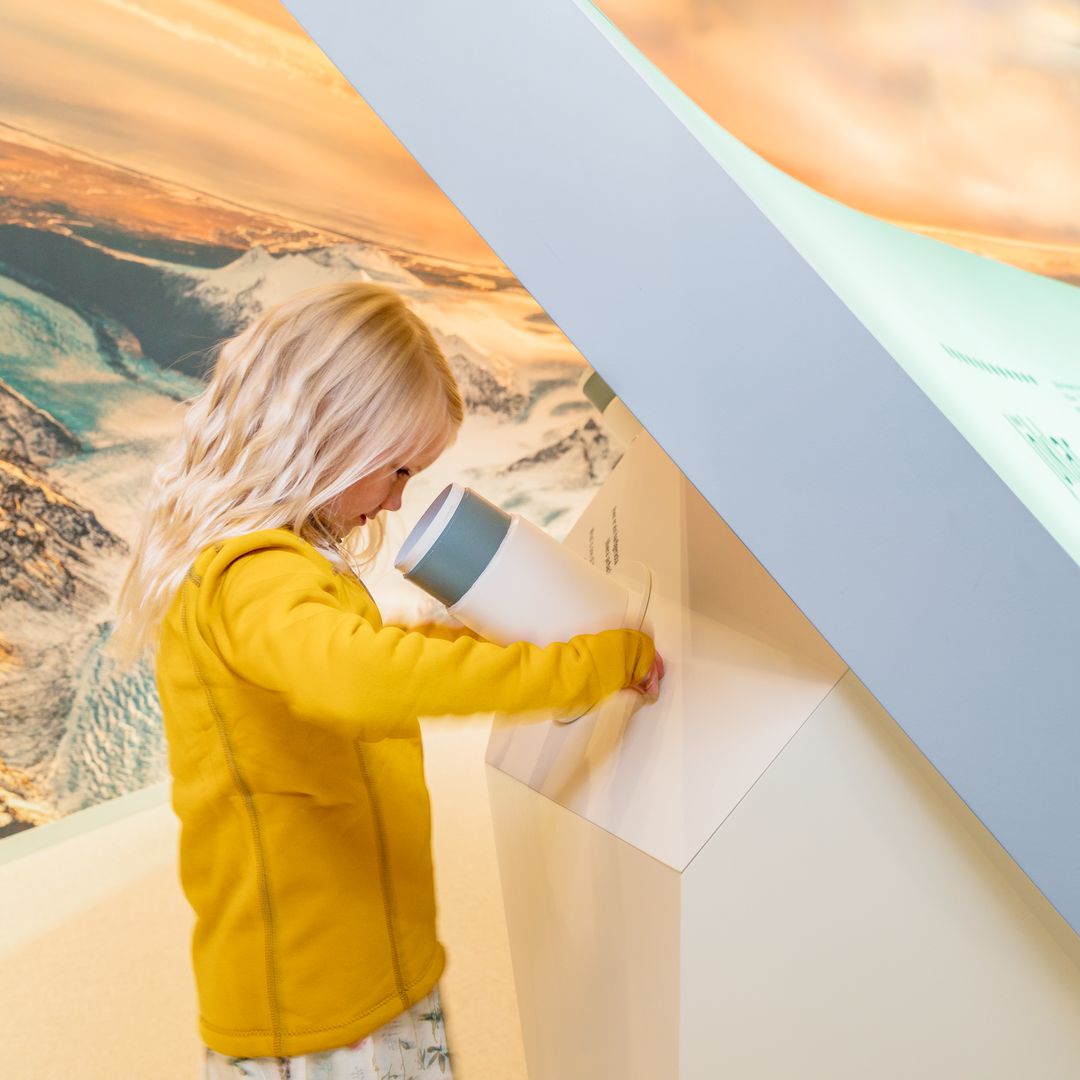
One experience worth including in your Reykjavík itinerary is a chance to visit Perlan. Here, children can explore Iceland's natural wonders through immersive exhibits. Families can walk through an indoor ice cave made from real snow, discover the forces behind volcanoes and earthquakes, and experience a northern lights planetarium show. It’s an engaging opportunity to understand the science behind Iceland’s natural wonders before or after exploring the country’s landscapes.
Sample 5-Day Itinerary for an Iceland Family Vacation
This five-day Reykjavík-based itinerary offers a relaxed introduction to Iceland, with time for rest and flexibility to adjust plans.
Day | Main experience | Planning considerations |
Day 1: Arrive in Reykjavík | Settle into your accommodation and explore the neighbourhood. | Keep arrival day light, especially after a long flight. |
Day 2: Discover Icelandic Nature at Perlan | Explore the indoor ice cave, nature exhibitions and Áróra northern lights planetarium show. | Make Perlan the day's main attraction, with an optional city walk or geothermal pool visit afterwards. |
Day 3: Discover the Golden Circle | Visit Þingvellir National Park, the Geysir geothermal area and Gullfoss waterfall. | Allow a full day, with regular breaks and fewer stops if travelling with younger children. |
Day 4: Enjoy Reykjavík at Your Own Pace | Explore a museum, geothermal swimming pool or family-friendly outdoor space. | Keep the day flexible and relatively light after the Golden Circle excursion. |
Day 5: Choose a Short Outing or Departure Day | Choose a short Reykjavík activity if your departure time allows. | Avoid ambitious sightseeing before a flight and allow plenty of time for airport transfers. |
In winter, plan outdoor excursions around limited daylight and changing road conditions. Summer's long evenings offer more flexibility, but children's routines should still come first. If poor weather disrupts the Golden Circle excursion, swap it with indoor activities in Reykjavík or adjust your plans accordingly.
Practical Tips for a Family Holiday in Iceland
- Dress in Layers: Pack thermal base layers, fleece or wool mid-layers, and windproof, waterproof jackets and trousers. Sturdy waterproof footwear, warm hats and gloves help keep children comfortable in changing weather.
- Keep Essentials Accessible: Carry a day bag with snacks, water bottles, spare dry clothes, basic first-aid supplies and age-appropriate entertainment for long journeys.
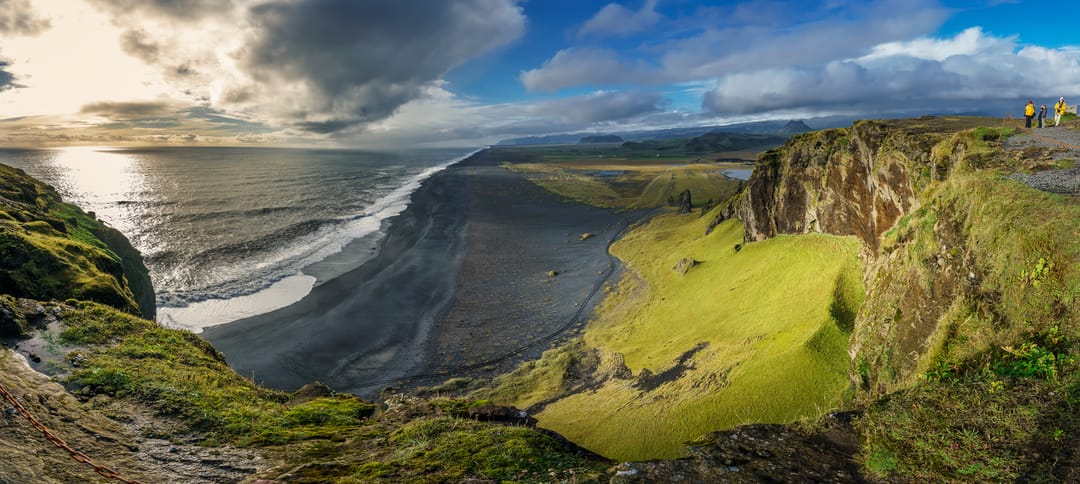
- Prioritise Safety at Natural Sites: Keep children on designated paths around geothermal areas, cliffs and waterfalls, and respect warning signs and barriers. At beaches, stay well back from the water's edge, as powerful sneaker waves can occur unexpectedly.
- Check Conditions Daily: Before setting out, check road conditions on umferdin.is and weather warnings on vedur.is. Never feel pressured to complete a drive or outdoor activity if conditions deteriorate.
- Verify Age Limits: Check minimum ages, physical requirements and equipment guidelines before booking glacier walks, boat tours or horse riding excursions.
FAQs
A five- to seven-day Iceland family vacation is a good starting point for first-time visitors. Families can explore Reykjavík and the Golden Circle at a relaxed pace, with time for selected South Coast attractions.
Summer is generally easier for families with young children, thanks to milder temperatures, long daylight hours and more favourable driving conditions. Winter offers snowy landscapes, northern lights opportunities and ice cave experiences, but requires shorter sightseeing days and greater flexibility.
Not necessarily. A rental car offers flexibility for managing naps, luggage and meal breaks. However, families staying in Reykjavík can explore the city on foot, use public buses and join organised day tours.
Keep daily plans flexible, with indoor activities available if outdoor excursions become unsuitable. Check weather forecasts and road conditions each morning, and be prepared to adjust or cancel plans when necessary.
It depends on their age and tolerance for cold, late nights, and long waits. Guided excursions may not suit toddlers or very young children. Families can also consider aurora viewing from suitably located accommodation, although sightings are never guaranteed.
Popular articles
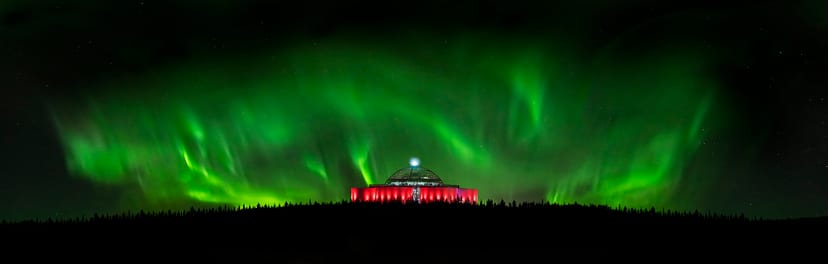
The Complete Guide to the Northern Lights in Iceland
Learn how the Northern Lights form, where to see them in Iceland, how to prepare, take photos, read the forecast, and improve your chances of a sighting.
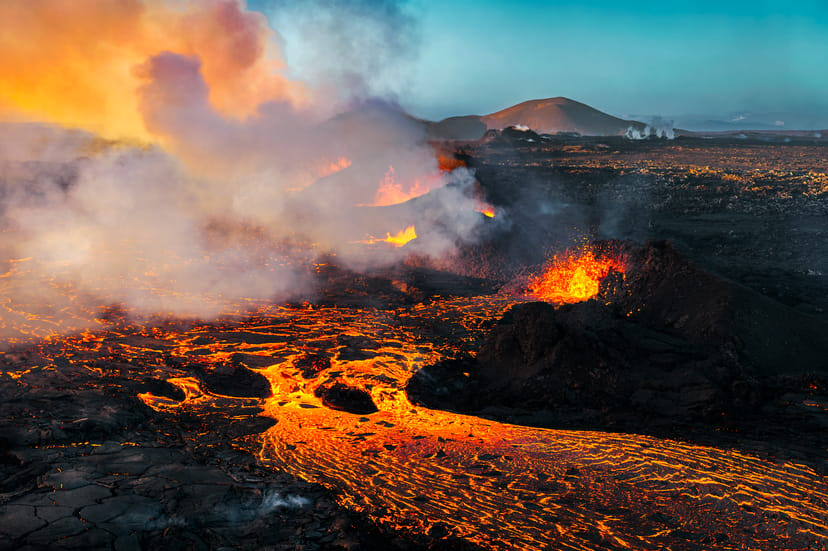
Let's Talk About the Volcano in Iceland About to Erupt
Is a volcano in Iceland about to erupt? Here’s what travelers should know about Svartsengi, Reykjanes activity, flights, safety, and the Blue Lagoon.

Solar Eclipse 2026 in Iceland | What Happened
Iceland experienced a total solar eclipse on August 12, 2026. Discover what happened in Reykjavík, eclipse times, totality locations and more.
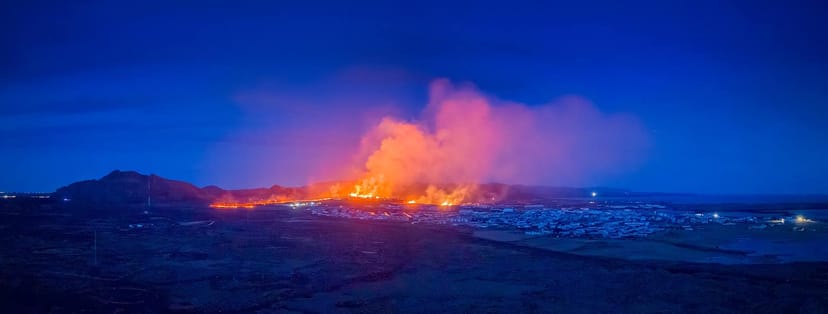
September 2026 updates on the Sundhnúkagígar Eruption in the Reykjanes Peninsula!
The current eruption in the Reykjanes Peninsula, is called Sundhnúkagígar Crater Row. See insights on the seismic activity and volcanic eruptions in the area!
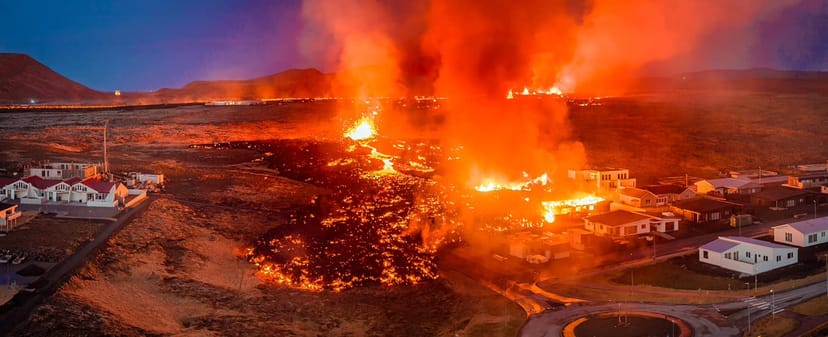
Active Volcanoes in Iceland 2026
Active volcanoes aren't the same thing as active eruptions. A volcano can be considered active even when it is not ejecting ash, rock, gases and magma, so which are active in Iceland in 2026?
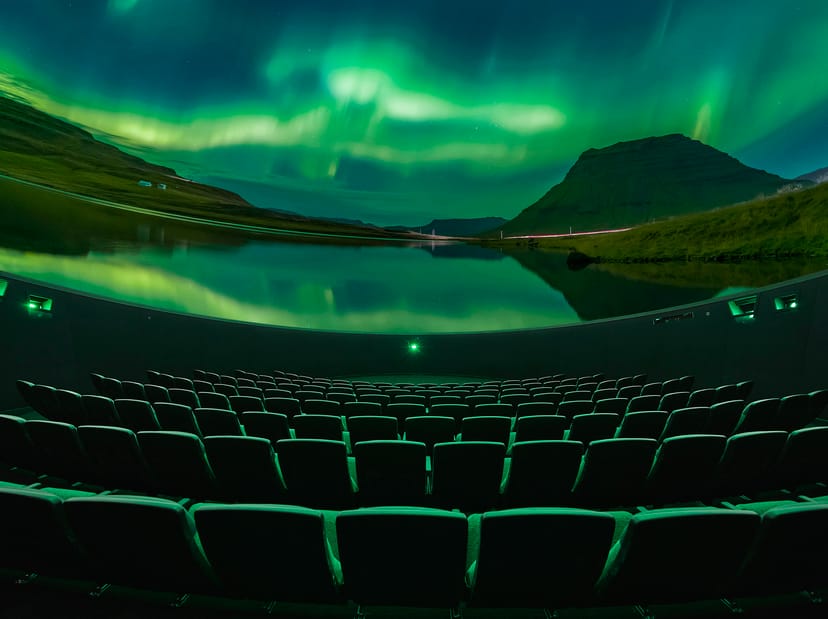
Top 10 Places To See the Northern Lights in Iceland
Discover the best places to see the Northern Lights in Iceland, from Jökulsárlón and Kirkjufell to Reykjavík, Þingvellir and North Iceland.
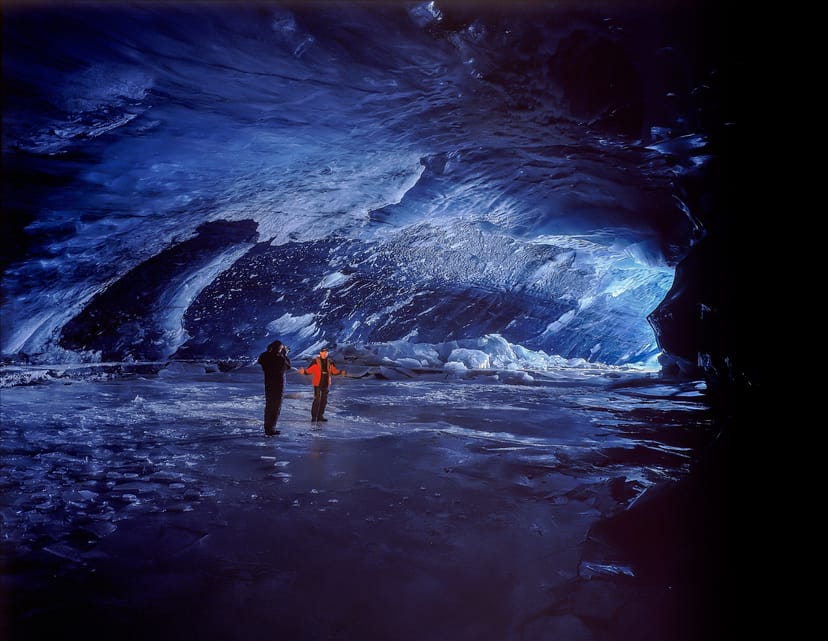
Ice Caves From Reykjavik
Planning an ice cave trip from Reykjavik? Compare Katla, Langjökull and Vatnajökull, travel times, seasons and Perlan’s ice cave in the city.