
Guide to Berserkjahraun Lava Field
Discover the 4,000-year-old Berserkjahraun Lava Field in Iceland, a striking volcanic terrain that combines geological scenery and an enduring Viking saga.
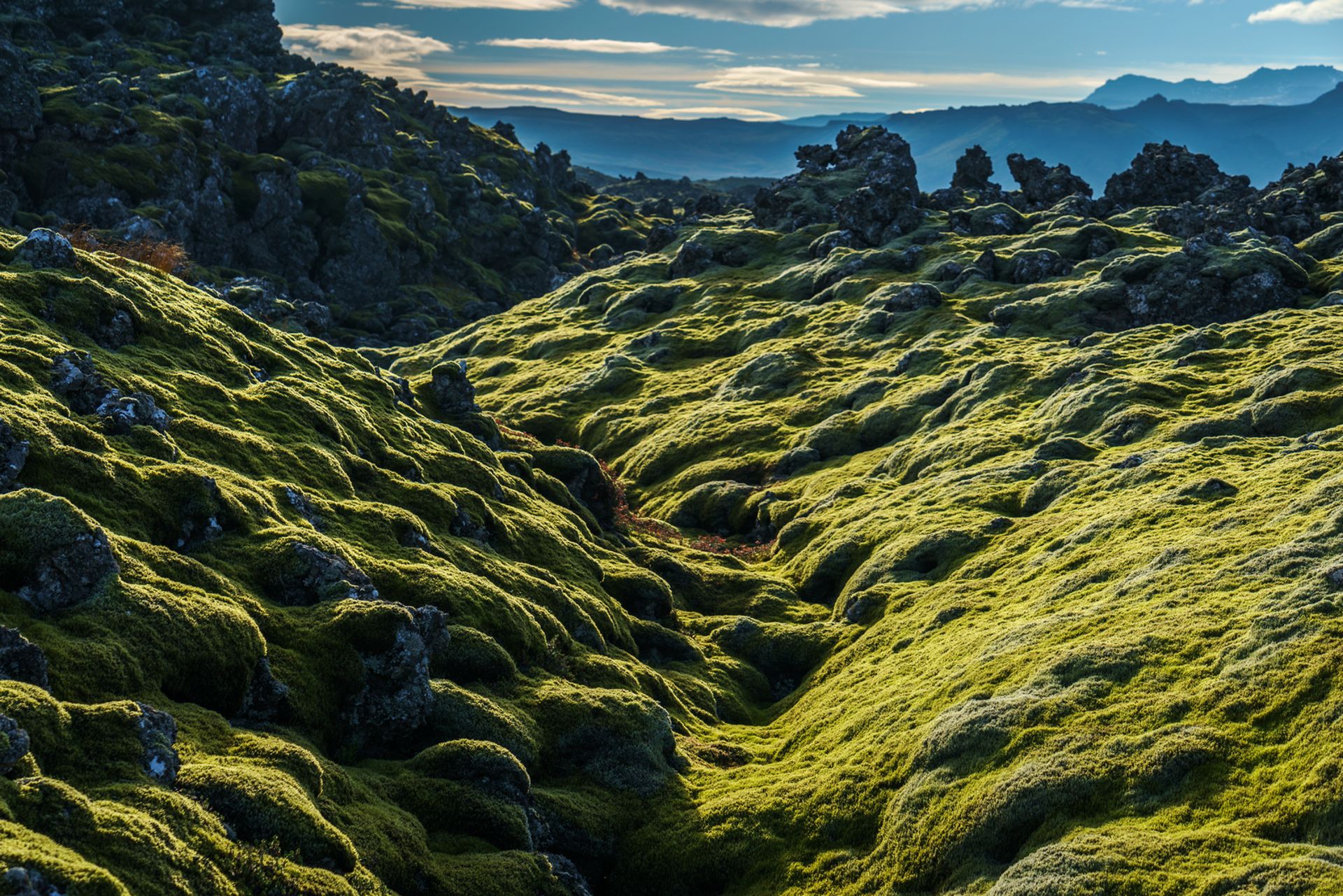
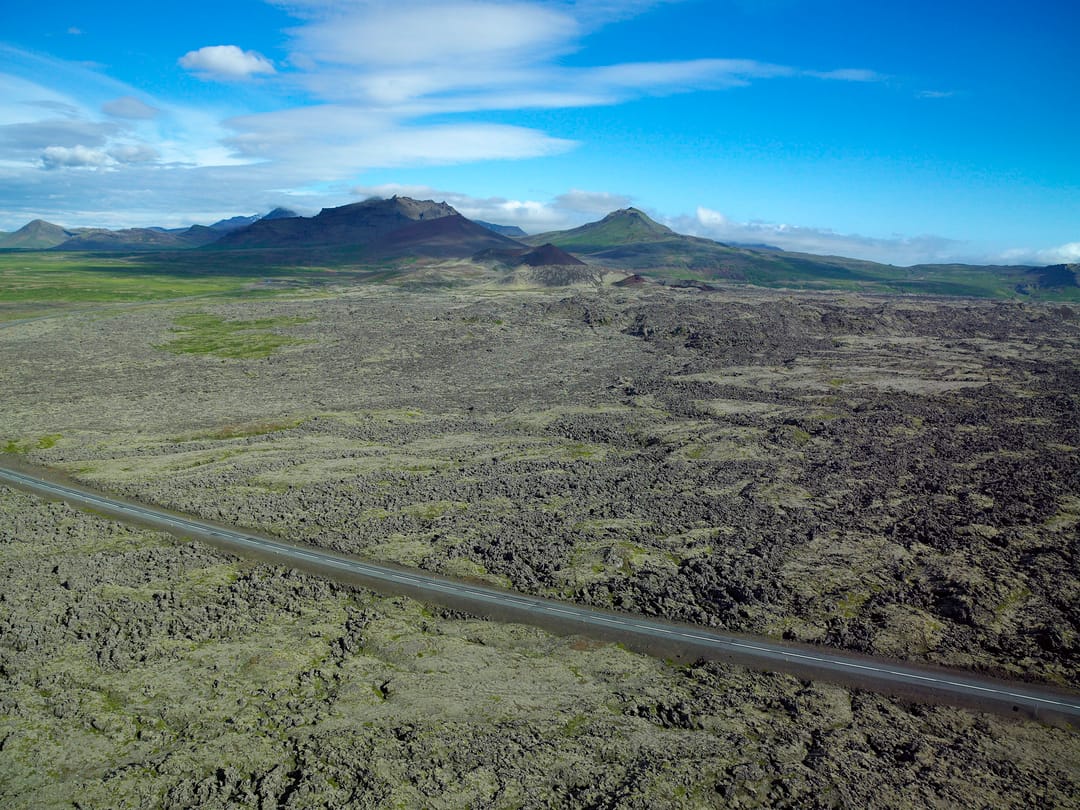
Sitting on the northern coast of the Snæfellsnes Peninsula, the Berserkjahraun Lava Field is a vast expanse of volcanic terrain. This roughly 4,000-year-old lava field is known for its topography, with twisted black rock covered in green moss. Beyond its geological significance, the area is also steeped in local folklore. Located between the towns of Stykkishólmur and Grundarfjörður, Berserkjahraun is a photogenic stop for travellers exploring West Iceland.
What Is the Berserkjahraun Lava Field?
The lava field formed approximately 4,000 years ago during volcanic eruptions from four scoria craters. Molten rock spread across the surrounding landscape, creating rugged formations that stretch toward the coast. Today, a thick layer of moss lies over much of the black rock. Growing only a few millimetres per year, Icelandic moss can take decades or even over a century to cover volcanic rock.
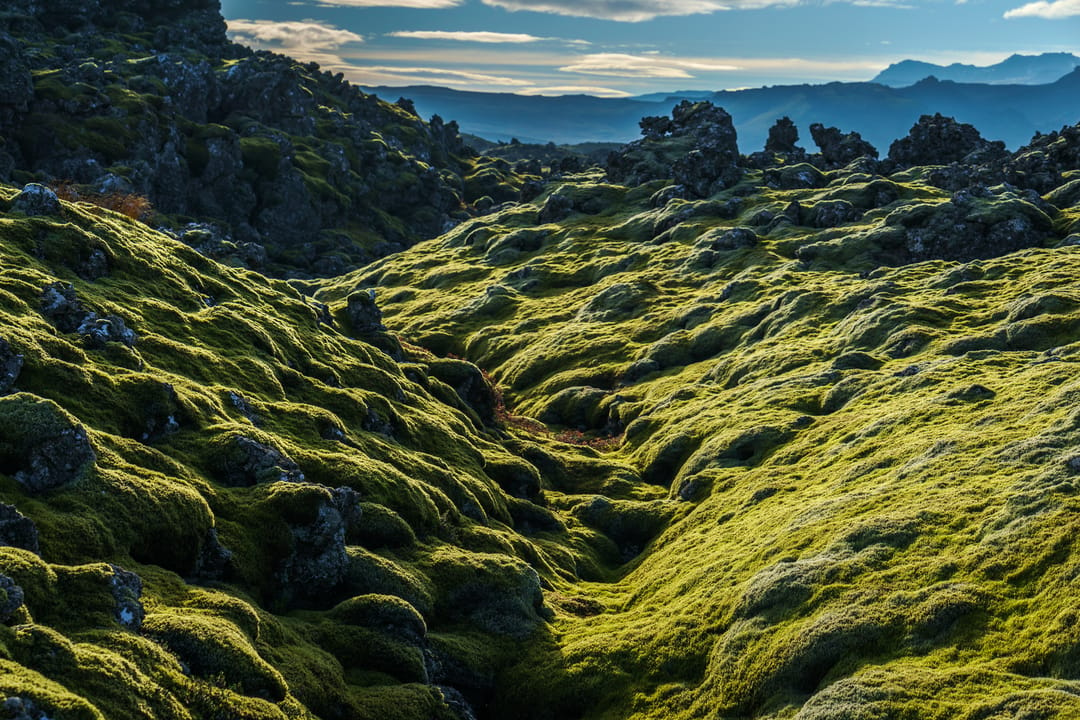
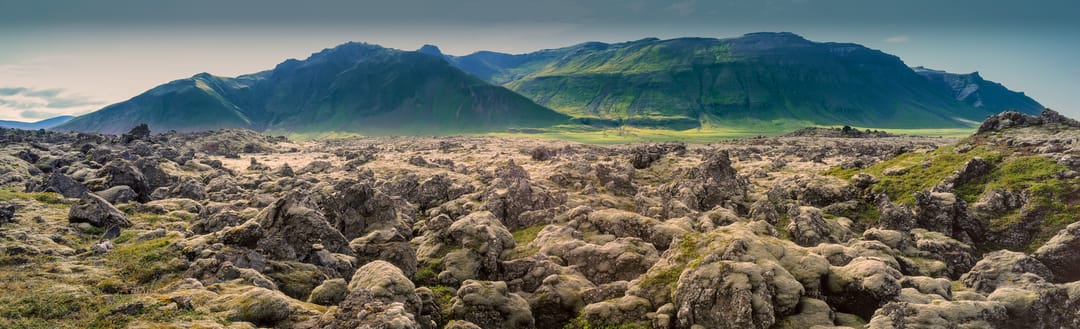
Adding to the scenery is Bjarnarhafnarfjall (576 m) to the south, much older mountain made of Tertiary basalt lavas. Berserkjahraun also extends toward the coast around Hraunsfjörður and Hraunsvík, creating a striking contrast between volcanic terrain, mountains, and water.
For travellers fascinated by Iceland’s geological history and processes, visiting Perlan in Reykjavik lets you dive deeper. The Into the Volcano exhibit allows visitors to experience the intensity of volcanic activity, from the glowing magma to 3D sound.
The Berserkers of Berserkjahraun
The name “Berserkjahraun,” which translates to “berserker’s lava field,” actually came from the Eyrbyggja saga. According to the story, a local farmer named Víga-Styr brought two berserkers from Sweden to work on his land. One of the Swedes fell in love with Víga-Styr’s daughter and asked for the daughter’s hand in marriage.
Reluctant to agree, he promised to consent only if the berserkers could complete a seemingly impossible task. The men were instructed to construct a path across the treacherous lava field connecting Víga-Styr’s property to land on the other side. To his surprise, they succeeded. Rather than honouring his promise, the farmer betrayed the men, killed them, and buried them near the path they had built.
The story, so closely associated with the lava field, eventually helped give Berserkjahraun its legendary name.
Exploring Berserkjahraun
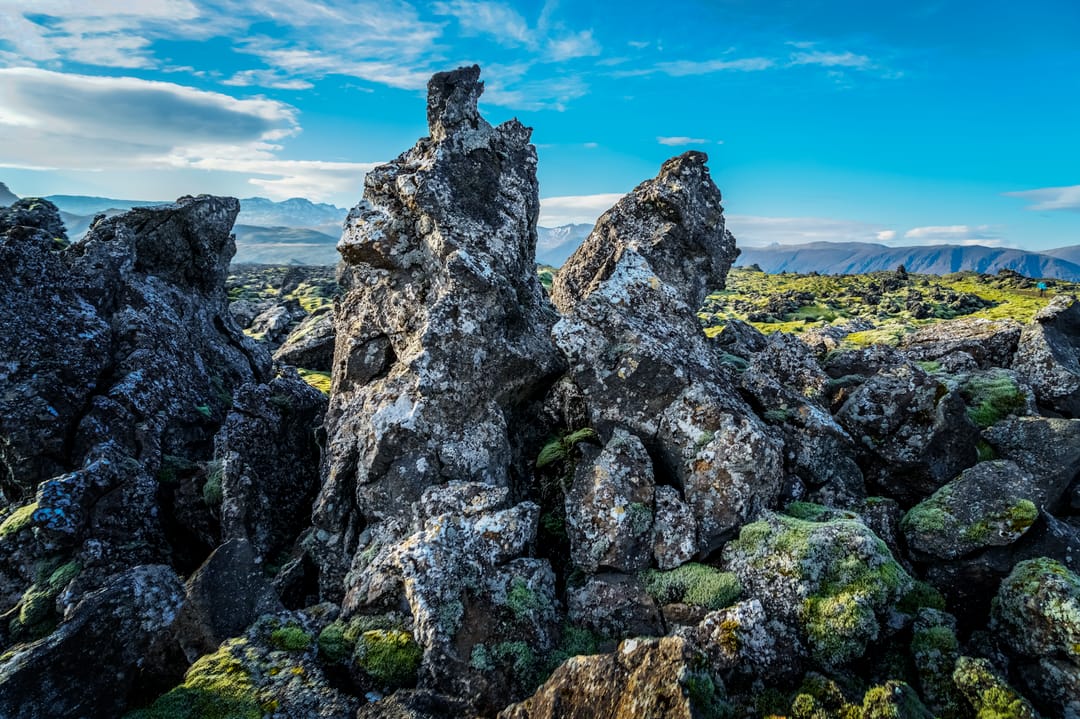
Travellers in West Iceland can enjoy a scenic drive through the lava field. A gravel road (Road 558) actually cuts through the heart of the field, offering close-up views of its rugged volcanic scenery. Here, you’ll see the frozen waves of jagged rock and vivid green moss that made this unique environment famous.
For explorers considering a closer look, there are several pull-offs to stop and take in the landscape. Travellers can also trek sections of the historic path associated with the saga.
Whether exploring on wheels or on foot, remember to remain on marked roads and established paths. The Icelandic moss is incredibly fragile and can take decades to recover from damage caused by footprints.
How to Get to Berserkjahraun Lava Field
Berserkjahraun is easily accessed via Road 558, which branches off the main Snæfellsvegur (Route 54) on the northern Snæfellsnes Peninsula. While the road is well-maintained during the summer, it can become icy or snow-covered in winter. Always check the road conditions and weather forecast before getting behind the wheel in Iceland.
Nearby Attractions
Although the Berserkjahraun Lava Field is a destination in its own right, it’s easy to combine with a longer Snæfellsnes Peninsula itinerary. Some of the closest points of interest between Stykkishólmur and Grundarfjörður include:
- Kirkjufell Mountain: One of Iceland’s best-known mountains, rising above the town of Grundarfjörður.
- Grundarfoss: A striking waterfall set against the mountainous landscape just outside Grundarfjörður.
- Stykkishólmur: A charming coastal town known for its harbour, museums, and distinctive Stykkishólmskirkja Church.
- Helgafell: A small hill steeped in history and folklore, located a short drive from Stykkishólmur.
Travellers can also combine Berserkjahraun with attractions farther around the peninsula. To the south, stop at Bjarnarfoss or explore Eldborg Crater. Farther west, visit the dramatic sea stacks of Londrangar, climb Saxhóll Crater, or admire the striking Svörtuloft Lighthouse.
FAQs
Berserkjahraun is a volcanic landscape formed by eruptions roughly 4,000 years ago. It is known for its rugged, moss-covered terrain and its connection to the Eyrbyggja saga.
The Berserkjahraun Lava Field is approximately 4,000 years old.
Yes, Berserkjahraun combines volcanic scenery with a well-known saga, and the landscape can be enjoyed without a strenuous hike. It makes an easy stop on a road trip around the Snæfellsnes Peninsula.
Late spring through early autumn generally offers milder weather and easier driving conditions.
Stykkishólmur and Grundarfjörður are convenient nearby bases, with a range of hotels, guesthouses, and other accommodation options.
Popular articles
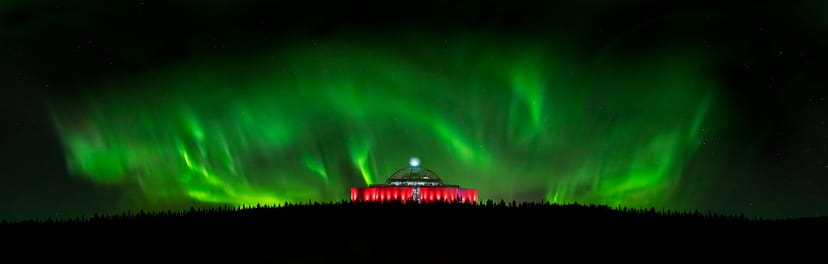
The Complete Guide to the Northern Lights in Iceland
Learn how the Northern Lights form, where to see them in Iceland, how to prepare, take photos, read the forecast, and improve your chances of a sighting.
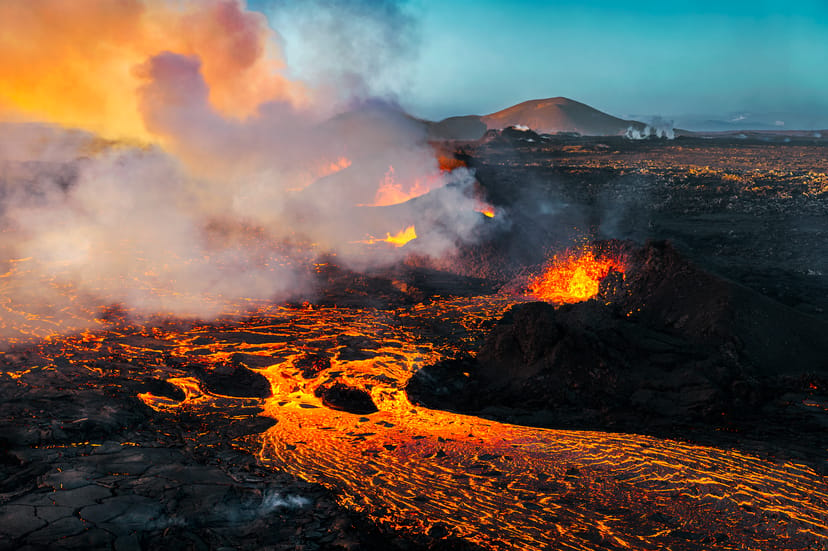
Let's Talk About the Volcano in Iceland About to Erupt
Is a volcano in Iceland about to erupt? Here’s what travelers should know about Svartsengi, Reykjanes activity, flights, safety, and the Blue Lagoon.
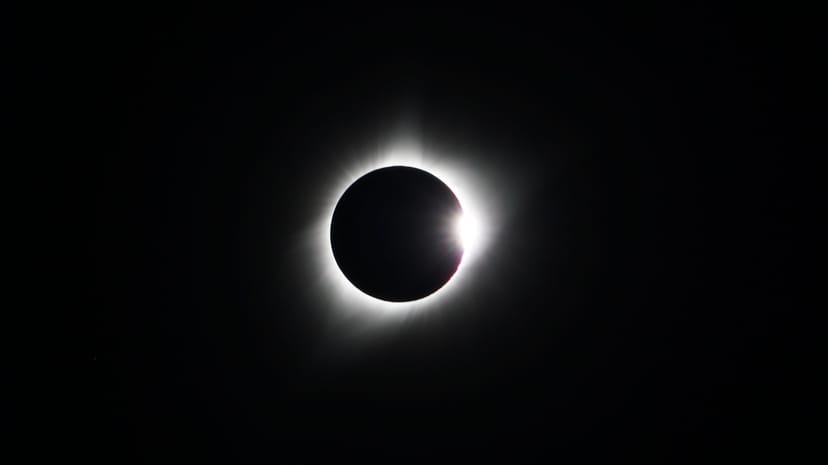
Solar Eclipse 2026 in Iceland | What Happened
Iceland experienced a total solar eclipse on August 12, 2026. Discover what happened in Reykjavík, eclipse times, totality locations and more.
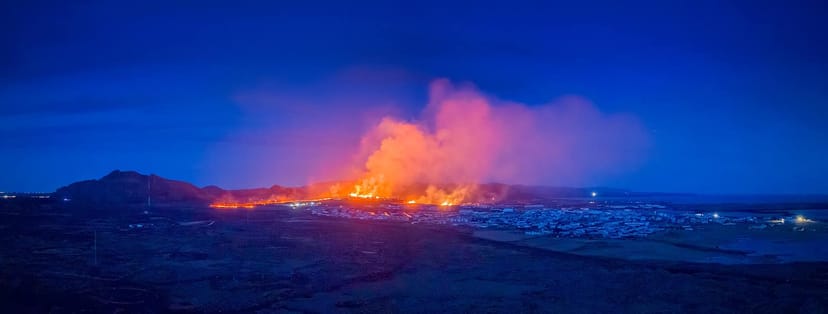
September 2026 updates on the Sundhnúkagígar Eruption in the Reykjanes Peninsula!
The current eruption in the Reykjanes Peninsula, is called Sundhnúkagígar Crater Row. See insights on the seismic activity and volcanic eruptions in the area!
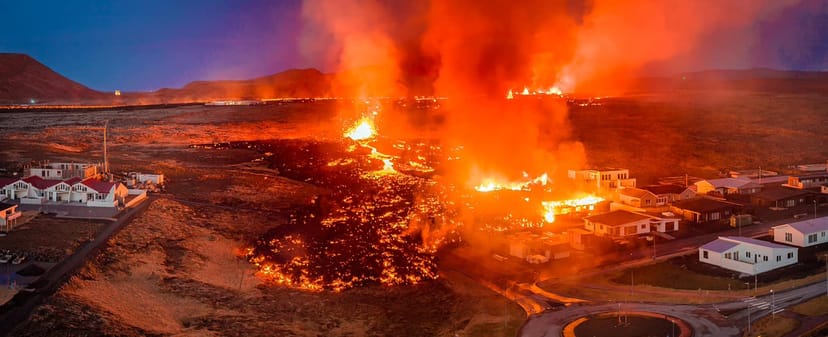
Active Volcanoes in Iceland 2026
Active volcanoes aren't the same thing as active eruptions. A volcano can be considered active even when it is not ejecting ash, rock, gases and magma, so which are active in Iceland in 2026?
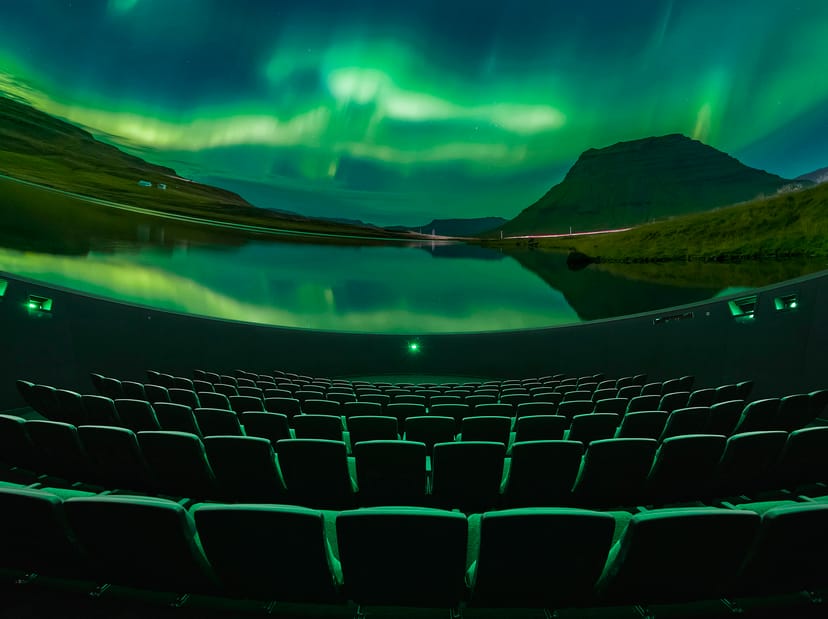
Top 10 Places To See the Northern Lights in Iceland
Discover the best places to see the Northern Lights in Iceland, from Jökulsárlón and Kirkjufell to Reykjavík, Þingvellir and North Iceland.
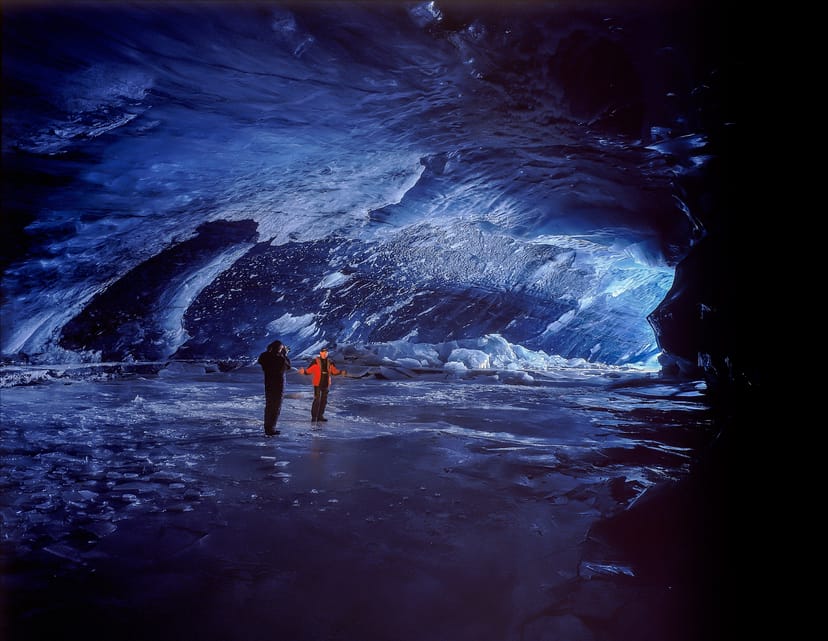
Ice Caves From Reykjavik
Planning an ice cave trip from Reykjavik? Compare Katla, Langjökull and Vatnajökull, travel times, seasons and Perlan’s ice cave in the city.