
Eldborg Crater: A Complete Guide
Explore Eldborg Crater, a striking volcanic landmark in West Iceland. Find hiking details, directions, nearby attractions and tips for your trip.
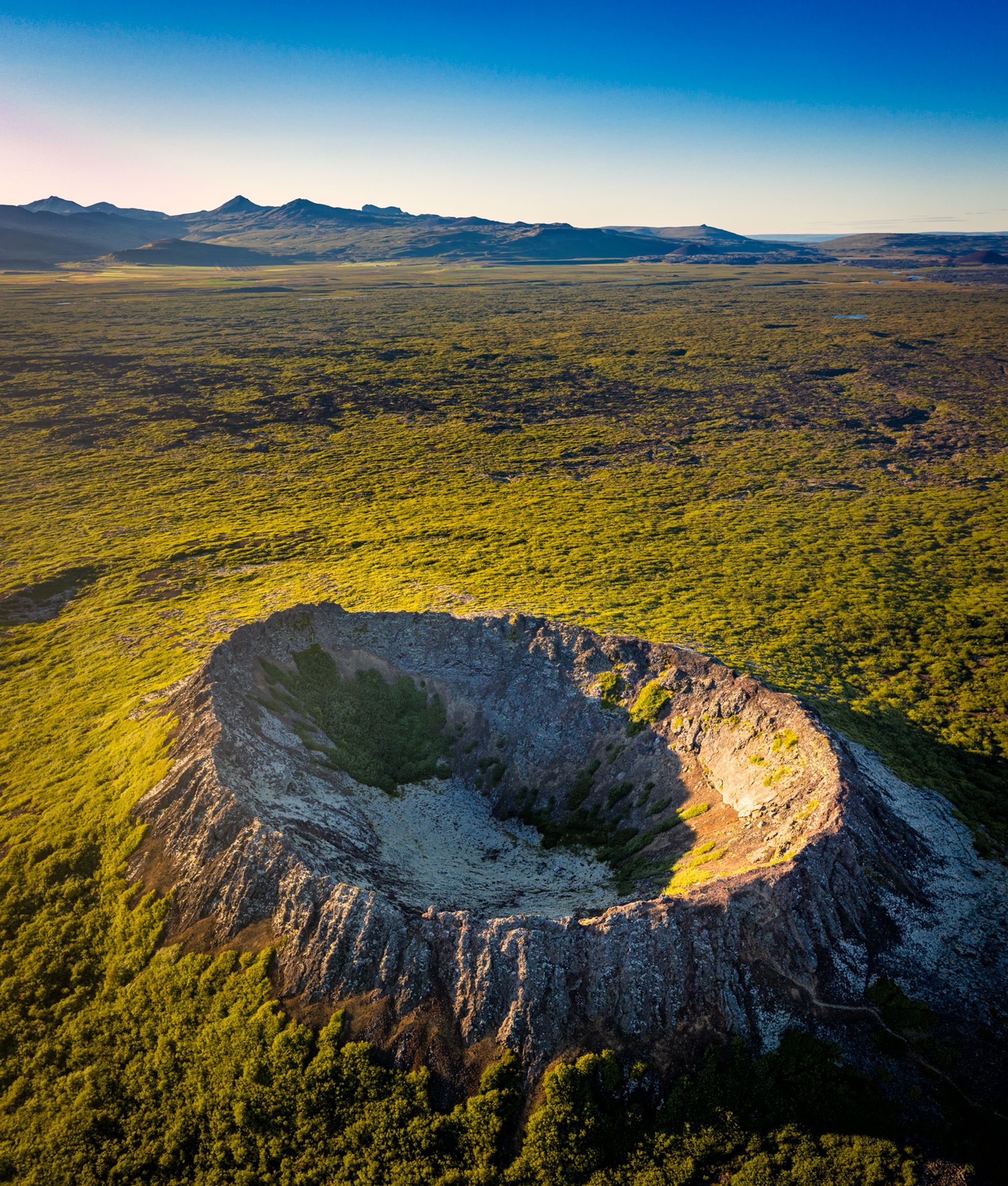
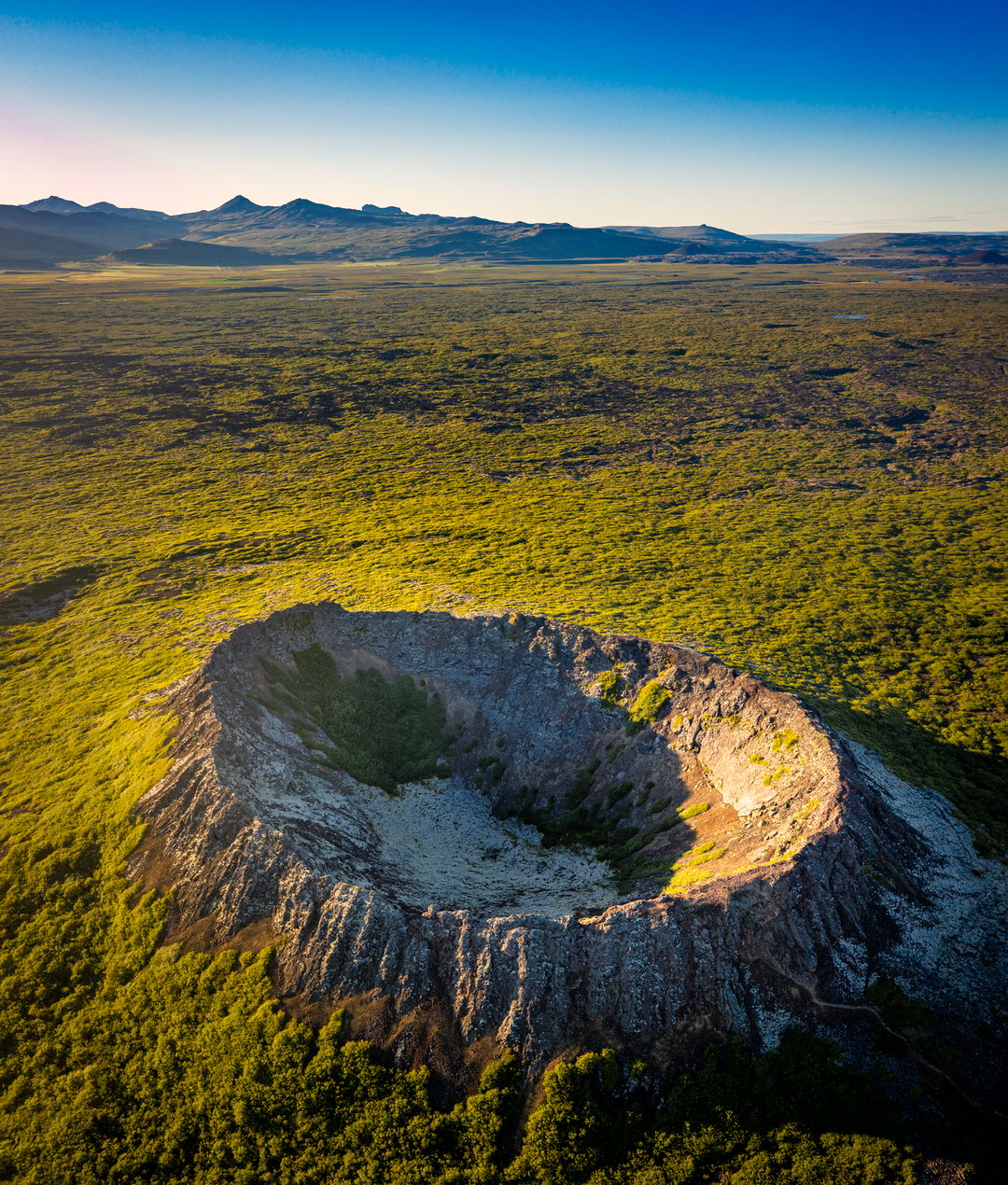
Travellers flock to West Iceland for its diverse scenery and natural sites. Among its volcanic landmarks is Eldborg Crater, a remarkably symmetrical crater rising above the surrounding plains. Known as the “Fortress of Fire”, it offers visitors the chance to hike to the rim and see its distinct shape up close. Eldborg is surrounded by a scrub-covered lava field, where hardy mosses and birch have gradually taken root across the volcanic landscape.
What Is Eldborg Crater?
Located in Hnappadalur valley, Eldborg Crater is a striking spatter cone. It formed through volcanic eruptions that built up layers of hot material around the vent. Its steep, well-defined walls give the crater its remarkably symmetrical appearance.
The crater is roughly 250 metres (750 feet) long and 50 metres (164 feet) deep. It rises around 60 metres (197 feet) above the surrounding Eldborgarhraun lava field. Eldborg is 6000-8000 years old; it lies within the wider volcanic system of West Iceland and is protected as a natural monument.
After experiencing natural wonders in person, some visitors may seek a better understanding of powerful processes that have shaped Iceland. Perlan’s Forces of Nature exhibition explores volcanic eruptions, earthquakes, and the tectonic forces at work beneath the country.
Hiking Eldborg Crater
The hike to Eldborg Crater is a rewarding option for visitors looking for a manageable trail with sweeping views. The route begins at Snorrastaðir farm and leads through the surrounding lava landscape towards the crater. Depending on the route and starting point, the return hike is roughly 5–7 km (3–4.5 miles).
Much of the approach is relatively gentle, passing through scrub-covered lava and low-growing birch. Closer to Eldborg, the trail becomes noticeably steeper as it climbs towards the crater rim. Chains have been installed along parts of the hillside to help hikers negotiate the steeper sections.
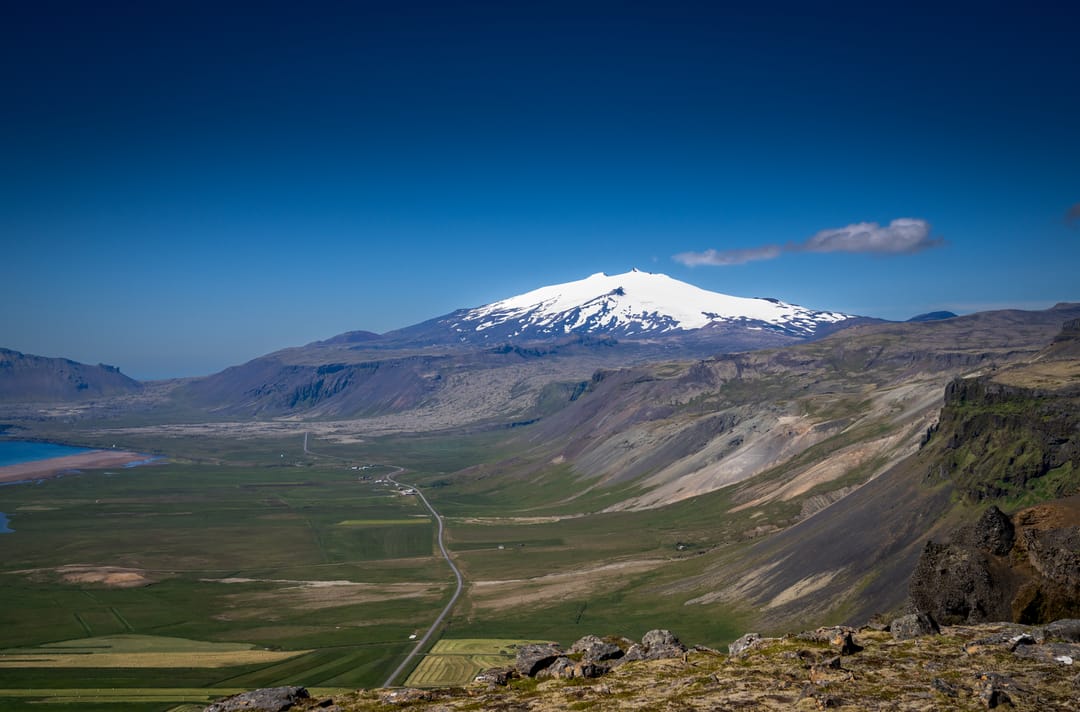
From the top, hikers can look into the deep crater and enjoy broad views across the countryside. Vistas extend towards the Snæfellsnes Peninsula and the Mýrar lowlands.
How to Get There
Eldborg Crater is about 38 km (24 miles) north of Borgarnes, an easy stop on a journey through West Iceland.
From Reykjavík, follow Route 1 north towards Borgarnes before joining Route 54 (Snæfellsnesvegur). Follow Route 54 towards Snorrastaðir, where the hiking route to Eldborg begins. Note that you cannot drive to the crater itself. Instead, the final leg must be completed on foot from the designated parking lot.
Things to See Near Eldborg Crater
Eldborg Crater is well placed for exploring more of West Iceland, particularly the nearby Snæfellsnes Peninsula.
- Gerðuberg Cliffs: A striking wall of regularly shaped basalt columns formed as lava cooled and contracted, creating distinctive geometric patterns.
- Landbrotalaug Hot Spring: For a relaxing post-hike reward, this natural geothermal pool is tucked away in the surrounding farmland.
- Borgarnes: This West Iceland town is a convenient stop for food and other services. It is also home to the Settlement Centre, which explores Iceland’s settlement history and the story of Egill Skalla-Grímsson.
- Snæfellsnes Peninsula: Continue west to discover volcanic landscapes, sea cliffs and Snæfellsjökull, an active volcano capped by a glacier. Within Snæfellsjökull National Park, visitors can also explore Saxhóll Crater, another accessible volcanic crater surrounded by lava fields.
Tips for Visiting Eldborg Crater
Keep these practical tips in mind before hiking to Eldborg Crater:
- Wear sturdy footwear: The route crosses uneven volcanic terrain and can become wet or slippery. Choose comfortable hiking shoes or boots with good grip.
- Dress in layers: Icelandic weather can change quickly. Bring warm layers and a windproof, waterproof outer layer, even if conditions seem mild when you set out.
- Bring water and snacks: Although there are visitor facilities at Snorrastaðir, it is sensible to carry what you need for the hike.
- Check conditions: Review the weather and road conditions before travelling, particularly if strong winds, heavy rain or snow are forecast.
- Protect the landscape: Eldborg is a protected natural monument. Stay on marked trails and take care not to damage the surrounding vegetation.
- Budget extra time: Give yourself time to enjoy the views and take care on the steeper sections of the ascent and descent.
FAQs
Yes, especially if you enjoy accessible hikes and volcanic landscapes. Eldborg Crater offers a rewarding walk without requiring a journey into Iceland’s remote Highlands.
Allow roughly 1.5 to 2.5 hours for the return walk. It ultimately depends on your pace, route and how long you spend at the crater.
Much of the trail is relatively gentle. However, the final climb to the rim is steep and requires more care.
Yes. Visitors can follow the crater rim for views into the crater and across the surrounding landscape.
Summer generally provides the easiest conditions for hiking, with longer daylight hours. Visits are also possible outside summer, but hikers should be prepared for changing weather and potentially wet or slippery trails.
Popular articles
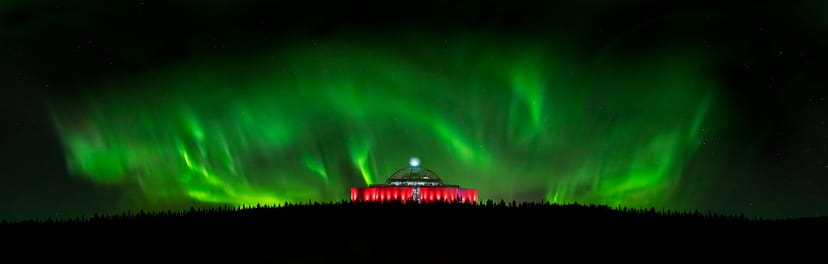
The Complete Guide to the Northern Lights in Iceland
Learn how the Northern Lights form, where to see them in Iceland, how to prepare, take photos, read the forecast, and improve your chances of a sighting.
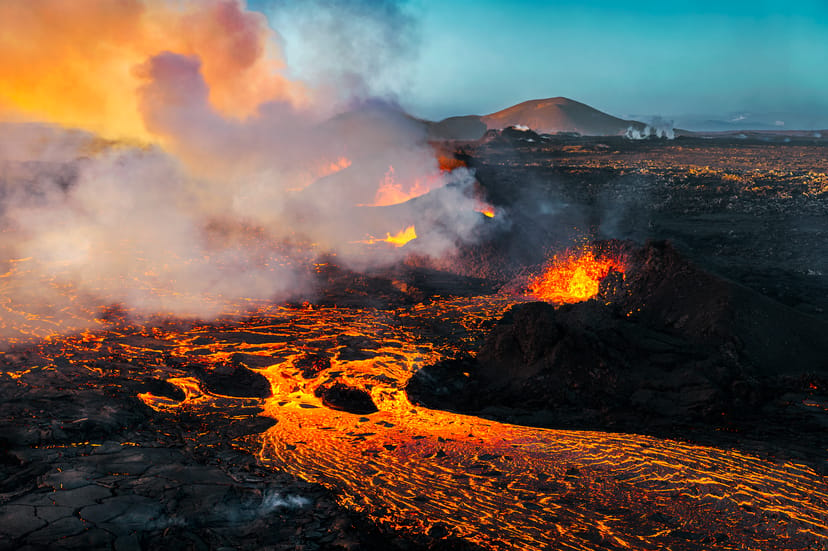
Let's Talk About the Volcano in Iceland About to Erupt
Is a volcano in Iceland about to erupt? Here’s what travelers should know about Svartsengi, Reykjanes activity, flights, safety, and the Blue Lagoon.
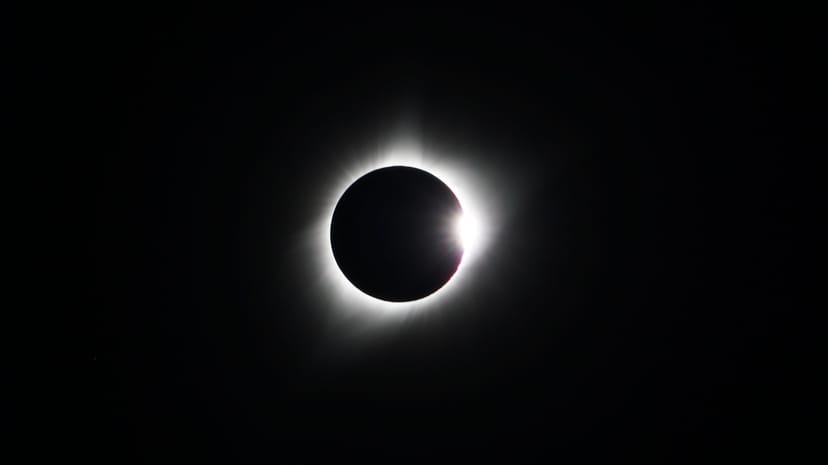
Solar Eclipse 2026 in Iceland | What Happened
Iceland experienced a total solar eclipse on August 12, 2026. Discover what happened in Reykjavík, eclipse times, totality locations and more.
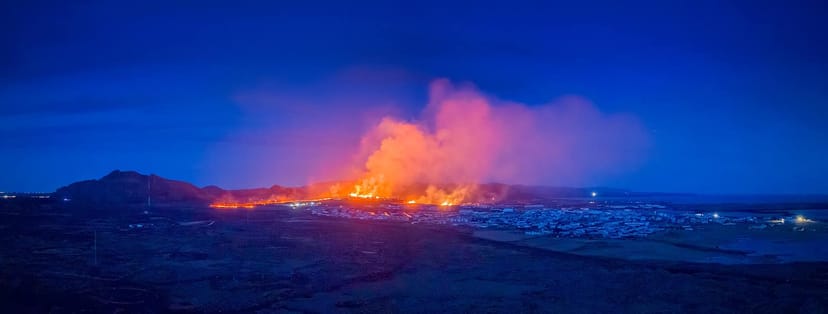
September 2026 updates on the Sundhnúkagígar Eruption in the Reykjanes Peninsula!
The current eruption in the Reykjanes Peninsula, is called Sundhnúkagígar Crater Row. See insights on the seismic activity and volcanic eruptions in the area!
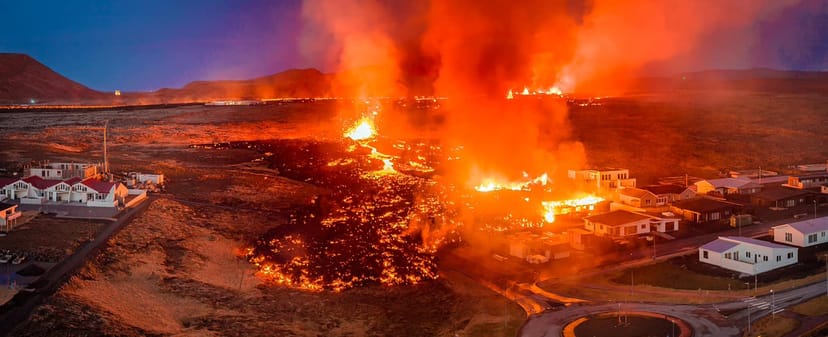
Active Volcanoes in Iceland 2026
Active volcanoes aren't the same thing as active eruptions. A volcano can be considered active even when it is not ejecting ash, rock, gases and magma, so which are active in Iceland in 2026?
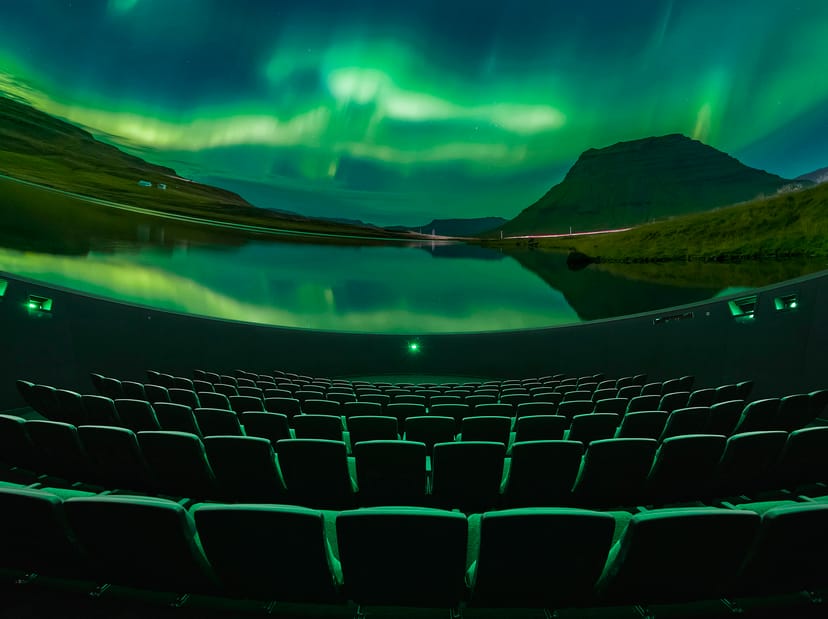
Top 10 Places To See the Northern Lights in Iceland
Discover the best places to see the Northern Lights in Iceland, from Jökulsárlón and Kirkjufell to Reykjavík, Þingvellir and North Iceland.
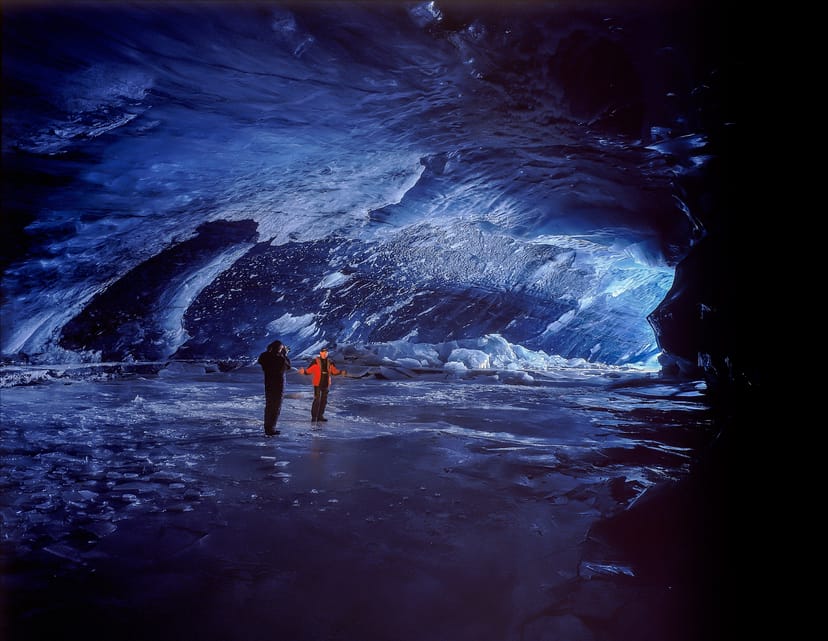
Ice Caves From Reykjavik
Planning an ice cave trip from Reykjavik? Compare Katla, Langjökull and Vatnajökull, travel times, seasons and Perlan’s ice cave in the city.