
Guide to Akrafjall Mountain
Explore Akrafjall Mountain near Akranes, from hiking trails and panoramic views to directions and nearby West Iceland attractions.
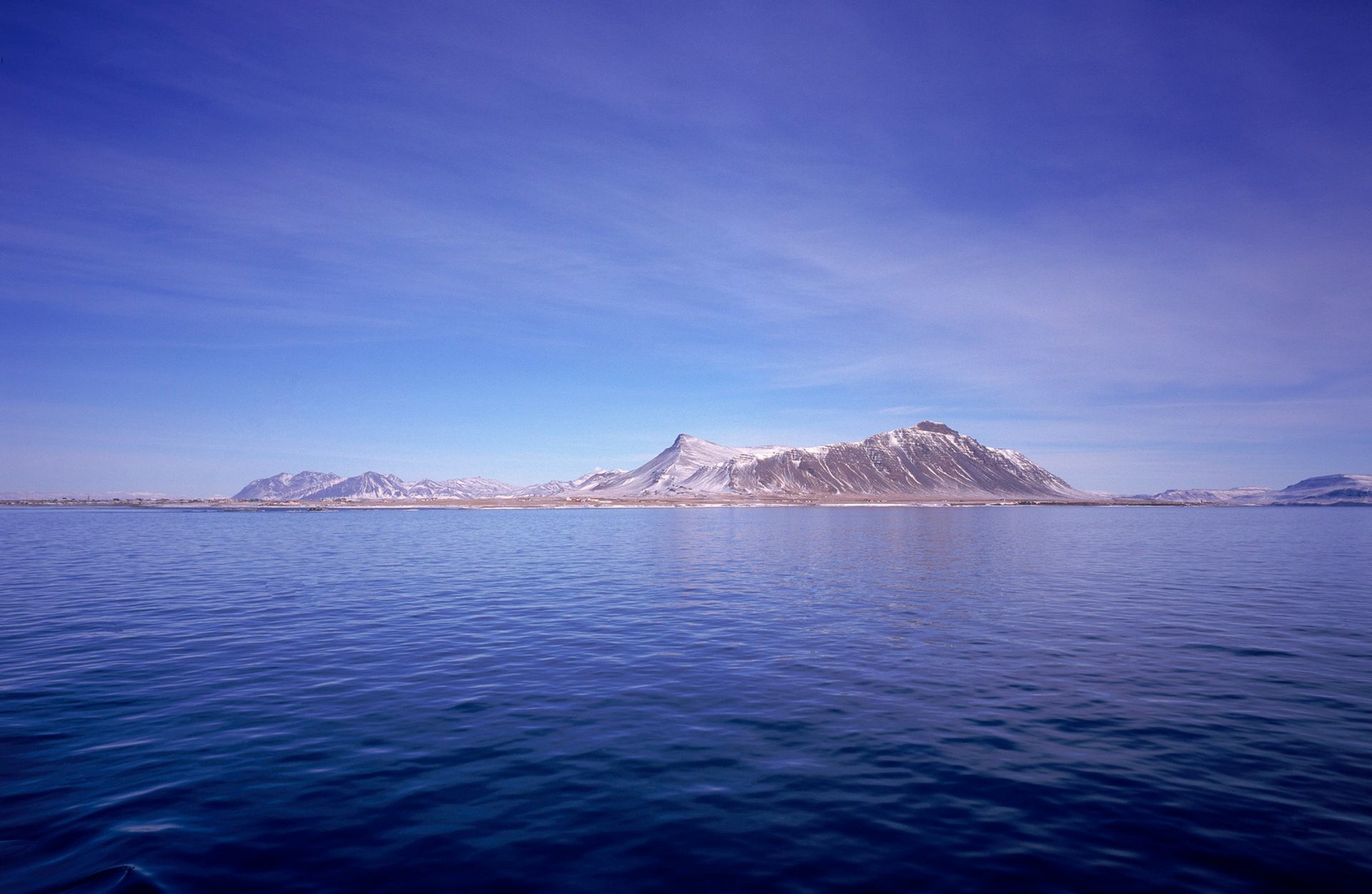
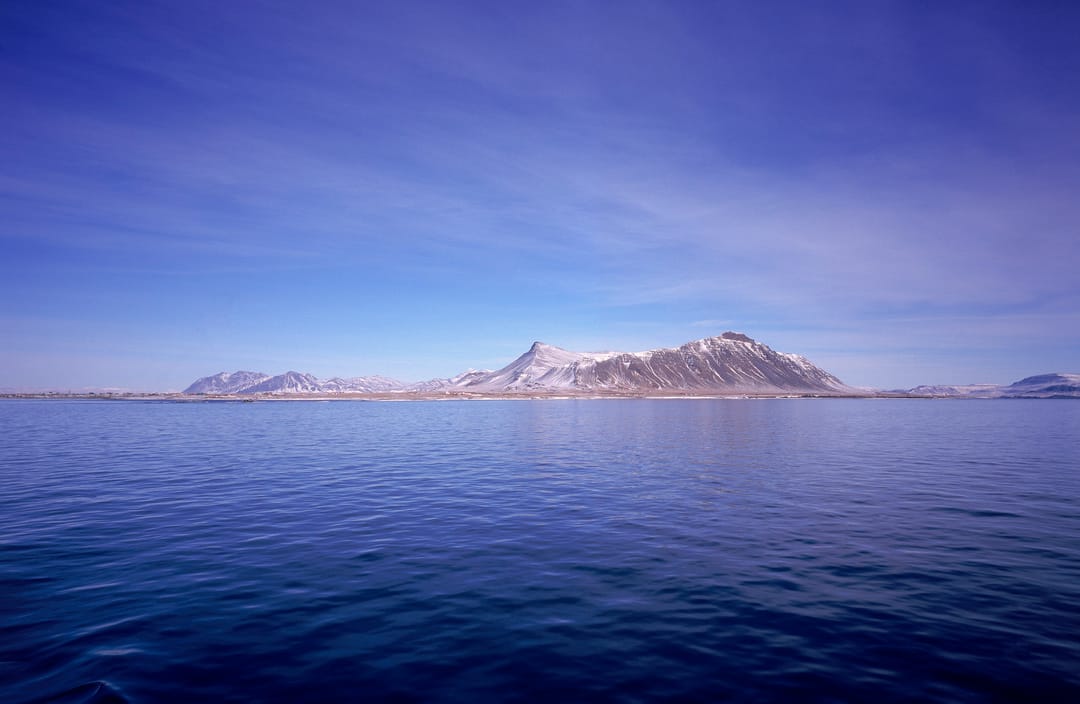
Situated above the low-lying coast of western Iceland, Akrafjall is a sprawling table mountain near Akranes. It’s a favorite of hikers, thanks to its accessible trails, rich birdlife, and sweeping coastal panoramas. From Reykjavík, you can even see the mountain rising across Faxaflói Bay. Whether as a half-day hike or part of a longer road trip, Akrafjall can be a high point of any West Iceland journey.
What Is Akrafjall?
A striking sight on the Akranes Peninsula, Akrafjall is a broad, steep-sided mountain shaped by Ice Age glaciers. It has a distinct shape, with the Berjadalur (Valley of Berries) cutting into its centre and two principal summits rising on either side.
The taller north summit is Geirmundartindur, Akrafjall’s highest peak at 643 metres (2,110 feet). The second, Háihnúkur, rises to 555 metres (1,820 feet). Despite being lower, this south summit is actually more frequently visited by hikers.
Additionally, Akrafjall is also an important habitat for birdlife. Seabirds such as fulmars and gulls nest in the cliffs during the spring and summer months.
Intrigued by the bird colonies found around Akrafjall? If you’re in Reykjavík, stop by Perlan’s life-sized Látrabjarg Cliff exhibit. The immersive indoor recreation offers a close-up look at some of Iceland’s native seabirds, including puffins, guillemots, and razorbills.
The Legend of the Troll’s Mountain
As with many Icelandic attractions, Akrafjall carries a local legend that adds a layer of mystery to the experience.
Local folklore says that the mountain was actually carried to its current location by a giantess named Joka. As the story goes, she was hauling it from southern Iceland when the rising sun caught her. Hit by the first light of day, Joka was turned to stone, leaving the mountain permanently settled on the Akranes Peninsula.
Hiking Akrafjall
There are challenging excursions in Iceland, but hiking Akrafjall is generally considered an approachable option for moderately fit outdoor enthusiasts. However, weather and trail conditions can significantly affect the difficulty.
The most popular starting points are at the foot of the mountain on the Akranes side. Trail options depend on the summit you’re planning to reach: the shorter but steeper route to Háihnúkur or the longer climb to Geirmundartindur. Alternatively, a 10-kilometre (6.2-mile) loop combines both summits.
Embarking on these trails rewards hikers with panoramic views in western Iceland. On a clear day, vistas stretch south towards the Reykjanes Peninsula and west towards the distant ice cap of Snæfellsjökull.
How to Get to Mount Akrafjall
Mount Akrafjall sits approximately 50 kilometres (31 miles) north of Reykjavík, so it’s an easy day trip from the capital. Drivers can just travel north via Ring Road and through the Hvalfjörður Tunnel (Hvalfjarðargöng) before continuing on to Akranes.
Instead of setting your GPS simply to “Akrafjall,” head for the Akranes Water Works area. There are two parking areas on opposite sides of the river. Make sure you check your chosen hiking route before setting off to make sure you arrive at the correct one.
What to See Near Akrafjall
There is plenty to see beyond Akrafjall, making a longer journey through western Iceland well worth considering. Several distinctive natural attractions and historic landscapes lie within easy driving distance.
- Hafnarfjall: Located just south of Borgarnes, this rugged mountain range offers another scenic hiking destination with sweeping coastal views.
- Eldborg Crater: A strikingly symmetrical volcanic crater rising from a flat lava field along Route 54.
- Berserkjahraun Lava Field: A moss-covered lava field steeped in Icelandic saga history.
- Bjarnarfoss: A powerful waterfall cascading over basalt cliffs on the southern Snæfellsnes Peninsula.
- Londrangar: Two massive volcanic rock formations rising dramatically above the coast on western Snæfellsnes.
FAQs
Akrafjall’s highest peak, Geirmundartindur, reaches 643 metres (2,110 feet) above sea level. The secondary peak, Háihnúkur, stands at 555 metres (1,820 feet).
Akrafjall is considered moderately challenging. While the trails do not require technical climbing skills, hikers should be prepared for steep ascents, uneven terrain, and loose scree.
On clear days, hikers can enjoy panoramic views across Faxaflói Bay towards Reykjavík, the Reykjanes Peninsula, and the Snæfellsnes Peninsula.
The best time to hike Akrafjall is between late May and September, when daylight hours are longer and trails are largely snow-free. Outside the summer season, conditions can be more demanding, so winter equipment and thorough weather checks are essential.
No, experienced hikers with basic navigation skills can generally hike Akrafjall independently in suitable conditions. However, a guided hike can be fantastic for visitors who want local insight into the mountain’s geology and folklore.
Popular articles
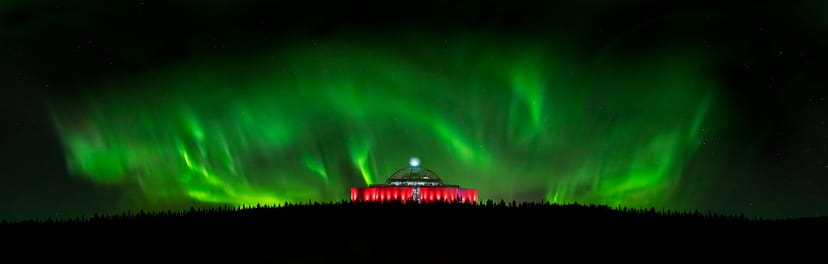
The Complete Guide to the Northern Lights in Iceland
Learn how the Northern Lights form, where to see them in Iceland, how to prepare, take photos, read the forecast, and improve your chances of a sighting.
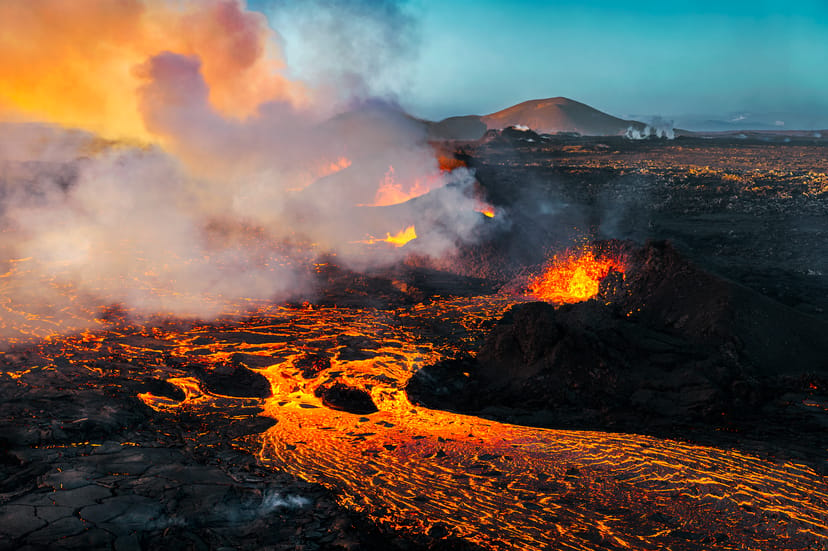
Let's Talk About the Volcano in Iceland About to Erupt
Is a volcano in Iceland about to erupt? Here’s what travelers should know about Svartsengi, Reykjanes activity, flights, safety, and the Blue Lagoon.
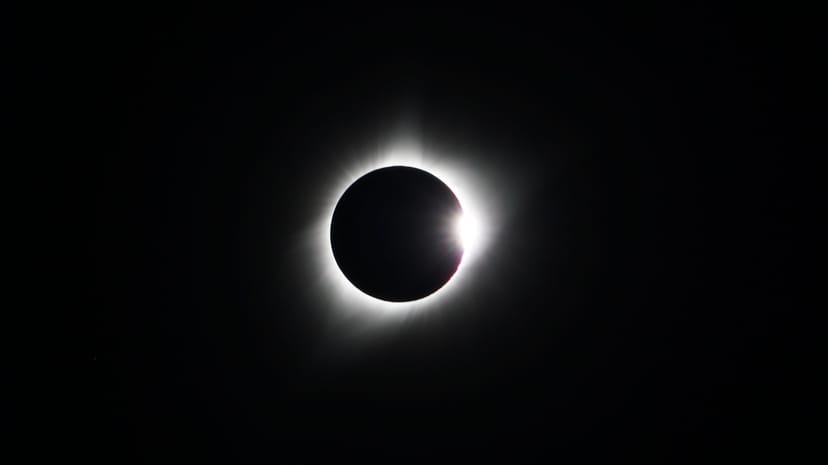
Solar Eclipse 2026 in Iceland | What Happened
Iceland experienced a total solar eclipse on August 12, 2026. Discover what happened in Reykjavík, eclipse times, totality locations and more.
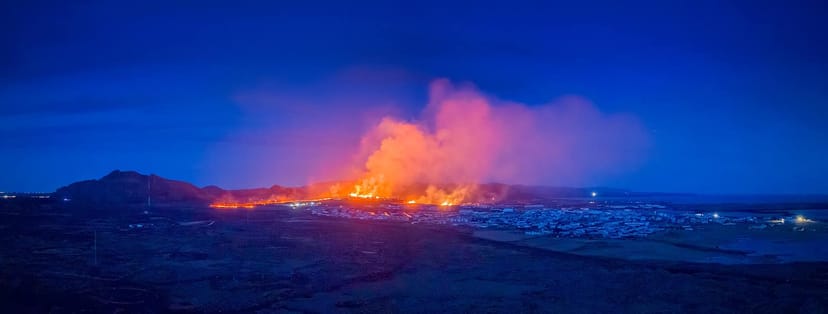
September 2026 updates on the Sundhnúkagígar Eruption in the Reykjanes Peninsula!
The current eruption in the Reykjanes Peninsula, is called Sundhnúkagígar Crater Row. See insights on the seismic activity and volcanic eruptions in the area!
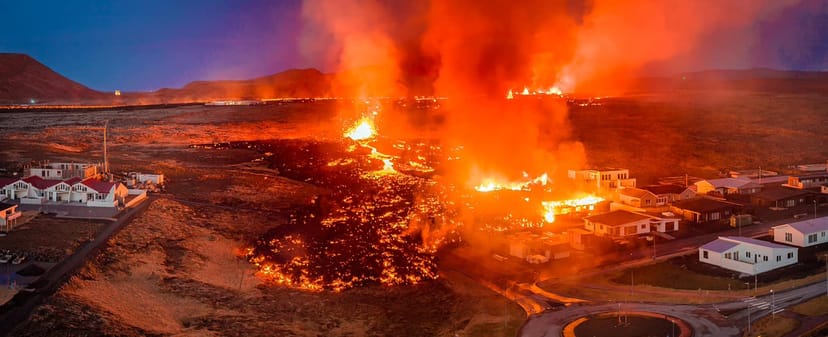
Active Volcanoes in Iceland 2026
Active volcanoes aren't the same thing as active eruptions. A volcano can be considered active even when it is not ejecting ash, rock, gases and magma, so which are active in Iceland in 2026?
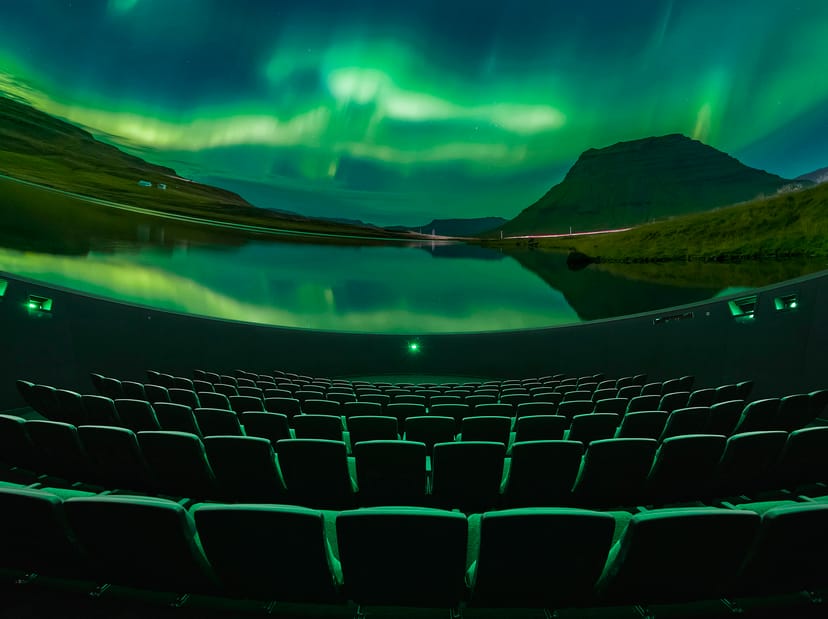
Top 10 Places To See the Northern Lights in Iceland
Discover the best places to see the Northern Lights in Iceland, from Jökulsárlón and Kirkjufell to Reykjavík, Þingvellir and North Iceland.
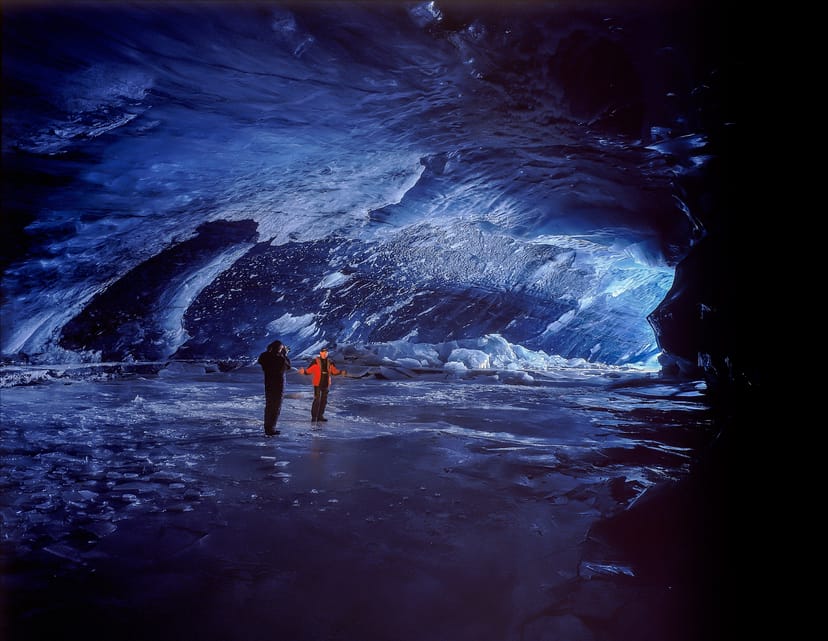
Ice Caves From Reykjavik
Planning an ice cave trip from Reykjavik? Compare Katla, Langjökull and Vatnajökull, travel times, seasons and Perlan’s ice cave in the city.