
Guide to Ytri Tunga Beach
Explore Ytri Tunga Beach in West Iceland, where golden sands meet a seal-rich rocky coast. Find tips on seal watching, access, seasons, and nearby sights.
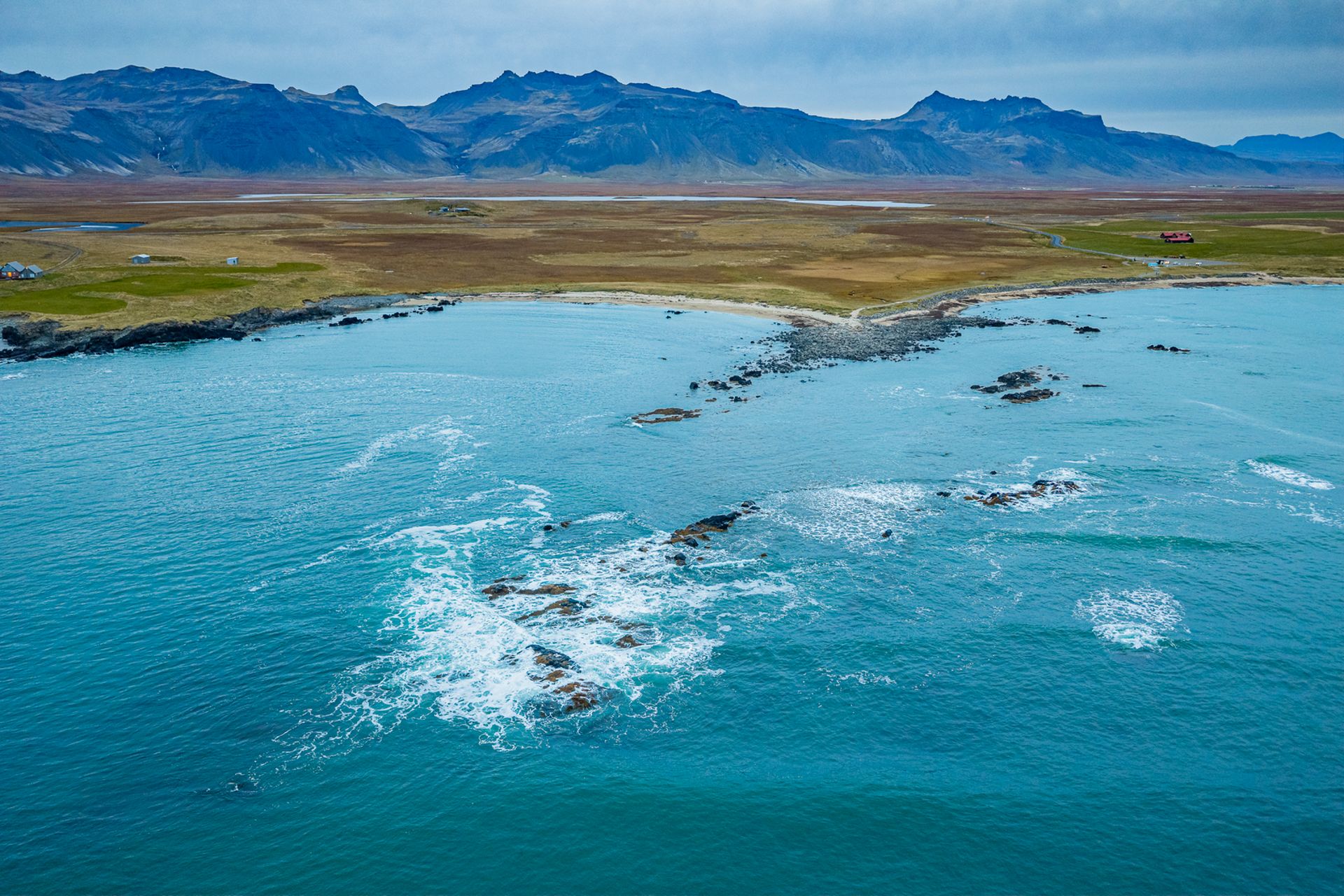
Lying on the southern coast of the Snæfellsnes Peninsula, Ytri Tunga Beach is a popular coastal stop in western Iceland. Unlike many of the country’s dark volcanic beaches, this one features pale, golden sands. It is also one of the best-known spots for seeing wild seals in Iceland, resting along the shoreline or swimming offshore. A visit to Ytri Tunga adds an easy and unique nature stop to a journey around Snæfellsnes.
What Is Ytri Tunga Beach?
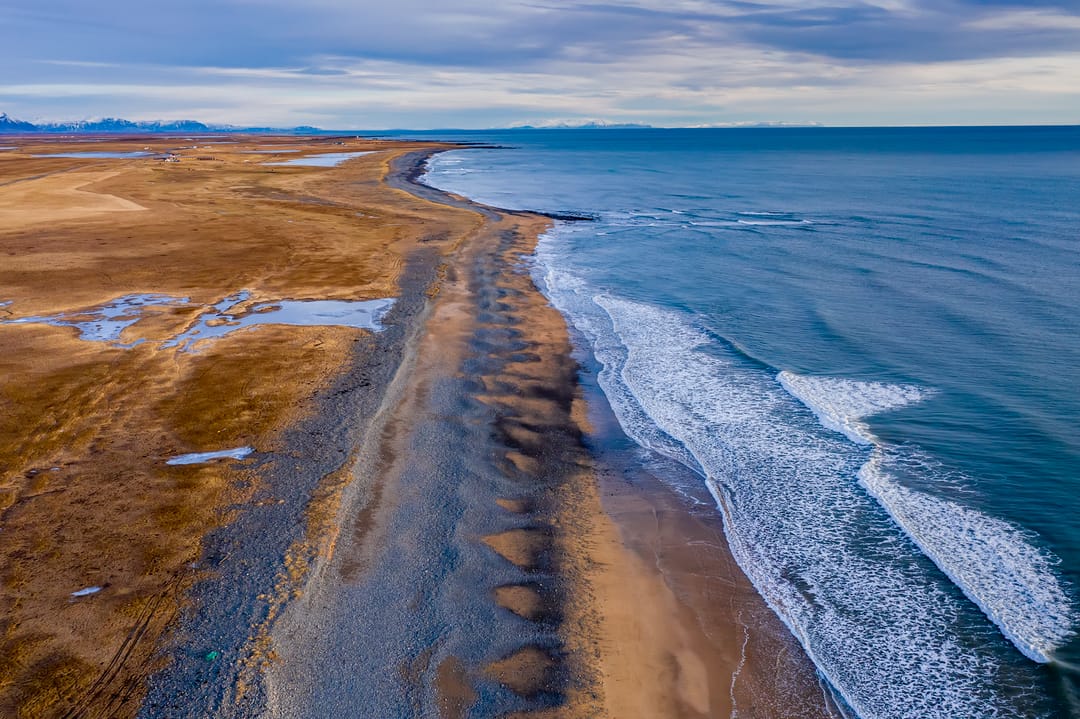
Even travellers who have visited other iconic Icelandic beaches will find Ytri Tunga is a worthwhile stop. Its pale, golden shores stand out from the black sand beaches Iceland is better known for. Here, the light sands contrast beautifully with dark kelp, rocks, and the blue waters of Faxaflói Bay.
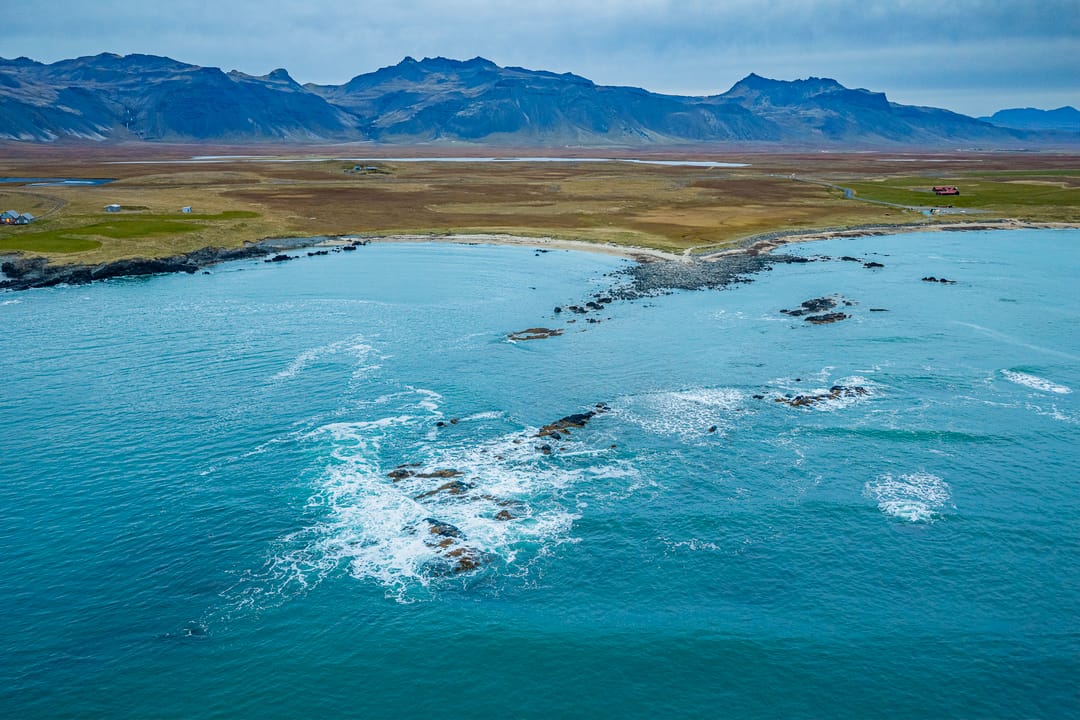
The golden coast is dotted with exposed skerries and boulder fields, which are an ideal habitat for the resident seal colony. These rocky areas provide a relaxing place for seals to haul out and rest between feeding trips.
Ytri Tunga Beach is also very easy to visit. Located just off Route 54, it is only a short detour from the main road circling the peninsula.
Seals at Ytri Tunga Beach
The main draw of Ytri Tunga is the opportunity to observe wild seals hauled out on the rocks or swimming just offshore. Seal watching in Iceland can often involve travelling to remote coastal areas or joining boat excursions. At Ytri Tunga, however, seals can often be seen from the beach itself. For wildlife and nature lovers, this is one of the best and most accessible stops on the Snæfellsnes Peninsula.
What Seals Can You See at Ytri Tunga?
Two main seal species live and breed around the Icelandic coast: harbour seals (Phoca vitulina) and grey seals (Halichoerus grypus). Harbour seals are more commonly seen at Ytri Tunga, often lounging on the rocky skerries near the shore. Grey seals, which are generally larger and have longer, more elongated snouts, may also be spotted along the coast.
Other seal species occasionally visit Icelandic waters, including harp, ringed, hooded, and bearded seals. However, these are irregular visitors rather than species travellers should expect to see at Ytri Tunga.
During low tide, seals may haul out in groups on exposed rocks to rest. It’s also worth watching the water, where you may spot them swimming with their heads visible above the surface.
How to Watch the Seals Responsibly
Ytri Tunga Beach is a natural coastal environment where wild seals come ashore to rest and nurse their young. For their safety (and yours), seal spotting here requires respectful wildlife etiquette.
- Maintain Distance: Always keep at least 50 metres (164 feet) away from the nearest seal. If pups are present, extend that distance to at least 100 metres (328 feet).
- Watch for Stress Signals: If a seal vocalises, moves, or appears alert because of your presence, you may be too close. Move farther away slowly and quietly.
- Never Interfere: Never touch, feed, or approach seal pups, even if they appear to be alone. Mothers may temporarily leave their young while feeding at sea. Never position yourself between a seal and the water.
- Use Optics: Bring binoculars or a camera with a telephoto zoom lens to enjoy close-up views without disturbing the animals.
- Stay on the Trails: Follow the marked walking paths between the parking area and shoreline, helping to minimise disturbance to the surrounding coastal habitat.
- Keep Quiet: Approach slowly, avoid loud noises, and do not use camera flash around the seals.
Want to learn more about Iceland's marine wildlife? Continue your journey beneath the waves at Perlan's Ocean exhibit, which explores the extraordinary underwater ecosystems and species surrounding Iceland.
Walking Along Ytri Tunga Beach
Besides seal spotting, Ytri Tunga is a pleasant place for a relaxed coastal stroll. Purpose-built paths lead from the parking area towards the shoreline, making it only a short walk to the beach. As such, Ytri Tunga fits easily into a busy Snæfellsnes Peninsula itinerary.
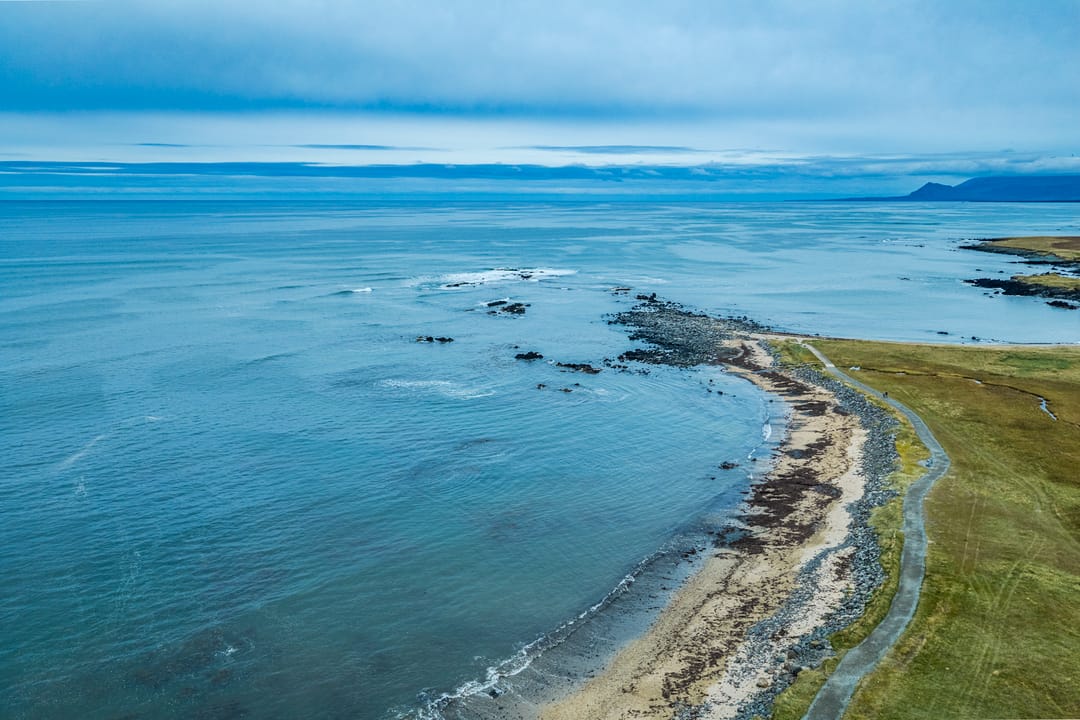
Once at the shore, you can walk the golden sands, look across tidal pools and kelp-strewn rocks, and take in views over Faxaflói Bay. Seabirds are also commonly seen along the coast, adding another point of interest for nature lovers.
When exploring, avoid scrambling across the seaweed-covered rocks toward resting animals. The rocks can be very slippery, and approaching the haul-out areas can disturb the wildlife.
Best Time to Visit Ytri Tunga Beach
Like many places in Iceland, the best time to visit Ytri Tunga depends on your travel priorities. Wildlife activity, ocean tides, and seasonal travel conditions can all affect the experience.
- For Seal Spotting: Seals can be seen around Ytri Tunga throughout the year, although sightings are particularly popular during the summer months. During warmer weather, seals are often seen hauled out on exposed rocks along the shore.
- For Tides: Low tide can improve your chances of seeing resting seals because more offshore rocks and skerries are exposed. However, sightings are never guaranteed, even at low tide.
- For Weather: Summer brings long daylight hours and generally easier driving conditions. Winter is quieter and can offer beautiful low-angle light, but be prepared for icy paths, stronger coastal winds, and unpredictable weather.
How to Get to Ytri Tunga Beach
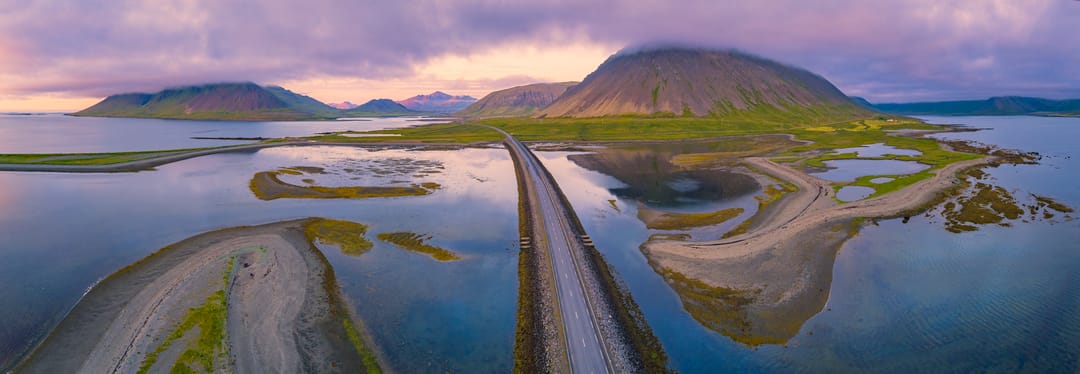
Ytri Tunga Beach sits on the southern coast of the Snæfellsnes Peninsula. The turn-off is clearly signposted from Route 54, leading down a short access road to a designated parking area. From there, a marked path leads towards the shoreline. Its convenient location makes Ytri Tunga easy to include in either a clockwise or anticlockwise journey around the peninsula.
Nearby Attractions
Because Ytri Tunga is so accessible, it pairs naturally with several highlights on the Snæfellsnes Peninsula.
- Búðir Black Church: About 15 minutes west, this distinctive black church stands amid the sweeping Búðahraun lava field.
- Rauðfeldsgjá Gorge: A narrow, mossy ravine cutting into the side of Botnsfjall, located a short drive beyond Búðir.
- Arnarstapi: A historic fishing village known for basalt cliffs, natural sea arches, and a scenic coastal walking path towards Hellnar.
- Snæfellsjökull National Park: Continue west to explore landmarks such as Djúpalónssandur black-sand beach, the Lóndrangar basalt pinnacles, and Saxhóll crater.
Together, these attractions make Ytri Tunga an easy stop on a full-day journey around the Snæfellsnes Peninsula from Reykjavík or Borgarnes.
FAQs
Yes, Ytri Tunga stands out for its pale, golden sand and accessible coastal setting. More importantly, it is one of the best-known places in Iceland for observing wild seals from shore.
Seals can be seen around Ytri Tunga Beach throughout the year. However, the summer months generally offer some of the best opportunities for seal watching.
Reynisfjara, near Vík on Iceland’s South Coast, is arguably the country’s most famous beach, known for its black sand and basalt columns. Ytri Tunga offers a very different experience, with golden sand and excellent opportunities for seal watching.
The Icelandic word ytri means “outer,” while tunga can refer to a tongue-shaped piece of land. Ytri Tunga is also the name of the farm beside the beach.
Around 30 to 60 minutes is enough for most visitors. This allows time for the short walk from the parking area, views along the shoreline, and some seal watching. Wildlife enthusiasts and photographers may wish to stay longer.
No, Ytri Tunga is one of Iceland’s most reliable places for seal watching, but sightings are never guaranteed. Seal activity depends on the tide, weather, season, and the animals themselves.
Popular articles
The Complete Guide to the Northern Lights in Iceland
Learn how the Northern Lights form, where to see them in Iceland, how to prepare, take photos, read the forecast, and improve your chances of a sighting.
Let's Talk About the Volcano in Iceland About to Erupt
Is a volcano in Iceland about to erupt? Here’s what travelers should know about Svartsengi, Reykjanes activity, flights, safety, and the Blue Lagoon.
Solar Eclipse 2026 in Iceland | What Happened
Iceland experienced a total solar eclipse on August 12, 2026. Discover what happened in Reykjavík, eclipse times, totality locations and more.
September 2026 updates on the Sundhnúkagígar Eruption in the Reykjanes Peninsula!
The current eruption in the Reykjanes Peninsula, is called Sundhnúkagígar Crater Row. See insights on the seismic activity and volcanic eruptions in the area!
Active Volcanoes in Iceland 2026
Active volcanoes aren't the same thing as active eruptions. A volcano can be considered active even when it is not ejecting ash, rock, gases and magma, so which are active in Iceland in 2026?
Top 10 Places To See the Northern Lights in Iceland
Discover the best places to see the Northern Lights in Iceland, from Jökulsárlón and Kirkjufell to Reykjavík, Þingvellir and North Iceland.
Ice Caves From Reykjavik
Planning an ice cave trip from Reykjavik? Compare Katla, Langjökull and Vatnajökull, travel times, seasons and Perlan’s ice cave in the city.