
A Guide to Volcanoes in Iceland
A Guide to Volcanoes in Iceland
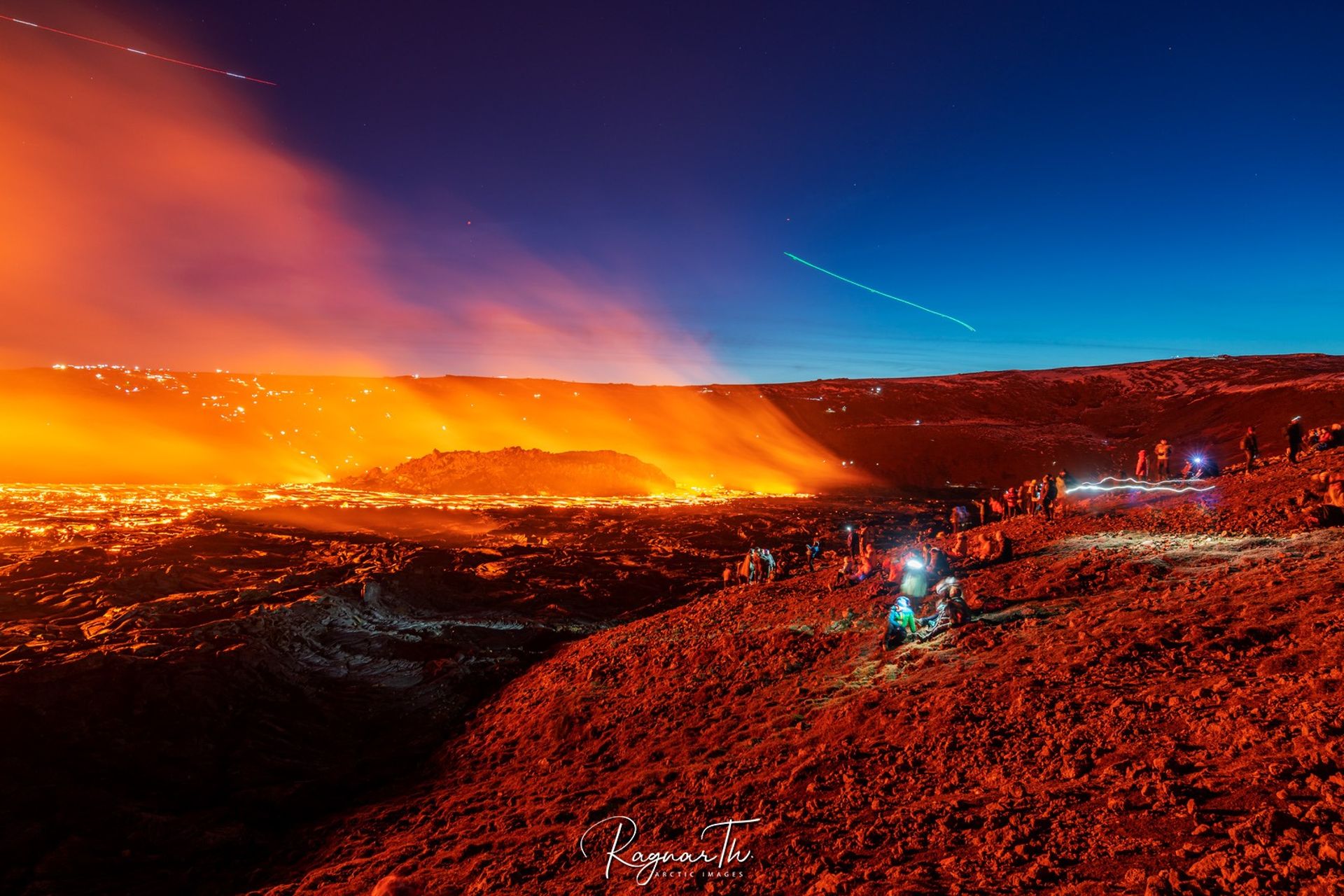
Few natural wonders capture the thrill of an island in constant evolution quite like the volcanoes in Iceland. The young country, after all, is one of the most geologically active places on Earth. Across the country, vast lava fields, geothermal regions, glaciers, and black-sand beaches reveal a landscape shaped by subterranean heat. Here is your essential guide to understanding Iceland’s peaks, from deep tectonic rifts to modern fissure eruptions.
How Many Volcanoes Are There in Iceland?
Iceland is home to approximately 130 volcanic mountains. However, rather than treating every mountain, crater, or fissure as an isolated volcano, scientists group many of these features into “active volcanic systems.” These are connected geological areas that may include a central volcano, fissure swarms, craters, and underground magma pathways.
Iceland is home to 33 of these active volcanic systems. In geological terms, “active” does not mean that a system is currently erupting. It generally means that it has erupted during the Holocene Epoch, which began approximately 11,700 years ago, and is considered capable of erupting again. Most systems are quiet at any given time.
For current updates and more information about specific locations, see our guide to active volcanoes in Iceland.
Why Are There So Many Volcanoes in Iceland?
The high concentration of volcanoes in Iceland is largely due to the country’s location on the Mid-Atlantic Ridge. This ridge marks the boundary where the tectonic plates move apart at roughly two centimetres per year.
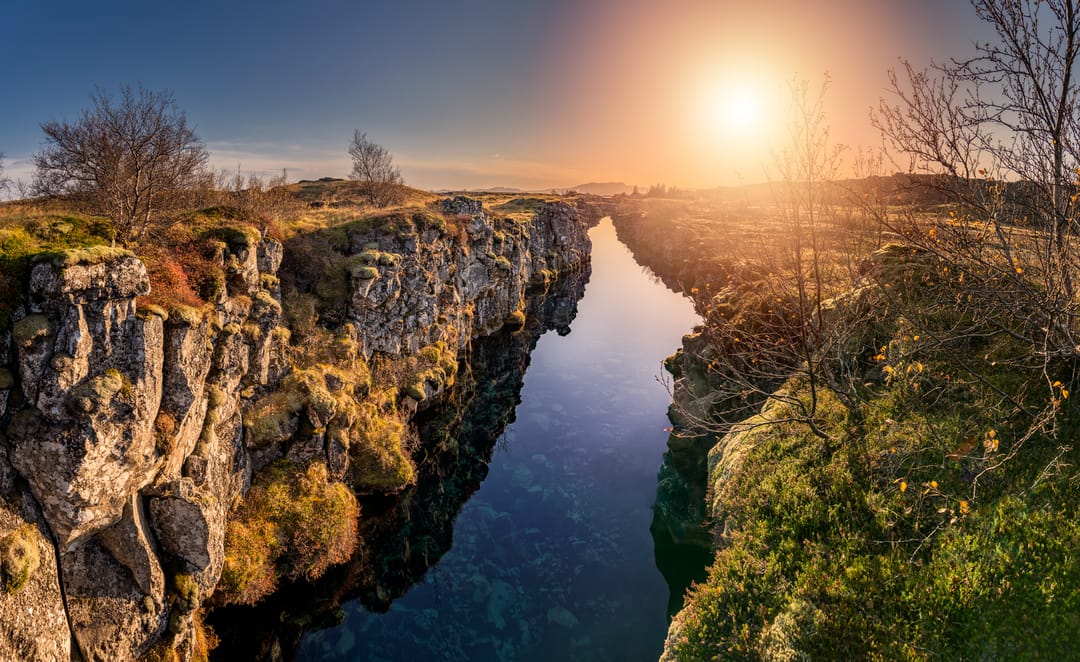
As the plates separate, the crust stretches and fractures, allowing magma to rise towards the surface. This process is intensified by a mantle plume beneath Iceland, which supplies additional heat and magma. Together, these forces have created active volcanic zones extending from the Reykjanes Peninsula through the central highlands and towards the northeast. As a result, volcanic eruptions may emerge from central volcanoes, individual vents, or long fissures.
Types of Volcanoes in Iceland
Iceland’s complex geology has produced several distinct types of volcanoes. Their shapes and features vary according to eruption style, magma composition, and the surrounding environment.
Fissure Volcanoes
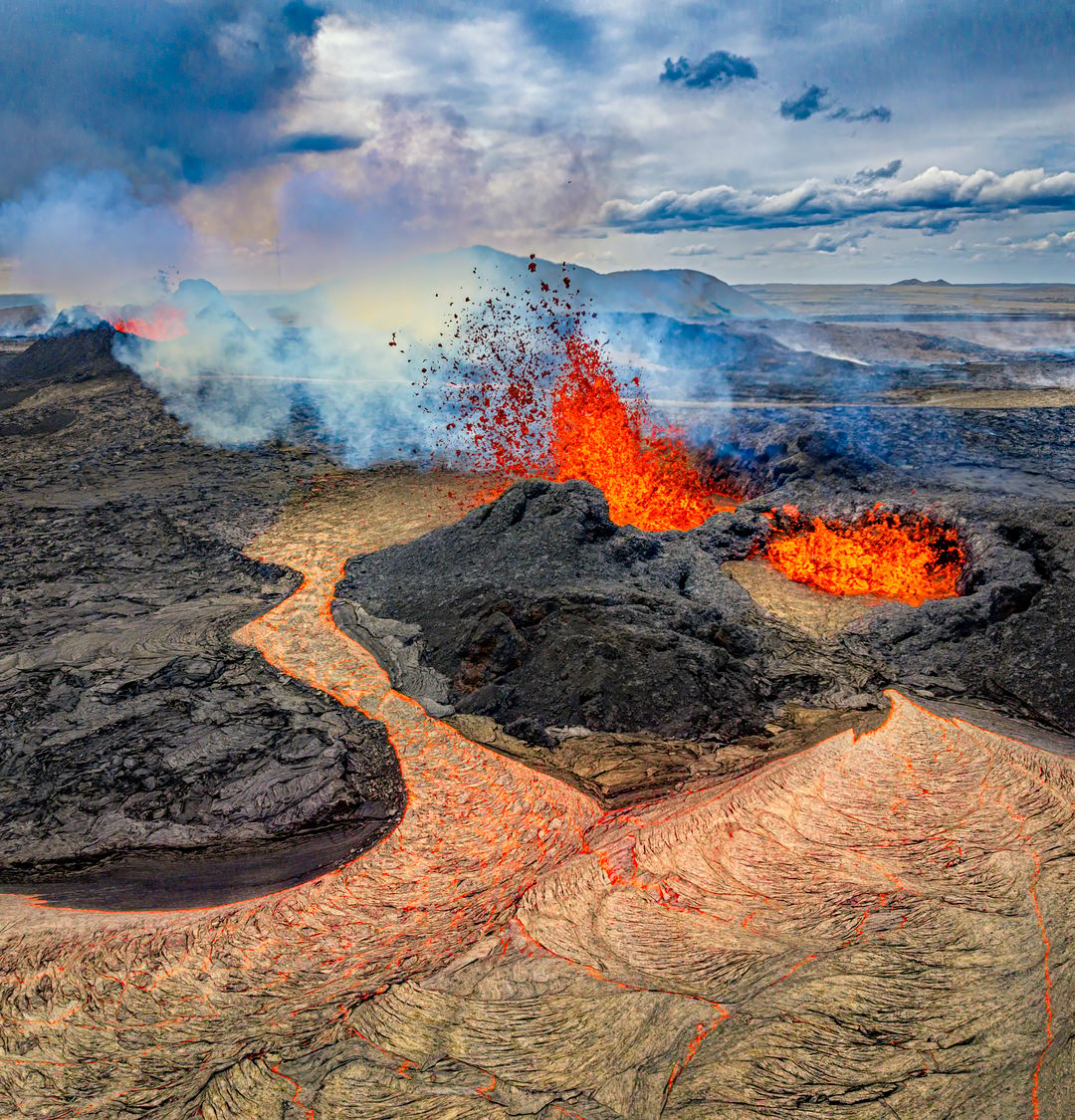
Fissure eruptions occur along long cracks in the Earth’s crust rather than through a single, pipe-like vent. Lines of lava fountains can create “curtains of fire”, while repeated activity may form extensive crater rows and broad lava fields. The volcanic systems of the Reykjanes Peninsula and the fissures involved in the historic Laki eruption are classic Icelandic examples.
Stratovolcanoes
Stratovolcanoes are steep-sided, conical mountains built from alternating layers of ash, hardened lava, and other volcanic material. These can produce explosive volcanic eruptions alongside viscous lava flows. Eyjafjallajökull and Öræfajökull are iconic stratovolcanoes.
Shield Volcanoes
Shield volcanoes have broad, gently sloping profiles that resemble a warrior’s shield laid flat on the ground. They form over long periods as repeated eruptions of fluid basaltic lava spread across the surrounding landscape. Skjaldbreiður, located near Þingvellir, is one of the known shield volcanoes in Iceland.
Subglacial Volcanoes and Tuyas
When an eruption occurs beneath a glacier, volcanic heat melts the overlying ice. The interaction between magma, meltwater, and ice can produce explosive activity and may trigger sudden glacial outburst floods known as jökulhlaups. Katla and Grímsvötn are two major subglacial volcanic systems in Iceland.
Some subglacial eruptions gradually build steep-sided, flat-topped mountains known as tuyas. These form as volcanic material accumulates within a meltwater cavity beneath the ice and may eventually emerge above the glacier. Herðubreið is one of Iceland’s best-known examples.
Famous Volcanoes in Iceland
Iceland has many active volcanoes, but a few stand out for their geological importance, historical eruptions and lasting cultural impact.
Hekla
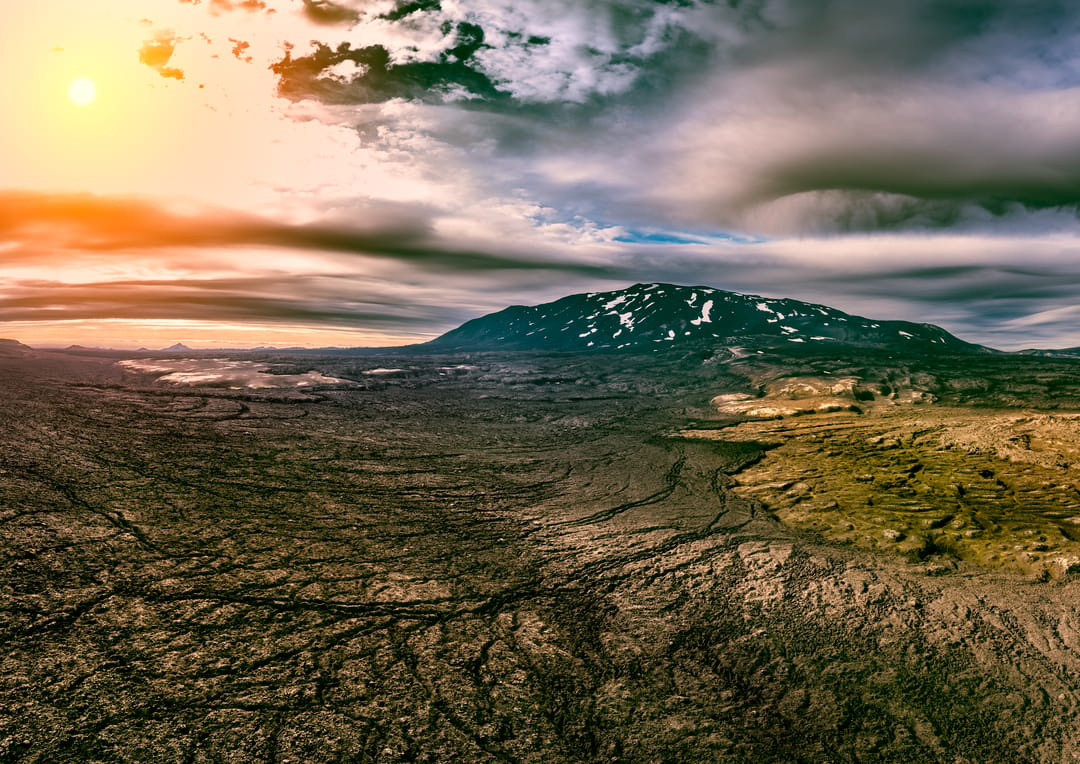
Nicknamed the “Gateway to Hell” during the Middle Ages, Hekla is one of Iceland’s most active central volcanoes. It has erupted over 20 times in historical records, often producing an initial explosive phase followed by lava flows. Hekla is also closely monitored because signs of an approaching eruption have sometimes appeared only shortly before activity begins.
Katla
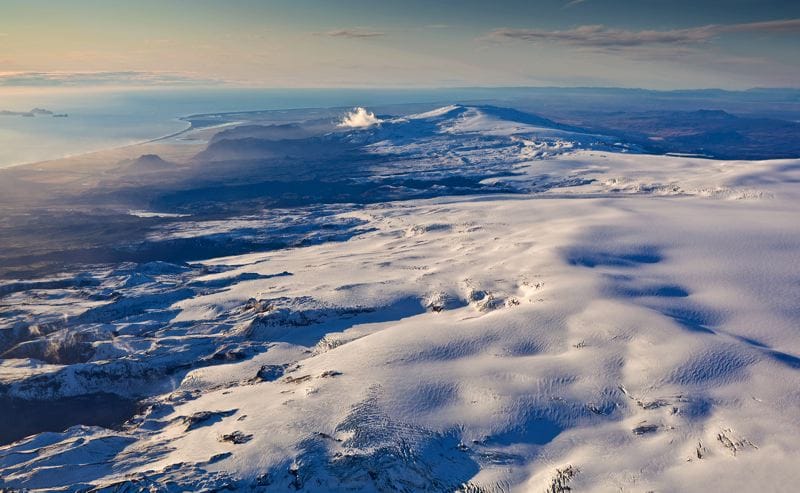
Concealed beneath the Mýrdalsjökull ice cap, Katla is a subglacial system capable of producing widespread ash clouds and jökulhlaups. It has erupted at least 21 times over the past 1,100 years, historically with an average interval of around 50 years. Because of its potential hazards, Katla is one of the most closely monitored volcanoes in Iceland.
Eyjafjallajökull
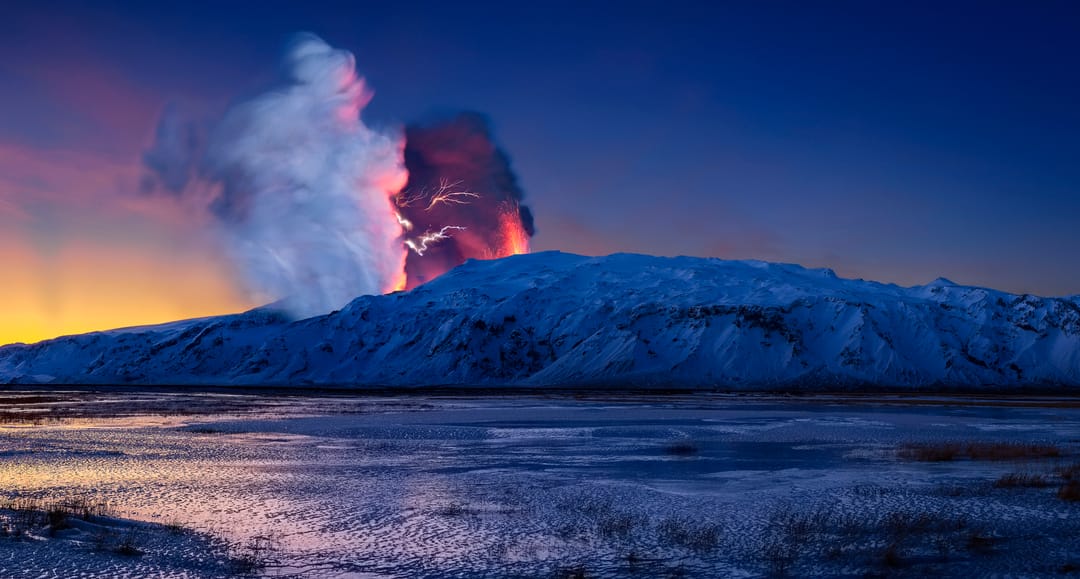
Eyjafjallajökull became known worldwide in 2010 when a subglacial eruption produced a fine ash plume that spread across European airspace. The resulting cloud disrupted international air travel for several days, with further interruptions continuing intermittently for weeks. The event demonstrated how eruptions in Iceland can have consequences far beyond the island itself.
Grímsvötn and Bárðarbunga
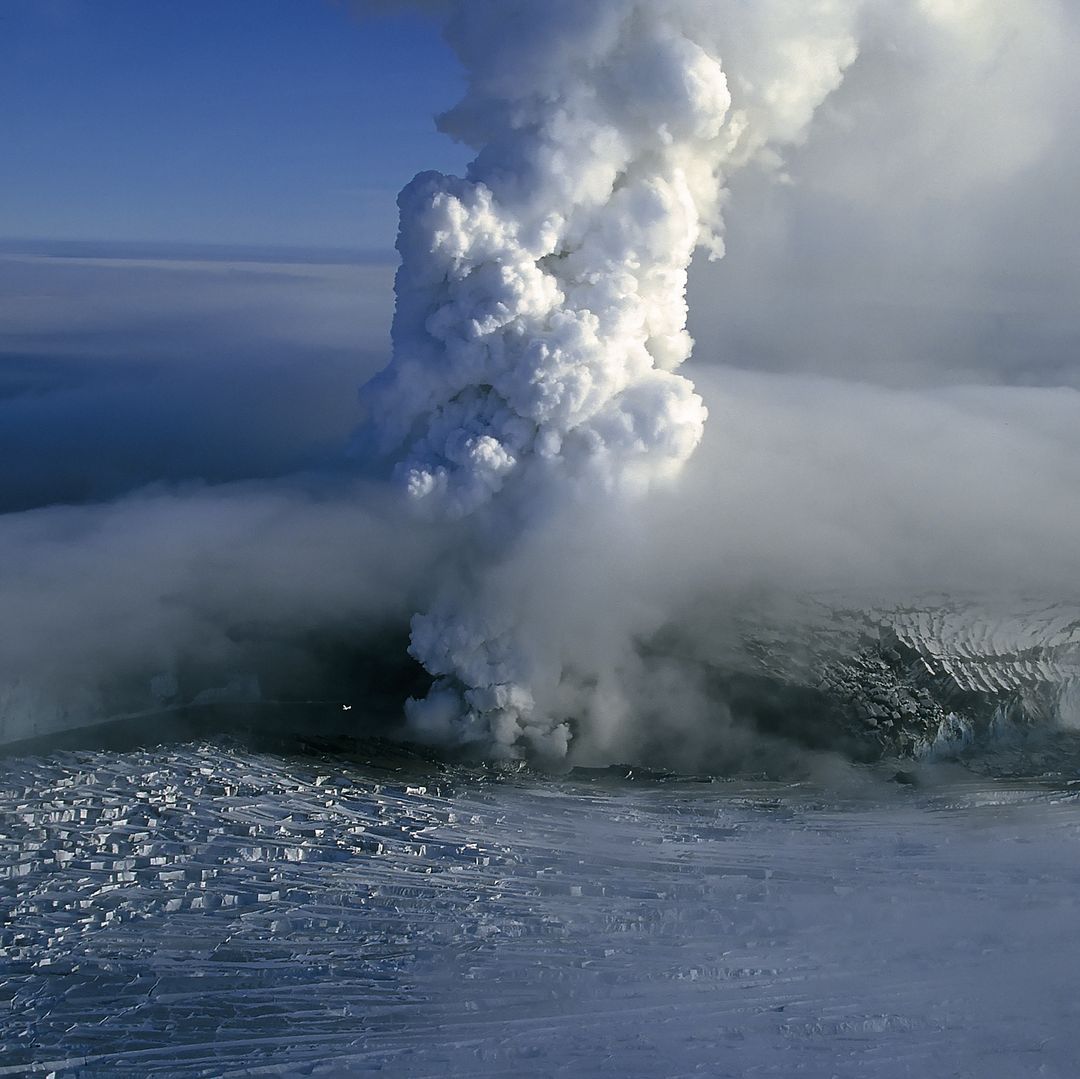
Beneath the Vatnajökull ice cap, Grímsvötn is Iceland’s most frequently erupting volcano. Nearby, Bárðarbunga forms part of another vast subglacial volcanic system. During the 2014–2015 eruption, magma travelled laterally away from Bárðarbunga’s central volcano before reaching the surface at Holuhraun. The eruption created an expansive lava field in the central highlands and was Iceland’s largest in more than 200 years.
Laki
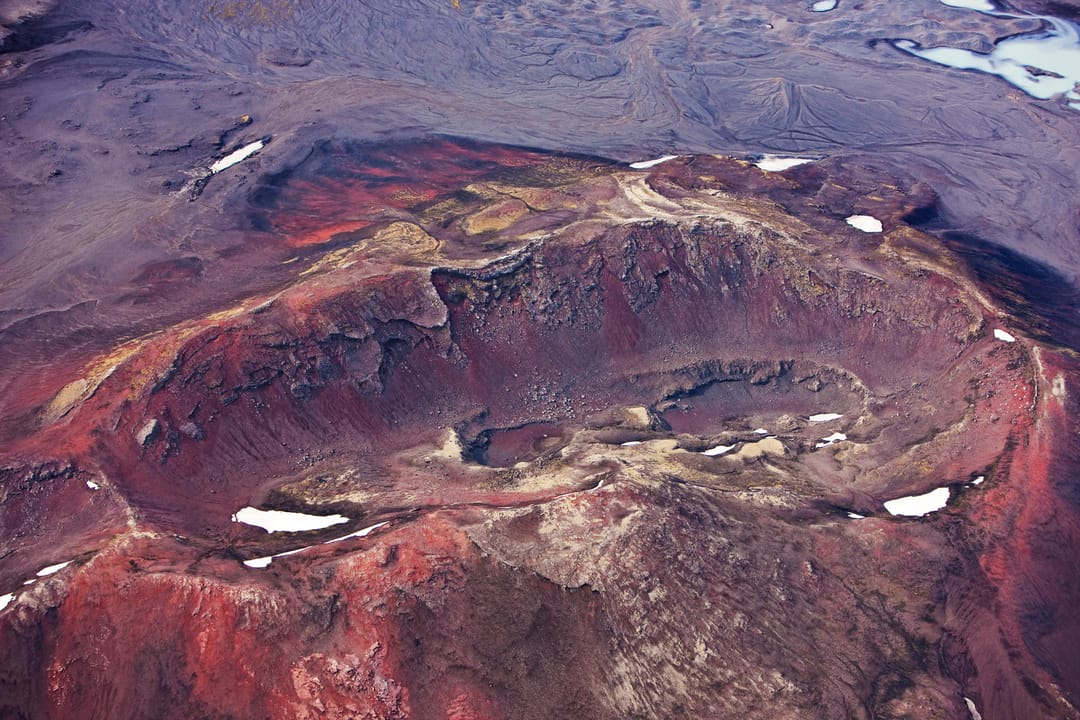
In 1783–1784, the Laki fissure eruption produced one of the most devastating volcanic events in Icelandic history. Over eight months, lava spread across a vast area while enormous quantities of sulphur dioxide and fluorine compounds entered the environment. The resulting haze, crop failures, and livestock losses caused severe hardship in Iceland. Atmospheric effects also contributed to short-term cooling across parts of the Northern Hemisphere.
Reykjanes Volcanic Systems
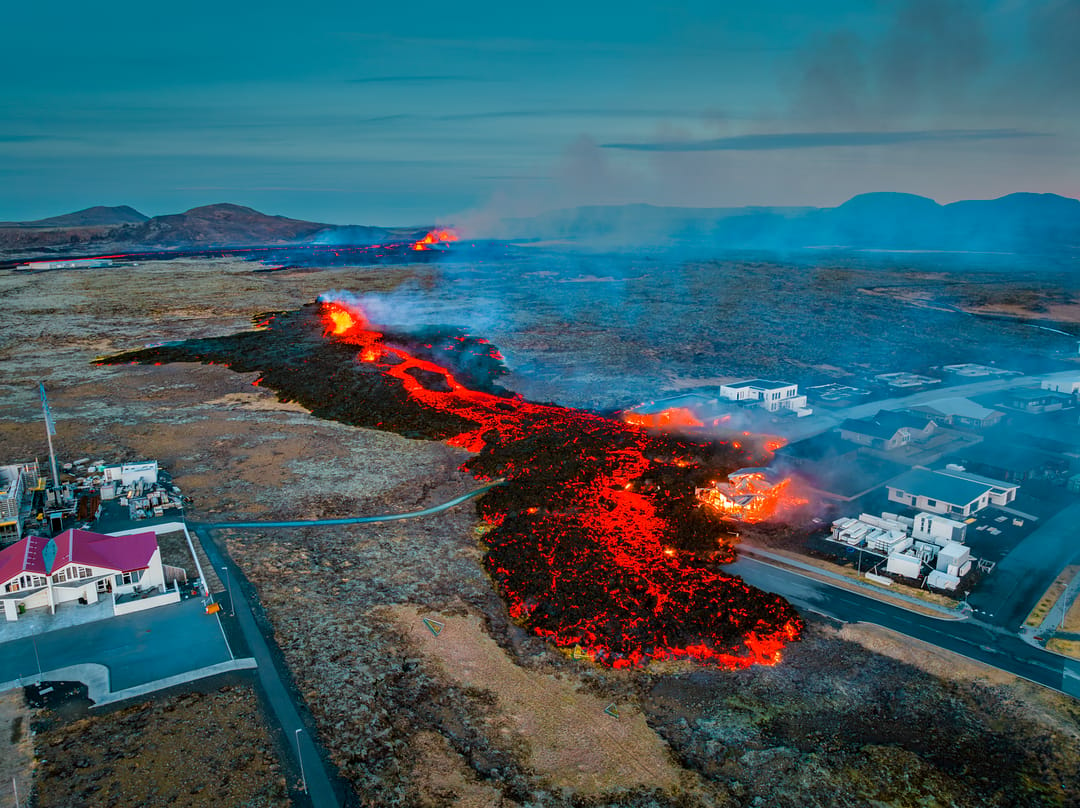
After roughly 800 years without an eruption, seismic activity intensified, and fissures opened near Fagradalsfjall in 2021. Further eruptions followed in 2022 and 2023, before a new sequence began along the Sundhnúkur crater row in December 2023. Together, these events offer a modern example of how Iceland's volcanic activity can shift between neighbouring systems.
How Volcanic Eruptions Have Shaped Iceland
Every eruption leaves a lasting imprint on the landscape. Molten rock cools into dark lava fields, while explosive activity builds tephra cones, crater rows and ridges. Over time, waves, rivers, and glaciers erode volcanic rock into fine sediment, creating black-sand beaches such as those near Vík.
Geothermal heat from magma beneath the surface also fuels mud pots, hot springs, and fumaroles across the island. Beneath glaciers, eruptions can trigger jökulhlaups that reshape river channels, spread sediment, and alter sections of the coastline. As volcanic ash and lava weather, they also contribute minerals to Iceland’s soils. Together, these processes show that volcanoes in Iceland are forces that continue to build and transform the country.
Tips for Visiting Volcano Sites in Iceland Safely
Visiting Iceland’s volcanic landscapes requires preparation, respect for nature and close attention to official safety guidance:
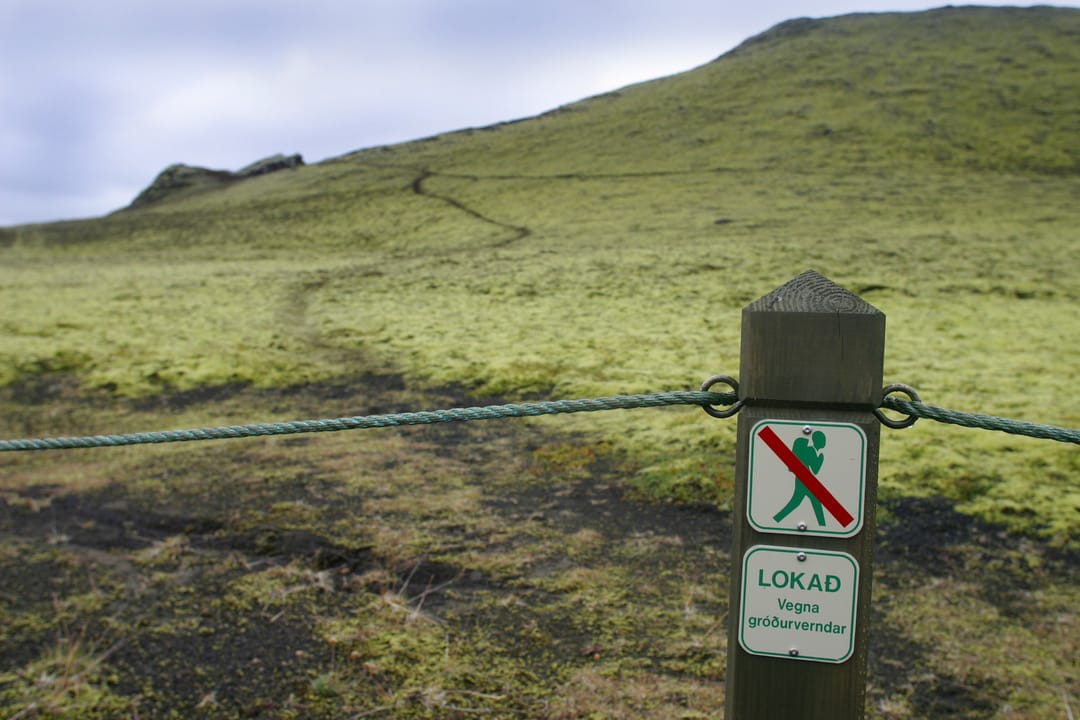
- Follow Official Closures: Always respect hazard zones, barriers and trail closures issued by local authorities. Never enter a restricted eruption site.
- Check Conditions Daily: Consult SafeTravel.is and the Icelandic Meteorological Office for current access information, weather warnings, air quality and volcanic gas forecasts.
- Never Walk on Fresh Lava: A cooled surface can conceal intense heat, unstable cavities and thin crust. Stay away from active lava fronts and recently formed flows.
- Be Aware of Volcanic Gases: Sulphur dioxide can cause breathing difficulties, while carbon dioxide may collect in low-lying areas. Leave immediately if advised by officials or if conditions deteriorate.
- Keep Away From Unstable Terrain: Crater rims, fissures and newly formed ground may collapse without warning.
- Prepare for Changing Weather: Wear sturdy hiking boots and windproof layers, and carry sufficient water. Conditions can change rapidly, even during a short visit.
Experience Iceland’s Volcanic Power at Perlan
You do not need to hike across remote terrain to gain a vivid sense of Iceland’s volcanic forces. At Perlan in Reykjavík, you can experience these geological processes firsthand in a safe, state-of-the-art environment.
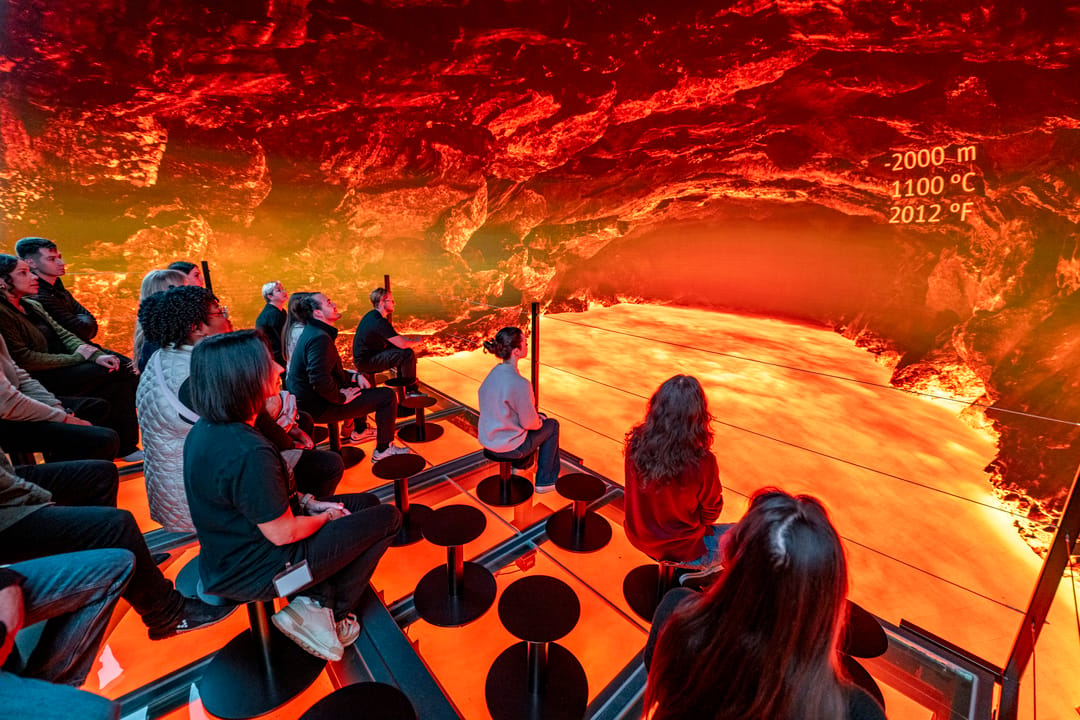
The Volcano Show brings the 2021 Geldingadalir eruption to life through dramatic drone footage and immersive sound. Visitors can watch lava move through the valley and experience the scale and intensity of a modern Icelandic eruption. It is an ideal introduction to volcanoes in Iceland and processes that continue to reshape the island.
FAQs
Eyjafjallajökull is internationally famous for its 2010 eruption, which disrupted air travel across Europe. Hekla and Katla are also among Iceland’s best-known volcanoes because of their long eruptive histories.
There are approximately 130 volcanoes in Iceland, organised into 33 active volcanic systems. These systems may include central volcanoes, fissure swarms, craters and individual vents.
Volcanic eruptions occur relatively frequently in Iceland, but they do not follow a fixed schedule. Long quiet periods may be followed by several eruptions within the same region or volcanic episode.
Iceland lies on the Mid-Atlantic Ridge, where the North American and Eurasian tectonic plates move apart. A mantle plume beneath the island supplies additional heat and magma, further intensifying volcanic activity.
Many volcanic landscapes are safe to visit when official guidance is followed. Always respect closures, remain on marked paths and check current conditions through SafeTravel and the Icelandic Meteorological Office.
Yes, explosive eruptions, particularly those involving magma and glacial ice, can produce fine ash that enters aviation routes. Basaltic fissure eruptions usually produce much less ash, although volcanic gases and local hazards may still affect air travel.
Popular articles
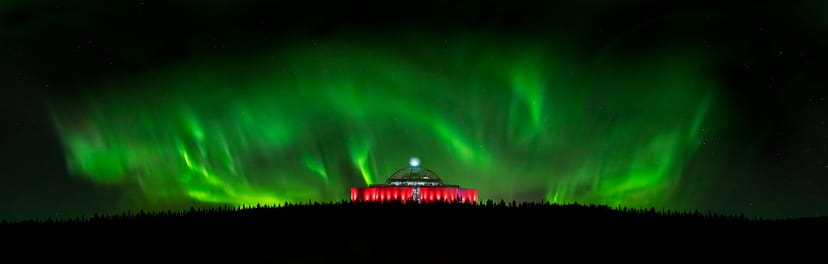
The Complete Guide to the Northern Lights in Iceland
Learn how the Northern Lights form, where to see them in Iceland, how to prepare, take photos, read the forecast, and improve your chances of a sighting.
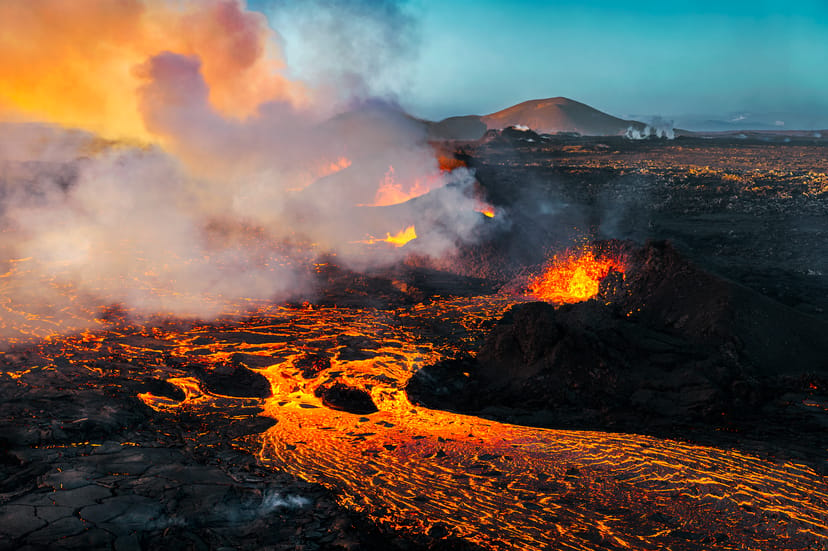
Let's Talk About the Volcano in Iceland About to Erupt
Is a volcano in Iceland about to erupt? Here’s what travelers should know about Svartsengi, Reykjanes activity, flights, safety, and the Blue Lagoon.
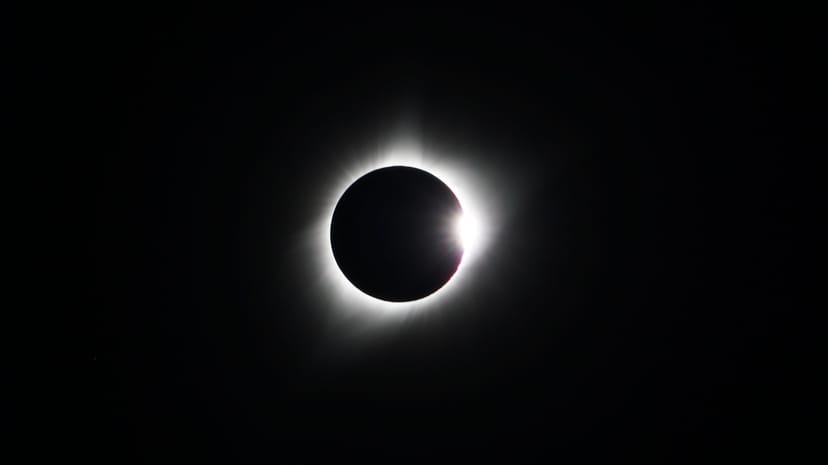
Solar Eclipse 2026 in Iceland | What Happened
Iceland experienced a total solar eclipse on August 12, 2026. Discover what happened in Reykjavík, eclipse times, totality locations and more.
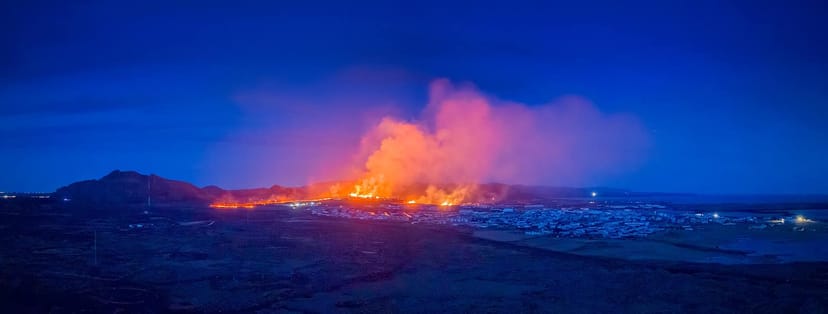
September 2026 updates on the Sundhnúkagígar Eruption in the Reykjanes Peninsula!
The current eruption in the Reykjanes Peninsula, is called Sundhnúkagígar Crater Row. See insights on the seismic activity and volcanic eruptions in the area!
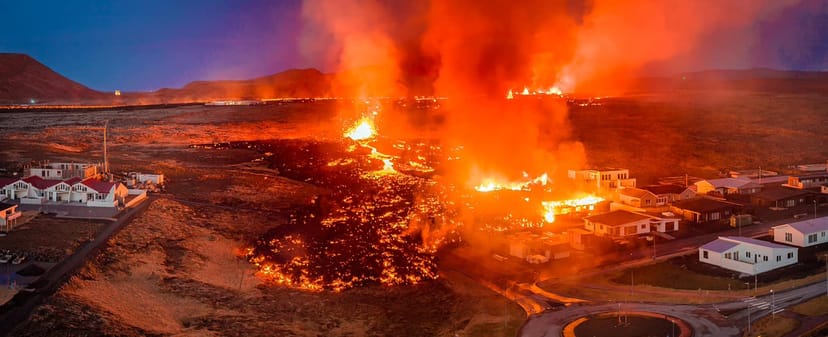
Active Volcanoes in Iceland 2026
Active volcanoes aren't the same thing as active eruptions. A volcano can be considered active even when it is not ejecting ash, rock, gases and magma, so which are active in Iceland in 2026?
Top 10 Places To See the Northern Lights in Iceland
Discover the best places to see the Northern Lights in Iceland, from Jökulsárlón and Kirkjufell to Reykjavík, Þingvellir and North Iceland.
Ice Caves From Reykjavik
Planning an ice cave trip from Reykjavik? Compare Katla, Langjökull and Vatnajökull, travel times, seasons and Perlan’s ice cave in the city.