
Blue Flower Iceland: A Guide to the Forget-Me-Not
While Iceland is famous for its sweeping, dramatic landscapes, some of its most captivating features are the smallest. Among them is the delicate blue flower Iceland is known for, standing out against rugged terrain: the forget-me-not. Wildflowers offer a softer side to the island’s nature, and this small but memorable bloom is a local favorite.
What Is the Icelandic Forget-Me-Not?
In Iceland, this charming flower is called gleym-mér-ei, a literal and poetic translation of “forget-me-not.” It belongs to the Myosotis genus, a group of small flowering plants found across northern climates. Like many flowers in Iceland, it is well adapted to the harsh and unpredictable environment.
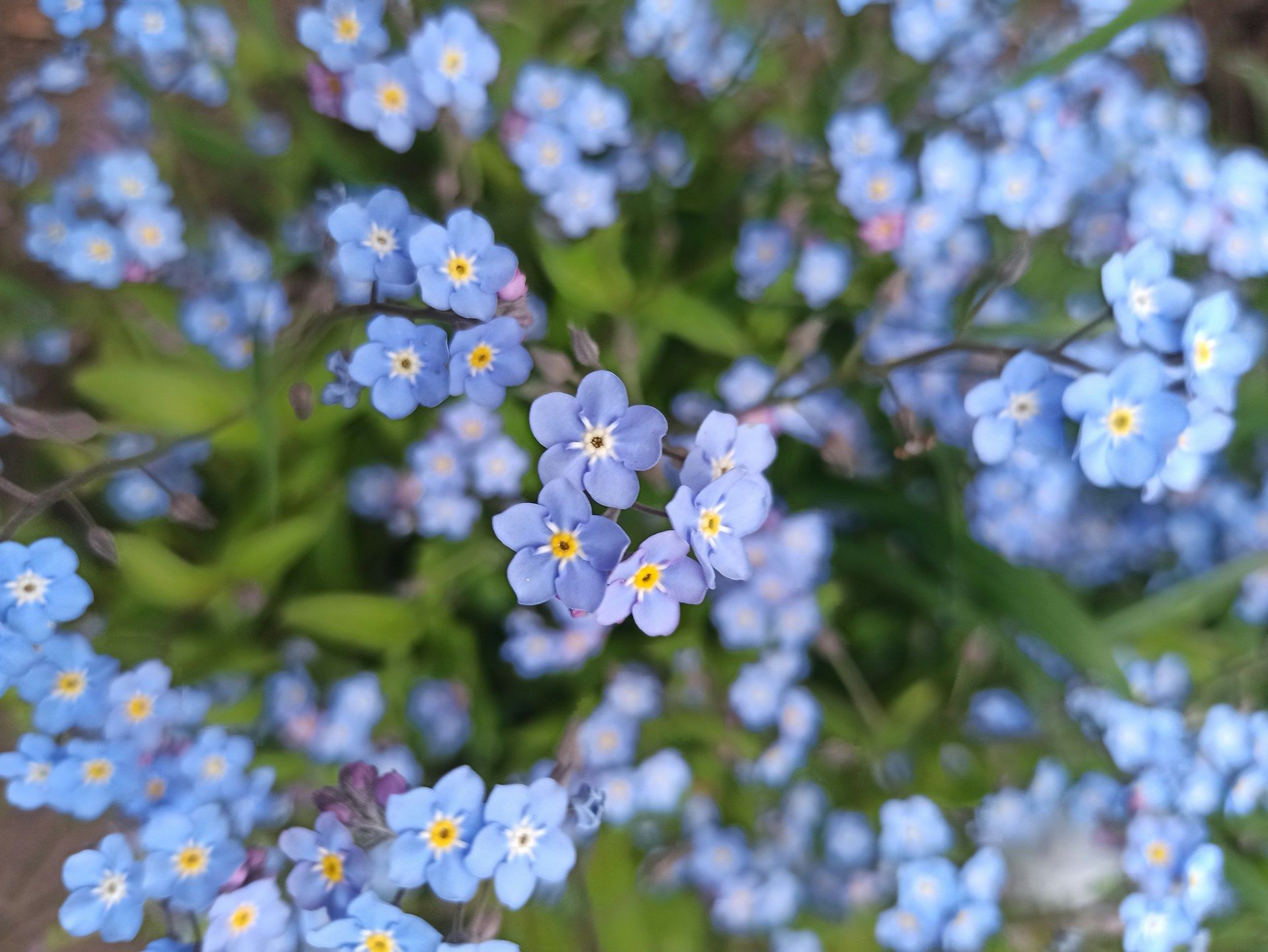
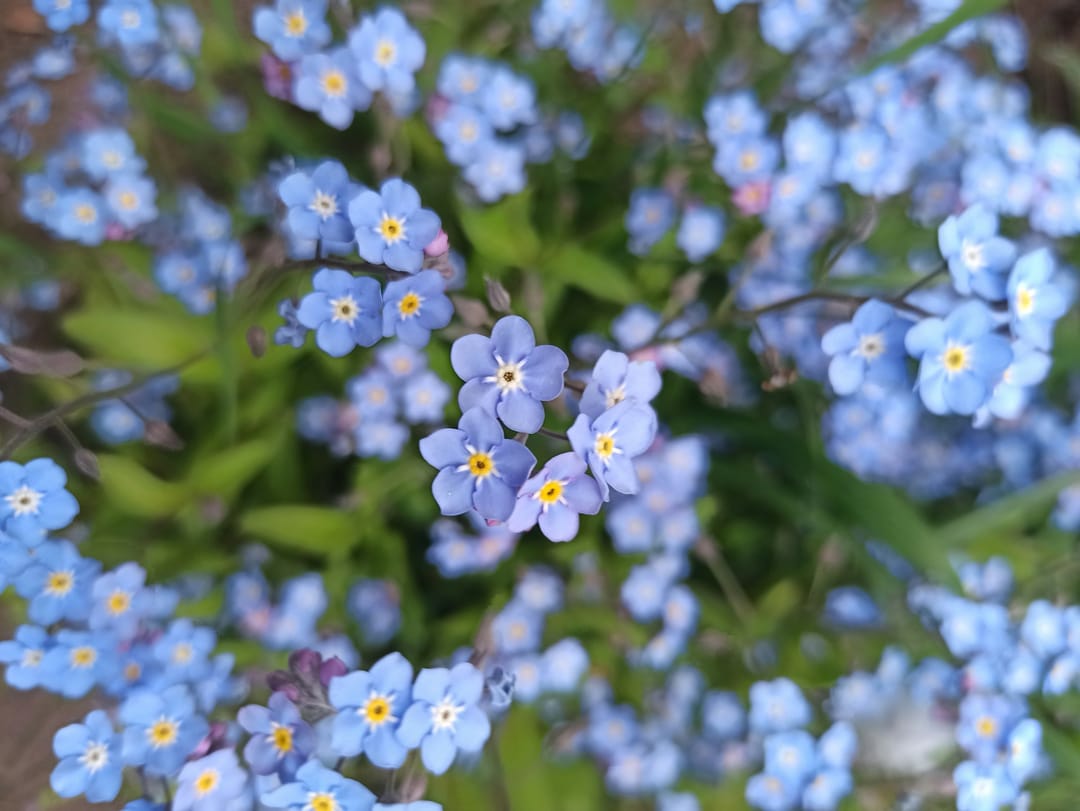
The forget-me-not appears fragile, with tiny, five-petaled flowers rarely exceeding 5 to 8 millimeters in diameter. Each bloom is a striking shade of sky blue with a bright yellow center, growing on slender, lightly hairy stems. These fine hairs help reduce moisture loss and protect the plant from wind, allowing it to survive in exposed conditions.
Is This the Blue Flower Iceland Is Known for?
When searching for the blue flower Iceland, many people are thinking of the purple-blue carpets that cover the countryside in summer. Those towering stalks belong to the Nootka lupine (Lupinus nootkatensis), a species native to North America. It was introduced to the island to help combat soil erosion. While highly photogenic, lupine flowers spread rapidly and are often considered an invasive species, as they can outcompete native plants.
In contrast, the forget-me-not is a more traditional Icelandic wildflower. It is a quiet presence in the landscape, long established across Iceland´s flowers and wild blooms. Subtle and easily overlooked, these delicate blooms invite travelers to slow down and take a closer look.
Types of Forget-Me-Nots in Iceland
There are several species of forget-me-not found across Iceland, each adapted to slightly different environments within the landscape.
Field Forget-Me-Not (Myosotis arvensis): One of the more commonly encountered species, this plant is often found in open fields, roadsides, and disturbed ground. It is known for its small flowers and ability to grow in poor soil.
- Strict Forget-Me-Not (Myosotis stricta): A smaller, more upright relative, this species is typically found in dry, sandy areas. It is very well-adapted to exposed conditions.
- Water Forget-Me-Not (Myosotis scorpioides): Unlike its relatives that prefer drier ground, this species thrives in moist environments. It’s a perennial plant commonly found along streams, ponds, and wetlands, where its slightly larger blue flowers stand out.
Forget-Me-Not in Icelandic Culture
The name “forget-me-not” carries a sentimental meaning, symbolizing remembrance and enduring affection. In Iceland, where winter brings long, dark nights, their arrival signals the return of light and the gradual shift into summer.
While modest in size, the forget-me-not is a familiar and welcome sight in the countryside. Its delicate blooms often appear along walking paths and open landscapes. Rather than being gathered, these flowers are best appreciated in their natural setting, as part of Iceland and its wild flora.
Where Does the Blue Flower Grow in Iceland?
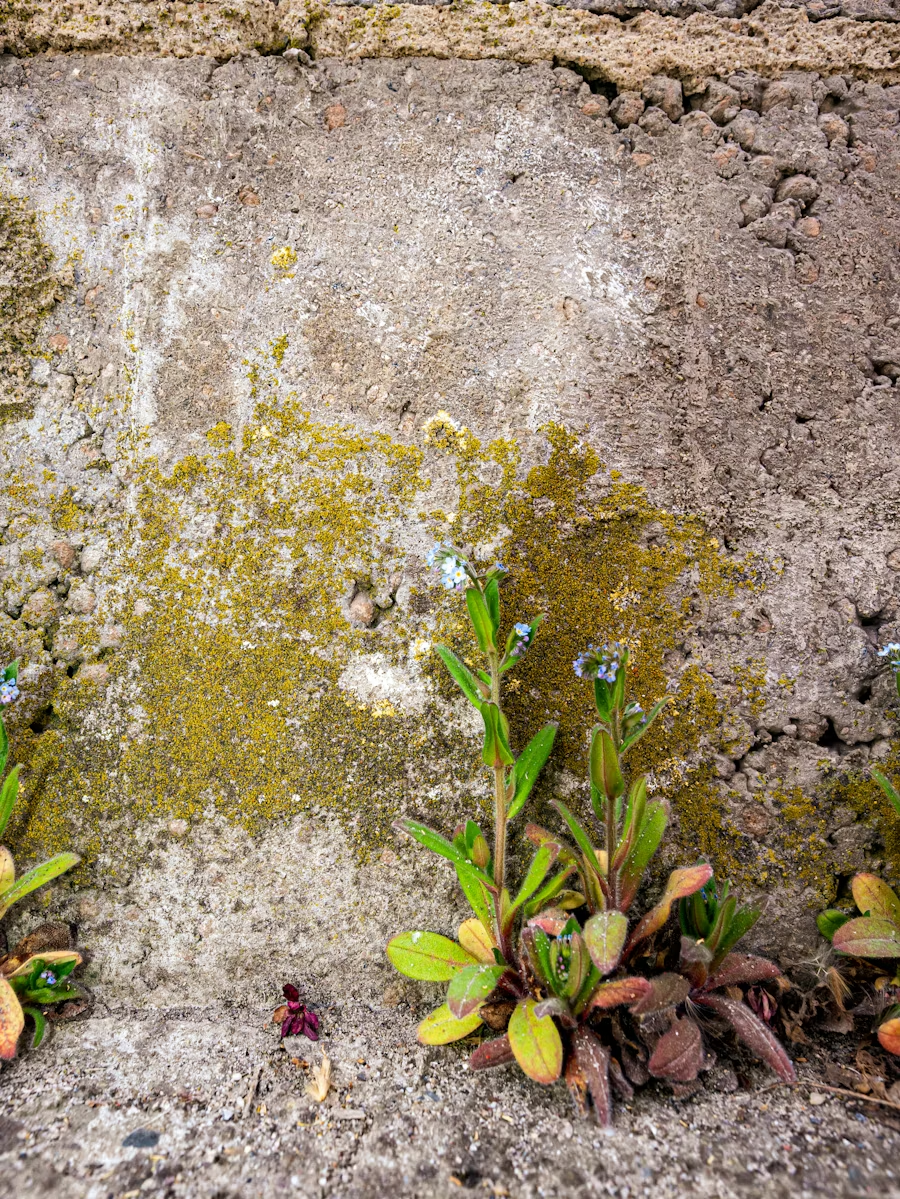
The forget-me-not is a highly adaptable plant found across much of the island. It commonly grows in grassy meadows, roadsides, and at the edges of woodlands, where conditions are slightly more sheltered and moist. They may also peek out of cracks in the lava fields, seeking out pockets of moisture among the rocks.
While it can occasionally appear in rocky or exposed terrain, it is most often seen in lowland landscapes. Because of this wide distribution, travelers may encounter these delicate blue blooms in many areas of Iceland.
Best Time to See the Blue Flower in Iceland
Timing your trip to see the forget-me-not means planning around Iceland’s short but intense growing season. Because the island experiences a compressed summer, most flowers in Iceland bloom within a brief but spectacular window of near-constant daylight. For gleym-mér-ei, the peak viewing season generally falls between the middle of June and late July.
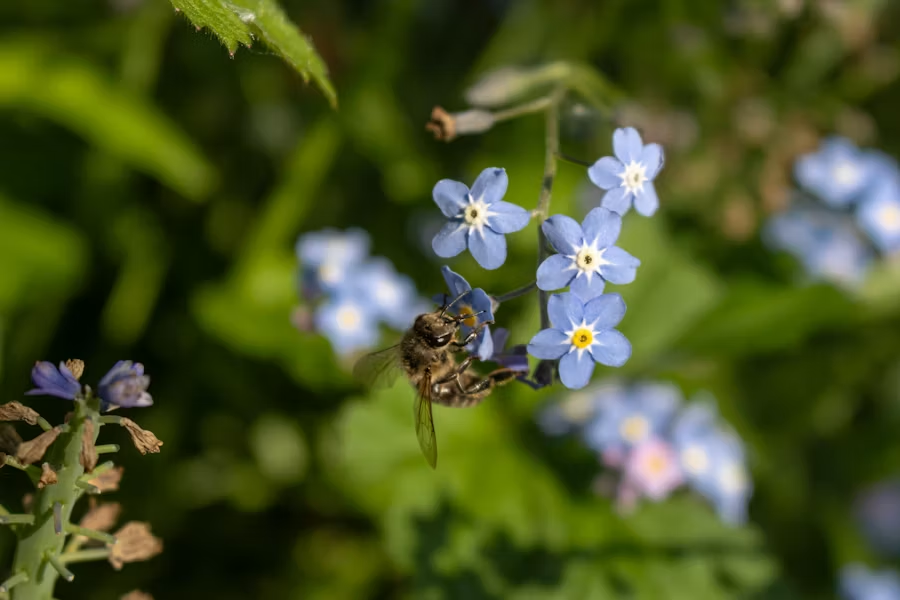
In lowland and coastal areas, tiny blue buds may appear as early as late May if spring is particularly mild. By June, meadows and open landscapes begin to brighten with blue. Around the height of the Midnight Sun in late June, forget-me-nots are typically at their most vibrant.
Remember to Enjoy the Blooms Responsibly
As Iceland’s seasonal blooms arrive, the landscape enters one of its most delicate phases. Newly thawed ground and ancient mosses surrounding these wildflowers are highly sensitive to footsteps. To help preserve this environment, it is essential to stay on marked paths, even if they appear muddy or uneven.
The “Leave No Trace” philosophy is the best approach for anyone hoping to see the blue flower Iceland is so proud of. While picking a forget-me-not or pinning one to your sweater may seem charming, visitors are encouraged to take only photos. By leaving the flowers where they grow, you help ensure these native species remain for future generations to enjoy.
Discover More at Perlan
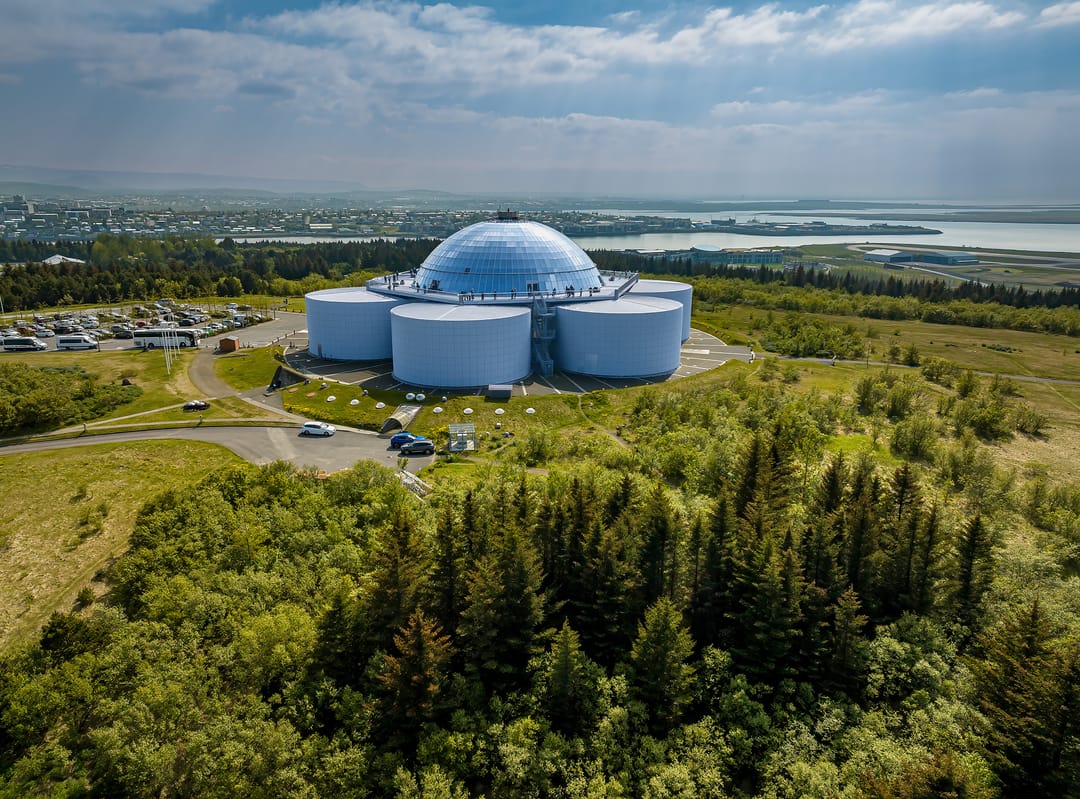
If your interest in the island’s flora goes beyond the trails, a visit to Perlan in Reykjavík is a must. The museum’s immersive exhibitions provide the scientific and geological context that makes wild forget-me-not sightings even more meaningful. By pairing outdoor exploration with these educational experiences, visitors can gain a deeper appreciation for the resilience of Icelandic nature.
FAQs
Many travelers notice the tall, purple-blue lupines in Iceland. However, the delicate forget-me-not is one of the most recognizable small blue wildflowers found in the country.
Yes, several species of forget-me-not grow across the country. This plant thrives in diverse environments ranging from open grasslands and roadsides to moist meadows.
Reflecting their name, these flowers traditionally symbolize memory, enduring love, and remembrance.
Gleym-mér-ei is the Icelandic name for the forget-me-not. It literally translates to “forget me not” in English.
Iceland is visually associated with the Nootka lupine, which covers large areas of the countryside in summer. However, the mountain avens (Dryas octopetala) is the country’s official national flower.
Popular articles
The Complete Guide to the Northern Lights in Iceland
Learn how the Northern Lights form, where to see them in Iceland, how to prepare, take photos, read the forecast, and improve your chances of a sighting.
Let's Talk About the Volcano in Iceland About to Erupt
Is a volcano in Iceland about to erupt? Here’s what travelers should know about Svartsengi, Reykjanes activity, flights, safety, and the Blue Lagoon.
Solar Eclipse 2026 in Iceland | What Happened
Iceland experienced a total solar eclipse on August 12, 2026. Discover what happened in Reykjavík, eclipse times, totality locations and more.
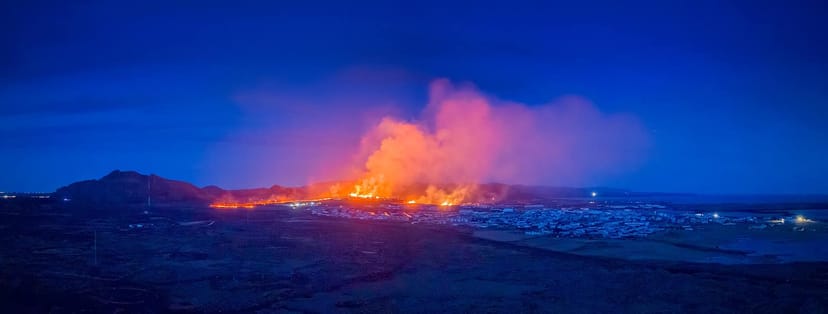
September 2026 updates on the Sundhnúkagígar Eruption in the Reykjanes Peninsula!
The current eruption in the Reykjanes Peninsula, is called Sundhnúkagígar Crater Row. See insights on the seismic activity and volcanic eruptions in the area!
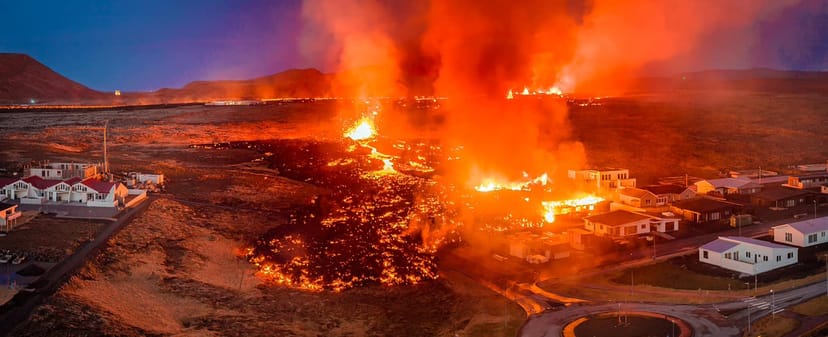
Active Volcanoes in Iceland 2026
Active volcanoes aren't the same thing as active eruptions. A volcano can be considered active even when it is not ejecting ash, rock, gases and magma, so which are active in Iceland in 2026?
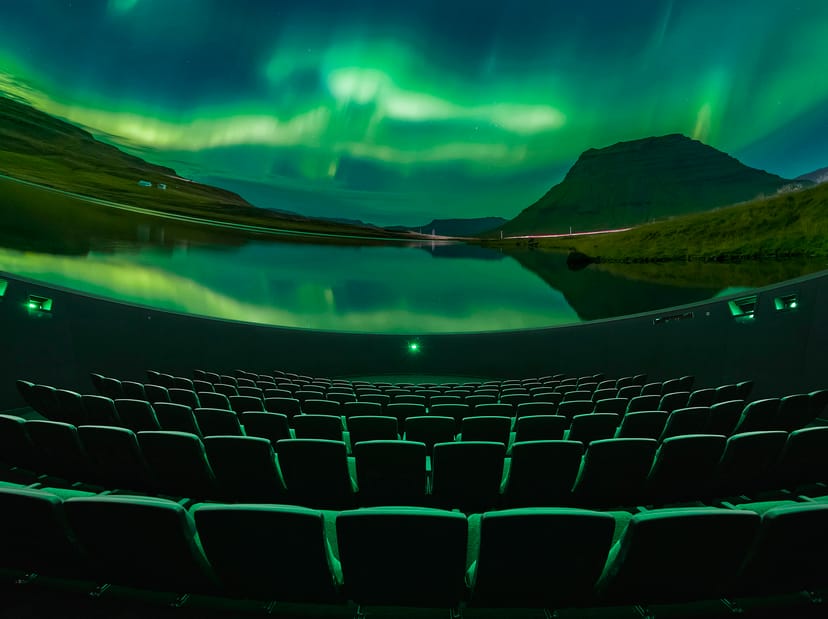
Top 10 Places To See the Northern Lights in Iceland
Discover the best places to see the Northern Lights in Iceland, from Jökulsárlón and Kirkjufell to Reykjavík, Þingvellir and North Iceland.
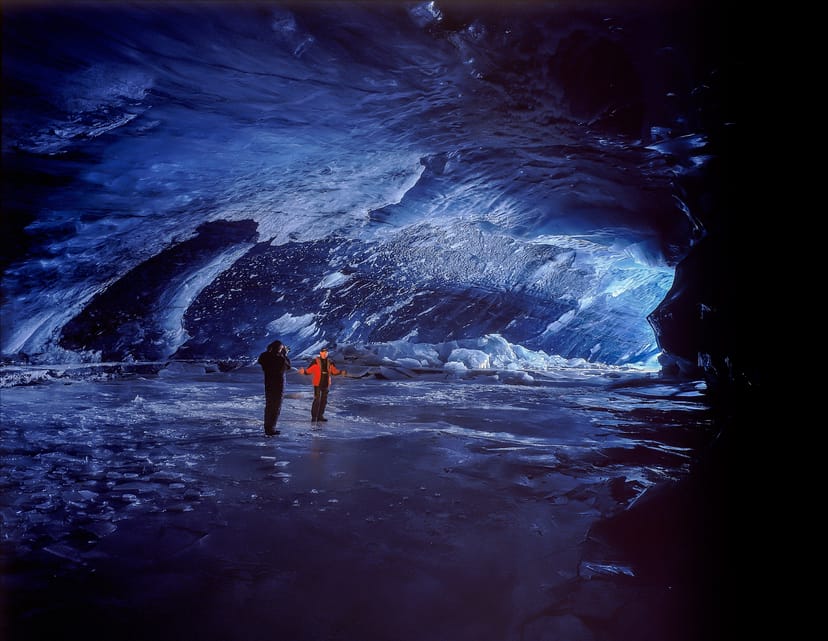
Ice Caves From Reykjavik
Planning an ice cave trip from Reykjavik? Compare Katla, Langjökull and Vatnajökull, travel times, seasons and Perlan’s ice cave in the city.