
Guide to Iceland´s Trees
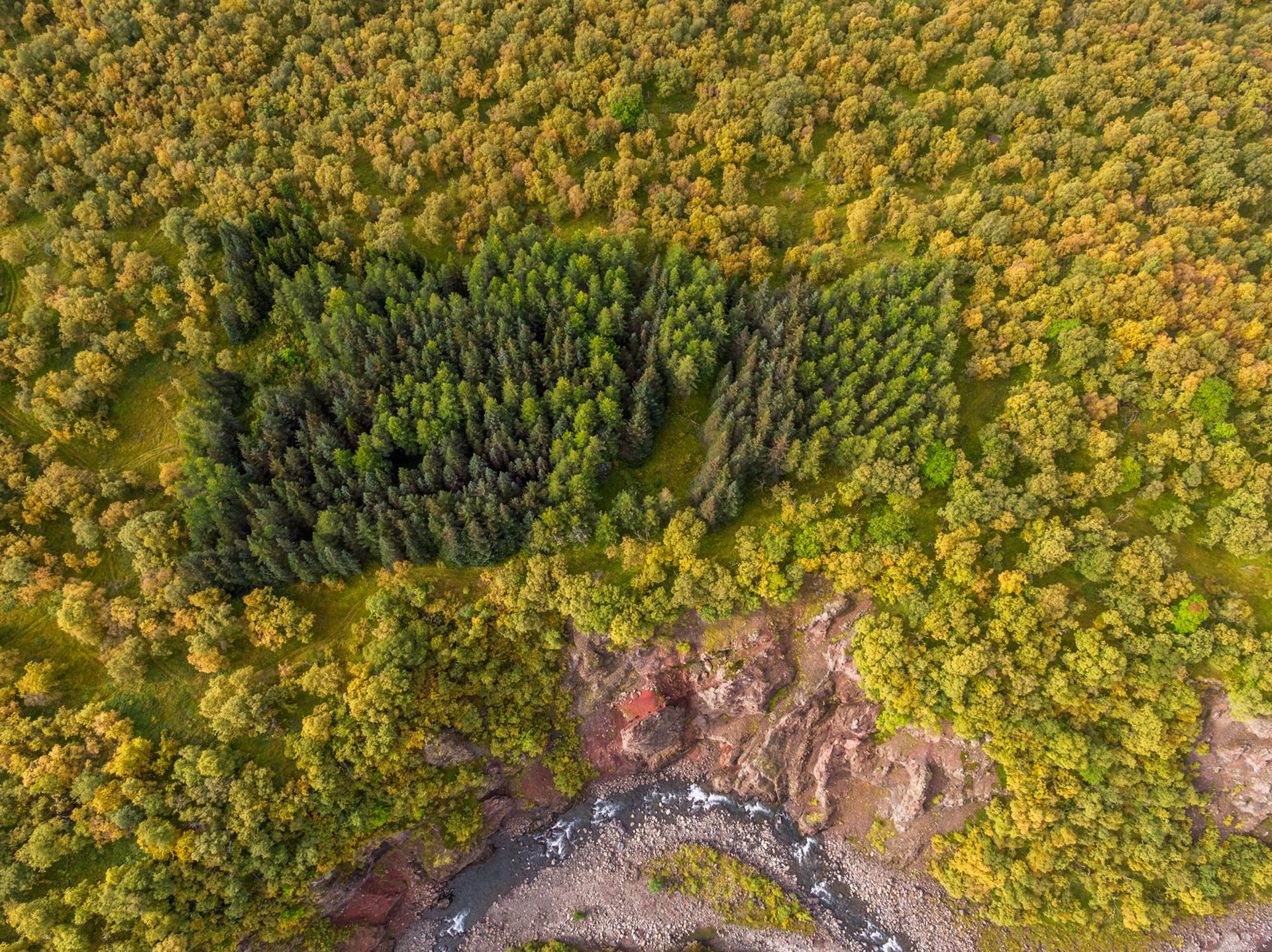
Iceland trees are one of the country’s most overlooked natural features. There’s even an old joke that goes: “What should you do when you get lost in an Icelandic forest? Just stand up.” While Iceland is famous for its wide, treeless horizons, this was not always the case. Today, reforestation efforts are slowly restoring greenery to ancient valleys and coastal slopes. This guide explores the history, importance, and beauty of trees in Iceland.
Are There Trees in Iceland? Why Are There So Few
Yes, trees do exist in Iceland. However, they are far less abundant than the dense forests found in much of Europe or North America.
For many travelers, the absence of tall, continuous forests is one of the country’s most striking features. Instead, the landscape often stretches to the horizon in a mix of volcanic rock, glaciers, and Icelandic moss-covered plains. Where trees do grow, they are typically low and hardy. Many Icelandic forests are made up of birch species and shrubs that rarely exceed shoulder height.
Several environmental factors help explain this.
- Short Growing Season: Although Icelandic winters are relatively mild for its latitude, cool summers limit the growing season of trees.
- Windy Climate: Strong, persistent winds can also damage young saplings, causing them to grow stunted or twisted.
- Challenging Soil Conditions: Much of the soil is volcanic and often loose or unstable, making it difficult for roots to establish securely.
That said, Iceland used to have more trees than it does today.
A History: Deforestation in Iceland
When the Vikings arrived in the 9th century, they encountered a vast, wooded landscape. At that time, native trees (primarily birch) covered an estimated 40 percent of the country.
This changed with human settlement. To survive North Atlantic winters, settlers cleared large areas of woodland for timber and fuel. Sheep grazing also dealt a devastating blow to Icelandic forests. As livestock populations grew, hungry sheep ate young shoots before they could mature, preventing natural regeneration.
Combined with periodic volcanic eruptions, this loss of vegetation left the soil exposed and unstable. Without strong root systems to hold it in place, widespread soil erosion followed. Over the centuries, what was once a forested landscape was stripped back to volcanic desert and rocky plains.
To truly understand the scale of these geological events, visitors can experience the Forces of Nature exhibit at Perlan. This specific exhibit vividly recreates the power of the volcanoes and earthquakes that have shaped the island’s rugged terrain.
Most Common Types of Iceland Trees
The variety of Iceland trees is more limited than in continental Europe, but species that thrive here are remarkably resilient. Shaped by a harsh climate, strong winds, and volcanic soils, these trees adapted to survive in conditions that challenge most forests.
Downy birch (Betula pubescens)
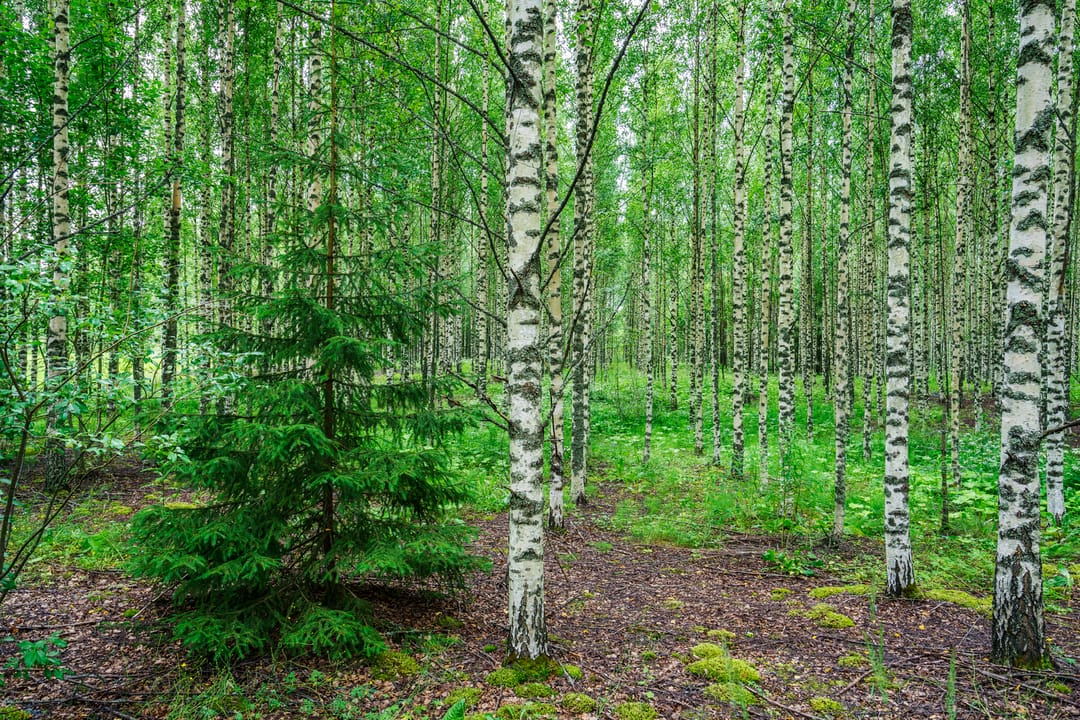
Known as birki, this is Iceland’s only native forest-forming tree. While continental versions grow taller, downy birch in Iceland is usually under 2 meters tall (6.6 feet) with multiple crooked stems. This stunted growth is partly influenced by hybridization with dwarf birch, as well as exposure to harsh environmental conditions. Despite its small size, downy birch still forms dense woodlands in sheltered areas like Ásbyrgi and parts of East Iceland.
Tea-leaved willow (Salix phylicifolia)
The tea-leaved willow (gulvíðir) is a hardy, moisture-loving species commonly found along riverbanks and in damp woodland areas. It rarely grows taller than a few meters. Though it typically appears in Iceland as a dense shrub, this willow can also develop into a small tree. Despite its modest size, it is highly adaptable to the country’s changing conditions.
Dwarf birch (Betula nana)
The dwarf birch is the smaller, hardier relative of the downy birch. It grows as a low, ground-hugging shrub, an adaptation that helps it withstand Iceland’s strong winds and harsh conditions. These Iceland trees are commonly found in highland and tundra areas, thriving in exposed environments. In autumn, dwarf birch can transform the landscape into a striking display of gold and deep red.
Rowan (Sorbus aucuparia)
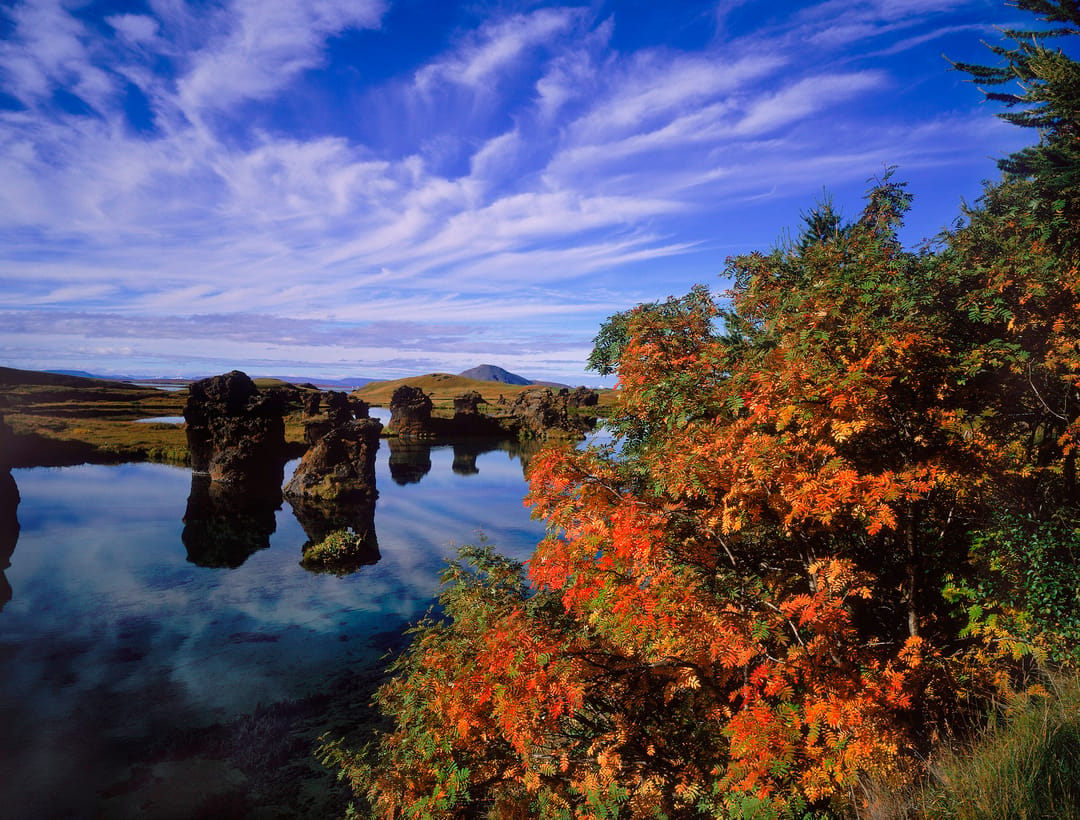
The rowan is occasionally found growing among birch woodlands in Iceland. Historically, it was valued as a “home tree” in parts of Northern Europe and was sometimes planted near farmsteads. It can be easily identified by its clusters of white flowers in spring and bright orange-red berries in autumn.
Sitka spruce (Picea sitchensis)
Though not a native tree, the Sitka spruce has been widely used in modern tree planting initiatives. In favorable conditions, this cone-shaped evergreen tree grows quickly and can reach impressive heights. In fact, the tallest tree in Iceland is a Sitka spruce located in the Kirkjubæjarklaustur grove in South Iceland.
Reforestation Efforts in Iceland
Following centuries of decline, Iceland is now actively restoring its lost wooded areas. Organized tree planting began in the early 20th century, led by the Icelandic Forest Service (Skógræktin). Today, millions of saplings are planted annually, expanding forested and restored areas across the country.
While efforts prioritize native species such as birch, hardy introduced trees like Sitka spruce and larch are also widely planted. These reforestation initiatives not only increase tree cover but also help stabilize soil and support biodiversity.
Top Icelandic Forests and Woodland Areas to Explore
Few as they may be, Iceland’s pockets of greenery are well worth exploring. Visiting these diverse sites is the best way to appreciate the unique beauty of Iceland trees in their natural habitat.
Hallormsstaðaskógur
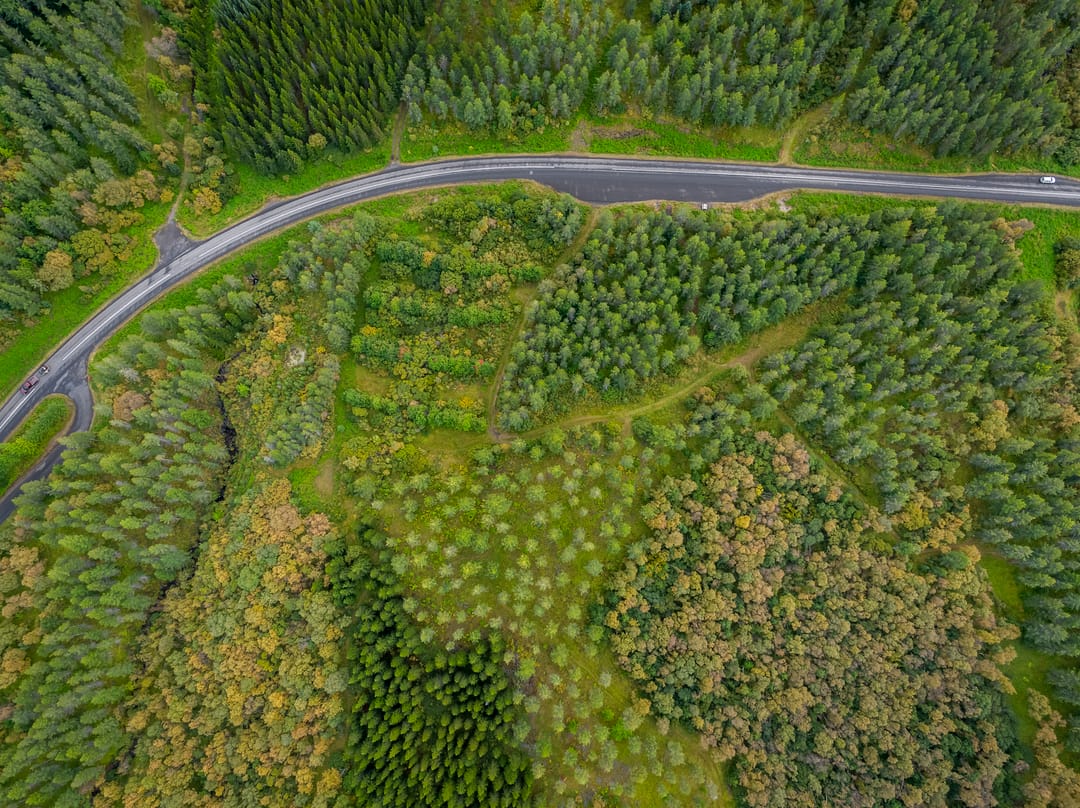
Located in East Iceland, Hallormsstaðaskógur is the largest forest in the country and a leading example of successful reforestation. It is home to more than 80 tree species from around the world, alongside native varieties.
The area features over 40 kilometers (25 miles) of walking trails, making it a popular destination for hikers. Here, Iceland trees reach impressive heights, forming a dense canopy that feels worlds away from surrounding volcanic tundra.
Þórsmörk
Named after the Norse god of thunder, Þórsmörk (“Valley of Thor”) is home to a birch woodland nestled between three glaciers. Protected by surrounding mountains, the trees here grow in gnarled, sculptural forms shaped by the elements. This remote nature reserve is one of the country’s most iconic green areas, a worthy adventure to the Icelandic highlands.
Öskjuhlíð
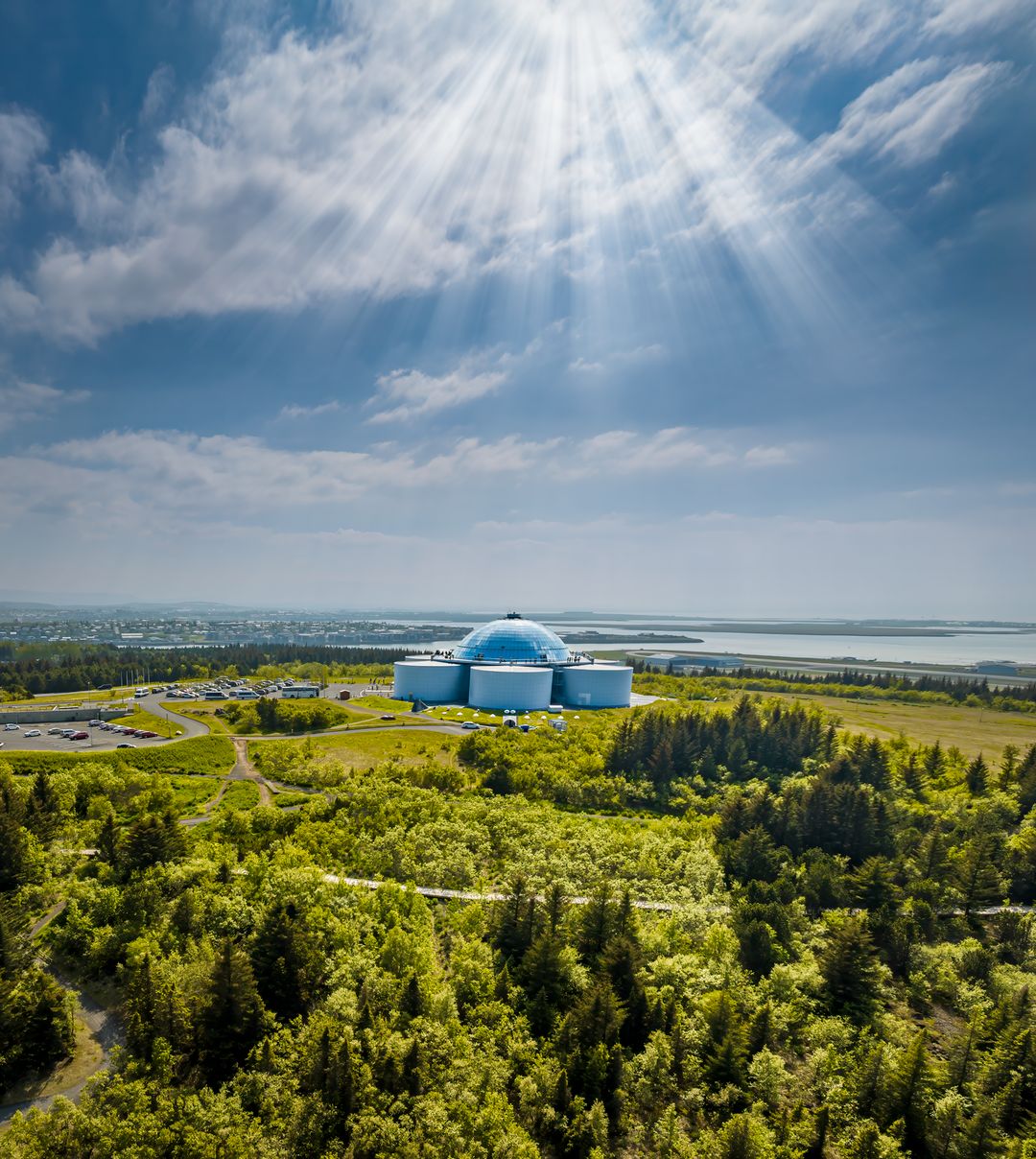
Surrounding the Perlan building in Reykjavík, Öskjuhlíð offers a clear example of how tree planting can transform an urban landscape. The forest includes a mix of pines, spruces, and birch trees, with walking trails that pass old wartime ruins. It’s the most accessible spot for travelers to experience Iceland’s growing canopy while enjoying panoramic views of Reykjavík.
Heiðmörk
On the outskirts of Reykjavík lies Heiðmörk, a beloved recreational area and another testament to local reforestation efforts. Since the 1950s, volunteers have transformed this former lava field into a thriving woodland. Extensive trails and outdoor activities (hiking, cycling, and fishing) make it a fun escape into nature just minutes from the capital.
Vaglaskógur
This beautiful woodland in North Iceland is famous for its relatively tall birch trees. Sheltered by surrounding terrain, trees here grow more vigorously than in many other parts of Iceland. In winter, Vaglaskógur becomes a popular destination for cross-country skiing, with trails winding through quiet, snow-covered groves. It remains one of the most picturesque and well-preserved examples of an Icelandic forest.
Ásbyrgi Canyon
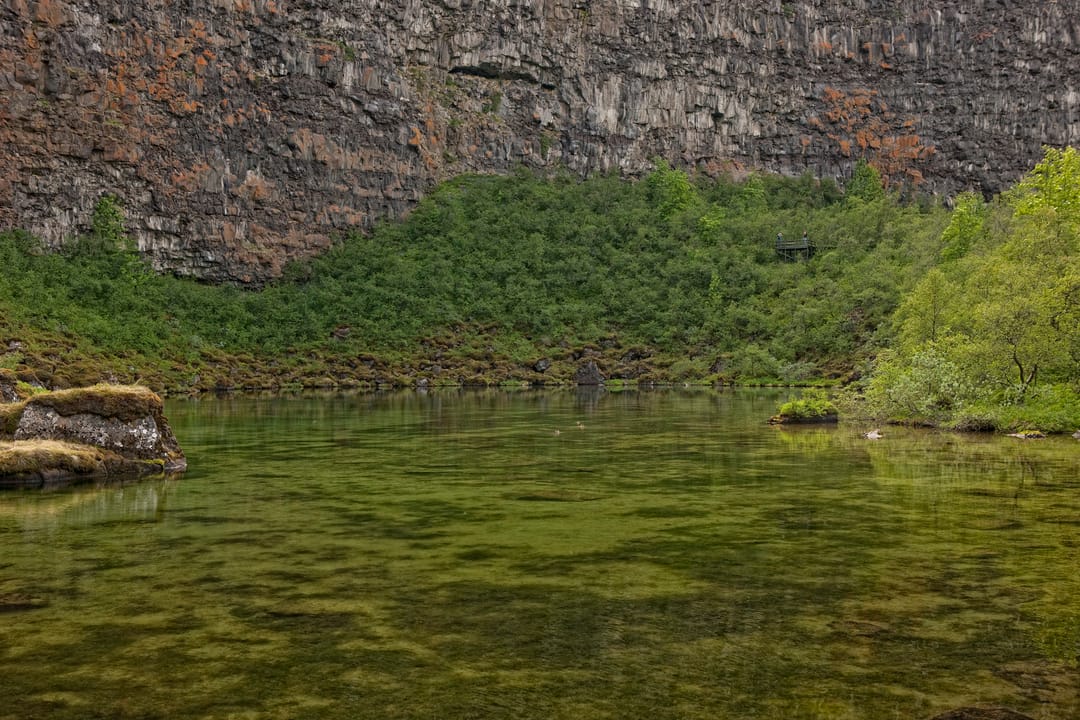
Located within Vatnajökull National Park, this horseshoe-shaped canyon creates a sheltered microclimate that supports a dense birch woodland. According to legend, Ásbyrgi was formed by the hoofprint of Sleipnir, Odin’s eight-legged horse. Today, the canyon’s towering rock walls protect the area from harsh winds. It allows the Iceland trees to flourish in a secluded setting that feels like a hidden oasis.
Why Iceland Trees Matter to the Ecosystem
Truly, the expansion of trees in Iceland plays an important role in supporting the island’s environment. Woodlands help stabilize volcanic soils, reducing erosion caused by strong winds and shifting ground. Trees also create sheltered microclimates, improving conditions for a variety of plant life and providing habitat for birds and wildlife. As forests develop, they contribute to greater biodiversity and a more resilient landscape.
To better understand this connection between nature and geology, a visit to Perlan offers valuable insight. Its immersive exhibits explore the history and ongoing restoration of Iceland’s environment.
FAQs
The downy birch is considered the national tree of Iceland. It is the only species that naturally forms widespread forests across the island’s rugged terrain.
Cool, windy climate, sheep grazing, and large-scale deforestation by early settlers made it difficult for forests to thrive. Volcanic activity also contributed by affecting soil stability.
The most common native trees are downy birch and tea-leaved willow, along with species such as rowan. Modern tree planting efforts have also introduced hardy species like Sitka spruce to create more diverse woodlands.
Hallormsstaðaskógur, located in East Iceland, is the country’s largest forest. It covers over 740 hectares and serves as a major hub for reforestation research and outdoor recreation.
Early settlers cleared vast amounts of birch forest to create pastures for livestock and to obtain timber for building homes. Wood was also essential as a fuel source and for producing charcoal, which was required to smelt iron for tools.
Popular articles
The Complete Guide to the Northern Lights in Iceland
Learn how the Northern Lights form, where to see them in Iceland, how to prepare, take photos, read the forecast, and improve your chances of a sighting.
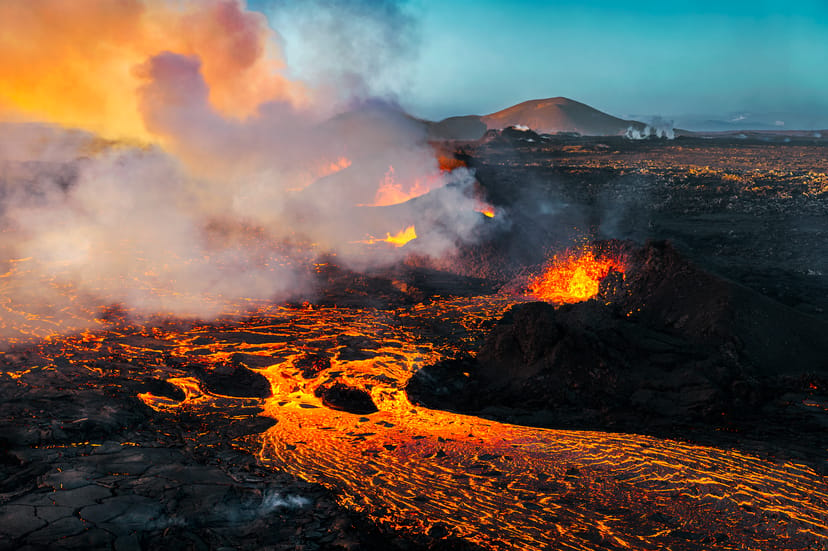
Let's Talk About the Volcano in Iceland About to Erupt
Is a volcano in Iceland about to erupt? Here’s what travelers should know about Svartsengi, Reykjanes activity, flights, safety, and the Blue Lagoon.

Solar Eclipse 2026 in Iceland | What Happened
Iceland experienced a total solar eclipse on August 12, 2026. Discover what happened in Reykjavík, eclipse times, totality locations and more.
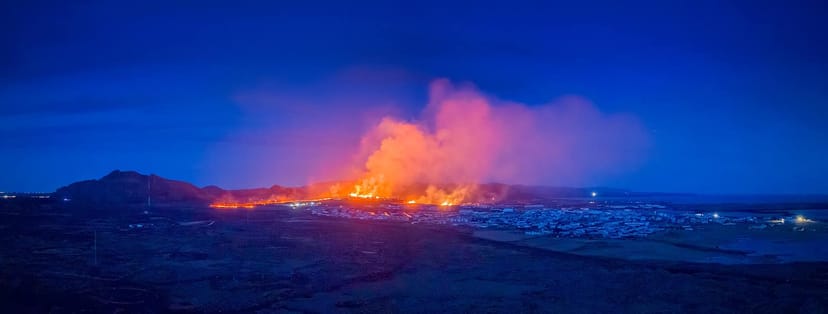
September 2026 updates on the Sundhnúkagígar Eruption in the Reykjanes Peninsula!
The current eruption in the Reykjanes Peninsula, is called Sundhnúkagígar Crater Row. See insights on the seismic activity and volcanic eruptions in the area!
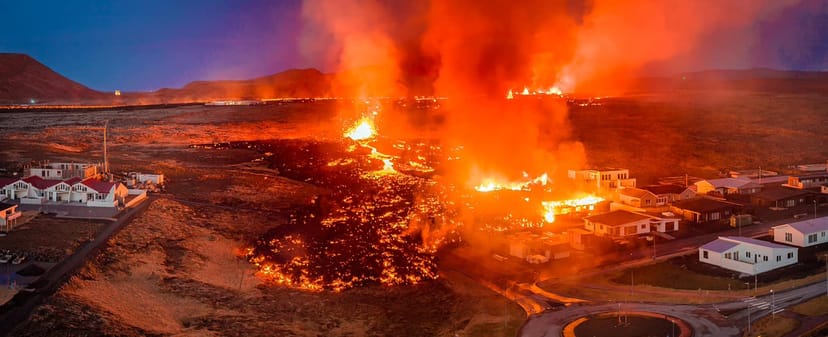
Active Volcanoes in Iceland 2026
Active volcanoes aren't the same thing as active eruptions. A volcano can be considered active even when it is not ejecting ash, rock, gases and magma, so which are active in Iceland in 2026?
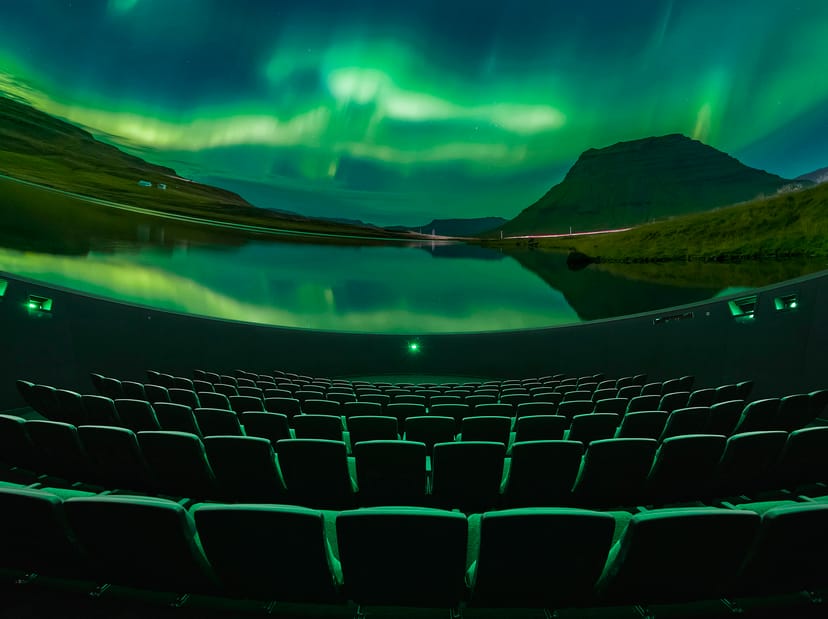
Top 10 Places To See the Northern Lights in Iceland
Discover the best places to see the Northern Lights in Iceland, from Jökulsárlón and Kirkjufell to Reykjavík, Þingvellir and North Iceland.
Ice Caves From Reykjavik
Planning an ice cave trip from Reykjavik? Compare Katla, Langjökull and Vatnajökull, travel times, seasons and Perlan’s ice cave in the city.