
Guide to Brimketill Rock Pool
Explore Brimketill rock pool, a dramatic seawater basin carved into the Reykjanes coast. Find directions, safety tips, folklore, and nearby sights.
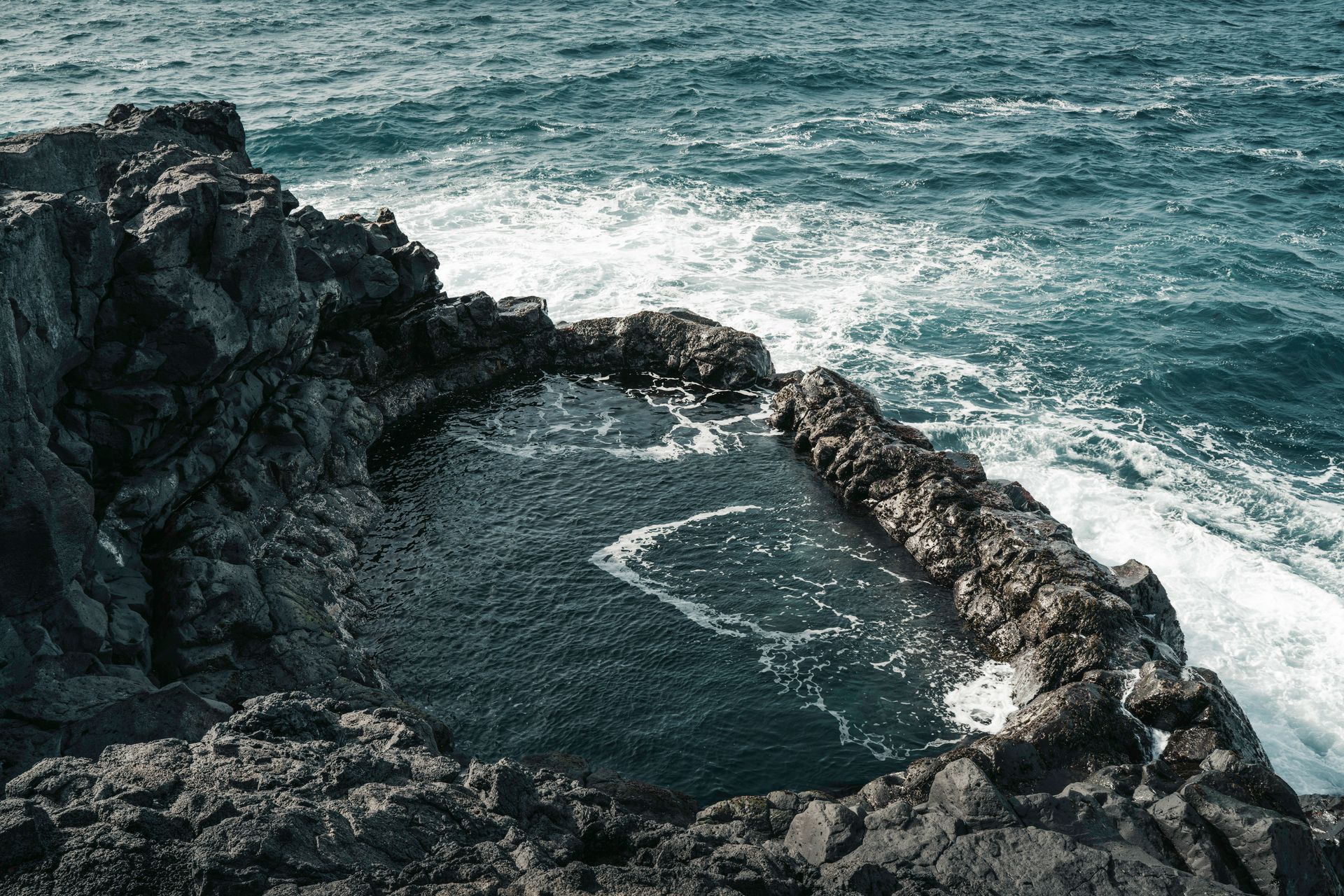
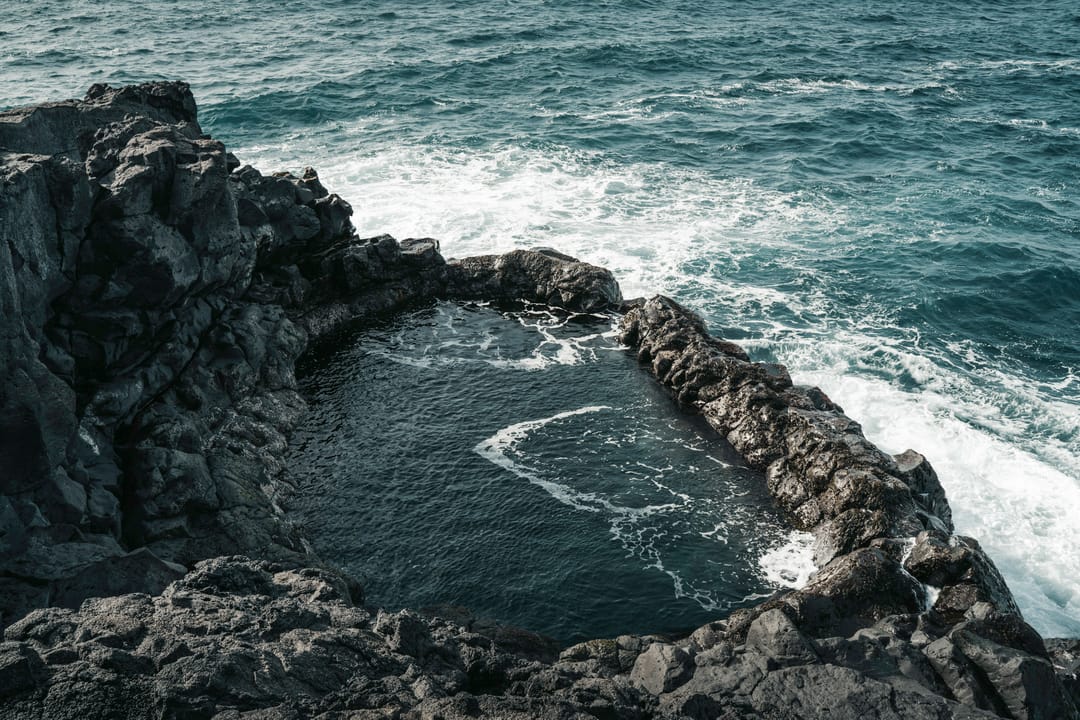
Even from a distance, the Brimketill rock pool is one of the most striking sights on the Reykjanes Peninsula. Carved into dark lava rock beside the North Atlantic, the pool can appear brilliantly blue or turquoise when sunlight aligns. Waves crash against the surrounding volcanic stone, revealing how Iceland’s landscapes continue to be reshaped by the sea.
As exceptionally inviting as Brimketill may look, entering the water is very dangerous. This guide explains the pool’s geology, folklore, location, and what to know before visiting this wild corner of Southwest Iceland.
What Is the Brimketill Rock Pool?
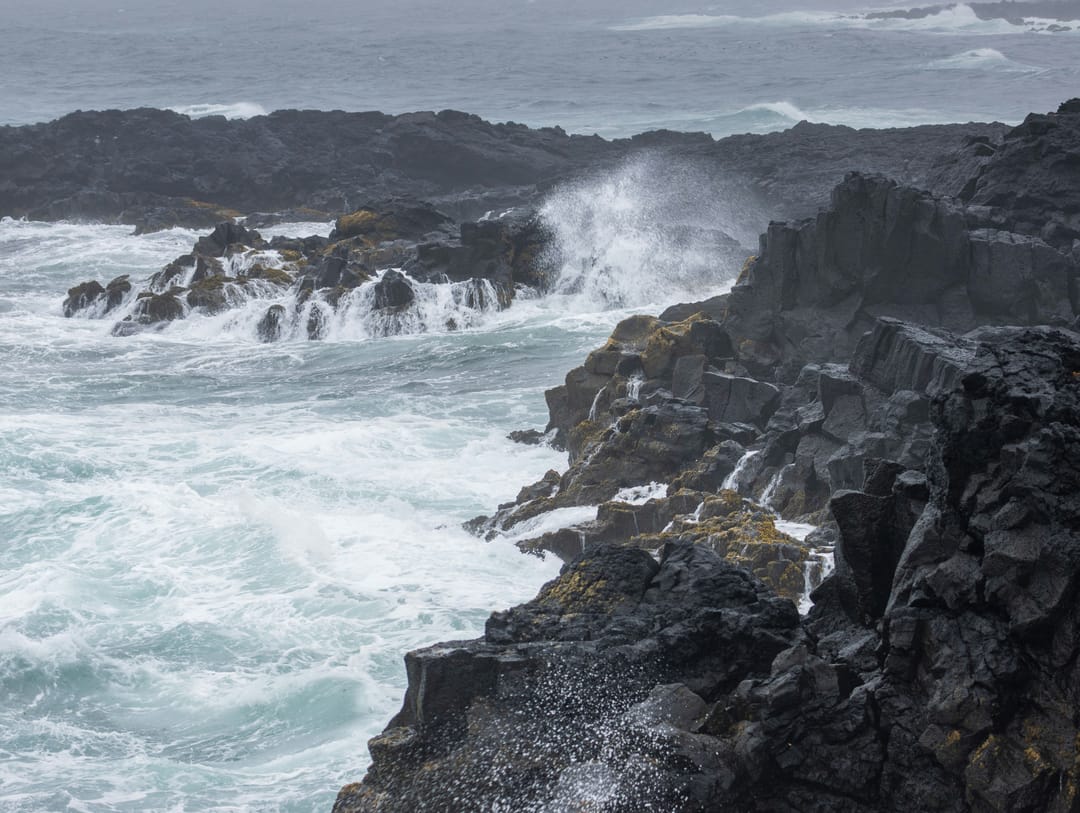
Located on the rugged Reykjanes coastline not far from Grindavík Town, Brimketill is a natural lava rock pool shaped by the force of marine erosion. The lava was erupted during the Reykjanes fires of 1210- 1240. Over centuries, powerful North Atlantic waves have battered the shore, gradually carving a deep basin into the rock.
Despite its appearance, Brimketill is not a geothermal hot spring but a pool of cold seawater. Unlike many inland rock pools, it sits right at the ocean's edge and is continually replenished by cold seawater and crashing surf. Depending on the tide, sunlight, and wave conditions, its appearance can range from brilliant turquoise to churning, frothy white.
The surrounding landscape reflects the volcanic character of the Reykjanes Peninsula, where ancient lava fields meet the sea. The name “Brimketill” is commonly translated as “surf cauldron” or “white-water cauldron,” reflecting the turbulent water that fills the basin.
The Legend of Brimketill and Oddný
Beyond its geological appeal, the Brimketill rock pool is steeped in Icelandic folklore. The basin has also traditionally been known as Oddnýjarlaug, meaning “Oddný’s Pool.”
According to local legend, a giantess or night troll named Oddný regularly bathed in the coastal pool. In many Icelandic tales, trolls travel under the cover of darkness because sunlight can turn them to stone. One version says that Oddný lingered too long at Brimketill and was caught by the rising sun on her way home. She was transformed into a tall rock pillar, which reportedly remained visible until the sea gradually wore it away.
Although versions of the legend vary, Oddný’s story adds another layer of mystery to this dramatic coastal site.
How to Get to Brimketill
Brimketill is located along Route 425 on the southwestern edge of Reykjanes, making it a convenient road-trip stop. A small, gravel parking lot is situated just off the main road. From the car park, a short, well-maintained path leads directly to the wooden viewing platform overlooking the pool. The walk takes only a minute or two, but note that the path includes a short flight of stairs.
Because the peninsula remains highly dynamic, transport plans should remain flexible. Check road and safety updates, particularly when travelling through or near Grindavík now, as access can change with volcanic conditions.
Best Time to Visit Brimketill
Brimketill can be visited year-round when roads and weather allow, but the experience changes considerably with the seasons.
- Summer (June–August): Long daylight hours and milder driving conditions make summer the easiest time to include Brimketill in a Reykjanes road trip. Early morning and late evening may also provide softer light for photography.
- Shoulder Seasons (April–May, September–October): These seasons may be quieter and can provide attractive low-angle light. However, conditions are changeable, so check the weather, road status, and wind forecast before setting out.
- Winter (November–March): Snow, ice, strong winds, and limited daylight can make the journey and viewing area more challenging. The stairs and platform may also become slippery.
Calm conditions usually provide the clearest view of the pool’s rounded shape and blue-green water. Rough seas can send powerful waves and spray across the rocks, sometimes obscuring the basin entirely. Never visit during a severe coastal storm simply to see dramatic surf.
Nearby Attractions
To make the most of your journey, consider combining Brimketill with some of these attractions around the Reykjanes Peninsula:
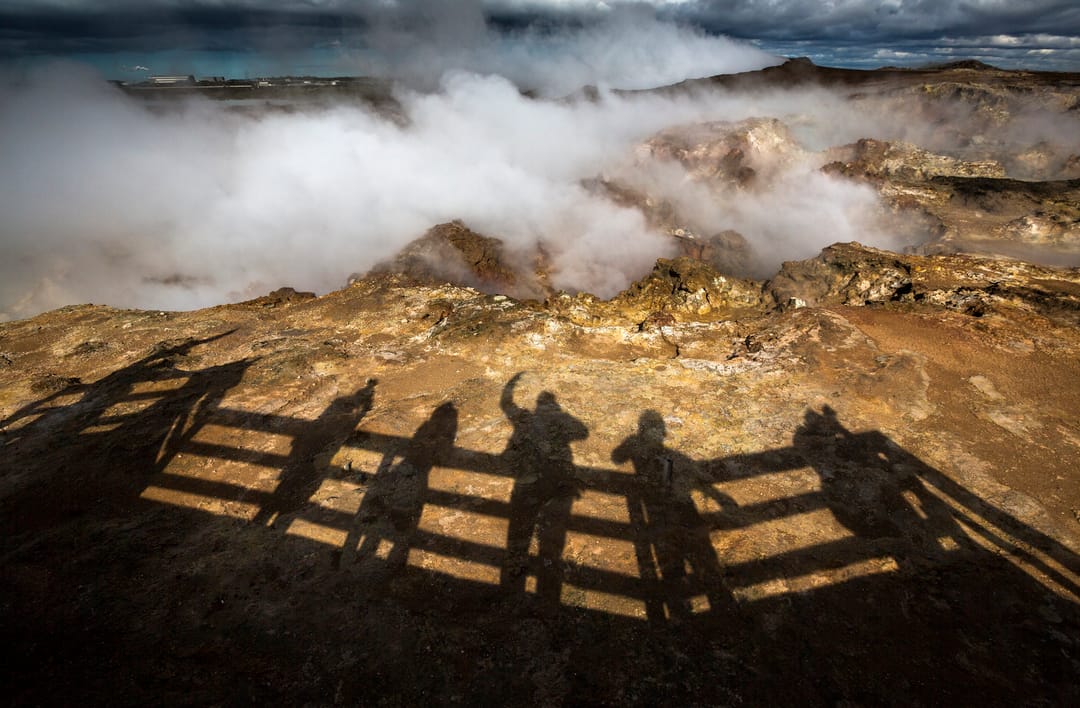
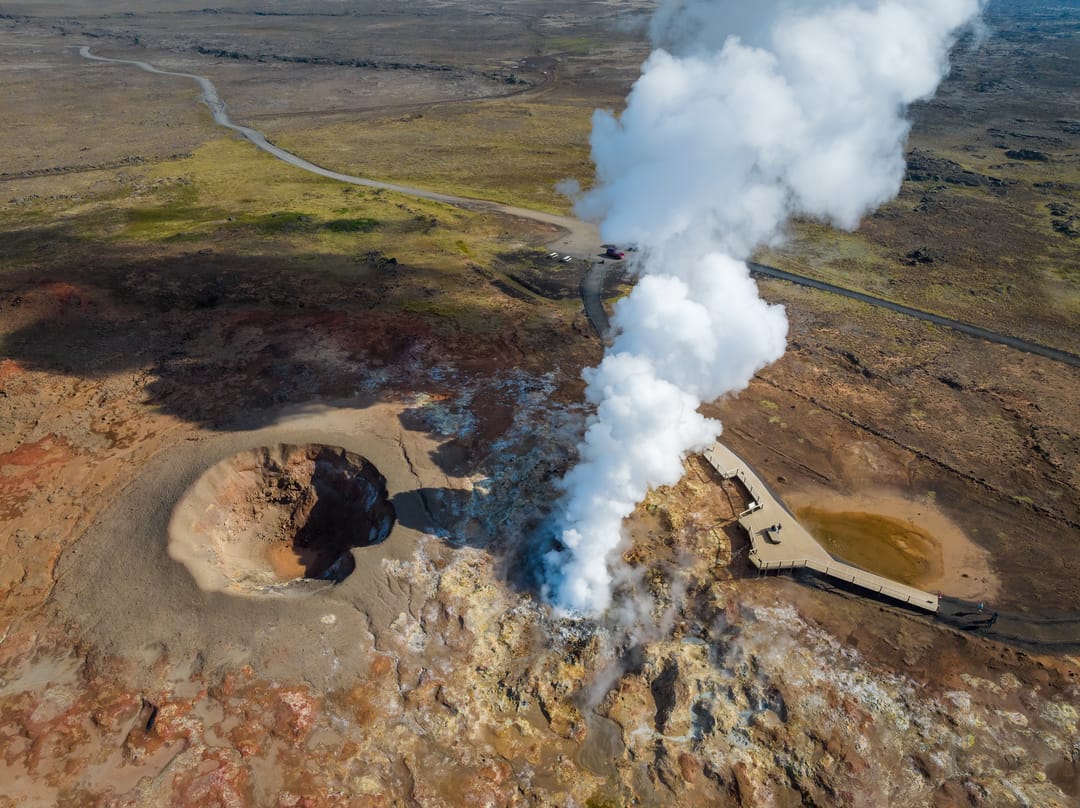
- Gunnuhver: A powerful geothermal area known for boiling mud pools, steaming ground, and roaring steam vents.
- Reykjanes Lighthouse: The current lighthouse stands near the site of Iceland’s first lighthouse and overlooks an exposed, wave-battered volcanic landscape.
- Bridge Between Continents: A symbolic footbridge crossing a sandy fissure within the boundary zone between the North American and Eurasian tectonic plates.
- Seltún Geothermal Area: A colourful landscape of bubbling mud, steam vents, and mineral-stained ground within the wider Krýsuvík geothermal system.
- Blue Lagoon: Iceland’s famous geothermal spa, surrounded by dark, moss-covered lava fields. Advance booking is strongly recommended, as entry often sells out.
Experience Iceland’s Volcanic Forces at Perlan
Brimketill reveals how the ocean reshapes an ancient volcanic landscape, while recent eruptions show how new land is created. At Perlan, the immersive Volcano Show brings visitors closer to the Reykjanes eruptions. It presents the events from a bird’s-eye perspective and offers a dramatic journey below the surface into a magma chamber.
FAQs
Yes, particularly as part of a road trip around the Reykjanes Peninsula. The stop is brief and visually striking, with most visitors needing around 20–30 minutes.
The designated viewing area can be visited safely in suitable conditions, but the coastline is highly exposed. Remain on the platform, avoid climbing onto the rocks, and keep well away from the water.
The viewing platform is only a short walk from the parking area, so this is not a conventional hike. The approach includes steps and is not wheelchair accessible.
Summer offers long daylight hours and generally easier driving conditions. However, calm weather matters more than the season, as strong winds, ice, and rough seas can make the site hazardous.
No, swimming in Brimketill is extremely dangerous and should never be attempted. The pool contains cold, turbulent seawater, and powerful waves can wash across the surrounding rocks without warning.
Popular articles
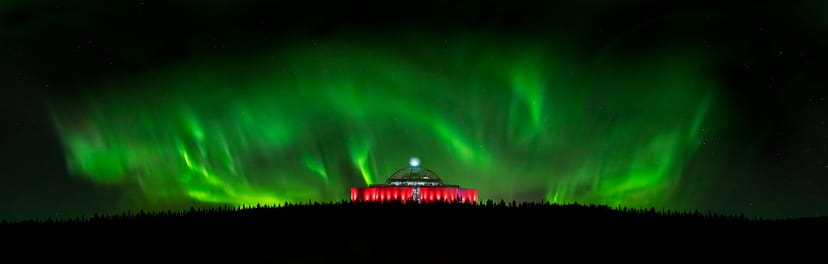
The Complete Guide to the Northern Lights in Iceland
Learn how the Northern Lights form, where to see them in Iceland, how to prepare, take photos, read the forecast, and improve your chances of a sighting.
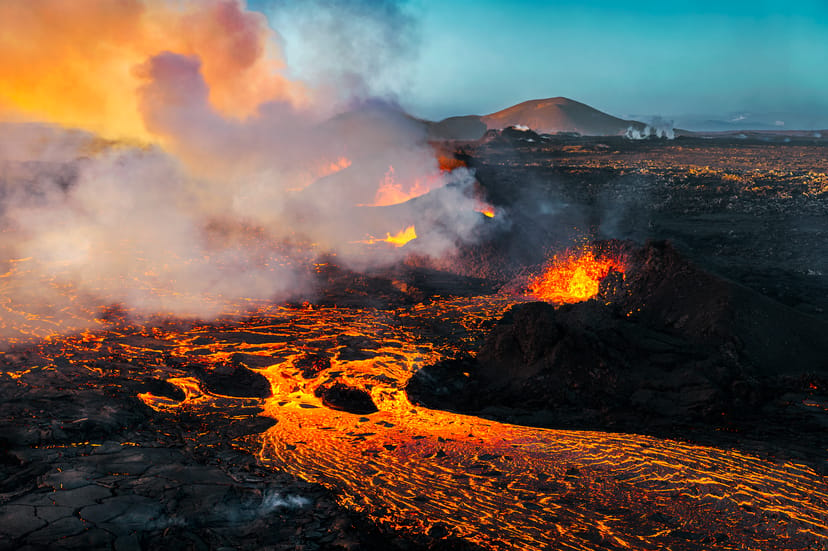
Let's Talk About the Volcano in Iceland About to Erupt
Is a volcano in Iceland about to erupt? Here’s what travelers should know about Svartsengi, Reykjanes activity, flights, safety, and the Blue Lagoon.
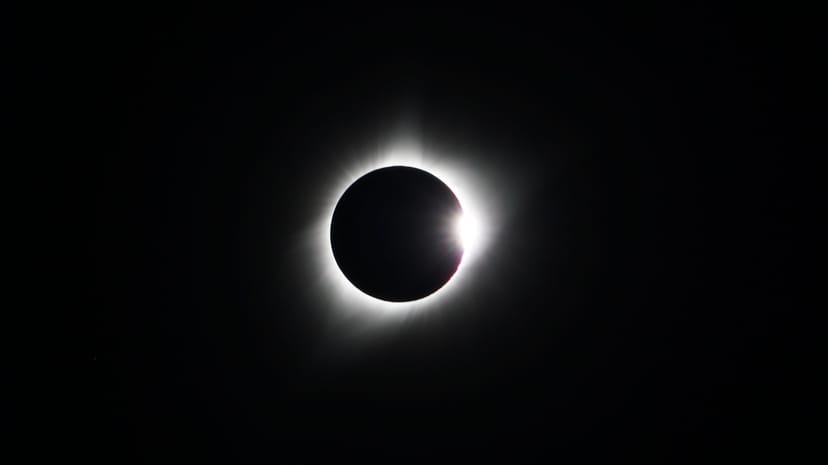
Solar Eclipse 2026 in Iceland | What Happened
Iceland experienced a total solar eclipse on August 12, 2026. Discover what happened in Reykjavík, eclipse times, totality locations and more.
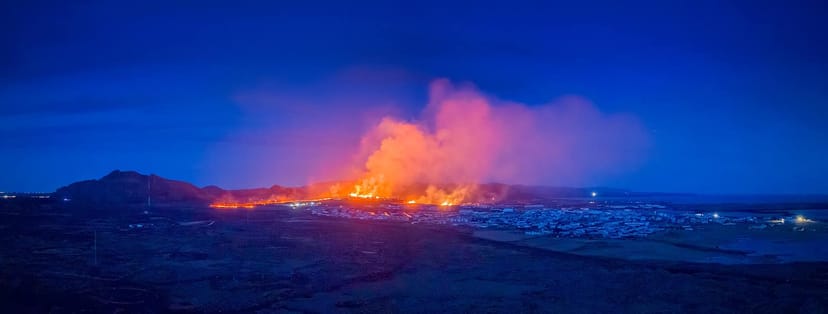
September 2026 updates on the Sundhnúkagígar Eruption in the Reykjanes Peninsula!
The current eruption in the Reykjanes Peninsula, is called Sundhnúkagígar Crater Row. See insights on the seismic activity and volcanic eruptions in the area!
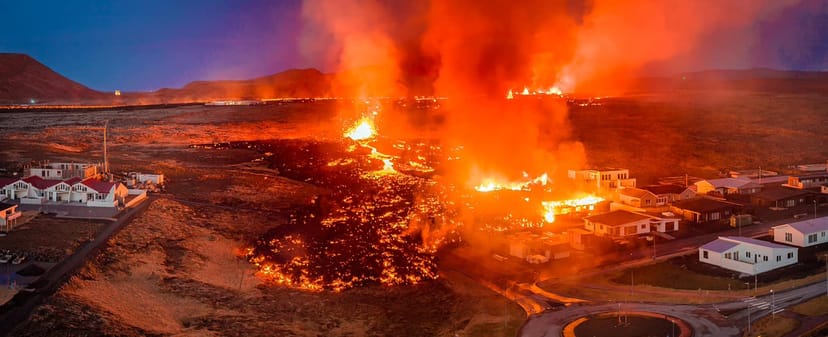
Active Volcanoes in Iceland 2026
Active volcanoes aren't the same thing as active eruptions. A volcano can be considered active even when it is not ejecting ash, rock, gases and magma, so which are active in Iceland in 2026?
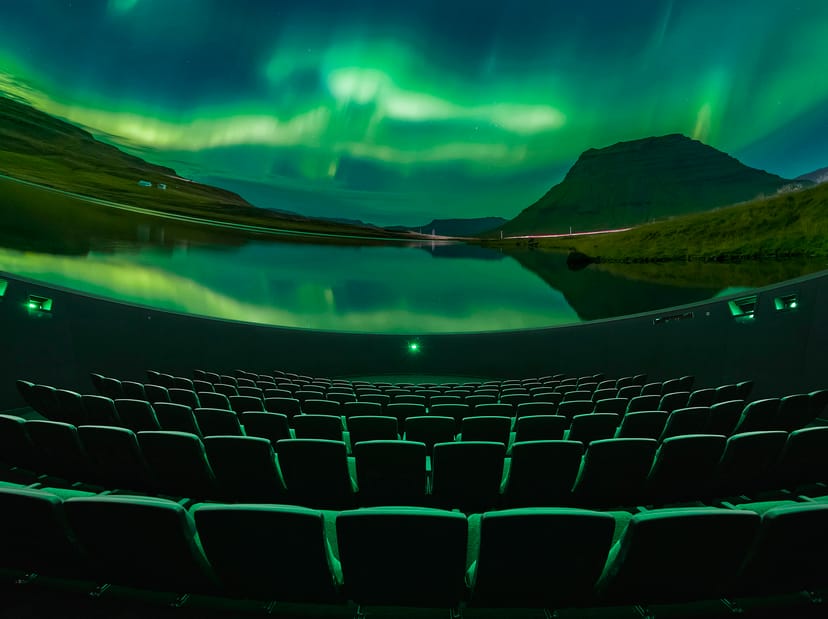
Top 10 Places To See the Northern Lights in Iceland
Discover the best places to see the Northern Lights in Iceland, from Jökulsárlón and Kirkjufell to Reykjavík, Þingvellir and North Iceland.
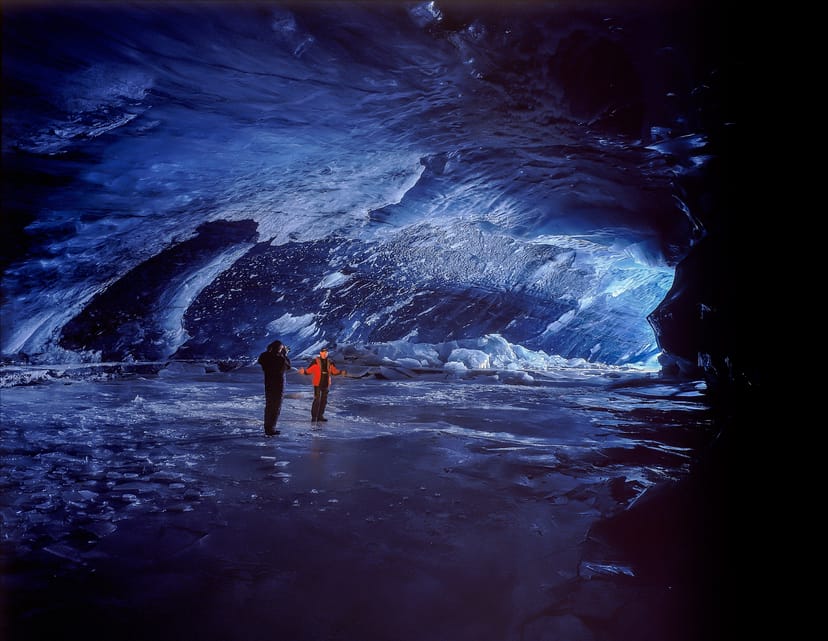
Ice Caves From Reykjavik
Planning an ice cave trip from Reykjavik? Compare Katla, Langjökull and Vatnajökull, travel times, seasons and Perlan’s ice cave in the city.