
Þjórsárdalur Valley in Iceland
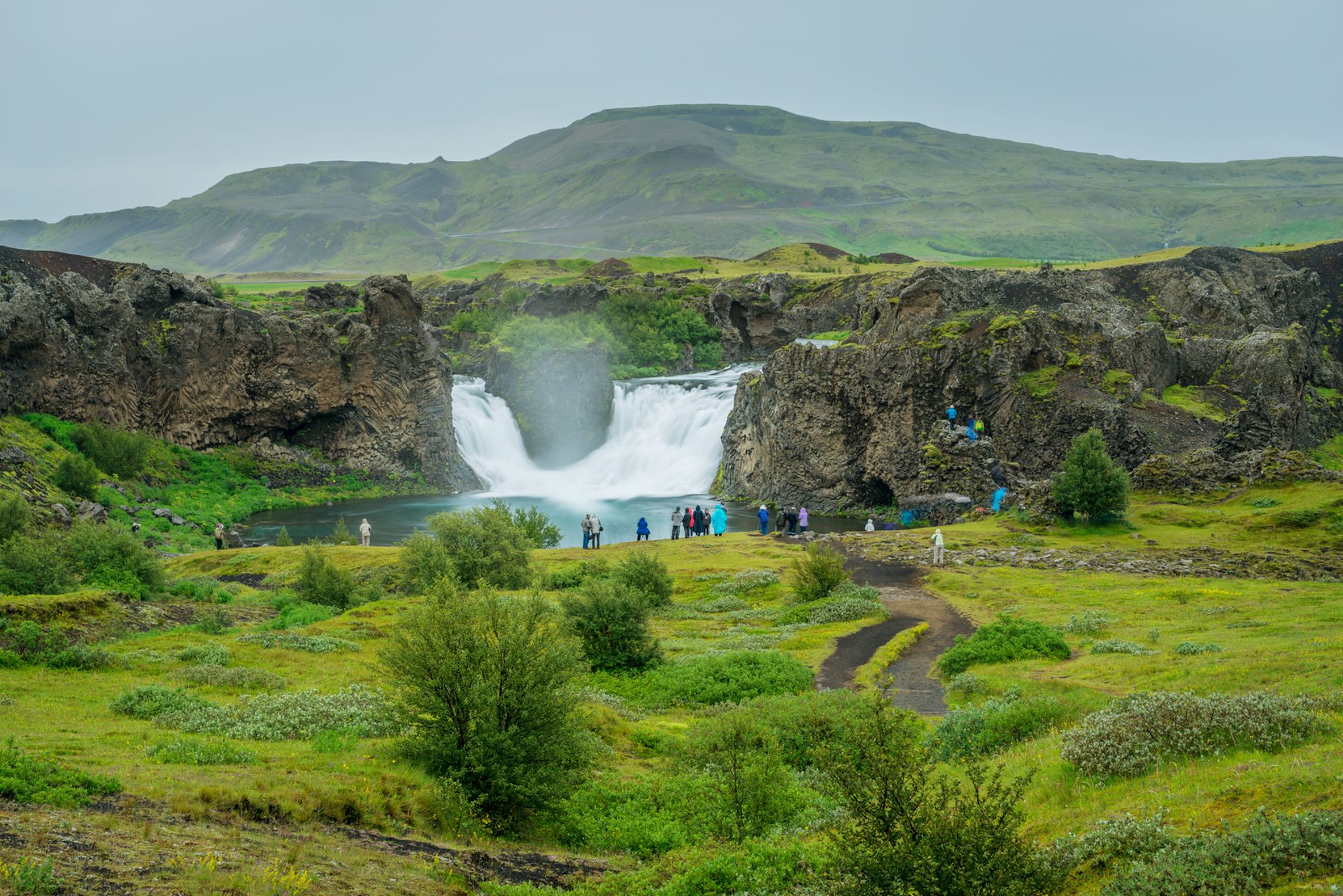
Þjórsárdalur (Thjorsardalur) Valley is a flourishing green oasis set against the stark, volcanic backdrop of the Icelandic Highlands.
Often overlooked on Golden Circle tours, it’s a rewarding detour that brings together nature, culture, and living history in one compact area. Here, you’ll find beautiful waterfalls, ancient lava fields, and even a meticulously reconstructed Viking-era farmstead. For an unforgettable experience that puts you in touch with Iceland’s untouched beauty, Þjórsárdalur Valley won’t disappoint.
Why Visit Þjórsárdalur Valley?
• Some of Iceland’s tallest waterfalls, including Háifoss and Granni
• A rare green oasis on the edge of the Icelandic Highlands
• Ancient lava fields shaped by volcano Hekla and the Þjórsá lava flow
• Viking history at Þjóðveldisbærinn Stöng
• Filming locations from the final scene of Stranger Things
Natural Attractions of Þjórsárdalur Valley
Winding along the vast river Þjórsá, Þjórsárdalur is packed with lush, highland-edge scenery. Uncover mossy lava landscapes, dramatic gorges, basalt columns, and even some of South Iceland’s highest waterfalls.
Afterward, witness these same powerful forces explained in detail at Perlan’s Forces of Nature exhibition in Reykjavík.
Þjórsá
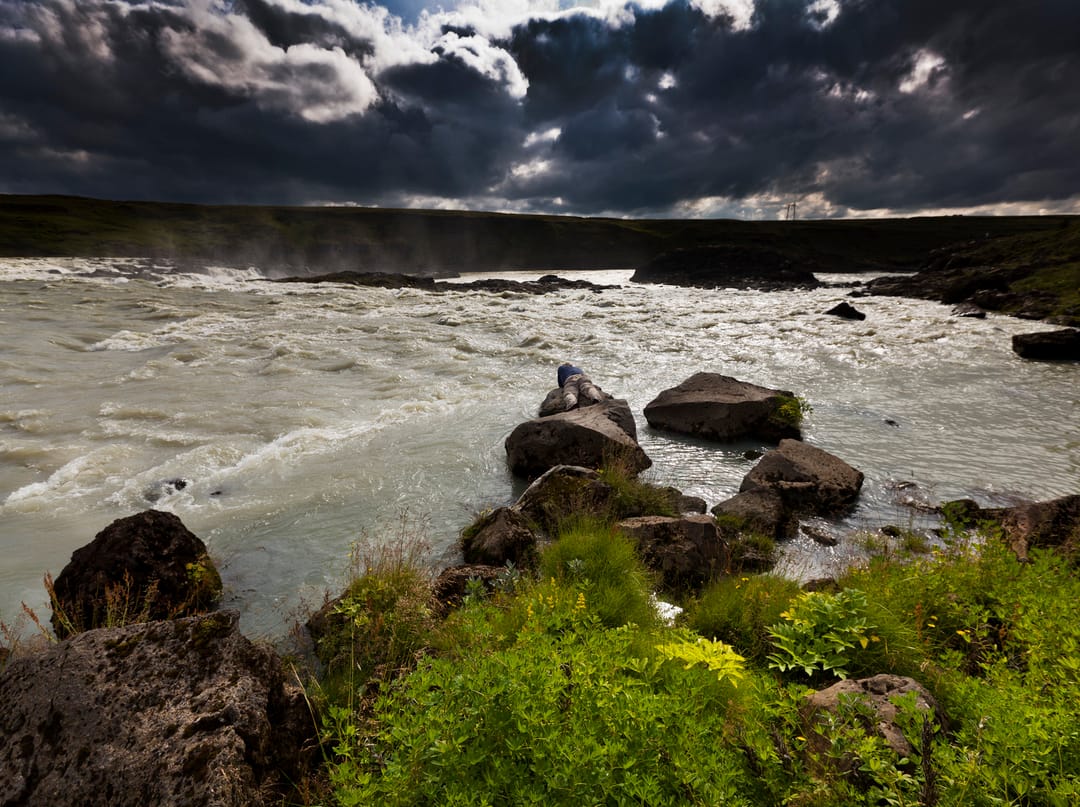
The valley winds along Iceland’s longest river: Þjórsá. Rising from the glacier Hofsjökull high in the Icelandic Highlands, this colossal waterway extends 143 miles (230 kilometers) long.
Surging with a milky-gray glacial torrent, the river Þjórsá serves as the main artery of the region. Over time, it has shaped Þjórsárdalur Valley. It carved deep gorges and valleys, while also providing the energy harnessed by the Búrfellsvirkjun hydroelectric power station.
Háifoss and Granni Waterfalls
Háifoss, or the "Tall Waterfall," is one of the most spectacular natural sites in Þjórsárdalur Valley. At roughly 122 meters high, it ranks among the tallest waterfalls in the country, plunging into a steep, moss-covered gorge below. Just beside it flows Granni (“Neighbor”), a smaller but striking companion waterfall.
Both waterfalls are fed by the river Fossá, a tributary of the Þjórsá. Surrounding viewpoints allow visitors to appreciate the sheer scale of the gorge. More adventurous hikers may follow rugged, unmarked paths for closer perspectives, best attempted with caution and good conditions.
Hjálparfoss
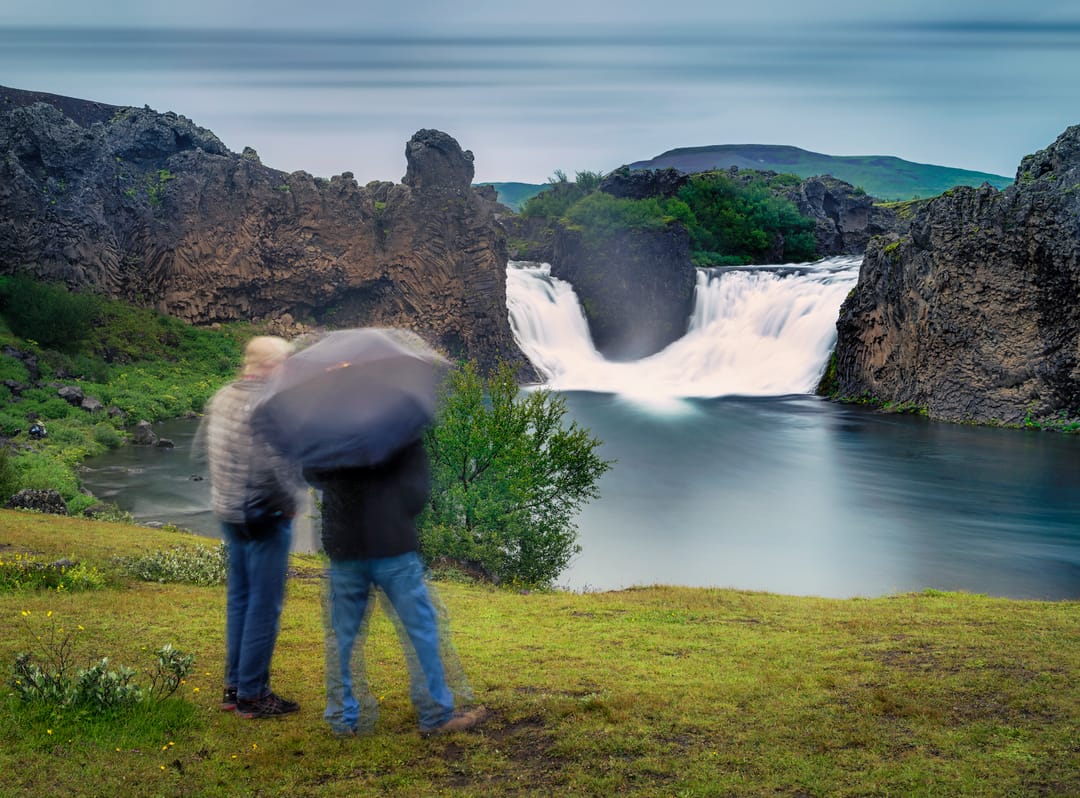
Hjálparfoss (“The Helping Falls”) is one of the valley’s most picturesque cascades. It stands out for its unique double cascade, where two separate streams merge and tumble into a calm pool below.
Historically, this waterfall served as a life-saving resting place for travelers crossing the barren Sprengisandur highland route. It offers weary horses and riders their first sign of greenery and fresh water after days of traversing the desolate Icelandic Highlands.
Þjórsárhraun (Þjórsá Lava)
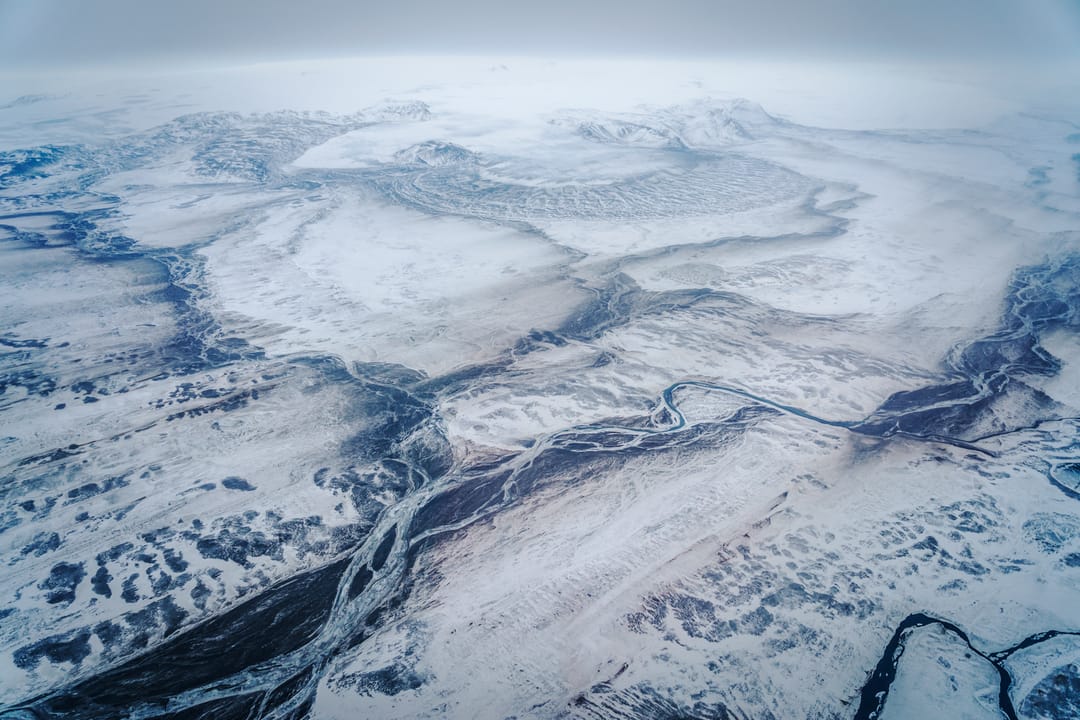
Much of the Þjórsárdalur landscape is shaped by Þjórsárhraun (Þjórsá Lava), the largest lava flow in Iceland. It originated from a massive eruption in the Bárðarbunga–Veidivötn volcanic system thousands of years ago. Later additions from nearby volcanoes, including Mount Hekla, further influenced the surrounding terrain.
This vast, black lava field covers an estimated 375 square miles (970 square kilometers). The mighty river Þjórsá slices through its hardened flow.
Þjórsárdals Hot Springs
The Þjórsárdals hot springs are small, undeveloped pockets of geothermal warmth scattered across the Þjórsárdalur valley floor. Fed by naturally heated groundwater, these warm seeps often mingle with colder runoff from the surrounding landscape.
These warm spots create sheltered microclimates where thriving species of wildflowers, grass, and moss take root. It’s best appreciated as part of Þjórsárdalur’s quiet, unspoiled wilderness rather than as traditional hot-spring bathing sites.
Gjáin
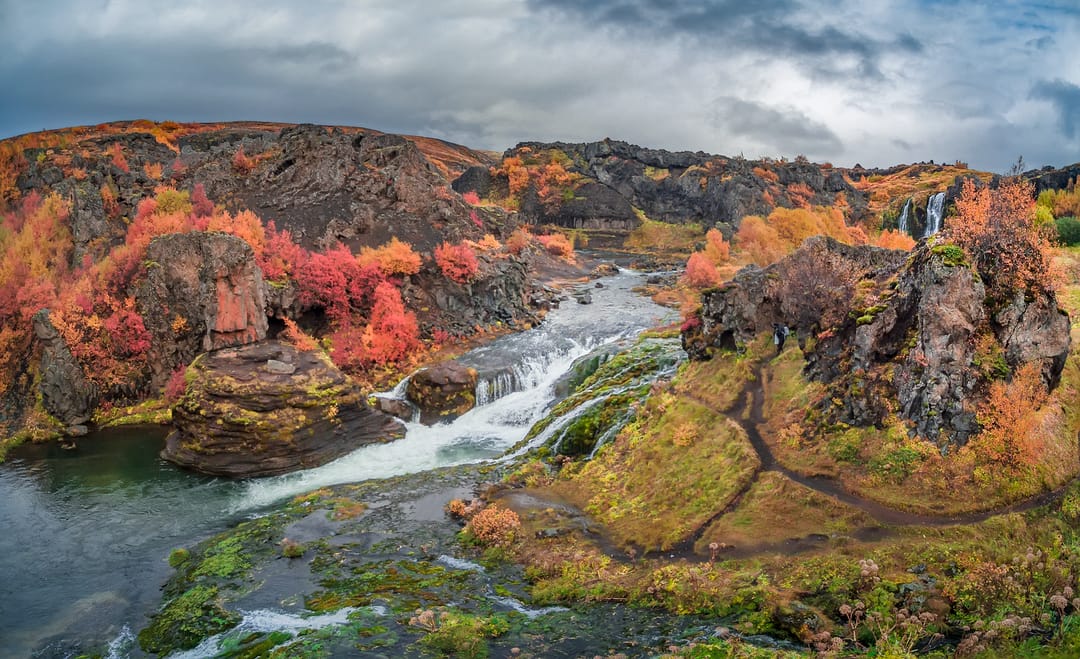
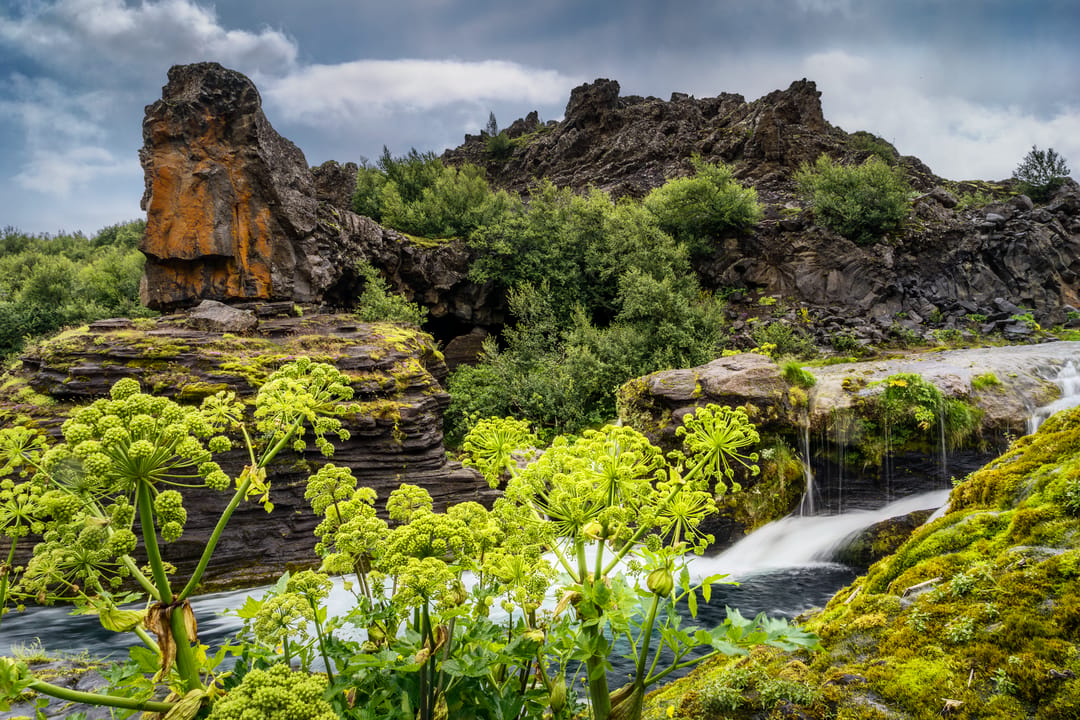
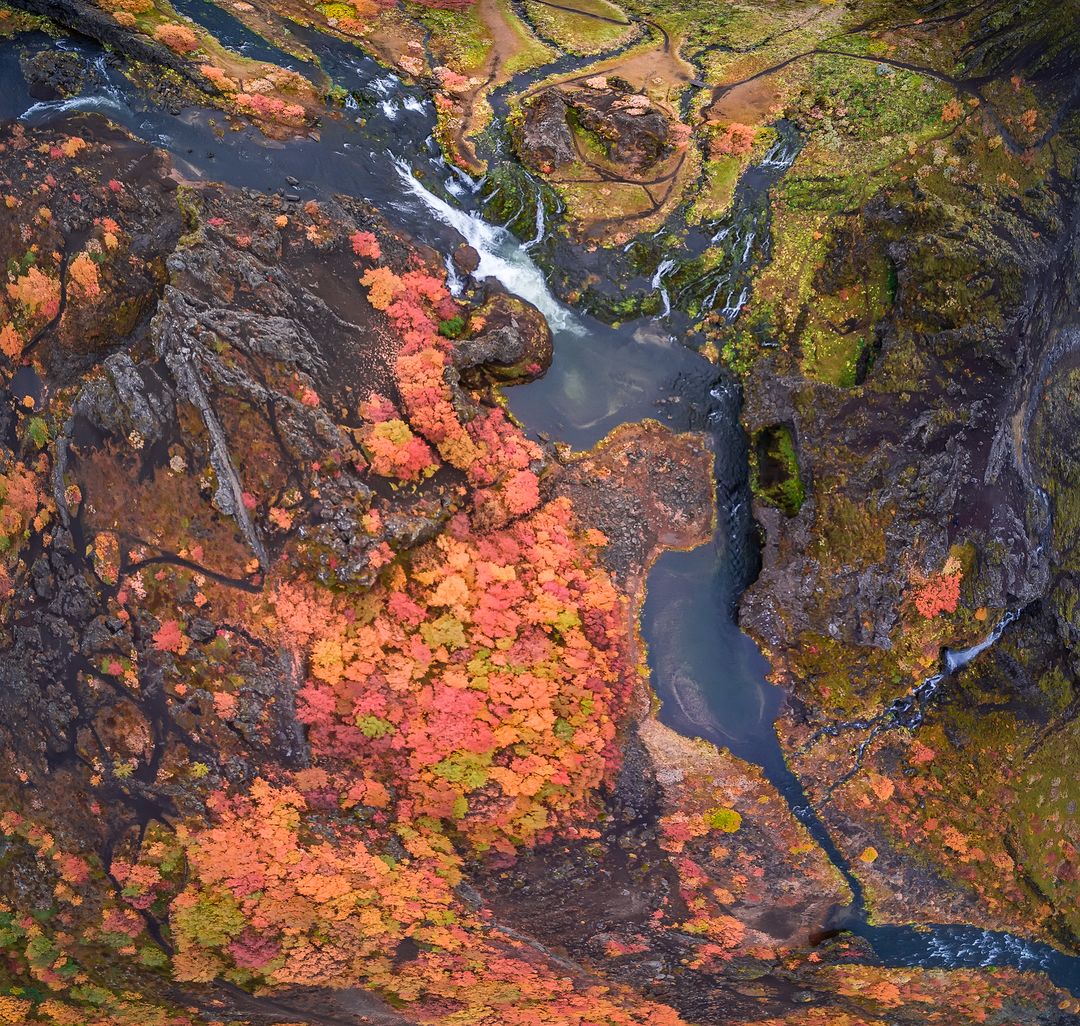
Tucked away within the valley, Gjáin is a secluded gorge often described as a fairy-tale landscape. This remarkable natural oasis is filled with countless small waterfalls that tumble into clear, emerald pools, nurturing a rich ecosystem. The gorge is lush with moss, grasses, and wildflowers, making it a favorite spot for photographers and hikers.
Where Was Stranger Things Filmed in Þjórsárdalur Valley, Iceland?
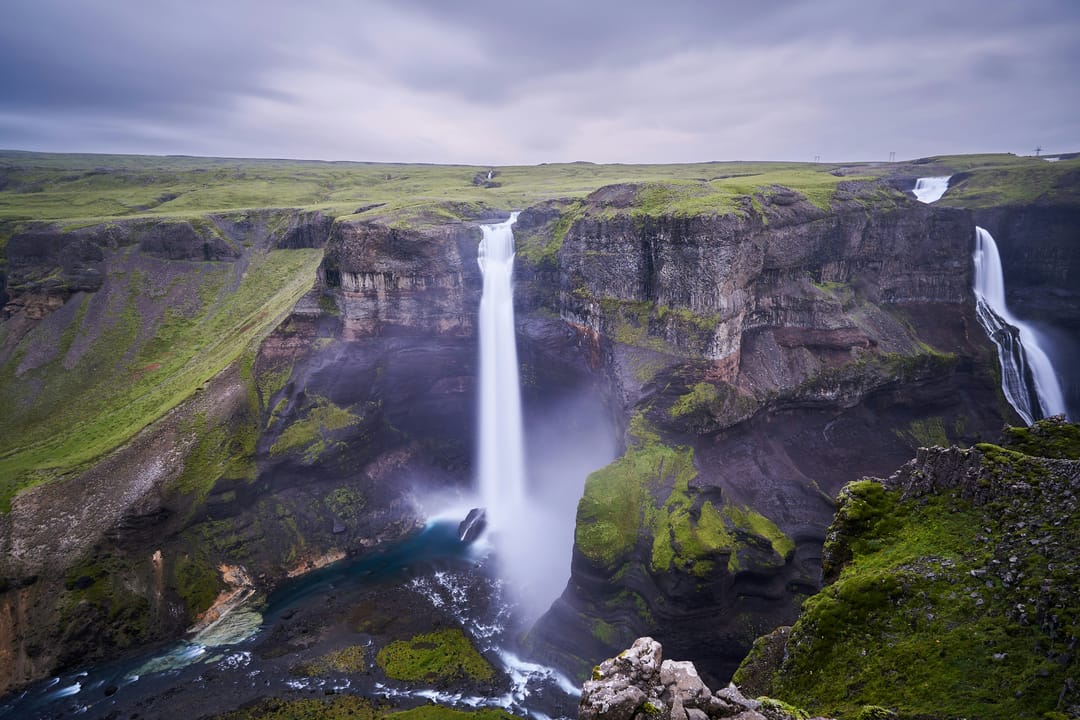
The final scene of Stranger Things, the Netflix science-fiction series, was filmed in Þjórsárdalur Valley in South Iceland, with the waterfalls and canyon near Háifoss used as the backdrop. The scene focuses on the character Eleven in a quiet, remote setting, marking a reflective moment at the end of the series.
The location was chosen for its volcanic terrain, wide open space, and dramatic waterfalls, which helped create a calm and otherworldly atmosphere without using a built set.
Since the finale aired, Þjórsárdalur Valley has drawn attention from fans who want to visit the real filming location in Iceland. The area is also popular with travelers for its combination of waterfalls, lava fields, and short, accessible walks, making it an easy stop while exploring South Iceland.
How to Get to the Stranger Things Filming Location in Iceland (Háifoss Waterfall)
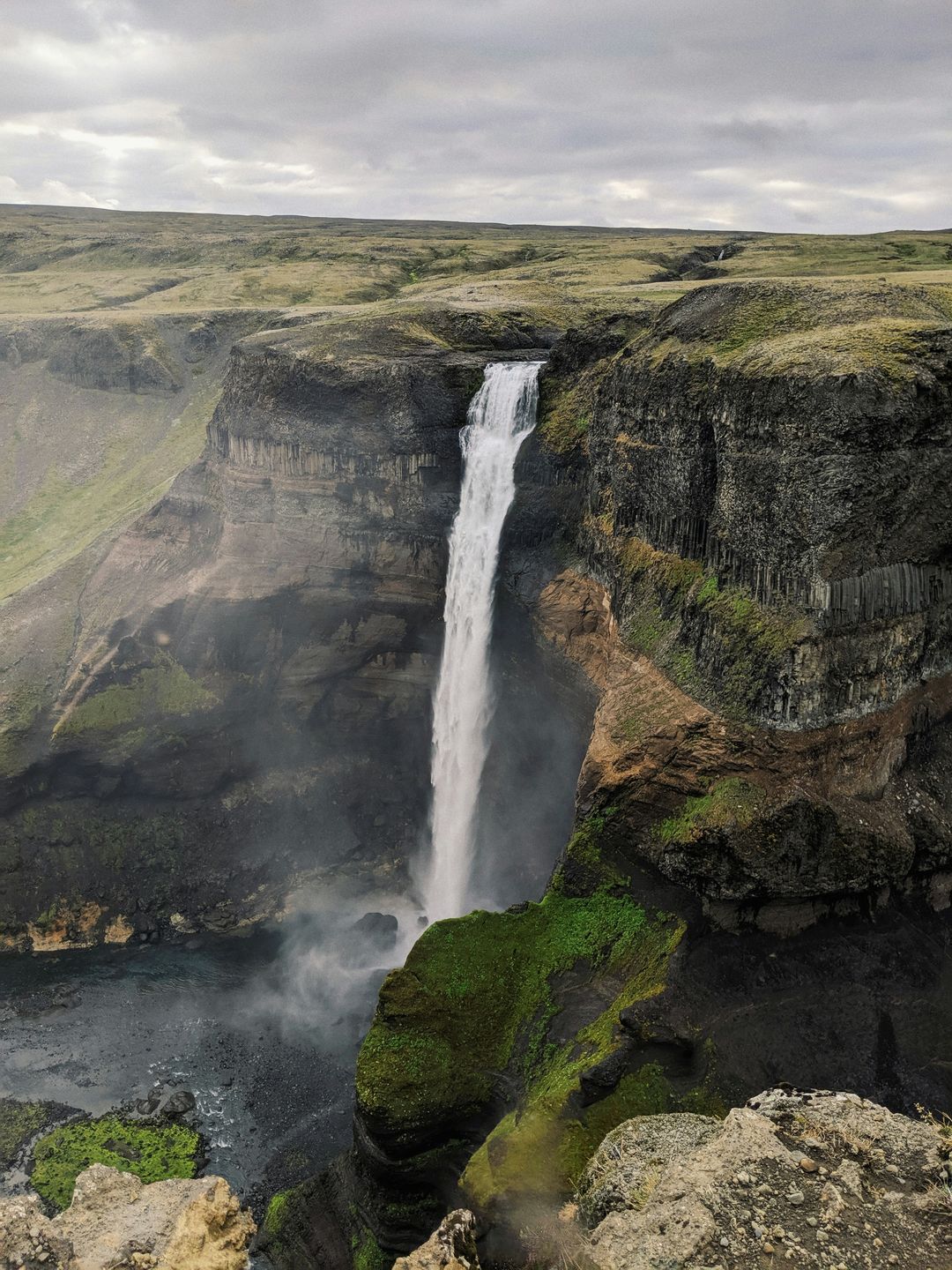
The first thing to consider when planning a visit to Háifoss waterfall, the Stranger Things filming location in Iceland, is what type of vehicle you are driving. Háifoss is located in Þjórsárdalur Valley in South Iceland, and the final part of the journey leads into a highland area. For this reason, a 4x4 vehicle is strongly recommended. Road and weather conditions can change quickly, so it is important to check conditions before setting out.
Háifoss is located about 142 kilometres (88 miles) from Reykjavík, and the drive usually takes around 2 to 2.5 hours in normal conditions. Below is a simple step-by-step guide on how to reach Háifoss from Reykjavík.
How to Get to Háifoss from Reykjavík
- Drive east from Reykjavík on Route 1 (the Ring Road).
- Stay on Route 1 until you pass through the town of Selfoss.
- About 14 kilometres after Selfoss, turn left onto Route 30.
- Follow Route 30 as it leads into Þjórsárdalur Valley.
- Continue toward Háifoss waterfall, following road signs or Google Maps.
- Park at the designated parking area and take a short walk to the viewpoints overlooking Háifoss and the nearby Granni waterfall.
Historical and Cultural Sites in the Valley
The historical landscape of Þjórsárdalur valley is a story of resilience, with human history repeatedly interrupted by volcanic fury. These cultural spots offer a wonderful opportunity to connect with Iceland's past and present.
Þjóðveldisbærinn Stöng
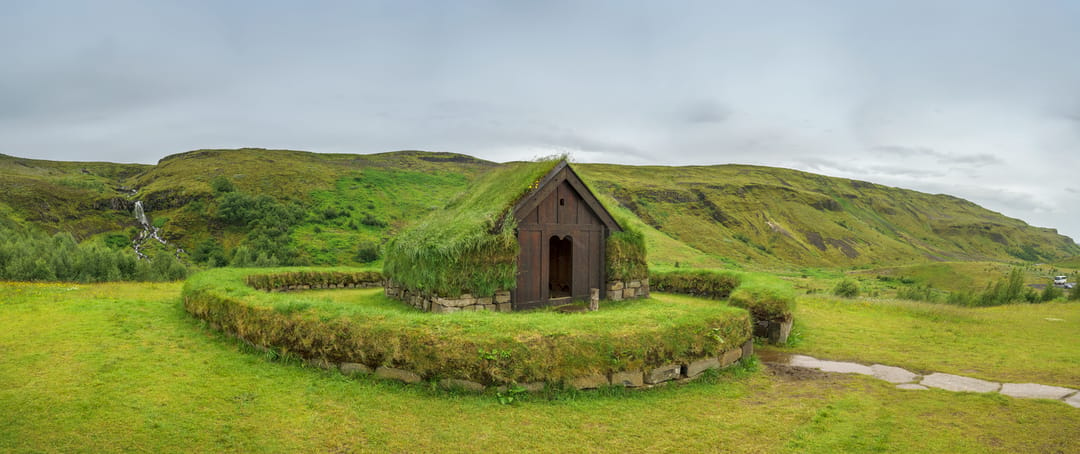
One of the most tangible connections to Iceland’s past can be found at Þjóðveldisbærinn Stöng, a carefully reconstructed Viking-era farmstead. The original settlement of Stöng was buried beneath ash and pumice during the massive 1104 eruption of the volcano Hekla. It preserved a snapshot of life during the Icelandic Commonwealth period.
Today, the faithful reconstruction offers an immersive glimpse into the daily lives of early settlers. It’s also a reminder of the ever-present volcanic threat faced by those living in this fertile yet volatile landscape.
For a broader context on Iceland’s volcanic forces, visitors can complement their journey with a stop at Perlan in Reykjavík. The museum’s immersive Volcano Show explores how eruptions like Hekla’s have shaped the island’s history and environment.
Búrfellsvirkjun
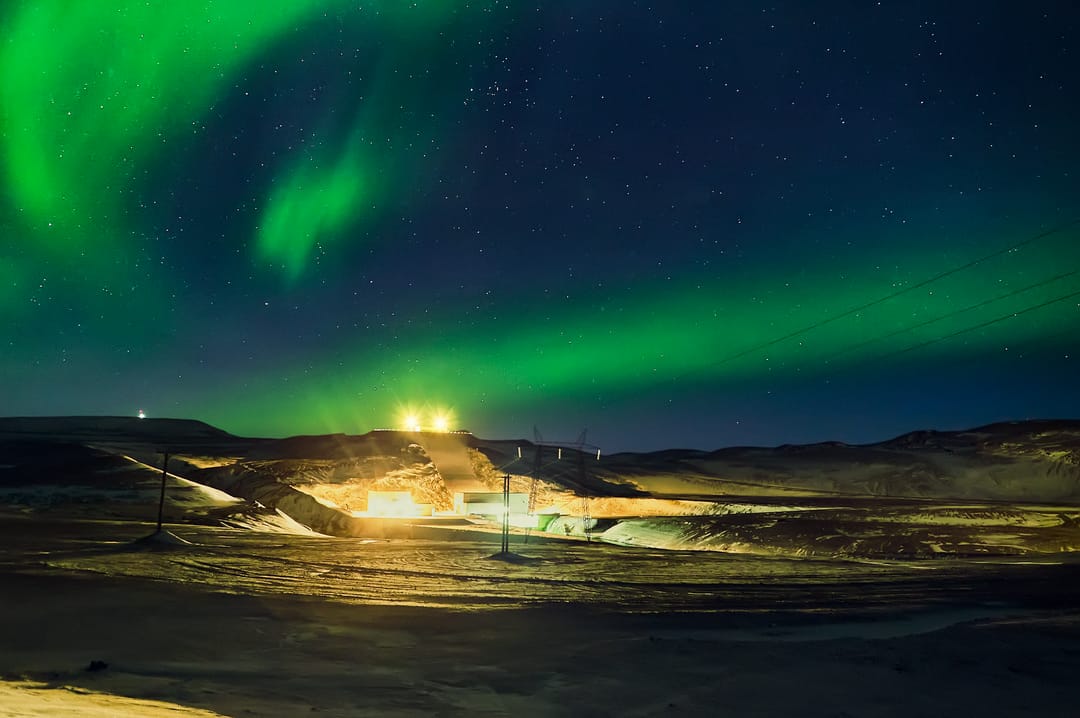
In sharp contrast to the ancient farmstead of Stöng is Búrfellsvirkjun, one of Iceland's largest and most significant power plants. This massive hydroelectric power station harnesses the tremendous flow of the river Þjórsá, converting it into renewable geothermal energy.
Located strategically near Þjórsárdalur Valley, this power station near Þjórsárdalur is a landmark of modern Icelandic engineering. It reflects the country's long-standing commitment to sustainable energy, transforming the river’s immense volume into electricity.
Búrfell Woods
The area surrounding Búrfell mountain offers a variety of recreational opportunities for visitors to Þjórsárdalur Valley. Its lower slopes are home to the Búrfell woods, a surprisingly large forest created through decades of intensive planting. Scenic hiking trails and sheltered picnic spots make this wooded area a rare and welcome contrast to Iceland’s otherwise treeless landscape.
How to Get to Þjórsárdalur Valley?
Þjórsárdalur Valley is easily accessible and makes an excellent extension of the classic Golden Circle route. The most convenient way to reach the valley is by car from Reykjavík. Expect driving time of approximately 1.5 to 2 hours under normal conditions.
From Route 1 (Ring Road), turn onto Road 30 and continue onto Road 32, the main access route through Þjórsárdalur. Road 32 connects many of the valley’s key sights, including Stöng, Gjáin, and Hjálparfoss. While some side roads and viewpoints are reached via gravel tracks, most are accessible to two-wheel-drive vehicles during the summer months. Access roads to Háifoss, however, are rougher and may require caution or a higher-clearance vehicle.
To fully appreciate the natural sites and historical highlights, plan to spend a full day exploring at a relaxed pace.
What Is the Best Time to Visit Þjórsárdalur Valley?
The ideal time to visit Þjórsárdalur Valley is during the summer months, from June through August. During this period, the weather is generally milder, and the valley’s lush greenery is at its most striking. Summer also brings improved access, with key roads leading deeper into the Icelandic Highlands and to remote viewpoints typically open.
While the valley is accessible year-round, winter travel can be challenging due to snow, ice, and limited daylight. Access to certain sites, such as the Háifoss viewpoints, may be restricted or unsafe. Visitors are advised to always check current road and weather conditions before setting out, particularly outside the peak summer season.
A Scenic Detour You Can’t Miss in Iceland
Þjórsárdalur Valley showcases a side of Iceland that deepens any appreciation for the country’s dramatic character. Just beyond the familiar Golden Circle, this accessible detour leads into a vivid oasis of volcanic contrasts. It is a sublime scene: one of Iceland’s tallest waterfalls, lush greenery, and the fairy-tale tranquility of Gjáin.
Gain a deeper understanding of the geological forces that shaped landscapes like Þjórsárdalur. Visit the Perlan Museum to experience engaging insights into Iceland’s natural wonders.
FAQs About Þjórsárdalur Valley
How long to spend in Þjórsárdalur Valley?
Allow at least half a day. However, a full day is ideal to comfortably explore the valley’s highlights, including its waterfalls and the historic site of Stöng.
Is Gjain worth it?
Definitely. Gjáin is often described as a hidden oasis and is one of the most beautiful natural sites in the valley.
How do you get to Gjain?
Gjáin is reached via a clearly signed detour off Road 32. A small parking area marks the entrance, followed by a short but steep walk down into the gorge.
Is Þjórsárdalur Valley part of the Golden Circle?
No, Þjórsárdalur Valley lies just east of the main Golden Circle route. It is considered an excellent detour, easily accessed via Road 30 and Road 32.
Is there an entrance fee to the valley attractions?
No. Most natural attractions in Þjórsárdalur Valley are free to visit and open to the public.
Where were the three waterfalls in Stranger Things?
The final scene of Stranger Things was filmed in Þjórsárdalur Valley, which shows the three waterfalls Eleven and Mike spoke about.
Popular articles
The Complete Guide to the Northern Lights in Iceland
Learn how the Northern Lights form, where to see them in Iceland, how to prepare, take photos, read the forecast, and improve your chances of a sighting.
Let's Talk About the Volcano in Iceland About to Erupt
Is a volcano in Iceland about to erupt? Here’s what travelers should know about Svartsengi, Reykjanes activity, flights, safety, and the Blue Lagoon.
Solar Eclipse 2026 in Iceland | What Happened
Iceland experienced a total solar eclipse on August 12, 2026. Discover what happened in Reykjavík, eclipse times, totality locations and more.
September 2026 updates on the Sundhnúkagígar Eruption in the Reykjanes Peninsula!
The current eruption in the Reykjanes Peninsula, is called Sundhnúkagígar Crater Row. See insights on the seismic activity and volcanic eruptions in the area!
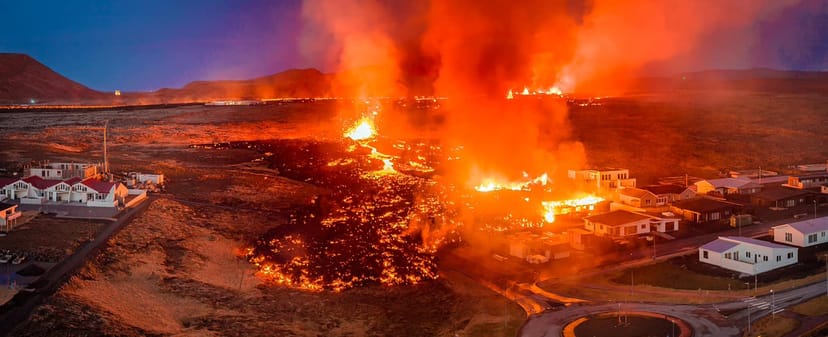
Active Volcanoes in Iceland 2026
Active volcanoes aren't the same thing as active eruptions. A volcano can be considered active even when it is not ejecting ash, rock, gases and magma, so which are active in Iceland in 2026?
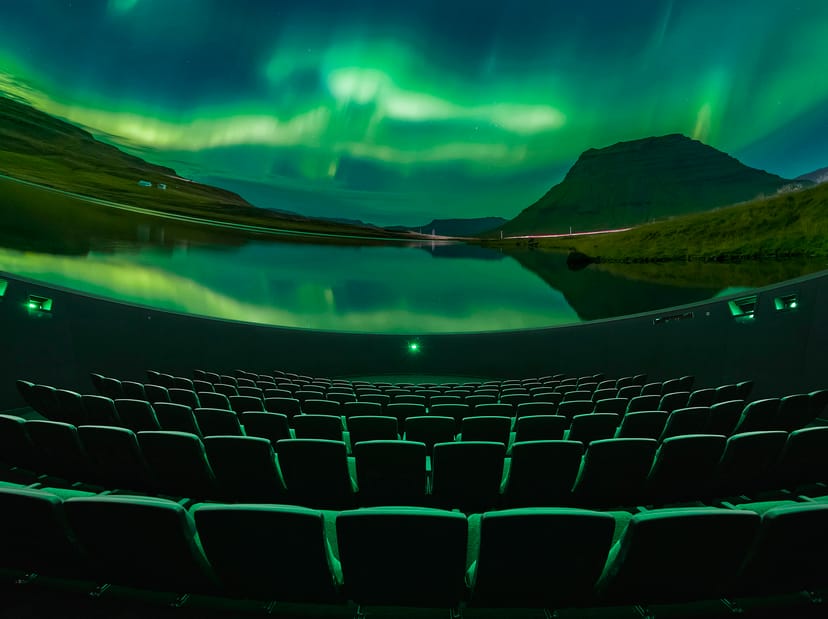
Top 10 Places To See the Northern Lights in Iceland
Discover the best places to see the Northern Lights in Iceland, from Jökulsárlón and Kirkjufell to Reykjavík, Þingvellir and North Iceland.
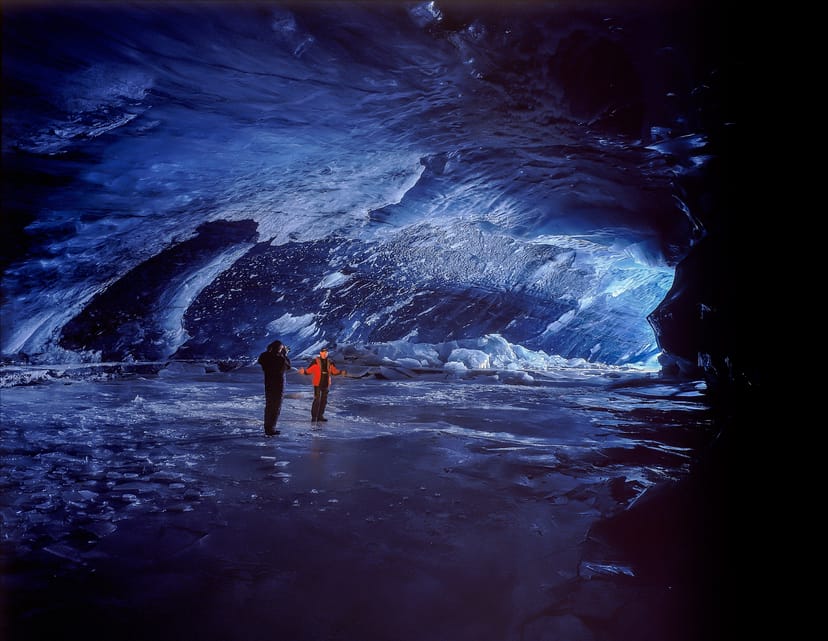
Ice Caves From Reykjavik
Planning an ice cave trip from Reykjavik? Compare Katla, Langjökull and Vatnajökull, travel times, seasons and Perlan’s ice cave in the city.