
Kría in Iceland
Learn more about the well-known Kría bird in Iceland, plus where to find Arctic terns and how to watch them responsibly.
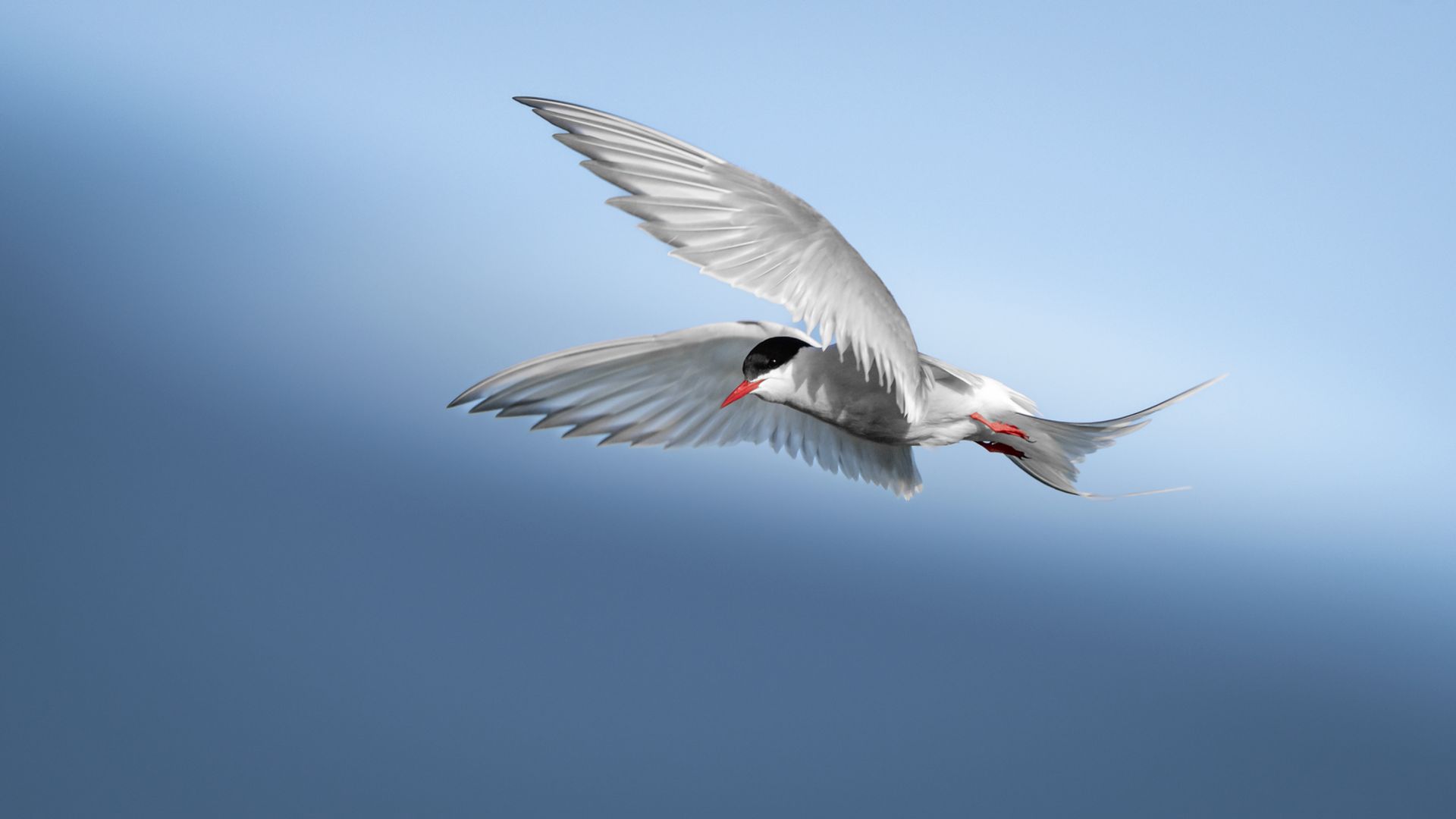
“Kría” is the Icelandic name for the Arctic tern (Sterna paradisaea)-this famous seabird. Its name is often associated with the bird’s sharp, piercing call, which echoes across the coast every summer.
Travel around Iceland during the warmer months, and you are likely to spot the famous Kría. High-pitched, energetic, and fearlessly protective, this noisy seabird is one of the familiar sounds of the Icelandic summer. For many travellers, encountering the Kría bird in Iceland is a classic part of a summer road trip. From coastal areas and fjords to lakes and wetlands, these birds are part of the island’s rich ecosystem.
Kría Migration and Appearance
For Icelanders, the arrival of the Kría in spring signals the return of warmer weather. Arctic terns typically return to Iceland in late April and May to breed and raise their chicks. After the breeding season, they embark on a long-distance migration towards Antarctic waters before heading north again the following year. It is famously the longest annual migration of any bird.
Over a lifetime (30 years), an Arctic tern can travel some 2.4 million kilometres (1.5 million miles) in total. That is comparable to travelling from the Earth to the Moon and back around three times. In Iceland, it is known that the bird travels around
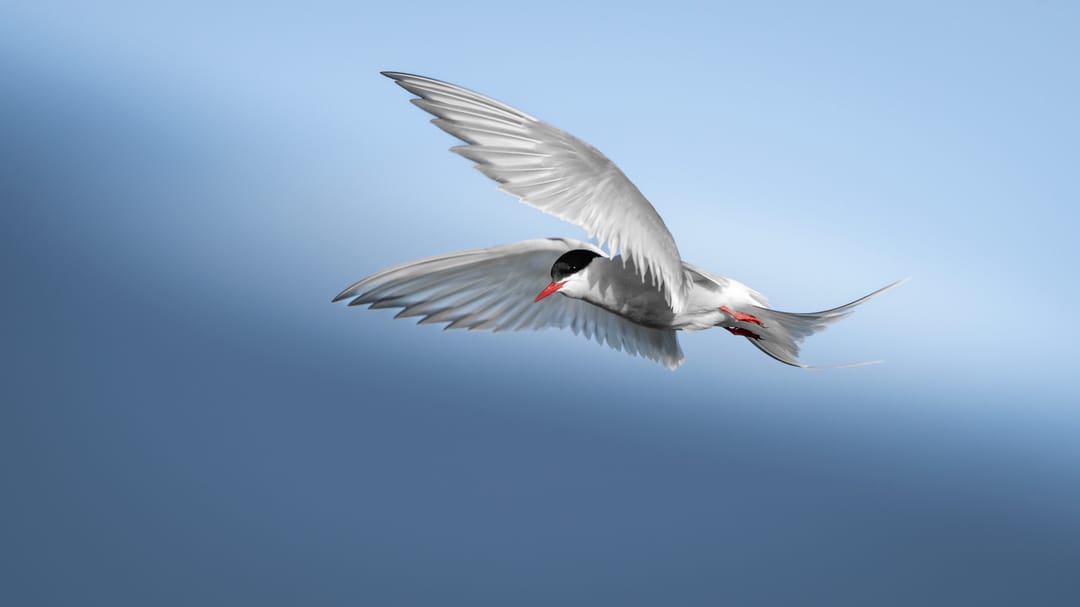
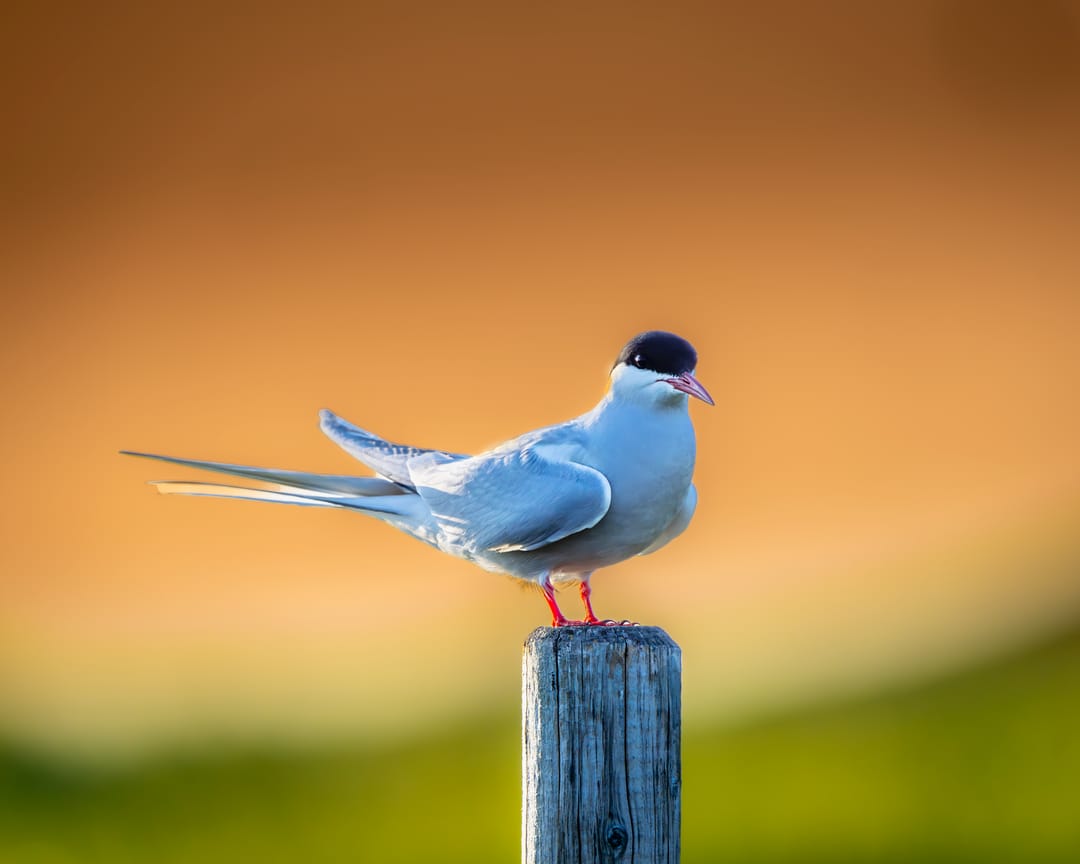
Identifying the species becomes easier once you know what to look for. Breeding adults have pale grey and white plumage. Most distinctively, a black cap extends across the crown and down towards the eyes. In contrast, their slender bill and short legs are striking red.
These small, slender birds are built for graceful flight, with narrow, pointed wings and a deeply forked tail. Kría are buoyant and agile in the air, often hovering over the water before plunging in search of small fish. Their effortless flight and long tail streamers can make them particularly eye-catching in the sky.
Why Kría is such a familiar Sight in Iceland
In summer, Iceland becomes an important breeding ground for the Arctic tern population. The species nests around the country, typically near the coast but sometimes by large lakes inland. Ranging in size across different sites, colonies transform into bustling hubs of activity around June and July.
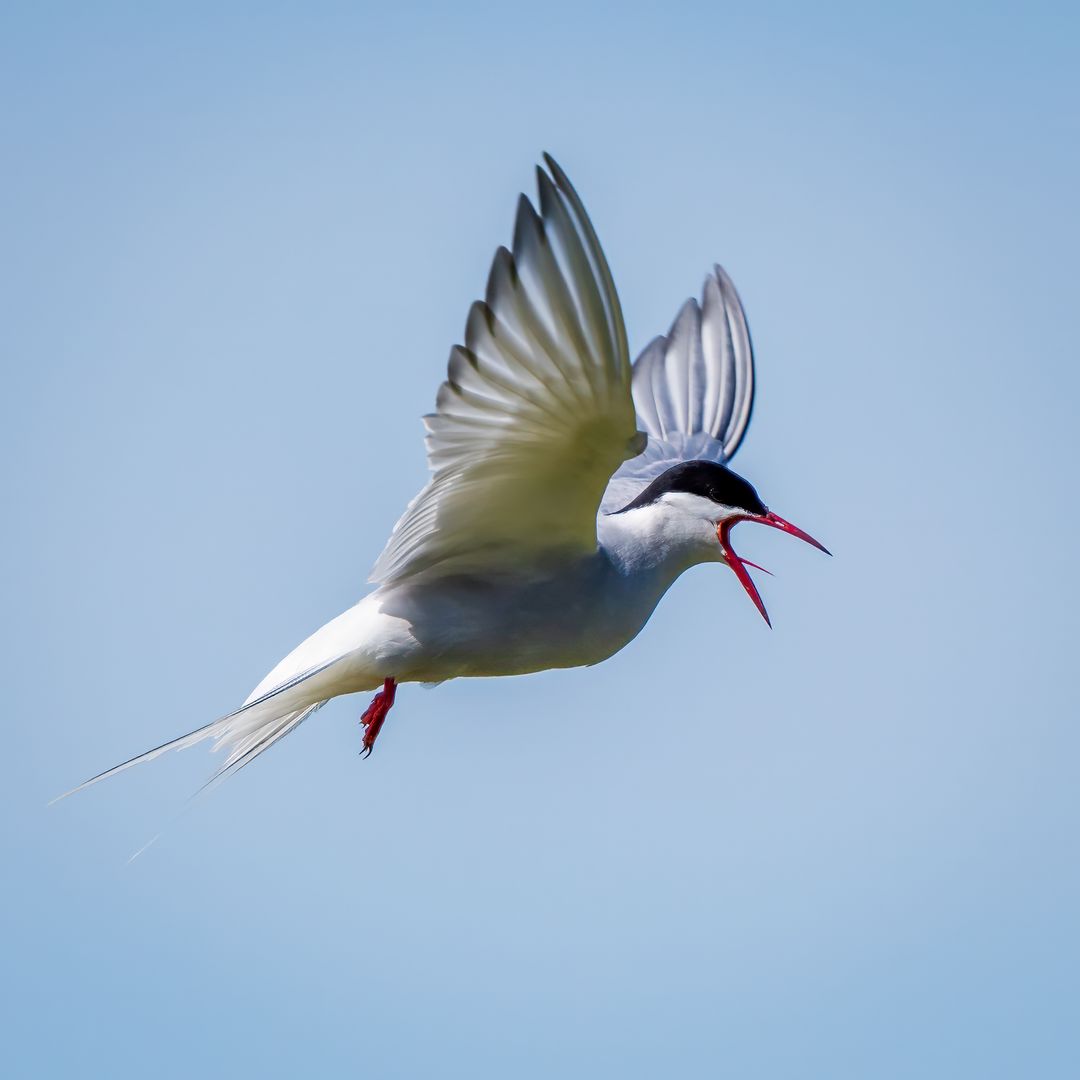
It’s the Kría’s fiercely protective nature that made it notorious among travellers, though. These birds build nests on the ground, making their eggs and chicks more vulnerable to predators. Thus, adult Kría tend to vigorously defend their nesting sites, swooping down and screaming when a perceived threat strays too close. If a Kría is repeatedly diving towards your head, consider it a sign to give the birds some space.
Where can you see Kría in Iceland?
Kría colonies nest across the country, so travellers have plenty of opportunities to encounter them during summer. There’s no need to embark on a remote trek, although knowing key locations can help plan the itinerary. Although individual nesting sites can shift over time, several regions are generally known for Arctic terns during the breeding season.
Reykjavík and the Capital Area
The Seltjarnarnes peninsula, particularly around Grótta Lighthouse, is an accessible coastal birdwatching area close to central Reykjavík. During summer, visitors may spot Kría and other seabirds around the shoreline and surrounding wetlands. Another good option is Viðey, a small island just off Reykjavík that can be reached by ferry.
Snæfellsnes Peninsula
The small village of Rif on the Snæfellsnes Peninsula is among the most notable places to encounter Kría in Iceland. During the breeding season, birds gather around the low-lying coastal landscape, where they nest and forage nearby.
The South Coast
Travellers exploring Iceland’s South Coast also have good opportunities to encounter Kría. A large colony is found around Jökulsárlón, and some nest around Vík, both popular stops along the Ring Road.
North Iceland
The northern regions offer a diverse range of habitats for the Kría. In particular, the island of Hrísey in Eyjafjörður supports a large Arctic tern colony. Birdwatchers can also visit Lake Mývatn, a popular birding area known for its variety of waterbirds, particularly ducks in Iceland.
Want a closer look at Iceland’s spectacular birdlife? Explore Perlan’s realistic recreation of the Látrabjarg bird cliff and learn more about seabirds and their habitats in Iceland.
Best Time to See Kría in Iceland
For encounters with Kría in Iceland, timing is even more important than destination. The Kría is strictly a summer visitor, after all.
The first arrivals reach Iceland’s shores between late April and May, establishing their territory on the island. June and July are peak breeding months, when visitors can observe courtship, nesting activity, and chick feeding. In August, chicks are fledging and gaining strength. By late summer, adults and fledged young gradually begin their southward migration.
Travellers planning to visit active colonies have the best chance between late May and late July.
Tips for Birdwatching in Iceland
- Stay on Marked Paths: During Arctic tern nesting season, keep to designated paths and trails. Ground nests, eggs and chicks can be surprisingly difficult to see, so wandering off-trail risks disturbing breeding birds.
- Back Away if Birds Dive-Bomb at You: If Kría begins circling, calling loudly or repeatedly diving towards you, you may be too close to a nest or chick. Calmly move away and give the bird more space.
- Use Binoculars or Telephoto Lenses: Never deliberately approach a nest, egg or chick, even for a photograph. Observe birds from a comfortable distance rather than moving closer for a better view. Binoculars are specifically recommended for birdwatching in protected areas.
- Obey Closure Signs: Respect temporary closures and signs protecting nesting areas. Some sites impose seasonal restrictions specifically to protect breeding birds. For example, parts of Grótta are closed between May and July for bird protection.
FAQs
The Atlantic puffin is often considered Iceland’s most recognisable bird. However, the Kría is also a familiar part of the Icelandic summer, recognised for its widespread presence and extraordinary annual migration.
The Arctic tern is famous for going on the longest known annual migration of any bird. Each year, it travels between breeding grounds in the Northern Hemisphere and the wintering grounds in and around Antarctica before returning north. Recent data with more advanced techniques shows that the migration route can be 90 thousand km per year which is longer than scientists had documented before.
The Kría is a tern, not a gull, but she is in the same family as gulls. Terns are generally smaller and more slender than gulls, with narrow, pointed wings and forked tails.
After summer, Iceland’s Kría migrate south across the Atlantic towards Antarctic waters. They spend the northern winter feeding in the Southern Hemisphere before beginning the journey north again.
Popular articles
The Complete Guide to the Northern Lights in Iceland
Learn how the Northern Lights form, where to see them in Iceland, how to prepare, take photos, read the forecast, and improve your chances of a sighting.

Let's Talk About the Volcano in Iceland About to Erupt
Is a volcano in Iceland about to erupt? Here’s what travelers should know about Svartsengi, Reykjanes activity, flights, safety, and the Blue Lagoon.

Solar Eclipse 2026 in Iceland | What Happened
Iceland experienced a total solar eclipse on August 12, 2026. Discover what happened in Reykjavík, eclipse times, totality locations and more.

September 2026 updates on the Sundhnúkagígar Eruption in the Reykjanes Peninsula!
The current eruption in the Reykjanes Peninsula, is called Sundhnúkagígar Crater Row. See insights on the seismic activity and volcanic eruptions in the area!

Active Volcanoes in Iceland 2026
Active volcanoes aren't the same thing as active eruptions. A volcano can be considered active even when it is not ejecting ash, rock, gases and magma, so which are active in Iceland in 2026?

Top 10 Places To See the Northern Lights in Iceland
Discover the best places to see the Northern Lights in Iceland, from Jökulsárlón and Kirkjufell to Reykjavík, Þingvellir and North Iceland.
Ice Caves From Reykjavik
Planning an ice cave trip from Reykjavik? Compare Katla, Langjökull and Vatnajökull, travel times, seasons and Perlan’s ice cave in the city.