
Guide to Iceland’s Hot Springs, Lagoons and Pools
Explore Iceland's hot springs, lagoons and pools. Learn where to bathe, how geothermal water is heated, and what to know about safety and local etiquette.
Iceland hot springs are an important part of local culture. Bathing in geothermally heated water is a popular way to relax, socialise, and experience the island’s unique geology. However, not all geothermal water is suitable for swimming. Bathing experiences range from naturally heated rivers to modern geothermal pools and lagoons. Meanwhile, other sites feature bubbling mud and boiling springs that are strictly for viewing.
With so many options, understanding the differences can help visitors choose the right experience. This guide explains how geothermal water is heated, where to find popular bathing spots, and what to know about safety and local etiquette.
Why Does Iceland Have So Many Hot Springs?
Iceland owes its extensive geothermal activity to its unique geological location. The island sits on the Mid-Atlantic Ridge, where the North American and Eurasian tectonic plates are pulling apart. It also lies above a mantle plume, or geological hotspot. Together, these conditions contribute to Iceland's volcanic activity and high levels of underground heat.
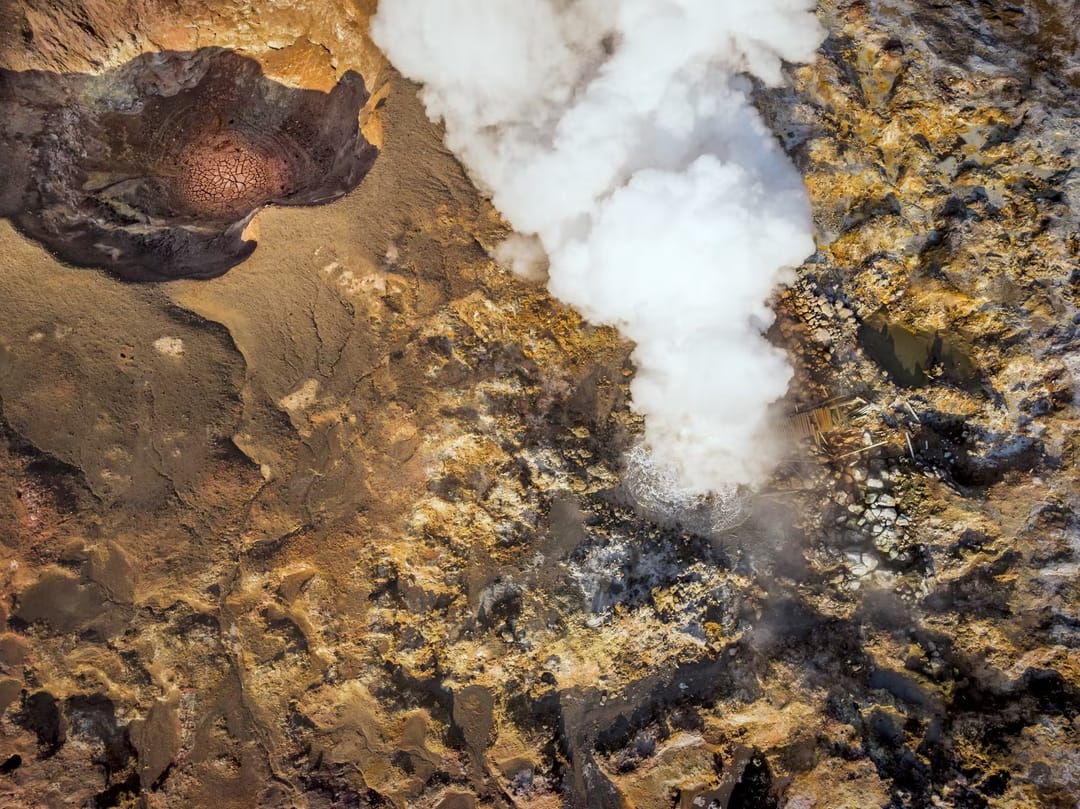
When rain and snow fall, water seeps underground through fractures and porous volcanic rock. As groundwater travels deeper, heat from magma and surrounding hot rock warms it. The heated water becomes less dense and can rise through cracks toward the surface, emerging as hot springs or feeding rivers. In some geothermal areas, steam vents and bubbling mud pools also form.
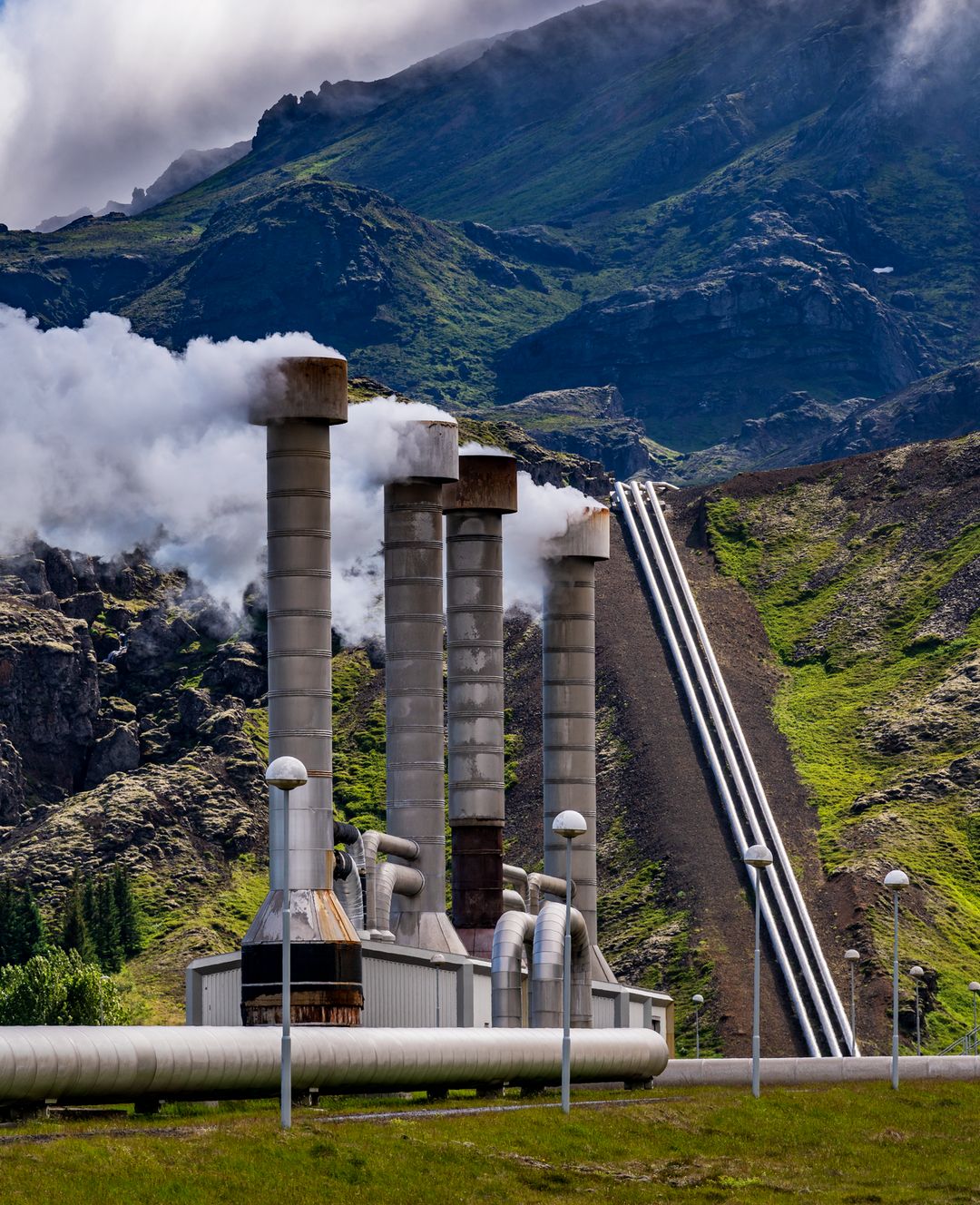
Icelanders also harness this underground heat through geothermal energy in Iceland, using it to heat buildings, supply hot water, and generate electricity.
Visitors interested in the science behind these processes can explore the Forces of Nature exhibition at Perlan. Through interactive displays, the exhibition explains the volcanoes, earthquakes, and geothermal activity that shape Iceland's landscape.
What’s the Difference Between Hot Springs, Lagoons and Geothermal Pools?
The terms “hot spring,” “lagoon,” and “pool” are often used interchangeably, but they describe different geothermal experiences in Iceland. Understanding these distinctions can help visitors choose where to bathe and recognise sites that are only suitable for viewing.
Natural Hot Springs and Bathing Rivers
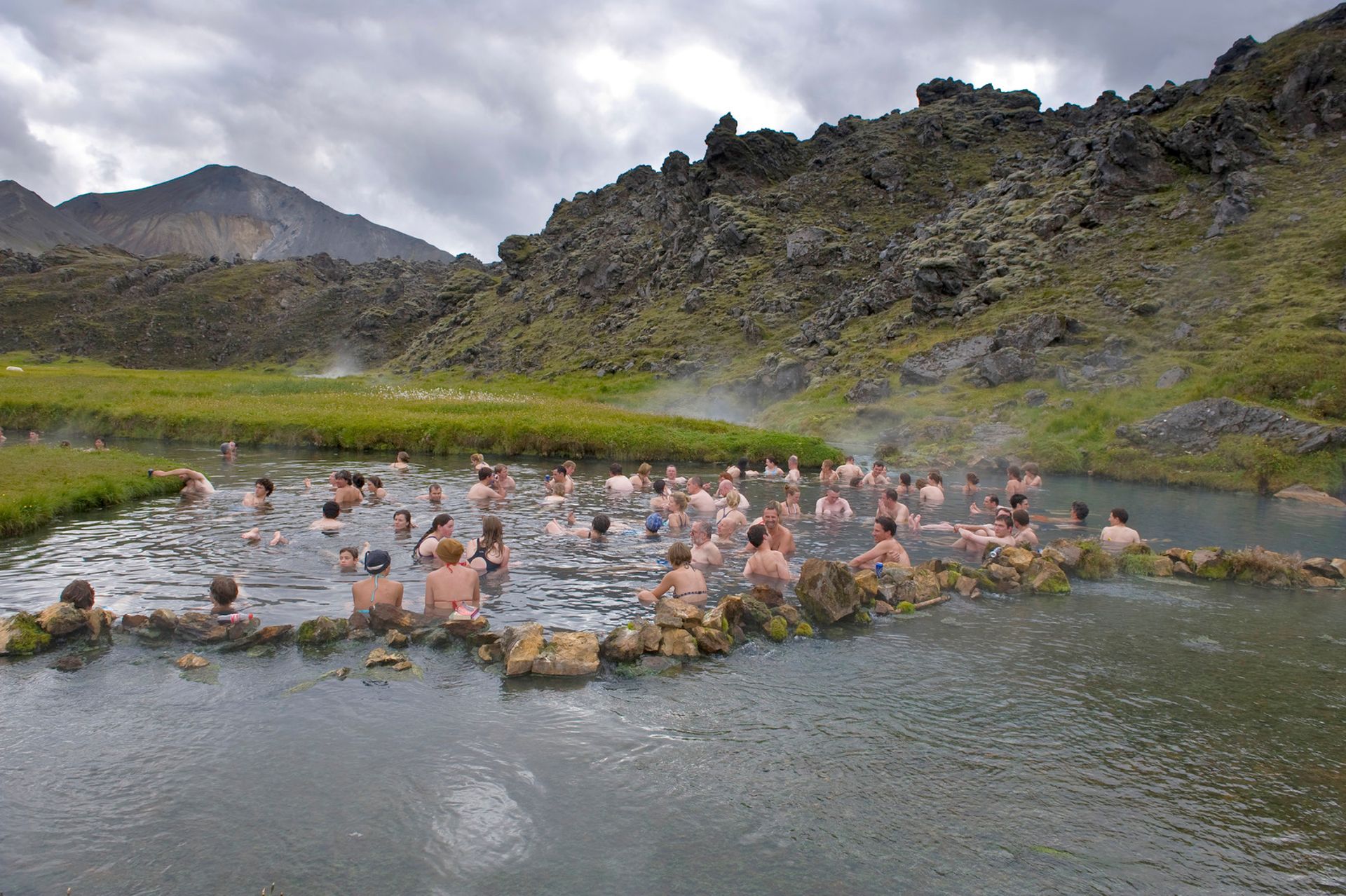
Natural Iceland hot springs are naturally occurring bodies of water heated by geothermal activity. They range from small pools to rivers warmed by geothermal springs. Facilities are often limited or nonexistent, and water temperatures can vary considerably between locations and even within the same bathing area.
Managed Geothermal Lagoons
These are developed bathing attractions designed for comfort and relaxation. They use geothermally heated water, although the source and composition vary between locations. These lagoons in Iceland typically offer changing rooms, showers, lockers, and other amenities, with paid admission and sometimes advance booking requirements.
Geothermal Swimming Pools
These are purpose-built swimming pools and hot tubs heated using geothermal water or energy. Found in towns across Iceland, they’re popular spots for swimming, exercise, socialising, and family recreation. Many include children's pools, hot tubs, and other facilities.
Geothermal Viewing Areas
These sites feature steam vents, bubbling mud pools, and naturally heated springs that may reach dangerous temperatures. Geothermal fields are intended for observation rather than swimming. Visitors should remain on marked paths and viewing platforms to avoid scalding water, hot steam, and unstable ground.
Where to Find Hot Springs, Lagoons and Pools in Iceland
The island features geothermal bathing opportunities in nearly every region. Selecting the Iceland hot springs to visit depends on your itinerary, budget, and desired comfort level.
Reykjavík and the Capital Area: Local Pools and Geothermal Beaches
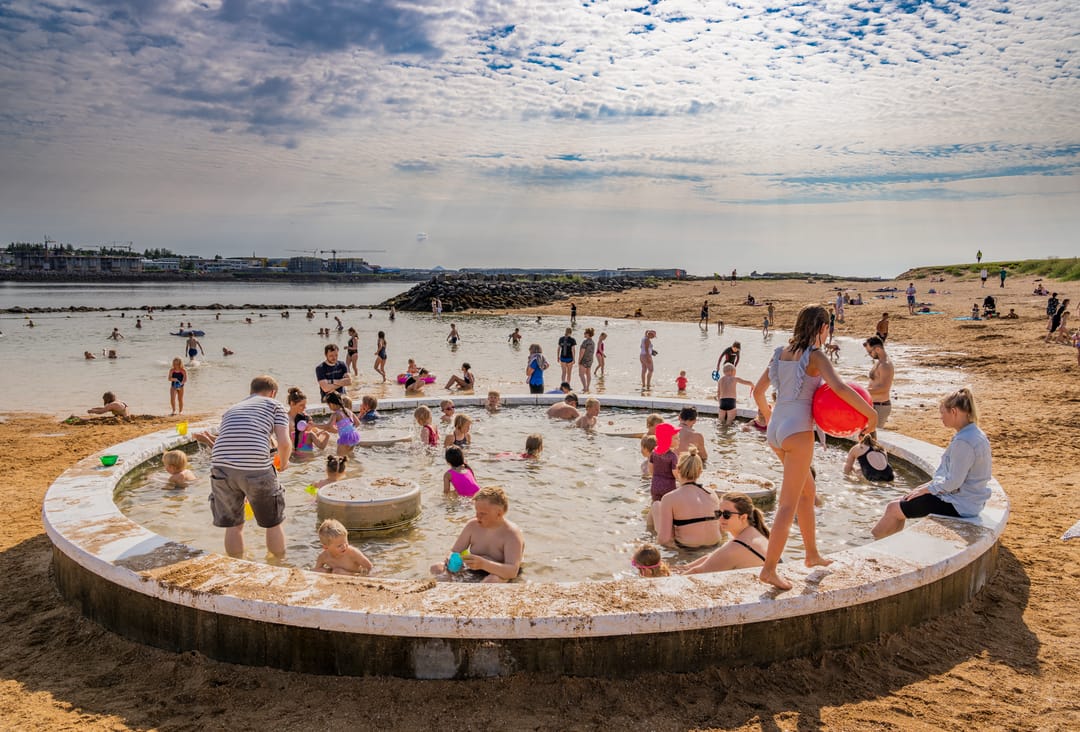
Geothermal bathing is part of everyday life in Reykjavík. The city's municipal swimming pools offer a glimpse into local culture, with accessible facilities for swimmers and families alike.
- Laugardalslaug: As the city’s largest complex, it features outdoor thermal pools, hot tubs of varying temperatures, steam baths, and waterslides. It’s one of the best pools in Reykjavík for visitors seeking an affordable, convenient swim close to the city centre.
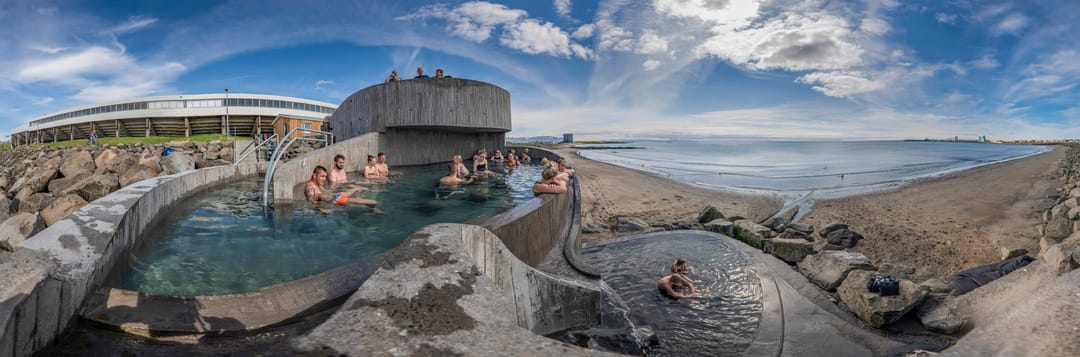
- Nauthólsvík Geothermal Beach: Located on Reykjavík’s southern coast, this beach combines seawater bathing with geothermal heating. Warm water is pumped into a sheltered seawater lagoon, making it more comfortable for swimming during summer. The beach also features geothermal hot tubs, changing facilities, and showers. However, lagoon temperatures vary, and the open sea remains cold.
Reykjanes Peninsula: The Blue Lagoon and Geothermal Landscapes
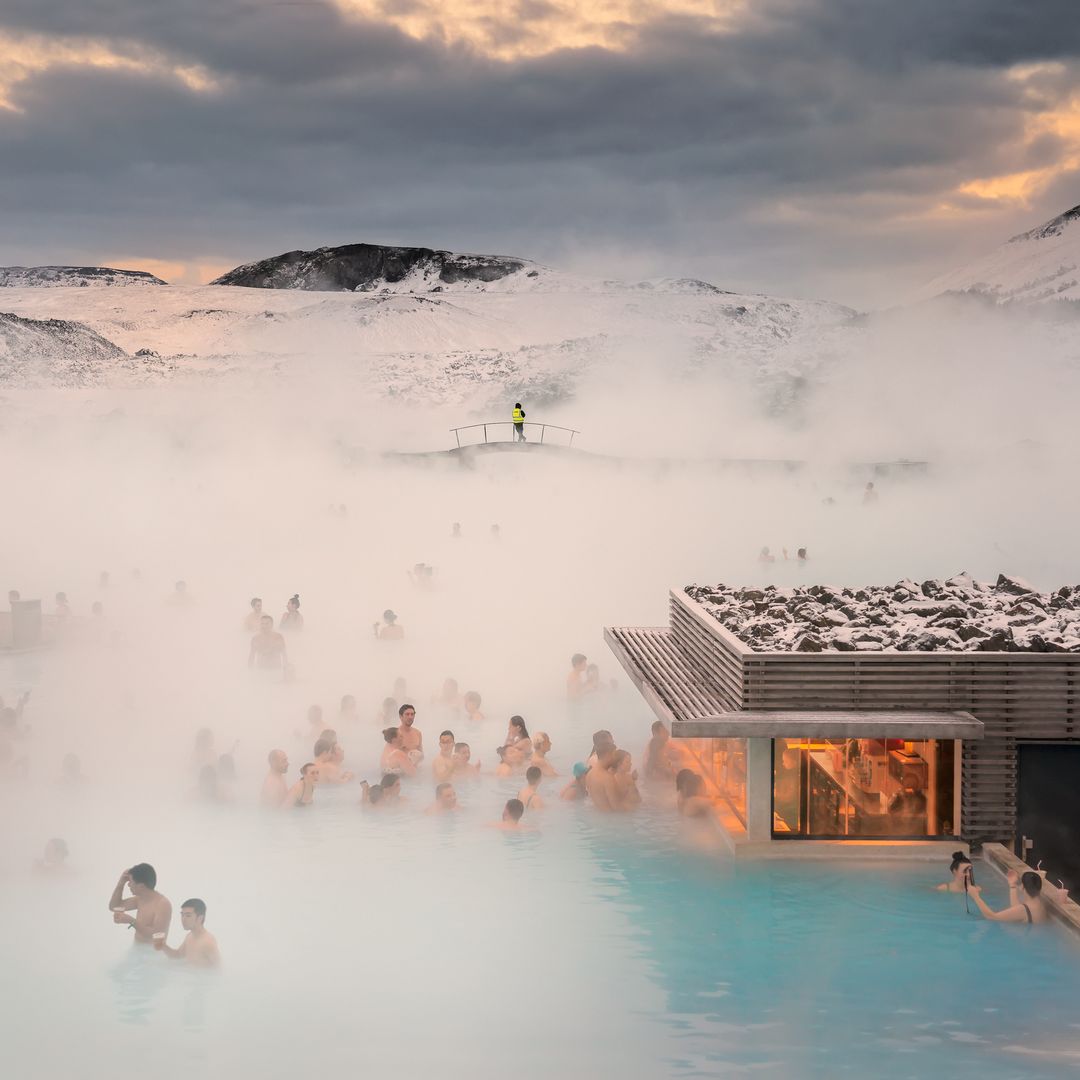
The Reykjanes Peninsula displays intense subsurface heat, situated directly along the active volcanic rift zone. As such, it’s home to a number of geothermal spots.
- The Blue Lagoon: Iceland's best-known geothermal lagoon contains mineral-rich seawater drawn from deep underground. The water passes through the nearby Svartsengi geothermal power plant, where its heat is harnessed for energy production, before reaching the lagoon. Advance booking is strongly recommended.
- Seltún Geothermal Area: Located in Krýsuvík, Seltún offers a different geothermal experience, with bubbling mud pools, steaming vents, and colourful mineral deposits. It is strictly a viewing destination, not a bathing site.
Because volcanic activity can affect access to parts of Reykjanes, visitors should check road conditions and safety alerts before travelling.
South Iceland: Natural Bathing and Historic Pools
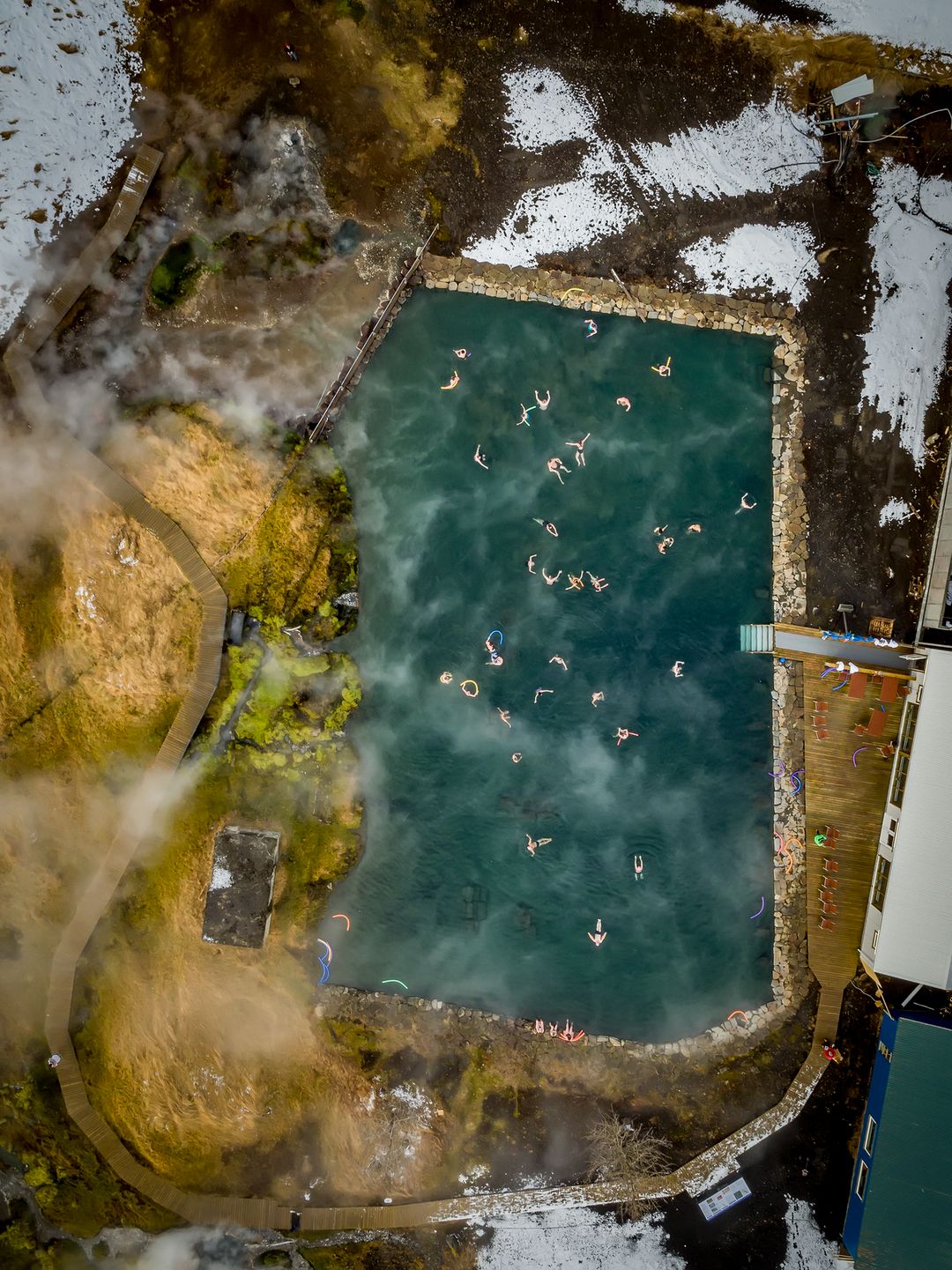
Although best known for its waterfalls, the South Coast offers its fair share of thermal landscapes.
- Secret Lagoon (Gamla Laugin): Formed in 1891, this is one of the oldest pools in Iceland. Naturally heated water flows continuously into the pool, maintaining a comfortable temperature throughout the year. Nearby hot springs and a small erupting geyser can be safely observed from a designated walking path.
- Reykjadalur Thermal River: Situated near Hveragerði, Reykjadalur (“Steam Valley”) requires a 45-to-60-minute hike uphill. The trail leads to a flowing river where warm geothermal run-off mixes with cold mountain streams. For travellers seeking a more refined bathing experience, Reykjaböð Hot Springs sits at the trailhead below.
Icelandic Highlands: Remote Geothermal Bathing
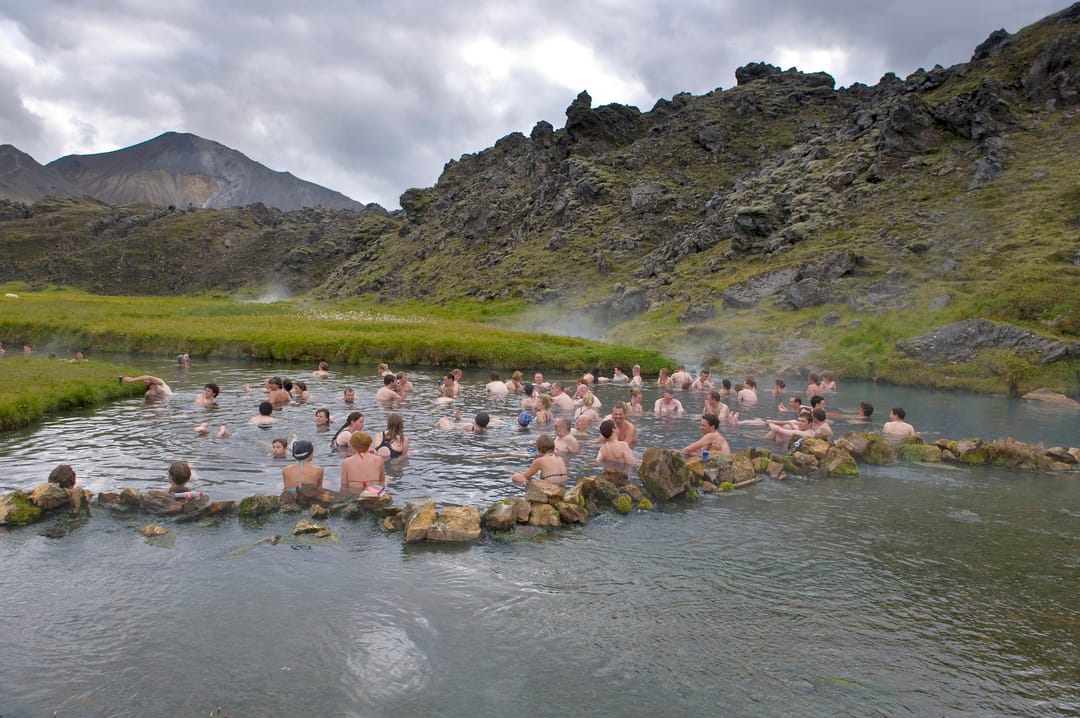
The Icelandic Highlands offer natural geothermal bathing surrounded by rugged mountain landscapes. Visiting these remote sites requires careful planning, suitable transport, and favourable weather conditions.
- Landmannalaugar: Located in the Fjallabak Nature Reserve, Landmannalaugar is known for its colourful rhyolite mountains and natural geothermal bathing area. Travellers can soak where warm geothermal water mixes with a cooler stream near the Laugahraun lava field.
- Hveravellir: Situated between the Langjökull and Hofsjökull along the Kjölur highland route, Hveravellir features a designated geothermal bathing pool. Nearby steaming vents, colourful hot springs, and mineral deposits can be observed from marked paths.
Highland roads are generally accessible only during the warmer months, although opening dates depend on conditions. F-roads require suitable 4x4 vehicles, while other routes have different requirements.
Which Iceland Hot Spring Experience Is Right for You?
Choosing the right geothermal bathing experience depends on your budget, preferred facilities, and willingness to travel or hike.
Experience | Facilities | Booking Requirements | Cost | Family Suitability |
Reykjavík municipal pools | Showers, lockers, hot tubs | Usually walk-in | Low | High |
Managed lagoons | Changing rooms, showers, spa amenities | Advance booking recommended | Moderate to premium | Varies; age restrictions may apply |
Historic pools | Changing rooms, showers, lockers | Advance booking recommended | Moderate | Suitable with supervision |
Natural bathing rivers | Limited or no facilities | Usually no bathing reservation; check access rules | Free to low | Best for active families |
Highland bathing sites | Basic or limited facilities | Check parking and access requirements | Free to low, excluding transport | Best for well-prepared visitors |
Visitors prioritising comfort and convenience may prefer a managed lagoon or municipal pool. Natural bathing rivers and Highland pools generally require more preparation, particularly when it comes to weather, access, and available facilities. Always check current opening conditions, booking requirements, and age restrictions before visiting.
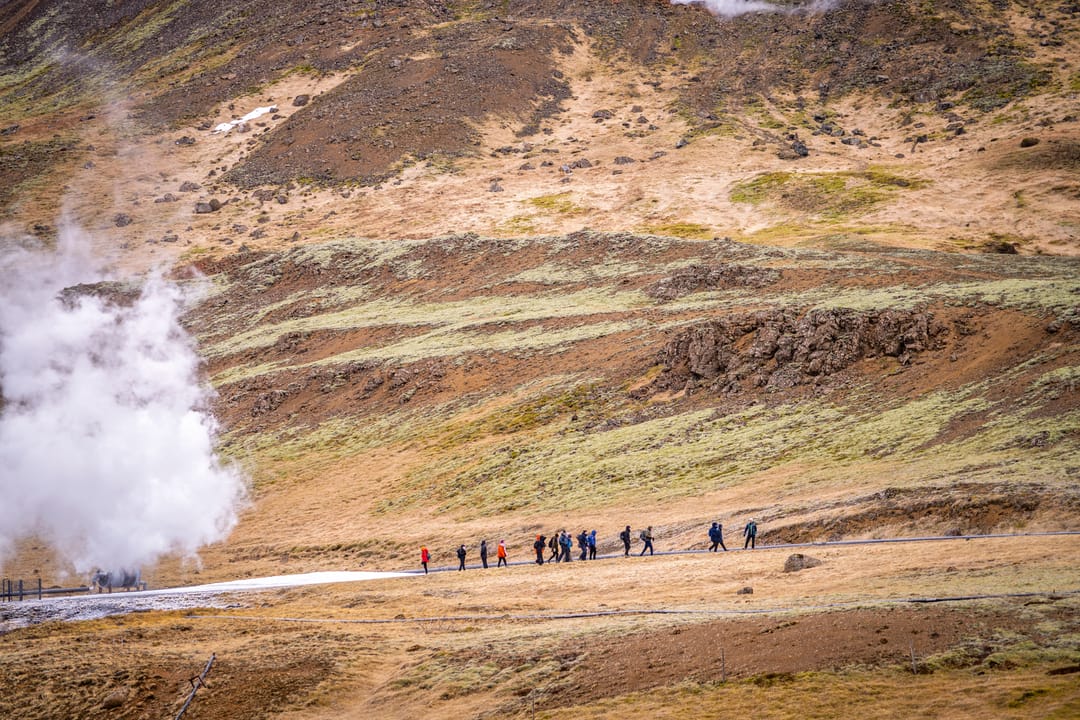
How to Stay Safe Around Iceland’s Hot Springs
Geothermal areas can pose serious hazards, especially where boiling water, steam, and unstable ground are present. Follow these precautions when visiting Iceland hot springs:
- Only enter designated bathing water: Never enter unfamiliar hot springs, streams, or mud pools. Water temperatures can vary dramatically, and some geothermal features are dangerously hot.
- Stay on marked paths: At geothermal sites like Seltún and Hveravellir, thin or unstable ground may conceal boiling water and steam beneath the surface.
- Test water before stepping in: Natural bathing rivers can have uneven temperatures, with very hot water near geothermal inflows and cooler water elsewhere. Enter slowly and avoid visibly steaming or unmarked areas.
- Check local conditions daily: Review weather forecasts, road closures, volcanic activity alerts, and local access restrictions before travelling. Useful resources include SafeTravel.is, the Icelandic Met Office (Vedur.is), and Road.is.
Icelandic Hot Spring Etiquette: What Visitors Should Know
Geothermal bathing is a shared social tradition in Iceland, with established hygiene practices and cultural customs that visitors should respect.
- Shower thoroughly without swimwear: Everyone must wash with soap before entering public swimming pools and managed lagoons. This helps maintain water hygiene and reduce the amount of chlorine needed in municipal pools.
- Wear appropriate swimwear: Clean swimwear is required in shared bathing areas. Follow each facility's specific rules.
- Respect personal privacy: Photography is prohibited in changing rooms and showers. Some municipal pools also prohibit cameras and phones throughout their facilities.
- Protect delicate natural sites: Never use soap, shampoo, or other cleaning products in natural hot springs or rivers. Take all trash with you when leaving.
- Follow access rules: Respect private property, pay any required fees, and stay on designated paths to protect fragile vegetation and geothermal landscapes.
FAQs
Yes, but not all Iceland hot springs are safe for swimming, with some containing boiling water or dangerously high temperatures. Only enter designated bathing areas and follow local safety guidance.
Iceland lies along the Mid-Atlantic Ridge and above a geological hotspot. Groundwater seeps through volcanic rock, absorbs underground heat, and rises to the surface through fractures, forming natural hot springs.
Swimwear is required at public swimming pools and managed geothermal lagoons. Visitors generally wear swimsuits at natural bathing spots, although specific rules may vary by location.
Some geothermal pools have a noticeable sulphur smell caused by hydrogen sulphide in geothermal water. The intensity varies between locations, and not all pools have a noticeable odour.
Facilities vary by location. Some natural bathing spots have basic changing shelters, while remote sites may have none. Managed lagoons and municipal pools typically provide changing rooms, showers, and lockers.
Popular articles
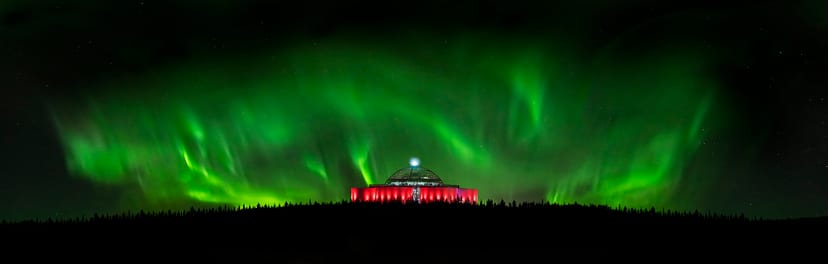
The Complete Guide to the Northern Lights in Iceland
Learn how the Northern Lights form, where to see them in Iceland, how to prepare, take photos, read the forecast, and improve your chances of a sighting.
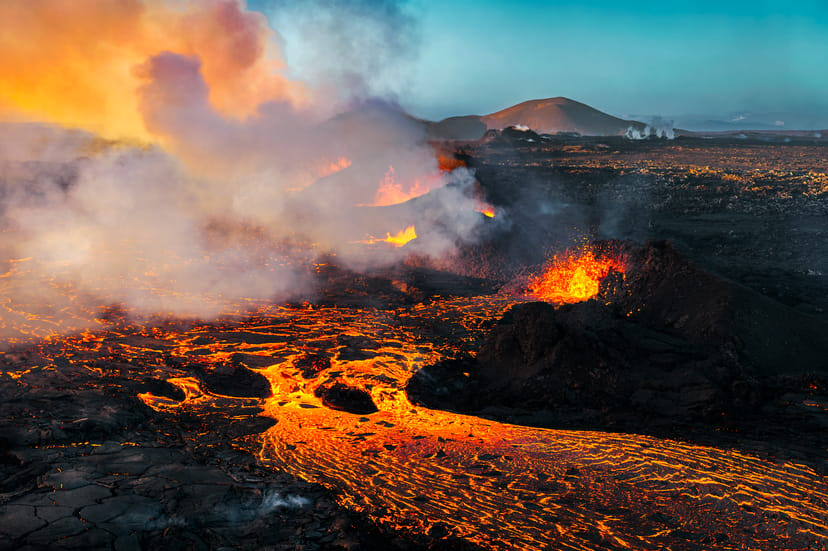
Let's Talk About the Volcano in Iceland About to Erupt
Is a volcano in Iceland about to erupt? Here’s what travelers should know about Svartsengi, Reykjanes activity, flights, safety, and the Blue Lagoon.
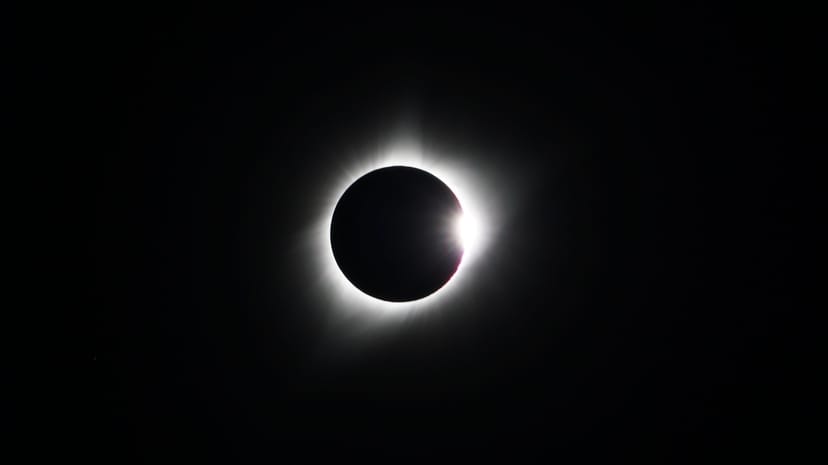
Solar Eclipse 2026 in Iceland | What Happened
Iceland experienced a total solar eclipse on August 12, 2026. Discover what happened in Reykjavík, eclipse times, totality locations and more.
September 2026 updates on the Sundhnúkagígar Eruption in the Reykjanes Peninsula!
The current eruption in the Reykjanes Peninsula, is called Sundhnúkagígar Crater Row. See insights on the seismic activity and volcanic eruptions in the area!
Active Volcanoes in Iceland 2026
Active volcanoes aren't the same thing as active eruptions. A volcano can be considered active even when it is not ejecting ash, rock, gases and magma, so which are active in Iceland in 2026?
Top 10 Places To See the Northern Lights in Iceland
Discover the best places to see the Northern Lights in Iceland, from Jökulsárlón and Kirkjufell to Reykjavík, Þingvellir and North Iceland.
Ice Caves From Reykjavik
Planning an ice cave trip from Reykjavik? Compare Katla, Langjökull and Vatnajökull, travel times, seasons and Perlan’s ice cave in the city.