
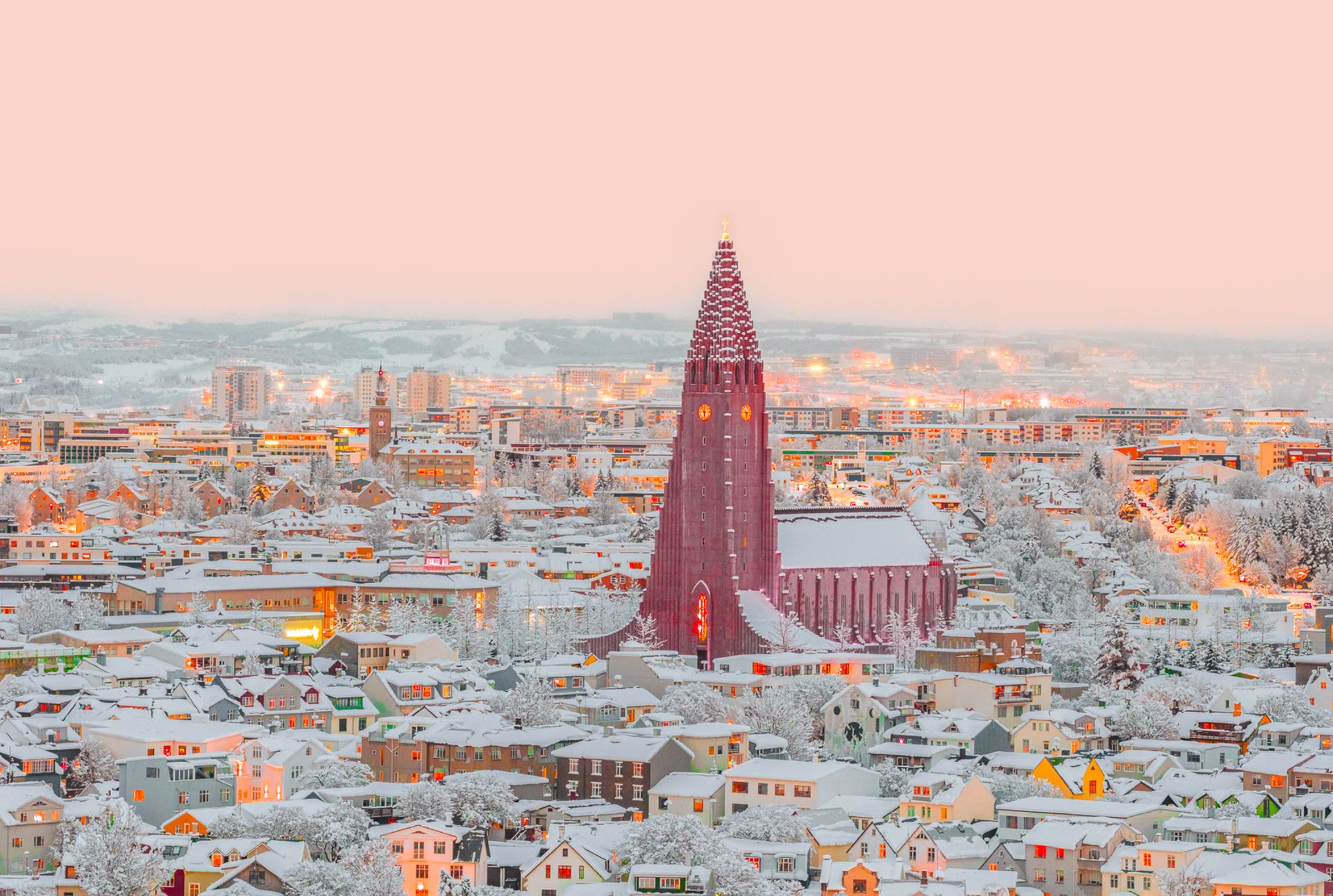
Driving in Iceland in Winter: Conditions and Preparation
Driving in Iceland in winter is possible, but it depends on the weather, road conditions, and your driving experience. Many popular routes remain open throughout winter, although snow, ice, and strong winds can make travelling difficult. Roads can also close with little notice, so even a well-planned journey may need to change.
Before renting a car, it's worth understanding what winter driving in Iceland involves and when it's better to stay put. If you're still deciding when to travel, our guide to the best time of year to visit Iceland can help you compare the seasons. This article covers the conditions you might encounter, what to check before setting off, and how to plan for unexpected changes.
What Is Driving in Iceland Like in Winter?
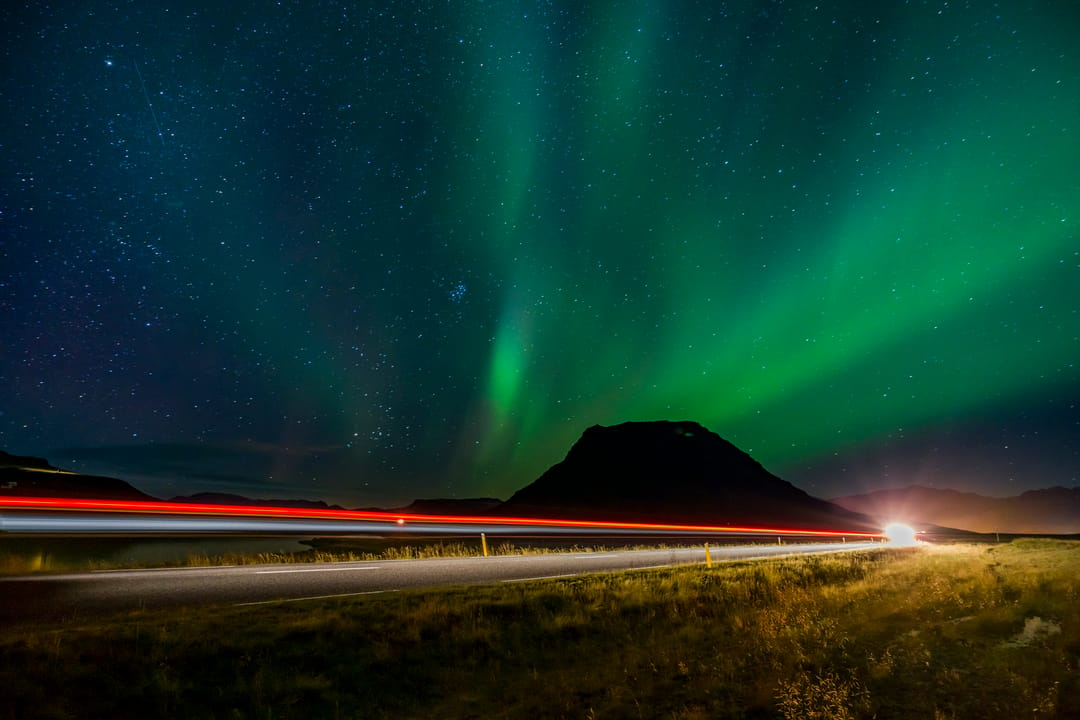
Winter driving in Iceland can be straightforward one day and challenging the next. Snow and ice can make roads slippery, while strong winds may affect vehicle handling, particularly on exposed stretches of road. Visibility can also change quickly during snowfall or blowing snow. Even major routes such as the Ring Road can experience temporary closures when conditions become unsafe.
Conditions also vary considerably between regions. A clear morning in Reykjavík doesn't necessarily mean the roads towards Vík or further east are suitable for driving. Coastal areas, mountain passes and exposed roads can experience very different weather on the same day.
Winter in Iceland has much shorter daylight hours, leaving less time to complete longer journeys before dark. The nature attractions along Iceland's Ring Road are spread across different regions. Allow extra travel time between stops, particularly when visiting several attractions in one day.
Should You Rent a Car in Iceland During Winter?
Renting a car can be a practical option if you're comfortable driving in snow, ice, and changing weather conditions. It gives you more freedom to explore at your own pace and adjust your plans when necessary. However, if you've never driven in winter conditions, organised tours may be a better choice. You can still visit many popular attractions without taking responsibility for driving on unfamiliar roads.
Before booking, consider your planned routes, the time of year and the type of vehicle you'll need. A four-wheel-drive vehicle may provide better traction when accelerating on slippery surfaces, but it doesn't guarantee safer driving.
All-wheel drive doesn't provide extra braking grip on ice, and even a properly equipped vehicle has limits. Check that your rental includes suitable winter tyres, understand the insurance coverage, and ask about any restrictions on where you can drive.
What Road and Weather Conditions Should You Check?
Before setting off, check road conditions at umferdin.is and weather forecasts from the Icelandic Meteorological Office at vedur.is. A road marked as open isn't necessarily free of snow or ice, so it's worth looking beyond its status. Pay particular attention to the following:
- Road closures and surface conditions: Check for snow, ice, and any restrictions affecting your planned route.
- Wind speeds and warnings: Strong gusts can make driving difficult, especially on exposed roads and mountain passes.
- Visibility: Heavy snowfall and blowing snow can make it difficult to see the road ahead.
- Regional forecasts: Check conditions along your entire journey, not just where you're staying.
Weather conditions can change overnight, and some areas are more exposed than others. The Reykjanes Peninsula, for example, has open stretches of road where strong winds can make driving difficult. Perlan's guide to the Reykjanes Peninsula can help you choose places to visit, while official road updates will help you decide whether the journey is suitable that day.
When Should You Change Your Plans or Stay Off the Road?
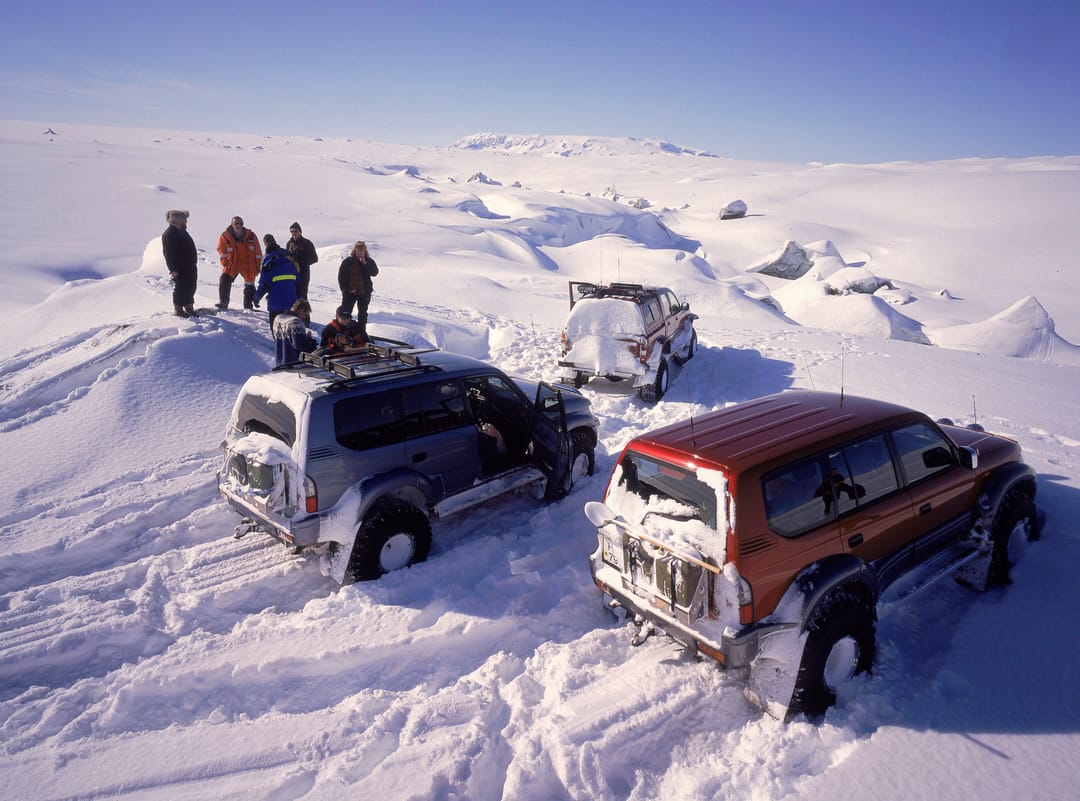
A closed road means changing your route or postponing the journey, even if it appears passable. Severe weather warnings may also mean staying at your accommodation rather than attempting a planned day trip. Don't feel pressured to continue simply because you've booked an activity or accommodation elsewhere. It's better to rearrange your plans than risk getting stranded between destinations.
Northern Lights plans deserve the same caution. A promising aurora forecast isn't a reason to drive into hazardous weather or ignore road warnings. If you're already travelling and conditions worsen, look for a safe place to stop rather than continuing towards your original destination.
You may need to wait until conditions improve or arrange alternative accommodation. Having a flexible itinerary makes these decisions easier, especially when you aren't committed to reaching a particular town that evening.
How to Prepare Your Car for Winter Driving
Before leaving the rental office, take a few minutes to familiarise yourself with the car. Even if you've driven in winter before, it's worth checking that everything is ready for Iceland's conditions.
- Winter tyres: Make sure the car has suitable tyres for snow and ice.
- Lights and windows: Check the headlights, wipers and windscreen washer fluid.
- Car controls: Learn how to use the heating and demisting settings.
- Emergency supplies: Keep warm clothing, water, snacks and a charged phone in the car.
Once you're on the road, leave more distance between your vehicle and the one ahead. Braking takes longer on slippery surfaces, and sudden steering or acceleration can cause you to lose control. Clear snow and ice from the windows, mirrors and lights before driving.
Planning a Realistic Winter Road Trip
Iceland might look small on a map, but winter journeys often take longer than expected. Short daylight hours, changing weather and road closures can all affect how much ground you cover. Driving the entire Ring Road in a few days leaves little room for delays, especially when you want time to explore along the way. A shorter route with fewer overnight stops is often easier to manage. It also gives you more flexibility when plans change.
Some destinations also have seasonal access restrictions. Most roads into Iceland's Central Highlands are closed during winter, so these areas shouldn't be part of a typical winter self-drive itinerary.
For shorter visits, staying around Reykjavík and taking day trips may be more practical. Longer journeys need extra time between destinations, ideally with a buffer day before your return flight. This gives you room to wait out poor weather without feeling pressured to drive.
What to Do When the Weather Disrupts Your Plans
Sometimes the best decision is to stay where you are and enjoy a different part of Iceland. If a planned drive is no longer sensible, check whether your accommodation can extend your stay or whether a booked activity can be rescheduled. Contact your rental company if road closures affect your return arrangements. It's also worth keeping an eye on official updates rather than repeatedly checking whether the weather looks better outside.
A day in Reykjavík can still be well spent without travelling far. There are plenty of indoor things to do in Reykjavík during bad weather, including museums and exhibitions. You can also explore Perlan's Ice Cave and Glacier Exhibition and learn how Iceland's glaciers form and change. It's a useful alternative when a longer journey is no longer practical, provided local travel is safe.
FAQs
Winter driving can be safe on open roads when conditions are suitable, and you're experienced with snow and ice. Always check weather warnings and road conditions before setting off.
Not necessarily, as some maintained roads can be driven in a suitable two-wheel-drive vehicle when conditions allow. A 4x4 offers better traction in certain situations but doesn't make icy roads safe.
Yes, some roads close temporarily because of snow, ice, or severe weather. Most Highland roads remain closed throughout winter, while major routes may also close during difficult conditions.
Yes, the Ring Road can be driven in winter when conditions permit, but sections may close unexpectedly. Allow plenty of time, check the entire route, and be prepared to change your itinerary.
Check umferdin.is for road closures and surface conditions, and vedur.is for weather forecasts and warnings. Review your entire route before setting off and check for updates during the day.
Renting a car offers more flexibility when conditions allow, but organised tours may suit travellers without winter-driving experience. Guided tours can also be cancelled or changed because of severe weather.
Popular articles
The Complete Guide to the Northern Lights in Iceland
Learn how the Northern Lights form, where to see them in Iceland, how to prepare, take photos, read the forecast, and improve your chances of a sighting.
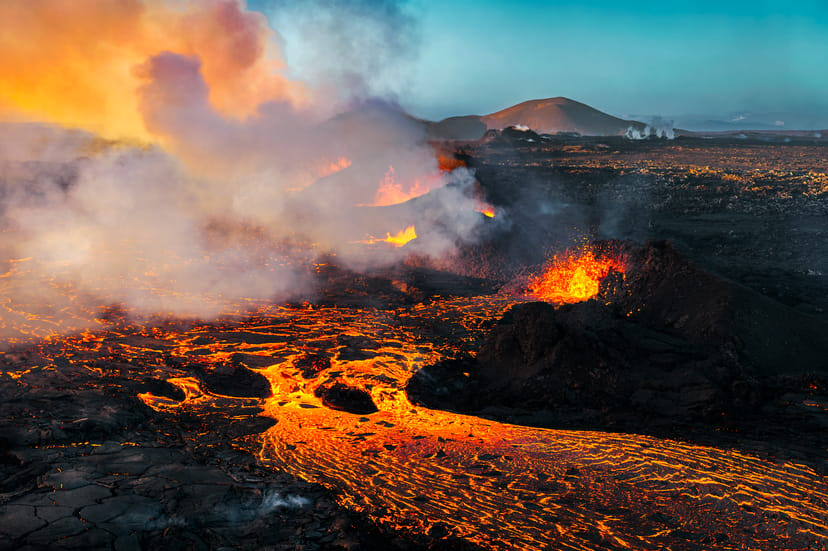
Let's Talk About the Volcano in Iceland About to Erupt
Is a volcano in Iceland about to erupt? Here’s what travelers should know about Svartsengi, Reykjanes activity, flights, safety, and the Blue Lagoon.

Solar Eclipse 2026 in Iceland | What Happened
Iceland experienced a total solar eclipse on August 12, 2026. Discover what happened in Reykjavík, eclipse times, totality locations and more.
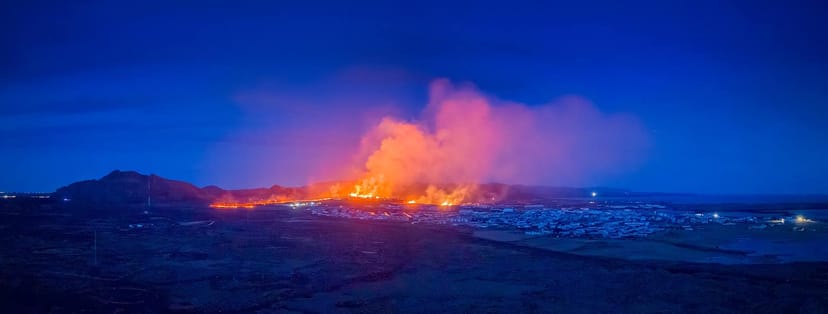
September 2026 updates on the Sundhnúkagígar Eruption in the Reykjanes Peninsula!
The current eruption in the Reykjanes Peninsula, is called Sundhnúkagígar Crater Row. See insights on the seismic activity and volcanic eruptions in the area!
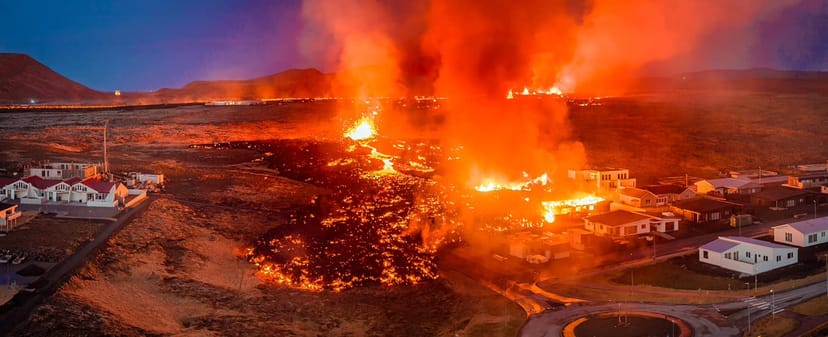
Active Volcanoes in Iceland 2026
Active volcanoes aren't the same thing as active eruptions. A volcano can be considered active even when it is not ejecting ash, rock, gases and magma, so which are active in Iceland in 2026?
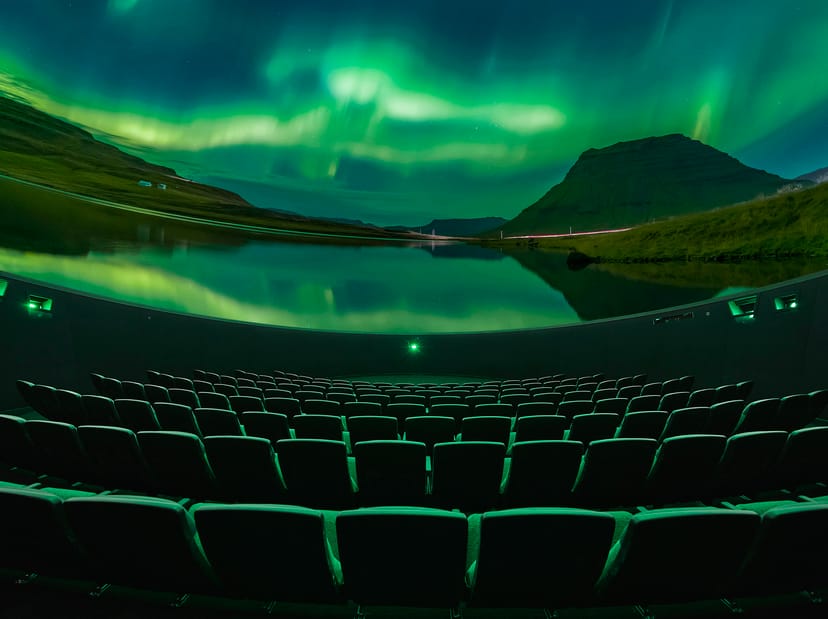
Top 10 Places To See the Northern Lights in Iceland
Discover the best places to see the Northern Lights in Iceland, from Jökulsárlón and Kirkjufell to Reykjavík, Þingvellir and North Iceland.
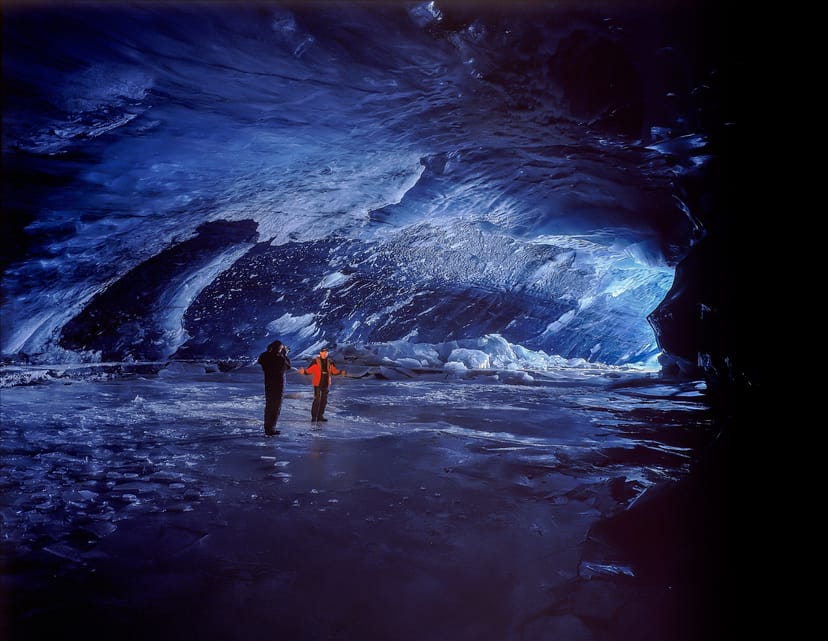
Ice Caves From Reykjavik
Planning an ice cave trip from Reykjavik? Compare Katla, Langjökull and Vatnajökull, travel times, seasons and Perlan’s ice cave in the city.