
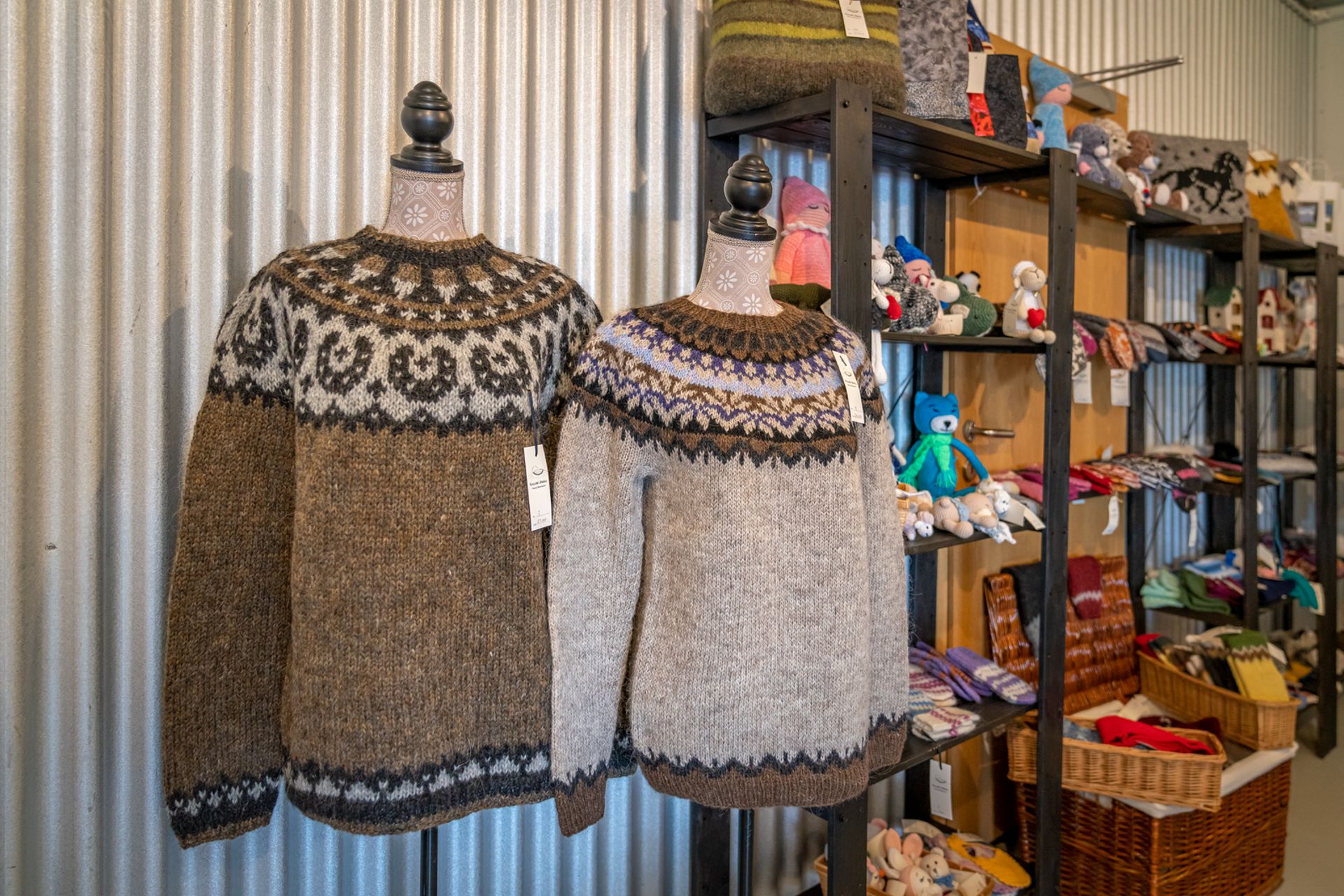
Winter Packing List for Iceland
Not sure what to pack for Iceland in winter? Find out which layers, boots and essentials to bring for Reykjavík, outdoor day trips and Northern Lights tours.
Packing for Iceland in winter doesn't mean filling your suitcase with the thickest clothes you own. You might spend the morning walking around Reykjavík, the afternoon beside a windy waterfall and the evening waiting for the Northern Lights. Each calls for something slightly different.
The trick is to pack layers you can adjust throughout the day. Wind, rain and how long you spend outdoors can matter just as much as the temperature. And with so many things to do in Reykjavík in winter, it helps to have clothes that work for both indoor visits and outdoor activities. This Iceland winter packing list covers what you'll actually use, what belongs in your daypack, and what you can leave at home.
Your Iceland Winter Packing Checklist
You don't need a suitcase full of specialist outdoor gear to enjoy Iceland in winter. Most visitors can manage with a few reliable layers and some extras for longer outdoor activities. Here's a practical starting point for sightseeing in Reykjavík and taking day trips.
Wear on most days:
- A breathable thermal base layer
- A fleece or warm jumper
- A waterproof, windproof jacket
- Waterproof boots with good grip
- Warm socks, a hat and gloves
Keep in your daypack:
- Spare dry socks or gloves
- A neck warmer or scarf
- A charged phone and power bank
- Water and a small snack
Add only when needed:
- Waterproof trousers for wet or exposed locations
- Extra warm layers for long periods outdoors
- Swimwear for geothermal pools
- Equipment specified by your tour operator
You can adjust this list depending on your plans. Walking around Reykjavík and spending several hours outdoors in exposed conditions call for different levels of protection. The important thing is having a few layers you can add or remove as needed.
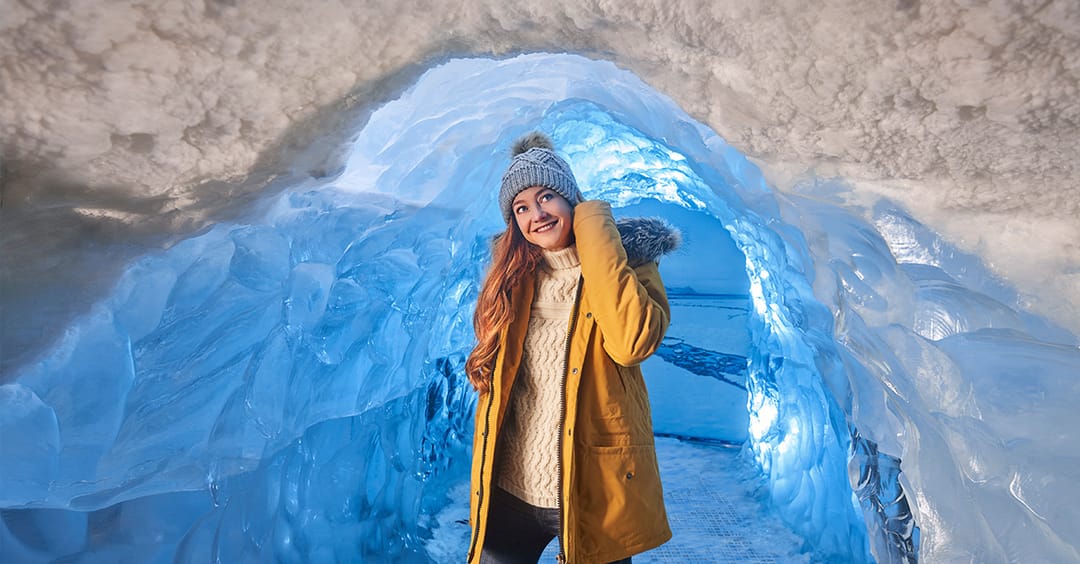
How to Dress for Icelandic Wind, Wet Weather and Cold
Layering makes it easier to stay comfortable as conditions change. Start with a breathable base layer that helps move sweat away from your skin. Add a fleece or wool jumper to retain warmth, then wear a waterproof, windproof jacket over everything.
Warm clothing works partly by trapping air close to your body, which helps slow heat loss. But when clothes become damp, staying warm gets harder. That's why breathable layers matter, especially when you're walking between attractions or moving in and out of heated buildings. Here's how your clothing might change throughout a typical winter day:
- Walking around Reykjavík: Wear comfortable layers and remove your jumper or open your jacket indoors.
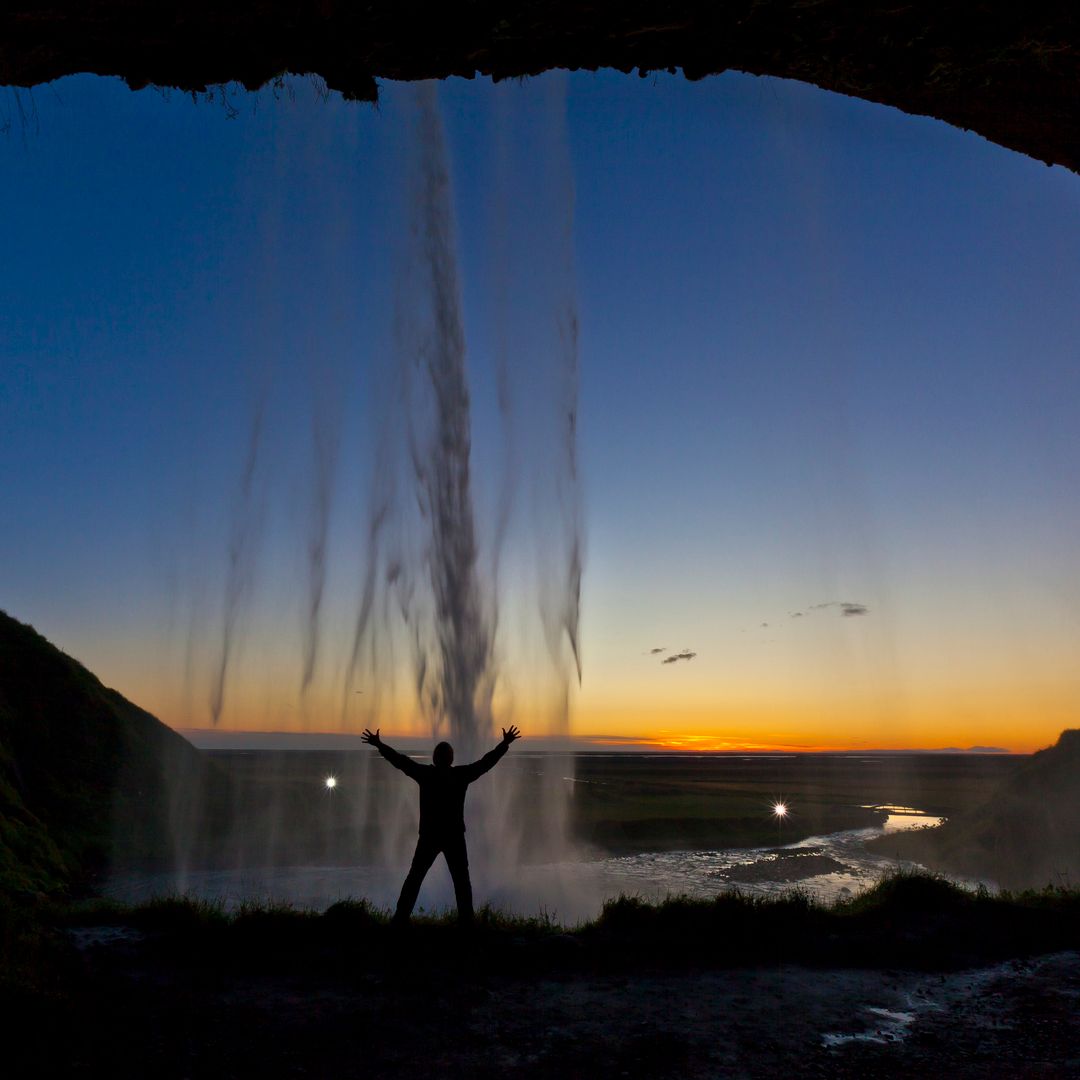
- Visiting a windy waterfall: Fasten your outer jacket and add waterproof trousers if there's spray or rain.
- Waiting for the Northern Lights: Add an insulating layer, warmer gloves and extra protection for your feet.
You may wear the same jacket for all three activities, but the layers underneath will change. Longer evenings outdoors often call for more insulation, particularly when you're standing still. Perlan's guide to what to wear for the northern lights covers those extra considerations.
The Winter Essentials That Matter Most
A few items deserve more attention when packing for Iceland in winter. You'll wear these items regularly, so prioritise comfort and fit over expensive brands. Here are a few essentials worth prioritising:
- Waterproof boots: Choose a pair with good grip that you've already worn in. You'll want comfortable footwear for long walks and slippery pavements.
- Warm socks: Look for comfortable pairs that fit well inside your boots without making them too tight.
- Hat: Choose one that covers your ears and stays in place during strong winds.
- Gloves or mittens: Waterproof options are useful for wet conditions. Mittens can provide extra warmth when you're standing still.
- Neck warmer: A simple way to protect your neck and face from cold wind.
- Weatherproof jacket: Look for wind and rain protection, with enough room for insulating layers underneath.
- Waterproof trousers: Useful for waterfall visits, longer walks and days with persistent rain or snow.
It's also worth keeping a spare dry layer handy for outdoor day trips. Wet clothing can make even a short afternoon outside uncomfortable.
What to Pack for Four Common Winter Activities
You won't need exactly the same clothing for every activity. A few small adjustments can help you stay comfortable, whether you're exploring the city or spending several hours outdoors.
1. Exploring Reykjavík
For walking between cafés, shops and museums, focus on comfortable footwear and layers you can easily remove indoors.
- Waterproof boots with good grip
- A warm jumper beneath your jacket
- Hat and gloves for outdoor walks
On rainy or windy days in Reykjavík, indoor attractions can offer a welcome break from the weather. At Perlan’s Ice Cave and Glaciers Exhibition, you can explore an indoor ice cave and learn more about Iceland's glaciers.
2. Waterfalls and Golden Circle Day Trips
Even on a coach tour, you'll spend time outdoors at exposed viewpoints. Waterfall spray can also leave clothing damp.
- Waterproof jacket and trousers
- Boots with reliable grip
- Warm gloves and a spare dry layer
3. Northern Lights Excursions
Standing outside for long periods feels different from walking around the city. Extra insulation becomes more important when you're not moving.
- Additional thermal or insulating layers
- Warm mittens, hat and thick socks
- Insulated footwear suitable for the conditions
4. Geothermal Pools
A pool visit needs much less winter equipment, but you'll want a few essentials ready.
- Swimwear
- Towel, unless provided or available to rent
- Dry clothes for afterwards
- Sandals or flip-flops if preferred
For glacier hikes or natural ice cave tours, follow your operator's equipment instructions. Perlan's guide to what to wear on a glacier hike explains the additional preparation involved.
What Belongs in Your Daypack?
A small daypack is usually enough for the items you'll want between stops, especially when the weather changes. For most winter day trips, pack:
- Spare gloves or socks: Useful if your first pair gets wet from snow or rain.
- Charged phone and power bank: Keep your phone protected from moisture and avoid leaving it exposed to the cold.
- Water and snacks: Handy during longer journeys or when food stops are limited.
- Neck warmer or extra layer: Easy to put on when the wind picks up.
- Tour details: Keep booking confirmations, meeting points and your operator's contact information accessible.
Cold weather can affect battery performance, so keep your phone somewhere protected when you're not using it. A waterproof pouch can also help keep electronics dry. For longer excursions, check whether your tour operator recommends bringing anything else.
What Not to Waste Suitcase Space On
It's tempting to pack for every possible winter scenario, but you probably won't use half of it. For a typical Reykjavík holiday with organised day trips, versatile clothing is often more useful than several bulky items. You can usually leave these behind:
- Multiple heavy coats: One reliable weatherproof jacket with adjustable layers underneath is generally more practical.
- Fashion boots without grip: Smooth soles can be slippery on icy pavements, even during short city walks.
- Too many thick jumpers: A few comfortable layers that work together will give you more outfit options.
- Specialist expedition equipment: You don't need technical gear for ordinary sightseeing, and guided tour operators may supply it.
There's also no need to buy expensive outdoor brands just for your trip. Clothing you already own may work perfectly well if it provides suitable warmth, weather protection and comfort.
How Many Clothes Do You Need for a Short Winter Trip?
For a three- to five-day trip, you can usually manage with a small selection of clothes that work together. You don't need a completely different outfit every day, especially when you'll be wearing the same outer layers.
Here's an example of what to pack for a typical winter holiday:
- 2–3 base layer tops: Rotate them depending on how active you are and whether they become damp.
- 1–2 thermal leggings: Useful beneath trousers for colder outdoor activities.
- 2 warm jumpers or fleeces: Choose comfortable layers that fit beneath your jacket.
- 2 pairs of trousers: Include at least one suitable option for wet outdoor conditions.
- 4–5 pairs of socks: Bring extra warm pairs if you'll be spending long periods outside.
- 1 waterproof jacket and pair of boots: These can be worn throughout the trip.
- Underwear and everyday essentials: Pack what you usually wear, plus an extra set if luggage space allows.
These quantities are only a guide. You might pack less if you have access to laundry facilities or more if you're spending several days outdoors. What matters is having enough clean, dry clothing for your planned activities.
A Few Final Tips Before You Pack For Iceland
Before you zip up your suitcase, take another look at your itinerary and the activities you've booked. Some tours have specific clothing requirements, so check what you'll need and what the operator provides. It's also worth trying on your winter layers together. You want to know they're comfortable before spending an entire day wearing them.
And don't worry about packing for every possible weather scenario. Leave yourself some room to adjust your plans once you're in Iceland. The forecast might change, and you may find that some days call for more time indoors than you originally expected.
FAQs
Waterproof boots with good grip are usually suitable for exploring Reykjavík in winter. Insulated boots may be more comfortable during colder weather or longer outdoor walks.
Jeans are fine for cafés, museums and short walks in dry conditions. For wet weather or longer outdoor activities, choose trousers that dry more quickly.
Thermal underwear is useful for outdoor sightseeing, particularly when temperatures drop or winds are strong. Breathable base layers are generally more comfortable than thick cotton clothing.
A thick coat alone may not provide enough protection from wind and rain. Wearing insulating layers beneath a waterproof, windproof jacket gives you more flexibility.
Technical crampons aren't usually necessary for ordinary city sightseeing. Removable ice grips may help on icy paths, while guided activities require equipment specified by the operator.
Wear thermal layers, a weatherproof jacket, warm gloves, a hat and insulated footwear. Bring additional insulation for longer periods standing outdoors, especially on colder or windier evenings.
Popular articles
The Complete Guide to the Northern Lights in Iceland
Learn how the Northern Lights form, where to see them in Iceland, how to prepare, take photos, read the forecast, and improve your chances of a sighting.
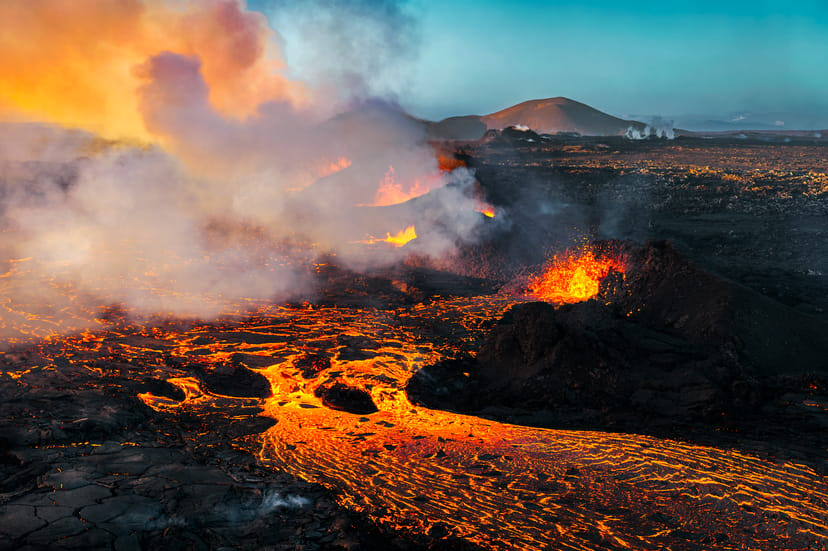
Let's Talk About the Volcano in Iceland About to Erupt
Is a volcano in Iceland about to erupt? Here’s what travelers should know about Svartsengi, Reykjanes activity, flights, safety, and the Blue Lagoon.

Solar Eclipse 2026 in Iceland | What Happened
Iceland experienced a total solar eclipse on August 12, 2026. Discover what happened in Reykjavík, eclipse times, totality locations and more.
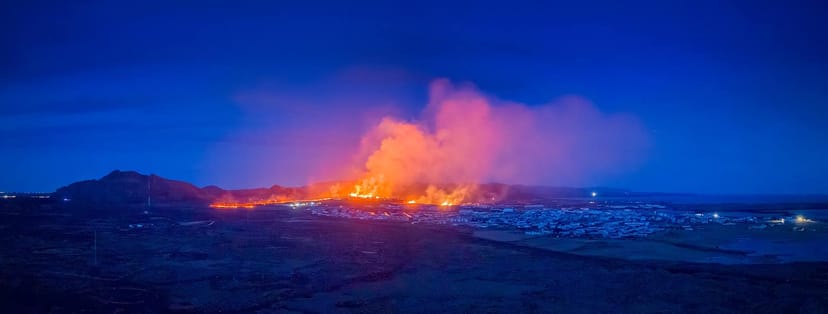
September 2026 updates on the Sundhnúkagígar Eruption in the Reykjanes Peninsula!
The current eruption in the Reykjanes Peninsula, is called Sundhnúkagígar Crater Row. See insights on the seismic activity and volcanic eruptions in the area!
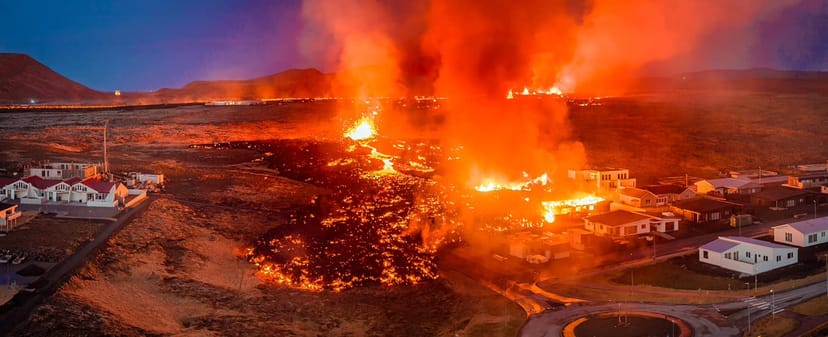
Active Volcanoes in Iceland 2026
Active volcanoes aren't the same thing as active eruptions. A volcano can be considered active even when it is not ejecting ash, rock, gases and magma, so which are active in Iceland in 2026?
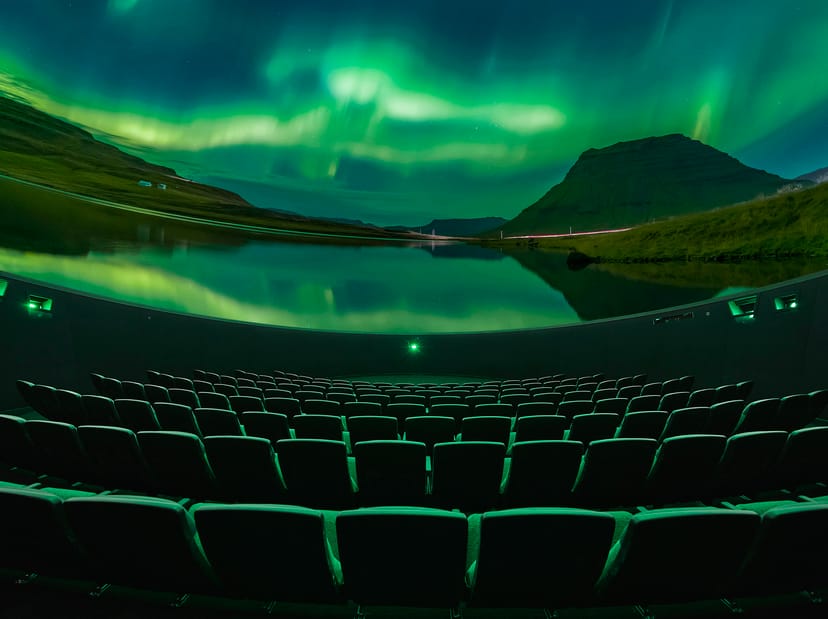
Top 10 Places To See the Northern Lights in Iceland
Discover the best places to see the Northern Lights in Iceland, from Jökulsárlón and Kirkjufell to Reykjavík, Þingvellir and North Iceland.
Ice Caves From Reykjavik
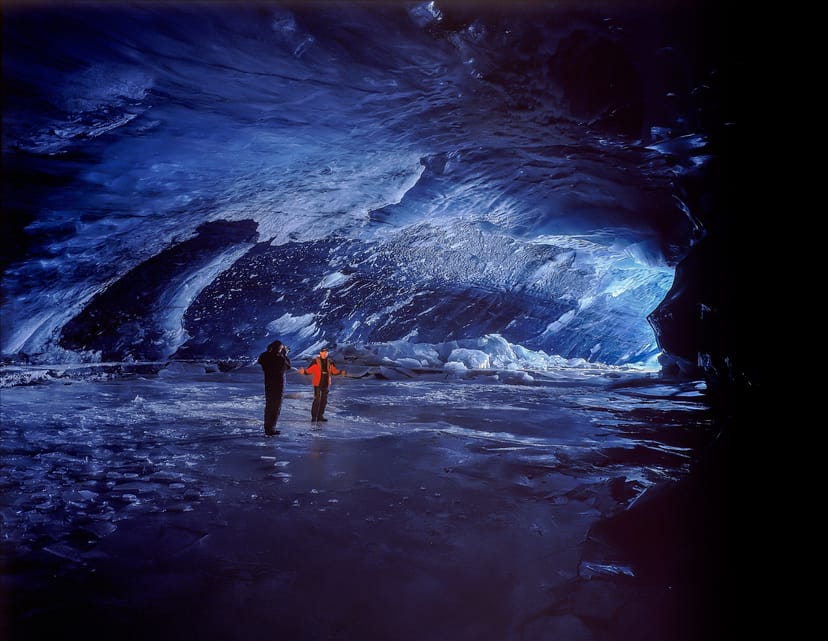
Planning an ice cave trip from Reykjavik? Compare Katla, Langjökull and Vatnajökull, travel times, seasons and Perlan’s ice cave in the city.