
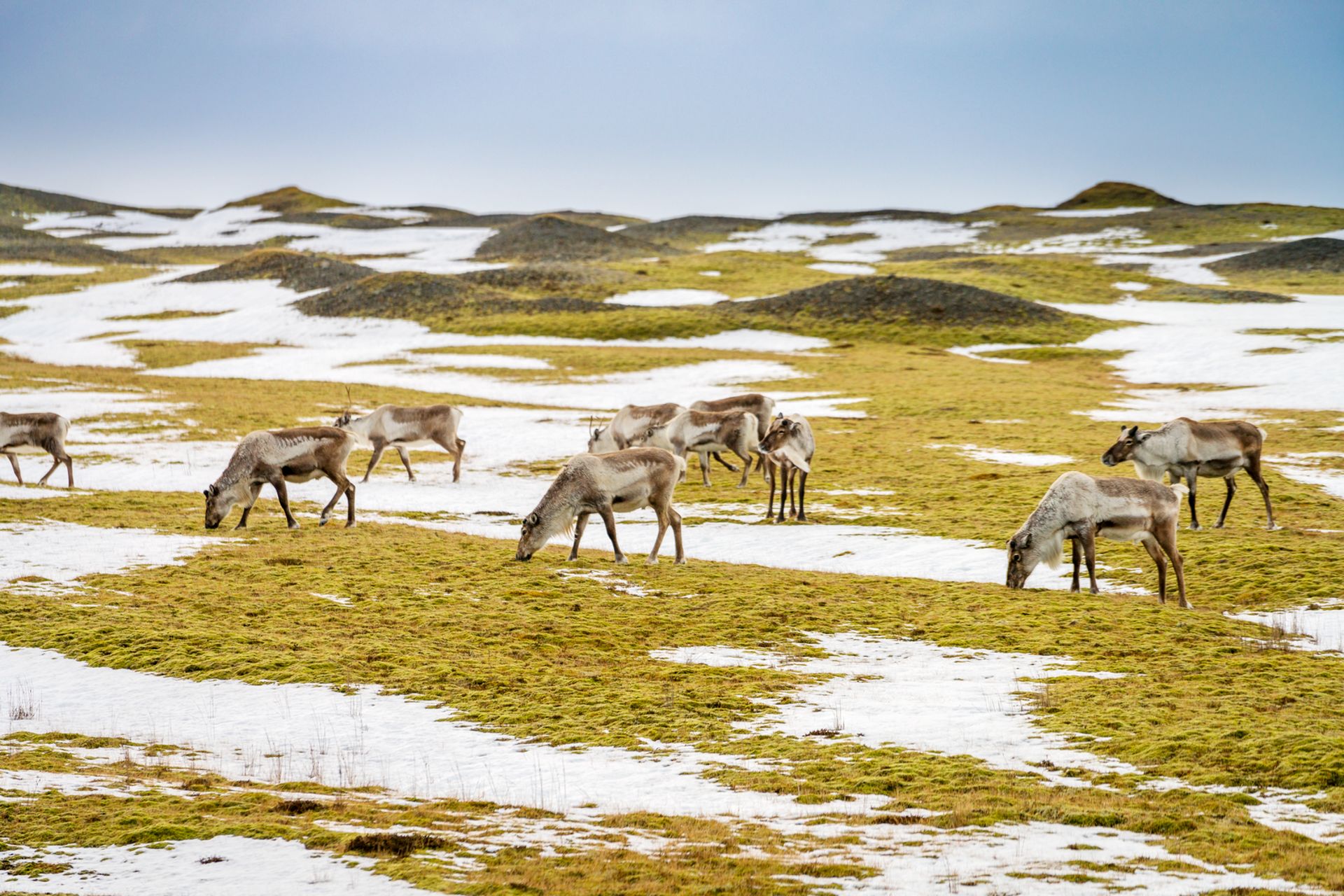
Reindeer in Iceland
Iceland is famous for its glaciers, volcanoes, geysers, and northern lights. But many visitors wonder: Are there reindeer in Iceland? The short answer is yes but seeing them requires some planning. This handy guide covers everything tourists need to know about Icelandic reindeer, including where to find them, their history on the island, and some practical tips.
Are There Reindeer in Iceland?
There are reindeer in Iceland, but they aren't native; the reindeer population in Iceland stems from a small group imported from Norway in the late 18th century. The original intent was to raise them as livestock. However, that plan failed, and the reindeer were released into the wild, where they've remained ever since.
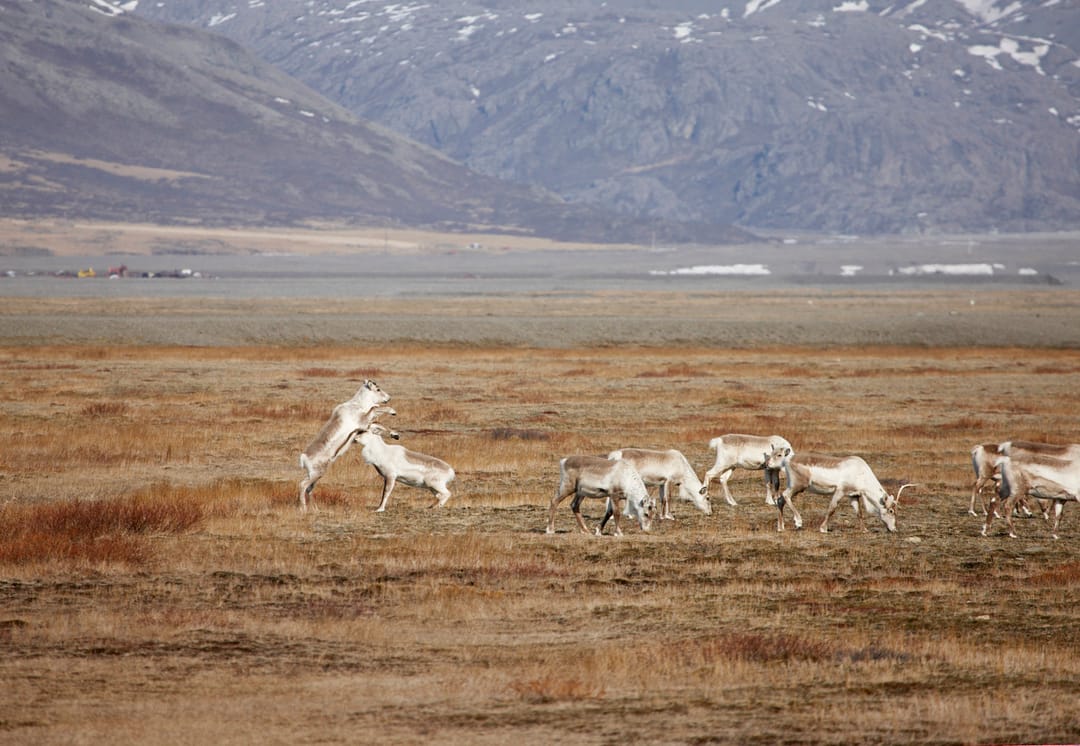
Today, Iceland's reindeer are entirely wild. They have adapted to the country’s harsh environment and roam freely, primarily in East Iceland. Unlike other countries with domesticated or semi-domesticated herds, Iceland’s reindeer live independently, untended by humans.
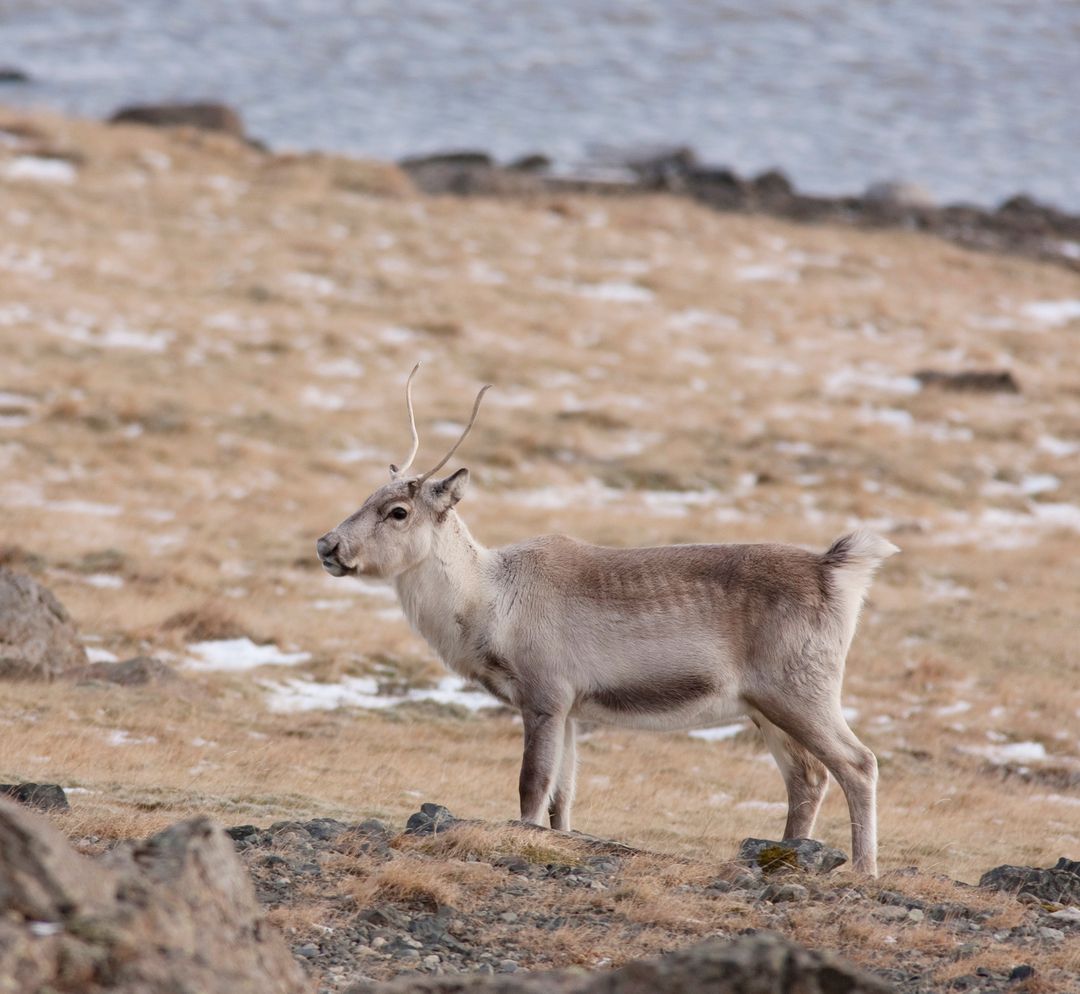
Are Reindeer Native to Iceland?
Reindeer are not indigenous to Iceland; the island's native fauna consists mainly of birds, arctic foxes, seals, and whales. Reindeer were introduced in 1771 when the Danish authorities, who governed Iceland at the time, decided to import several groups of reindeer from Norway. Only the group released in East Iceland survived, and it is from this group that the population that exists today originated.
Where to See Reindeer in Iceland
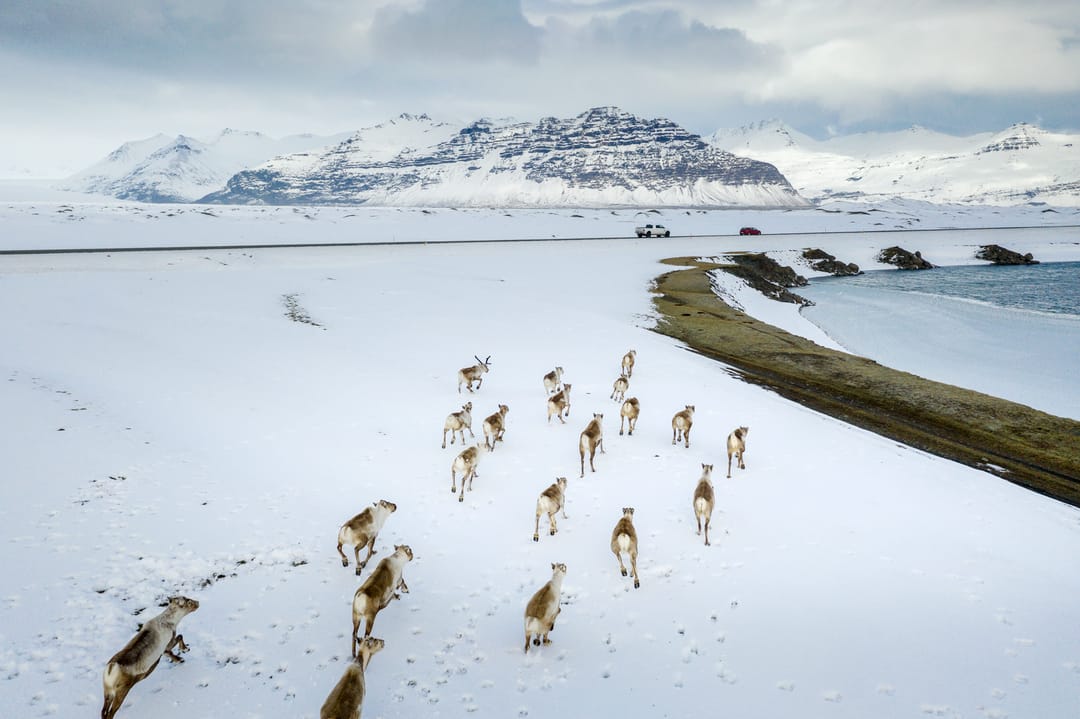
Reindeer are primarily found in East Iceland, and if you're hoping to spot them, head to the regions around Egilsstaðir, Breiðdalsvík, and Seyðisfjörður. In summer, they typically graze at higher elevations in the mountains to avoid the heat and insects. In winter, they move to lower altitudes and can sometimes be seen closer to towns and roads. Joining a local guided tour significantly increases your odds, as experienced guides know where to find the herds.
Do People Eat Reindeer in Iceland?
People eat reindeer meat, but in a controlled and regulated manner. Each year, the Icelandic authorities allow a licensed cull to manage the reindeer population and prevent overgrazing. The meat is considered a delicacy and can be found in some restaurants. If you're curious to try it, check the menus carefully or ask your host where it might be available.
The Perlan Connection: Learn About Icelandic Wildlife Before You Go
If you're visiting Reykjavík before heading east, make sure you stop by Perlan, one of Reykjavík's top attractions. The Wonders of Iceland exhibition offers immersive displays on Iceland's nature, including valuable context about Iceland's fragile ecosystems and the animals that inhabit them. The Arctic exhibit and interactive displays provide visitors with a deeper appreciation for species such as the Arctic fox, seals, and, of course, reindeer. It's an excellent place to begin your Icelandic adventure, helping you understand the environment in which these wild reindeer survive.
Practical Tips for Reindeer Spotting
- Best season: Winter and early spring
- Best region: East Iceland, around Egilsstaðir
- Use a guide: Increases your chance of sightings
- Keep distance: Do not approach or attempt to feed reindeer
- Be prepared: Bring warm clothing, binoculars, and a camera with a zoom lens
Reindeer may not be as iconic as Iceland’s volcanoes or glaciers, but they are a fascinating part of the island's wildlife. For tourists willing to venture from Reykjavík, East Iceland offers a quieter, more remote experience where you can see these wild herds roaming freely.
FAQ
Are reindeer native to Iceland?
No, they were introduced from Norway in the 18th century.
When is the best time to see reindeer?
Winter and early spring offer the best chances to spot reindeer in Iceland.
Can I take a tour to see reindeer?
Yes, guided tours depart from Egilsstaðir.
Is it safe to approach reindeer?
No, keep a safe distance and avoid making noise or approaching them.
Do Icelanders hunt reindeer?
Yes, under strict government regulation.
Is reindeer spotting suitable for families?
Yes, but children should be supervised and keep a respectful distance.
Popular articles
The Complete Guide to the Northern Lights in Iceland
Learn how the Northern Lights form, where to see them in Iceland, how to prepare, take photos, read the forecast, and improve your chances of a sighting.
Let's Talk About the Volcano in Iceland About to Erupt
Is a volcano in Iceland about to erupt? Here’s what travelers should know about Svartsengi, Reykjanes activity, flights, safety, and the Blue Lagoon.
Solar Eclipse 2026 in Iceland | What Happened
Iceland experienced a total solar eclipse on August 12, 2026. Discover what happened in Reykjavík, eclipse times, totality locations and more.
September 2026 updates on the Sundhnúkagígar Eruption in the Reykjanes Peninsula!
The current eruption in the Reykjanes Peninsula, is called Sundhnúkagígar Crater Row. See insights on the seismic activity and volcanic eruptions in the area!
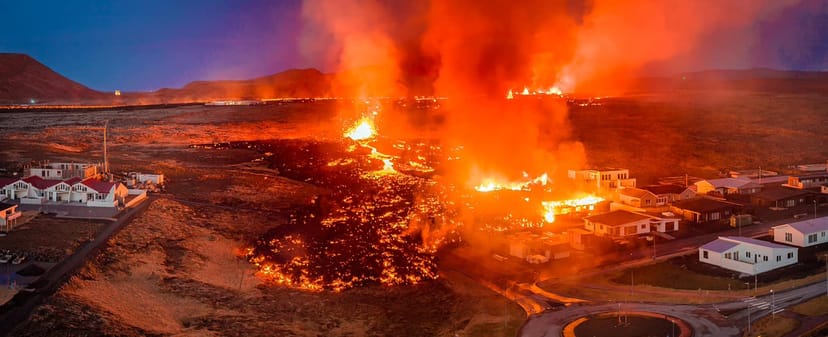
Active Volcanoes in Iceland 2026
Active volcanoes aren't the same thing as active eruptions. A volcano can be considered active even when it is not ejecting ash, rock, gases and magma, so which are active in Iceland in 2026?
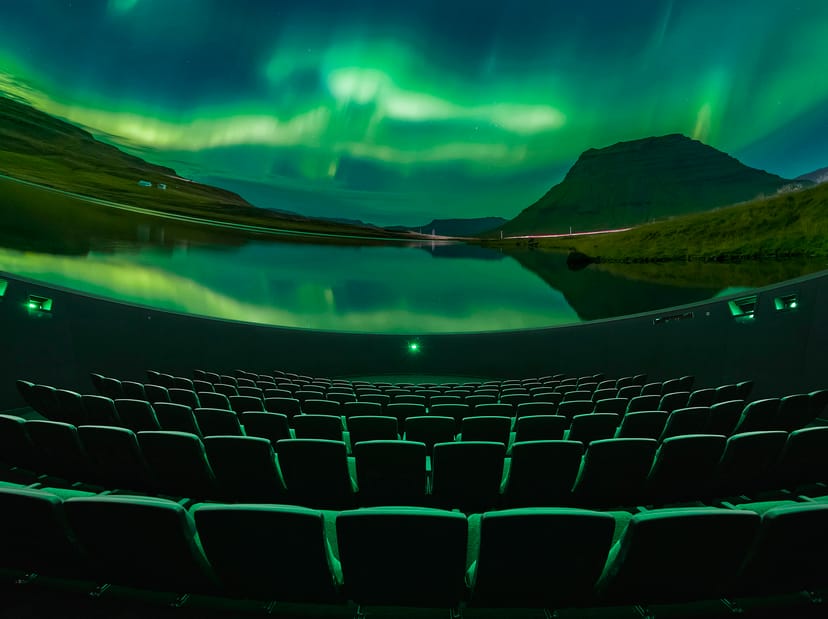
Top 10 Places To See the Northern Lights in Iceland
Discover the best places to see the Northern Lights in Iceland, from Jökulsárlón and Kirkjufell to Reykjavík, Þingvellir and North Iceland.
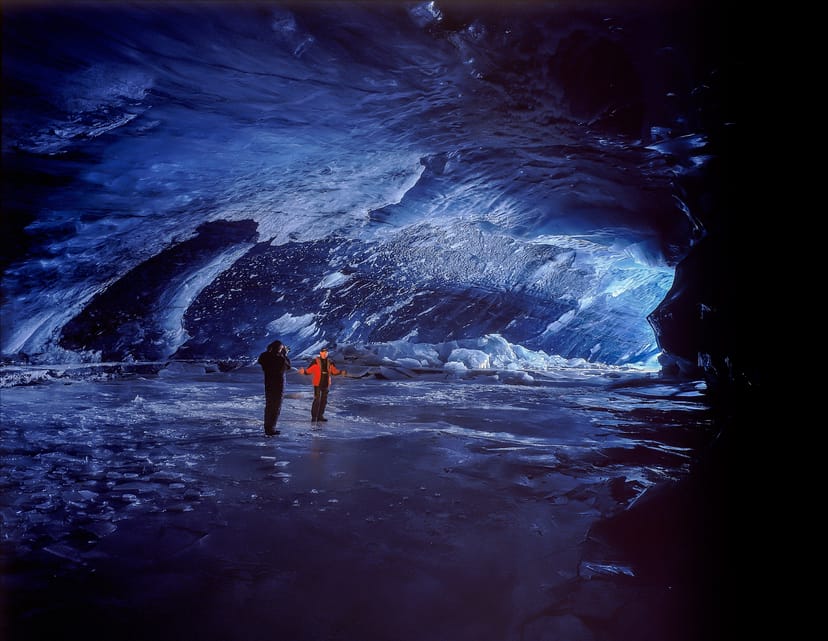
Ice Caves From Reykjavik
Planning an ice cave trip from Reykjavik? Compare Katla, Langjökull and Vatnajökull, travel times, seasons and Perlan’s ice cave in the city.