
Iceland in December: Weather, Daylight and Trip Planning
Planning a trip to Iceland in December? Learn about winter weather, daylight hours, Northern Lights, road conditions and how to make the most of your visit.
December is a good time to visit Iceland if you're prepared for short days, changing weather and a slower travel pace. Reykjavík receives around four hours of daylight near the winter solstice, so planning outdoor activities takes a little more thought. Snow is possible, but rain, wind and icy conditions can also affect your plans.
That doesn't mean you have to spend your trip indoors. From exploring Iceland's winter landscapes to finding things to do in Reykjavík in December, there's still plenty to enjoy. You can also visit geothermal pools or look for the Northern Lights when conditions allow.
This guide covers what to expect from Iceland in December, including daylight, weather, transport and holiday opening hours.
What Is Iceland Like in December?
Iceland in December is quieter than the summer months, with shorter days, winter scenery and festive activities in towns and cities. It's a good time to visit if you enjoy exploring at a slower pace and don't mind adjusting your plans.
The biggest difference is how much you can fit into a day. With limited daylight, longer journeys and outdoor activities need more planning. Weather can also change quickly, so a sightseeing day in Reykjavík may be easier to manage than an excursion into remote areas.
December also brings Christmas celebrations, particularly in the second half of the month. Some businesses reduce their opening hours during the main holidays, making it worth checking schedules before booking your trip.
How Much Daylight Does Iceland Get in December?
Daylight is one of the most important things to consider when visiting Iceland in December. Reykjavík receives around four hours of daylight near the winter solstice, although the exact amount changes throughout the month.
Here's an approximate guide to sunrise and sunset times in Reykjavík:
- 1 December: Sunrise around 10:45 am, sunset around 3:50 pm. Approximately five hours of daylight.
- 15 December: Sunrise around 11:15 am, sunset around 3:30 pm. Approximately four hours and 15 minutes.
- 21 December: Sunrise around 11:20 am, sunset around 3:30 pm. Approximately four hours and 10 minutes.
- 31 December: Sunrise around 11:20 am, sunset around 3:40 pm. Approximately four hours and 20 minutes.
These are rounded examples, and actual times vary slightly by year and location. Twilight also provides some additional visibility before sunrise and after sunset. For more details, see Perlan's guide to sunrise and sunset in Reykjavík.
Making the Most of a Short Winter Day
Rather than trying to fit several distant attractions into one day, focus on what matters most. For a Reykjavík-based trip, a simple daylight plan could look like this:
- Before sunrise: Have breakfast, check the forecast, and travel towards your planned destination.
- Late morning to early afternoon: Prioritise one outdoor nature stop while daylight is strongest.
- Late afternoon: Return to Reykjavík or visit an indoor attraction.
- Evening: Enjoy a geothermal pool or consider a Northern Lights excursion if conditions are suitable.
This approach gives you more flexibility if the weather changes or travelling takes longer than expected. It also means you won't have to rush between attractions just to see everything before sunset.
Iceland's December Weather: What to Expect
December is one of Iceland's colder months, but temperatures alone don't tell you what a day outdoors will feel like. In Reykjavík, temperatures often hover around freezing, although warmer and colder spells are possible.
Wind and precipitation can make a bigger difference to your plans. Rain, snow and sleet are all possible, sometimes within the same day. Strong winds can make exposed viewpoints uncomfortable, while freezing conditions may leave roads and pavements slippery.
Does the Weather Change Across Iceland?
Conditions vary depending on where you're travelling. Coastal areas often experience milder temperatures and more rain, while inland and higher areas can be colder and snowier. Northern Iceland generally has colder winter conditions than Reykjavík, but snowfall isn't guaranteed anywhere. Mountain roads and remote routes can also be more difficult to access during winter.
The same forecast can affect different activities in different ways. A windy afternoon might still allow time for museums and cafés in Reykjavík. However, exposed roads or poor visibility could make a longer excursion unsuitable.
Before travelling, check the latest weather forecast, road conditions and any warnings affecting your route. Don't assume conditions will remain the same throughout the day.
Planning a December Day Around the Weather
A December itinerary works best when there's room to change plans. Instead of booking several outdoor stops back-to-back, choose one main activity and keep another option available.
For example, you might plan a Golden Circle day trip from Reykjavík. If the forecast changes, here's how you could adjust:
Plan A: Conditions Allow for Outdoor Sightseeing
- Morning: Check the forecast and road conditions before leaving Reykjavík.
- Midday: Visit a Golden Circle attraction during the brightest part of the day.
- Afternoon: Return towards Reykjavík before daylight fades, allowing enough time for the journey.
- Evening: Relax at your accommodation or enjoy a geothermal pool if it's open.
Plan B: Weather Makes the Excursion Unsuitable
- Morning: Stay in Reykjavík and choose an indoor activity instead of travelling further.
- Midday: Visit a museum or exhibition, depending on opening hours.
- Afternoon: Enjoy a nearby café or another sheltered activity if conditions permit.
- Evening: Check the following day's forecast before deciding whether to reschedule your excursion.
December Expectations Versus Reality
A few things are worth keeping in mind when planning your trip:
- Expect snow everywhere? Reykjavík can experience rain, sleet or snow, and conditions change throughout the month.
- Planning several distant stops? Limited daylight and winter roads may leave less sightseeing time than expected.
- Hoping to see the Northern Lights? December offers long nights, but clear skies and suitable solar activity are still necessary.
- Assuming tours always operate? Weather and road conditions can lead to cancellations or changes, even for organised excursions.
You don't need perfect weather to enjoy Iceland in December. Having an alternative simply gives you more ways to make the most of your visit.
Getting Around Iceland in December
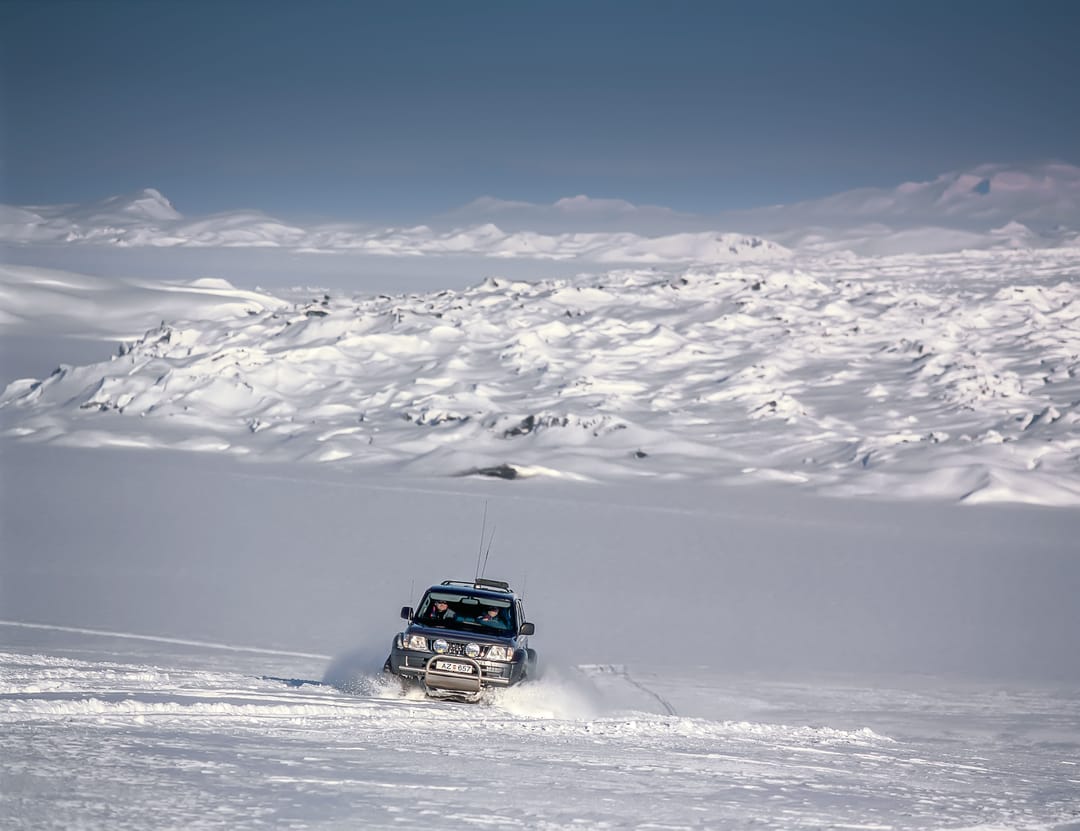
Travelling around Iceland in December takes more planning than during the summer. Snow, ice, strong winds and limited daylight can affect roads, even when conditions seem manageable in Reykjavík.
Renting a car gives you flexibility, but winter driving requires experience and preparation. Check road conditions before setting off, allow extra travel time and avoid unfamiliar routes during severe weather. Some mountain roads are closed throughout winter, while other routes may become temporarily impassable.
Before setting off, check forecasts from the Icelandic Meteorological Office and road updates from the Icelandic Road and Coastal Administration. Pay attention to weather warnings, road closures and changing visibility. Conditions can differ considerably between Reykjavík and more remote areas.
Should You Drive or Book a Guided Tour?
If you're uncomfortable driving in winter conditions, organised tours can be a practical alternative. They allow you to explore places beyond Reykjavík without navigating unfamiliar roads yourself.
However, guided tours aren't immune to bad weather. Operators may change routes, delay departures, or cancel excursions when conditions become unsafe. Check cancellation policies and keep some flexibility in your itinerary.
For a first December visit, staying in Reykjavík and choosing a few day trips can be easier than travelling between several regions.
What Can You Do in Iceland in December?
There's still plenty to experience in Iceland during December, even with shorter days. The key is choosing activities that suit the weather and leaving longer excursions for suitable conditions.
Explore Reykjavík and Its Indoor Attractions
Reykjavík is a convenient place to spend days when travelling further isn't practical. Museums, galleries, cafés and geothermal pools offer alternatives to outdoor sightseeing, depending on opening hours.
For more ideas, explore things to do in Reykjavík in winter. You can also visit Perlan’s exhibitions to learn about Iceland's glaciers, volcanoes and Northern Lights.
Visit Waterfalls and Winter Landscapes
Waterfalls, geothermal areas and coastal scenery remain popular during December. The Golden Circle is a common choice for visitors staying in Reykjavík, although conditions can affect access.
If you're interested in glaciers, guided excursions may offer opportunities to explore icy landscapes. Some tours visit natural ice caves, but availability depends on weather and safety assessments. Our guide to ice caves from Reykjavík explains what to consider when planning these excursions.
Look for the Northern Lights
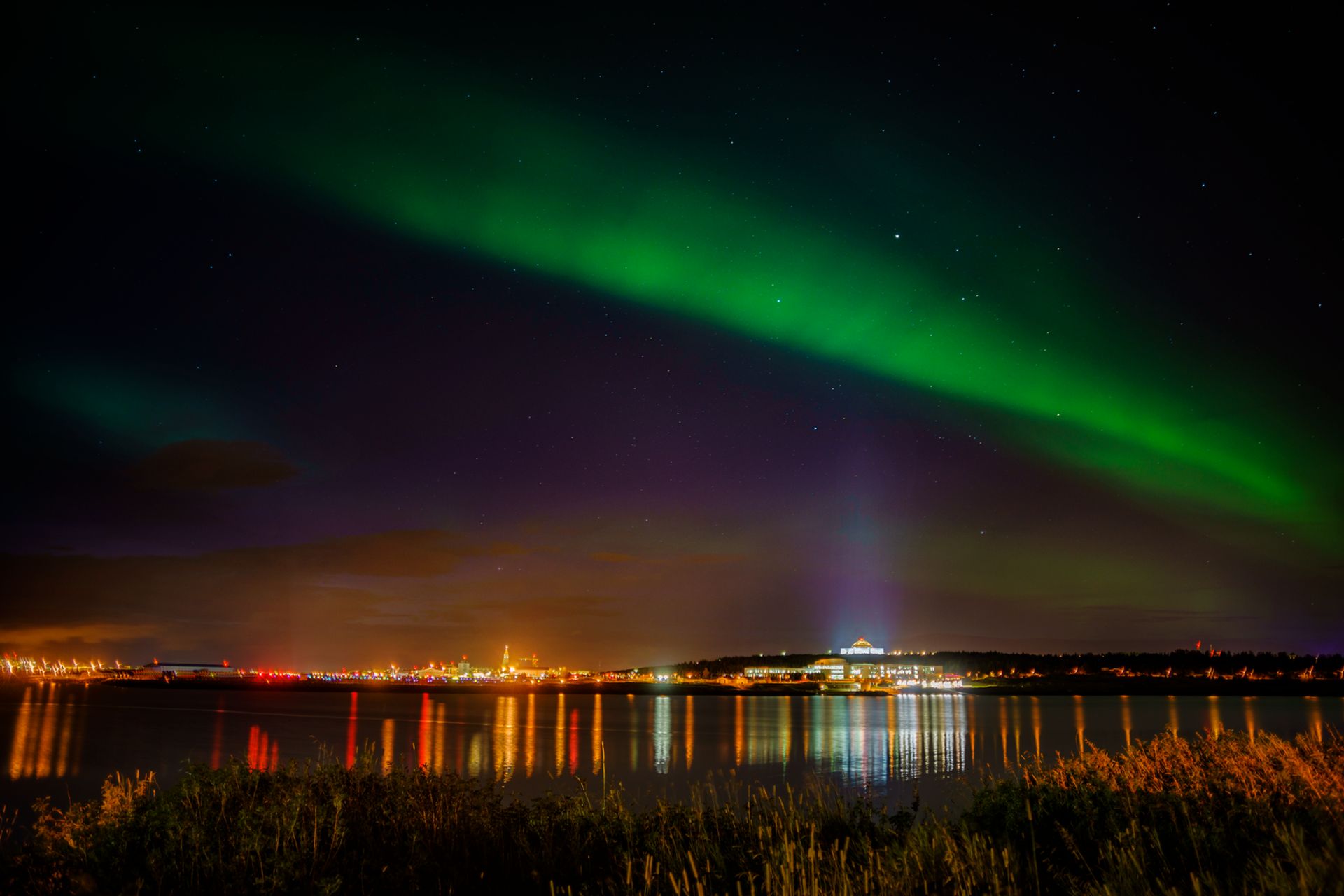
December's long nights provide opportunities to see the Northern Lights, but sightings are never guaranteed. Clear skies, suitable solar activity and a location away from excessive artificial light can improve viewing conditions.
If seeing the aurora is a priority, it's worth keeping more than one evening available. You can learn more about the northern lights season in Iceland before planning your trip.
Enjoy Geothermal Pools
Geothermal pools are a popular way to spend time outdoors during Iceland's colder months. Warm water makes them enjoyable even when the surrounding air feels chilly.
Opening hours vary by location and may change during the Christmas holidays. Check schedules before visiting, particularly if you're travelling outside Reykjavík.
Christmas and Holiday Opening Hours in December
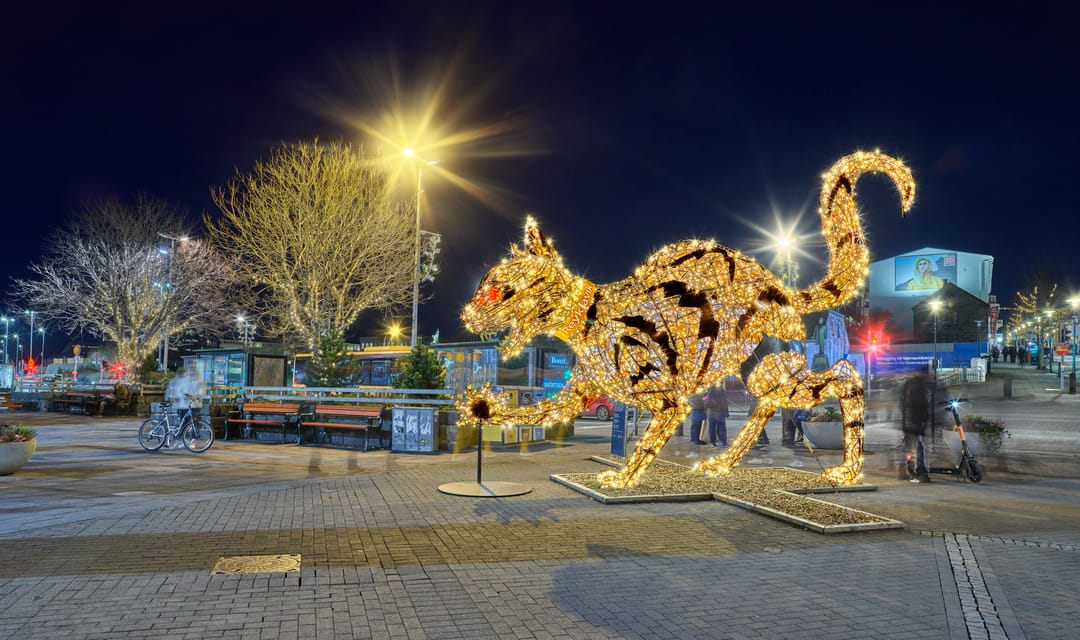
December brings Christmas celebrations across Iceland, but the holiday period can affect your travel plans. Reykjavík has festive lights, seasonal events and concerts, particularly in the weeks leading up to Christmas.
The biggest changes happen between 24 and 26 December. Christmas Eve is an important family celebration, and many businesses close early. Restaurants, shops, museums and transport services may also operate on reduced schedules during Christmas Day and Boxing Day.
If you're visiting over these dates, arrange meals and check opening hours before travelling. Our guide to Christmas in Reykjavík covers more of the city's festive traditions and seasonal experiences.
What to Pack for Iceland in December
Packing for Iceland in December is mostly about staying comfortable as conditions change. You might spend the morning exploring Reykjavík, followed by several hours outdoors in wind, rain, or snow.
Rather than bringing several heavy coats, choose clothing you can layer and adjust throughout the day. A few essentials worth packing include:
- Thermal base layers: Choose breathable materials that help keep moisture away from your skin.
- Warm middle layers: A fleece or wool jumper provides insulation beneath your jacket.
- Waterproof outerwear: Bring a windproof, waterproof jacket and suitable trousers for outdoor activities.
- Comfortable winter boots: Look for waterproof footwear with good grip, especially for icy pavements and wet paths.
- Winter accessories: Pack warm socks, gloves, a hat and a neck warmer.
- Daypack essentials: Carry spare dry gloves, water, snacks and a charged phone with a power bank.
You may need additional insulation for longer outdoor activities, particularly when standing still. For glacier excursions or other guided activities, follow your tour operator's equipment instructions. Check the forecast shortly before travelling, but don't rely on it staying the same throughout your visit. Having a few adaptable layers is generally more useful than packing for one particular temperature.
FAQs About Visiting Iceland in December
Yes, December can be a good time to visit Iceland if you're comfortable with short days and changing weather. It's particularly suitable for winter scenery, geothermal pools and Northern Lights excursions.
Temperatures in Reykjavík often hover around freezing, although colder and milder periods are possible. Wind, rain and snow can make conditions feel colder, especially outdoors.
Reykjavík receives roughly four hours of daylight near the winter solstice. Earlier in December, days are slightly longer, and twilight provides additional visibility around sunrise and sunset.
Snow is common in some parts of Iceland during December, but it isn't guaranteed everywhere. Reykjavík may experience rain, sleet, or snow, sometimes within the same week.
Yes, December's long nights offer opportunities to see the Northern Lights. However, sightings depend on cloud cover, solar activity, and viewing conditions, so they cannot be guaranteed.
Popular articles
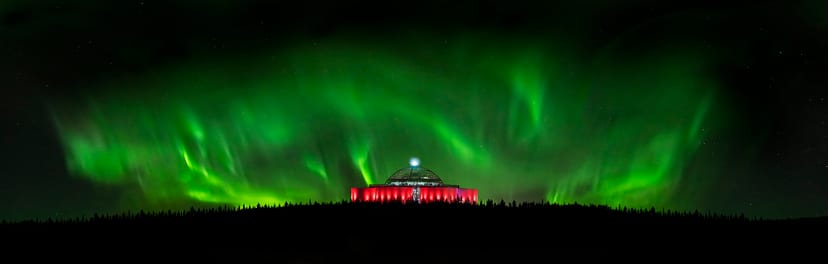
The Complete Guide to the Northern Lights in Iceland
Learn how the Northern Lights form, where to see them in Iceland, how to prepare, take photos, read the forecast, and improve your chances of a sighting.
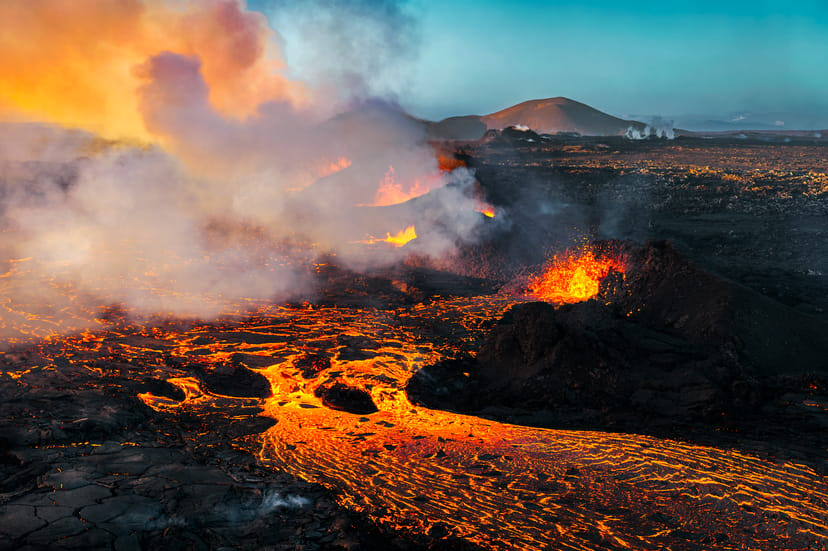
Let's Talk About the Volcano in Iceland About to Erupt
Is a volcano in Iceland about to erupt? Here’s what travelers should know about Svartsengi, Reykjanes activity, flights, safety, and the Blue Lagoon.
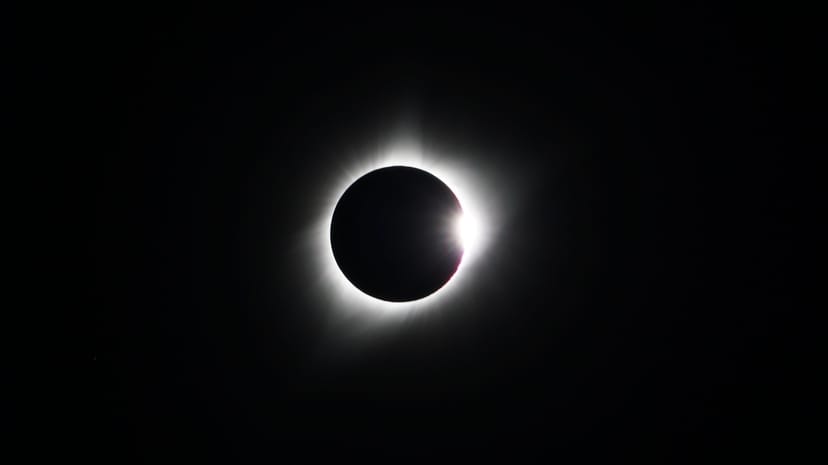
Solar Eclipse 2026 in Iceland | What Happened
Iceland experienced a total solar eclipse on August 12, 2026. Discover what happened in Reykjavík, eclipse times, totality locations and more.
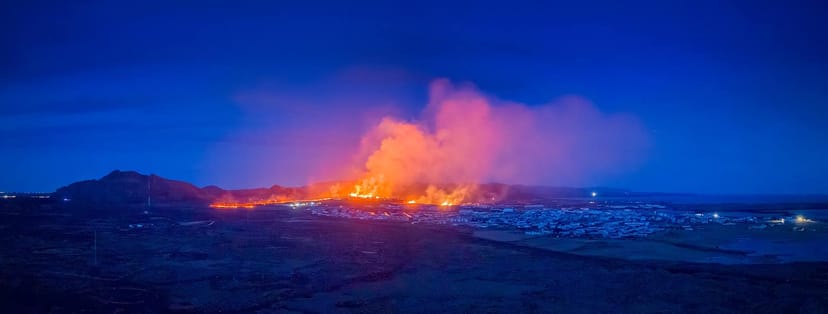
September 2026 updates on the Sundhnúkagígar Eruption in the Reykjanes Peninsula!
The current eruption in the Reykjanes Peninsula, is called Sundhnúkagígar Crater Row. See insights on the seismic activity and volcanic eruptions in the area!
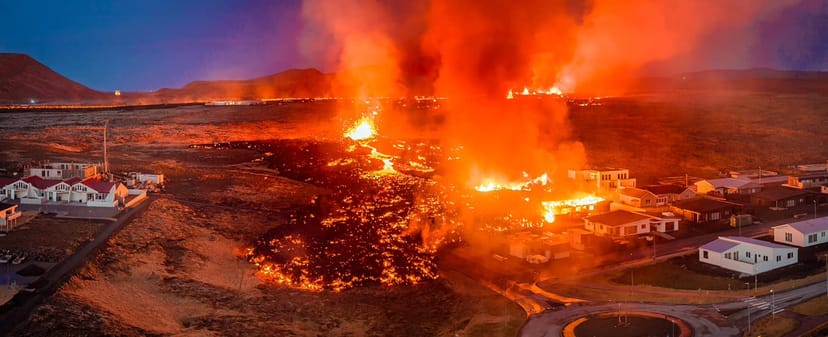
Active Volcanoes in Iceland 2026
Active volcanoes aren't the same thing as active eruptions. A volcano can be considered active even when it is not ejecting ash, rock, gases and magma, so which are active in Iceland in 2026?
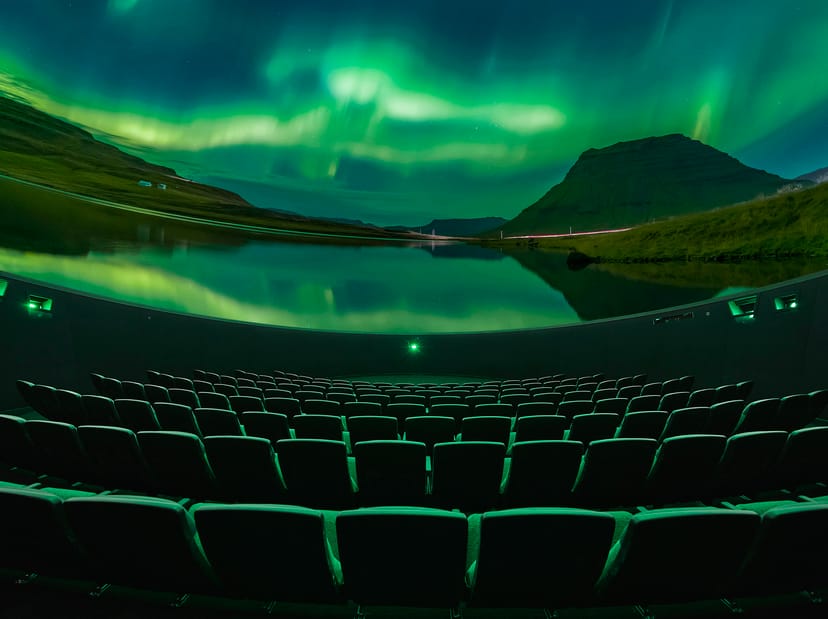
Top 10 Places To See the Northern Lights in Iceland
Discover the best places to see the Northern Lights in Iceland, from Jökulsárlón and Kirkjufell to Reykjavík, Þingvellir and North Iceland.
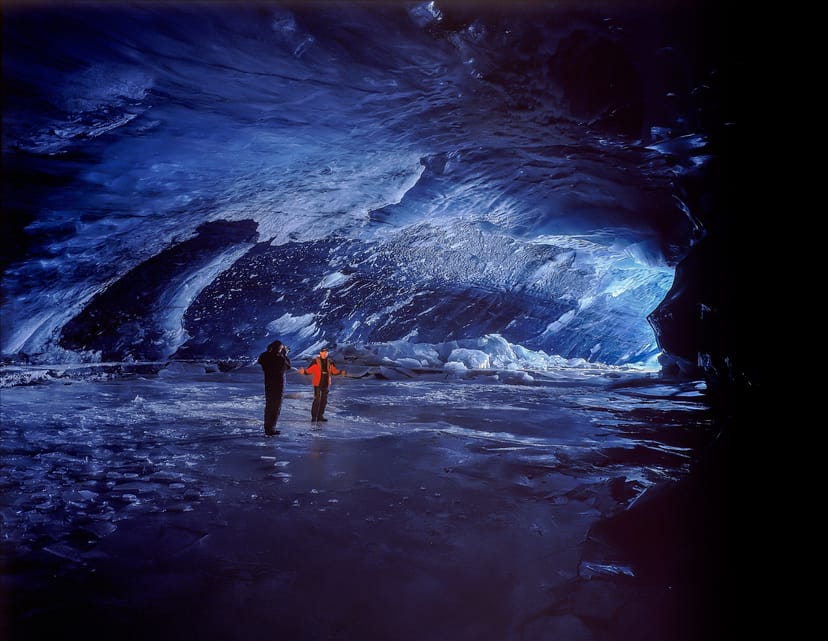
Ice Caves From Reykjavik
Planning an ice cave trip from Reykjavik? Compare Katla, Langjökull and Vatnajökull, travel times, seasons and Perlan’s ice cave in the city.