
How Much Snow Does Iceland Get?
How much snow does Iceland get? Explore snowfall in Reykjavík, northern Iceland and the highlands, plus when and where visitors are most likely to see snow.
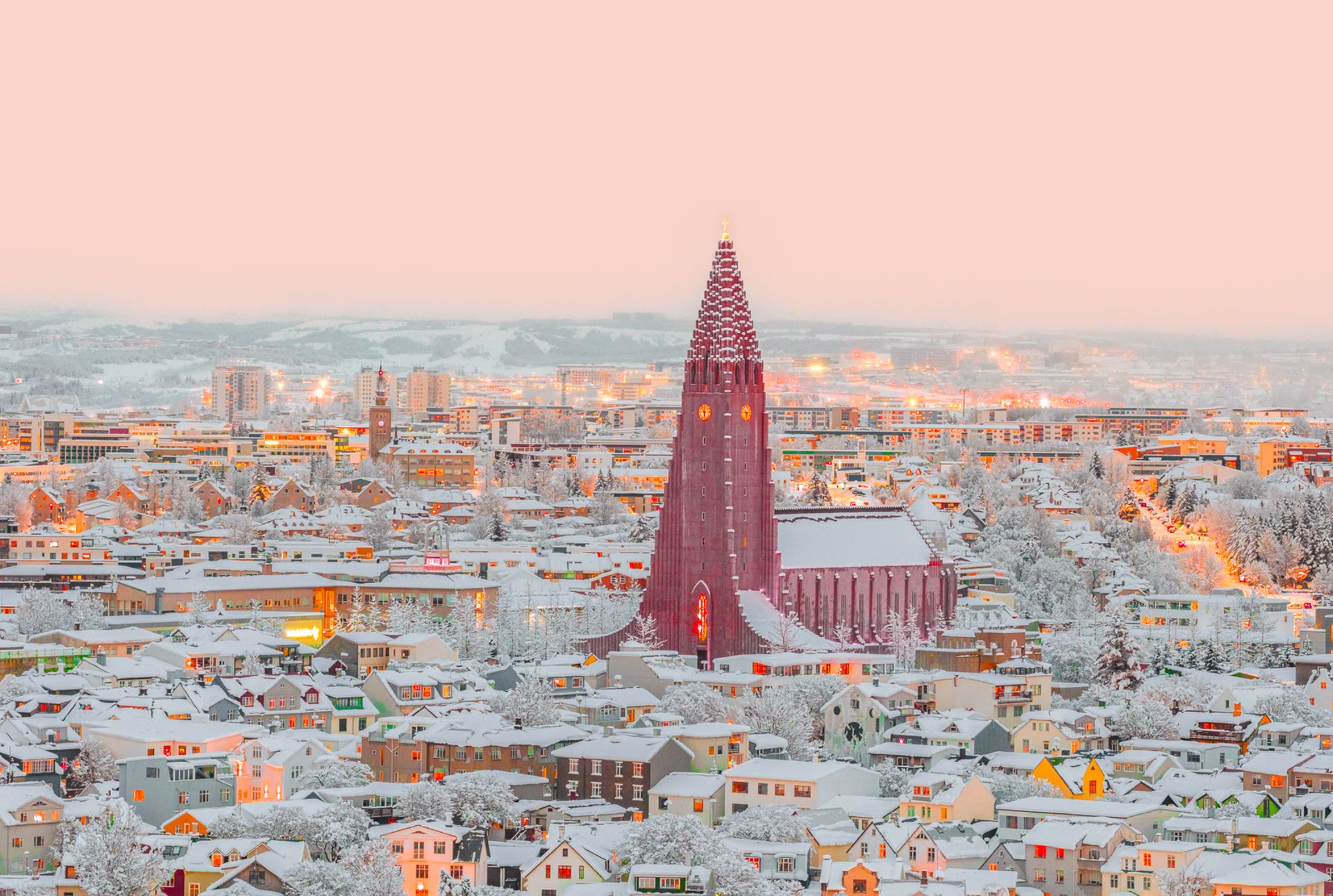
Iceland gets snow every winter, but the amount varies considerably depending on the region, elevation, and weather. Reykjavík's relatively mild coastal climate means snow often melts between storms. Northern Iceland, inland valleys, and higher elevations generally experience colder conditions and longer periods of snow cover.
So, how much snow does Iceland get in a typical year? There is no single snowfall figure that accurately represents the entire country. Snowfall, snow depth, and the length of time snow stays on the ground all vary by location.
These differences can help you decide when and where to visit if you're hoping to see snowy landscapes. You can also experience Iceland's frozen landscapes year-round at Perlan's Ice Cave and Glacier Exhibition in Reykjavík.
How Much Snow Falls in Different Parts of Iceland?
Snowfall varies considerably across Iceland. Coastal temperatures, elevation, and local weather patterns all affect how much snow falls and how long it stays. A snowy day in northern Iceland might look very different from the same day in Reykjavík.
Reykjavík and Southwest Iceland
Reykjavík receives snow most winters, but it doesn't always stay on the ground for long. The city's coastal location brings relatively mild temperatures, allowing snow to melt between colder spells.
Visitors may experience snowy streets one day and wet pavements the next. This makes Reykjavík less reliable for continuous snow cover than some inland or higher-elevation locations.
Northern Iceland
Northern towns, including Akureyri, generally experience colder winters and more persistent snow cover than Reykjavík. Snow can remain on the ground for longer, particularly during sustained cold weather.
However, conditions still vary between coastal towns, inland valleys and mountain areas. Even northern Iceland can experience warmer periods that affect snow cover.
Inland Valleys and the Highlands
Higher elevations and inland areas often experience colder conditions, allowing snow to accumulate and remain longer. Some mountain areas retain snow well into spring or summer.
The highlands are also difficult to access during winter. Many mountain roads close seasonally, so visitors shouldn't assume snowy locations are reachable by ordinary vehicles.
When Does It Snow in Iceland?
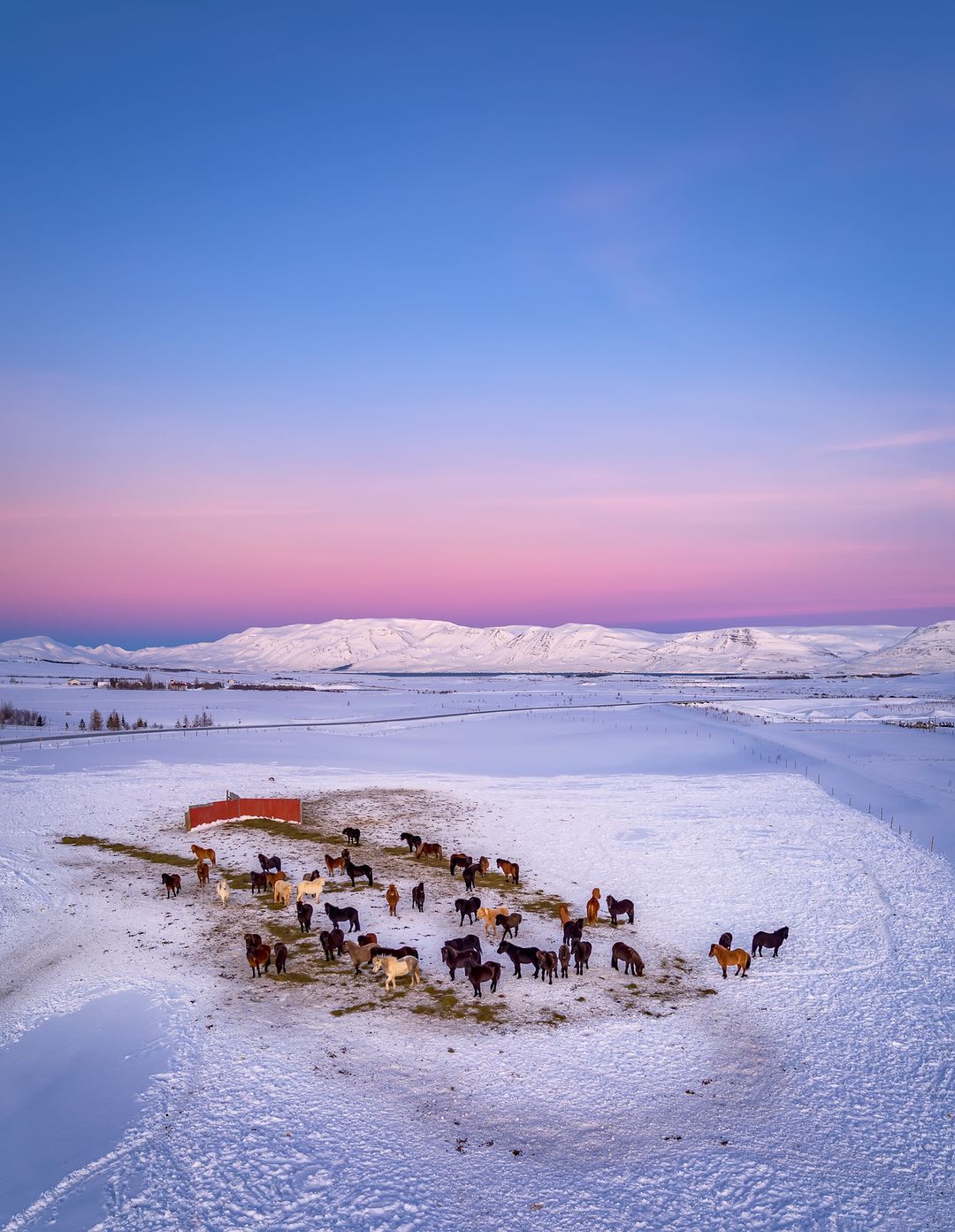
Snow is most common during Iceland's colder months, although the timing varies across the country. Some higher areas receive their first snowfall in autumn, while coastal towns may experience rain instead.
Autumn and Early Winter: October to December
Snow becomes increasingly likely as temperatures fall, particularly in northern Iceland and at higher elevations. Reykjavík may see its first snowfall during autumn, but early snow doesn't always last.
By December, winter conditions are more established across much of the country. Still, visitors shouldn't expect every town or landscape to be covered in snow.
Midwinter: January to March
January, February and March generally offer better opportunities to encounter snow in many parts of Iceland. Colder conditions can help snow remain on the ground, especially away from the milder southwest coast.
That doesn't mean snowfall is constant. Weather systems can bring rain, thawing temperatures, or strong winds, even during the middle of winter.
Spring and Summer: April to September
Snow cover usually decreases during spring as temperatures rise and daylight increases. However, northern areas, mountains, and higher elevations may retain snow longer.
During summer, most accessible lowland areas are generally free of snow. Glaciers and some high mountain areas remain icy or snow-covered, although conditions change throughout the season.
Why Some Parts of Iceland Get More Snow
Iceland's location in the North Atlantic plays an important role in its snowfall patterns. Weather systems bring moisture across the island, while temperature and elevation determine whether it falls as rain or snow.
Coastal Temperatures and Ocean Influence
The ocean helps moderate temperatures around Iceland's coastline. This is one reason Reykjavík can see rain in winter, even when inland areas receive snow.
Cold air can still bring heavy snowfall to coastal towns. However, milder periods may cause snow to melt relatively quickly, making snow cover less consistent.
Mountains, Elevation and Wind
Temperatures generally decrease with altitude, so higher areas are more likely to experience snow when conditions are suitable. Mountains can also force moist air upwards, causing it to cool and release precipitation.
Wind affects where snow collects after it falls. Strong winds can move snow into sheltered areas, creating deep drifts while leaving nearby ground relatively clear.
These differences explain why two locations can have very different snow conditions, even when they're only a short distance apart.
Snowfall vs Snow Depth: What's the Difference?
When people ask how much snow Iceland gets, they may be referring to different measurements. Snowfall describes the amount of new snow that falls during a period. Snow depth measures how much snow is lying on the ground at a particular time.
For example, a town might receive several snowfalls during winter without maintaining deep snow cover. Warmer temperatures, rain, and melting can reduce the amount left on the ground between storms.
Why Snow Cover Changes So Quickly
Snow doesn't always remain where it falls. Wind can move it into drifts, while rain and warmer air can cause it to melt or become more compact.
This is why snowfall totals alone don't tell visitors whether they'll see snowy streets or landscapes. Recent weather and local conditions are often more useful when planning a trip.
Snow cover also differs from the ice found on Iceland's glaciers. Glaciers form through the gradual accumulation and compression of snow over many years. You can learn more about glaciers in Iceland and how these frozen landscapes develop.
Where Can Visitors See Snow in Iceland?
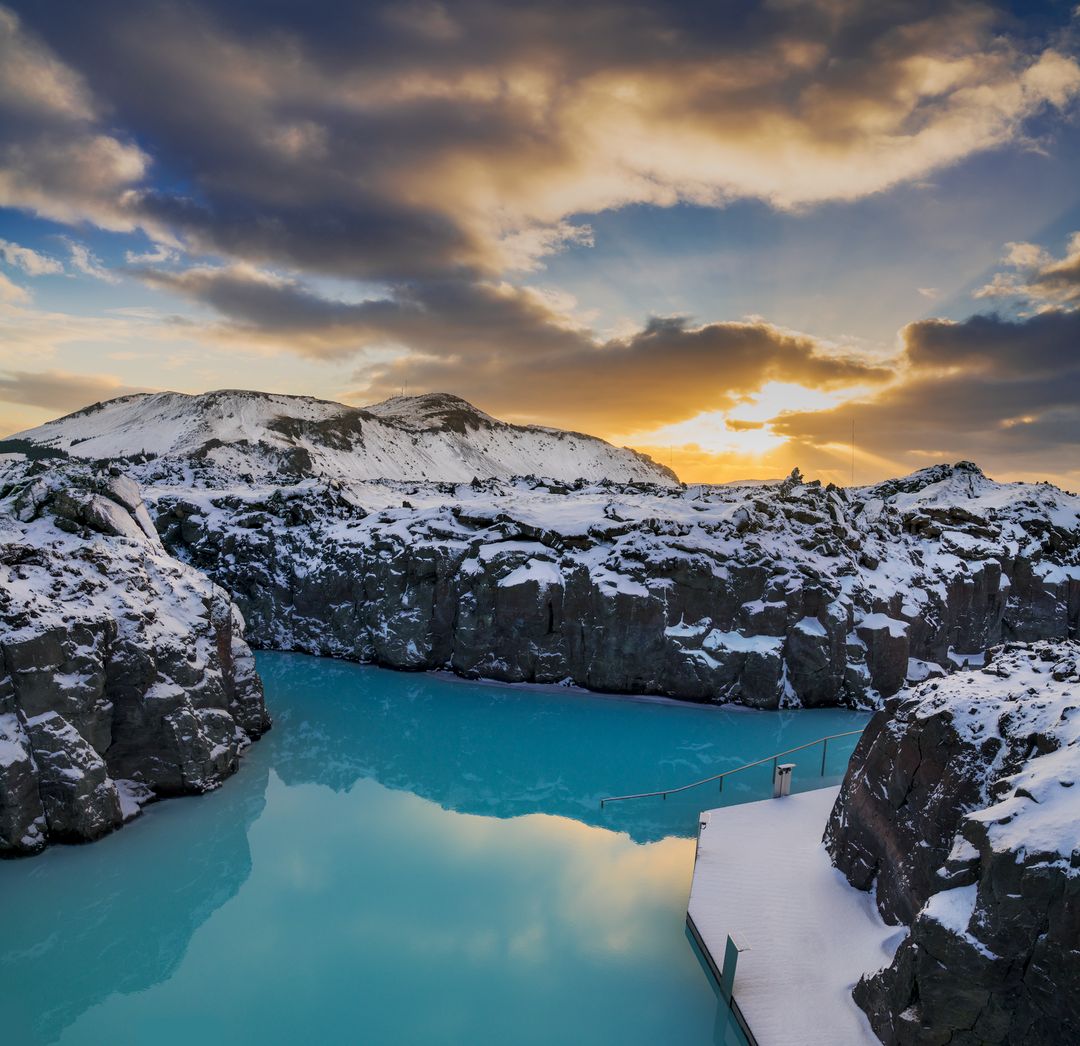
If seeing snow is a priority, consider spending part of your trip in northern Iceland. Akureyri can be a useful base for exploring nearby winter landscapes, provided travel conditions allow.
Akureyri and the surrounding northern landscapes are popular choices for winter scenery. Mountain areas may also remain snowy when lower ground is clear. However, reaching these locations depends on road conditions and seasonal access.
For visitors staying in Reykjavík, nearby mountains may offer snowy views even when there's little snow in the city. You can also explore things to do in Reykjavík in winter if the weather limits outdoor travel.
Can You Plan a Trip Around Snow?
January to March is generally a good time to visit Iceland if you're hoping to see snow. Northern Iceland and higher elevations often have more persistent snow cover than Reykjavík. However, snowfall and road conditions vary, so choose your destination carefully and keep your plans flexible.
Before travelling, check recent weather reports and road conditions rather than relying on seasonal averages. If seeing snowy landscapes is a priority, allow flexibility in your itinerary.
Does Snow Stay on Iceland's Glaciers All Year?
Iceland's glaciers remain covered by ice throughout the year, although their surfaces change with the seasons. Fresh snow often accumulates during colder months, while warmer weather can expose older ice in some areas.
Over time, layers of accumulated snow become compressed into dense glacial ice. This process takes many years and requires enough snow to survive the warmer seasons.
How Are Glaciers Different From Seasonal Snow?
Seasonal snow may disappear when temperatures rise, but glaciers contain ice formed through long-term accumulation. They also move slowly under their own weight, shaping the landscape beneath them.
Large ice caps cover several of Iceland's mountain regions. If you're curious about how these develop, Perlan's guide explains what an ice cap is.
You don't need fresh snowfall to see a glacier. Many can be viewed throughout the year, although access and visibility depend on conditions. Our guide to the best time to see glaciers in Iceland covers seasonal considerations.
Planning a Trip Around Snowy Weather
Snow can make Iceland's landscapes look very different, but it can also affect how you travel. Roads and walking paths may become slippery, while strong winds can reduce visibility and create snowdrifts.
If you're planning to explore beyond Reykjavík, check the weather forecast and road conditions before setting off. Guided tours may be a practical option if you're unfamiliar with winter driving, although they can also be cancelled during severe weather.
What If There Isn't Much Snow During Your Visit?
You can still enjoy Iceland's winter scenery without fresh snowfall. Coastal landscapes, geothermal areas and waterfalls offer plenty to explore, depending on the weather and local conditions.
If the weather makes outdoor plans difficult, Reykjavík has several indoor attractions worth visiting. Museums, galleries and cultural exhibitions offer alternatives when travelling further isn't practical. Check opening hours before visiting, especially during public holidays.
FAQs About Snow in Iceland
Yes, Reykjavík typically experiences snowfall during winter. However, its coastal climate means snow may melt between colder periods, so continuous snow cover isn't guaranteed.
Some mountain areas retain snow well into summer, while Iceland's glaciers contain ice throughout the year. Most lowland areas are generally snow-free during summer.
Snow is possible across Iceland in December, particularly in northern and higher-elevation areas. Reykjavík may experience rain, sleet, or snow, depending on the weather.
Northern Iceland, inland valleys, and higher elevations generally offer better chances of lasting snow cover. However, weather and road conditions can affect access.
Yes. Glaciers contain ice formed over many years, so fresh snowfall isn't necessary to see them. Visibility and access still depend on local conditions.
No. Northern Lights visibility depends on solar activity, darkness, and clear skies, not snowfall. In fact, heavy snowfall and cloud cover can prevent sightings.
Popular articles
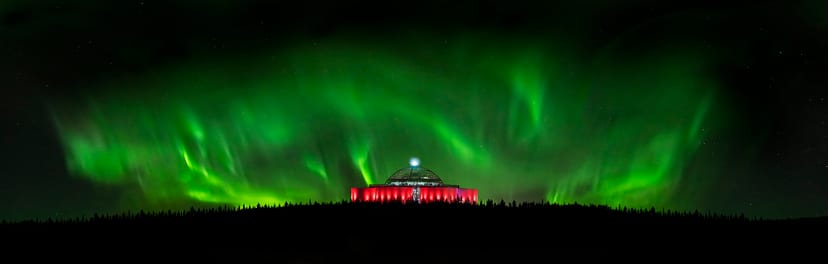
The Complete Guide to the Northern Lights in Iceland
Learn how the Northern Lights form, where to see them in Iceland, how to prepare, take photos, read the forecast, and improve your chances of a sighting.
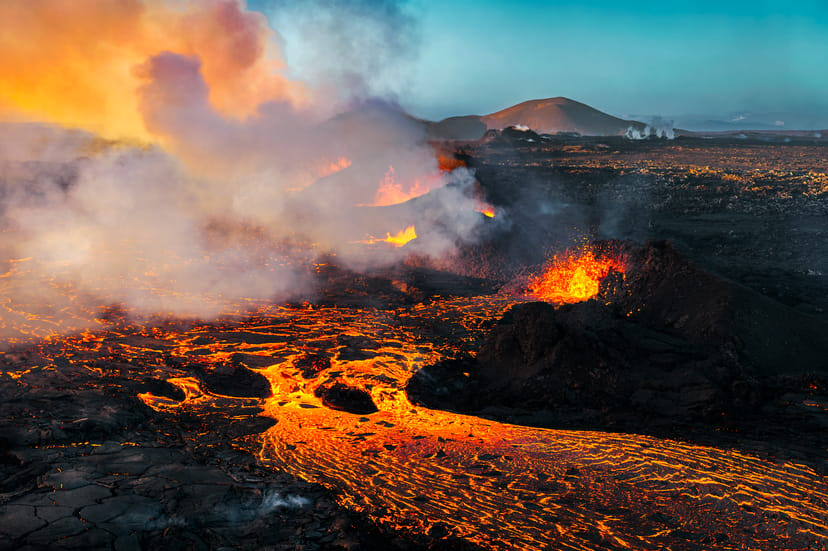
Let's Talk About the Volcano in Iceland About to Erupt
Is a volcano in Iceland about to erupt? Here’s what travelers should know about Svartsengi, Reykjanes activity, flights, safety, and the Blue Lagoon.
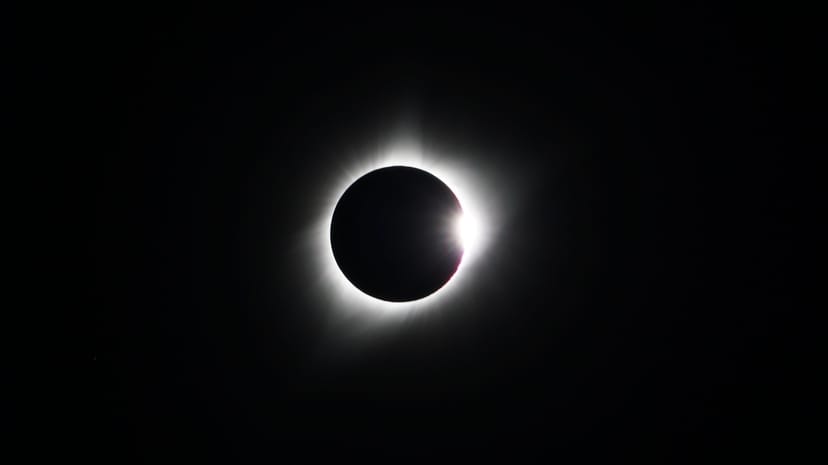
Solar Eclipse 2026 in Iceland | What Happened
Iceland experienced a total solar eclipse on August 12, 2026. Discover what happened in Reykjavík, eclipse times, totality locations and more.
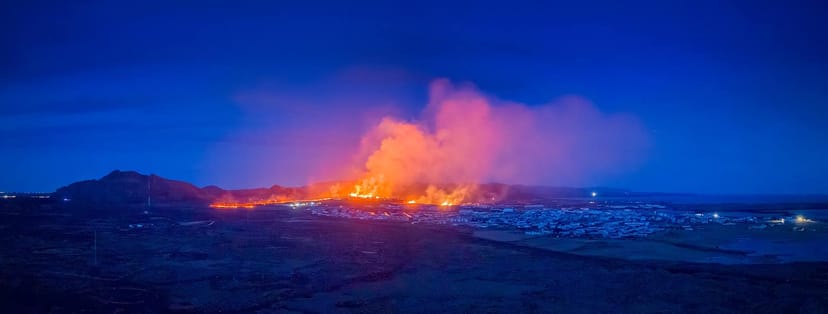
September 2026 updates on the Sundhnúkagígar Eruption in the Reykjanes Peninsula!
The current eruption in the Reykjanes Peninsula, is called Sundhnúkagígar Crater Row. See insights on the seismic activity and volcanic eruptions in the area!
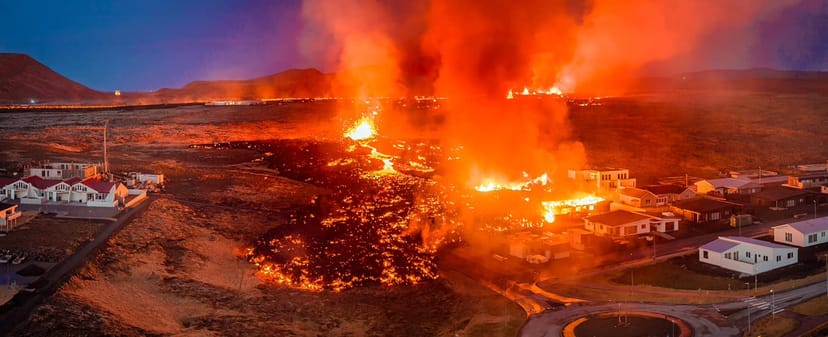
Active Volcanoes in Iceland 2026
Active volcanoes aren't the same thing as active eruptions. A volcano can be considered active even when it is not ejecting ash, rock, gases and magma, so which are active in Iceland in 2026?
Top 10 Places To See the Northern Lights in Iceland
Discover the best places to see the Northern Lights in Iceland, from Jökulsárlón and Kirkjufell to Reykjavík, Þingvellir and North Iceland.
Ice Caves From Reykjavik
Planning an ice cave trip from Reykjavik? Compare Katla, Langjökull and Vatnajökull, travel times, seasons and Perlan’s ice cave in the city.