
Guide to Waterfalls in West Iceland
When it comes to beautiful waterfalls, West Iceland has more than its fair share. From the weeping silver veins of Hraunfossar to the dizzying height of Glymur, these are essential stops on any road trip. Within easy reach of Reykjavík, West Iceland offers an idyllic nature escape without the crowds of the South.
Best Waterfalls in West Iceland to Visit
This guide covers the must-visit West Iceland waterfalls, including Hraunfossar, Glymur, Kirkjufellsfoss, and several gems across the Snæfellsnes Peninsula.
Hraunfossar
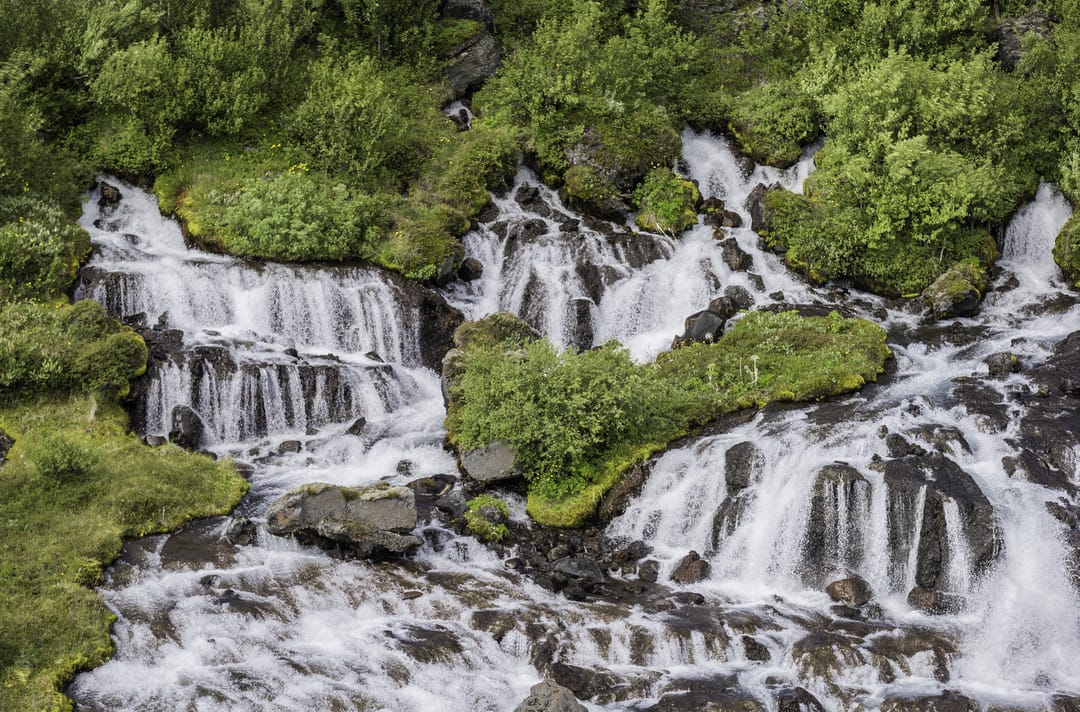
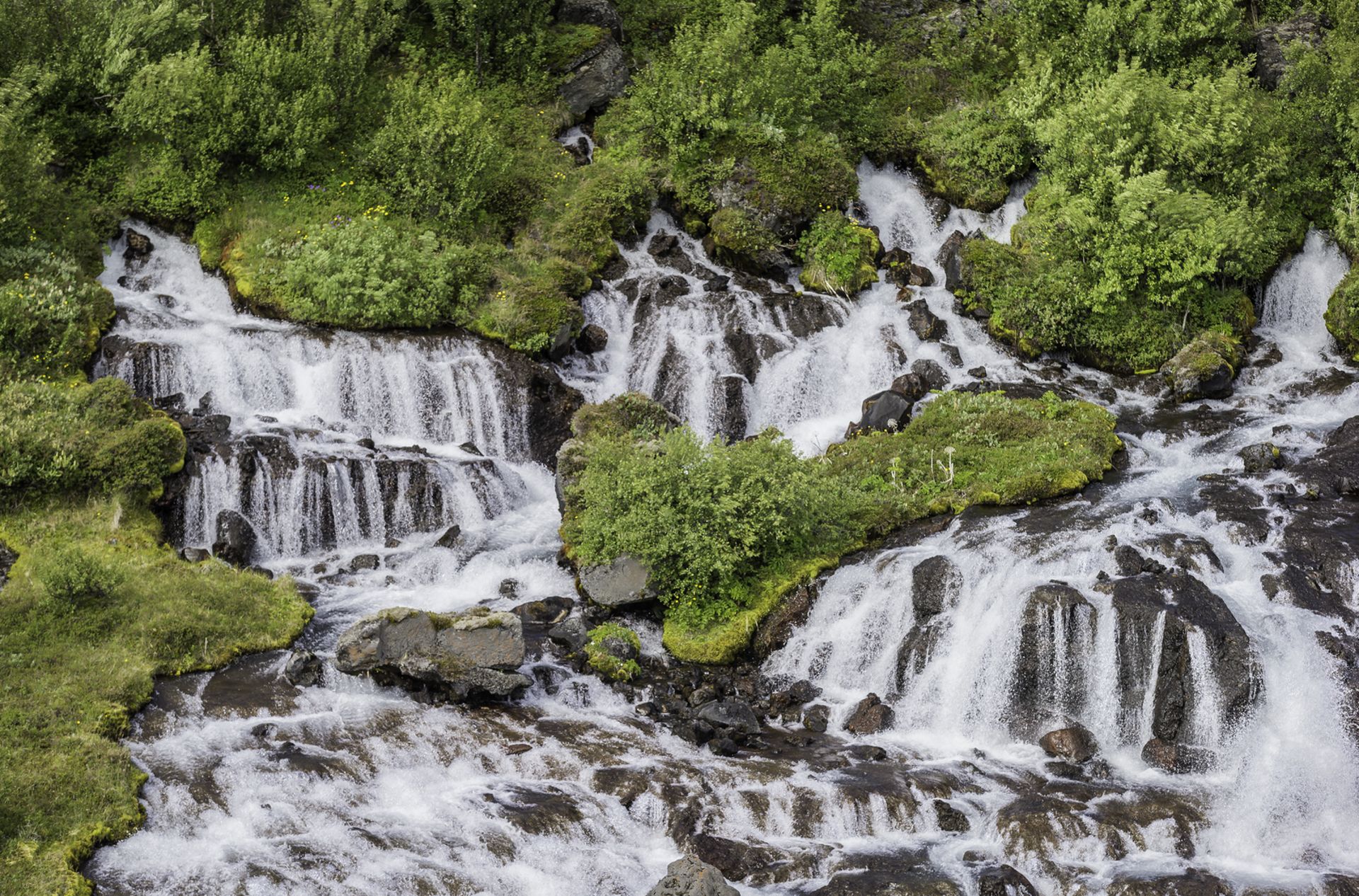
Out of all the waterfalls in West Iceland, Hraunfossar (Lava Falls) is among the most famous. Unlike many in the region that roar with glacial silt, this one has a quieter beauty. Here, spring water seeps through the Hallmundarhraun lava field, emerging as clear blue rivulets that stream from the rock into the Hvítá river. Spanning nearly 900 meters (2,953 feet), this series of cascades creates an ethereal, lacy effect against the dark stone.
Hraunfossar is especially striking in autumn, when the surrounding birch scrub turns a fiery gold. The warm hues contrast beautifully with the crystal-clear water that seems to appear out of thin air.
Barnafoss
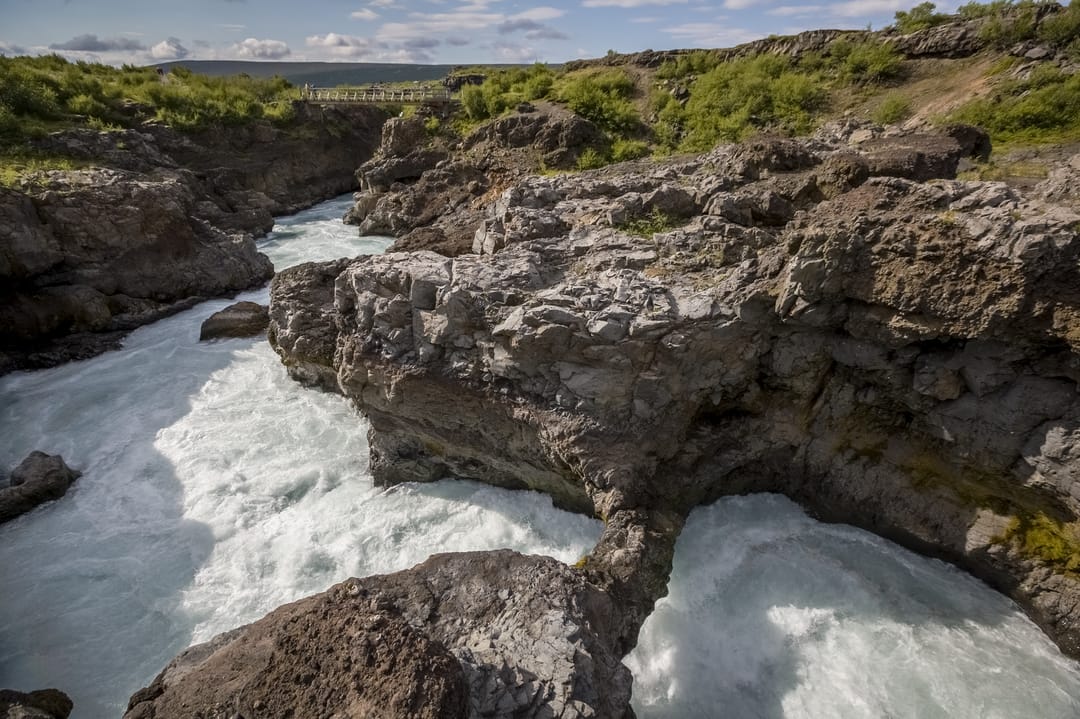
Located just a short walk upstream from Hraunfossar, Barnafoss (Children’s Waterfall) features a much more turbulent scene. The river narrows here, forcing the water through a tight basalt canyon with violent force and pale blue currents.
However, this waterfall is best known for its somber folk legend. Locals say two children once tragically fell from a natural stone bridge spanning the churning waters. Today, the bridge is gone, said to have been destroyed by their grieving mother.
Glymur
Meanwhile, adventurers will find Glymur a crown jewel among the waterfalls of West Iceland. Towering at 198 meters (650 feet), it lies tucked away at the end of the scenic Hvalfjörður fjord. Reaching it requires a moderately challenging two- to three-hour hike involving a small cave and a log crossing over a river. But the payoff is immense: a thin white ribbon of water plunging into a deep, mossy canyon. It is one of the most captivating vistas you’ll see in the region.
Glanni
Situated on the Norðurá river near the Bifröst university village, Glanni is a multi-tiered waterfall that feels like a secret. Its wide, foaming steps are remarkably picturesque, especially set against the rolling green hills and lava fields. Scenic and serene, it’s not surprising that Glanni holds a special place in local lore as a dwelling for elves and trolls.
A convenient viewing platform offers a great vantage point to watch the rushing water. The Norðurá River is also a famous spot for salmon fishing.
Kirkjufellsfoss
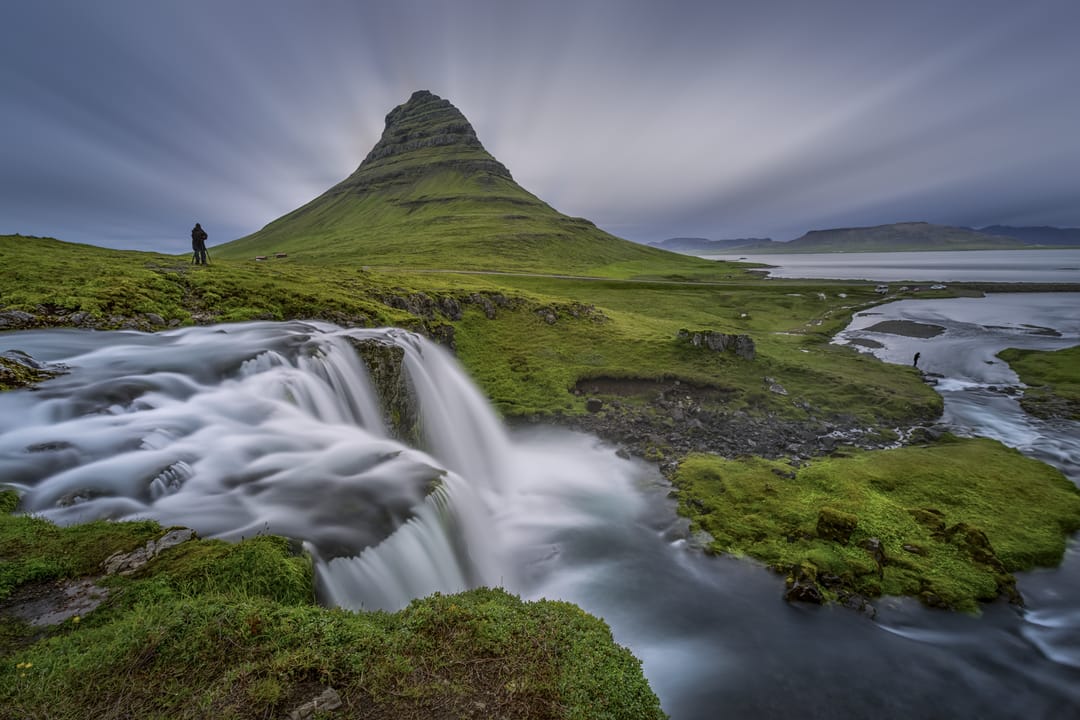
World-famous Kirkjufellsfoss owes much of its fame to its backdrop: the symmetrical, arrowhead-shaped Kirkjufell mountain. While the waterfall itself is modest in height, its three distinct tiers create a perfect foreground for a postcard-worthy scene. Together, these Snæfellsnes Peninsula duo forms one of the most photographed landscapes in all of Iceland.
It is an all-season spot, too. Whether under the Northern Lights or the soft glow of the midnight sun, this beautiful waterfall remains an essential stop. Just a short walk from the main road near Grundarfjörður, Kirkjufellsfoss is one of the most accessible waterfalls in West Iceland.
Bjarnarfoss
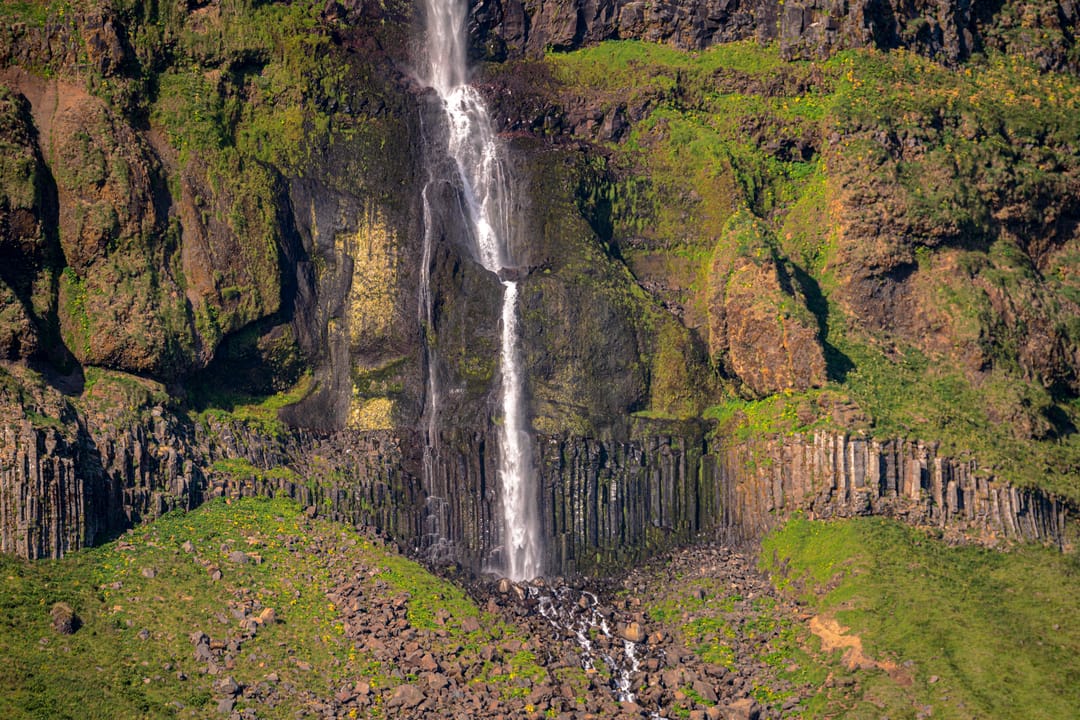
Dropping 80 meters (262 feet) from the coastal cliffs of the Snæfellsnes Peninsula, Bjarnarfoss is impossible to miss. The wind often catches the long, slender ribbon of water, blowing it into a fine mist before it reaches the base. On gusty days, this creates a ghost-like effect against the dark basalt.
A marked hiking path leads from the parking lot up toward the falls, climbing steadily along the hillside. From higher up, you’re rewarded with sweeping views of lava fields and the distant, glistening North Atlantic coastline.
Svöðufoss
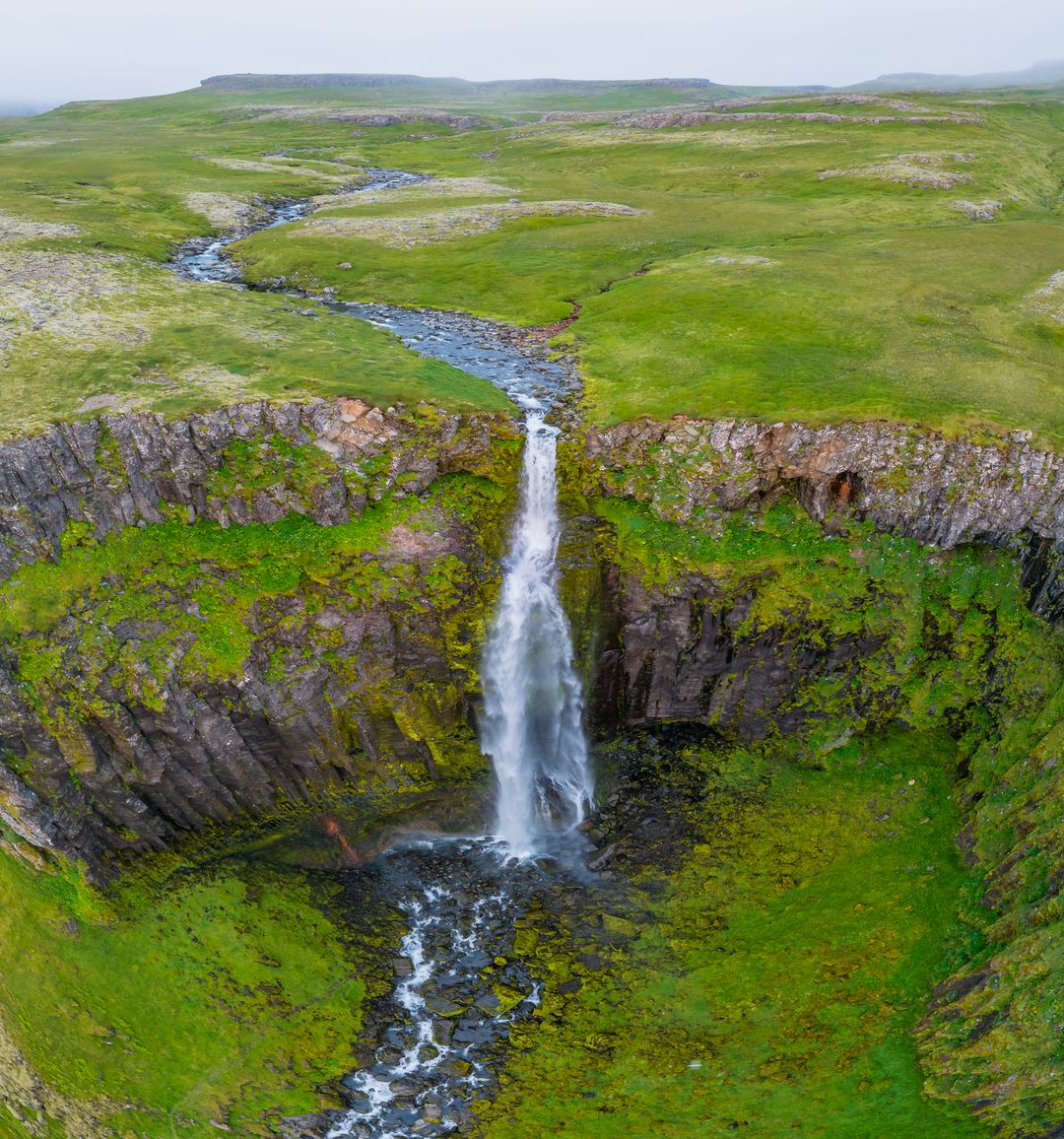
Framed by a striking amphitheater of hexagonal basalt columns, Svöðufoss is a geological marvel near the town of Rif. What makes this spot truly special is the view of Snæfellsjökull glacier rising in the background on clear days. The waterfall drops around 12 meters (39 feet), spilling like a silver curtain over the symmetrical columns. Recent improvements to the access path, including a new metal walkway, have made it an easier stop for travelers.
Selvallafoss
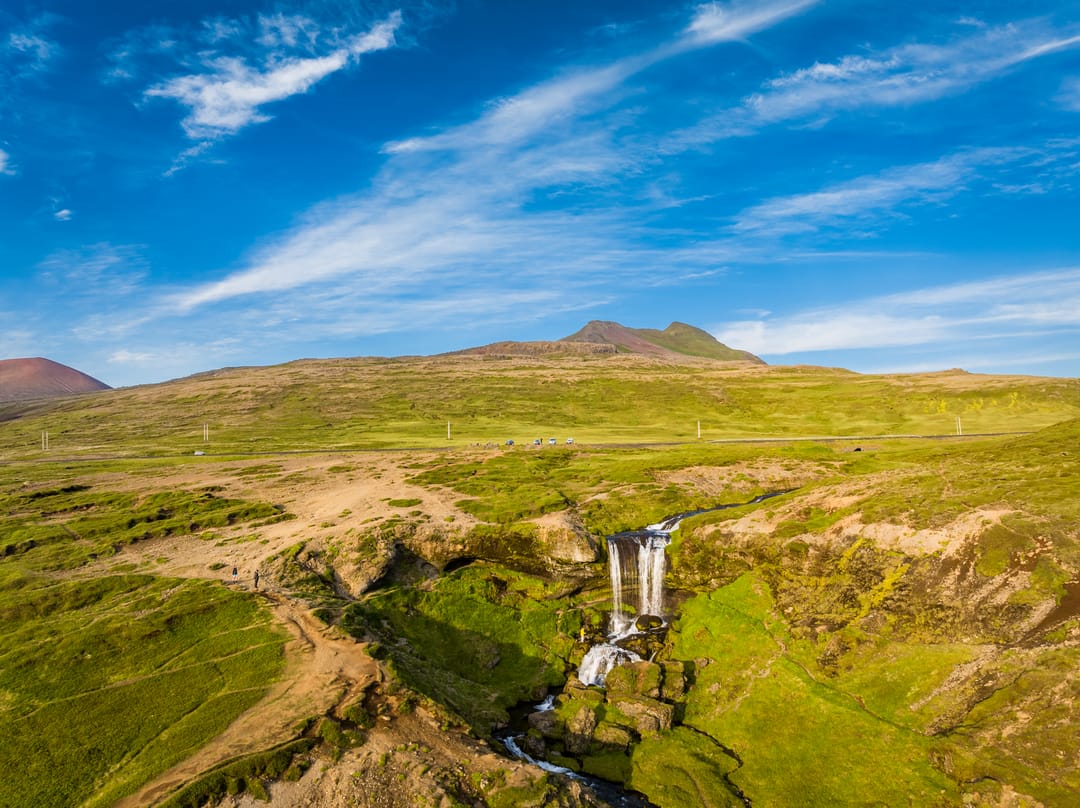
Tucked away near Selvallavatn lake on the Snæfellsnes Peninsula, Selvallafoss is a delightful secret for those who know where to look. Often referred to as the Sheep’s Waterfall, it offers travelers the chance to walk directly behind the cascade. Standing in the mossy cavern behind the waterfall, you’re surrounded by rushing water and the rugged beauty of lava fields. It’s a quiet, immersive experience that feels worlds away from the more crowded tourist hubs.
Grundarfoss
One of the tallest and most powerful waterfalls on the Snæfellsnes Peninsula, Grundarfoss often goes unnoticed as travelers rush toward Kirkjufell. Tumbling down a sheer cliff face, it’s a commanding sight you’ll see from the road before reaching the trailhead. The walk to the base is relatively flat and only takes about 15 minutes through open farmland. For those looking to escape the crowds of more famous waterfalls in West Iceland, Grundarfoss promises both scale and solitude.
More Waterfalls in the Westfjords Worth the Trip
If your journey continues beyond the Snæfellsnes Peninsula toward the remote Westfjords, you’ll find an even wilder landscape. While separate from the waterfalls in West Iceland, these cascades are a natural next chapter for explorers.
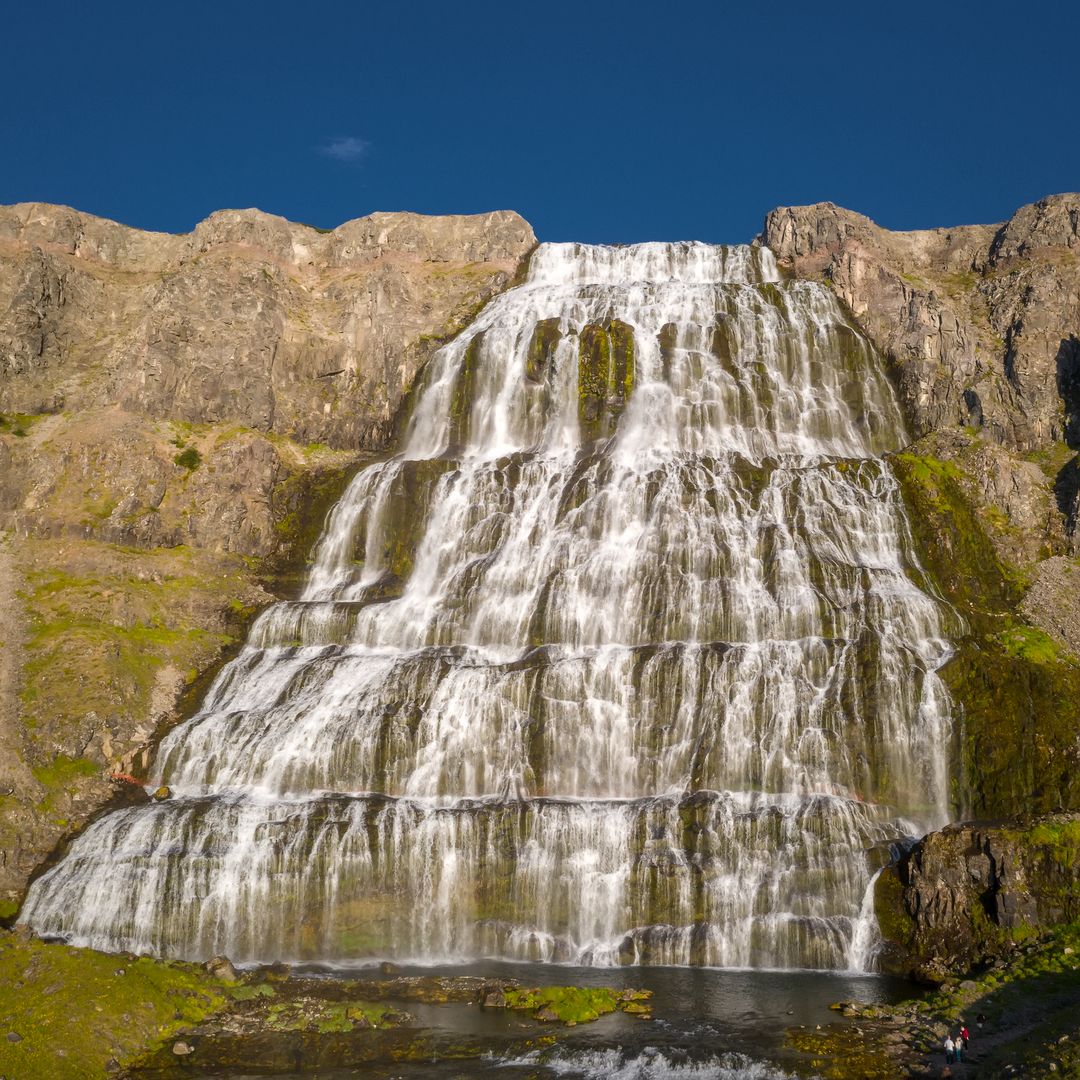
- Dynjandi: Often called the “Jewel of the Westfjords,” this cascading waterfall drops around 100 meters (328 feet) in total. Dynjandi spreads into a wide, fan-like shape that resembles a bridal veil draped over the mountainside.
- Þingmannaá Falls: Located in the Vatnsfjörður Nature Reserve, these waterfalls wind through a lush canyon of birch and moss. In some areas, you can even walk behind sections of the falls for a “behind the curtain” perspective of the national park.
- Foss í Fossfirði: A charming roadside waterfall in Fossfjörður, this spot is known for its beautiful symmetry. The small, turf-roofed A-frame house nearby is a photogenic cultural landmark that adds to the scene.
- Valagil: Found near Bolungarvík, this striking ravine hides a waterfall framed by steep, layered basalt cliffs. It’s a rewarding destination for hikers looking to explore one of the Westfjords’ more secluded landscapes.
Tips for Exploring the West Iceland Waterfalls
To make the most of your journey through the rugged landscapes of the West, keep these practical tips in mind.
- Check the Road Conditions: While most waterfalls in West Iceland are accessible via paved roads, some can be affected by mud or lingering snow in early spring. Always check road.is before heading out.
- Dress in Layers: Even when the sun is out, the mist from waterfalls like Kirkjufellsfoss can soak you in seconds. Experts highly recommend a waterproof outer layer and sturdy, slip-resistant hiking boots.
- Tread Carefully: Iceland’s ecosystems are incredibly delicate, with ancient mosses easily damaged. Stay on marked paths and give ground-nesting birds plenty of space to help preserve these fragile habitats.
- Time Your Visit for Your Photos: For the best light, aim for the golden hour in the late evening during the summer months. Many waterfalls in West Iceland are well-positioned to catch the low sun.
FAQs
What to see on the west side of Iceland?
Beyond the spectacular waterfalls in Iceland, the region is rich in geological highlights. Must-see sights include the Deildartunguhver hot spring, the Langjökull glacier, and the coastal cliffs of the Snæfellsnes Peninsula.
What are the famous waterfalls in West Iceland?
The region’s most iconic waterfalls include Kirkjufellsfoss, famous for its mountain backdrop, and Hraunfossar, known for its lava-filtered springs. Glymur, one of Iceland’s tallest waterfalls, and the powerful, folklore-rich Barnafoss are also top highlights.
Is West Iceland worth visiting?
Absolutely; West Iceland offers nearly every landscape Iceland is known for, from glaciers and lush valleys to coastal fjords. It provides a more tranquil, less crowded alternative to the South Coast while remaining just a short drive from Reykjavík.
What is the Silver Circle in West Iceland?
The Silver Circle is a popular driving route in the Borgarfjörður region, often considered the West’s answer to the Golden Circle. Key stops include Hraunfossar and Barnafoss, historic Reykholt, Deildartunguhver hot springs, and the Krauma geothermal baths.
Can you walk behind any waterfalls in the Westfjords?
In some locations, yes; Selvallafoss is the best-known walk-behind waterfall in West Iceland. Parts of waterfalls like those along the Þingmannaá in the Westfjords may allow you to pass behind sections of the cascade.
Are the waterfalls in West Iceland accessible in winter?
Yes, but conditions can vary; popular sites like Kirkjufellsfoss and Hraunfossar are generally accessible, though paths may be icy. More challenging hikes (such as Glymur) can become dangerous in winter and are often best avoided without proper experience and equipment.
Popular articles
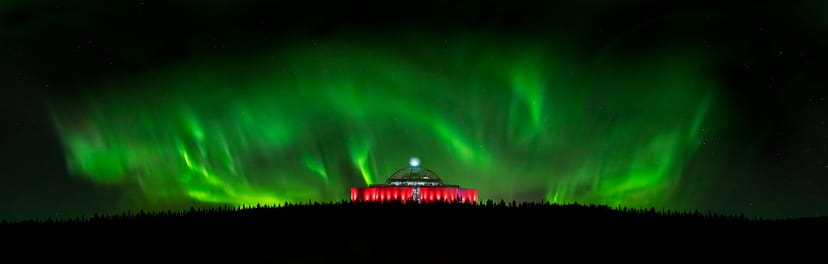
The Complete Guide to the Northern Lights in Iceland
Learn how the Northern Lights form, where to see them in Iceland, how to prepare, take photos, read the forecast, and improve your chances of a sighting.
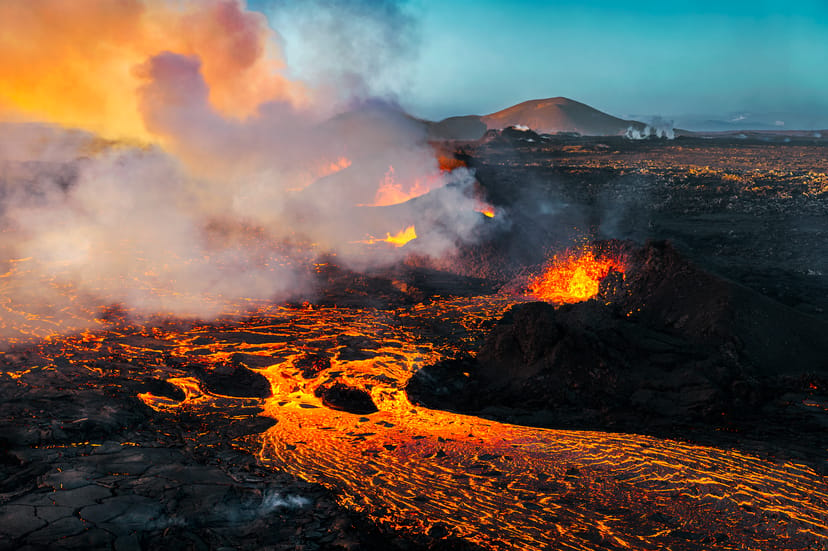
Let's Talk About the Volcano in Iceland About to Erupt
Is a volcano in Iceland about to erupt? Here’s what travelers should know about Svartsengi, Reykjanes activity, flights, safety, and the Blue Lagoon.
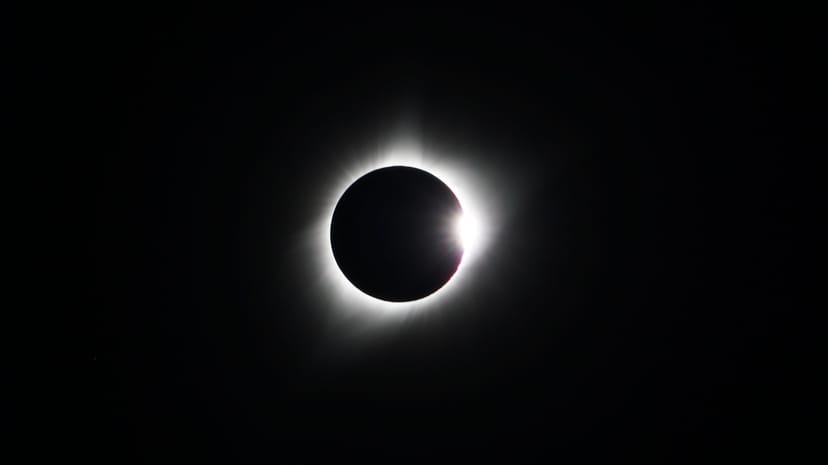
Solar Eclipse 2026 in Iceland | What Happened
Iceland experienced a total solar eclipse on August 12, 2026. Discover what happened in Reykjavík, eclipse times, totality locations and more.
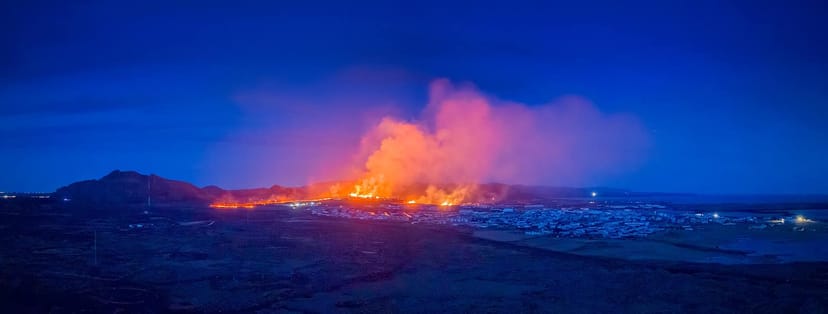
September 2026 updates on the Sundhnúkagígar Eruption in the Reykjanes Peninsula!
The current eruption in the Reykjanes Peninsula, is called Sundhnúkagígar Crater Row. See insights on the seismic activity and volcanic eruptions in the area!
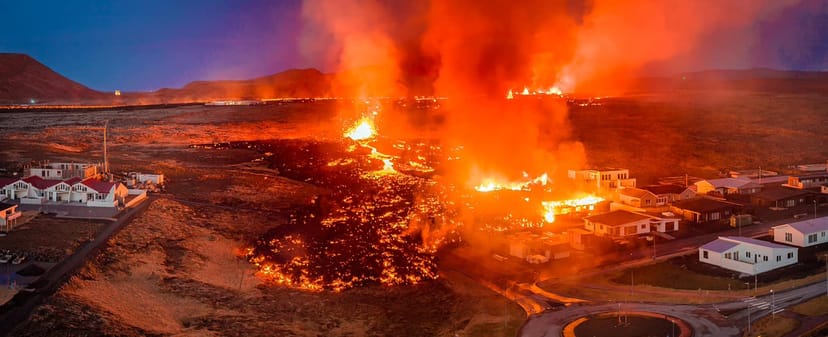
Active Volcanoes in Iceland 2026
Active volcanoes aren't the same thing as active eruptions. A volcano can be considered active even when it is not ejecting ash, rock, gases and magma, so which are active in Iceland in 2026?
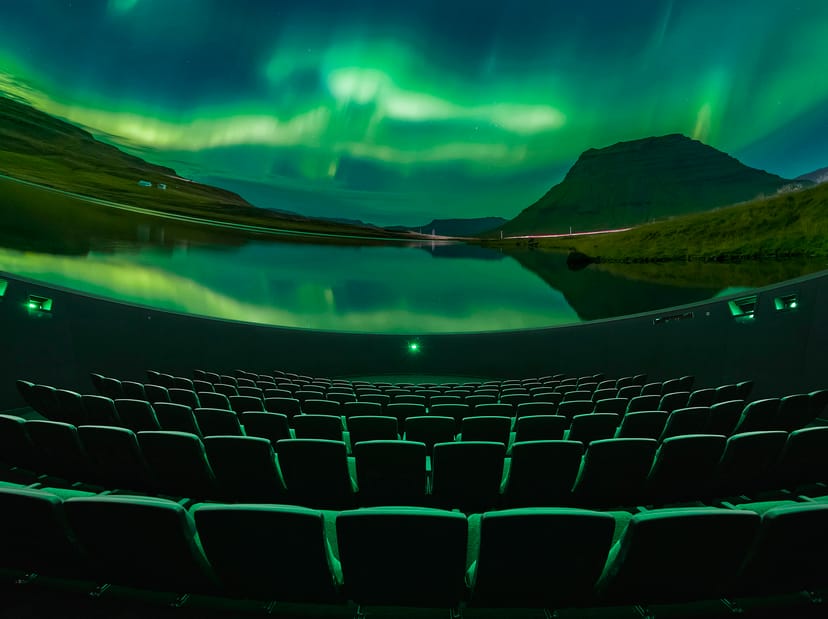
Top 10 Places To See the Northern Lights in Iceland
Discover the best places to see the Northern Lights in Iceland, from Jökulsárlón and Kirkjufell to Reykjavík, Þingvellir and North Iceland.
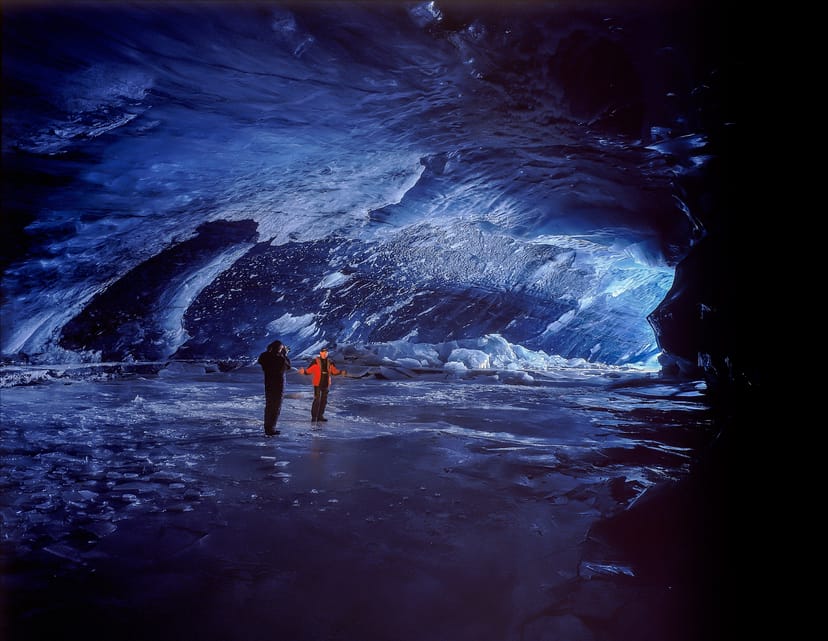
Ice Caves From Reykjavik
Planning an ice cave trip from Reykjavik? Compare Katla, Langjökull and Vatnajökull, travel times, seasons and Perlan’s ice cave in the city.