
Guide to Waterfalls in East Iceland
Waterfalls in East Iceland unlock an unspoiled world of scenic opportunities. From the red-streaked cliffs of Hengifoss to the tiered cascades of Klifbrekkufossar, the Eastfjords and inland valleys house some incredible natural monuments. As you wander the region, each site feels more secluded and strikingly raw than the last. This guide explores the must-see icons, hidden fjord gems, and hiking routes to experience East Iceland’s sheer force of water.
Best Waterfalls in East Iceland to Visit
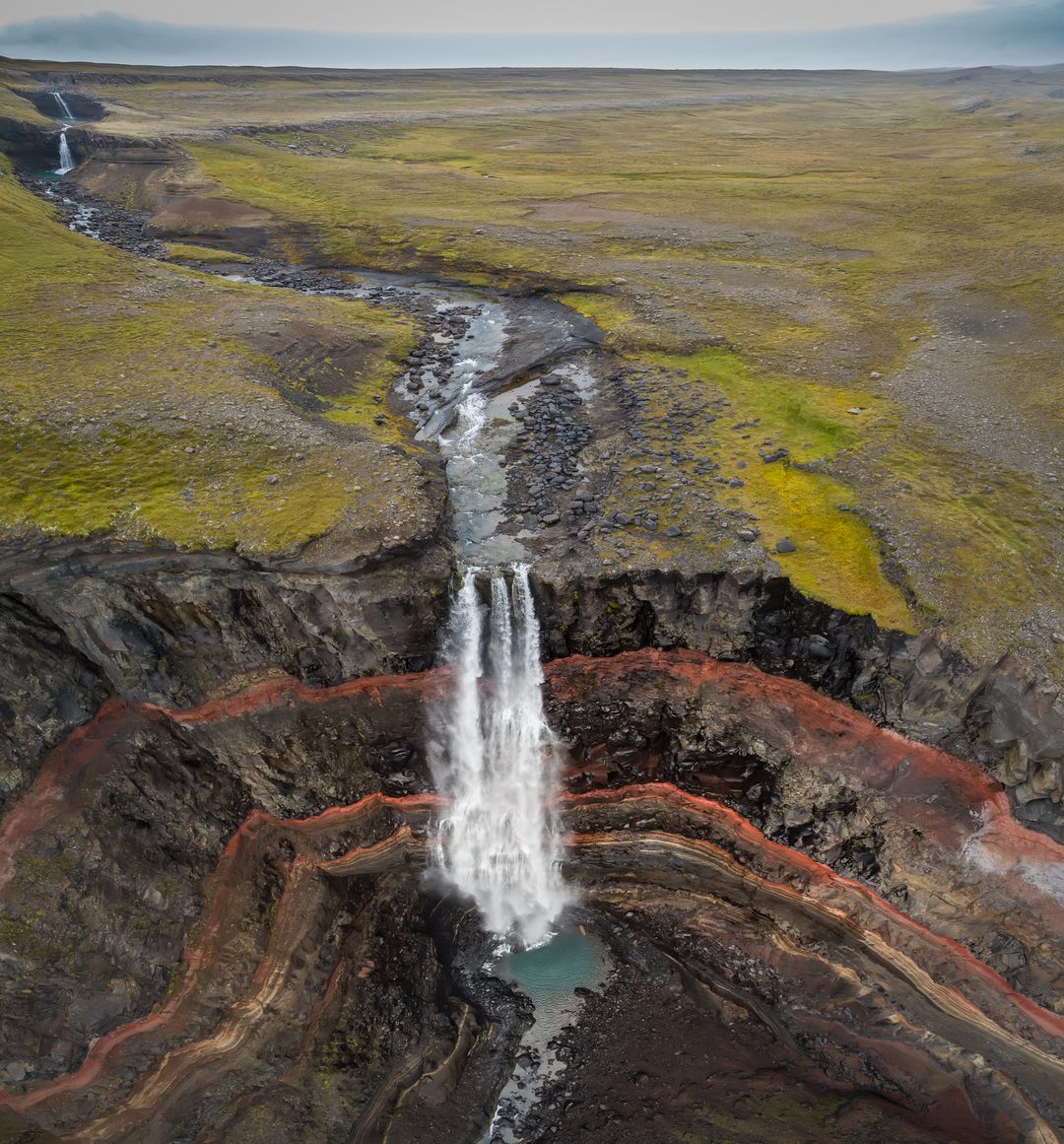
When exploring waterfalls in East Iceland, Hengifoss is an essential stop. Plunging around 118 meters (387 feet) into a craggy canyon, this is one of the tallest waterfalls in Iceland. It’s most famous for its striking horizontal stripes: layers of red clay sandwiched between dark basalt. The hike to the falls is moderately steep but rewarding, with sweeping views of Lake Lagarfljót and the Fljótsdalur valley.
Litlanesfoss
Located on the same trail as Hengifoss, Litlanesfoss is a two-tier cascade standing at 30 meters (98 feet). This duo is typically a two-for-one trip, taking you to two of the most spectacular waterfalls in East Iceland. Litlanesfoss’ most visually stunning feature is the array of symmetrical basaltic columns framing the falling water. These hexagonal pillars are among the tallest and most perfectly formed in Iceland, appearing almost architectural against the waterfalls’ white foam.
Stuðlafoss
Tucked away in the Upper Jökuldalur valley, Stuðlafoss is a hidden gem often overshadowed by the world-famous Stuðlagil Canyon nearby. This striking waterfall is well worth the stop, cascading down a sheer wall of hexagonal basalt columns. Stuðlafoss sits just a short walk from the parking lot, making it a dramatic prologue before the canyon. Even by itself, it’s an easy and rewarding addition to any Ring Road itinerary.
Klifbrekkufossar
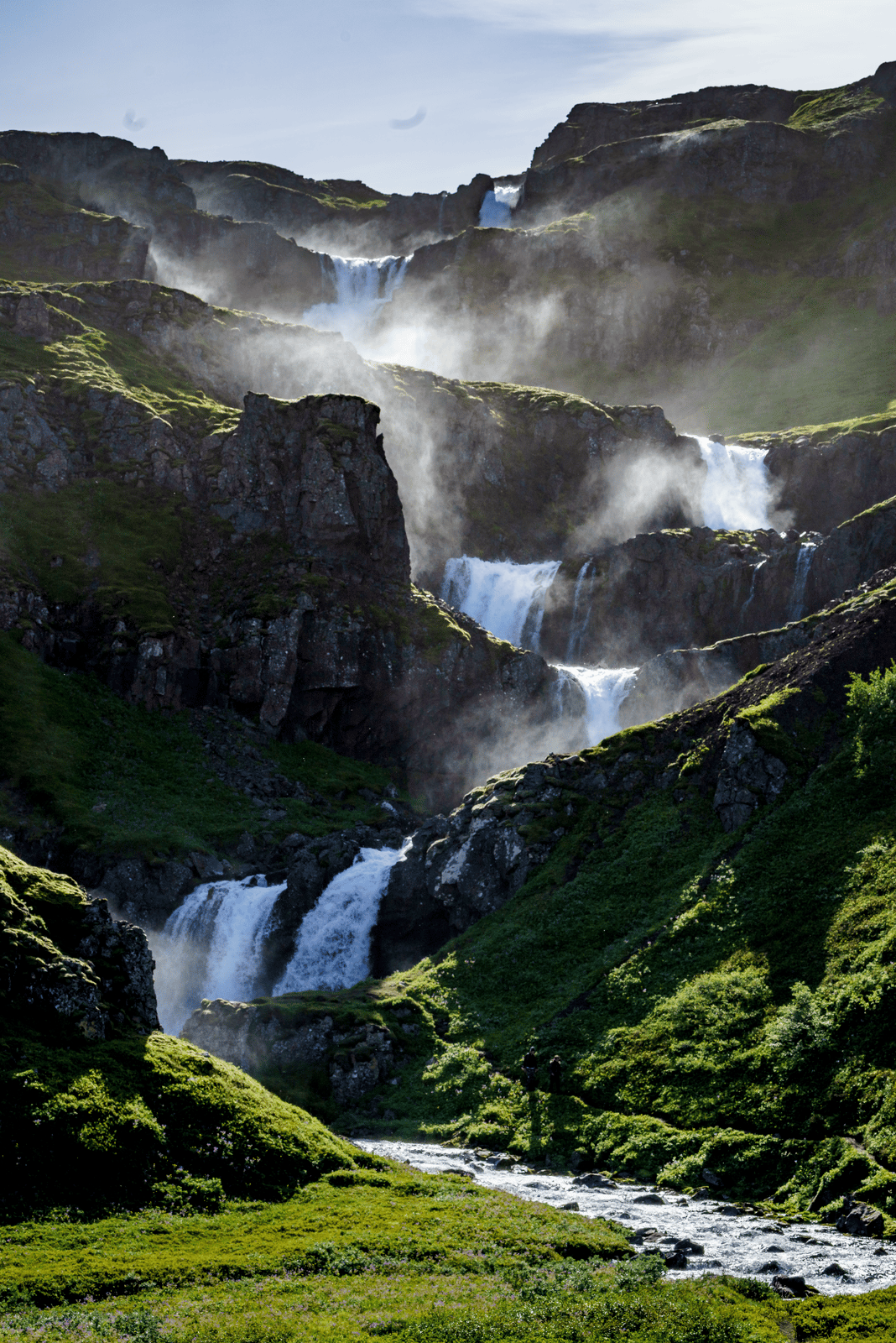
At the base of the Mjóifjörður fjord awaits Klifbrekkufossar, one of the most mesmerizing waterfalls in East Iceland. This series of seven tiered cascades zigzags down the mountain slope like a giant, moss-covered wedding cake.
Part of the appeal is its remote location, reached only via a scenic gravel drive over a high mountain pass. But once you arrive, you can enjoy the view of the water tumbling through the fairy tale landscape. Since the road is only accessible during summer, the falls remain a serene secret far from the tourist crowds.
Fardagafoss
Just a short drive from Egilsstaðir, Fardagafoss is a beautiful waterfall that also holds a touch of local mystery. Legend says a cave tucked behind the falling water was once the home of a troll who guarded a secret treasure. The hike to the falls is relatively easy, with an excellent vantage point over the valley and surrounding mountains. For those arriving from the Ring Road, it serves as the perfect introduction to the folklore and waterfalls of East Iceland.
Gufufoss
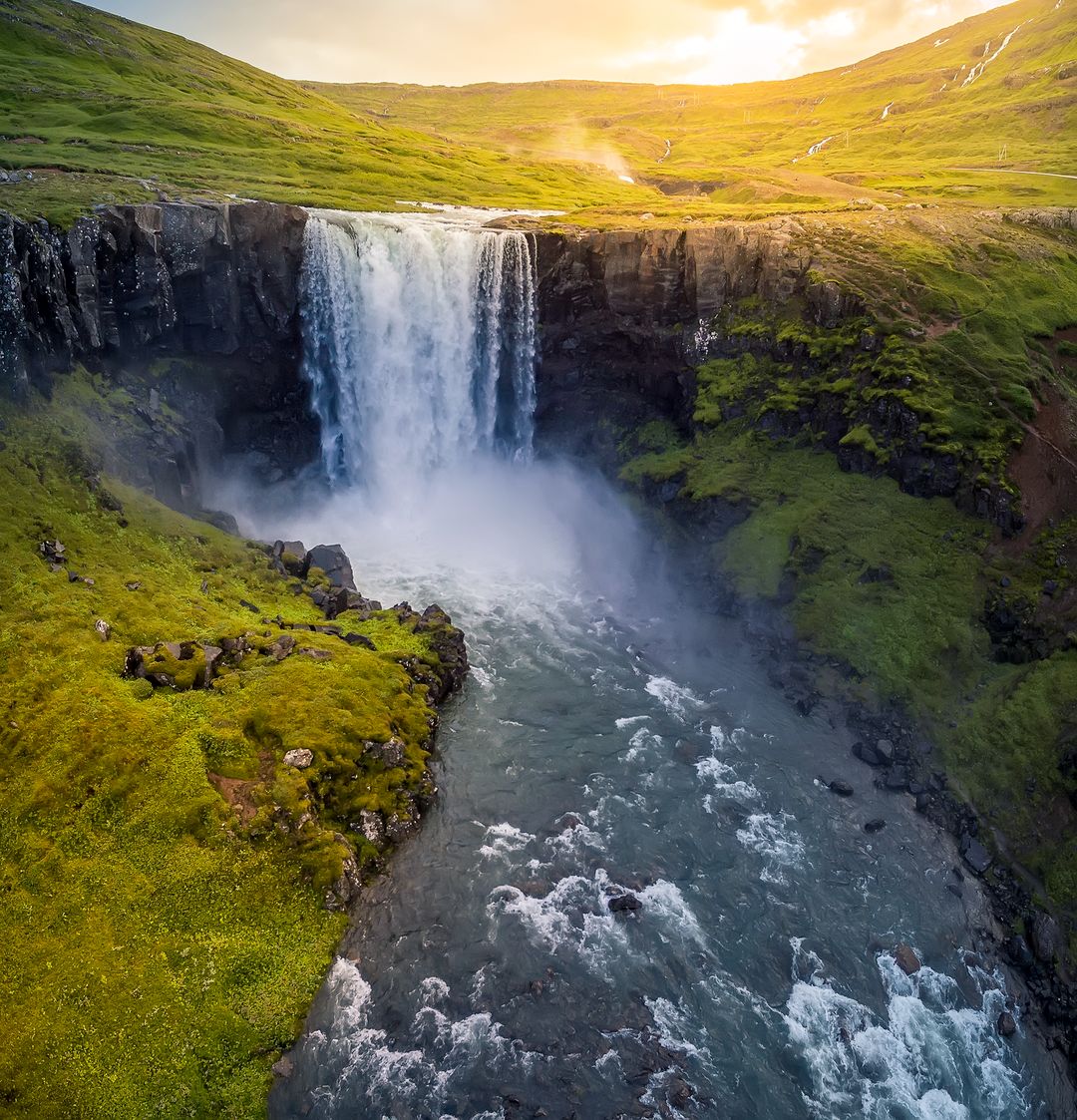
Gufufoss bears a striking resemblance to the famous Skógafoss of South Iceland, but without the massive crowds. Its name translates to “Steam Falls,” a nod to the thick, ethereal mist hovering in front of the waterfall. Located along the scenic road to the artsy Seyðisfjörður village, it is one of the most accessible waterfalls in the region. Whether you stop for a quick photo or stay to enjoy the view, Gufufoss is a quintessential East Iceland stop.
Strútsfoss
A true hidden giant of the Suðurdalur valley, Strútsfoss is one of East Iceland’s best-kept secrets. This two-tier waterfall in Iceland plunges a total of 120 meters (394 feet) against a backdrop of multi-colored canyon walls.
It requires a bit more effort to reach than those along the Ring Road. Fortunately, the 7-kilometer (4.3-mile) round-trip hike through the remote valley is exceptionally rewarding. With solitude and geological beauty, Strútsfoss is a perfectly unspoiled perspective of the eastern highlands.
Folaldafoss
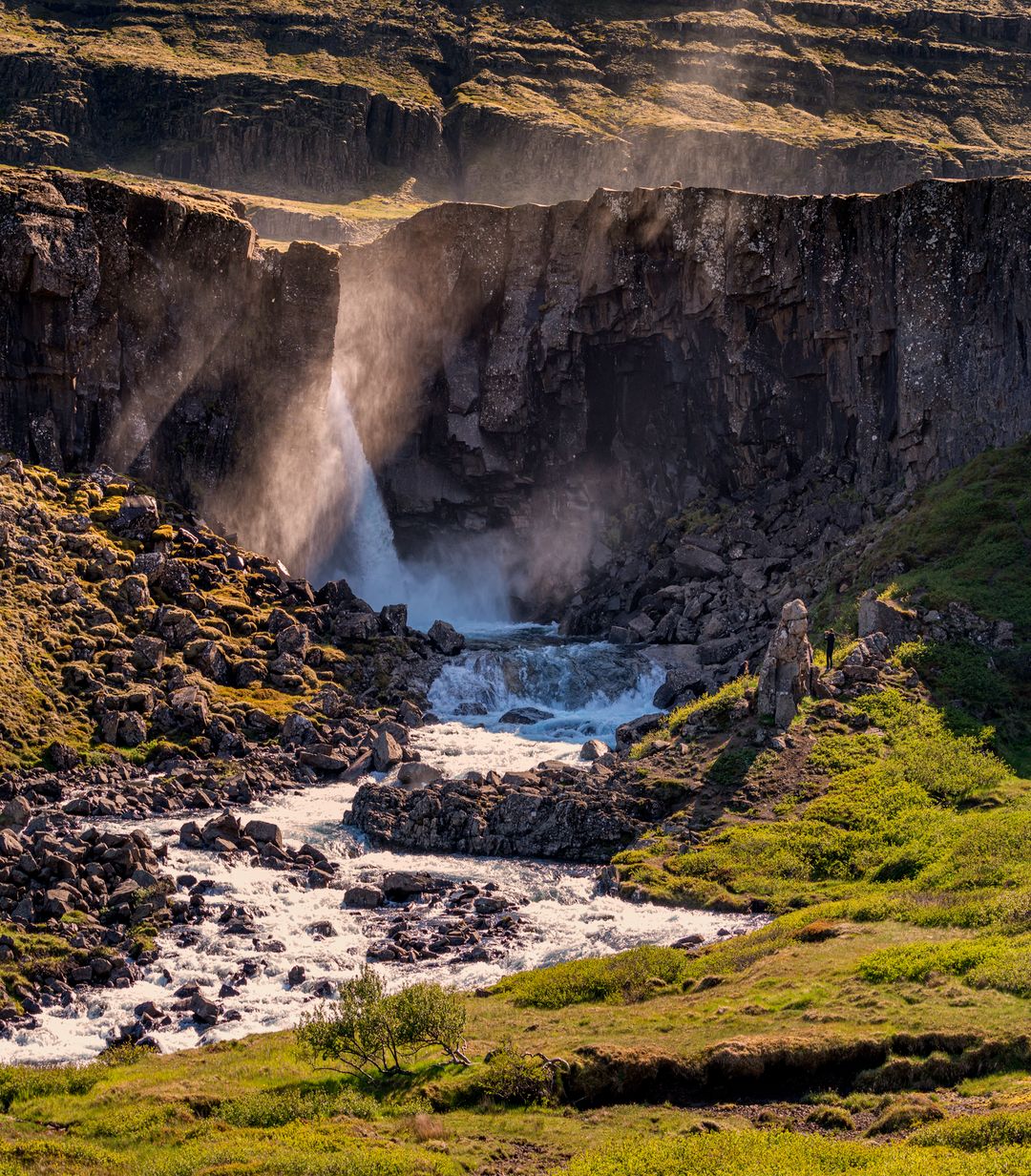
Nestled along the scenic Öxi pass, Folaldafoss is a highlight when taking the mountainous shortcut between the Eastfjords and the South Coast. This beautiful waterfall plunges into a deep blue pool, framed by ancient rock formations and sparse, rugged vegetation. Easily accessible from a small parking lot just off the road, Folaldafoss provides a fantastic opportunity to stretch your legs. Its pristine, untouched feel makes it one of the most picturesque waterfalls in East Iceland.
Flögufoss
Flögufoss is a hidden gem in the Breiðdalur valley, standing around 60 meters (197 feet) high. This waterfall in Iceland is best known for the small stone arch perched at the very top of the cliff. Through this unique arch, the river crests before tumbling into the pool. The surrounding mountain peaks create a sweeping, natural amphitheater, making it feel like a secret cathedral. It’s one of East Iceland’s stunning waterfalls that feels almost untouched by modern tourism.
Rjúkandi
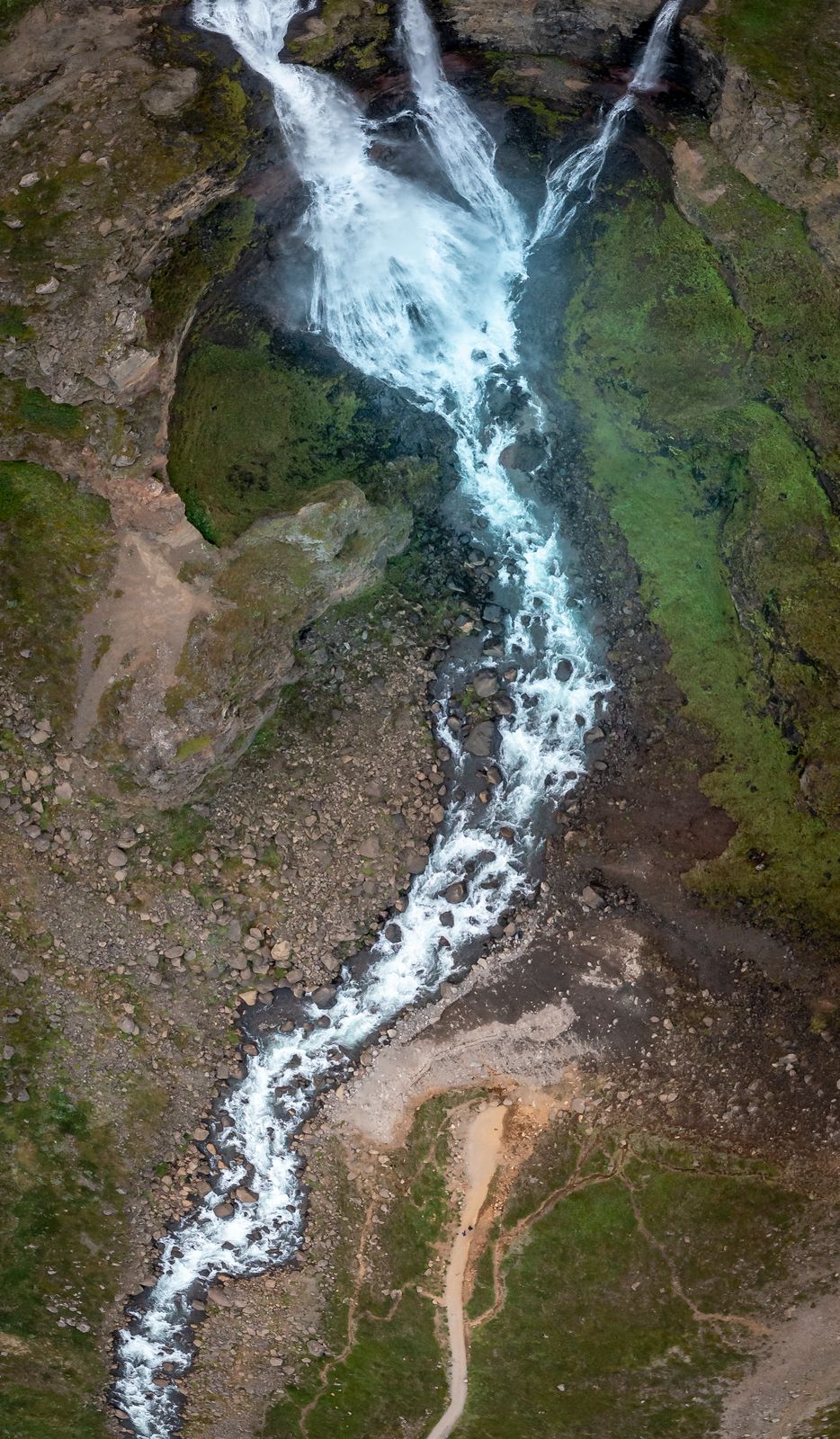
As you drive the Ring Road through the Jökuldalur valley, Rjúkandi is impossible to miss. This powerful waterfall is conveniently located right by the highway, with a path leading from the parking area to the viewpoint. The water tumbles down multiple rocky tiers, creating a roaring spray that is especially thunderous after rainfall. It is an idyllic spot to enjoy the view and appreciate the rugged transition into the East.
Hidden Waterfalls in East Iceland
For travelers looking to step further off the beaten path, these lesser-known cascades offer a wonderful peek into the Icelandic wilderness.
Bleiksárfoss: Standing tall above the fjord-side town of Eskifjörður, this waterfall is famous for its brilliant white-water veil. In the winter months, it is often floodlit, creating a magical glow visible from the town below.
- Gljúfursárfoss: Located near the rugged coastline of Vopnafjörður, this powerful drop is unique for its proximity to the North Atlantic. Here, you can feel the mist of the waterfall and the salty sea breeze simultaneously.
- Sveinstekksfoss (Fossárfoss): Tucked into the narrow Fossárdalur valley, this multi-tiered beauty is the gateway to a canyon filled with numerous smaller cascades. It plunges into a moss-lined gorge that feels like a scene from a fantasy novel.
- Kirkjufoss: Located in the quiet reaches of Fljótsdalur, this beautiful waterfall offers a peaceful, mountain-backed view. (It’s not to be confused with the similarly named waterfall on the Snæfellsnes Peninsula.)
East Iceland’s Waterfall Routes
To experience multiple stunning waterfalls in a single journey, the East offers dedicated trails that showcase the region's diversity.
The Waterfall Circle (The Laugarfell Loop)
This 8-kilometer (5-mile) loop is a paradise for hikers. The trail features an incredible concentration of waterfalls in East Iceland, including Faxi and Kirkjufoss. As you walk the loop, you’ll encounter various tiers of cascading water against a backdrop of vast highland plains. It’s a rare opportunity to enjoy the view of several falls without returning to a parking lot between each one.
The Wilderness Center Waterfall Trail
Starting from the Wilderness Center, this trail follows the glacial river Jökulsá í Fljótsdal. While a full trek can reach 20 kilometers (12 miles), even a short walk winds through powerful cascades and ancient rock formations. Much like the famous Svartifoss in the south, sections of this trail feature impressive basaltic columns and deep canyons. It’s a mesmerizing glimpse into the wilderness of the inner fjords.
Practical Planning and Tips for Chasing Waterfalls in the East
To get the most out of chasing waterfalls in East Iceland, a little preparation goes a long way. This region is more rugged than the south, and conditions can change quickly.
- Time Your Trip Well: Aim for late spring or early summer to witness the falls at their peak volume from snowmelt. However, if you want to enjoy the view of bright green moss and accessible highland roads, July and August are ideal.
- Monitor Conditions Frequently: While many icons are steps from the Ring Road, others require navigating steep gravel passes like the Öxi or the road to Mjóifjörður. Always check umferdin.is before heading out.
- Gear Up for the Elements: Sturdy hiking boots are non-negotiable for the ascent to Hengifoss or the trek to Strútsfoss. Even on sunny days, bring waterproof layers; the powerful mist at the base of these falls can soak you quickly.
- Travel Responsibly: The East is a delicate ecosystem. Always use the designated parking lots and stay on marked paths to protect the fragile moss and nesting birds.
FAQs
What is the biggest waterfall in East Iceland?
Hengifoss is the tallest in the region, dropping a staggering 118 meters (387 feet) into a canyon of red-streaked rock. For sheer volume, waterfalls fed by the glacial river Jökulsá á Dal carry a massive amount of meltwater through the highlands.
What waterfalls are near Egilsstaðir?
Fardagafoss is the closest, located just five minutes from the town center. The iconic duo of Hengifoss and Litlanesfoss is an easy 30-minute drive along the shores of Lake Lagarfljót.
Are East Iceland waterfalls worth visiting?
Absolutely; unlike the crowded sites in South Iceland, the waterfalls in the East offer a sense of solitude. It is one of the few places in the world where you can stand before a world-class natural wonder without another soul in sight.
Can you swim in waterfalls in East Iceland?
Generally, swimming directly in the waterfalls is not recommended due to freezing temperatures, hidden rocks, and dangerously strong currents. However, many people enjoy the view of the water and then head to nearby geothermal spots.
Are the waterfalls in East Iceland accessible in winter?
Waterfalls directly along the Ring Road, such as Rjúkandi, remain accessible. However, highland falls and those in the remote fjords (like Klifbrekkufossar) are often unreachable by standard vehicles once heavy snows arrive.
Popular articles
The Complete Guide to the Northern Lights in Iceland
Learn how the Northern Lights form, where to see them in Iceland, how to prepare, take photos, read the forecast, and improve your chances of a sighting.
Let's Talk About the Volcano in Iceland About to Erupt
Is a volcano in Iceland about to erupt? Here’s what travelers should know about Svartsengi, Reykjanes activity, flights, safety, and the Blue Lagoon.
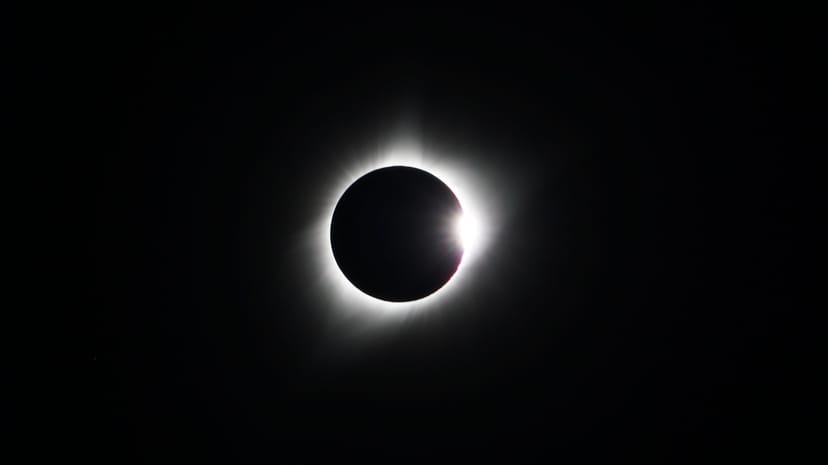
Solar Eclipse 2026 in Iceland | What Happened
Iceland experienced a total solar eclipse on August 12, 2026. Discover what happened in Reykjavík, eclipse times, totality locations and more.
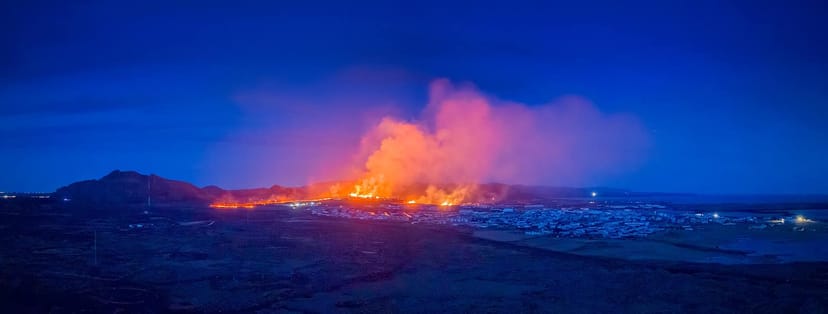
September 2026 updates on the Sundhnúkagígar Eruption in the Reykjanes Peninsula!
The current eruption in the Reykjanes Peninsula, is called Sundhnúkagígar Crater Row. See insights on the seismic activity and volcanic eruptions in the area!
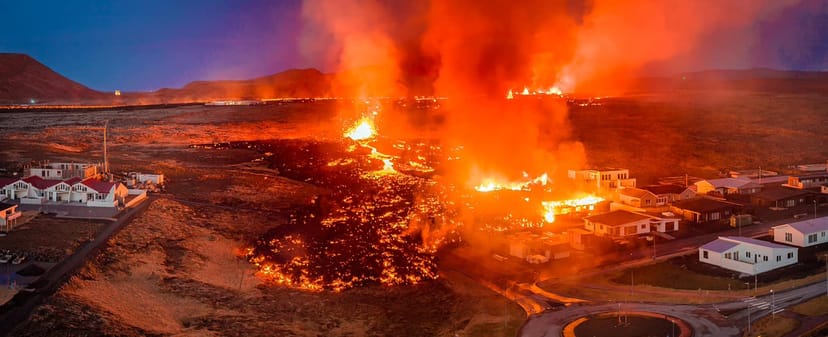
Active Volcanoes in Iceland 2026
Active volcanoes aren't the same thing as active eruptions. A volcano can be considered active even when it is not ejecting ash, rock, gases and magma, so which are active in Iceland in 2026?
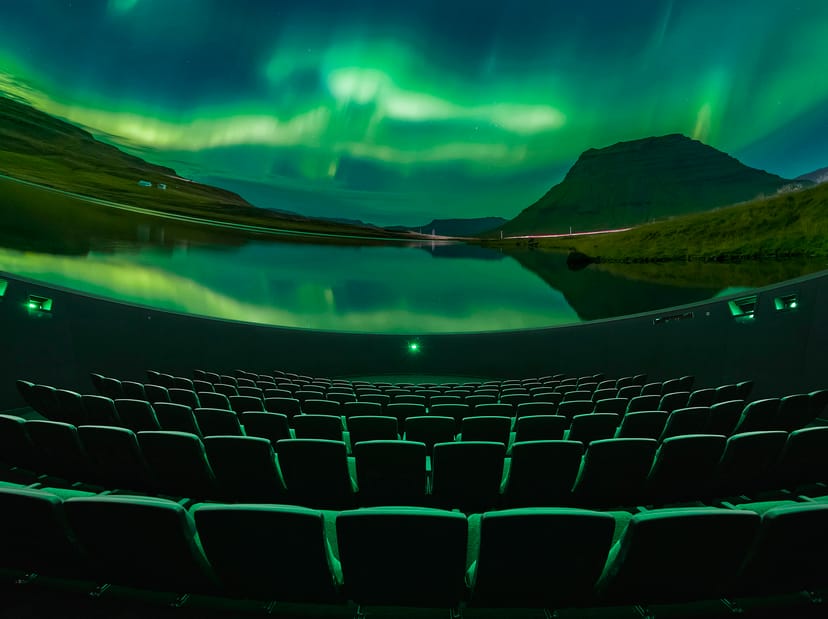
Top 10 Places To See the Northern Lights in Iceland
Discover the best places to see the Northern Lights in Iceland, from Jökulsárlón and Kirkjufell to Reykjavík, Þingvellir and North Iceland.
Ice Caves From Reykjavik
Planning an ice cave trip from Reykjavik? Compare Katla, Langjökull and Vatnajökull, travel times, seasons and Perlan’s ice cave in the city.