
Water in Iceland
Water in Iceland is famously clean and among the purest in the world. This exceptional quality is largely due to the island’s unique geology. Rain and snowmelt filter slowly through layers of porous volcanic rock, collecting underground where the water is naturally purified over the years. Keep reading for a deep dive into Icelandic water.
Why Water in Iceland Is So Pure
Unlike many countries, Iceland generally does not need to treat its drinking water with chlorine or other chemicals. This exceptional purity is the result of several natural factors.
- Minimal Pollution: Iceland’s small population and limited heavy industry mean that water sources remain largely free from contamination.
- Underground Aquifers: Most water in Iceland comes from deep groundwater sources rather than surface lakes or rivers, protecting it from pollutants.
- Natural Volcanic Filtration: Rain and snowmelt pass slowly through porous volcanic rock, which filters out impurities before the water reaches aquifers.
- Cold Underground Temperatures: Consistently low temperatures help limit bacterial growth and preserve water quality.
Lava Fields as Natural Filtration
One of the key reasons for the exceptional quality of Iceland’s drinking water is its vast lava fields. They act as a natural purification system that has been operating for thousands of years.
The process begins when rain and snowmelt seep into the ground. Because volcanic rock (especially basalt) is highly porous, the water slowly trickles downward through layers of stone. This journey can take years or even decades before reaching underground aquifers.
Along the way, tiny pores and fissures in the rock trap sediment and organic particles, naturally cleaning the water. As it passes, the water may also absorb small amounts of minerals, giving Icelandic tap water its clean, fresh taste.
By the time the water is collected for consumption, the natural filtration process has rendered it exceptionally pure.
To see these geological processes in action, visit the “Water in Icelandic Nature” exhibit at Perlan in Reykjavík. This interactive exhibition uses cutting-edge multimedia to illustrate the diversity of Iceland’s freshwater, from spring-fed streams to silted glacial rivers.
The Role of Glaciers in Iceland’s Water System
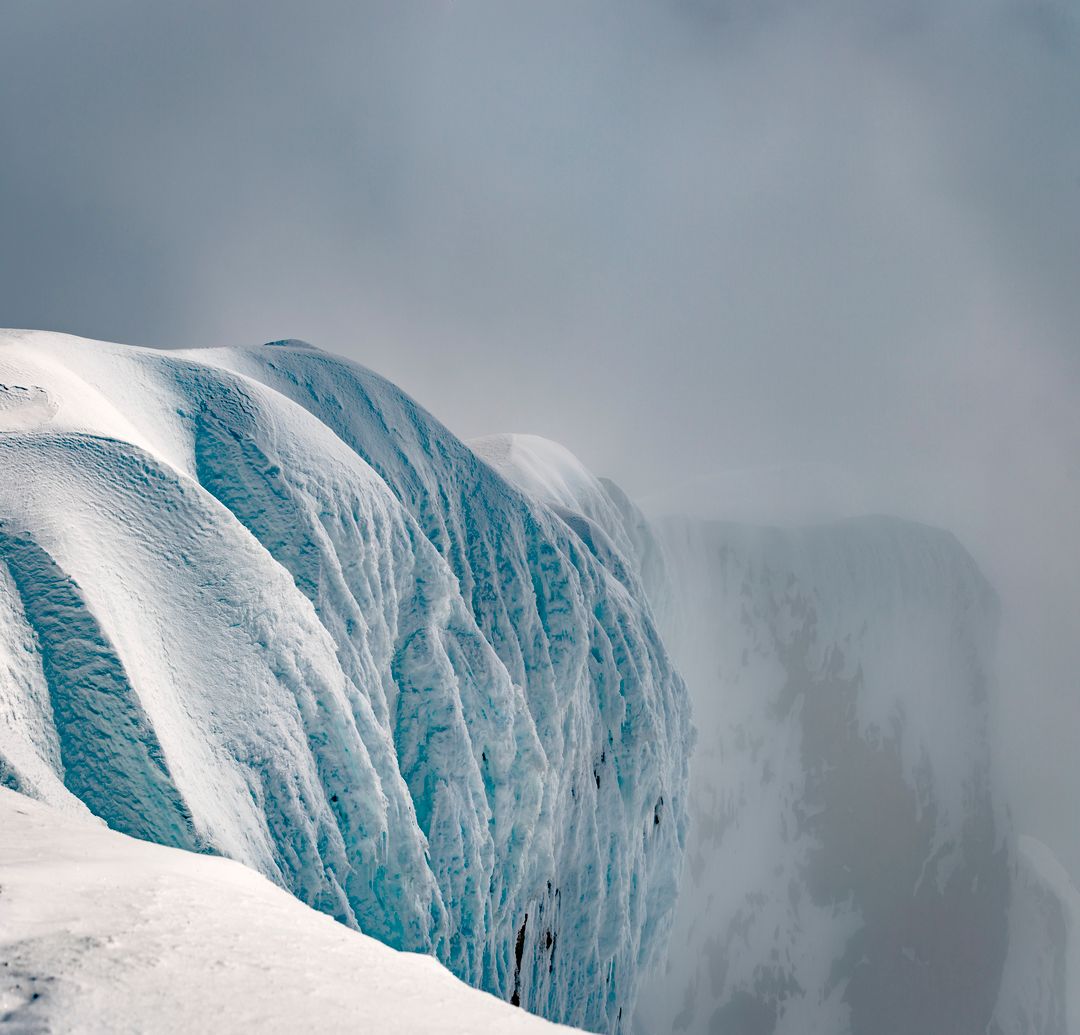
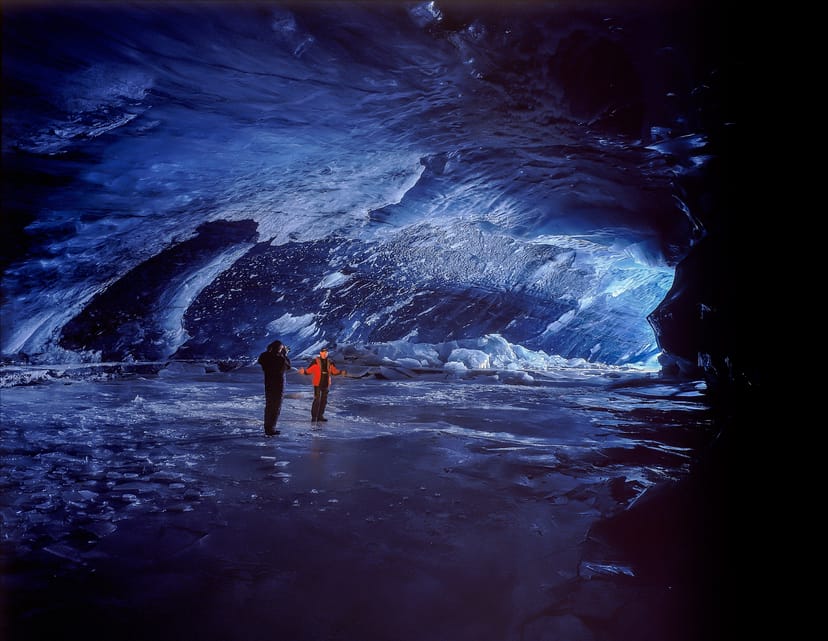
Glaciers are an important part of the cycle of water in Iceland, covering about 11% of the island’s landmass. Massive ice caps such as Vatnajökull act as long-term reservoirs, storing precipitation as ice over centuries.
As snow accumulates and compresses into glacial ice, seasonal melting releases freshwater into Iceland’s rivers and landscapes. This steady flow helps sustain the country’s many waterfalls and river systems, even during drier periods.
Can You Drink Tap Water in Iceland?
Yes, you can safely drink tap water in Iceland, and in most cases, it’s the best option. In fact, buying bottled water is often considered unnecessary and environmentally discouraged. Travelers are encouraged to drink tap water at hotels, hostels, and public buildings. In restaurants and cafés, it is typically provided free of charge.
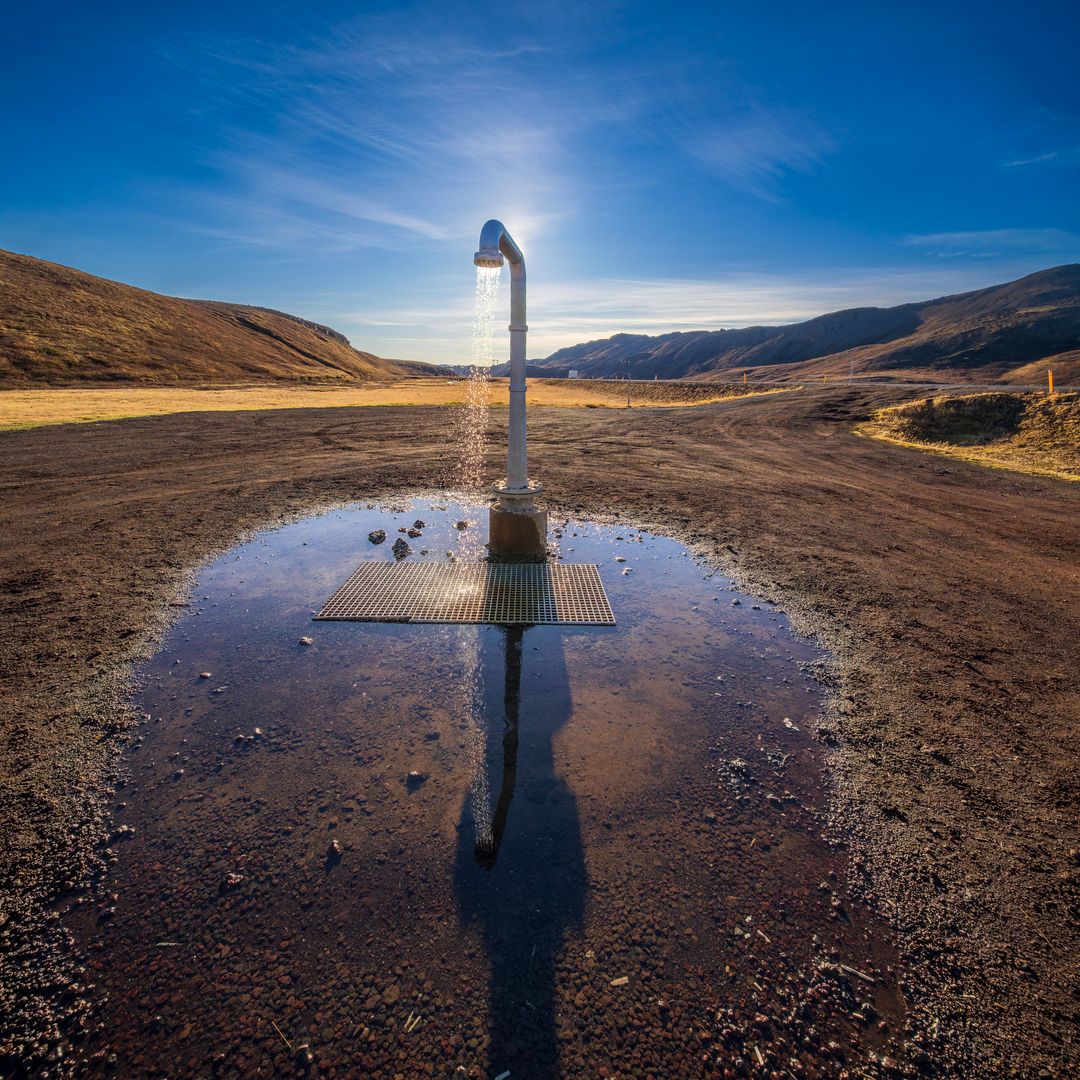
Iceland’s cold tap water comes from natural underground sources and is known for its clean, fresh taste. By contrast, hot water is often geothermally sourced and contains sulfur, which gives it a distinct “rotten egg” smell. While this water is perfectly safe for showering and washing, it’s not typically used for drinking.
Tip: Turn the tap to the coldest setting and let it run for a few seconds before filling your glass. This flushes out any residual warm water from the pipes, ensuring you get the freshest, best-tasting water.
Best Places to Experience Water in Iceland
Iceland’s unique water systems are best understood through its most iconic landmarks. Each site offers a different perspective on how water in Iceland moves through the landscape.
Silfra Fissure
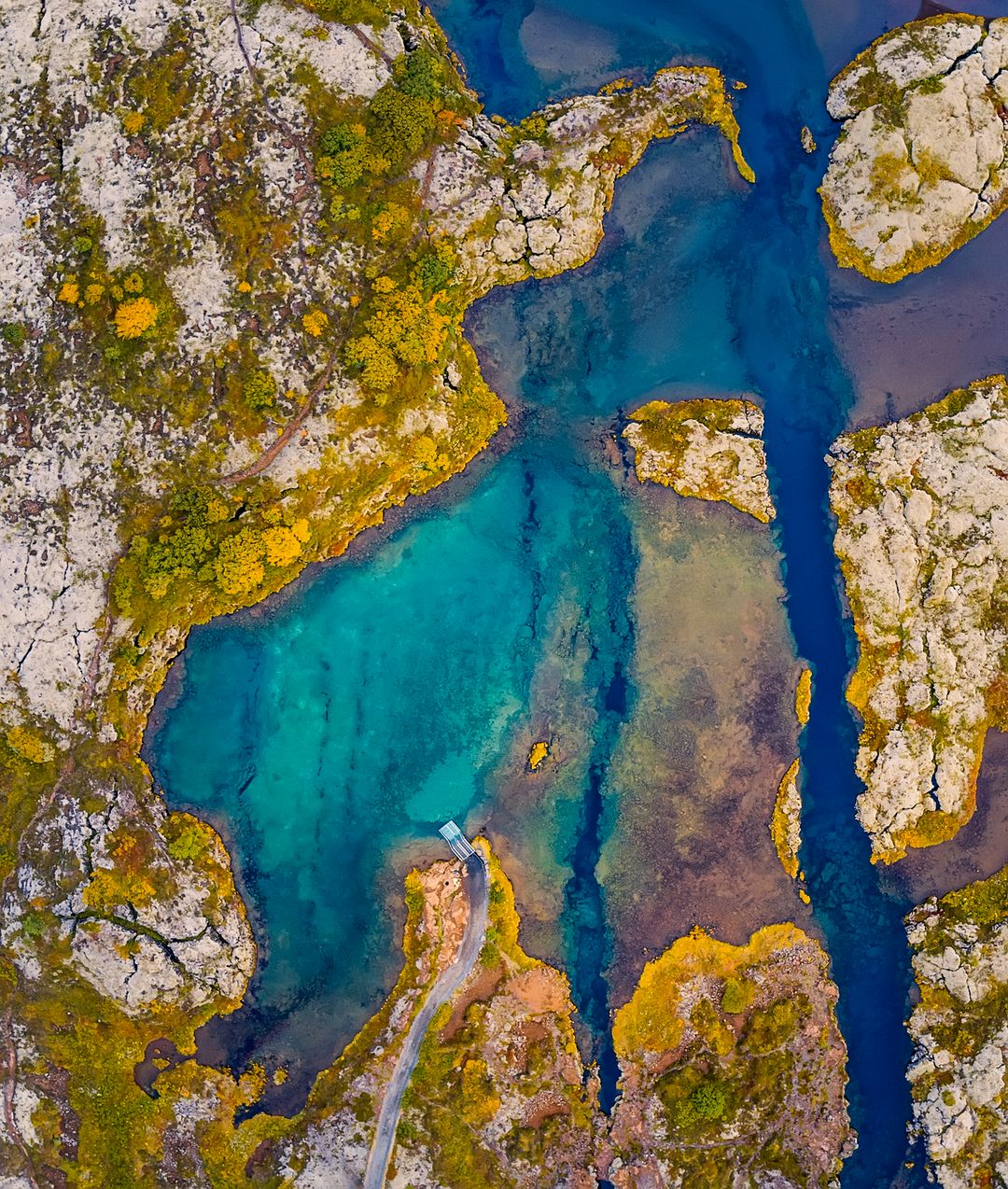
Located in Þingvellir National Park, Silfra lies between the Eurasian and North American tectonic plates. The water here originates as precipitation that has filtered slowly through underground lava fields over years or even decades. This natural filtration process results in exceptional clarity. Here, visibility often exceeds 100 meters (328 feet), making it one of the clearest natural waters in the world.
Famous Waterfalls in Iceland
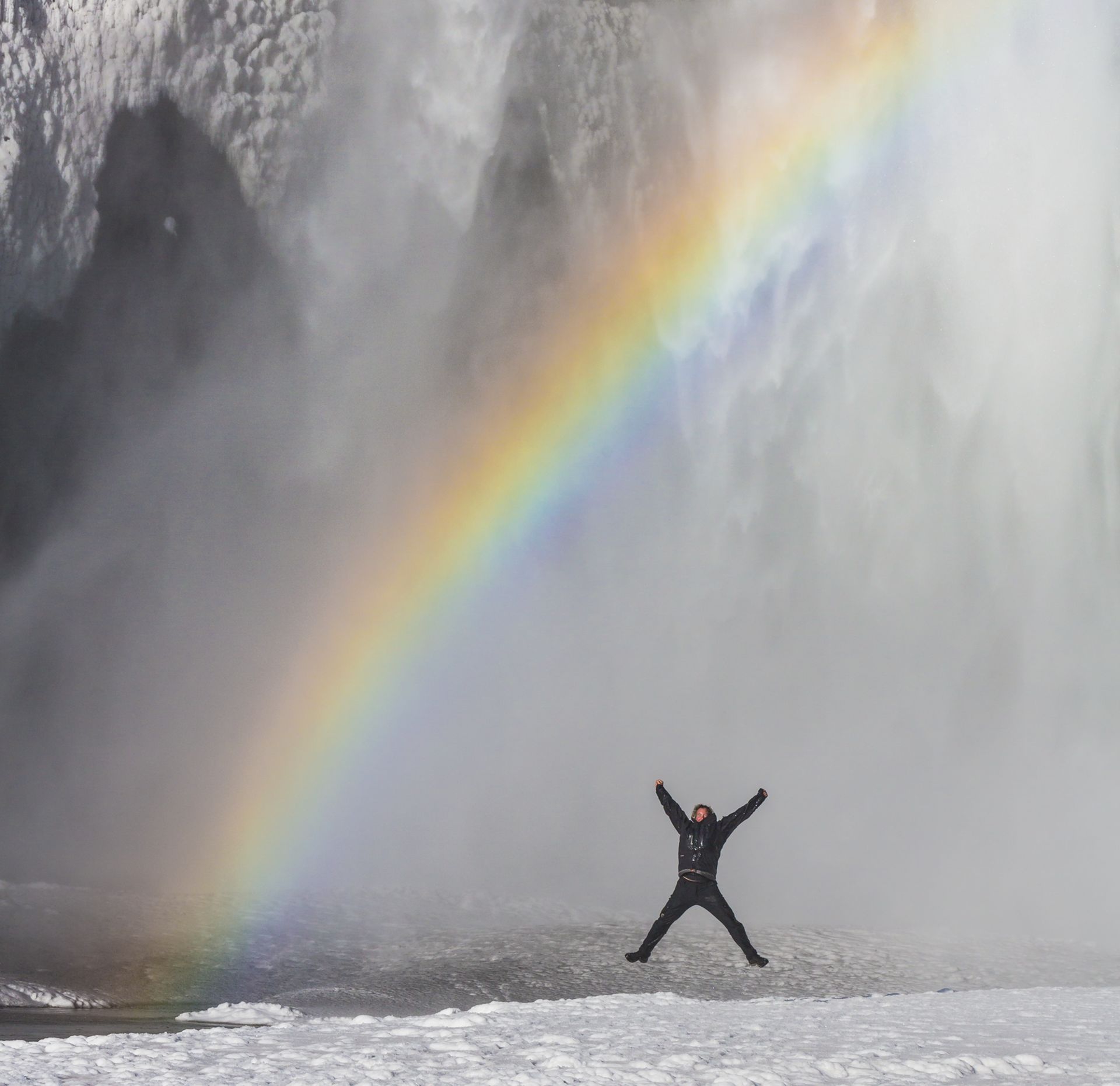
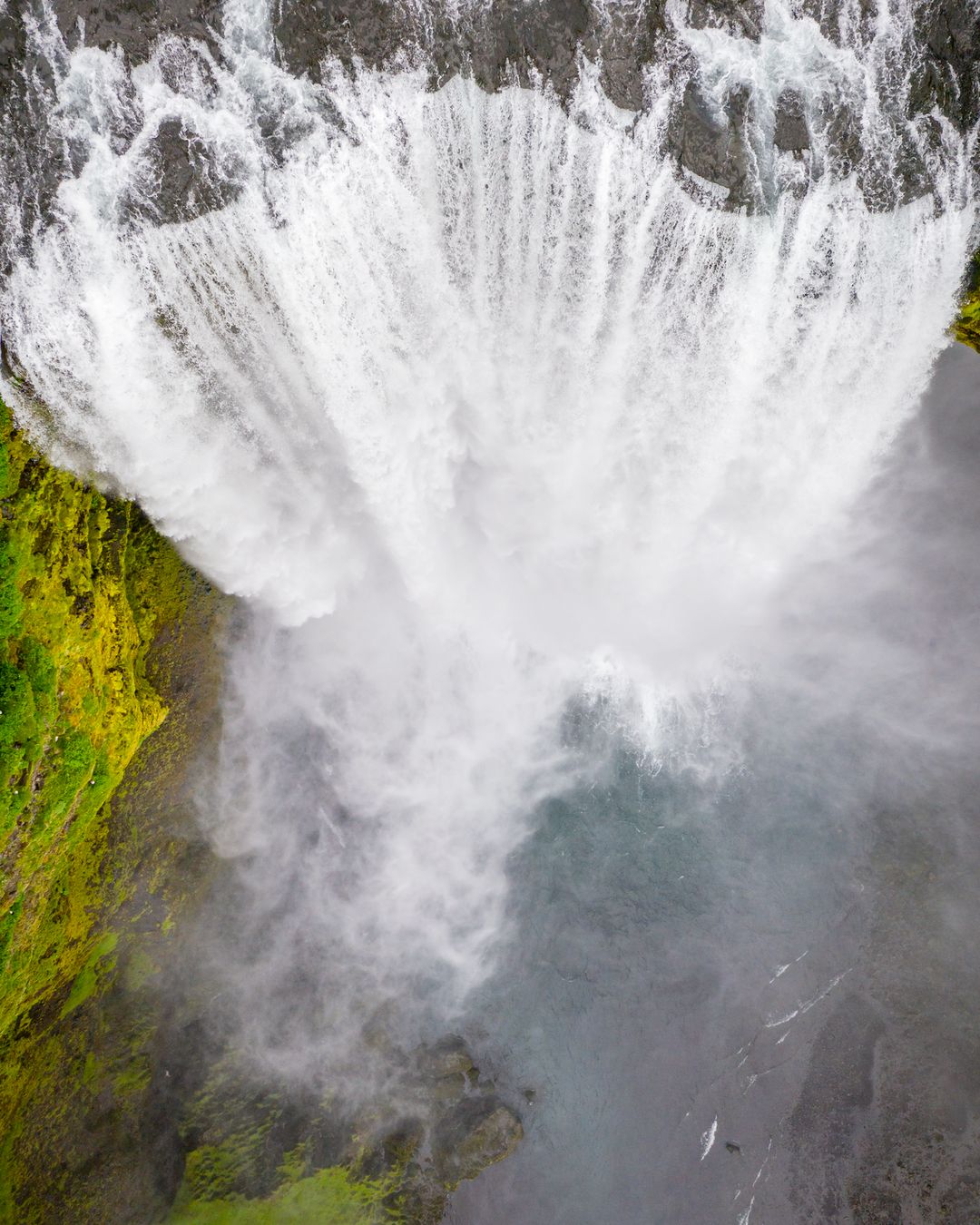
Waterfalls like Gullfoss and Skógafoss showcase the power and movement of water in Iceland. Fed by glacial rivers, they highlight how water flows across the landscape before eventually reaching the sea or filtering back underground.
Blue Lagoon
While Blue Lagoon itself is man-made, its water is a unique byproduct of the nearby Svartsengi geothermal power plant. Rich in minerals like silica and sulfur, the water is heated deep underground before reaching the surface. While not suitable for drinking, it highlights how geothermal energy interacts with water in Iceland.
Jökulsárlón Glacier Lagoon
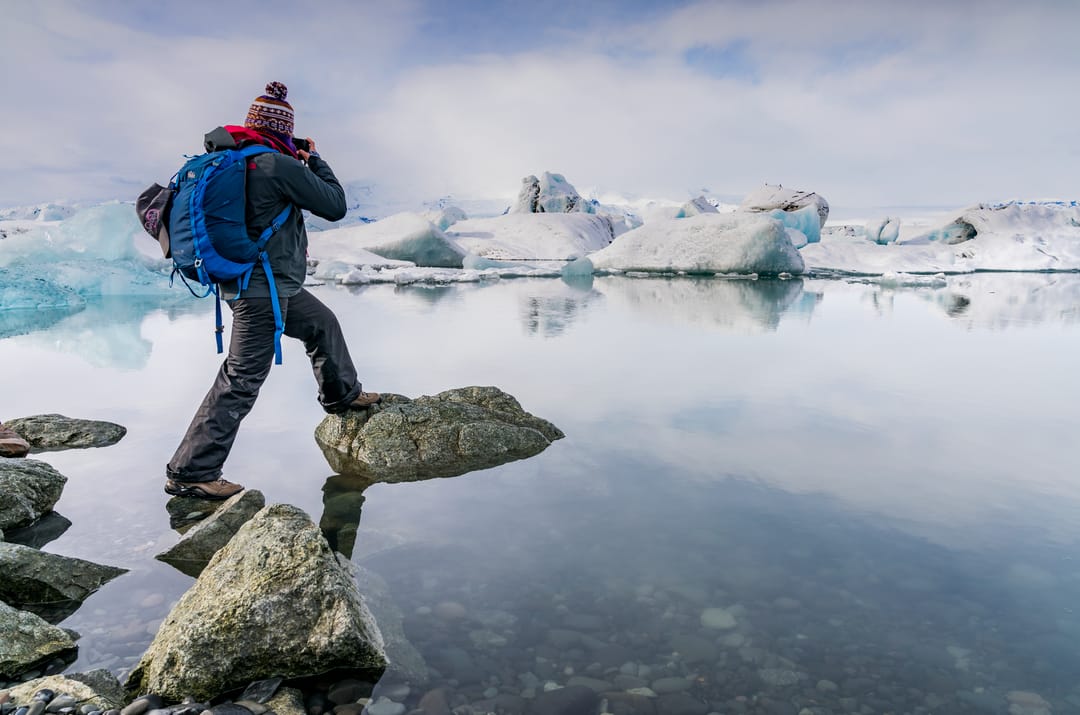
At Jökulsárlón, massive icebergs break off from the Breiðamerkurjökull glacier and drift through a serene lagoon toward the sea. It represents a visible stage in the glacial cycle, where ancient ice gradually melts and returns to the Atlantic Ocean.
Understanding Water in Iceland
The purity of water in Iceland is closely tied to the island’s volcanic landscape. Rain and snowmelt filter through layers of lava rock and collect in underground aquifers. Natural processes produce exceptionally clean drinking water.
From glacial landscapes to deep underground filtration, water in Iceland is shaped by geology, climate, and time. This continuous cycle not only defines the island’s environment but also plays an essential role in everyday life.
FAQs
Why is Icelandic water special?
Water in Iceland is naturally filtered through volcanic rock over the years, resulting in some of the world’s purest drinking water. Its low mineral content and natural filtration contribute to its clean, fresh taste.
Why is the water so blue in Iceland?
In glacial lagoons, the color comes from light reflecting off dense, air-free ice. In geothermal areas like the Blue Lagoon, the milky-blue hue is caused by high concentrations of suspended silica.
Why does Icelandic water smell like sulfur?
Only the hot water smells of sulfur because it is sourced from geothermal areas deep underground. Cold drinking water is typically odorless and comes from a separate, naturally filtered source.
Is bottled water necessary in Iceland?
No, buying bottled water is unnecessary and discouraged as Icelandic tap water is of equal or superior quality. Most bottled water sold in stores is simply the same water available for free from the tap.
Where does Iceland’s water come from?
Iceland’s water primarily comes from rain and snow that seep into the ground and are naturally filtered through volcanic rock. It is then stored in underground aquifers, where it remains protected and exceptionally clean.
Popular articles
The Complete Guide to the Northern Lights in Iceland
Learn how the Northern Lights form, where to see them in Iceland, how to prepare, take photos, read the forecast, and improve your chances of a sighting.
Let's Talk About the Volcano in Iceland About to Erupt
Is a volcano in Iceland about to erupt? Here’s what travelers should know about Svartsengi, Reykjanes activity, flights, safety, and the Blue Lagoon.
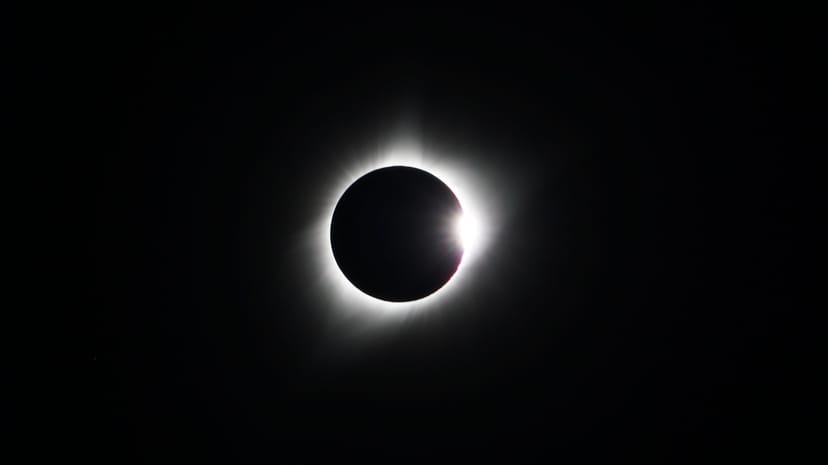
Solar Eclipse 2026 in Iceland | What Happened
Iceland experienced a total solar eclipse on August 12, 2026. Discover what happened in Reykjavík, eclipse times, totality locations and more.
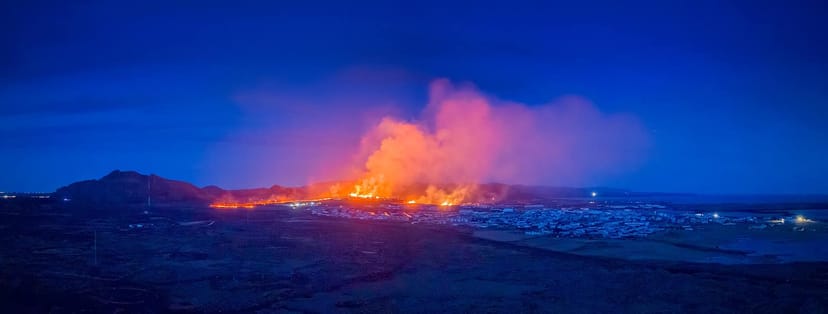
September 2026 updates on the Sundhnúkagígar Eruption in the Reykjanes Peninsula!
The current eruption in the Reykjanes Peninsula, is called Sundhnúkagígar Crater Row. See insights on the seismic activity and volcanic eruptions in the area!
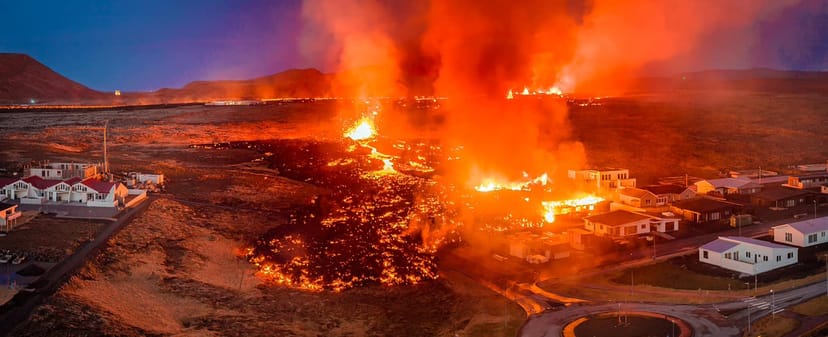
Active Volcanoes in Iceland 2026
Active volcanoes aren't the same thing as active eruptions. A volcano can be considered active even when it is not ejecting ash, rock, gases and magma, so which are active in Iceland in 2026?
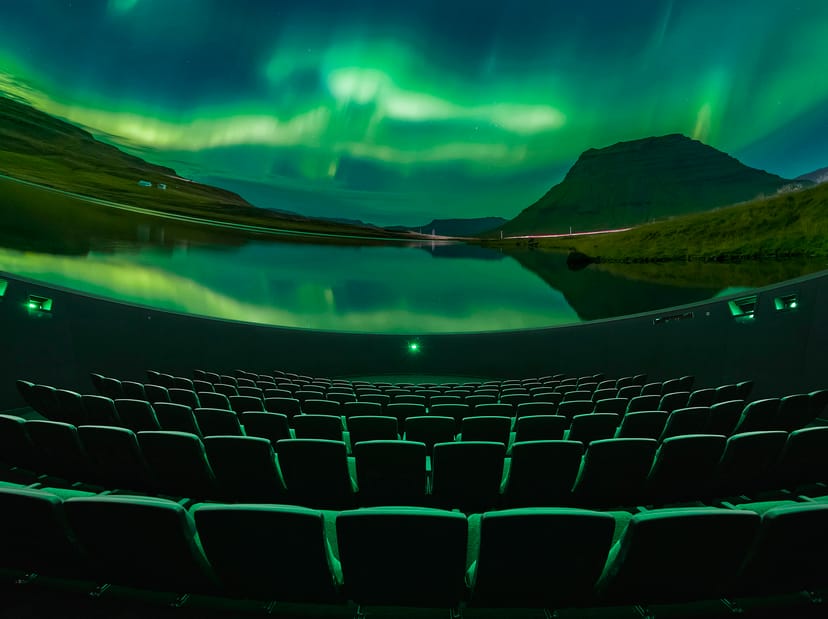
Top 10 Places To See the Northern Lights in Iceland
Discover the best places to see the Northern Lights in Iceland, from Jökulsárlón and Kirkjufell to Reykjavík, Þingvellir and North Iceland.
Ice Caves From Reykjavik
Planning an ice cave trip from Reykjavik? Compare Katla, Langjökull and Vatnajökull, travel times, seasons and Perlan’s ice cave in the city.