
There Are No Silly Questions About the Northern Lights
The northern lights are one of those natural wonders that leave people with all sorts of questions. Can you really see them from a plane? Do they make any noise? And why do they sometimes look so different from the photos?
If you've ever wondered about any of these things, you're probably not the only one. There's a lot to be curious about when it comes to the northern lights, and some of the most interesting questions have surprisingly simple answers. If you're wondering when and where to see them, the northern lights forecast can help you plan around the conditions.
Can You See the Northern Lights From a Plane?
Yes, you can see the northern lights from a plane, particularly when flying over northern regions during the darker months. At cruising altitude, you're above much of the lower cloud cover, which can sometimes provide a clearer view. Your chances also depend on the flight route, the time of day, and your viewing direction.
A window seat can offer a good view, although cabin lighting and reflections may make the aurora harder to spot. Dimming your screen and avoiding bright lights can help your eyes adjust.
How Long Do the Northern Lights Last?
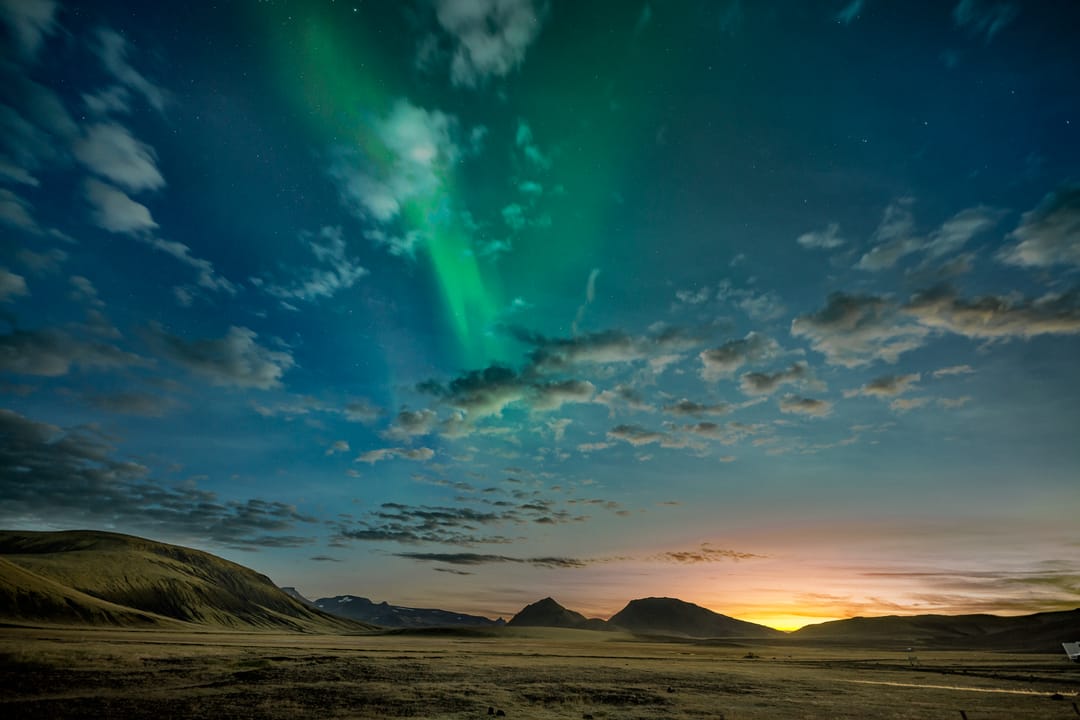
The northern lights can last anywhere from a few minutes to several hours, depending on how active the aurora is. Some displays appear briefly before fading, while others continue for much of the night, changing in brightness and shape.
You might also notice periods when the lights disappear, only to return later. This is why it's worth allowing plenty of time for aurora viewing rather than expecting a display at a particular hour. Even a quiet sky can become active again.
Can You Hear the Northern Lights?
Most people won't hear anything while watching the northern lights, although some observers have reported faint crackling or popping sounds. Researchers in Finland have recorded similar sounds and suggested they may originate much closer to the ground than the aurora itself.
However, the exact connection between these sounds and auroral activity is still being studied. So, while reports of northern lights sounds aren't necessarily imaginary, hearing them is unusual and shouldn't be expected during a typical viewing experience.
Can You See the Northern Lights During a Full Moon?
Yes, you can still see the northern lights during a full moon, especially when the aurora is bright and active. Moonlight makes the sky brighter, which can wash out weaker displays and make faint colours harder to distinguish. However, a strong aurora can remain clearly visible even with the moon overhead.
You don't need to avoid travelling during a full moon, but darker nights may help you spot subtler displays. Cloud cover and aurora activity are often more important factors when planning your viewing.
Can You See the Northern Lights Through Clouds?
Thick clouds usually block the northern lights from view, even when aurora activity is strong. Thin or patchy clouds may allow brighter displays to show through, although the colours and shapes can appear less distinct. This is why checking cloud cover is just as important as looking at aurora activity predictions.
A cloudy evening in Reykjavík doesn't necessarily mean the entire region is covered, either. Perlan's guide on how to read the northern lights forecast explains how to assess conditions before heading out.
Are the Northern Lights Dangerous to Watch?
No, watching the northern lights is safe. The colourful displays occur high above Earth's surface, where charged particles interact with gases in the atmosphere. The light itself poses no danger to people watching from the ground. However, the conditions you encounter while looking for the aurora can present risks, particularly during Iceland's winter months.
Cold temperatures, icy roads and strong winds are worth preparing for. If you're travelling outside Reykjavík, check the weather and road conditions before leaving, and choose a safe place to stop.
Why Do the Northern Lights Move?
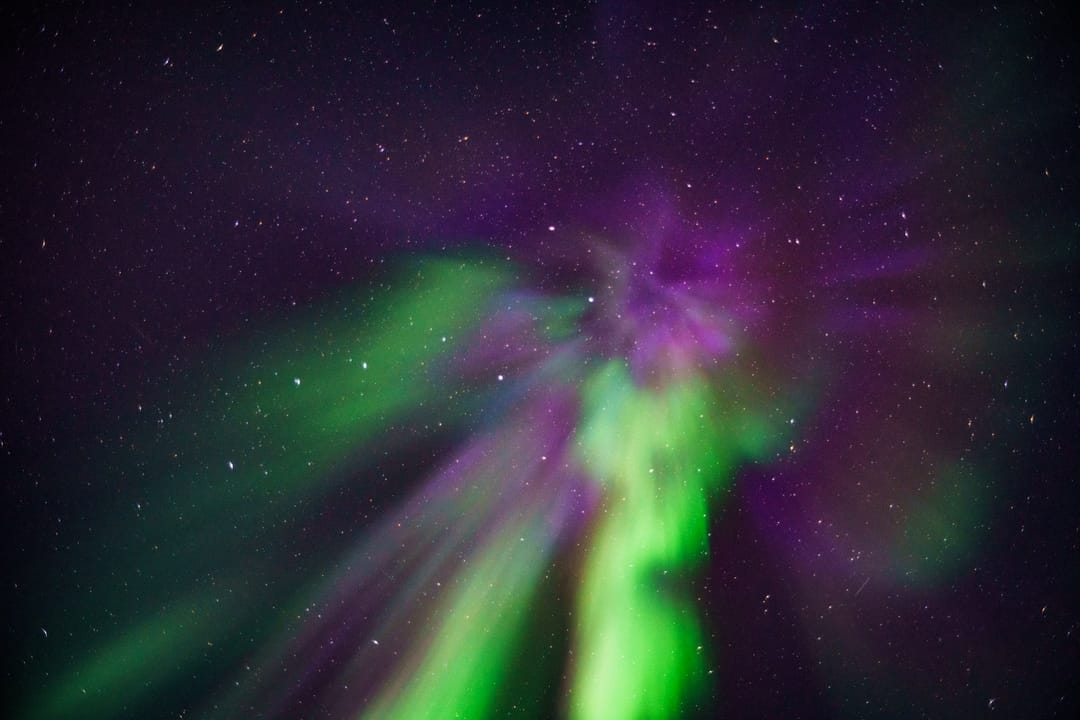
The northern lights appear to move because charged particles from space interact with gases in Earth's upper atmosphere. These particles follow Earth's magnetic field and produce light when they collide with oxygen and nitrogen.
As the flow of particles changes, the glowing patterns shift, creating the waves, arcs, and curtains seen across the sky. Some displays move slowly, while others change shape within seconds. Perlan's guide to what causes the northern lights explains the science behind these changing displays.
Do the Northern Lights Happen Every Night?
Auroral activity occurs somewhere around Earth's polar regions almost every night, but that doesn't mean it's always visible from Iceland. The strength and location of the aurora vary, and you also need darkness and sufficiently clear skies to see it.
During Iceland's summer months, the nights are too bright for reliable viewing, even when auroral activity occurs. If you're planning a trip, understanding the best time to see the northern lights in Iceland can help you choose suitable dates.
How High Are the Northern Lights?
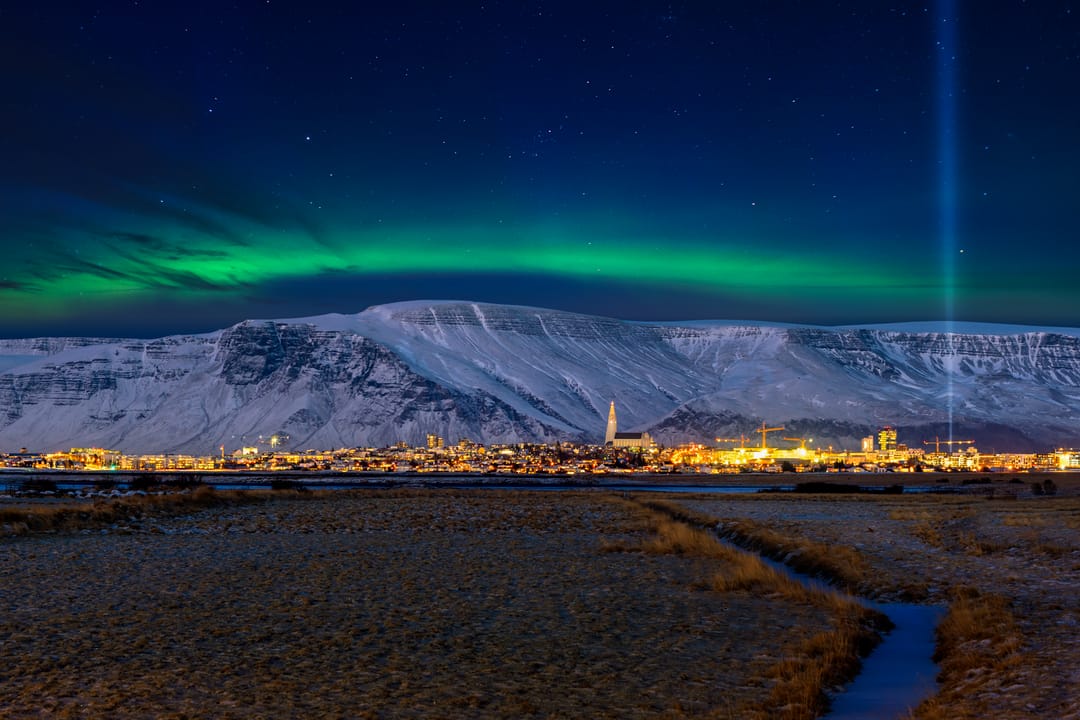
Most northern lights appear between 100 and 300 kilometres (62–186 miles) above Earth's surface, although some extend beyond this range. Their altitude depends partly on which gases are producing the light. Green auroras commonly form around 100–150 kilometres (62–93 miles), while red displays can occur much higher. This also helps explain why northern lights appear in different colours. Despite sometimes looking close enough to touch, the lights occur far above the clouds and even higher than most aircraft fly.
Can You See the Northern Lights With the Naked Eye?
Yes, you can see the northern lights without a camera or special equipment. However, they may look different from the bright green and purple displays you see in photographs. Fainter auroras can appear greyish or pale green because our eyes struggle to distinguish colours in low light.
Cameras can capture more colour through longer exposures, making photographs look brighter than the actual view. During stronger displays, the colours and movement can become much easier to see with your own eyes.
Discover More About the Northern Lights at Perlan
The northern lights are easier to appreciate when you understand a little about how they work. And even after learning the science, there's still something special about seeing them for yourself. If you're visiting Reykjavík, Perlan's indoor northern lights show offers a closer look at the aurora through an immersive planetarium experience. It's also a useful way to explore the phenomenon when Iceland's weather makes outdoor viewing difficult.
FAQs
Yes, many modern smartphones can photograph the northern lights using night mode or longer exposures. Keep your phone steady and avoid using the flash for clearer results.
The northern lights can appear at any time after dark, although the hours around midnight are often good for viewing. Clear skies and aurora activity matter more than a specific time.
Yes, the northern lights can become visible quite suddenly, even when the sky looked quiet moments earlier. Changes in aurora activity can make a faint display brighten or spread across the sky.
Yes, faint northern lights often appear less colourful to the naked eye than they do in photographs. During stronger displays, however, their colours and movement can be much easier to see.
Popular articles
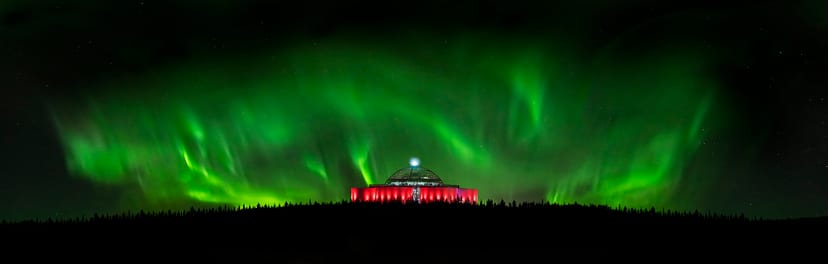
The Complete Guide to the Northern Lights in Iceland
Learn how the Northern Lights form, where to see them in Iceland, how to prepare, take photos, read the forecast, and improve your chances of a sighting.
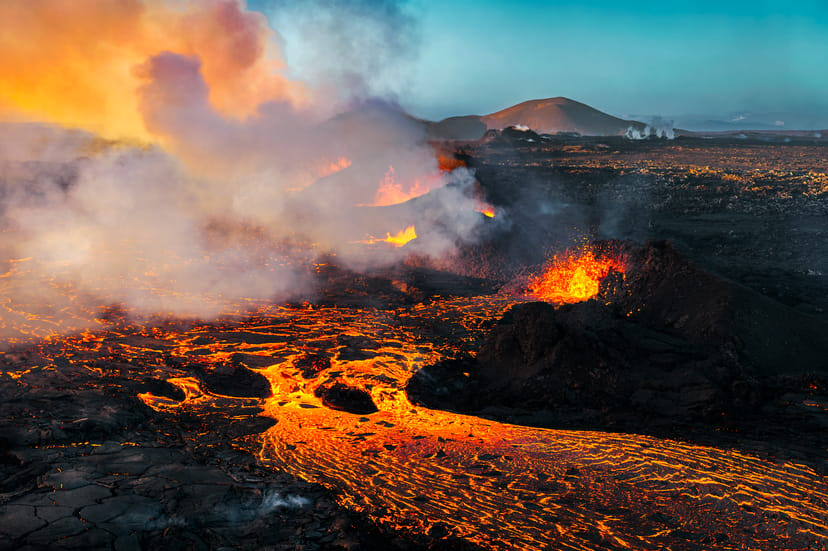
Let's Talk About the Volcano in Iceland About to Erupt
Is a volcano in Iceland about to erupt? Here’s what travelers should know about Svartsengi, Reykjanes activity, flights, safety, and the Blue Lagoon.
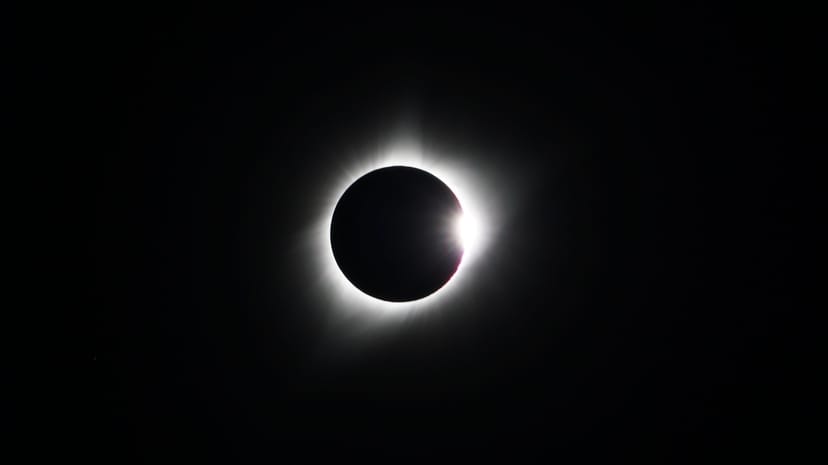
Solar Eclipse 2026 in Iceland | What Happened
Iceland experienced a total solar eclipse on August 12, 2026. Discover what happened in Reykjavík, eclipse times, totality locations and more.
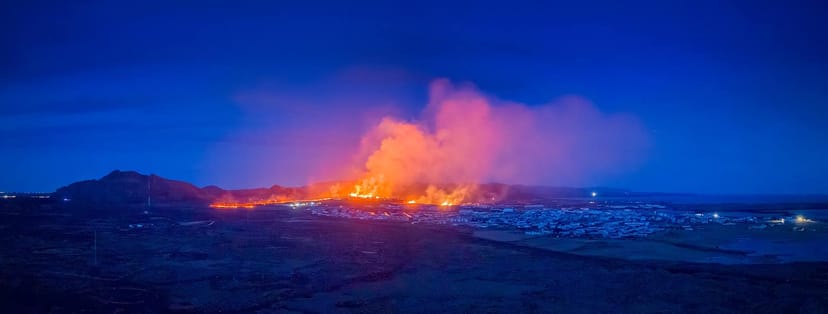
September 2026 updates on the Sundhnúkagígar Eruption in the Reykjanes Peninsula!
The current eruption in the Reykjanes Peninsula, is called Sundhnúkagígar Crater Row. See insights on the seismic activity and volcanic eruptions in the area!
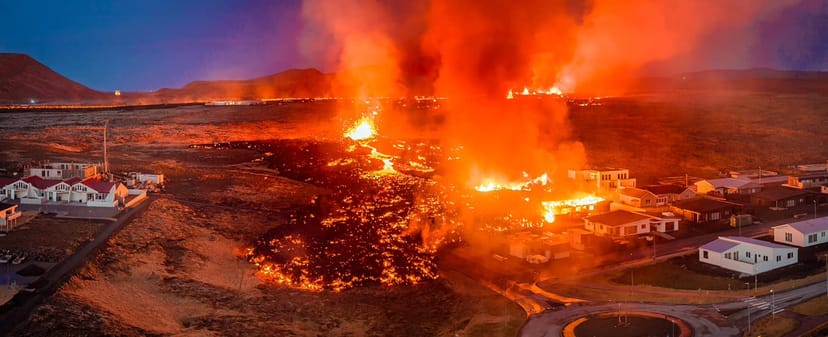
Active Volcanoes in Iceland 2026
Active volcanoes aren't the same thing as active eruptions. A volcano can be considered active even when it is not ejecting ash, rock, gases and magma, so which are active in Iceland in 2026?
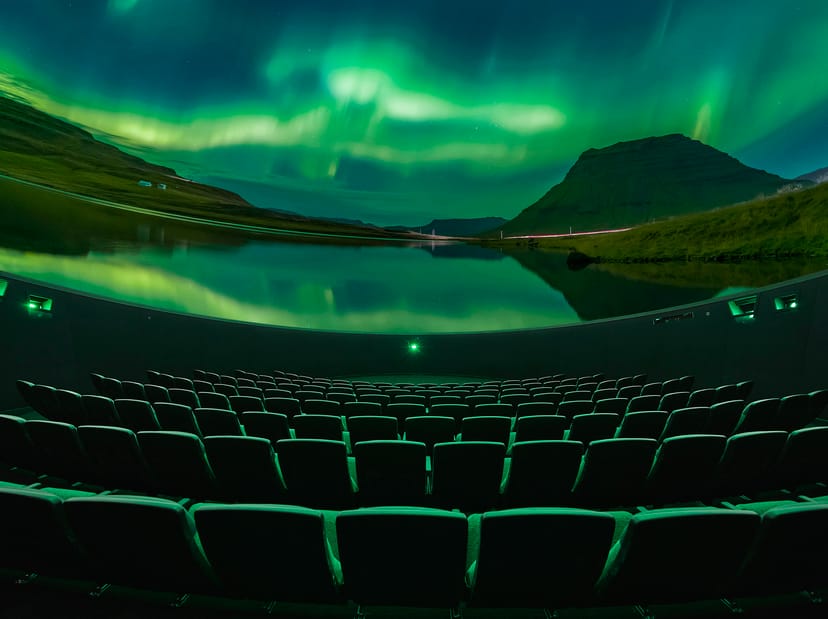
Top 10 Places To See the Northern Lights in Iceland
Discover the best places to see the Northern Lights in Iceland, from Jökulsárlón and Kirkjufell to Reykjavík, Þingvellir and North Iceland.
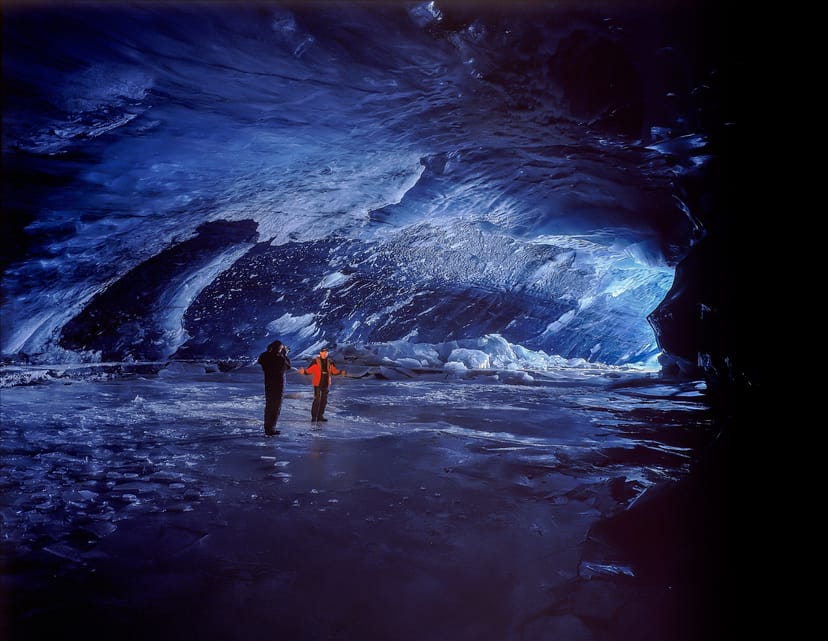
Ice Caves From Reykjavik
Planning an ice cave trip from Reykjavik? Compare Katla, Langjökull and Vatnajökull, travel times, seasons and Perlan’s ice cave in the city.