
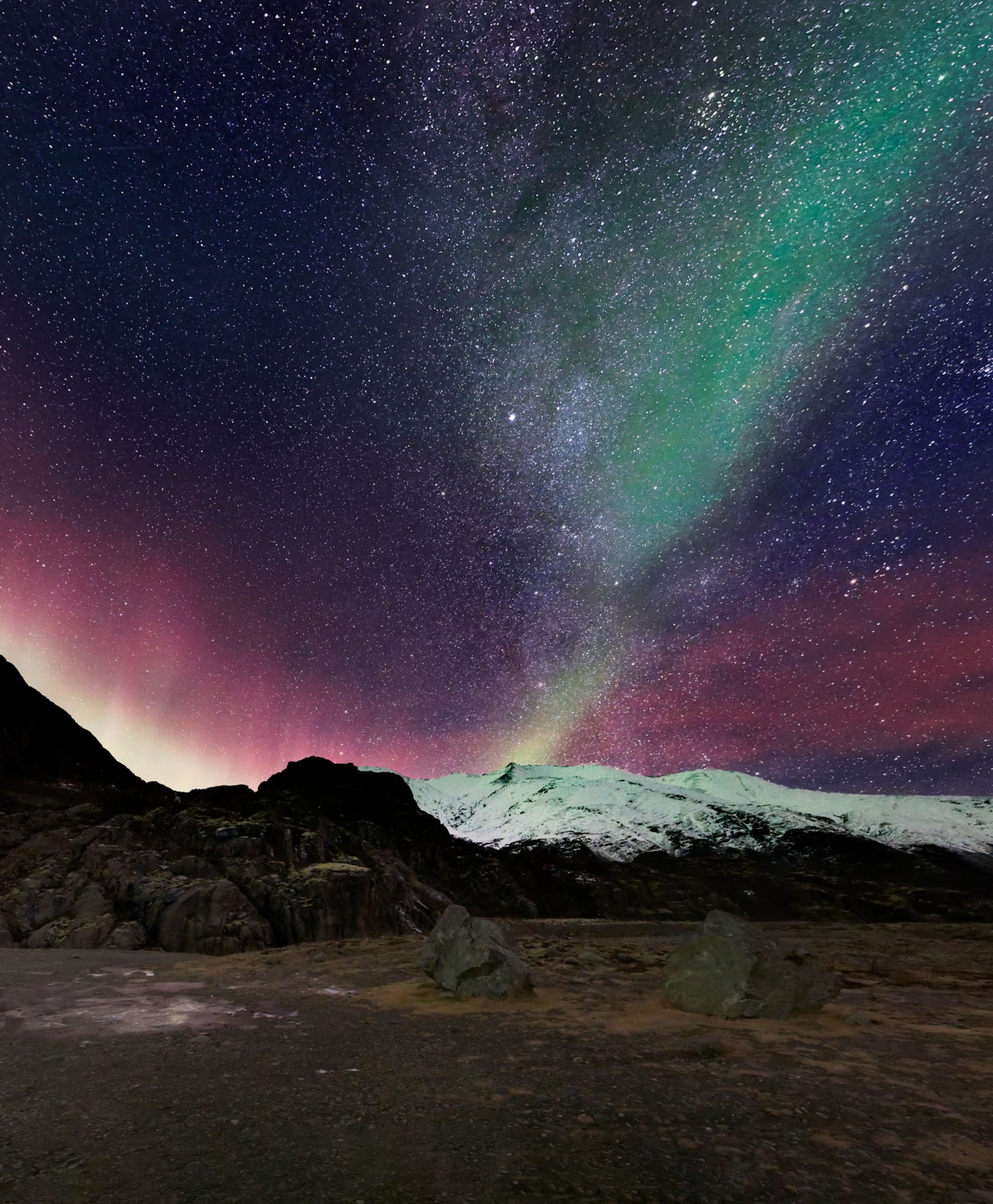
How to Plan Four Days in Iceland Around the Northern Lights
Four days in Iceland gives you several chances to see the Northern Lights, provided you plan your trip carefully. The challenge is that the aurora doesn't appear on a schedule. Even when solar activity is strong, cloud cover can prevent you from seeing anything.
That's why it's worth keeping your evenings flexible rather than planning everything around one Northern Lights tour. With Reykjavík as your base, you can explore some of Iceland's best-known sights during the day and check the conditions each evening. This four-day itinerary covers where to go, what to see and how to give yourself more opportunities to catch the aurora.
Can You See the Northern Lights on a Four-Day Trip?
Yes, four days can be enough to see the Northern Lights in Iceland, especially if you visit between September and April. These months offer the dark skies needed to see the aurora, although sightings are never guaranteed. Your chances depend on several factors, including cloud cover, solar activity and how dark the sky is. Even a strong aurora can be difficult to see when clouds block your view.
The advantage of spending four days in Iceland is having several evenings to try. If the weather isn't suitable on your first night, you still have other opportunities. Check the aurora forecast each evening and be prepared to adjust your plans. Perlan's guide on how to read the northern lights forecast explains what to look for. You can also learn about the best time to see the northern lights in Iceland before choosing your travel dates.
Four Days in Iceland: A Northern Lights Itinerary
For a short winter trip, Reykjavík makes a practical base. You can explore the city, visit the Golden Circle and take a day trip along the South Coast without changing accommodation every night. This also gives you the option to book guided excursions if you'd rather avoid driving in winter conditions.
The itinerary below balances daytime sightseeing with opportunities to see the Northern Lights after dark. You can switch days around depending on the weather, road conditions, and aurora forecast. There's no need to follow a strict schedule, particularly when conditions can change quickly.
Day 1: Arrive in Reykjavík and Plan Your First Northern Lights Evening
After arriving at Keflavík International Airport, make your way to Reykjavík and settle into your accommodation. The journey usually takes around 45–60 minutes by car, depending on traffic and weather. If you arrive early enough, you can explore a few places around the city centre:
- Hallgrímskirkja: One of Reykjavík's best-known landmarks, with a tower offering views across the city.
- Harpa Concert Hall: A waterfront building known for its distinctive glass exterior.
- Old Harbour: A pleasant area for a short walk, with restaurants and views towards the bay.
Before dinner, check the aurora forecast to see whether conditions look promising. If skies are clear, consider joining a guided Northern Lights tour or visiting a darker location outside the city. You can sometimes see the northern lights in Reykjavík, particularly during stronger displays. However, darker locations generally offer better viewing conditions. If the forecast looks poor or you're tired from travelling, save your first attempt for another evening.
Day 2: Explore the Golden Circle and Check the Evening Forecast
The Golden Circle is one of Iceland's most popular sightseeing routes and works well as a day trip from Reykjavík. The route covers three major attractions, with plenty of opportunities to stop for photographs along the way. Allow around six to eight hours for the trip, depending on road conditions and how long you spend at each stop.
- Þingvellir National Park: Walk through a rift valley where the North American and Eurasian tectonic plates are moving apart.
- Geysir Geothermal Area: Watch Strokkur erupt, usually every few minutes, sending hot water into the air.
- Gullfoss Waterfall: See one of Iceland's most famous waterfalls, where the Hvítá River drops into a deep canyon.
Return to Reykjavík in the late afternoon or early evening, leaving enough time to rest before another Northern Lights attempt. Check the forecast before deciding whether to head out. If conditions look promising, a guided tour can take you towards areas with clearer skies. Keep in mind that winter daylight hours are limited, so it's worth starting your Golden Circle trip early.
Day 3: Discover Iceland's South Coast
Spend your third day exploring Iceland's South Coast, known for its waterfalls, black sand beaches and dramatic coastal scenery. It's a longer day trip from Reykjavík, so an early departure is recommended, particularly during winter.
You don't need to travel all the way to Jökulsárlón Glacier Lagoon to enjoy this part of Iceland. Instead, focus on a few attractions that are reasonably accessible from the capital.
- Seljalandsfoss: A waterfall dropping around 60 metres (197 feet), with a walking path behind it that may close during icy conditions.
- Skógafoss: A powerful waterfall with a wide curtain of water and a viewing staircase that can become slippery in winter.
- Reynisfjara Black Sand Beach: A volcanic beach near Vík, famous for its basalt columns and powerful Atlantic waves.
Allow around 10–12 hours for a South Coast day trip, depending on your stops and the weather. At Reynisfjara, follow all safety warnings and stay well away from the water, as dangerous sneaker waves can reach unexpectedly far up the beach. Once you're back in Reykjavík, check the aurora forecast before making evening plans.
Day 4: Explore Reykjavík and Visit Perlan
After two days of travelling outside Reykjavík, spend your final day exploring the capital at a more relaxed pace. If the weather is poor, Perlan is a useful indoor stop where you can learn about Iceland's glaciers, volcanoes and other natural wonders. Its exhibitions explain the science behind these landscapes, making it a good addition to the places you've already visited.
Perlan also offers Áróra, an indoor Northern Lights experience that explores how the aurora forms through an immersive planetarium show. It's particularly useful if cloudy skies have affected your viewing plans. You can learn more about the indoor northern lights show in Reykjavík before visiting. If you're staying for a fourth night, check the forecast for one final chance to see the real aurora. Otherwise, allow enough time to travel to Keflavík Airport for your departure.
Practical Tips for Planning a Four-Day Northern Lights Trip
A little flexibility can make a big difference when planning a short winter visit. Iceland's weather changes quickly, and clear skies in Reykjavík don't necessarily mean conditions will be the same elsewhere. Rather than booking every evening in advance, leave room to adjust your Northern Lights plans based on the latest forecast.
A few things are worth considering before your trip:
- Choose your travel dates carefully. September to April offers the darkness needed for aurora viewing, although daylight hours and weather conditions vary considerably.
- Check the forecast regularly. Look at cloud cover alongside aurora activity rather than relying on activity predictions alone.
- Dress for long periods outdoors. Thermal layers, waterproof outerwear and insulated footwear help when waiting in cold conditions. See Perlan's guide on what to wear to see the northern lights.
- Consider guided tours. If you're unfamiliar with winter driving, an organised tour can make evening outings easier.
- Keep alternative plans available. Museums, geothermal pools and Reykjavík attractions give you options when the weather doesn't cooperate.
You can also research the best places to see the northern lights in Iceland before arriving. Some viewing locations are close to Reykjavík, while others require more travel. For a four-day itinerary, it's usually more practical to choose accessible locations rather than spending several hours driving each evening.
FAQs
Four days gives you several chances to see the Northern Lights, but sightings depend on cloud cover and aurora activity. Keeping your evenings flexible can improve your chances.
Yes, Reykjavík offers easy access to guided Northern Lights tours, accommodation and popular day trips. You can also travel to darker areas outside the city for better viewing conditions.
September, October and March are good options for combining daytime sightseeing with Northern Lights viewing. These months offer a useful balance of daylight and dark evenings, although sightings aren't guaranteed.
No, you can explore Reykjavík, the Golden Circle and the South Coast through organised tours. Renting a car offers more flexibility, but winter driving requires extra caution.
There's still plenty to enjoy, including waterfalls, geothermal areas and Reykjavík's museums. You can also visit Perlan to experience its indoor Northern Lights show and learn about the science behind the aurora.
Popular articles
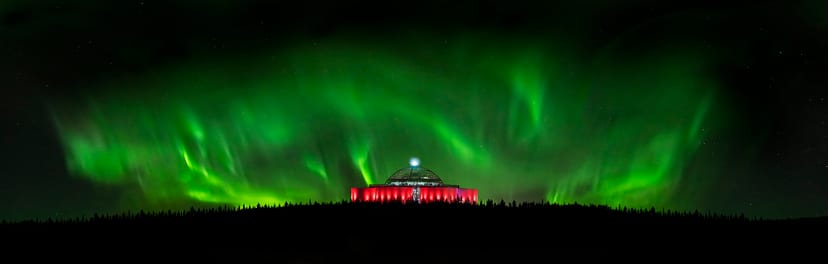
The Complete Guide to the Northern Lights in Iceland
Learn how the Northern Lights form, where to see them in Iceland, how to prepare, take photos, read the forecast, and improve your chances of a sighting.
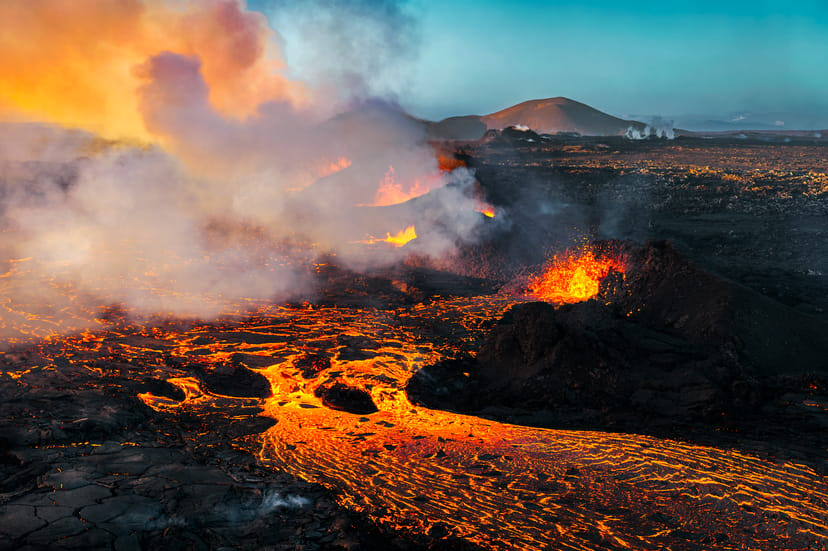
Let's Talk About the Volcano in Iceland About to Erupt
Is a volcano in Iceland about to erupt? Here’s what travelers should know about Svartsengi, Reykjanes activity, flights, safety, and the Blue Lagoon.
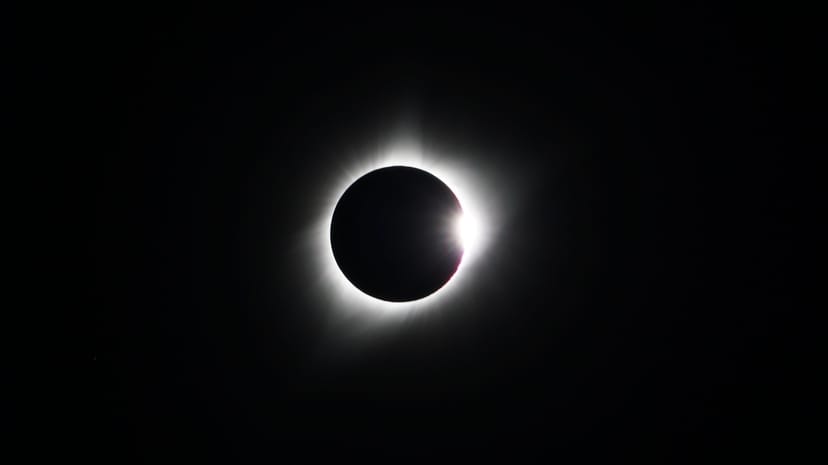
Solar Eclipse 2026 in Iceland | What Happened
Iceland experienced a total solar eclipse on August 12, 2026. Discover what happened in Reykjavík, eclipse times, totality locations and more.
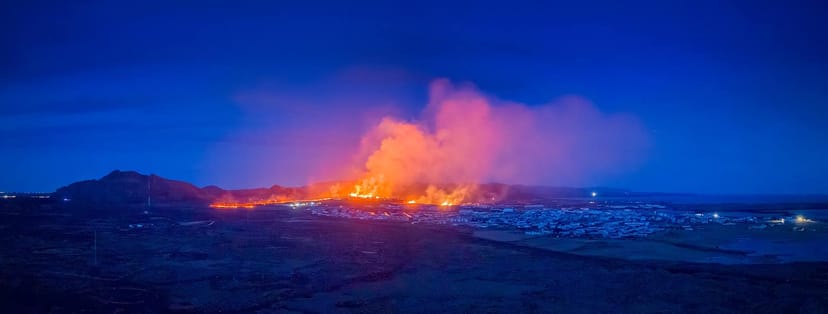
September 2026 updates on the Sundhnúkagígar Eruption in the Reykjanes Peninsula!
The current eruption in the Reykjanes Peninsula, is called Sundhnúkagígar Crater Row. See insights on the seismic activity and volcanic eruptions in the area!
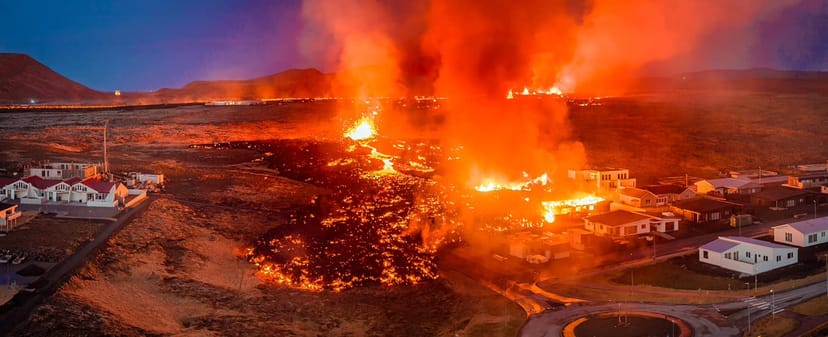
Active Volcanoes in Iceland 2026
Active volcanoes aren't the same thing as active eruptions. A volcano can be considered active even when it is not ejecting ash, rock, gases and magma, so which are active in Iceland in 2026?
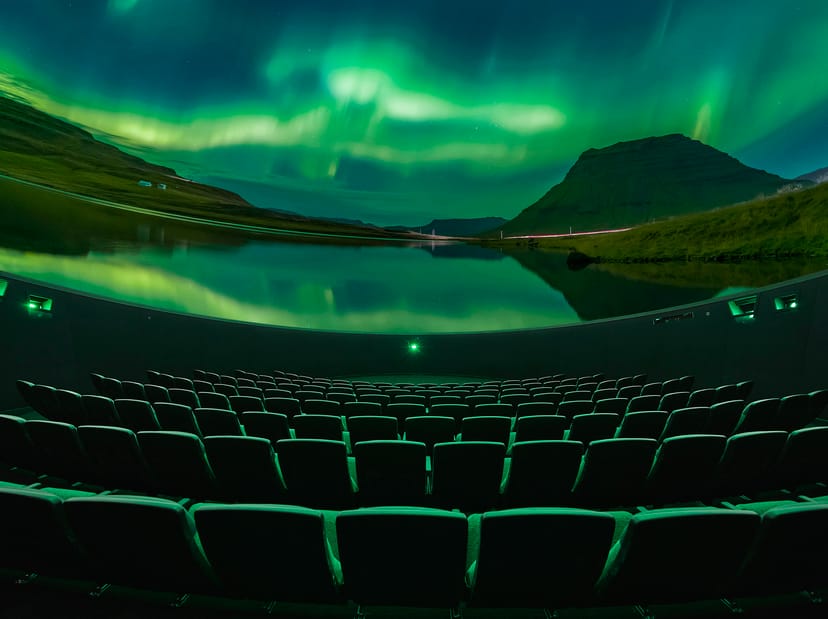
Top 10 Places To See the Northern Lights in Iceland
Discover the best places to see the Northern Lights in Iceland, from Jökulsárlón and Kirkjufell to Reykjavík, Þingvellir and North Iceland.
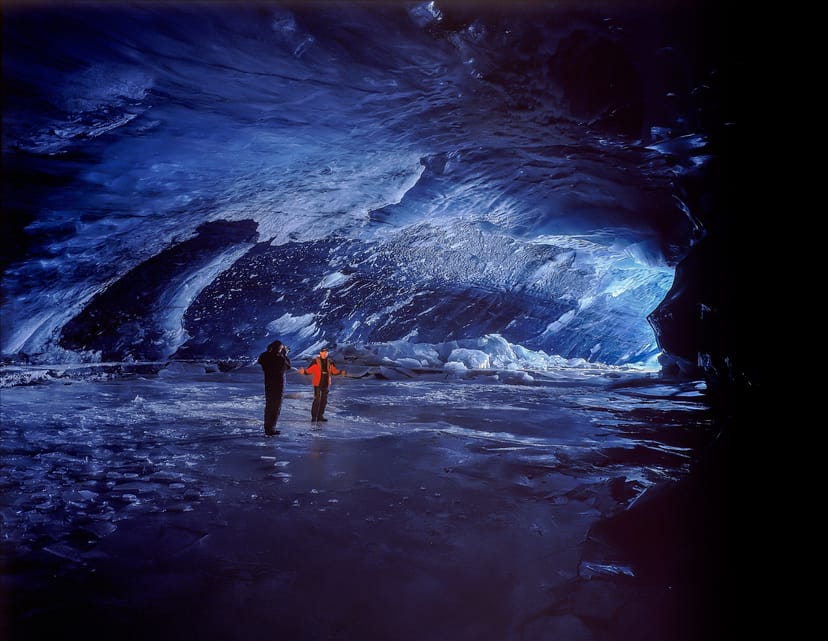
Ice Caves From Reykjavik
Planning an ice cave trip from Reykjavik? Compare Katla, Langjökull and Vatnajökull, travel times, seasons and Perlan’s ice cave in the city.