
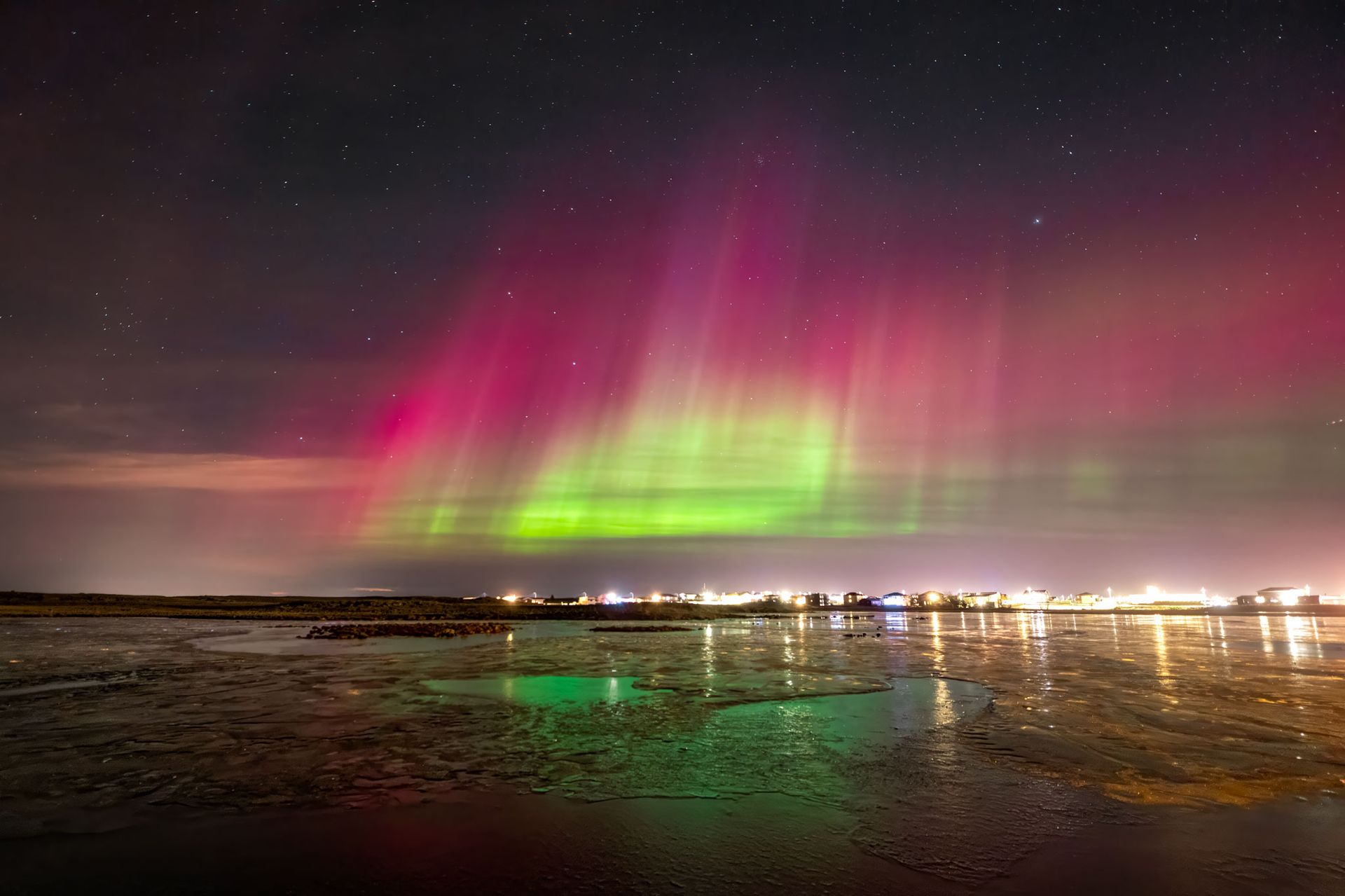
The Solar Storm That Painted Iceland's Skies Red
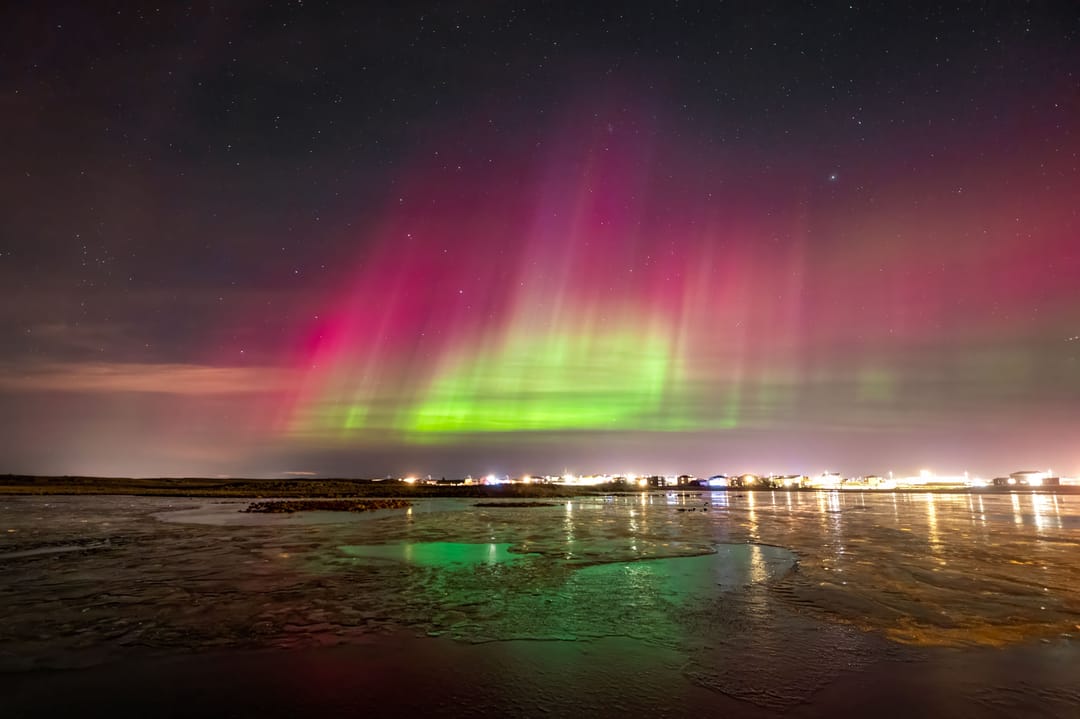
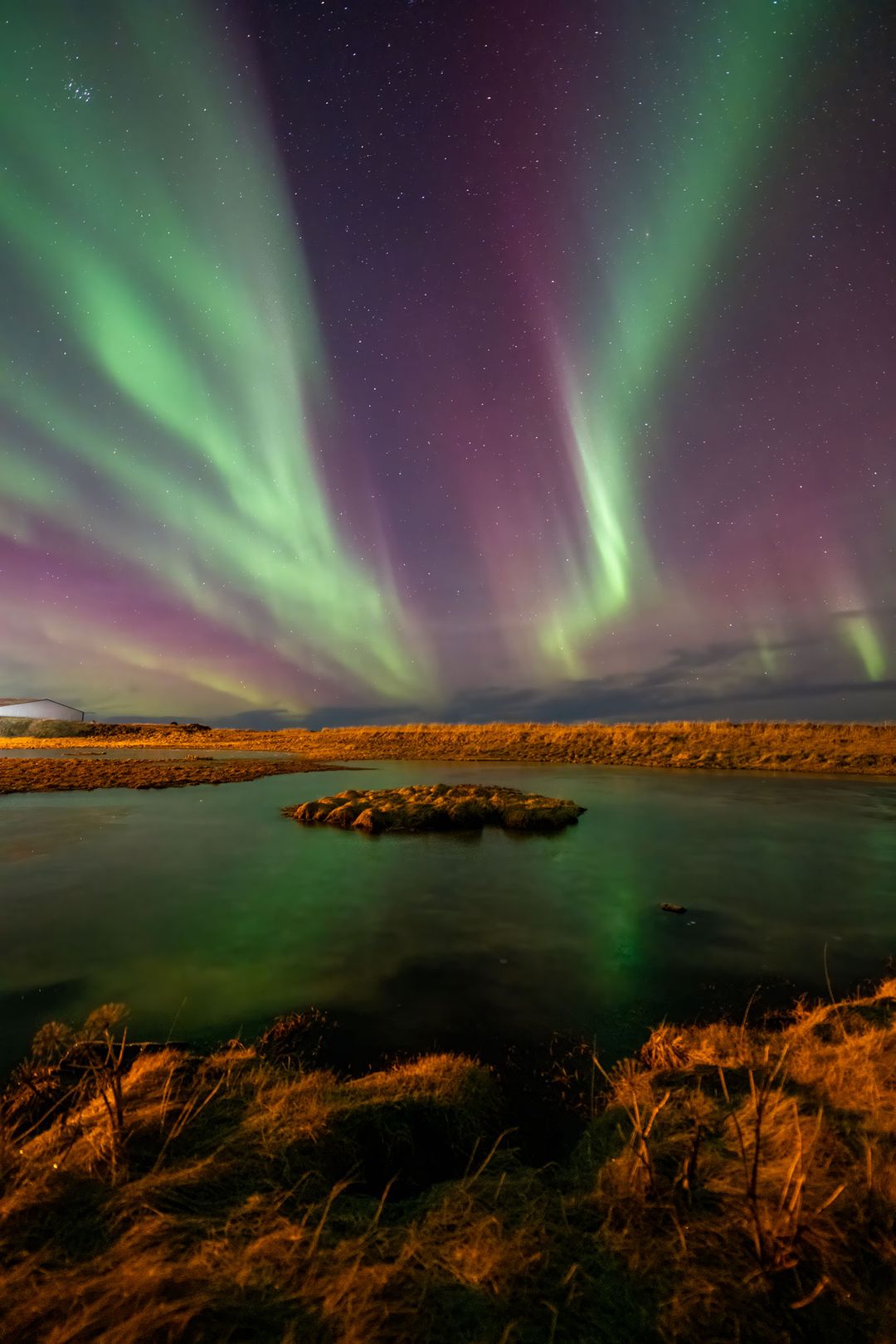
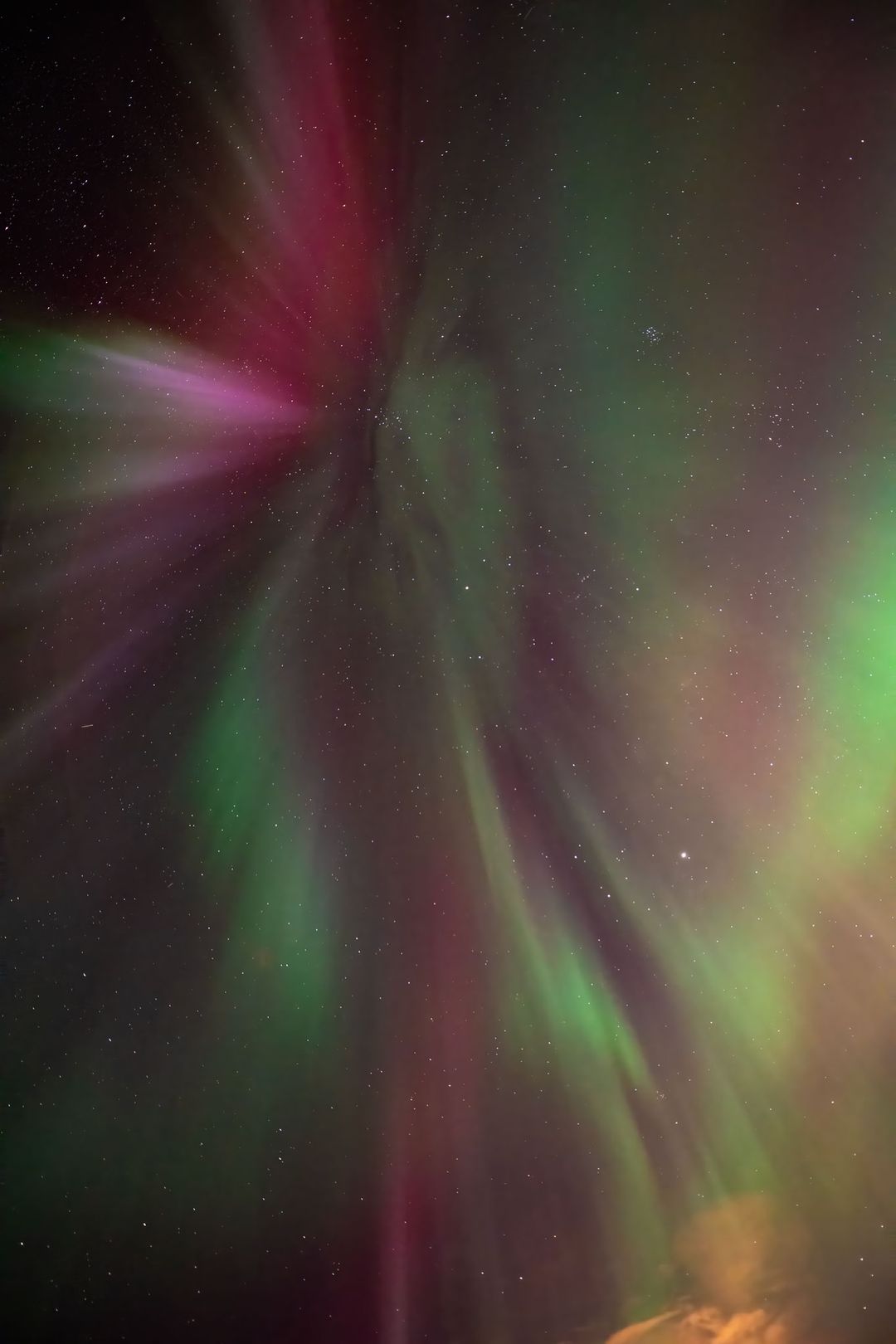
Have you ever looked up at the night sky and seen it dance? Usually, we see the Northern Lights as shimmering green ribbons. But in January 2026, something magical happened. The sky wasn't just green; it was blushing with shades of red and pink! It was a sight that many people in Iceland will never forget.
What made the northern lights so vibrant and red?
The reason we saw such amazing red auroras was because of a huge solar storm. Imagine the Sun having a massive solar flare, sending a super-fast and powerful wave of particles hurtling towards Earth. When this “coronal mass ejection” (that's the scientific name for it!) reached us, it created one of the most powerful geomagnetic storms in years. This storm was so strong that the Northern Lights were seen all over the world, even in places that rarely get to see them.
What are the Northern Lights?
Think of them as a giant, natural light show. It all starts with the Sun. The Sun is constantly sending out a stream of tiny particles, like a cosmic wind. When this solar wind reaches Earth, our planet's magnetic field guides it towards the North and South Poles.
When these solar particles zip into our atmosphere, they bump into tiny gas particles, mostly oxygen and nitrogen. These collisions get the gas particles excited, and they release this extra energy as light. And just like that, we have the aurora!
Why the Red Color?
The color of the aurora depends on a few things, but one of the most important is how high up the solar particles are when they hit the gas in our atmosphere.
- Green: The most common color we see is green. This happens when the solar particles (mainly electrons) collide with oxygen particles lower down in the atmosphere.
- Red: The beautiful red colours happen much higher up, where the atmosphere is much thinner. It occurs when there is enough time for the oxygen gas to relax back into its normal state by emitting light.
- Blue and Purple: Sometimes, you might even see hints of blue or purple. This is caused by collisions with nitrogen particles.
Because this solar storm was so powerful, it managed to strongly enhance the beautiful red colour at high altitudes, which most often is invisible to the unaided eye.
Are Red Northern Lights Common?
While the Northern Lights are a frequent guest in Iceland's winter sky, the red ones are a special treat. Seeing green auroras is quite common, but seeing the sky blush in crimson requires a lot more power.
Red auroras most often appear during intense solar storms. These storms need to be strong enough to send solar particles deep into Earth's magnetic field and enhance the red colour high in our atmosphere. Because these powerful storms don't happen every day, a night with red auroras is a truly special event that even seasoned aurora watchers get excited about.
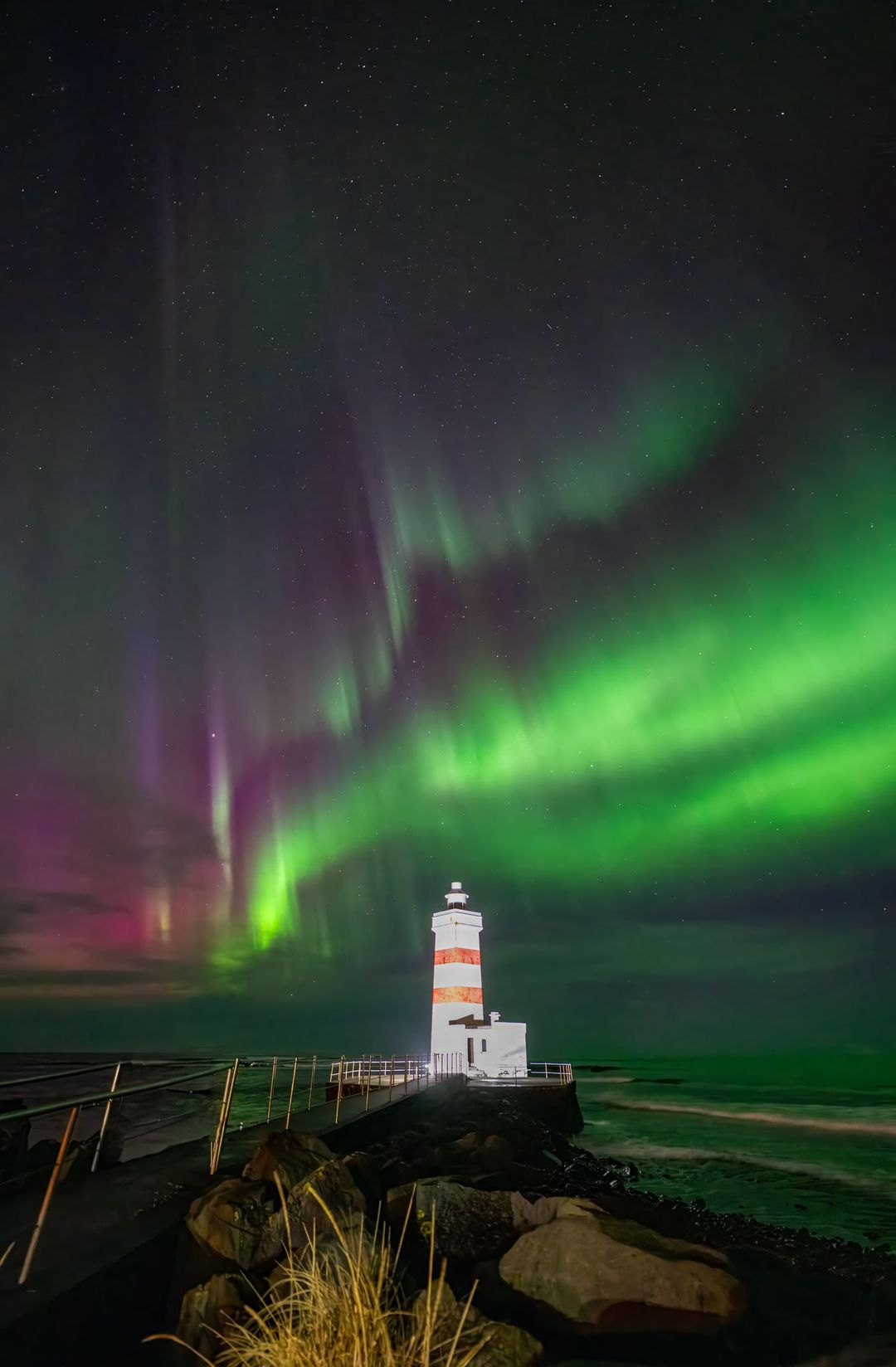
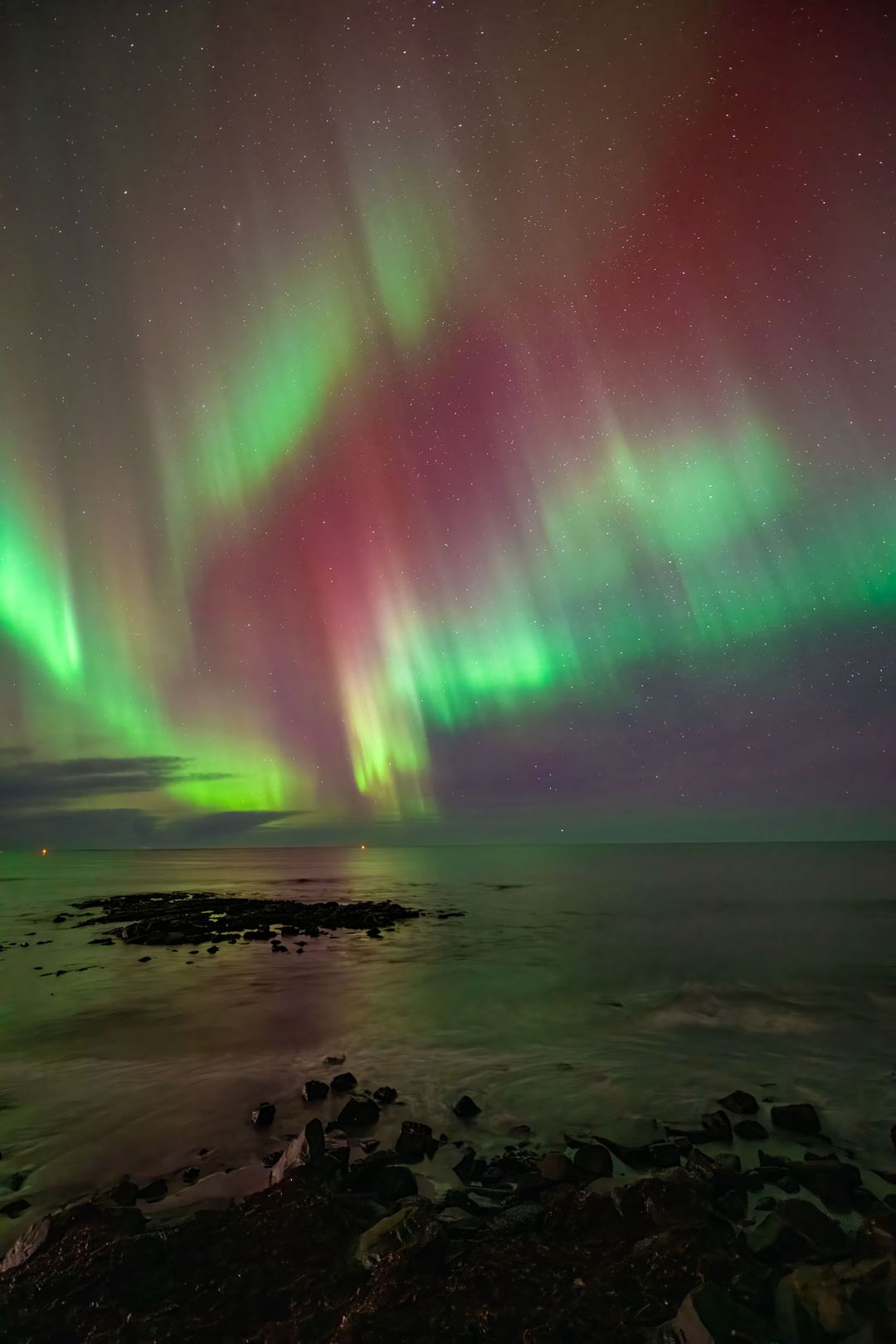
Photos Captured of the Red Northern Lights over Iceland
Popular articles
The Complete Guide to the Northern Lights in Iceland
Learn how the Northern Lights form, where to see them in Iceland, how to prepare, take photos, read the forecast, and improve your chances of a sighting.
Let's Talk About the Volcano in Iceland About to Erupt
Is a volcano in Iceland about to erupt? Here’s what travelers should know about Svartsengi, Reykjanes activity, flights, safety, and the Blue Lagoon.
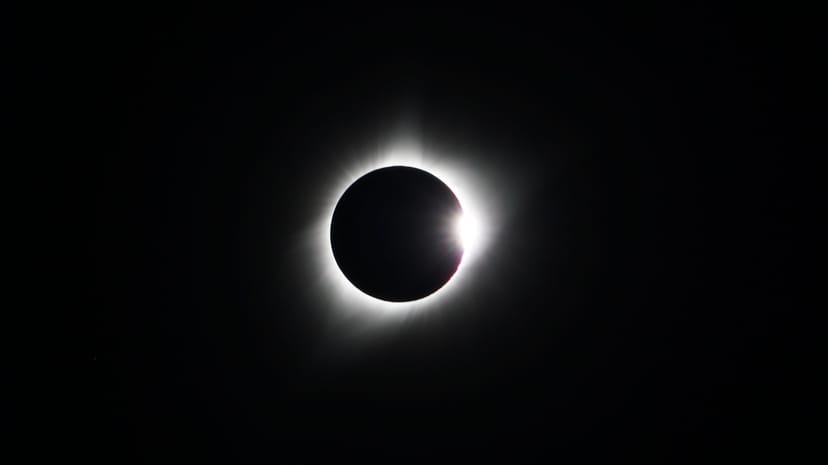
Solar Eclipse 2026 in Iceland | What Happened
Iceland experienced a total solar eclipse on August 12, 2026. Discover what happened in Reykjavík, eclipse times, totality locations and more.
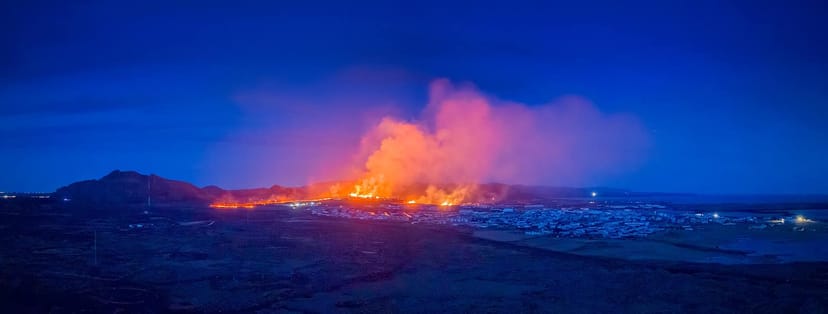
September 2026 updates on the Sundhnúkagígar Eruption in the Reykjanes Peninsula!
The current eruption in the Reykjanes Peninsula, is called Sundhnúkagígar Crater Row. See insights on the seismic activity and volcanic eruptions in the area!
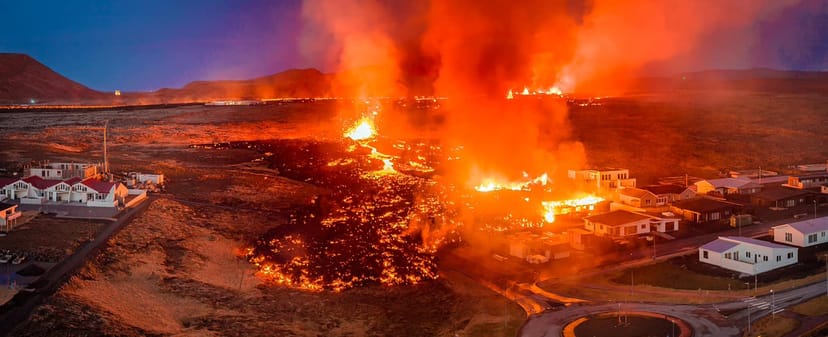
Active Volcanoes in Iceland 2026
Active volcanoes aren't the same thing as active eruptions. A volcano can be considered active even when it is not ejecting ash, rock, gases and magma, so which are active in Iceland in 2026?
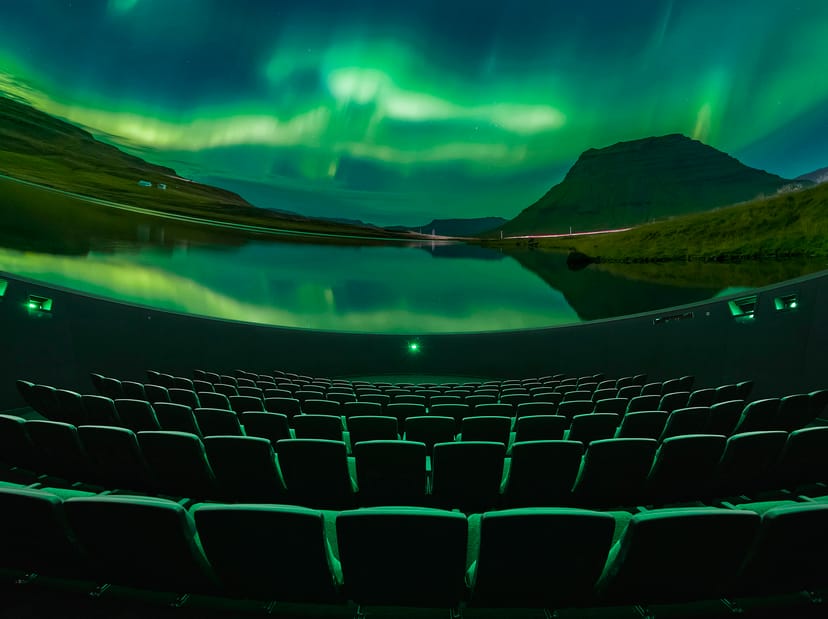
Top 10 Places To See the Northern Lights in Iceland
Discover the best places to see the Northern Lights in Iceland, from Jökulsárlón and Kirkjufell to Reykjavík, Þingvellir and North Iceland.
Ice Caves From Reykjavik
Planning an ice cave trip from Reykjavik? Compare Katla, Langjökull and Vatnajökull, travel times, seasons and Perlan’s ice cave in the city.