
A Guide to Exploring Iceland’s Melting Glaciers
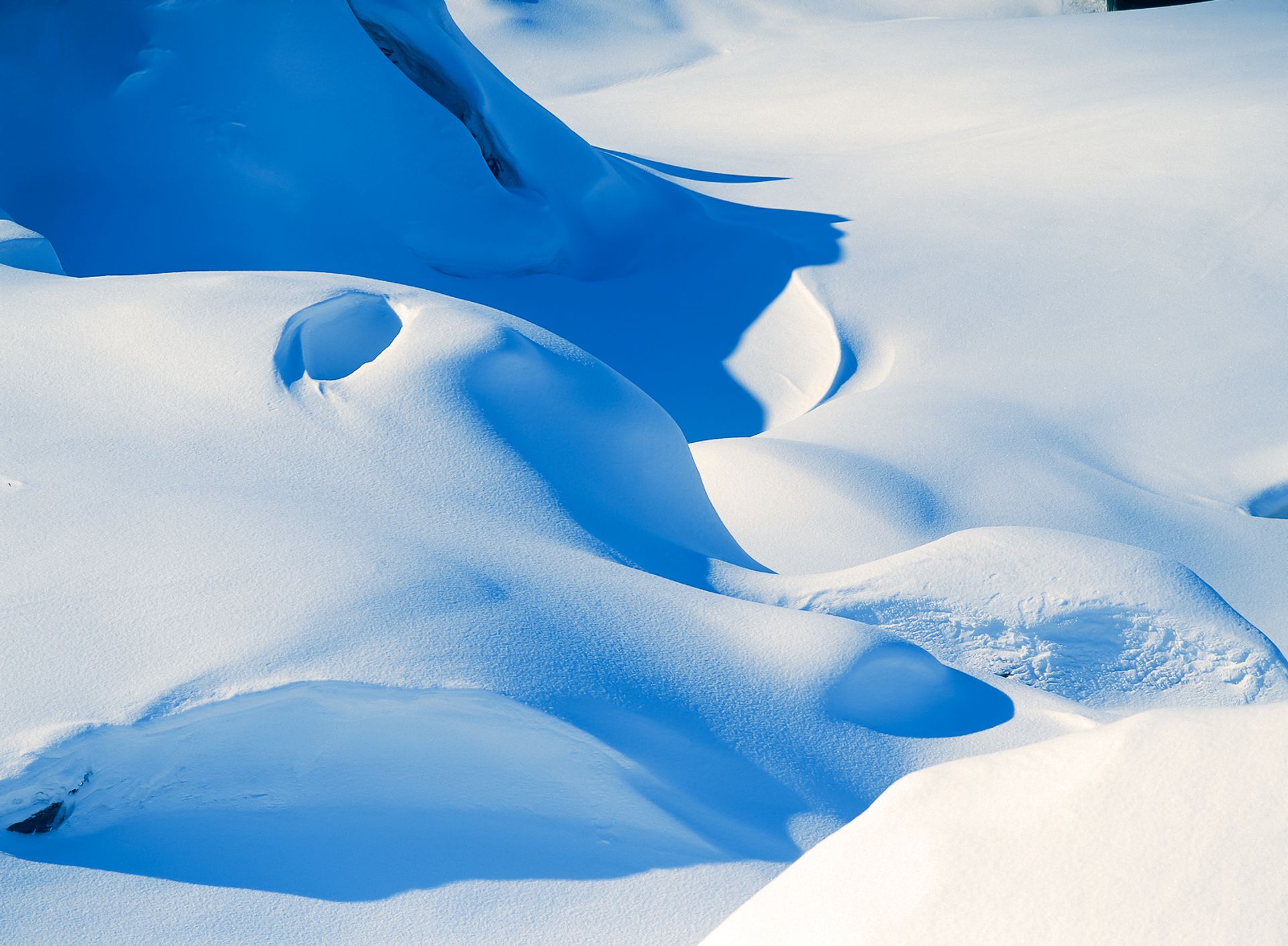
With global warming, Iceland's glaciers are disappearing at an accelerating rate. And so the small island nation has turned its melting ice into a vital, living classroom. From immersive museum experiences to glacier hikes in the wild, there are countless ways to learn about climate change in Iceland. This comprehensive guide will show you where and how to explore Iceland’s iconic, vanishing glaciers responsibly and meaningfully.
Discover the Science Through Immersive Exhibitions
Perlan Museum Reykjavík – Your Window Into Ice and Climate
The perfect introduction to the vanishing world of ice lies right in the heart of the capital. Perched on Öskjuhlíð Hill, Perlan Museum is the ultimate glacier visitor centre in Reykjavík. It’s here that visitors can start their journey to understand glaciers and climate change in an accessible and educational environment.
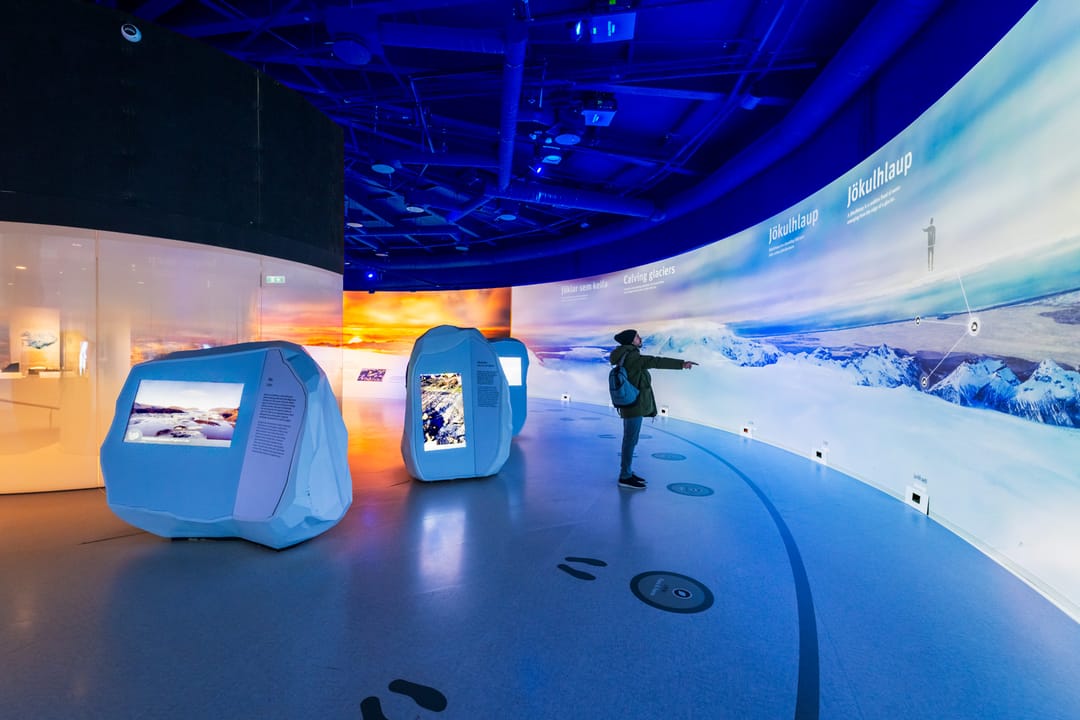
Inside, Perlan’s Wonders of Iceland exhibition uses cutting-edge technology and interactive displays to explain the science behind the country’s landscapes. Visitors will learn about glacial formation, how they impact the planet, and the alarming effects of climate change on Iceland's glaciers.
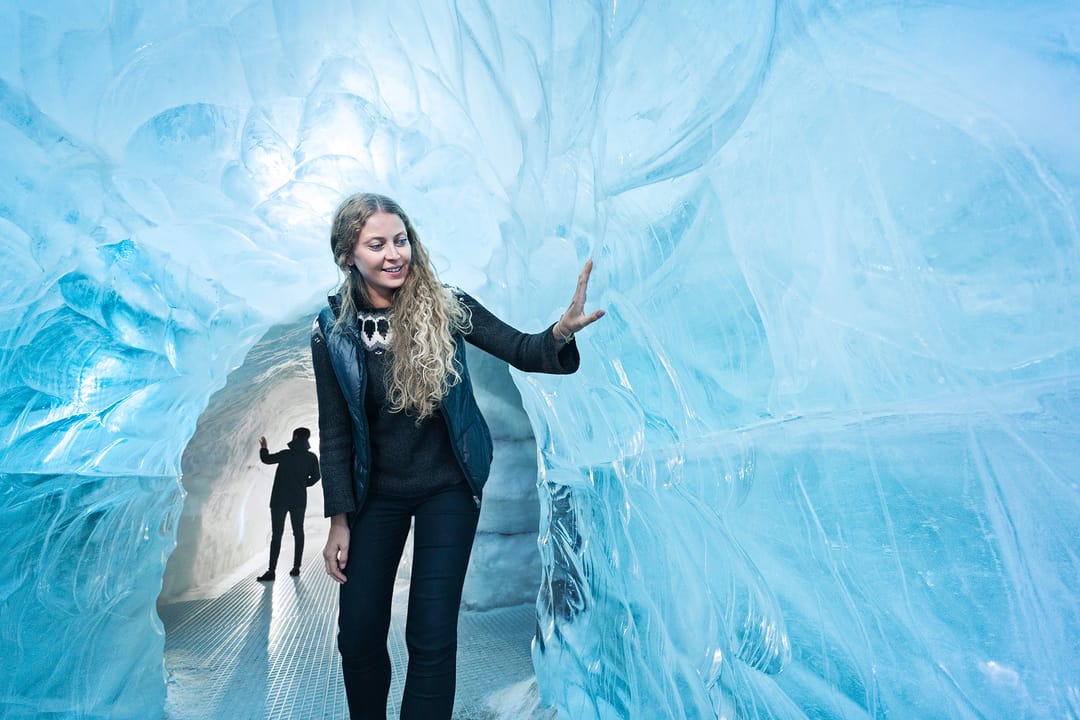
The centrepiece of the exhibit is the Perlan Ice Cave Reykjavík, widely described as the world's first indoor ice cave. Built using over 350 tonnes of snow and ice, this 100-metre tunnel lets guests walk through a simulated glacier environment.
For families, travellers, and students, Perlan Museum in Reykjavík transforms climate science into something tangibly unforgettable. It’s the perfect place to gain practical and scientific knowledge about glaciers before venturing into the wild.
Learn from Iceland’s Leading Scientists
Icelandic Meteorological Office (IMO)
For travellers looking for the data behind the headlines, the Icelandic Meteorological Office (IMO) research is essential. As the national meteorological and glaciological agency, the IMO plays a major role in providing data on melting glaciers in Iceland.
Glaciologists track the health of major ice caps like Vatnajökull and Langjökull by compiling crucial climate change research in Iceland. Much of this material is publicly accessible: you can view updated glacier boundary maps, monitoring data, and scientific summaries. Through these reports, gain insight into the rapid glacier retreat and the serious effects of climate change on Iceland's glaciers.
For anyone keen to learn about the country’s ice from specialists, the IMO’s resources are an excellent starting point.
University of Iceland – Institute of Earth Sciences
Meanwhile, the Institute of Earth Sciences at the University of Iceland is at the forefront of academic and long-term research. Regarded as a respected glaciology centre, scientists here conduct groundbreaking work on the complex issues of glaciers and climate change.
Their research involves studying glacier mass-balance, ice-flow dynamics, glacier response to climate, and the volcanic-glacial interactions unique to Iceland. The University of Iceland glaciology team also publishes public research and hosts educational lectures about these subjects. It’s perfect for those keen to learn about Iceland's glaciers from researchers at the front line.
Join the Global Conversation on Glacier Research
The glacial changes in Iceland don't happen in a vacuum; they are part of a global system of land-ice loss and melt. Local research institutions contribute to the international monitoring and modelling of glaciers, sea-level rise, and the cryosphere.
For example, the Intergovernmental Panel on Climate Change’s (IPCC) latest assessments include glacier and ice-cap mass-balance data and projections of sea-level rise from many regions.
These international studies show how local glacier loss plays into global sea-level rise and the influx of freshwater into the ocean. For travellers exploring glacier science beyond Iceland’s borders, this research offers a global perspective on glaciers’ role in climate change.
Experience the Ice on Glacier Tours in Iceland
For those who learn best outdoors, guided glacier tours in Iceland invite travellers to connect with the raw forces of nature. Having gained the context at Perlan and from research, you are now ready to witness the landscape in person.
Guided Glacier Hiking — Stepping Onto the Ice
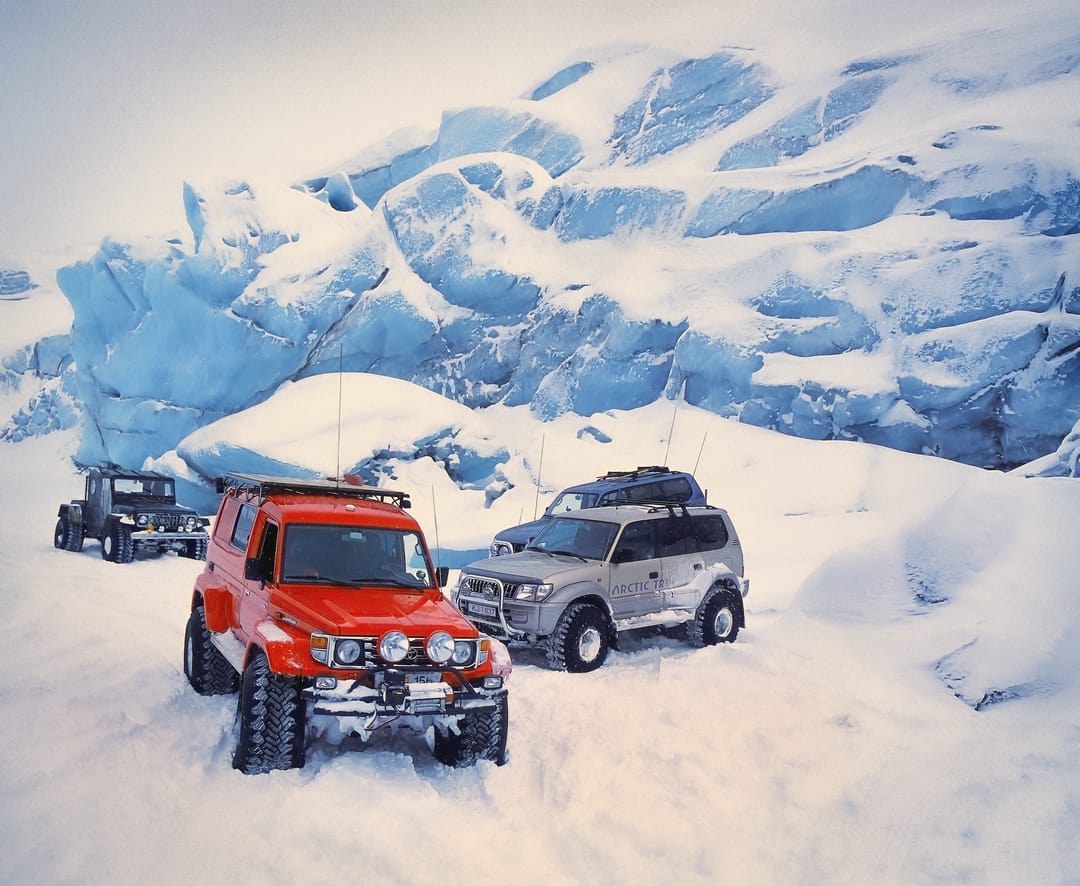
To truly feel the scale of the ice caps, join guided glacier hikes in Iceland. These excursions provide essential safety gear and are led by certified guides who explain the tragic effects of global warming on Iceland's glaciers.
Popular destinations for hiking and ice walks include:
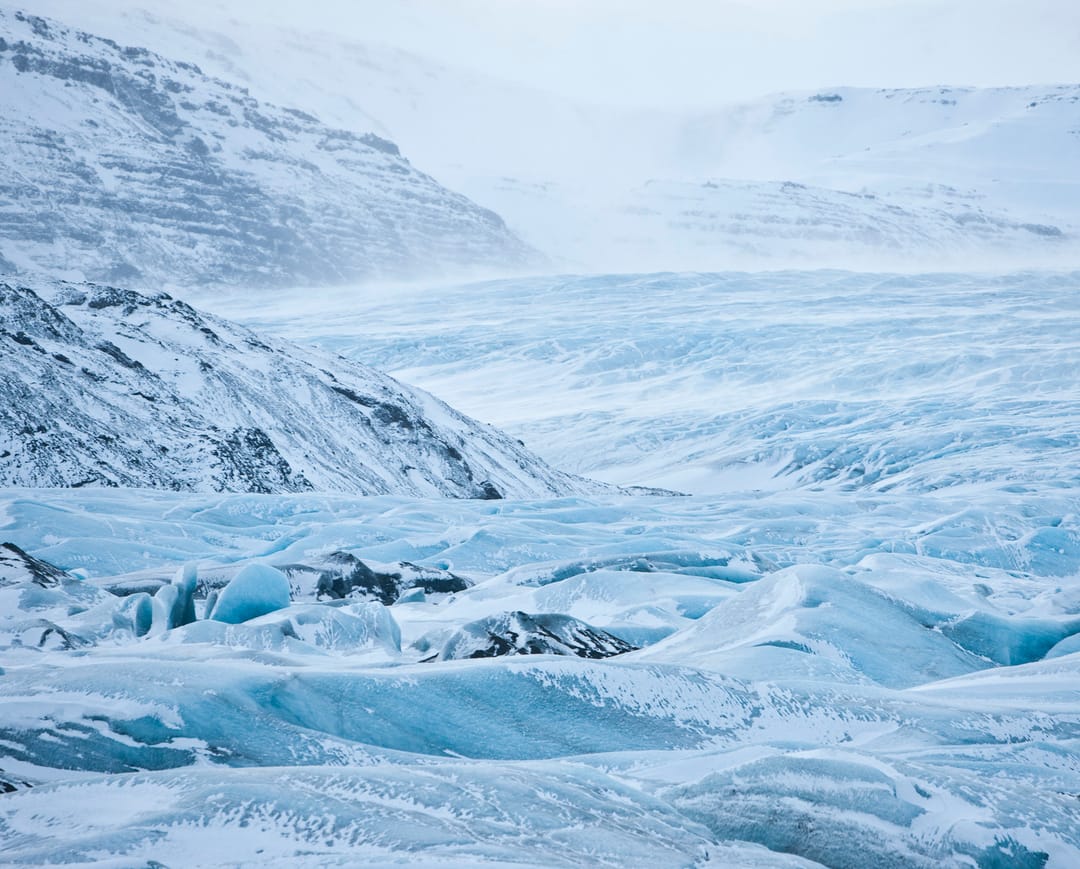
- Vatnajökull National Park: Home to Europe’s largest ice cap and a UNESCO World Heritage site, offering vast trekking opportunities.
- Sólheimajökull Glacier: Known for its dramatic, accessible icefalls and the visible signs of rapid retreat, making it an excellent “outdoor classroom.”
- Mýrdalsjökull: A towering ice cap that sits atop the active volcano Katla, showcasing Iceland’s extraordinary geology.
Ice Caves and Glacial Lagoons — Witnessing the Melt in Action
Witnessing the unique results of glacial melt is equally important:
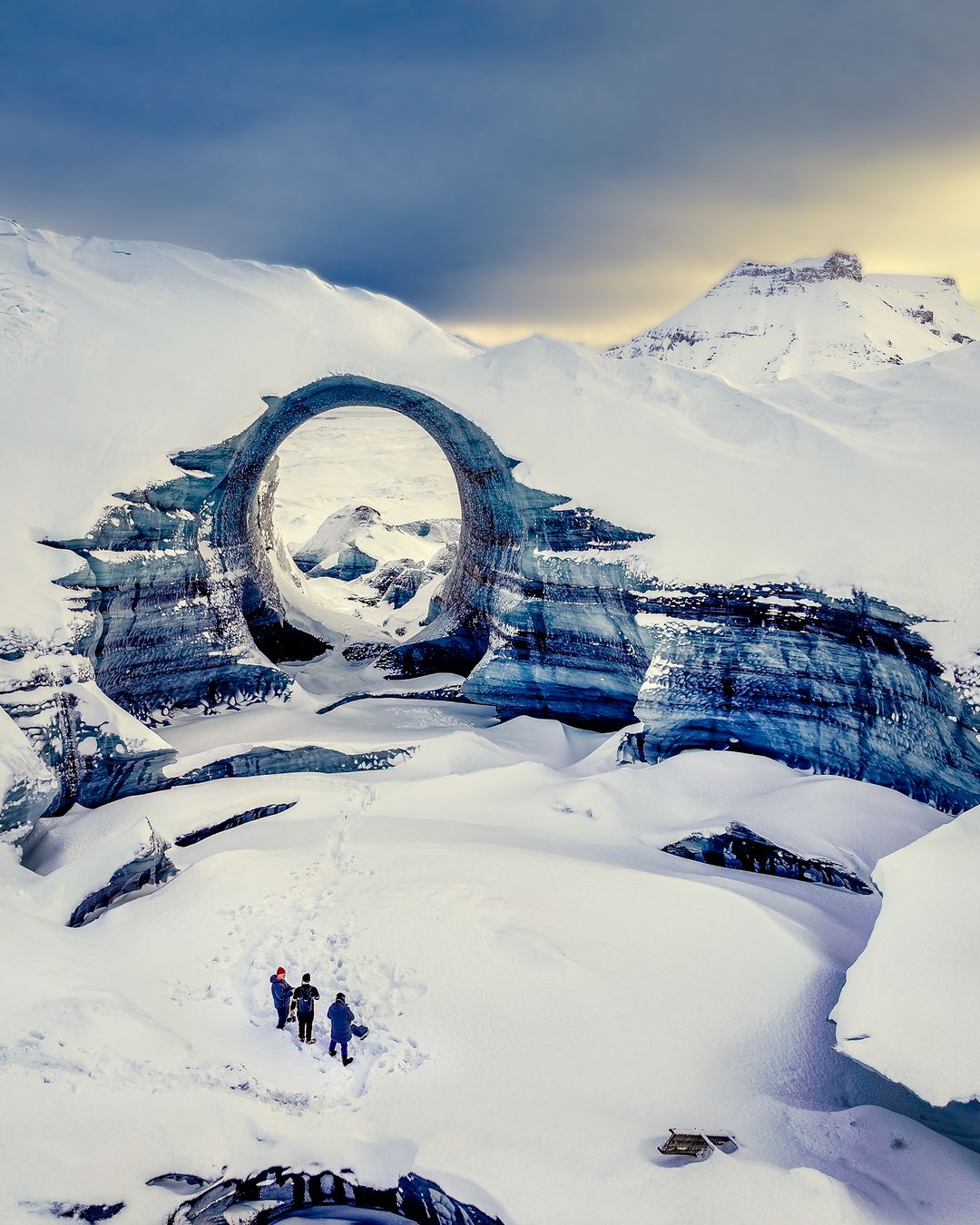
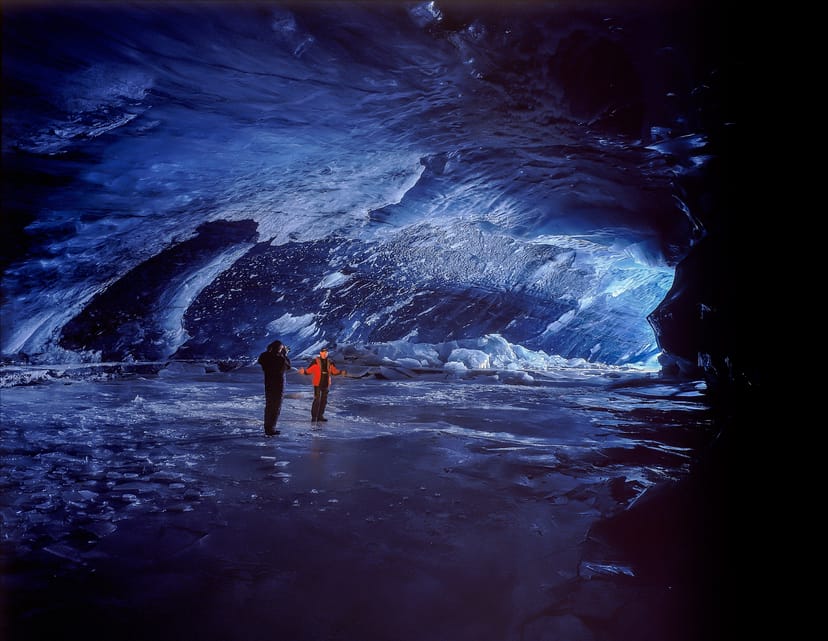
- Natural Ice Caves: Found primarily in winter (November to March), these ephemeral blue caves near areas like Vatnajökull are highly seasonal and weather-dependent. They offer a breathtaking, but fleeting, contrast to the man-made Perlan Ice Cave in Reykjavík.
- Jökulsárlón and Fjallsárlón Glacial Lagoons: Take a boat tour here to navigate among giant icebergs that have calved directly from the receding glacier front. This is one of the most vivid places to see the reality of glaciers and climate change in action.
Continue Learning from Home
If you can’t travel to an Iceland glacier exhibition or an ice cap trek, learn from quality media for now. Explore glaciers and related topics through books and documentaries that you can enjoy from anywhere in the world:
- Chasing Ice: The documentary follows photographer James Balog’s time-lapse journey to document the rapid retreat of glaciers, including work in Iceland.
- Frozen Planet: This BBC documentary series takes viewers into polar and glacial regions, touching on how ice caps and glaciers respond to climate change.
- Ice on Fire: A documentary film examining Arctic thaw, carbon drawdown, and the implications of melting ice for the planet.
- “The Ice at the End of the World”: Written by Jon Gertner, this book is a compelling account of Greenland’s ice sheet, the science of melting glaciers, and what this means for global climate.
- “The Secret Lives of Glaciers”: Geographer-glaciologist M. Jackson spent a year on Iceland’s southeastern coast and weaves together the science of glacier change with stories of the communities that live in its shadow.
Why This Journey Matters
The story of melting glaciers in Iceland is a story about our planet’s resilience and fragility. Every metre of ice that vanishes holds centuries of climate history, a reminder of how deeply interconnected humans are with nature.
Whether you experience this through an Iceland glacier exhibition or a guided hike on the ice, you’re doing more than sightseeing. By learning about and sharing the story of glaciers, you help foster the awareness and stewardship our changing world needs.
Plan Your Journey
Learning about glaciers and climate change begins in the capital. Start at the Perlan Museum Reykjavík for a breathtaking, science-meets-art introduction to the island’s ice caps. We highly recommend booking your tickets in advance to secure your spot at the Perlan Ice Cave and other world-class exhibitions.
Once you have the scientific foundation, explore the latest climate change through the Icelandic Meteorological Office and the University of Iceland. For those travelling farther afield, consider glacier tours of Iceland at famous sites like Vatnajökull National Park or the accessible Sólheimajökull.
Frequently Asked Questions
Where can I learn about the effects of global warming on Icelandic glaciers?
You can start at the Perlan Museum in Reykjavík, which features the interactive Glaciers and Climate Exhibition. For in-depth data, check the Icelandic Meteorological Office and the University of Iceland's Institute of Earth Sciences.
Which museums or exhibitions in Iceland focus on climate change and glaciers?
Perlan Museum is the leading centre, featuring a real indoor ice cave and multimedia exhibits. You can also find displays at the Vatnajökull National Park Visitor Centres.
What scientific institutions study the impact of rising temperatures on Iceland’s ice caps?
The Icelandic Meteorological Office tracks glacier melt and temperature trends. The University of Iceland’s Institute of Earth Sciences conducts research on glacier mass-balance and volcanic-glacial interactions, among others.
How can I explore glacier research and climate science in Iceland?
Start with the exhibitions at the Perlan Museum in Reykjavík. Then, explore the data and reports published by the University of Iceland. For hands-on learning, take guided glacier hikes at sites like Sólheimajökull.
What are the best educational resources about Icelandic glaciers and global warming?
The best resources are the online climate data from the Icelandic Meteorological Office and the public research from the University of Iceland.
Where can I experience Iceland’s melting glaciers through interactive exhibits?
Perlan Museum in Reykjavík offers the most immersive experience, featuring the walk-through Perlan Ice Cave and the Glaciers and Climate Exhibition.
Popular articles
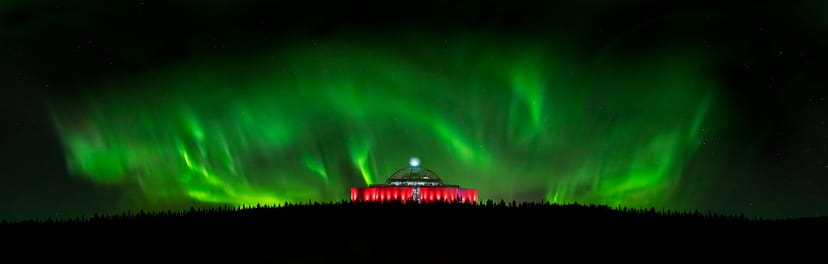
The Complete Guide to the Northern Lights in Iceland
Learn how the Northern Lights form, where to see them in Iceland, how to prepare, take photos, read the forecast, and improve your chances of a sighting.
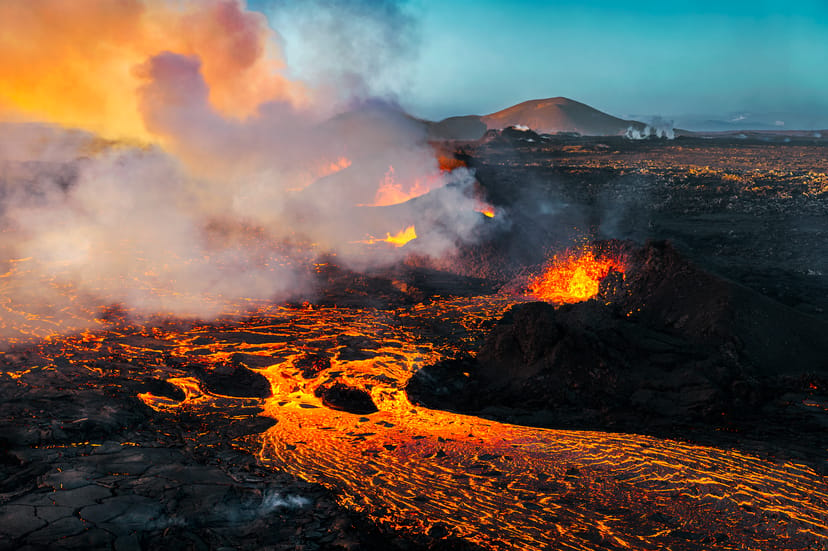
Let's Talk About the Volcano in Iceland About to Erupt
Is a volcano in Iceland about to erupt? Here’s what travelers should know about Svartsengi, Reykjanes activity, flights, safety, and the Blue Lagoon.
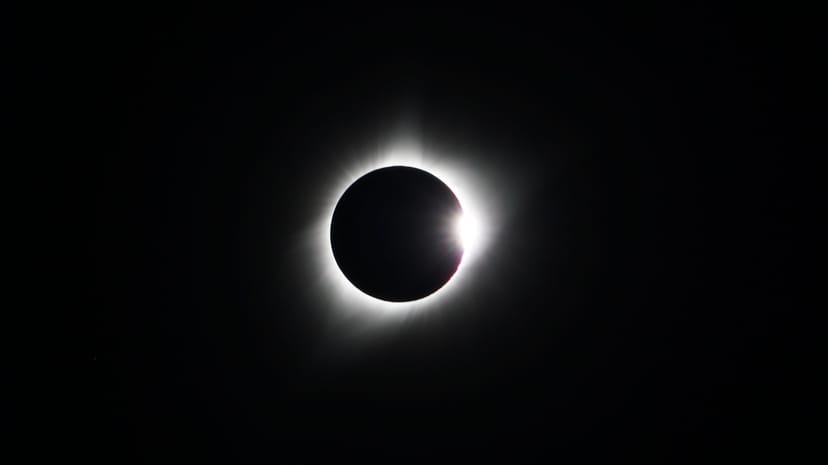
Solar Eclipse 2026 in Iceland | What Happened
Iceland experienced a total solar eclipse on August 12, 2026. Discover what happened in Reykjavík, eclipse times, totality locations and more.
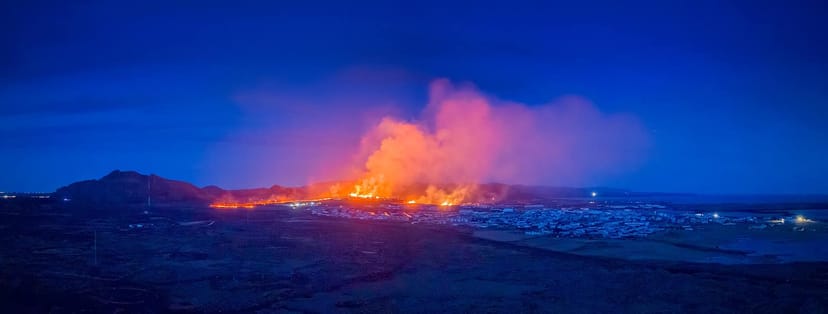
September 2026 updates on the Sundhnúkagígar Eruption in the Reykjanes Peninsula!
The current eruption in the Reykjanes Peninsula, is called Sundhnúkagígar Crater Row. See insights on the seismic activity and volcanic eruptions in the area!
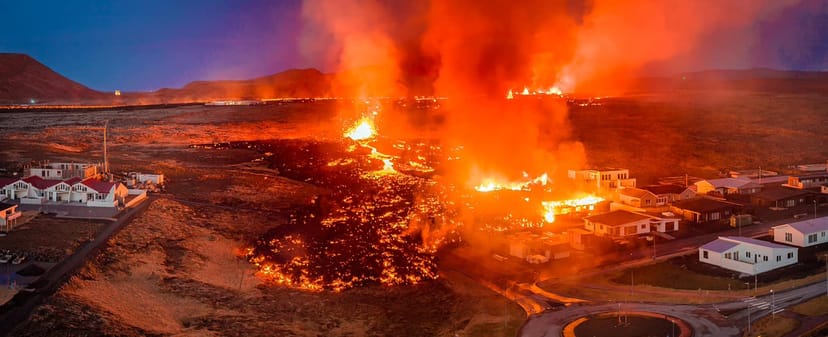
Active Volcanoes in Iceland 2026
Active volcanoes aren't the same thing as active eruptions. A volcano can be considered active even when it is not ejecting ash, rock, gases and magma, so which are active in Iceland in 2026?
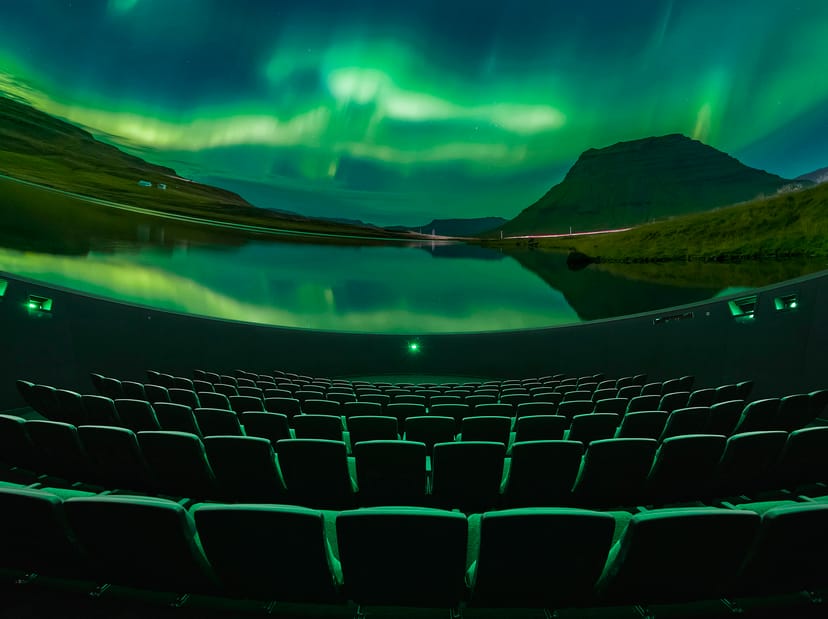
Top 10 Places To See the Northern Lights in Iceland
Discover the best places to see the Northern Lights in Iceland, from Jökulsárlón and Kirkjufell to Reykjavík, Þingvellir and North Iceland.
Ice Caves From Reykjavik
Planning an ice cave trip from Reykjavik? Compare Katla, Langjökull and Vatnajökull, travel times, seasons and Perlan’s ice cave in the city.