
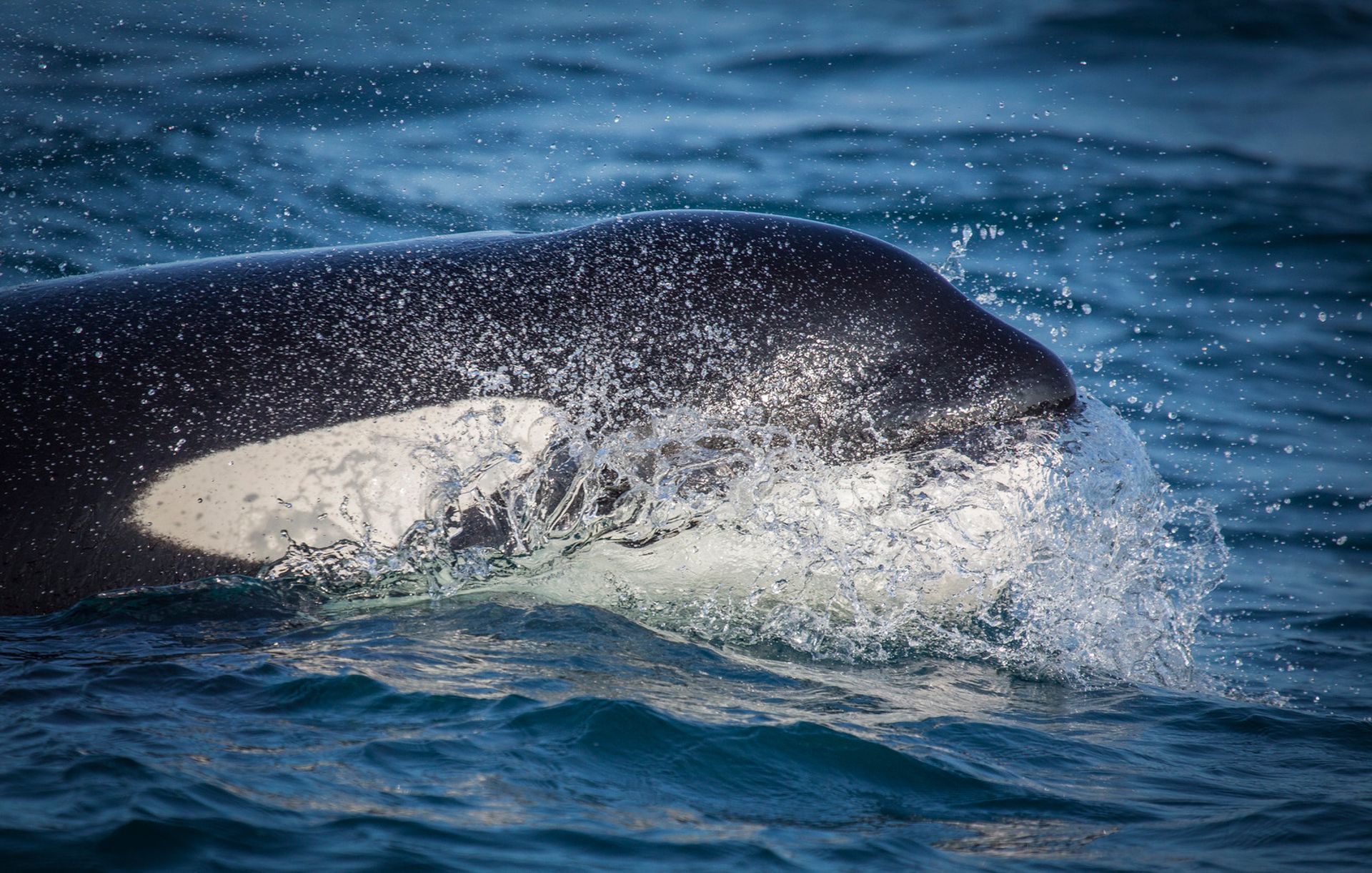
Orcas in Iceland
Orcas, also known as killer whales, are magnificent marine mammals. They are powerful and intelligent. These creatures captivate people worldwide. Their distinctive black and white patterns are instantly recognisable. Yet, much remains to be learned about their complex lives.
The Killer Whale
Orcas are top predators in the ocean. They sit at the very top of the food chain. No other animal preys on a healthy adult orca. They hunt a diverse range of prey. This includes fish, seals, sea lions, and even other whales and dolphins. Their hunting strategies are sophisticated. They often work together in highly coordinated groups.
Their name, "killer whale," often causes confusion. Many people think they are a type of whale. However, orcas are actually the largest members of the dolphin family. This family is called Delphinidae. They share many traits with their smaller dolphin cousins. These include high intelligence and complex social structures. Understanding this classification helps to clarify their true identity.
Orca Biology and Life
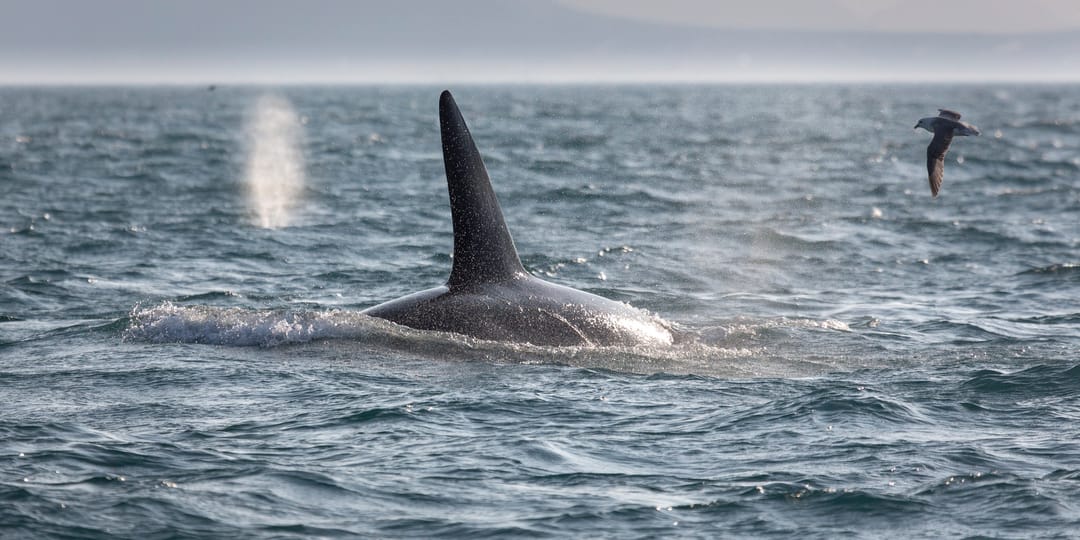
Orcas are impressive in size. Adult male orcas can grow up to 8.2 meters (27 feet) long. They can weigh up to 6,000 kilograms (13,300 pounds). Females are slightly smaller. They typically reach lengths of about 7 meters (23 feet). Their dorsal fin can be very tall. In males, it can stand up to 1.8 meters (6 feet) high.
These marine giants are long-lived animals. In the wild, male orcas live to an average of 30 years. Some can live up to 50-60 years. Female orcas have a longer lifespan. They average 46 years. Some females have been known to live for 80-90 years. This long lifespan highlights their complex social dynamics.
Orcas live in family groups. These groups are called pods. Pods are matriarchal. Older females often lead them. These matriarchs pass down vital hunting skills. They also help feed younger relatives. Communication within pods is complex. Orcas use a variety of vocalisations. In some populations, each pod has its own unique dialect.
Where to See Orcas in Iceland
Are there orcas in Iceland? Yes, absolutely! Icelandic waters are a fantastic place to see orcas. These intelligent creatures are frequently observed here. They are drawn by abundant food sources. Herring is a primary prey for many Icelandic orcas.
The best place to see orcas in Iceland is often considered the Snæfellsnes Peninsula. This area is in western Iceland. It offers excellent opportunities for whale watching tours. The rich herring grounds around the peninsula attract many pods of orcas. Other locations, like the Eastfjords and the South Coast, also have regular sightings.
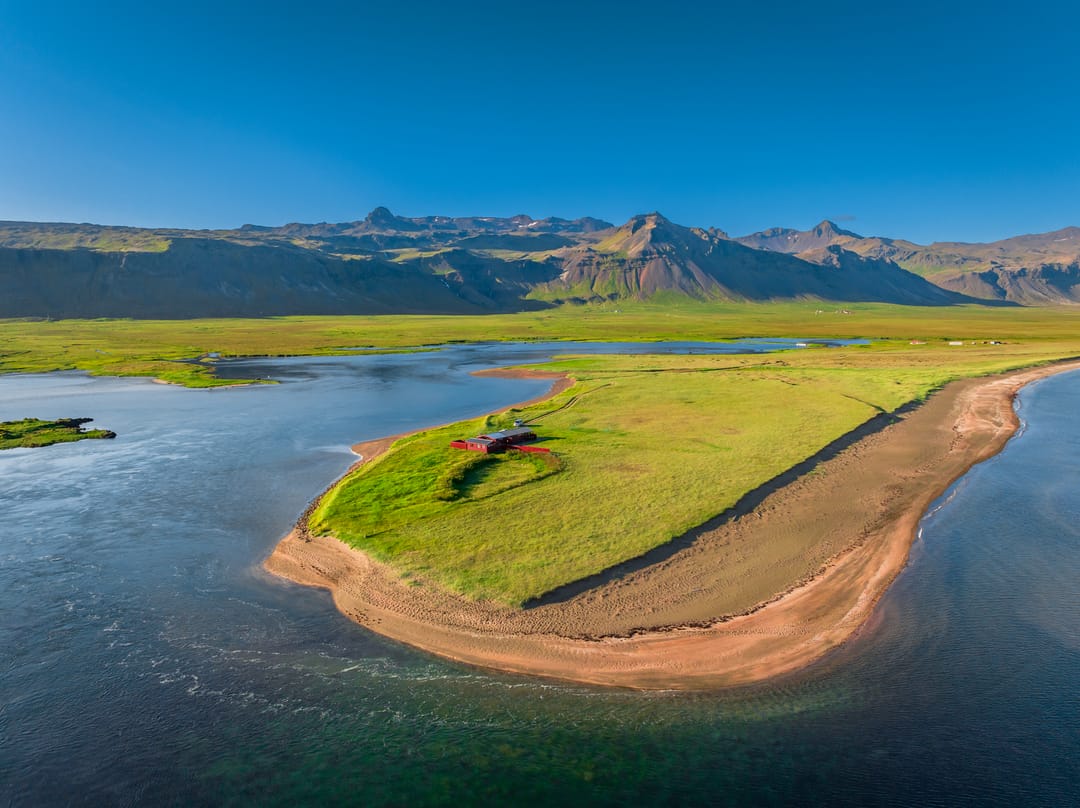
The best time of year to see orcas in Iceland varies. In the Snæfellsnes Peninsula, orcas are most commonly spotted between February and May. This is often linked to the herring migrations. During winter, Breiðafjörður Bay is a key area.
This bay is between the Westfjords and the Snæfellsnes Peninsula. It is a significant herring wintering ground. The abundance of food attracts many orcas during these colder months. Summer also offers opportunities. More general whale watching tours run then. For more information, read more about the best place to see blue whales in Iceland.
Best Time to See Orcas in Iceland
The best time to see orcas in Iceland is between February and May, when herring gather in large numbers around the Snæfellsnes Peninsula. These nutrient-rich waters attract pods of orcas feeding and socialising near the surface.
In winter, orcas often follow herring schools into Breiðafjörður Bay and nearby fjords, providing incredible whale-watching opportunities. Summer sightings are less frequent but still possible on tours from Reykjavík and the Westfjords. Read more about other types of whales and the best time to see whales in Iceland.
Orca Conservation and Interaction in Iceland
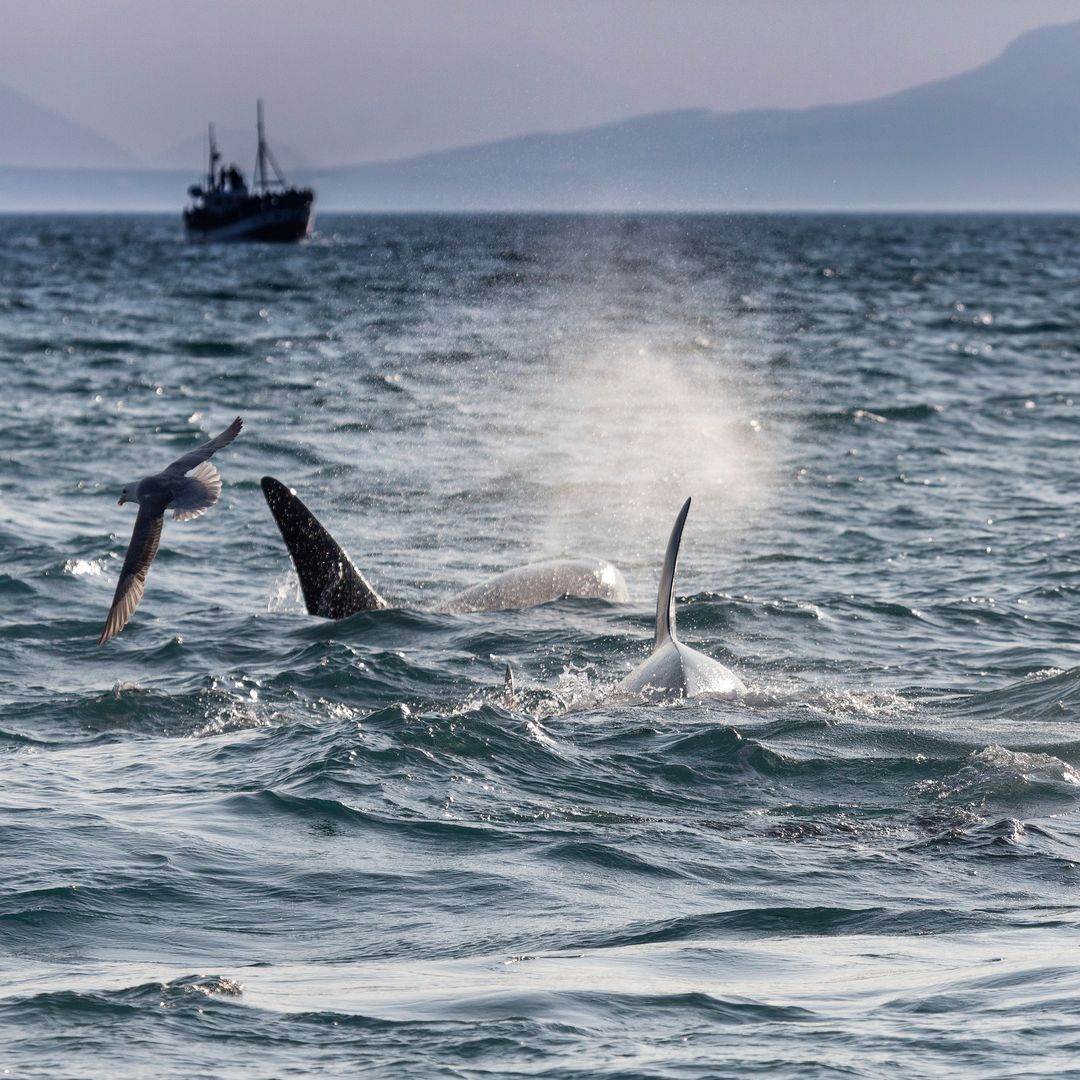
Can you swim with orcas in Iceland? Generally, direct interaction like swimming with wild orcas is not an encouraged activity in Iceland. The focus of whale watching tours is respectful observation. This ensures the safety of both humans and animals. Responsible tourism prioritises the well-being of these magnificent creatures.
Are orcas endangered? The conservation status of orcas is complex. The International Union for Conservation of Nature (IUCN) lists them as "data deficient." This means there is not enough information to assess their global status. However, certain local populations are indeed threatened or endangered.
One such population is the Southern Resident orcas in the Pacific Northwest. Their numbers are critically low. They face threats like prey depletion, habitat loss, and pollution. Captures for marine parks also historically impacted populations. Conservation efforts are crucial for these vulnerable groups. Protecting their habitats and food sources is vital for their survival.
The Story of Keiko, an Icelandic Orca
The famous orca, Keiko, has a strong connection to Iceland. Keiko was a male orca. He was captured near Iceland in 1979. Keiko became widely known for playing Willy in the 1993 film "Free Willy." His story brought significant attention to orcas in captivity.
After the film's success, a massive effort began to return Keiko to the wild. In 1998, Keiko was flown to Iceland. He was housed in a sea pen in Klettsvík Bay. This was near Vestmannaeyjar. The goal was to prepare him for reintegration into his natural environment.
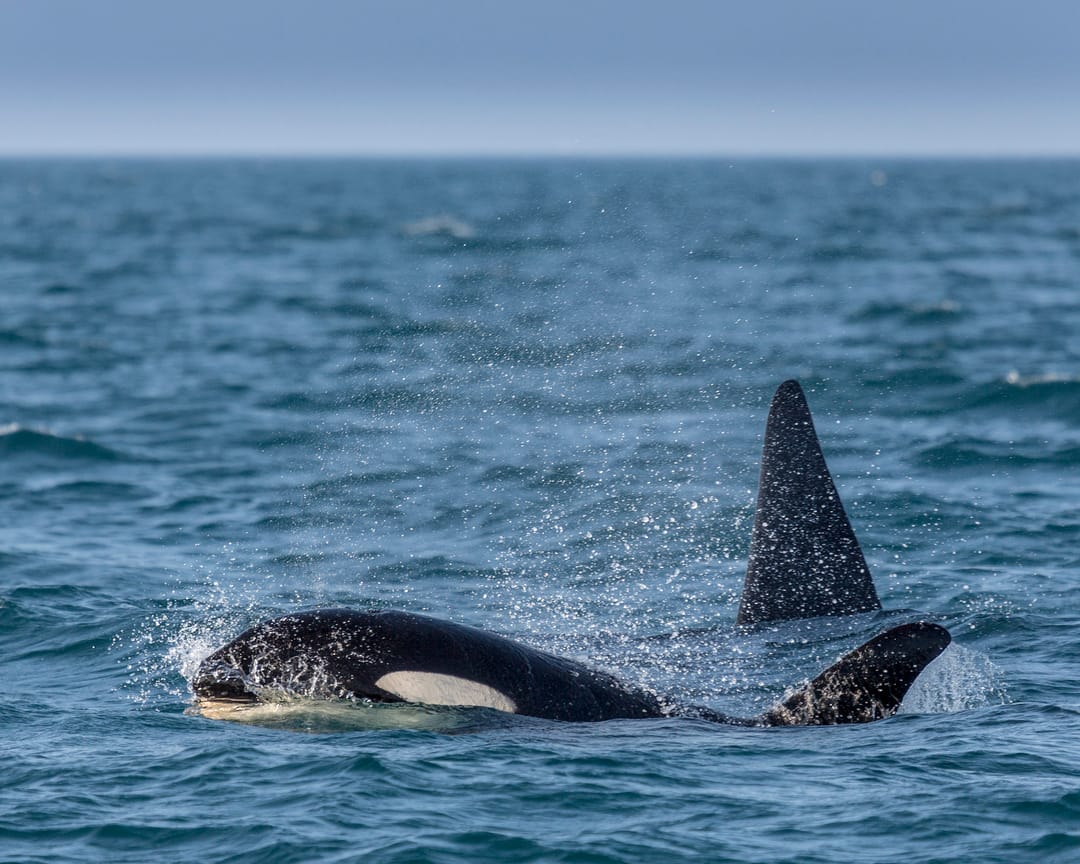
Keiko was eventually released into the ocean in 2002. He was the first captive orca to be fully released. He travelled over 800 miles to Norway, where he lived for five years. He died of pneumonia in Norway in 2003 at about 27 years old. His story sparked much debate. It highlighted the challenges of releasing long-term captive animals.
Experience the Ocean at Perlan
The wonders of the ocean and its inhabitants, including fascinating whales and dolphins, are brought to life at Perlan in Reykjavík. Perlan is more than just a museum. It is a world-class exploratorium. Here, visitors can immerse themselves in Iceland's natural wonders.
Perlan's "The Ocean" exhibition offers a captivating experience. You can see the marine life of Iceland through cutting-edge technology. This visual and interactive underwater experience is truly remarkable. It allows for close-up views of various whale species. You can see humpbacks, minkes, fin whales, and blue whales. It is an ideal choice for anyone eager to learn about marine life. You can stay warm and dry, regardless of the weather outside.
One of Perlan's most iconic features is Blue. Blue is the sky-sailing whale. Blue glides freely through our glass-domed skies. This artistic representation connects visitors to the grace of these ocean giants. It reminds us of the freedom and majesty of whales in their natural habitat.
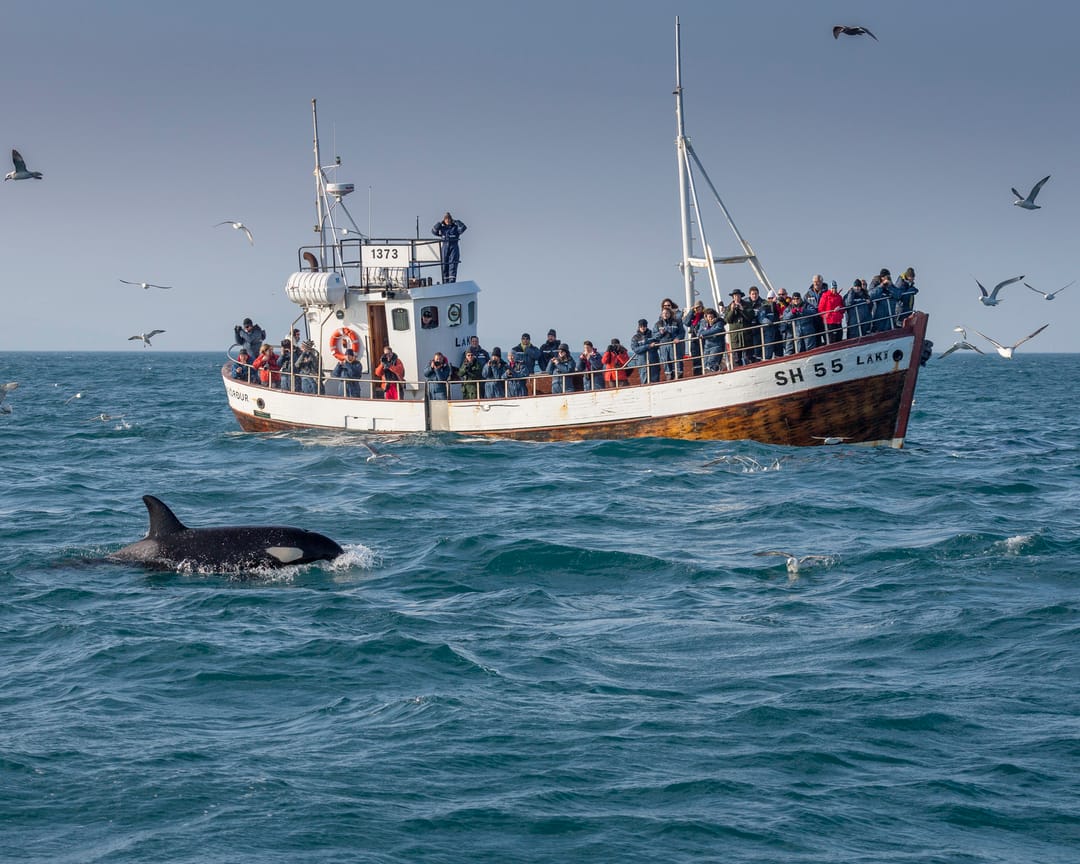
Visiting Perlan provides a consistent and educational experience. It is a perfect alternative if outdoor whale watching tours are cancelled due to the weather. Or if you simply want to deepen your understanding. Perlan ensures a memorable encounter with Iceland's magnificent sea creatures. It highlights the importance of protecting these incredible animals and their ocean home.
FAQs on Orcas in Iceland
Are There Orcas in Iceland?
Yes, absolutely! Orcas, or killer whales, are frequently seen in Icelandic waters. They are attracted by the rich food sources, especially herring.
What Month Is Best to See Orcas in Iceland?
The best time to see orcas in Iceland depends on the location:
- Snæfellsnes Peninsula (western Iceland): Orcas are most commonly spotted here between April and May, which is often linked to herring migrations. You can also see them from February to early July.
- Winter (November to February): Orcas are frequently seen in areas like the Breidafjordur Bay (between the Westfjords and the Snæfellsnes Peninsula) as they follow herring wintering grounds.
- Year-round opportunities: While certain months offer higher chances in specific locations, orcas can be seen in Icelandic waters throughout the year, especially with tours departing from Reykjavík.
Are There Really Only 73 Orcas Left?
No, there are not only 73 orcas left globally. The number 73 refers specifically to the Southern Resident killer whale population in the Pacific Northwest of North America. This particular population is critically endangered and faces significant threats. Globally, the total orca population is estimated to be around 50,000 individuals.
Popular articles
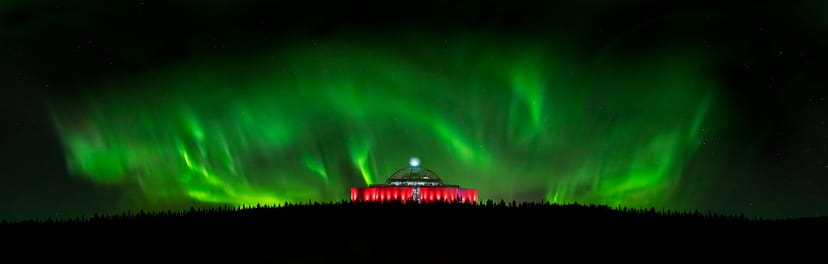
The Complete Guide to the Northern Lights in Iceland
Learn how the Northern Lights form, where to see them in Iceland, how to prepare, take photos, read the forecast, and improve your chances of a sighting.
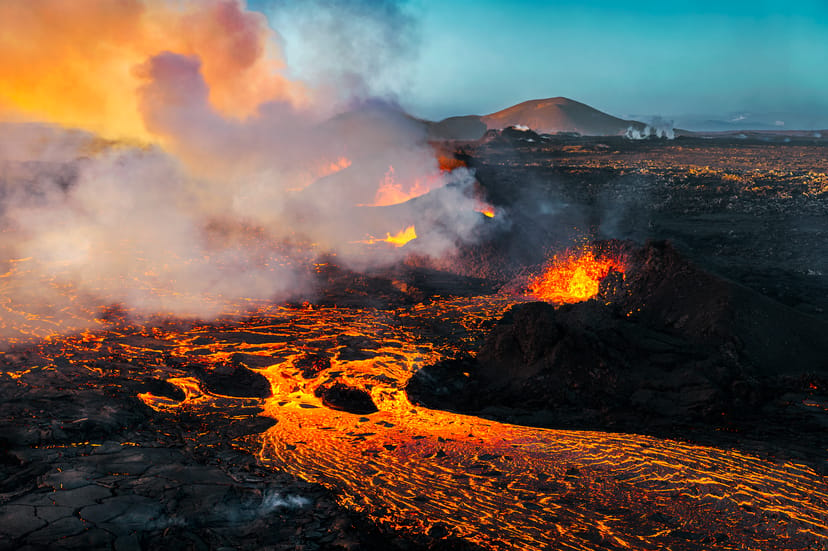
Let's Talk About the Volcano in Iceland About to Erupt
Is a volcano in Iceland about to erupt? Here’s what travelers should know about Svartsengi, Reykjanes activity, flights, safety, and the Blue Lagoon.
Solar Eclipse 2026 in Iceland | What Happened
Iceland experienced a total solar eclipse on August 12, 2026. Discover what happened in Reykjavík, eclipse times, totality locations and more.
September 2026 updates on the Sundhnúkagígar Eruption in the Reykjanes Peninsula!
The current eruption in the Reykjanes Peninsula, is called Sundhnúkagígar Crater Row. See insights on the seismic activity and volcanic eruptions in the area!
Active Volcanoes in Iceland 2026
Active volcanoes aren't the same thing as active eruptions. A volcano can be considered active even when it is not ejecting ash, rock, gases and magma, so which are active in Iceland in 2026?
Top 10 Places To See the Northern Lights in Iceland
Discover the best places to see the Northern Lights in Iceland, from Jökulsárlón and Kirkjufell to Reykjavík, Þingvellir and North Iceland.
Ice Caves From Reykjavik
Planning an ice cave trip from Reykjavik? Compare Katla, Langjökull and Vatnajökull, travel times, seasons and Perlan’s ice cave in the city.