
Famous Statues in Reykjavik
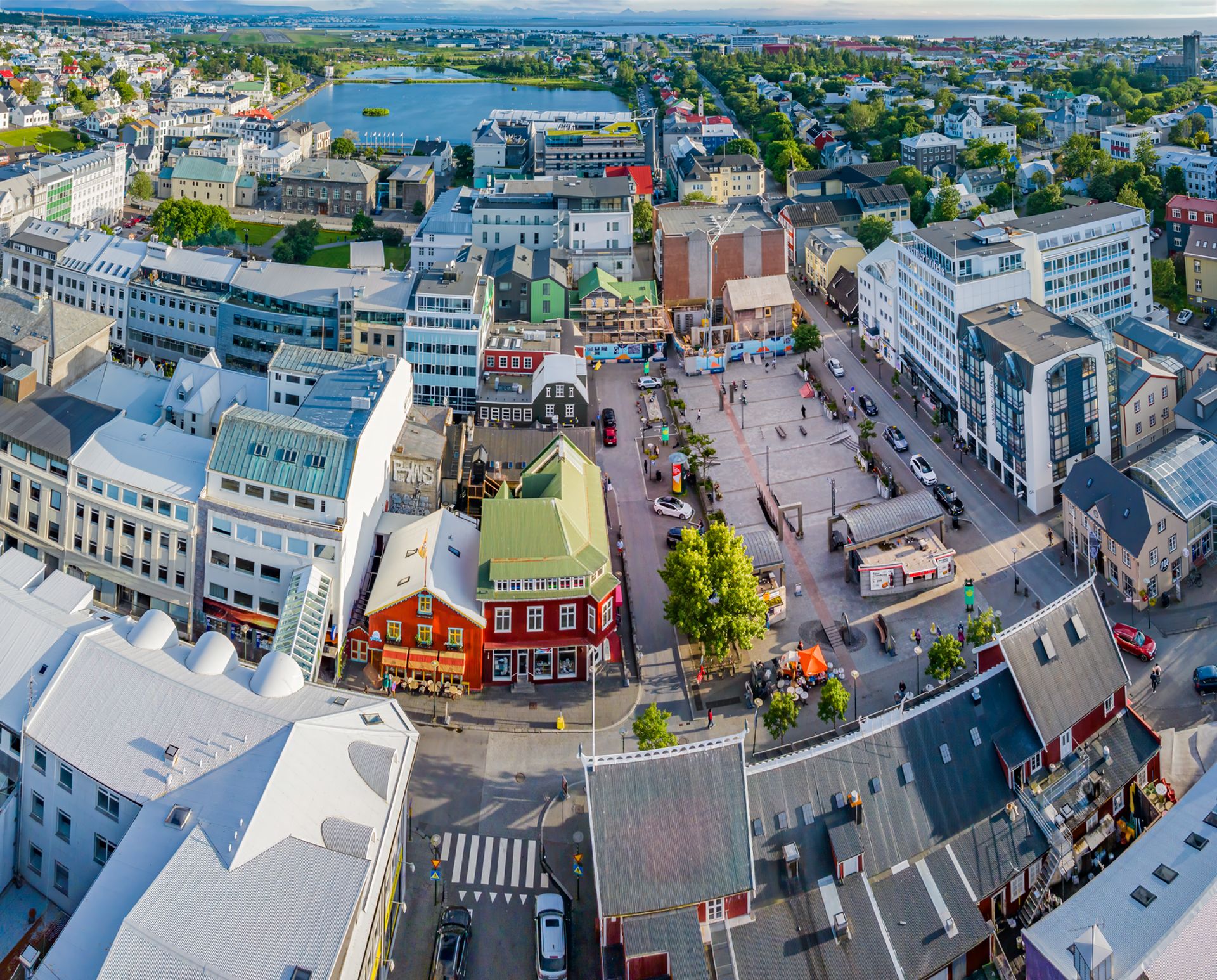
Iceland's eclectic capital city is a treasure trove of culture, history, and art. Reykjavík is famed for its stunning landscapes and cool Nordic vibe; its statues and sculptures are equally captivating. From symbols of Iceland’s Viking heritage to contemporary works of art, the statues in Reykjavik tell the story of the city and its people in a unique way. The article will explore these historical monuments and uncover their significance, along with nearby attractions that you shouldn’t miss.
A Brief History of Reykjavik
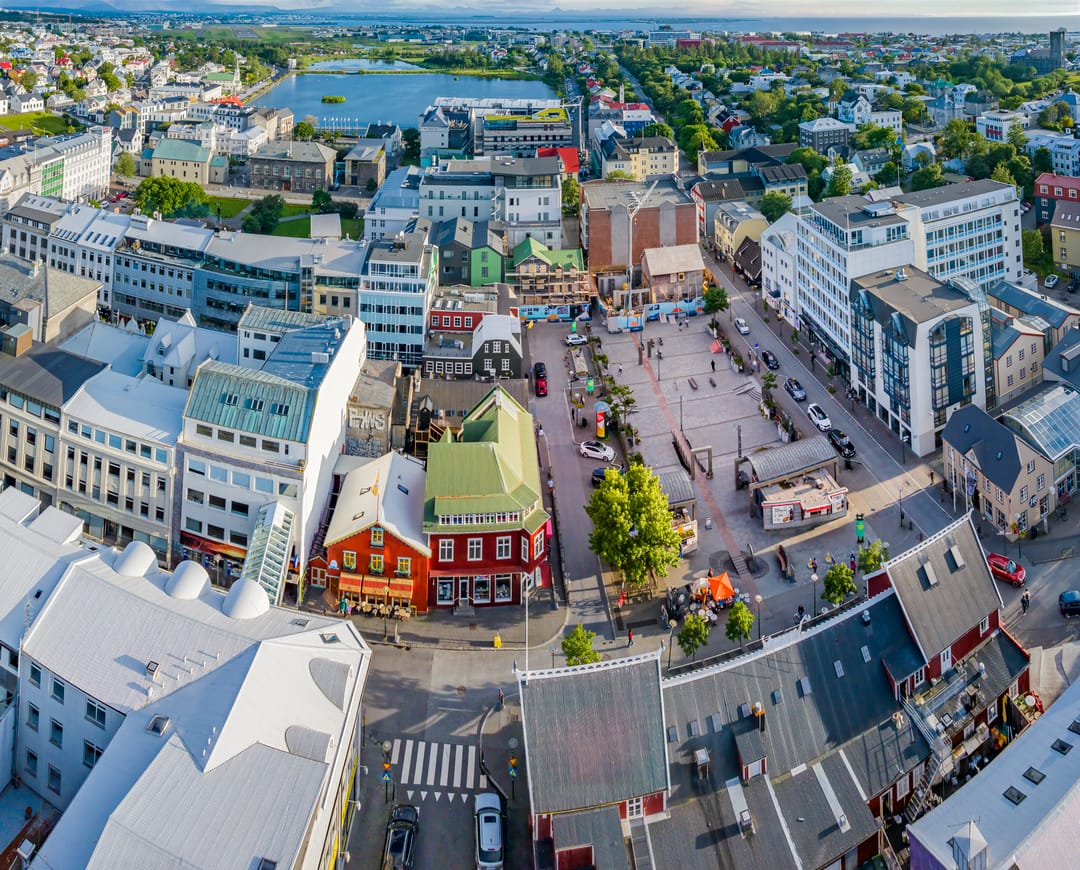
Reykjavik, meaning "Smoky Bay," was named by Norse settler Ingólfur Arnarson around 874 AD, inspired by the steam rising from the area's hot springs. Today, Reykjavik blends its Viking heritage with modern Nordic design and Scandinavian influences, creating a unique atmosphere that attracts visitors from every corner of the globe. As you wander its streets, you’ll come across statues that reflect the city’s fascinating history.
Must-See Statues in Reykjavik
Leif Erikson Statue
Standing proudly in front of Hallgrímskirkja, Reykjavik’s most iconic landmark and church, this statue honours Leif Erikson, the Norse explorer believed to have discovered North America around 1000 AD. The statue was a gift from the United States in 1930, commemorating the 1,000th anniversary of Iceland’s parliament, Alþingi.
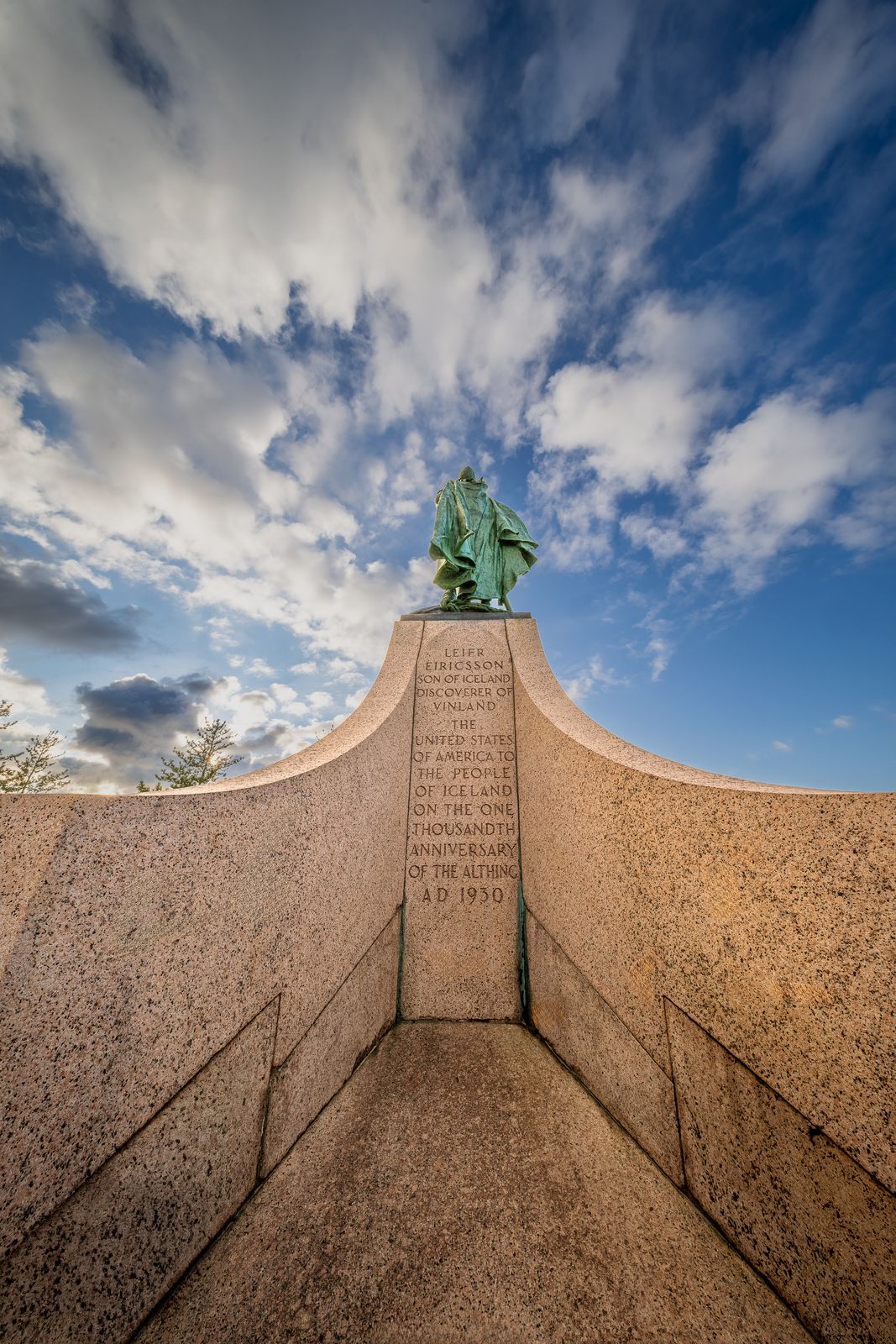
Nearby Attractions: After admiring the statue, visit Hallgrímskirkja to marvel at its stunning interior, including the massive organ. Then, for a small fee, take the elevator to the top of the tower for panoramic views of Reykjavik.
The Unknown Bureaucrat (Óþekkti Embættismaðurinn)</h3>
This whimsical statue by artist Magnús Tómasson offers a playful yet thought-provoking commentary on bureaucracy. It depicts a man in a business suit carrying a briefcase, with a large slab of uncarved stone as his head and shoulders. Found near Reykjavík City Hall, it’s a favourite among visitors for its humour and relatability.
Nearby Attractions: Visit Reykjavik City Hall and its exhibition hall, which features a giant physical map of Iceland that is fascinating to explore. The scenic Tjörnin pond is also right next door – a great spot for a relaxing walk and watching the birds.
Ingólfur Arnarson Statue</h3>
As Reykjavik’s first settler, Ingólfur Arnarson is an integral part of the city’s history. His statue, perched on Arnarhóll Hill, depicts him holding a spear and surveying the city he founded. This monument is a tribute to Reykjavik’s Viking roots and serves as a reminder of Iceland’s adventurous spirit.
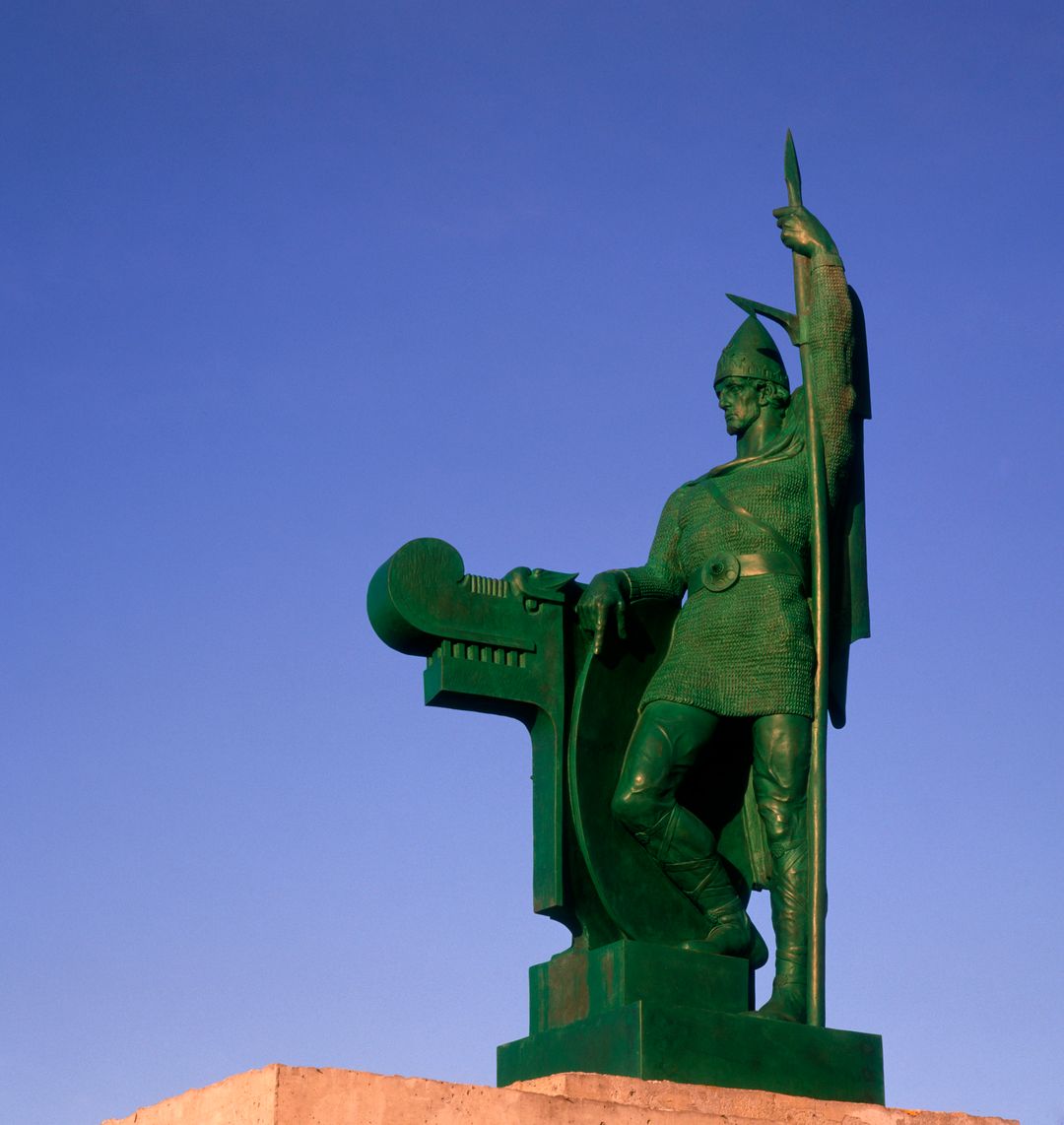
Nearby Attractions: From Arnarhóll Hill, you can easily access Laugavegur, Reykjavik’s main shopping street. Stop by for local souvenirs, boutique shops, or a charming café to enjoy a coffee and soak in the city’s atmosphere.
Einar Jónsson’s Garden of Sculptures
Although not a single statue, this garden deserves a mention. Located behind the Einar Jónsson Museum, it features an array of sculptures by one of Iceland’s most famous artists. His works blend mythology, religion, and human emotion in a way that’s both thought-provoking and visually striking.
Nearby Attractions: The garden is just steps away from Hallgrímskirkja. If you’re an art enthusiast, consider exploring the Einar Jónsson Museum, which houses many of the artist’s most notable works.
The Outlaw (Útlendingurinn)
This bronze statue by Einar Jónsson depicts an outlaw, a nod to Iceland’s historic sagas about exiled individuals looking for redemption. Tucked away in a quiet corner of Reykjavik, it’s less crowded than other statues but equally fascinating.
Nearby Attractions: The National Museum of Iceland is a short walk away. Its exhibitions showcase Icelandic history from the Viking Age to the present day.
Sun Voyager (Sólfar) Sculpture
A trip to Reykjavik isn’t complete without a visit to and a photo of the Sun Voyager, a sculpture rather than a statue. This stunning steel sculpture, designed by Jón Gunnar Árnason, symbolises hope, freedom, and undiscovered territories. Located along the city’s waterfront, it offers breathtaking views of the ocean and the towering Mount Esja in the distance.
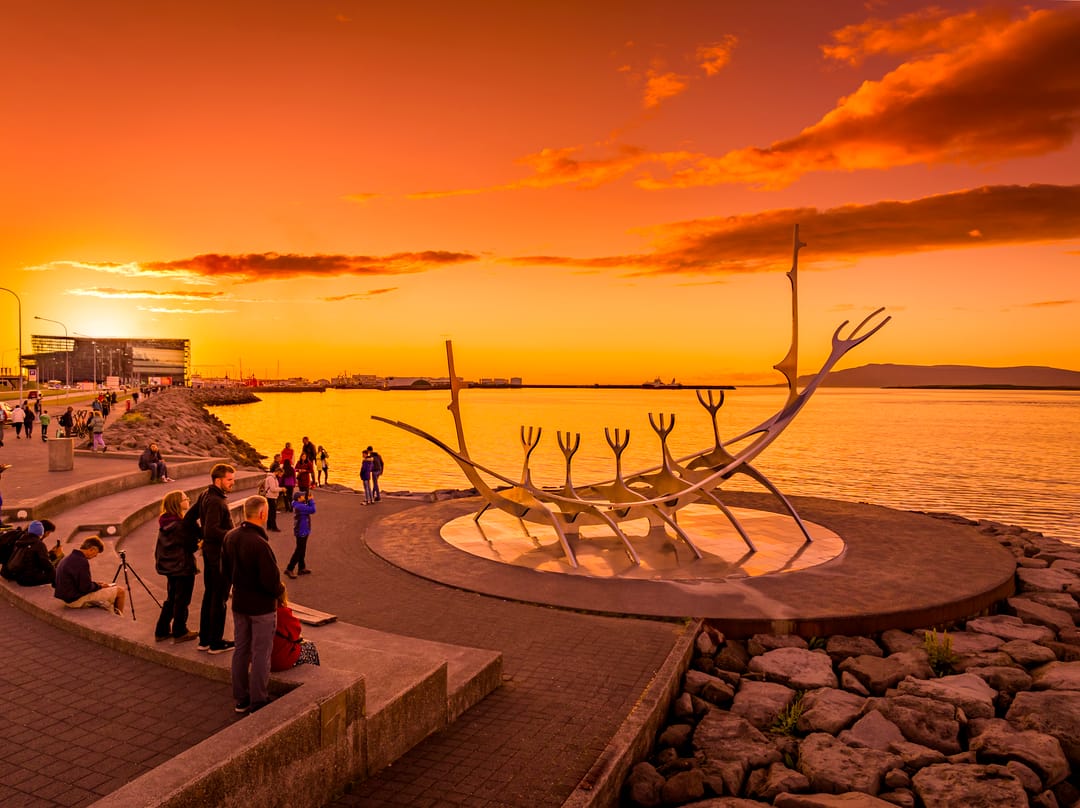
Nearby Attractions: Stroll along the scenic Sæbraut promenade or visit Harpa Concert Hall, just a 10-minute walk away. Harpa is a modern architectural masterpiece and hosts various cultural events.
Why Reykjavik’s Statues and Sculptures Are So Unique
Reykjavik’s statues aren’t just decorative – they’re storytellers. They embody Iceland’s history, folklore, and cultural identity, blending ancient traditions with modern creativity. Whether you’re gazing at an explorer or pondering the humour of a stone-headed bureaucrat, these statues spark curiosity and invite deeper exploration of Reykjavik’s past and present.
Travel Tips for Exploring Reykjavik’s Statues
- Best Time to Visit: Summer offers pleasant weather for walking tours, while winter adds a magical touch with snow-covered streets.
- Getting Around: Reykjavik is a small and walkable city, but renting a bike or using public transport can help you cover more ground.
- Guided Tours: Consider joining a city walking tour that includes these statues for more in-depth storytelling.
Reykjavik’s statues aren’t just works of art – they’re windows into Iceland’s rich culture and history. Whether you’re a history buff or simply curious about Reykjavik’s past, these statues offer something special for everyone. So, grab your walking shoes, hit the streets, and let these sculptures guide you through the stories of Reykjavik!
FAQ
What is the most famous statue in Reykjavik?
The Sun Voyager is one of Reykjavik’s most iconic statues, representing hope and freedom. Its location by the waterfront makes it a popular spot for photography.
Where is the Leif Erikson statue located?
The Leif Erikson statue stands in front of Hallgrímskirkja, Reykjavik’s most famous church. It’s a must-see attraction in the city.
Are the statues in Reykjavik free to visit?
All the statues mentioned are in public spaces and are free to visit. They’re perfect for travellers exploring on a budget!
What is the meaning behind the Sun Voyager?
The Sun Voyager symbolises hope, progress, and a journey to undiscovered territories. It’s a poetic tribute to Reykjavik’s connection to the sea.
Can I walk to all the statues in Reykjavik?
Most statues are within walking distance in the city centre, making it easy to see them all in a day. Bring comfortable shoes for exploring!
Are there guided tours for Reykjavik’s statues?
Several guided walking tours include Reykjavik’s statues, providing fascinating insights into their history and significance.
Popular articles
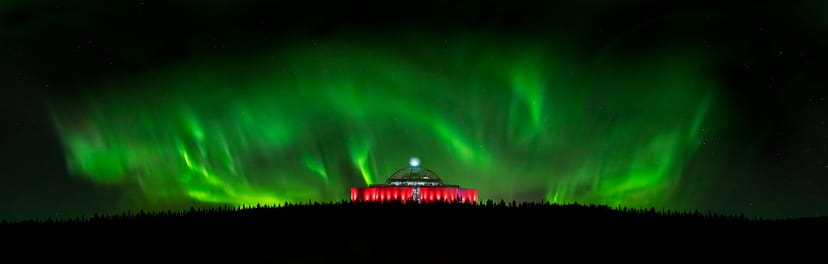
The Complete Guide to the Northern Lights in Iceland
Learn how the Northern Lights form, where to see them in Iceland, how to prepare, take photos, read the forecast, and improve your chances of a sighting.

Let's Talk About the Volcano in Iceland About to Erupt
Is a volcano in Iceland about to erupt? Here’s what travelers should know about Svartsengi, Reykjanes activity, flights, safety, and the Blue Lagoon.
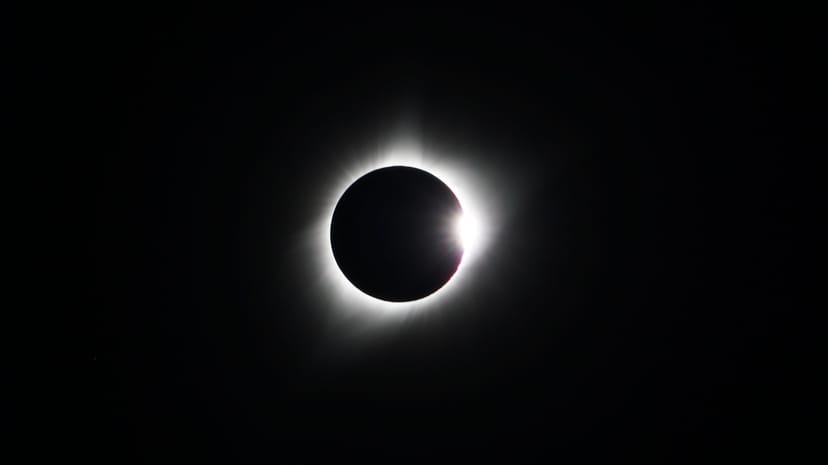
Solar Eclipse 2026 in Iceland | What Happened
Iceland experienced a total solar eclipse on August 12, 2026. Discover what happened in Reykjavík, eclipse times, totality locations and more.
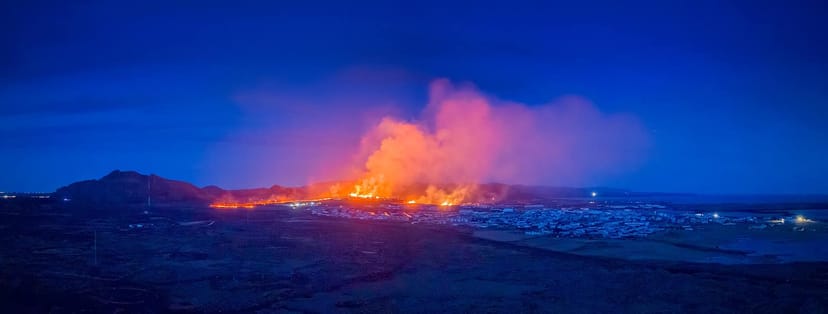
September 2026 updates on the Sundhnúkagígar Eruption in the Reykjanes Peninsula!
The current eruption in the Reykjanes Peninsula, is called Sundhnúkagígar Crater Row. See insights on the seismic activity and volcanic eruptions in the area!

Active Volcanoes in Iceland 2026
Active volcanoes aren't the same thing as active eruptions. A volcano can be considered active even when it is not ejecting ash, rock, gases and magma, so which are active in Iceland in 2026?
Top 10 Places To See the Northern Lights in Iceland
Discover the best places to see the Northern Lights in Iceland, from Jökulsárlón and Kirkjufell to Reykjavík, Þingvellir and North Iceland.
Ice Caves From Reykjavik
Planning an ice cave trip from Reykjavik? Compare Katla, Langjökull and Vatnajökull, travel times, seasons and Perlan’s ice cave in the city.