
Must-See Landmarks in Reykjavik
Most journeys to Iceland begin in Reykjavík. While the nature beyond the city is world-famous, the capital itself is home to iconic monuments and striking modern architecture. Before flying out, most travelers want a clear idea of the city’s highlights. To help you navigate, we’ve curated the Reykjavík landmarks you shouldn’t miss, from historic sites to the best architectural viewpoints.
Top Reykjavík Landmarks You Must Experience
1. Hallgrímskirkja
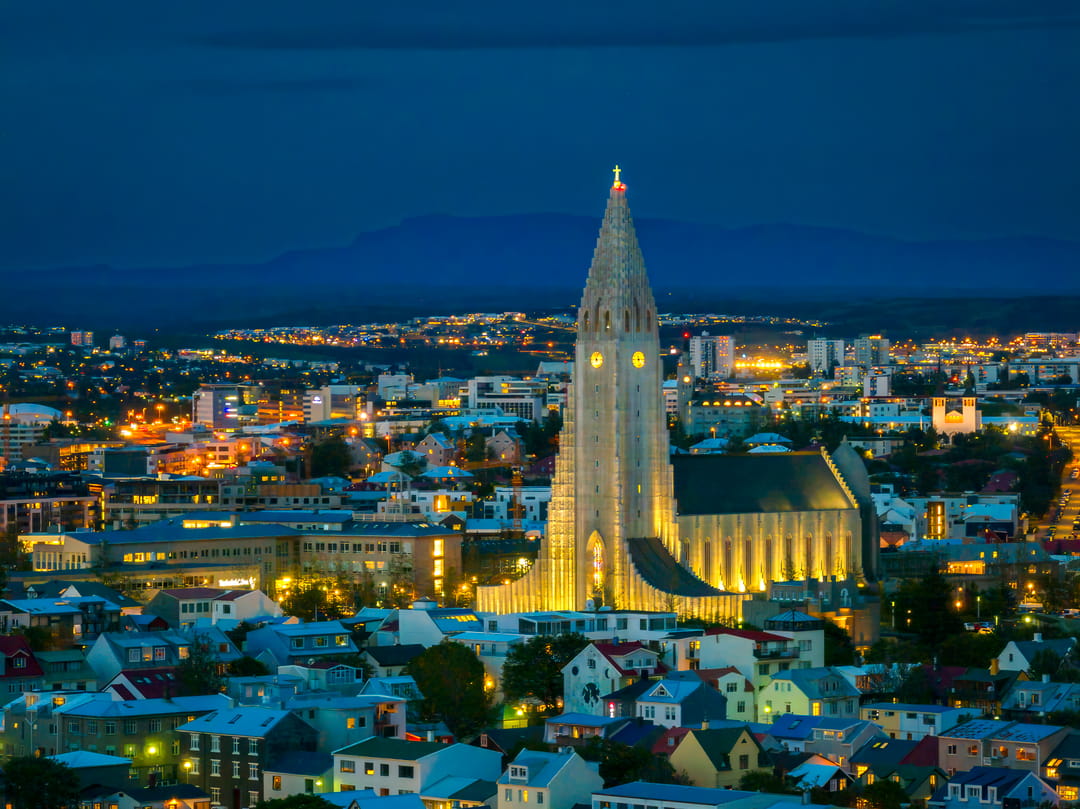
Perched atop Skólavörðuholt hill, Hallgrímskirkja is one of the most recognizable Reykjavík landmarks and its most famous church. Its towering concrete façade is inspired by staggered basalt columns, anchoring the church in Iceland’s volcanic landscape. Standing at 74.5 meters (244 feet), it’s one of the tallest structures in the capital. While the minimalist, light-filled interior offers a peaceful retreat, the bell tower is also a big draw. A quick elevator ride lets you ascend to the viewing platform at the top for a 360-degree view of the city. Don’t miss the Leif Erikson statue guarding the entrance, a gift from the United States.
2. Harpa Concert Hall and Conference Center
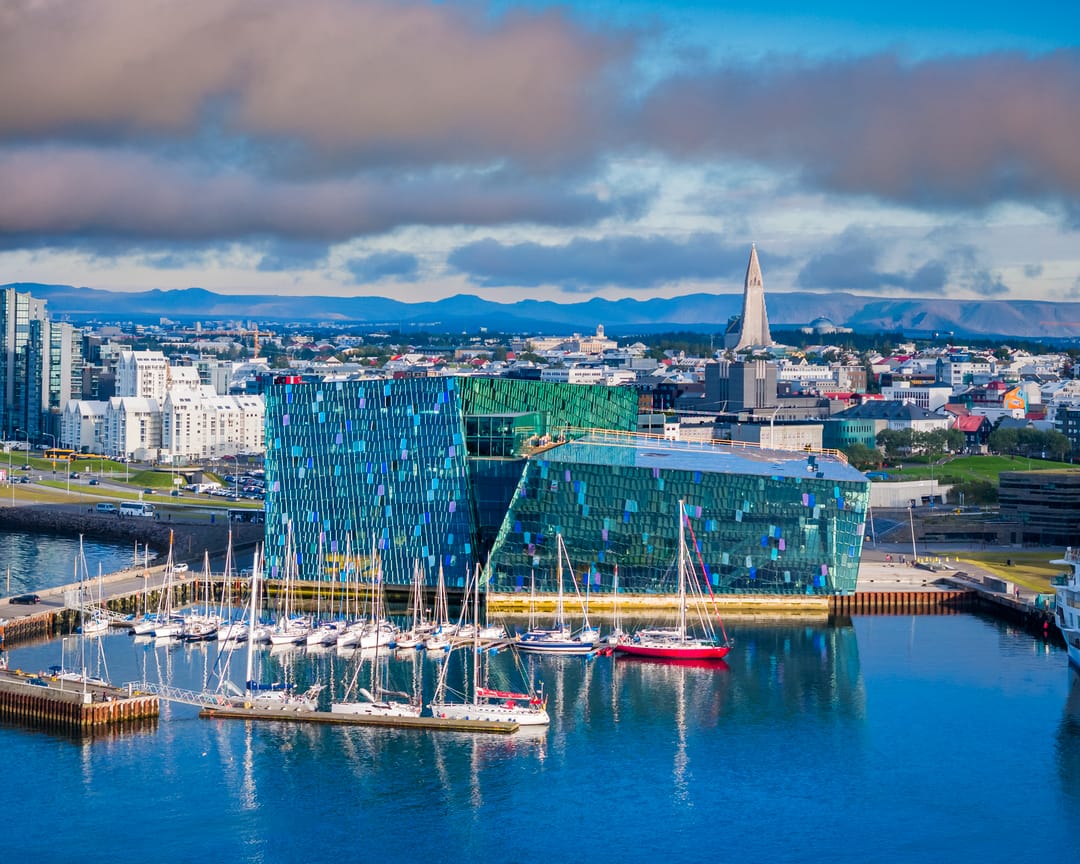
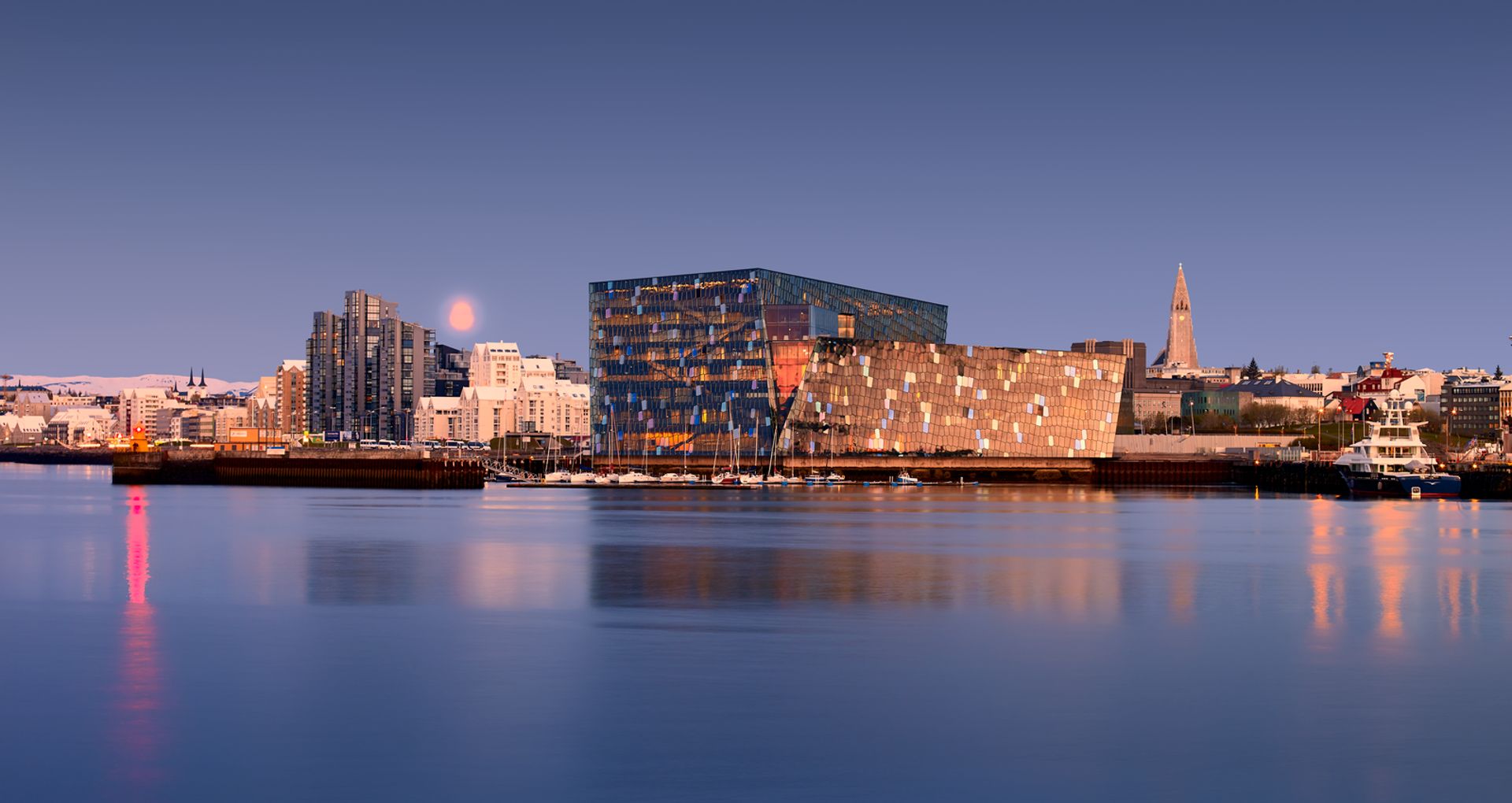
Sitting at the edge of the Old Harbour, Harpa is a shimmering example of modern Nordic architecture. The award-winning hall is among the most famous Reykjavík landmarks, and it’s no wonder why. Finished in 2011, the façade features an extraordinary patchwork of hundreds of glass panels designed in collaboration with artist Olafur Eliasson. On a clear day, the glass reflects the surrounding mountains and sea. By night, integrated LED strips transform the building into a glowing, colorful beacon.
Best of all, the interior is open to the public. If you’re looking for free things to do in Reykjavík, this is a must-visit. Even for those without tickets for a performance, walking through the multi-level foyer feels like standing inside a giant kaleidoscope.
3. Perlan
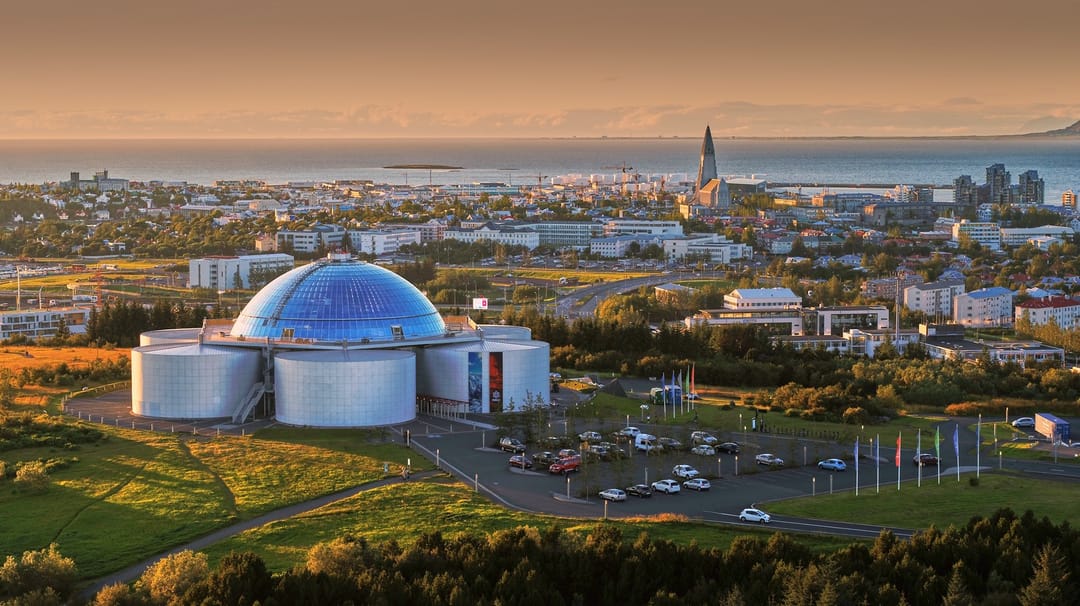
At the top of your Reykjavík landmarks bucket list should be Perlan. Sitting atop the forested Öskjuhlíð Hill, it’s as much a viewpoint as it is a deep dive into Icelandic wonders. From the observation deck, you can trace Reykjavík’s skyline, from the Hallgrímskirkja spire to the snow-capped Mount Esja across the bay.
Inside, the experience shifts from scenery to the elements. Dedicated to education and immersion, Perlan features a real indoor ice cave and interactive exhibits on volcanoes and glaciers. Visitors can watch the Northern Lights in the world-class planetarium or explore the coastal bird cliffs. It’s the perfect primer for the landscapes you’ll encounter across the rest of the island.
4. Sun Voyager
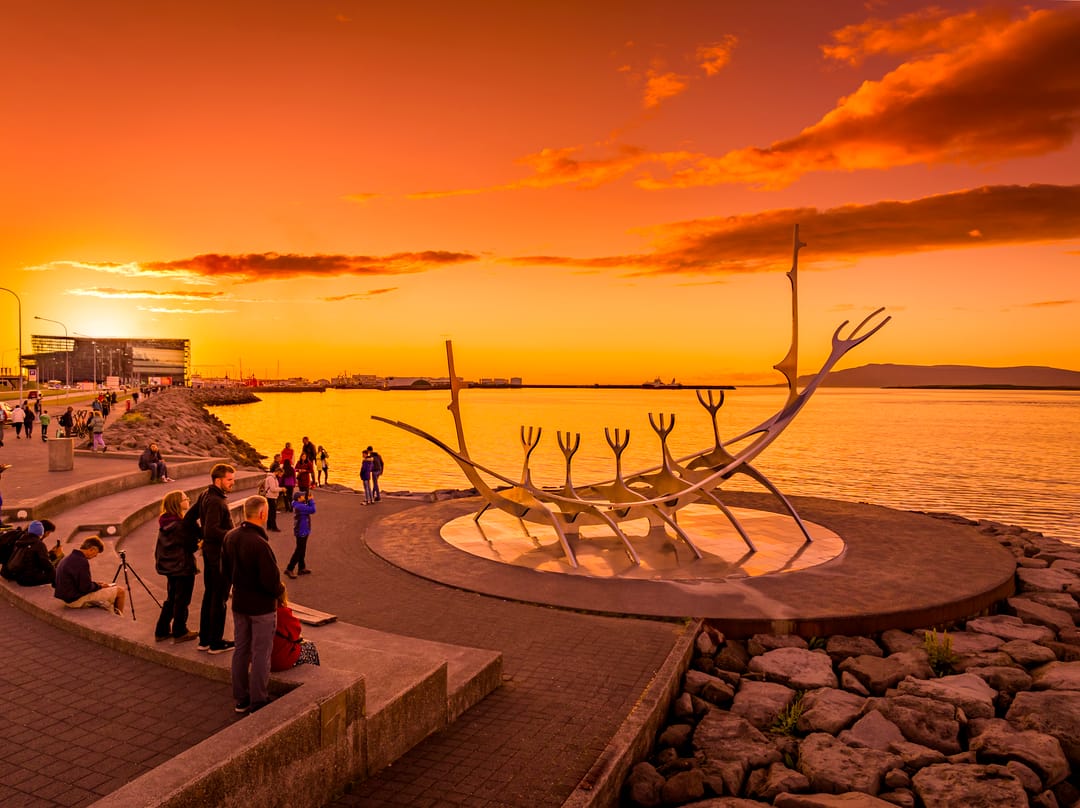
Along the scenic waterfront, overlooking Faxaflói Bay, sits the Sun Voyager (Sólfar), a famous steel sculpture by artist Jón Gunnar Árnason. While it resembles a Viking longboat, Árnason actually imagined a “dreamboat”: an ode to the sun symbolizing freedom and new horizons. The sculpture’s polished surface acts as a mirror for the Arctic sky. While the Sun Voyager is captivating anytime, it’s especially vivid under the warm, low light of a summer sunset in Reykjavík.
A 10-minute walk west along the shoreline leads to Pétur Bjarnason's Partnership monument. Commemorating decades of US-Icelandic diplomatic relations, this sculpture has a bronze twin in Miami, Florida.
5. Höfði House
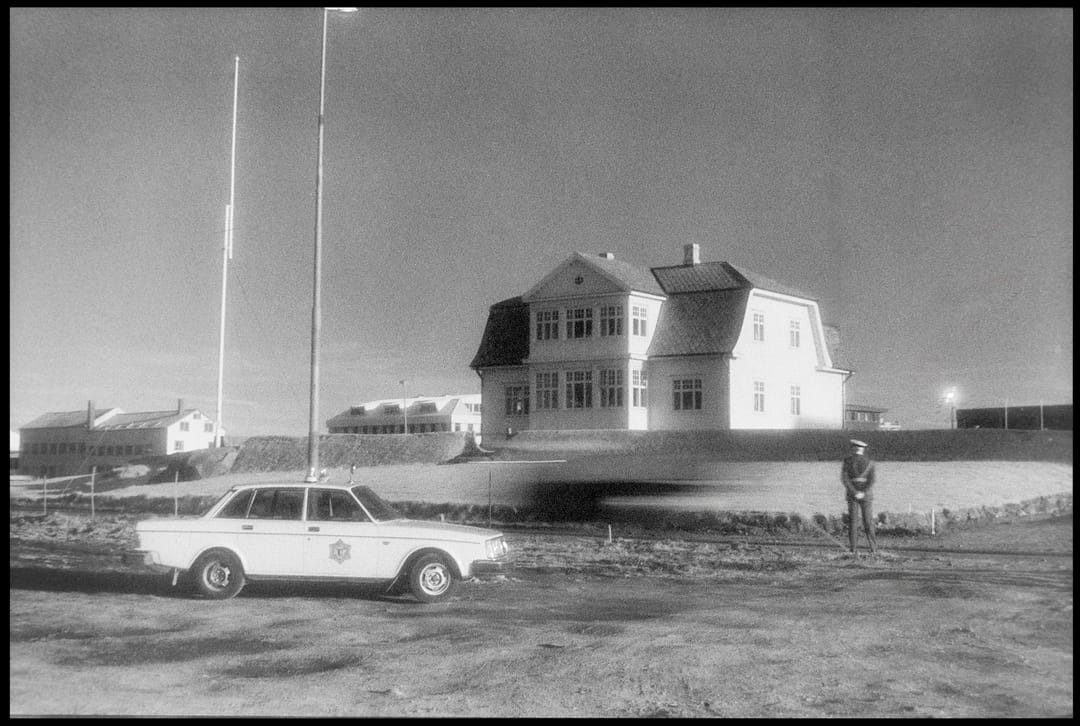
Standing against the backdrop of Faxaflói Bay, this unassuming white villa is one of the most historic landmarks in Reykjavík. Originally imported from Norway in 1909 for the French consul, Höfði House gained global fame during the Reykjavík Summit in 1986. Here, Ronald Reagan and Mikhail Gorbachev held talks that signaled the beginning of the end of the Cold War. While the interior is closed to the public, it remains a worthwhile stop for its historical importance and scenic setting. Just a few steps away, you can find a fragment of the Berlin Wall, a gift from the city of Berlin.
6. Reykjavík City Hall
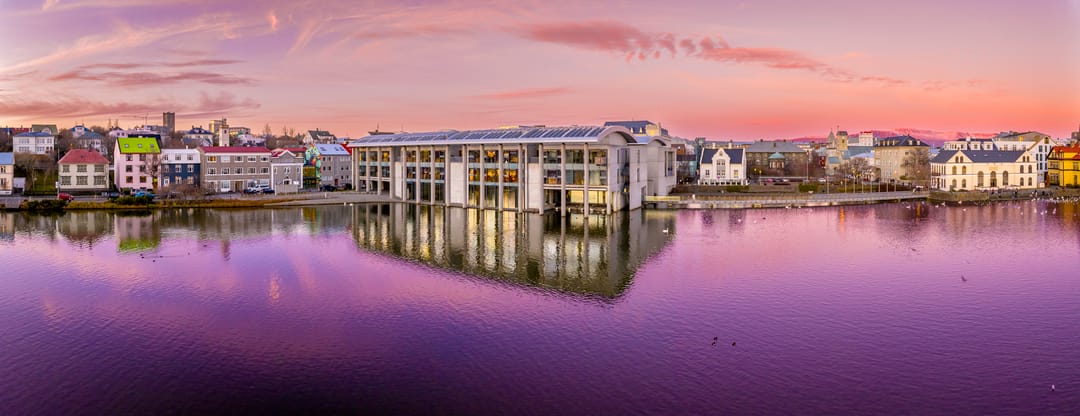
Appearing to float on Tjörnin, the city lake that's also among the popular Reykjavík landmarks, you'll encounter Reykjavík City Hall. Completed in 1992, this concrete and glass building serves as the city’s political and administrative hub. A highlight of the exterior is the living moss wall, a rich tapestry of greenery on a volcanic stone wall. Inside, step into the Tjarnarsalur (Lake Room) to see a massive 3D relief map of Iceland. At a 1:50,000 scale (with exaggerated elevation), it’s a birds-eye view of the island’s fjords, glaciers, and highland plateaus.
7. Þúfa
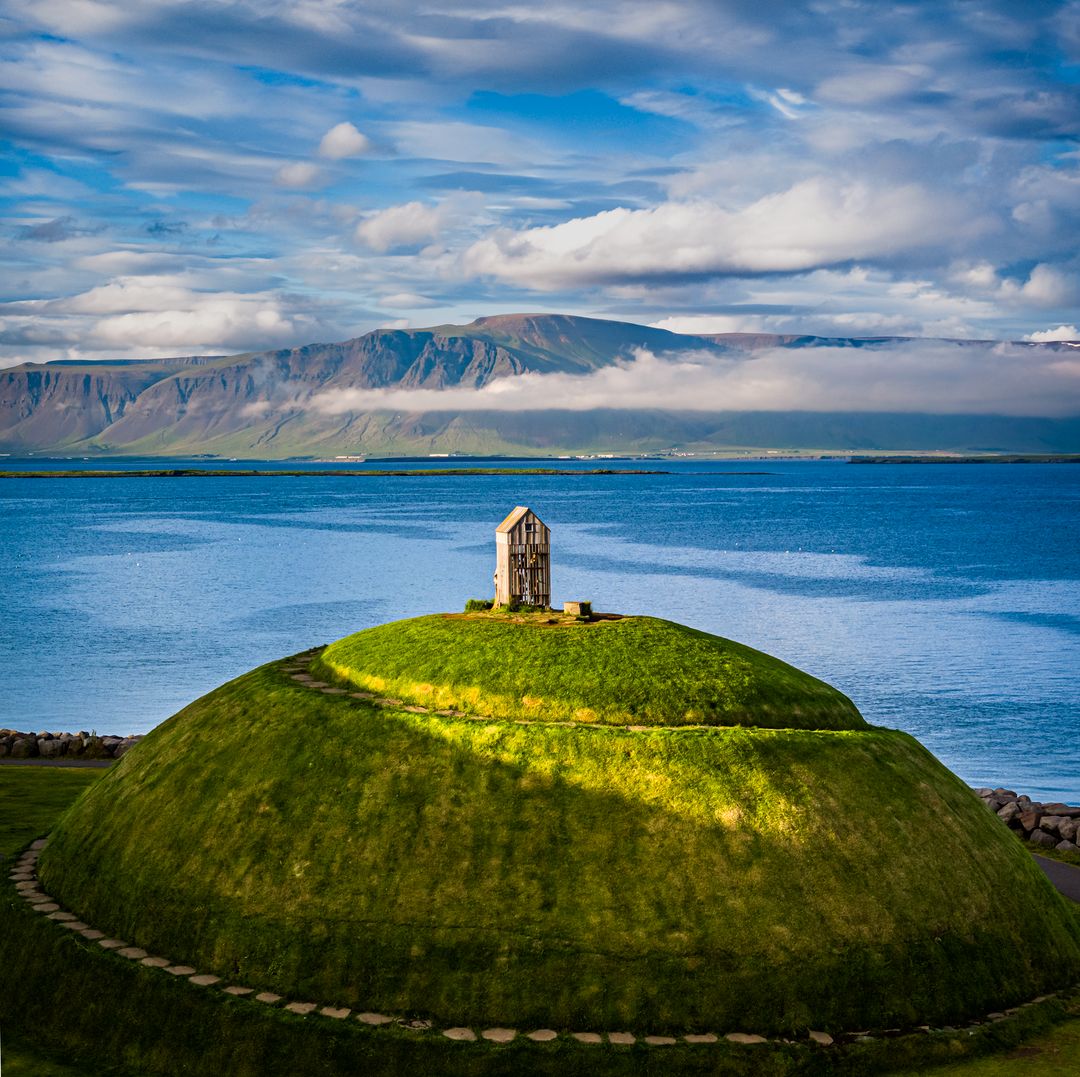
If you’re interested in Icelandic cultural history and maritime heritage, visit Þúfa on the edge of the Grandi harbor area. Created by artist Ólöf Nordal, this grassy mound is one of the more contemplative Reykjavík landmarks, blending art with maritime heritage. Standing an impressive eight meters (26 feet), Þúfa is designed to be climbed. A narrow stone path spirals gently to the summit, where a traditional wooden fish-drying shed sits. Inside, you may find cod hung to dry, an age-old preservation method. From the top, the views of Reykjavík and Faxaflói Bay are also pretty special.
8. Alþingi (The Parliament House) and Austurvöllur Square

Located in the city's historic center, Alþingi is one of the most important political landmarks in Reykjavík. It was completed in 1881 and remains the seat of Alþingi, one of the world’s oldest parliamentary institutions. While the building appears stoic and classical, the surrounding Austurvöllur Square is often lively. On sunny days, locals gather on the grass with coffee. During times of political shift, it becomes the stage for peaceful protest. It is the literal and figurative heart of Icelandic democracy, with a statue of independence hero Jón Sigurðsson.
9. Árbær Open Air Museum
Next, enjoy a deeper look into the city’s past at the Árbær Open Air Museum. As one of the more immersive Reykjavík landmarks, the museum is often described as a “town within a town.” Árbær features over 30 historic buildings that have been relocated and reconstructed to form a living history village. Here, you can wander past turf-roofed cottages, 19th-century wooden homes, and traditional farm structures. Highlights also include a reconstructed turf church, offering insights into traditional architecture and customs long before Reykjavík became a modern capital.
10. Sky Lagoon
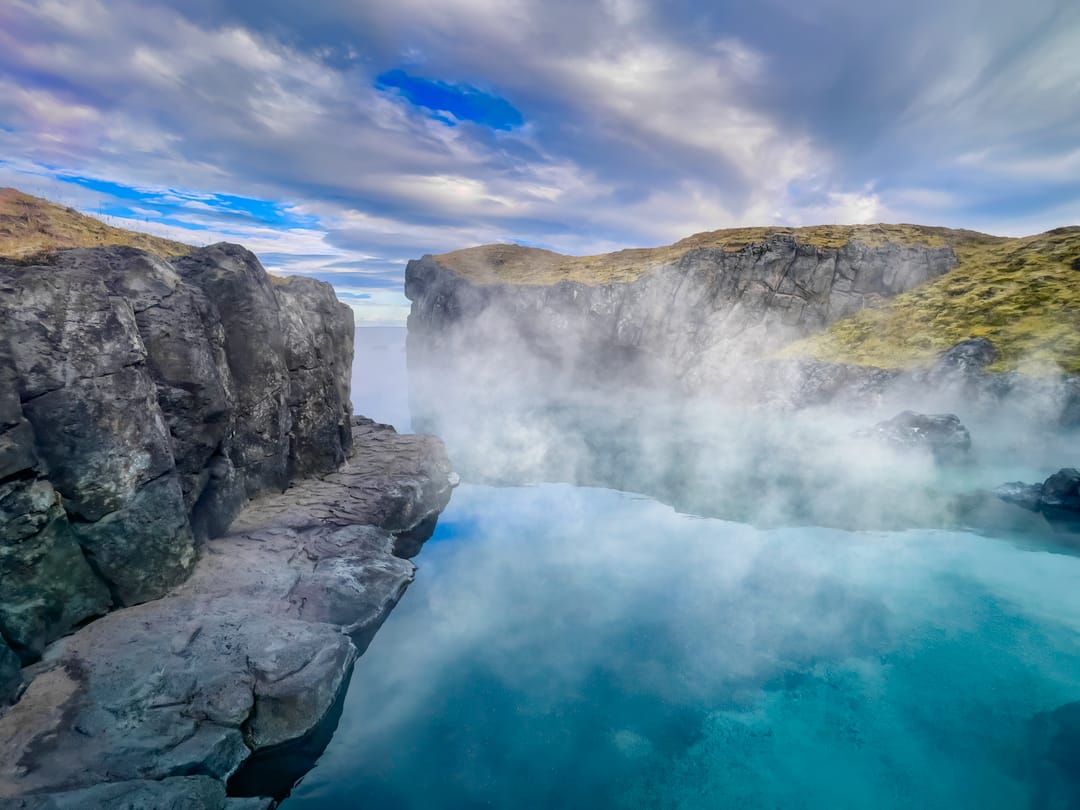
For relaxation and indulgence, Sky Lagoon has become one of the most visually striking landmarks in Reykjavík’s greater urban area. Opened in 2021 on the Kársnes peninsula in nearby Kópavogur, this deluxe geothermal spa is hailed for its Seven-Step Ritual. At its heart is a sweeping infinity-edge pool that appears to spill into the open ocean. Its cliffs-style walls are inspired by traditional turf houses, echoing the country’s historic architecture. Inside, the floor-to-ceiling sauna window offers a cinematic view of the ocean.
11. Grótta Island Lighthouse
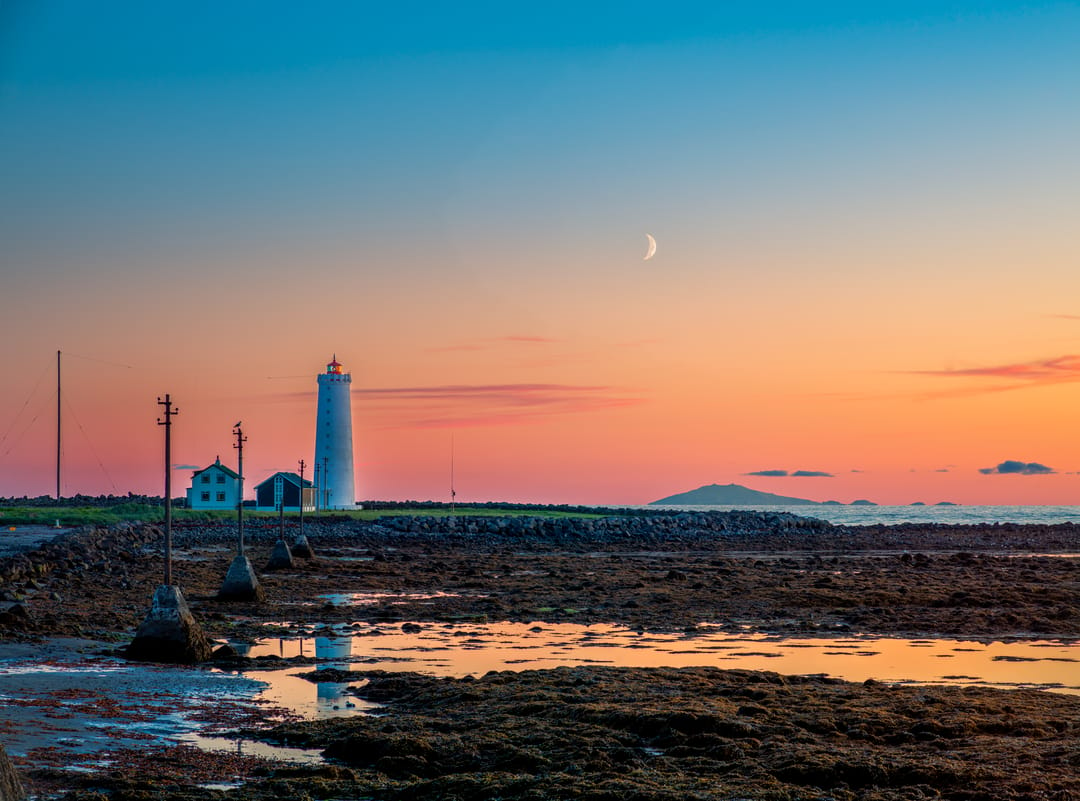
Grótta Island Lighthouse is another one of the prominent Greater Reykjavík landmarks. Visitors come here to admire the 1947 structure and to enjoy the surrounding nature reserve. Look out for Arctic terns and tufted ducks as well as the occasional seal by the black sand beach.
The island is connected to the mainland by a narrow spit. It can only be crossed at low tide, adding a sense of adventure to any visit. In winter, Grótta is a popular spot for viewing the Northern Lights thanks to its relatively low light pollution and open coastal views. And if the Northern Lights prove a little camera-shy, remember you can catch the spellbinding Áróra show at Perlan instead.
Exploring the Iconic Landmarks of Reykjavík
The city may be small, but its attractions offer an impressive blend of history, design, and natural beauty. From Hallgrímskirkja and Harpa to immersive Perlan, these landmarks reveal a capital that’s as compelling as the landscapes beyond it. Whether you’re visiting for a day or longer, these highlights give you a deeper appreciation of Iceland’s culture and character.
FAQs
What is Reykjavík famous for?
Reykjavík is renowned for its colorful corrugated iron houses, a thriving arts scene, and its status as the world’s northernmost capital. It also serves as the main gateway to Iceland’s dramatic natural landscapes.
What is the most popular landmark in Iceland?
Iceland is home to many iconic landmarks, including Gullfoss waterfall, Þingvellir National Park, and the Geysir geothermal area. In the capital, Hallgrímskirkja stands out as one of the most recognizable man-made Reykjavík landmarks, thanks to its striking design.
What is the famous building in Reykjavík?
Harpa Concert Hall is among Reykjavík’s most famous buildings, celebrated for its award-winning glass façade inspired by Icelandic basalt formations. Perlan is another standout, easily recognized by its glass dome set atop six former hot water tanks.
What is the famous street in Reykjavík?
Laugavegur is Reykjavík’s main shopping street, known for its boutiques, street art, and lively dining scene. Alternatively, nearby Aðalstræti is considered the oldest street in Reykjavík, located in the area of the original settlement.
How many days do you need to see the landmarks in Reykjavík?
Two full days are typically enough to explore central Reykjavík landmarks like Hallgrímskirkja and Harpa on foot. To visit outlying attractions such as the Árbær Open Air Museum or Sky Lagoon, adding a third day is recommended.
Popular articles
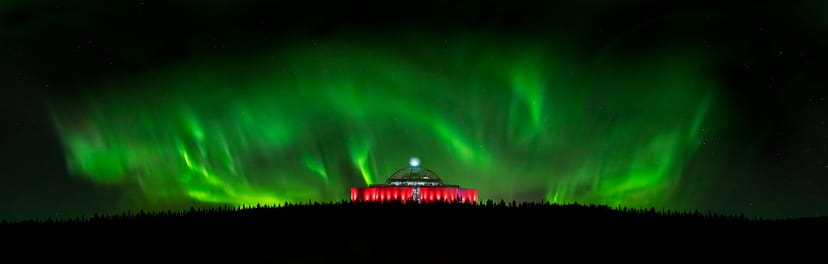
The Complete Guide to the Northern Lights in Iceland
Learn how the Northern Lights form, where to see them in Iceland, how to prepare, take photos, read the forecast, and improve your chances of a sighting.
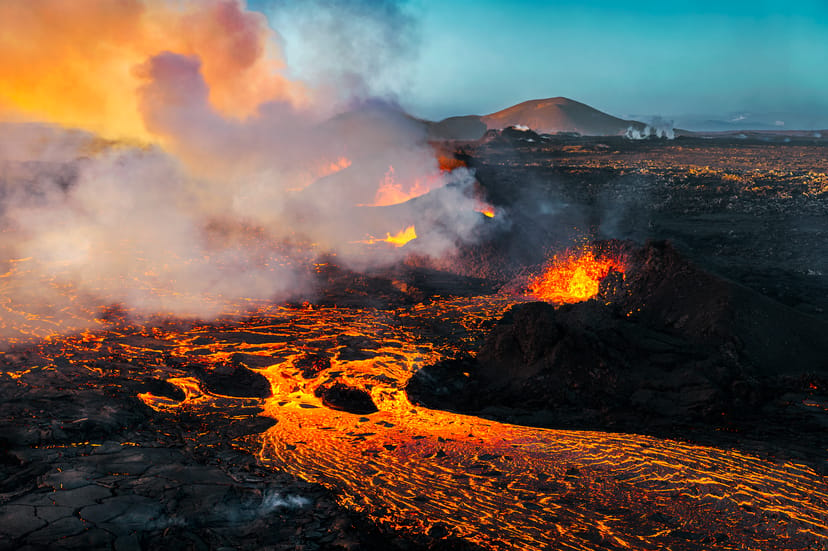
Let's Talk About the Volcano in Iceland About to Erupt
Is a volcano in Iceland about to erupt? Here’s what travelers should know about Svartsengi, Reykjanes activity, flights, safety, and the Blue Lagoon.
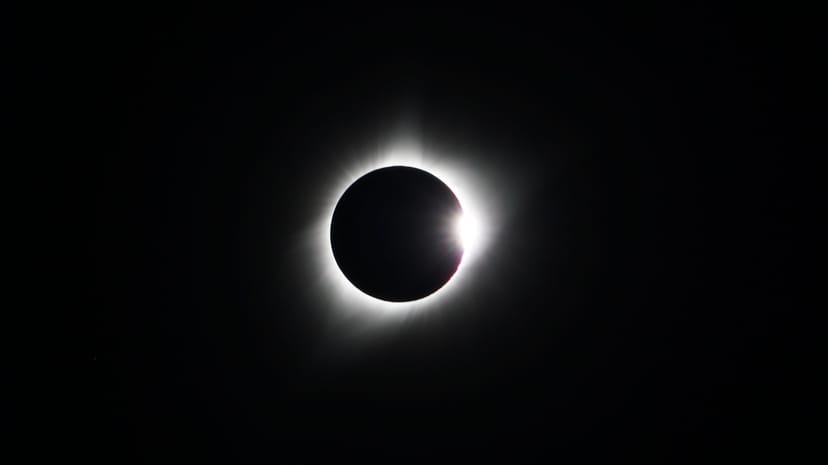
Solar Eclipse 2026 in Iceland | What Happened
Iceland experienced a total solar eclipse on August 12, 2026. Discover what happened in Reykjavík, eclipse times, totality locations and more.
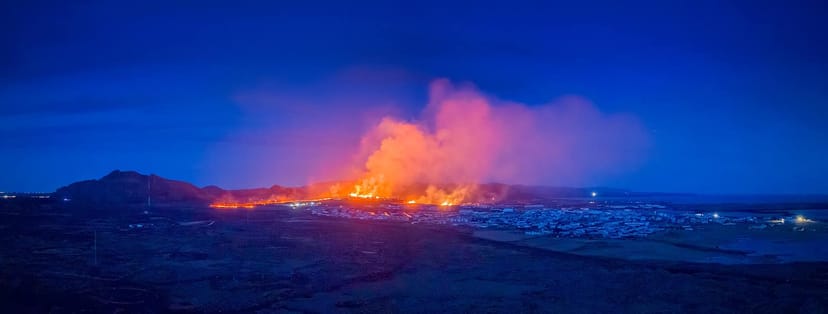
September 2026 updates on the Sundhnúkagígar Eruption in the Reykjanes Peninsula!
The current eruption in the Reykjanes Peninsula, is called Sundhnúkagígar Crater Row. See insights on the seismic activity and volcanic eruptions in the area!
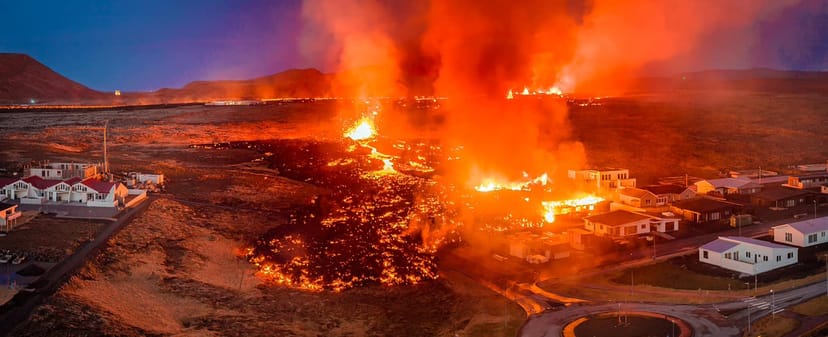
Active Volcanoes in Iceland 2026
Active volcanoes aren't the same thing as active eruptions. A volcano can be considered active even when it is not ejecting ash, rock, gases and magma, so which are active in Iceland in 2026?
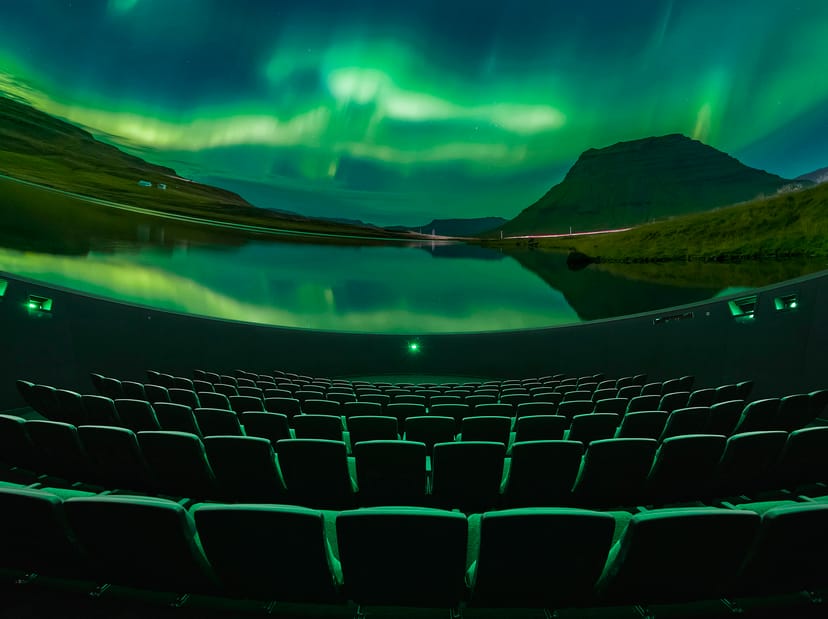
Top 10 Places To See the Northern Lights in Iceland
Discover the best places to see the Northern Lights in Iceland, from Jökulsárlón and Kirkjufell to Reykjavík, Þingvellir and North Iceland.
Ice Caves From Reykjavik
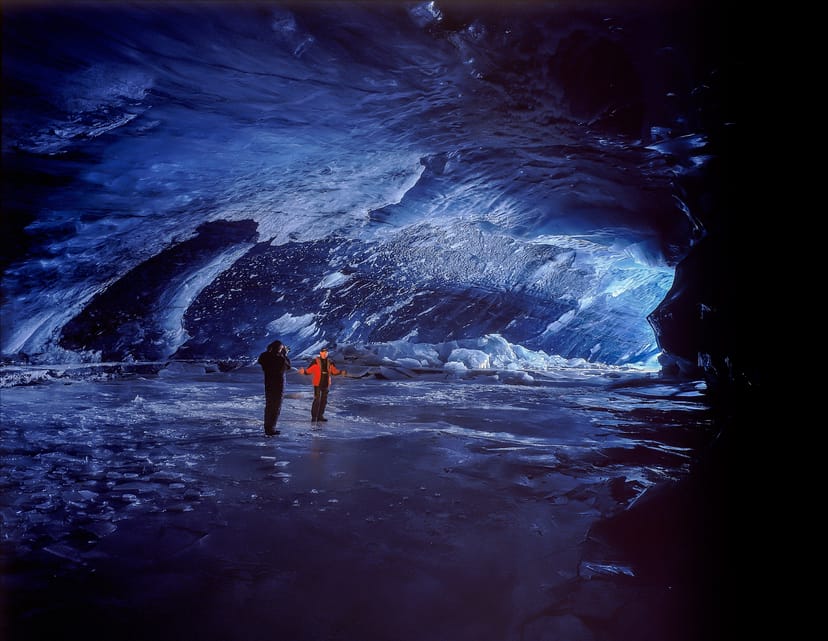
Planning an ice cave trip from Reykjavik? Compare Katla, Langjökull and Vatnajökull, travel times, seasons and Perlan’s ice cave in the city.