
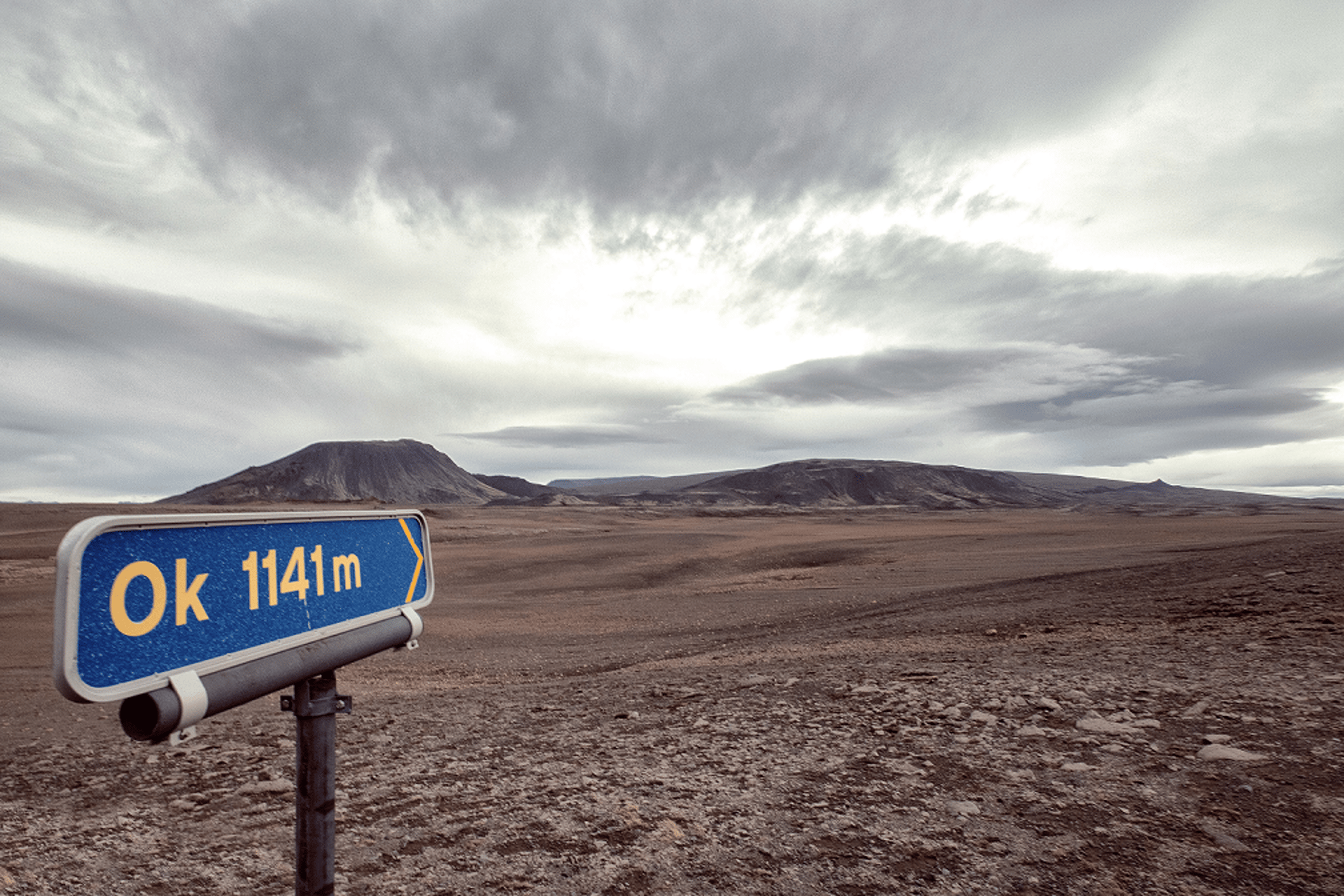
OKjökull (Ok Glacier)
Glaciers are essential to the global ecosystem as they store a significant portion of the world's freshwater in the form of ice. Glaciers help regulate the Earth's climate by reflecting sunlight, and they hold vast amounts of water, so their melting contributes to sea-level rise. As a result, they play a significant role in regulating sea levels.
What was OKjökull?
OKjökull, often referred to as "OK Glacier", was a small glacier situated in the western part of the country, in the Langjökull glacier area. OKjökull was one of the smallest glaciers in Iceland, covering an area of approximately 15 square kilometres in the 19th century. However, due to the effects of climate change, OKjökull has significantly decreased in size over the years.
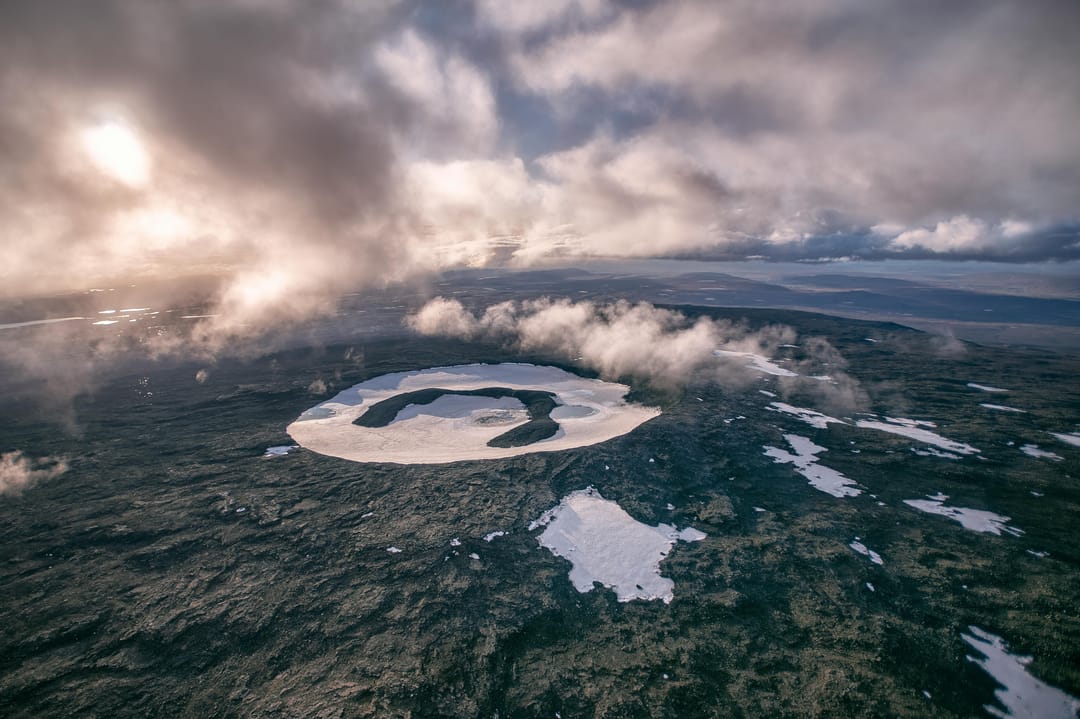
Has OKjökull disappeared?
In August 2019, OKjökull was declared dead and was officially removed from the list of glaciers in Iceland. In fact, scientists and climate activists held a memorial service for the glacier to raise awareness about the consequences of climate change. A plaque was placed at the site.
What Does the Plaque Say?
The plaque installed at the site read: "OK is the first Icelandic glacier to lose its status as a glacier. In the next 200 years, all our glaciers are expected to follow the same path. This monument acknowledges that we know what is happening and what needs to be done. Only you will know if we did it."
Why is OK significant?
The removal of OKjökull's glacier status served as a powerful symbol of the ongoing global issue of glacier retreat and the impact of climate change on the world's ice masses. It highlighted the urgency of addressing climate change and its consequences.
The loss of OKjökull was a stark reminder of the need for worldwide efforts to mitigate climate change and its effects on the environment. The reduction of glaciers and ice sheets has significant implications for rising sea levels and the ecological and hydrological systems of the regions where these glaciers are found.
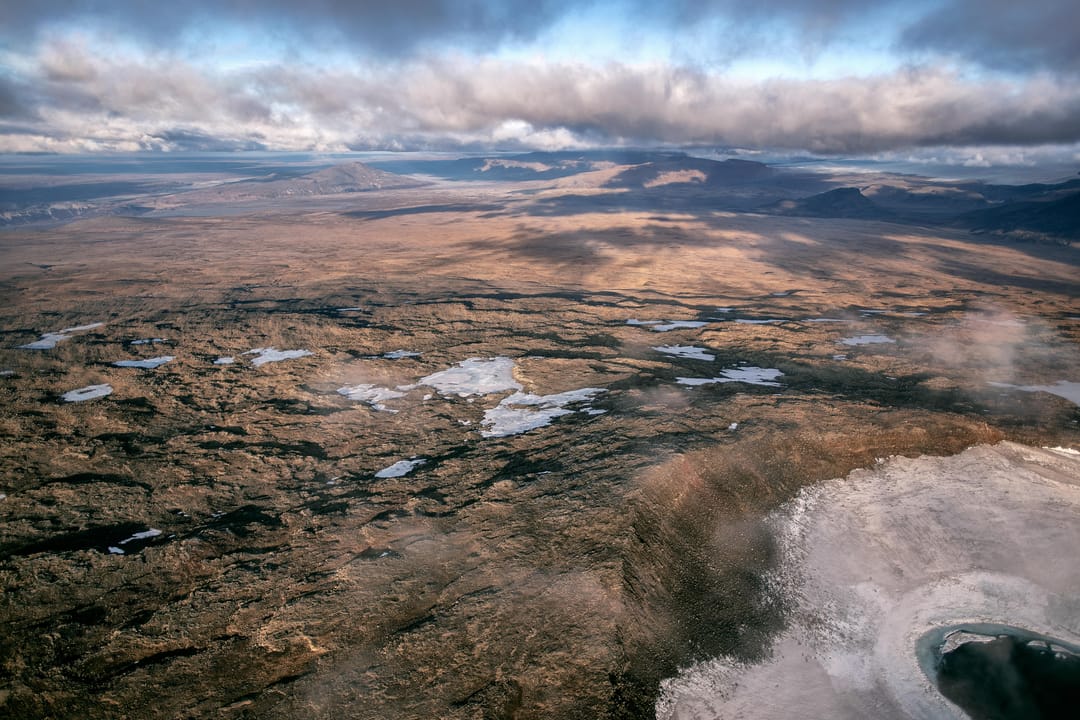
Where Can I Learn About Glaciers in Reykjavík?
Perlan's Wonders of Iceland exhibition features an ice cave that is 100 metres long, made from more than 350 tonnes of snow from Icelandic mountains. Ice caves are a natural phenomenon that takes shape in the deep winter months within glaciers. Meltwater streams carve these fantastic caves, and at Perlan, guests can see a real ice cave in a safe and secure environment.
A visit to an ice cave is a magical experience that no one who comes to Iceland should miss, and Perlan offers year-round travellers a chance to get a sense of this unique natural phenomenon.
In addition to their natural beauty, Iceland's glaciers are significant for the environment as they are an essential source of fresh water for the island and play a vital role in regulating the island's climate.
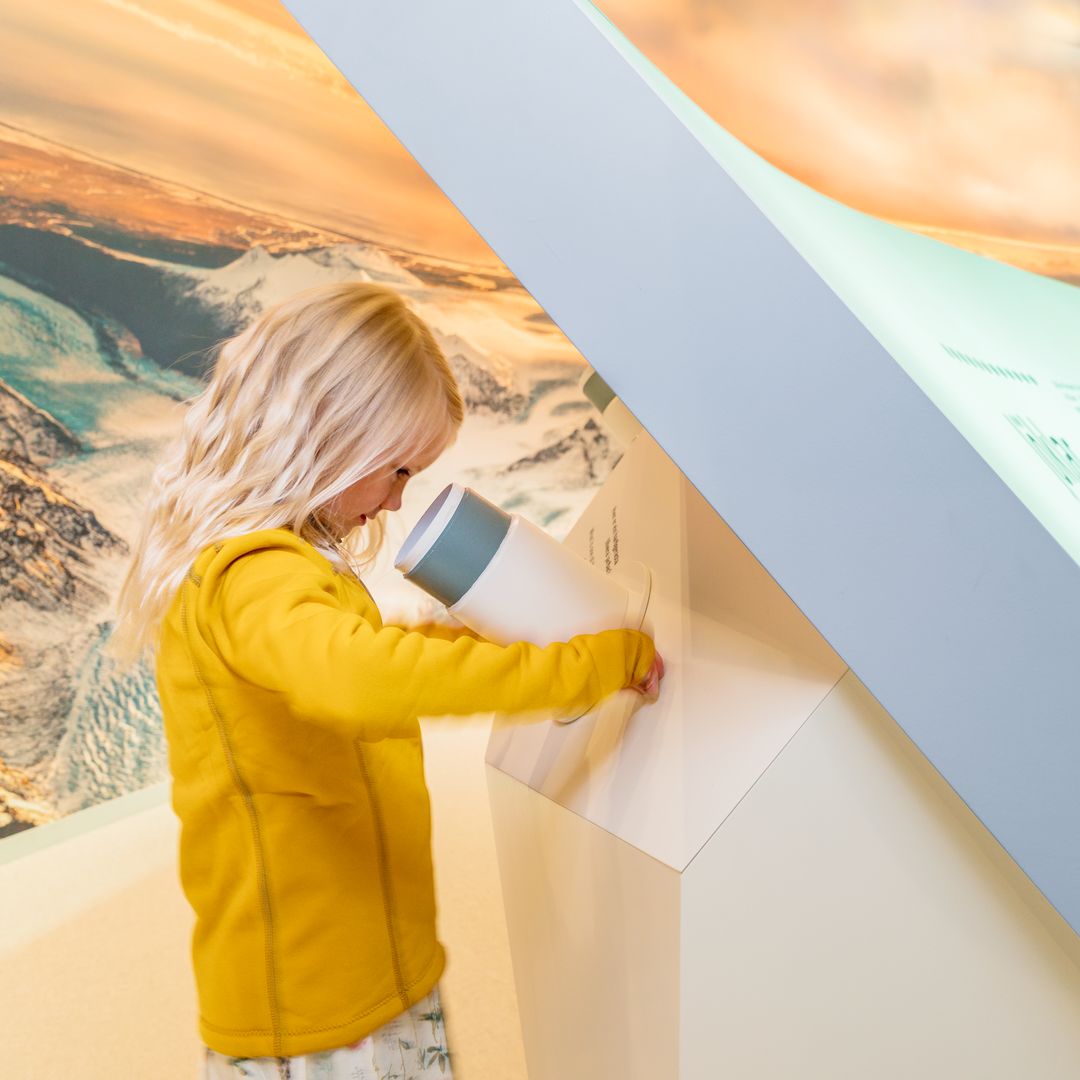
At Perlan, guests can explore Iceland's' natural wonders through a series of exhibits and immersive presentations, including ice caves and glaciers, as well as northern lights and volcanoes.
What Attractions are Near OKjökull?
Langjökull Glacier
The Langjökull glacier, one of Iceland's largest ice caps, is close to OKjökull. Travellers can explore the glacier and take guided tours, such as ice cave tours, snowmobiling rides, and glacier hikes.
Hraunfossar and Barnafoss
These stunning waterfalls are located in the Borgarfjörður region, not too far from OKjökull. Hraunfossar is a series of clear, cold springs flowing from underneath a lava field, while Barnafoss features powerful rapids that run through a rocky canyon.
Deildartunguhver
Deildartunguhver is Europe's most powerful hot spring, known for its boiling and bubbling waters. It's a fascinating geological feature and the source of hot water for the nearby towns. The hot spring is a reminder that Iceland is teeming with raw geothermal energy.
FAQ
What happened to the OK Glacier?
OKjökull lost its status as a glacier in Iceland in 2019. It's a stark reminder of the impact of climate change on the global ecosystem.
Is it safe to visit glaciers in Iceland?
Glaciers are perfectly safe from a distance, but travellers should never attempt to walk on a glacier without a trained glacier guide. Some snow-covered cracks and crevices can pose great danger to those unfamiliar with the surroundings. Guided tours are advisable to experience a glacier in Iceland fully.
Is OK glacier the first Icelandic glacier?
No, the OK glacier is not the first Icelandic glacier, but it is the first Icelandic glacier to lose its status due to climate change.
Popular articles
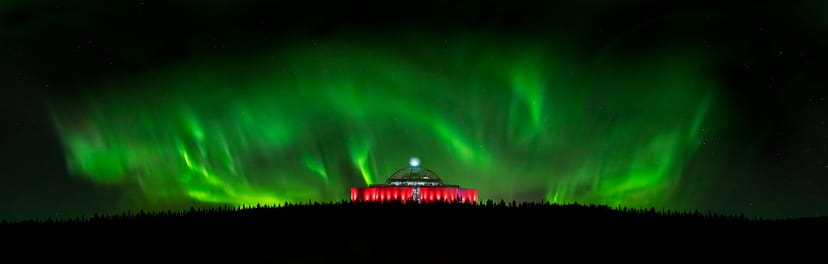
The Complete Guide to the Northern Lights in Iceland
Learn how the Northern Lights form, where to see them in Iceland, how to prepare, take photos, read the forecast, and improve your chances of a sighting.
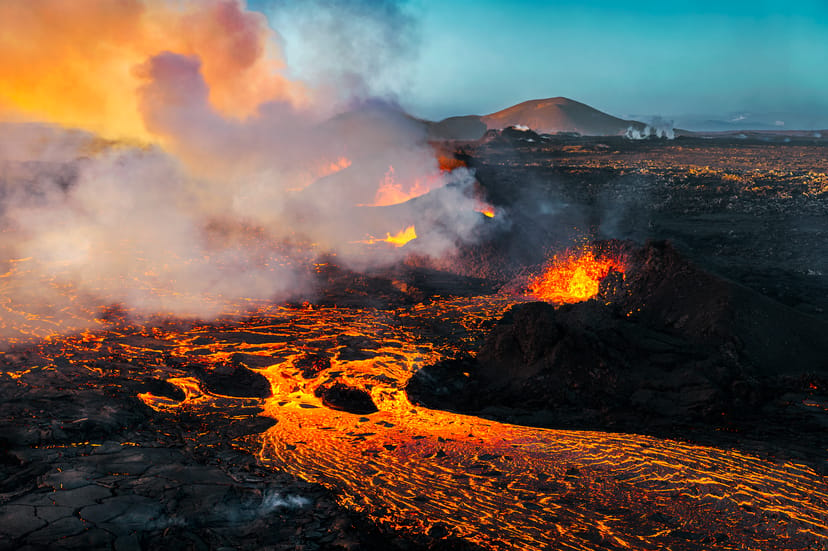
Let's Talk About the Volcano in Iceland About to Erupt
Is a volcano in Iceland about to erupt? Here’s what travelers should know about Svartsengi, Reykjanes activity, flights, safety, and the Blue Lagoon.
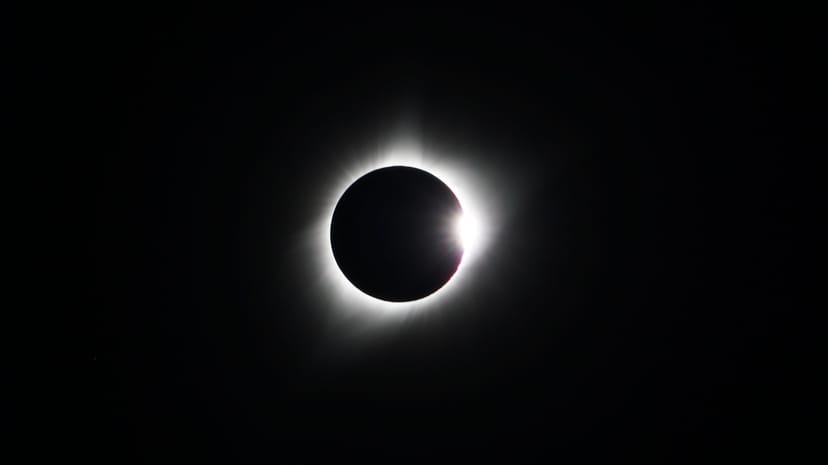
Solar Eclipse 2026 in Iceland | What Happened
Iceland experienced a total solar eclipse on August 12, 2026. Discover what happened in Reykjavík, eclipse times, totality locations and more.
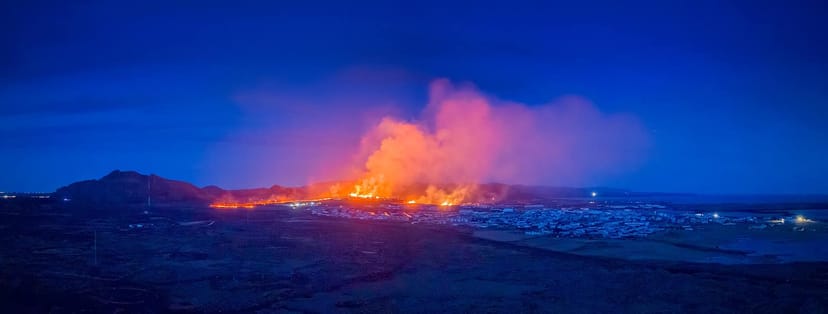
September 2026 updates on the Sundhnúkagígar Eruption in the Reykjanes Peninsula!
The current eruption in the Reykjanes Peninsula, is called Sundhnúkagígar Crater Row. See insights on the seismic activity and volcanic eruptions in the area!
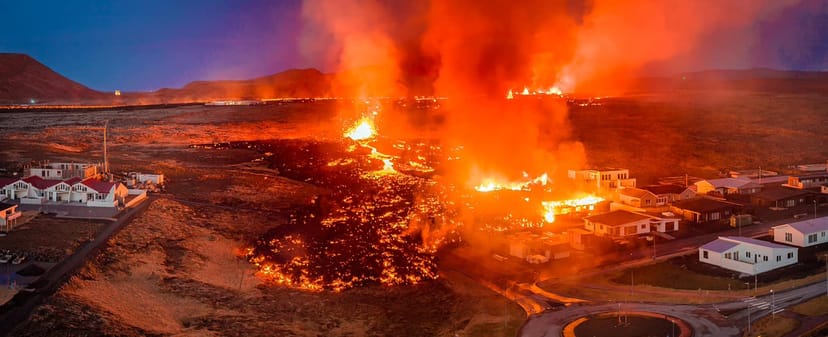
Active Volcanoes in Iceland 2026
Active volcanoes aren't the same thing as active eruptions. A volcano can be considered active even when it is not ejecting ash, rock, gases and magma, so which are active in Iceland in 2026?
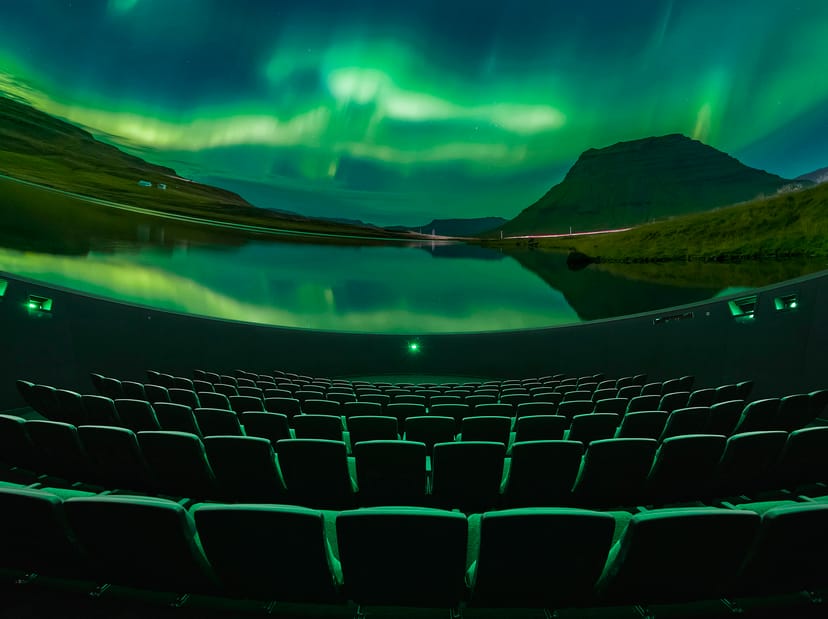
Top 10 Places To See the Northern Lights in Iceland
Discover the best places to see the Northern Lights in Iceland, from Jökulsárlón and Kirkjufell to Reykjavík, Þingvellir and North Iceland.
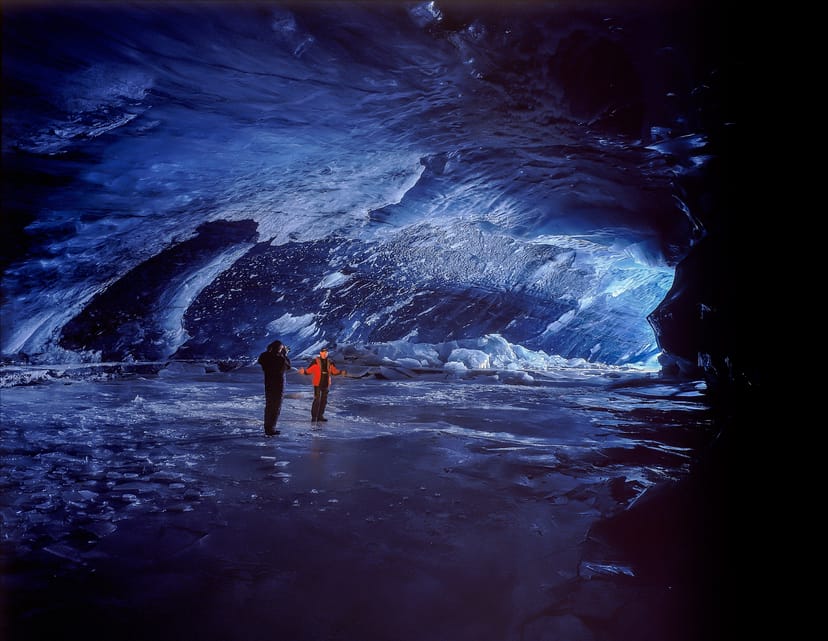
Ice Caves From Reykjavik
Planning an ice cave trip from Reykjavik? Compare Katla, Langjökull and Vatnajökull, travel times, seasons and Perlan’s ice cave in the city.